The live music industry is experiencing a renewed boom as we head into 2026, and brand partnerships have become a crucial ingredient for event success. In the post-pandemic era, record-breaking attendance and ticket sales in 2023 signaled how hungry audiences are for live experiences, with live music seeing a massive resurgence. Live Nation alone saw 145 million fans attend events in 2023 (up from 98 million in 2019) – a surge powered by huge tours and festivals. Major artist tours like Taylor Swift’s Eras Tour even surpassed $1 billion in revenue, showcasing the massive stakes and opportunities in live events today. In this climate, strategic brand collaborations are no longer optional – they’re often essential to funding top-tier experiences and standing out in a crowded market. This comprehensive 2026 guide explores how brand partnerships can transform your live music event from ordinary to extraordinary, with up-to-date examples, expert insights, and proven strategies.
By leveraging the right partnerships, event organizers can unlock new revenue streams, enhance fan experiences, and tap into wider audiences. As consumer preferences evolve and technology reshapes engagement, understanding the power of strategic brand alliances is more vital than ever for any event marketer seeking to thrive in an ultra-competitive landscape. Let’s dive into how brand partnerships in 2026 are driving success for live music events – and how you can harness these collaborations to elevate your next concert or festival.
Understanding Strategic Brand Partnerships in the Music Industry
Brand partnerships go far beyond old-school sponsorships; they’re dynamic collaborations that create value for the event, the brand, and the fans. Unlike a traditional sponsorship that might simply slap a logo on a stage, modern partnerships involve deep integration of the brand into the event experience. Organizers and sponsors work together to align on values, audience interests, and creative execution. The result is a win-win: the event gains resources and cachet, while the brand connects with consumers in an authentic, memorable way.
One key is identifying brands whose values align with the event’s theme and audience. When the partnership feels natural, fans embrace it rather than seeing it as an intrusion. For example, an outdoor summer music festival might team up with an eco-friendly beverage company to promote sustainability on-site (think free water refill stations and recycling initiatives). A partnership like that reinforces the festival’s green mission and gives the beverage brand cred with environmentally conscious attendees. Similarly, a hip-hop concert series could partner with a popular streetwear or sneaker brand, creating on-site pop-ups that speak directly to the culture of the fans. A rock festival might align with a motorcycle or automotive brand for an interactive bike display, while an EDM rave teams with an electronics or energy drink company that matches its high-energy vibe. By choosing partners that make sense for the genre and crowd, events ensure the collaboration feels genuine and adds real value to the attendee experience.
Smart Promo Codes & Presale Access
Create percentage or flat-rate discount codes with usage limits, date ranges, and ticket type restrictions. Plus unlock codes for private presales.
Another big evolution in music event partnerships is the move toward year-round and multi-event collaborations. Instead of one-off deals that end when the stage lights turn off, many organizers are now cultivating multi-year partnerships that engage fans before, during, and after the main event. For instance, a festival and a beer sponsor might co-create a branded summer concert tour leading up to the main festival, or host pop-up fan events in various cities to build hype. By extending the partnership across an entire season or multiple years, both the brand and the event deepen their connection with the audience. This year-round approach also lets partners maintain an ongoing dialogue with fans through content, contests, and community initiatives, rather than starting from scratch each year. Bottom line: modern brand partnerships in the music industry are about integration and authenticity. When an event and a partner brand share a story and create experiences together, the impact on fan engagement and loyalty can be extraordinary.
When comparing single-night shows to multi-day events, festival partnerships offer a uniquely expansive canvas for brand storytelling. Because attendees often spend entire weekends on-site, these large-scale collaborations allow sponsors to build progressive narratives—perhaps starting with a welcome activation at the campgrounds, moving to a high-energy main stage integration during peak hours, and concluding with a late-night branded chill zone. This extended dwell time makes multi-day event alliances highly attractive to corporate marketers looking to foster deep, sustained consumer relationships rather than fleeting impressions.
Ready to Sell Tickets?
Create professional event pages with built-in payment processing, marketing tools, and real-time analytics.
At their core, successful music brand partnerships act as a bridge between corporate marketing objectives and live entertainment culture. When evaluating how brands and music partnerships intersect, promoters must recognize that sponsors are no longer just buying impressions; they are investing in cultural relevance. Whether it is a localized indie showcase or a massive EDM festival, modern music partnerships require organizers to act as creative agencies, pitching bespoke integrations that seamlessly blend the sponsor’s identity with the live music experience.
The Power of Brand Partnerships in Live Music Events
Partnering with the right brands can supercharge a live music event’s success. Firstly, these collaborations infuse events with additional funding and resources beyond what ticket sales alone can provide. This means organizers can afford larger-than-life productions, better amenities, and even bigger talent lineups – all of which make the event more competitive and exciting for fans. In fact, industry analyses show sponsorship investments in music and entertainment have been rising around 15% annually according to sponsorship investment statistics, indicating that brands are spending more on live events because they see strong returns. With live events booming (global top 100 tours’ revenues jumped 46% year-over-year in 2023 as reported in industry analyses), brands are eager to get in on the action, and events that leverage that trend can punch above their weight in terms of programming and production value.
Brand partnerships aren’t just about money – they dramatically expand marketing reach. A well-chosen brand partner comes with its own loyal customer base and marketing channels, which can introduce your event to new audiences. For example, when a popular beverage or fashion brand promotes its event partnership to millions of social media followers or email subscribers, your festival or concert gets exposure to potential attendees who might not have heard of it otherwise. This halo effect can boost ticket sales and brand awareness for the event. Additionally, being associated with an established brand can lend credibility to your event (especially if it’s newer or smaller). Fans may perceive the event as more legitimate or high-quality if, say, a major tech company or respected lifestyle brand is backing it. The right partner can act as a stamp of approval that elevates your event’s profile in the public eye.
Structuring a paid partnership for live events requires organizers to think beyond traditional media buys. Today’s concert sponsors expect a multi-layered approach where their financial investment translates directly into measurable audience engagement. Whether you are organizing a boutique indie showcase or a massive stadium tour, securing reliable music event sponsors means offering a blend of on-site experiential marketing, digital cross-promotion, and exclusive VIP access. By treating these collaborations as integrated marketing campaigns rather than simple logo placements, promoters can command higher sponsorship fees and deliver superior ROI.
Data-Driven Event Marketing
Track ticket sales, demographics, marketing ROI, and social reach in real time. Exportable reports give you the insights to make smarter decisions.
Integrating these collaborations into your broader music event marketing strategy is a highly effective way to stretch your promotional budget. When a partner activates their own channels to announce their involvement, they effectively become an extension of your core promotional team. This collaborative approach to concert and festival advertising ensures that your messaging reaches untapped demographics, driving both ticket conversions and overall brand equity for the live experience.
When evaluating how brands advertise or partner with major music events, it becomes clear that the most lucrative deals involve deep, cross-channel integration. Top-tier concert sponsors no longer settle for static banners; they demand dynamic, interactive touchpoints. By designing your site layout and digital campaigns to accommodate these sophisticated activations, you make your property highly attractive to premium music event sponsors seeking measurable impact.
Grow Your Events
Leverage referral marketing, social sharing incentives, and audience insights to sell more tickets.
Crucially, strategic partnerships also enhance the fan experience – and happy fans mean success for both the event and the brand. Unlike the old days when sponsorships were often purely transactional, now the focus is on creating experiential value. That could mean a telecom sponsor setting up free Wi-Fi and charging stations so attendees can stay connected, or a beer sponsor providing free samples and fun games in a branded beer garden area. When fans have a great time interacting with a sponsor’s activation, they’ll remember that brand fondly (and share it on social media), which is exactly what sponsors want. At the same time, those added experiences make the event itself more memorable and enjoyable, increasing the chances fans will return next time. In 2026’s digital age, where every attendee is likely to broadcast their experience, these partnership-driven moments can amplify the event’s reach far beyond the venue. A creative collaboration – whether it’s a livestreamed stunt or a spectacular on-site installation – can go viral and significantly raise an event’s profile. The synergy between brands and live events truly creates a win-win-win situation: fans get a richer experience, the brand earns goodwill and exposure, and the event grows its reputation and fanbase.
Building a Strong Brand Partnership Strategy
Building a strong brand partnership strategy for a music event requires a systematic, professional approach. You’re essentially crafting a business deal that must work for both your event and the sponsor, so it pays to be methodical. This means researching potential partners, developing tailored proposals, and executing agreements with clear communication and follow-through. Let’s break down the key steps in developing partnerships that are mutually beneficial and built for success.
To truly excel, organizers must proactively help shape the music sponsorship strategy for brands they pitch. By understanding the internal metrics that drive corporate marketing decisions, promoters can position their festivals as indispensable assets. This means moving away from generic tiered packages and instead offering bespoke solutions that address exactly how a company wants to engage with live audiences.
Identifying Potential Brand Partners
Finding the right sponsors starts with thorough research and a clear understanding of your event’s identity. Begin by defining your event’s core attributes: Who is your target audience (age, interests, lifestyle)? What values or themes define the event? Which product categories naturally fit the attendee experience? Answering these questions will help you create a shortlist of industries and brands to approach. Common sponsor categories for live music events include beverages (beer, energy drinks, soda, bottled water), technology (phones, audio gear, streaming platforms), financial services (banks or credit cards with music perks), automotive, fashion/apparel, and lifestyle brands. Look for brands that target a similar demographic or ethos. For example, if your festival caters to a college-aged crowd, companies in tech, snacks, or streetwear might align well. If it’s an upscale jazz concert series, perhaps luxury brands, wine labels, or high-end audio companies would be more fitting.
When evaluating the best sponsors for music events, organizers should look closely at sectors actively expanding their experiential marketing budgets. For instance, promoters often ask what are some energy drink brands that sponsor live music events? Giants like Red Bull, Monster, and Celsius have long dominated the space, but emerging functional beverage and hydration brands are now aggressively seeking festival partnerships. Similarly, corporate sponsors for music festivals in 2025 and 2026 are heavily skewed toward the finance sector. A financial company sponsors concerts or festivals with celebrities because these high-profile events offer prime opportunities for customer acquisition—such as offering exclusive presales or VIP lounge access to cardholders. Fintech apps, traditional banks, and payment platforms are increasingly eager to back major music events to reach younger, highly engaged demographics.
Research each potential partner’s sponsorship history. Many brands publicly support music events or have divisions dedicated to event partnerships. If a company has sponsored similar festivals or tours in the past, that’s a promising sign they see value in this space. Also, leverage your network – industry colleagues, booking agents, or sponsor brokers can often provide leads or introductions to brands actively seeking event opportunities. As you identify prospects, prioritize them: which brands have the budget and marketing muscle to make a big impact, and which are the best cultural fit for your event? It’s important to strike a balance between brand clout and authenticity. A huge corporate name can bring cash and prestige, but if it clashes with your event’s vibe it may not resonate with fans. Always ask, “Will our audience appreciate this brand being part of our event?” If the answer is yes, that brand goes to the top of your outreach list.
Warning: Don’t chase sponsorship dollars at the expense of your event’s identity. Partnering with a brand that isn’t a cultural fit can backfire, leading to tone-deaf activations or fan backlash. For instance, an overly corporate or unrelated sponsor might stick out like a sore thumb and alienate your core attendees. Understanding what most festivals get wrong about sponsorship is crucial to avoiding these pitfalls. Stay true to your event’s values when selecting partners – authenticity is worth more in the long run than a quick paycheck.
For independent promoters who frequently find themselves thinking, “I need a sponsor for my music concert,” the transition from needing funding to actually securing sponsors for concerts requires a shift in perspective. Rather than simply asking for money to cover production costs, organizers must package their shows as valuable marketing assets. Localized music concert sponsors—such as regional beverage distributors, city-specific lifestyle brands, or local automotive dealerships—are often the best starting point for mid-sized events. By building a portfolio of successful local collaborations, promoters can eventually attract national brands looking to scale their experiential marketing across multiple tour stops.
Crafting a Compelling Partnership Proposal
Once you’ve identified a prospective sponsor, the next step is crafting a compelling partnership proposal that sells the opportunity. This proposal is your pitch – it needs to convince the brand’s decision-makers that investing in your event will help them achieve their goals. A winning proposal is clear, data-driven, and creative. Start by outlining the fundamentals: the event details (dates, location, genre), your audience profile (demographics, attendance numbers, social media reach), and what makes your event special. Use any relevant data to your advantage – for example, mention if your attendance has grown year-over-year, or share engagement stats like millions of social impressions from last year’s show. Brands love to see numbers that suggest “This event will get us in front of a lot of the right people.”
When suggesting a company align itself with a certain concert series, your pitch must clearly articulate a comprehensive music sponsorship strategy for brands. You aren’t just selling logo placement; you are answering the core question of how brands advertise or partner with major music events effectively in today’s market. Outline specific, multi-channel advertising opportunities—from on-site experiential activations to pre-event digital campaigns and post-show content licensing. By demonstrating exactly how their brand narrative weaves into your festival’s ecosystem, you transition the conversation from a simple media buy to a strategic, long-term alliance.
Next, articulate the benefits for the brand. This is the core of your pitch – how will partnering with your event help them? Be specific. For instance, instead of saying “you’ll get brand exposure,” detail that “your logo and messaging will be showcased to 20,000 young trendsetters on-site, and reached through a 500,000-person digital audience via our live stream and social media campaigns.” Outline all the activation opportunities: stage naming rights, sponsored areas (VIP lounges, chill-out zones, etc.), on-screen ads, product sampling, merchandise collaboration, exclusive content rights – whatever fits the partnership. Tailor these opportunities to the brand’s domain; if it’s a tech company, emphasize things like a tech demo booth or integrated festival app features. If it’s a beverage company, focus on on-site sales rights, cup branding, or signature drinks named after the festival. Show that you’ve thought about creative integrations that make sense for their product.
Crucially, address the brand’s ROI and objectives. Sponsors in 2026 are often very ROI-driven – they’ll want to know how you’ll help them meet goals like boosting brand awareness, social media engagement, lead generation, or direct sales. If possible, highlight past success stories (e.g., “Our 2024 sponsor’s on-site sales were 30% above their target” or “sponsor X saw a notable lift in brand sentiment among attendees per our post-event survey”). Propose key performance indicators (KPIs) you’ll track and agree to provide a post-event report to demonstrate results. This shows you take their investment seriously and are focused on delivering value. Many brands now expect detailed data from partnerships (impressions, clicks, foot traffic, sign-ups, etc.) – if you can offer those, say so.
Finally, make the proposal visually and emotionally engaging. Include photos or mock-ups of your event, especially any past brand activations, to help the sponsor picture what their involvement could look like. If you have a passionate fan community or a unique story, weave that into the narrative. Brands are increasingly interested in authentic stories and communities. Show them the experience they’ll be part of, not just an advertising opportunity. Keep the tone professional but enthusiastic – you want your excitement for the collaboration to shine through.
Pro Tip: Don’t just present cold facts – use storytelling in your sponsorship deck to bring the partnership to life. For example, start with a short story about a fan’s amazing day at your festival, highlighting moments a sponsor could enhance (a refreshing drink on a hot day, a selfie at a cool branded art installation, etc.). Then connect those moments to what the brand offers. By painting a vivid picture of how the sponsor will engage real people, you make your pitch far more compelling. Combining audience insights, creative ideas with proven impact, and clear next steps will hook sponsors much more effectively than a generic proposal. Creating festival sponsorship storytelling decks that sell involves combining audience insights with creative ideas.
Maximizing Revenue Through Brand Collaborations
One of the biggest advantages of brand partnerships is the boost to your event’s revenue. A well-structured deal can inject substantial funds and create new income streams beyond just ticket sales. Here are several ways strategic collaborations drive financial success:
- Sponsorship Fees and Naming Rights: Many brands are willing to pay premium fees for prominent exposure at events. This might include naming an entire festival or tour (“XYZ Presents…”), a stage name (e.g., the Verizon Main Stage), or exclusive branding of an area (the VIP lounge, food court, etc.). These title sponsorships can be lucrative, often ranging from five to seven figures for major events. Even mid-sized events might secure tens of thousands of dollars for a presenting sponsor. This direct cash investment goes straight to your bottom line, helping cover artist fees, production costs, and more.
- On-Site Sales and Revenue Sharing: Some partnerships involve revenue-sharing arrangements that can greatly enhance your earnings. For example, an exclusive beverage partnership might guarantee the sponsor as the sole beer or soda sold at the festival, with a percentage of sales going to the event. Similarly, a payment technology partner might share transaction fees (or waive them, effectively saving you money). These arrangements incentivize both parties to maximize on-site revenue. A beverage sponsor often markets the event heavily (driving ticket sales) in exchange for sales rights, then the event earns a cut of every drink sold – it’s a win-win financially. Don’t overlook in-kind contributions as well: if a sponsor provides equipment, staff, or services your event would otherwise have to pay for (like free water, staging, or volunteer meals), those cost savings effectively increase your net revenue.
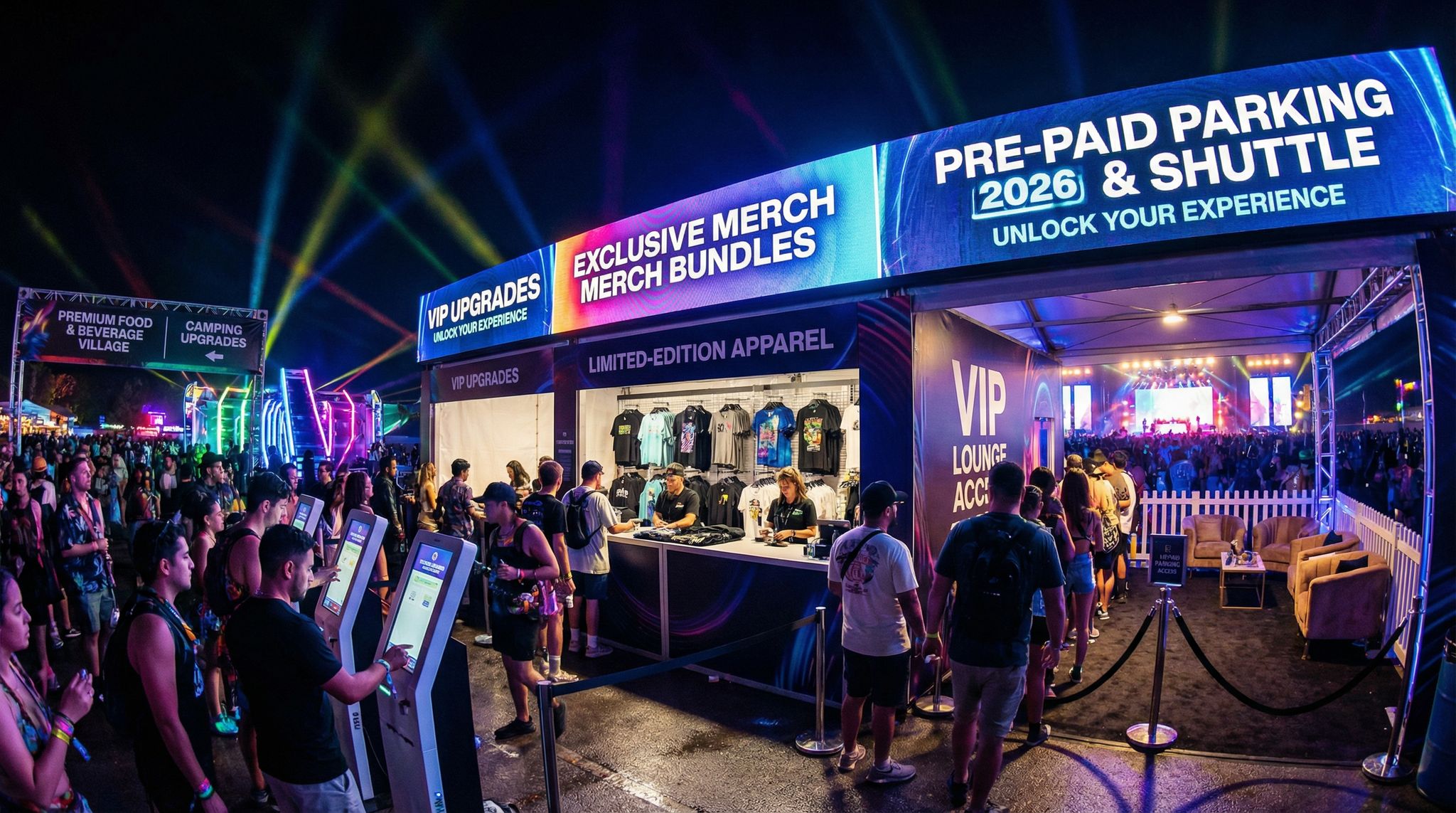
- Co-Branded Merchandise: Collaborating on limited-edition merch can open a lucrative income stream and extended brand reach. For instance, you might create a limited apparel line that features both the event branding and the partner’s logo or creative motifs. These items (think premium hoodies, jerseys, hats, or even vinyl records and accessories) often command higher prices as collectibles. Fans love exclusive gear that ties into the event experience, and when a known brand is part of the design or production (a popular streetwear label or artist collaboration backed by the sponsor), it adds cachet. Revenue can be shared between the event and the brand, or the brand might underwrite production costs allowing the event to keep most of the sales revenue. Additionally, co-branded merch extends the marketing reach – every time a fan wears that shirt or posts a photo with the item, it’s ongoing promotion for both the event and the sponsor.
- Digital Content and Media Rights: In today’s multimedia landscape, festivals and concerts generate valuable content – and brands are eager to capitalize on it. A partnership might include livestreaming the event or recording sets, with a brand as the presenting sponsor of the broadcast. This can be a direct revenue opportunity (brands may pay for content rights or cover production costs) and also an indirect one (the global exposure can attract future sponsor deals). For example, Coachella renewed a multi-year deal with YouTube to stream the festival through 2026, as YouTube and Goldenvoice renewed their exclusive partnership, undoubtedly backed by significant investment and advertising revenue. Similarly, a brand might sponsor the official recap video or a series of artist interviews, effectively funding your media production in exchange for branding and distribution rights. These kinds of deals not only bring in money but also amplify your event’s reach worldwide.
- Data and Insights Monetization: Data is gold in modern marketing. Live events, with attendees often using apps, RFID wristbands, or sign-ups, can generate a wealth of consumer data. A savvy partnership can leverage this data for mutual gain. For instance, you might agree to share anonymized attendee insights with the sponsor – such as demographics, preferences, or engagement metrics – which they can use for their own marketing research. In return, the sponsor may pay a premium or provide extra services. Some deals even involve the sponsor helping to deploy data-capture tools (like interactive kiosks or social media contests) to gather leads. Of course, privacy is paramount – any data sharing must be transparent to attendees and compliant with regulations. But done right, the exchange of data analysis can optimize marketing for both sides. The event benefits by learning more about its audience (perhaps a tech partner provides analytics dashboards), and the brand gains valuable consumer behavior insights. These insights can lead to improved strategies that ultimately drive higher revenue for future events and sponsorships.
It’s worth noting that beyond direct dollars, brand partnerships can bolster your finances by reducing risk and enabling growth. A sponsor’s investment might allow you to book that extra headliner or add a new stage that attracts more attendees – fueling a cycle of greater ticket revenue and fan interest. Additionally, having multiple strong sponsors can diversify your income so you’re less reliant on any single source (especially important if ticket sales fluctuate). However, prudence is key: even with big sponsor checks, wise event organizers budget conservatively and avoid relying solely on sponsorship to break even. It is vital to remember that festival sponsorship dollars should be a bonus rather than the financial backbone. The most sustainable model is to treat sponsorship income as a bonus that fuels improvements and profit, rather than something that covers basic survival. That way, if a deal falls through or budgets shift, your event remains financially stable. Many veteran producers emphasize this approach – hope for the best with sponsors, but plan for the worst, ensuring your revenue mix doesn’t bend the mission.
Creating Immersive Fan Experiences
Today’s audiences expect more than just music on stage – they crave immersive experiences, interactive moments, and Instagram-worthy surprises. Brand partnerships are often the catalyst for these special touches that elevate an event from good to unforgettable. When done thoughtfully, sponsored activations can feel like a natural extension of the event’s creative palette, all while highlighting the partner’s products or message in a fun way. Let’s explore how collaborations can enhance the fan experience:
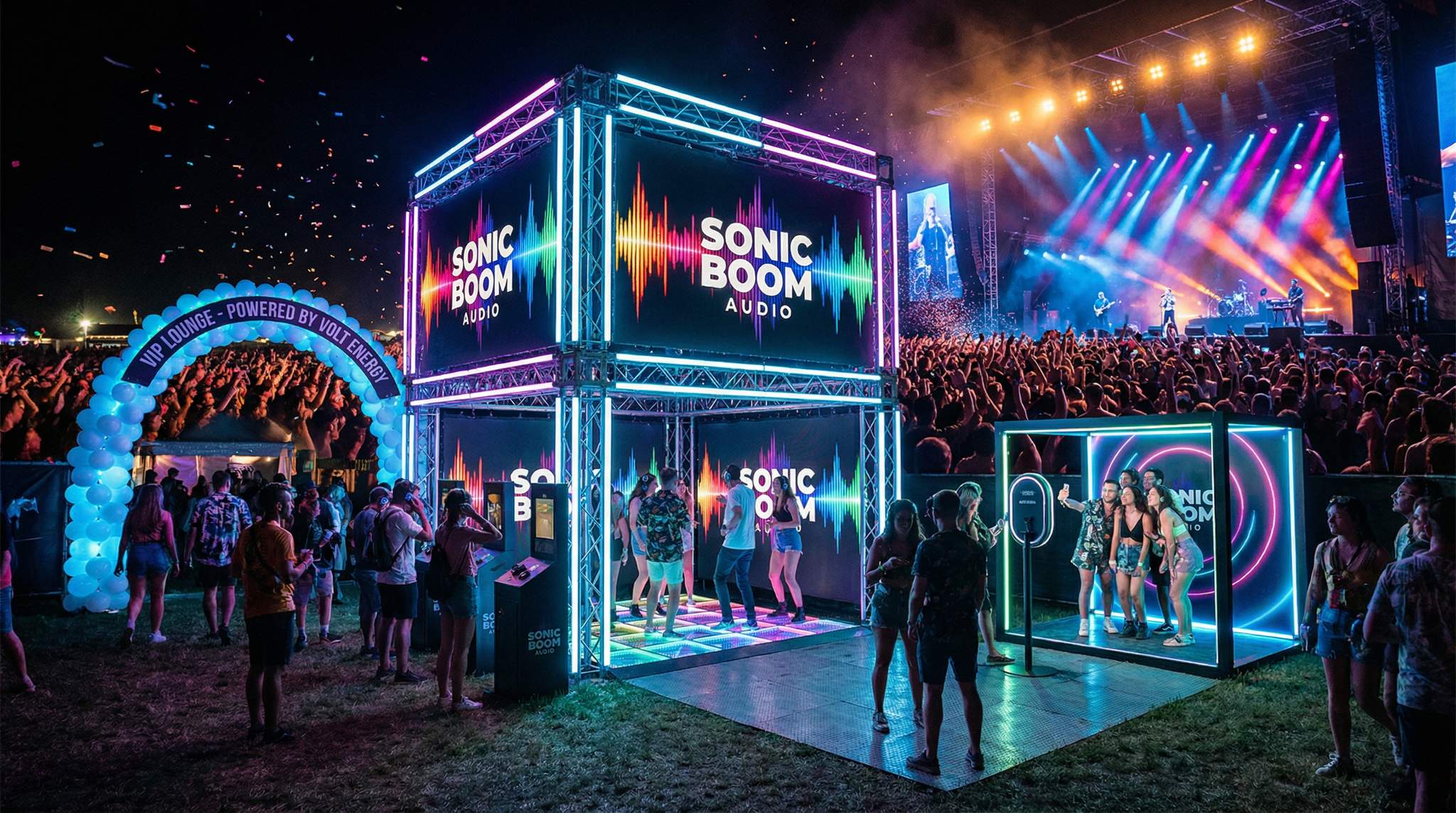
- Interactive Activations: Turning attendees from passive spectators into active participants is a recipe for lasting memories. Brands often bring the resources and ideas to create these participatory elements. For example, a tech sponsor might set up a virtual reality music dome where fans can step inside and experience a 360° music video or even “meet” a virtual avatar of an artist. In 2025, one EDM festival teamed with a gaming company to build a VR stage experience – fans put on headsets and were transported into a digital rave world, blending the physical and virtual. The queues were long, but the buzz was huge. Other ideas include interactive photo booths with augmented reality filters (sponsored by a phone or camera brand), or a scavenger hunt around the venue using a festival app that a partner helped develop. When attendees are engaged in these branded experiences, they’re not only having fun – they’re forming a positive association with the sponsor.
- Branded Comfort and Service Zones: Sometimes, enhancing the fan experience is as simple as giving them a place to relax and recharge. Brands across industries have found success by providing useful amenities under their banner. A common example is the sponsored chill-out lounge – imagine a cosmetics company hosting a “beauty and recharge” tent where attendees can freshen up with free sunscreen, glitter, or makeup touch-ups (and of course sample the sponsor’s products). Or a bank/credit card sponsor creating a VIP lounge for cardholders with comfortable seating and free refreshments. These zones give festival-goers a much-needed break and some VIP treatment, which they deeply appreciate after hours of standing and dancing. From the brand’s perspective, they have a captive audience in a positive, relaxed mindset, which is ideal for brand messaging or demonstrations. Even essential services can be sponsored: we’ve seen water refill stations sponsored by water filter brands, mobile charging stations by phone companies or battery makers (so fans can keep posting about the event!), and even first aid or wellness centers supported by healthcare brands or nonprofits. By directly improving the festival experience or attendee well-being, the sponsor becomes a hero in the eyes of fans.
- Exclusive VIP and Luxury Experiences: On the higher end, luxury brands or high-profile sponsors often curate exclusive experiences that not only delight fans but also generate PR buzz. A spirits brand might host a hidden speakeasy bar on-site with craft cocktails and surprise acoustic sets for a lucky few guests. A luxury automotive partner could offer helicopter rides or luxury shuttle transport for VIP ticket holders, turning arrival to the festival into an adventure. At some festivals, fashion brands have created bespoke pop-up boutiques or styling studios where artists and VIPs can get festival-ready outfits – generating glamorous content that gets splashed across social media and media outlets. These indulgent experiences create a sense of exclusivity and often attract influencers or press, amplifying the festival’s profile. Of course, not every event will have a Louis Vuitton or American Express as a sponsor to do extravagant lounges or perks, but the principle scales down too – even a smaller event can partner with a local gourmet food brand to offer a VIP tasting session, for example. The goal is to make parts of your event feel special and out of the ordinary, courtesy of the brand.
The secret to success with immersive sponsor-driven experiences is making sure they align with what fans want. Use your attendee data and feedback to guide activations: do they value wellness and downtime (hello, yoga sessions at sunrise brought to you by a fitness brand)? Are they thrill-seekers (perhaps a bungee jump or Ferris wheel sponsored by an adventure company)? By tapping into why your audience attends your event – community, discovery, escapism, etc. – you and your brand partners can design experiences that hit the bullseye. The most talked-about festival activations of recent years have been those that feel built into the festival’s DNA. For example, at a major 2025 California festival, a well-known sports beverage brand sponsored a massive drone light show that remixed the festival’s logo and themes into the night sky – fans were in awe, phones were out, and the social media videos racked up millions of views. It worked because it amplified the festival’s atmosphere (and sure, it didn’t hurt that the brand’s logo momentarily appeared in drones too). When fans are wowed by an experience, they effectively become marketers, sharing it with the world. That kind of organic buzz is the jackpot for sponsors and a huge value-add for the event’s brand as well.
At the core of these immersive activations is the drive to maximize music festival engagement. When attendees actively participate in a sponsor’s installation rather than just walking past a logo, their connection to both the brand and the event deepens. High engagement levels—measured by dwell time, interactive app usage, and social media shares—prove to sponsors that their investment is resonating. To achieve this, organizers must design spaces that invite play, discovery, or relaxation, ensuring that every branded touchpoint feels like a natural extension of the festival’s culture.
Effective Partnership Execution
Securing a great sponsor is only half the battle – executing the partnership effectively is what delivers the results you both agreed on. A partnership can have all the potential in the world, but if it’s not carried out smoothly, it could lead to misunderstandings or missed opportunities. On the flip side, a well-run collaboration builds trust and often turns a one-year deal into a recurring, multi-year relationship. Here’s how to ensure your partnership runs like a well-oiled machine from planning to the final encore:
First, establish clear communication channels and roles. It’s wise to assign a dedicated partnership manager or point person on your team who will be the primary liaison with the brand’s representatives. Likewise, ask the sponsor to designate their point of contact. Having “one funnel” for all communications prevents confusion. (In one festival I worked on, we learned this the hard way – multiple people were separately emailing the sponsor about different things, which led to crossed wires. We quickly fixed it by centralizing through one account manager, and it made a world of difference.) Schedule regular check-ins in the lead-up to the event to discuss progress on deliverables: marketing roll-out, on-site logistics, approvals for designs, etc. Using a shared timeline or project management tool can be helpful to track who owes what by when. Essentially, treat it as a joint project with deadlines and accountability on both sides.
Setting Clear Goals and Objectives
Right from the outset, both you and your brand partner should agree on specific goals and objectives for the partnership. These should tie back to why the sponsor signed on – and what you need from them as well. For example, is the sponsor aiming to get 5,000 people to sample their new product? Increase their social media followers by 10% through festival tie-in posts? Gather 2,000 email sign-ups at the event? Meanwhile, your goals might be to improve attendee satisfaction scores via the sponsor’s activation or to offset $50,000 in production costs through their contributions. Be as concrete as possible and put these goals in writing (even if it’s not in the legal contract, a memo or joint kickoff document works).
Measurable objectives keep everyone on the same page. They turn a nebulous idea like “we want a successful partnership” into something tangible, like “we will track X, Y, Z metrics to define success.” Communicate these targets to all relevant teams – your marketing department, the sponsor’s on-site crew, etc. – so everyone is oriented toward the same outcomes. This also helps when decisions need to be made; if an idea comes up mid-planning, you can evaluate it against the stated goals (“Will this help us get more app downloads? If that’s a goal, great. If not, maybe it’s a distraction.”). Additionally, be clear on the KPIs (Key Performance Indicators) and how they will be measured. If social media engagement is key, decide which hashtags or accounts to monitor. If sales are key, ensure systems are in place to accurately report those figures. Setting these expectations early prevents disputes later about whether the partnership “worked” or not.
With goals in place, the day-to-day execution should focus on flawless delivery of each party’s commitments. From the event side, that means honoring everything you promised in the sponsorship agreement: the banners go up in the agreed spots, the sponsor’s logo is on the website and tickets if that was included, their team gets the access and credentials they need, and so on. It also means being ready to adapt – events are live dynamics, and sometimes you might need to be flexible to help the sponsor succeed (for example, moving their activation to a spot with better foot traffic if the initial location isn’t working out). From the sponsor’s side, their team should show up prepared and staffed appropriately, and deliver whatever content or marketing support was promised. Good partnerships are collaborative until the end – it’s common during events to have quick huddles with sponsors to adjust strategy (maybe a planned outdoor activation gets rained out, so you find an indoor Plan B together).
Pro Tip: Do a pre-event walkthrough with your sponsor’s team (virtually or on-site). Introduce them to key operations staff, tour the festival grounds map, and review the contingency plans. This not only builds personal rapport but also catches last-minute issues. For example, during a walkthrough you might realize the power supply for the sponsor’s tent is too far – better to solve that before show day. That extra prep reflects professionalism and gives the sponsor confidence in your execution, reinforcing that trust we aim to build.
Lastly, maintain a solution-oriented attitude. Despite best-laid plans, something might not go perfectly – maybe the sponsor’s product shipment is delayed, or their social media post has a typo, or your stage schedule changes affecting a sponsor promo slot. Instead of pointing fingers, work together quickly to solve it. When you have a solid relationship, a sponsor will remember how you helped make things right more than the fact something went wrong. Executing a partnership is a bit like performing live – you rehearse all you can, then you improvise and collaborate in real-time to put on a great show. Do that, and you’ll likely be working with that sponsor again in the future.
Leveraging Digital Integration and Social Media in Today’s Digital Age
In 2026, a music event’s reach extends far beyond the venue – and brand partnerships can amplify that reach through savvy digital integration. From social media campaigns to live-streaming deals, the online component of your partnership is just as critical as the on-site activation. Here’s how events and sponsors are teaming up in the digital realm:
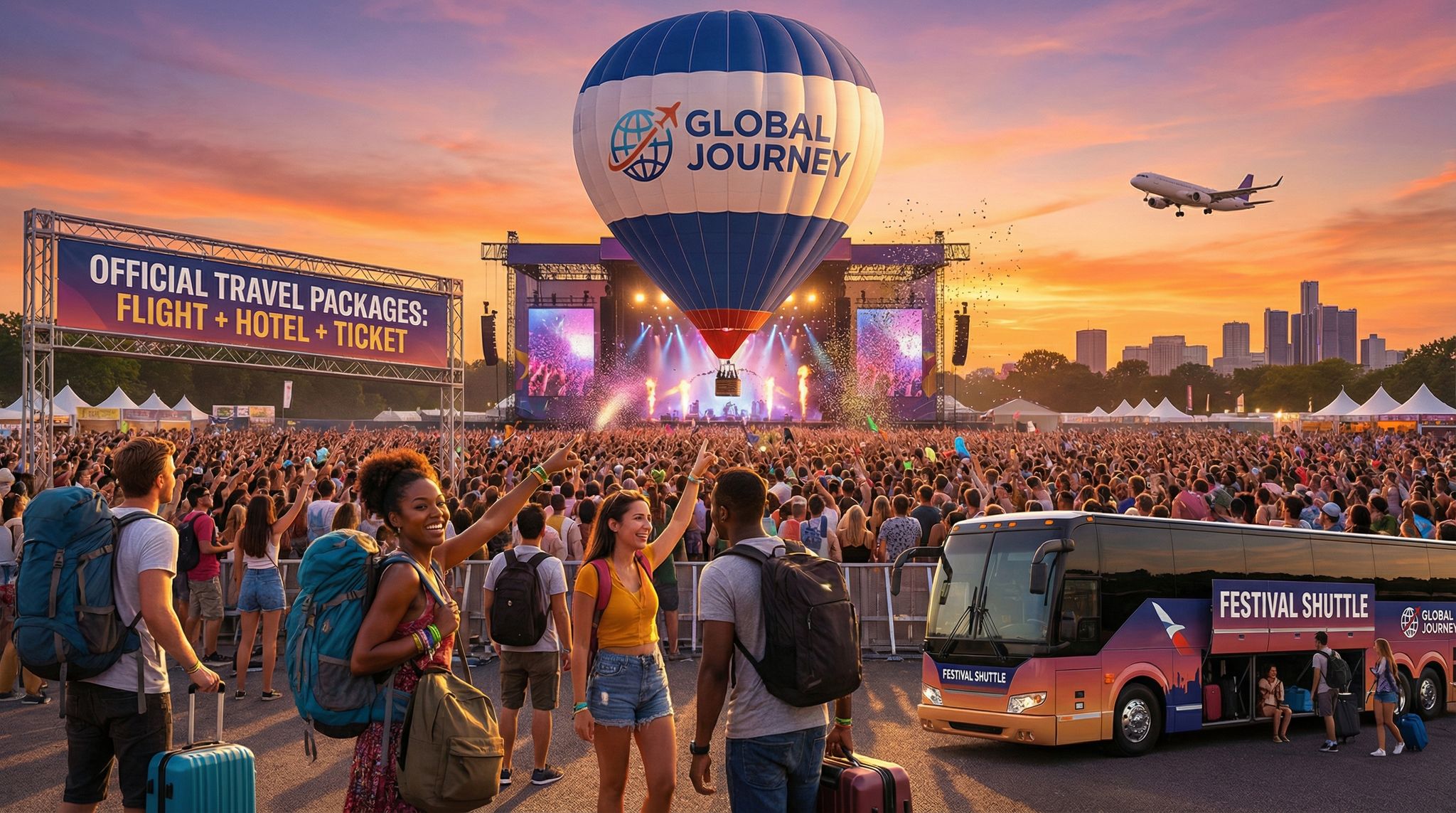
Cross-Promotional Social Campaigns: One of the earliest impacts of a partnership often happens online, well before the event kicks off. Coordinating a social media campaign with your sponsor can dramatically increase visibility. For example, your event announces the partnership and maybe a special giveaway (“Win VIP passes and a year of free products from Sponsor X!”) which gets fans buzzing. The sponsor in turn promotes the event on their channels – a sneaker brand might have artists from your lineup appear in its TikTok videos or a food brand might share recipes themed to your festival. By tapping into the brand’s followers, you may reach a demographic that was close to your target but not yet engaged. Also consider influencer collaborations: sponsors often have influencer marketing budgets, and they might bring popular creators to your event to produce content. A travel vlogger might cover the festival experience courtesy of an airline sponsor, for instance. These influencers create authentic, on-the-ground content that can make your event trend online. The key is authenticity – encourage a narrative that feels real, not like an ad. A coordinated hashtag and occasional retweets or story shares between you and the sponsor keep the messaging unified. It’s all about creating online anticipation and FOMO that drives ticket sales and brand interest long before doors open.
Live Streaming and Virtual Access: As mentioned earlier, live streaming has become a game changer for events. It turns a three-day festival in one location into a global entertainment product. Brand partners often underwrite these productions because of the enormous audience they can reach. A prime example is YouTube’s role in streaming Coachella – a partnership that has extended through 2026, confirming that YouTube and Goldenvoice renewed their exclusive deal. Millions of people watch these streams, with the brand’s logo and ads integrated into the experience (“Live broadcast presented by [Brand]”). If your event is not quite Coachella-sized, consider smaller scale digital extensions: maybe a sponsored live stream of your main stage on a local media outlet or even a pay-per-view setup with a sponsor covering costs in exchange for branding. Some festivals create a “virtual festival” experience online (especially learned during 2020’s lockdowns) where fans can navigate a digital map, watch performances, and visit virtual sponsor booths. In hybrid events like these, sponsors can place banner ads, host mini-games, or offer exclusive content to online viewers. The result: your physical capacity might be 20,000 people, but hundreds of thousands could engage with your event online thanks to a digital partnership. This widens the funnel for both your event (future attendees, broader fan community) and the brand (reaching viewers who couldn’t attend in person). And of course, more viewers and engagement means stronger value to flaunt when signing the next sponsor.
Real-Time Engagement and Content Creation: During the event itself, digital integration keeps the momentum going. Many sponsors now leverage real-time marketing – for instance, posting live highlights or behind-the-scenes peeks as the event unfolds. You might see the official beverage sponsor live-tweeting surprise guest appearances, or the tech sponsor running Instagram polls during the show (“Which DJ set was fire ?? Vote now!”) to interact with fans. This kind of activity keeps online audiences hooked and also gives on-site fans a way to join the conversation (expect to see your event hashtags trending if done right). Some events even set up social media “war rooms” where the event and sponsor teams sit together to push out fresh content: short video clips, celeb shoutouts, meme-able moments – capitalizing on whatever’s happening on stage in real time.
One popular approach is the creation of exclusive content that gets released during or immediately after the event. For instance, a sponsor might film artist interviews backstage or fan testimonial videos on-site, then quickly edit and publish them as short episodes (“Festival Diaries presented by [Brand]”). Fans love behind-the-scenes glimpses, and the sponsor-branded content adds depth to the event’s story. Plus, it lives on after the event as shareable promotion for next year, often funded by the sponsor. Digital integration also means using data feedback on the fly. If analytics show that a certain performer’s clip is getting huge engagement, both the event and sponsor can double down – maybe the sponsor decides to run a flash promo code for merch during that artist’s encore when online viewers peak. The beauty of digital is you can measure and adjust instantly. By the time the festival is over, a savvy brand partner will have a trove of social media stats and user-generated content to evaluate impact – and you as the organizer will have exponentially amplified the event’s reach thanks to the sponsor’s digital activation.
Warning: Not every new digital trend is worth chasing. It’s easy to be tempted by flashy tech (looking at you, metaverse and NFT drops) or to overload your event app with sponsor ads, but remember to put fan experience first. If an integration doesn’t genuinely enhance the event or align with your audience’s digital behavior, think twice before implementing it. You must focus on adapting your festival’s pitch to brands’ new expectations while ensuring a festival revenue mix that doesn’t bend the mission. A cluttered app or gimmicky online activation can distract or even annoy attendees. Focus on digital initiatives that complement your event’s vibe and that you have capacity to execute well – sometimes less is more when it comes to tech at live events.
Optimizing Event Operations and Infrastructure
A less glamorous but incredibly valuable aspect of brand partnerships is their ability to improve your event’s operations. It’s not just about front-facing consumer experiences; sponsors can contribute behind the scenes to make an event run smoother, safer, and more efficiently. This operational support often comes via in-kind contributions or expertise that would cost a fortune if you had to pay for it outright. Here are some ways the right partnership can shore up your event infrastructure:
- Equipment and Technology Support: Many partnerships involve a brand providing their product or technology for use at the event, which can significantly elevate quality. An audio company might supply a state-of-the-art sound system for your stages (so you get top-notch sound without the hefty rental fee, and they get to showcase their gear to thousands). Lighting and visual tech companies similarly might bring in advanced lighting rigs or LED screens as part of a deal to be the “official lighting partner.” In recent years, cashless payment technology has been a huge operational upgrade for festivals – and often implemented via partnership. A payment provider or tech startup might offer an RFID wristband ticketing and payment system, enabling attendees to seamlessly enter and buy food/merch with a tap. Furthermore, building a sustainable festival brand often involves implementing these types of efficient, paperless technologies. They get to demonstrate their platform in a live environment, while you get a cutting-edge system that reduces queues and improves attendee spending. Likewise, mobile app developers might build or sponsor your event app, integrating their brand and gaining user data while you get a polished app for free. The key is to target partnerships that solve pain points: long lines, technical limitations, outdated infrastructure. If a brand’s product can fix it, propose that as part of the deal. It saves you operational headaches and shows fans that the event is innovating.
- On-Site Services and Staffing: Running a festival with tens of thousands of people is a massive undertaking, and sponsors can alleviate some of that burden. It’s not uncommon for a sponsor to contribute staff or training for specific roles. For example, a beverage sponsor often has a trained promotions crew that can help staff the bar areas or roaming sample teams – effectively adding to your workforce at no cost. A security technology sponsor might deploy their team to set up and monitor drone detection equipment (if you’re concerned about rogue drones, as many 2026 events are). Even volunteer programs can get a boost: we’ve seen cases where sponsors provided t-shirts, meals, or small stipends for event volunteers, making recruitment easier and reducing strain on the organizer’s budget. Another operational area is transportation and logistics. Partnering with a rideshare company or local transit authority can improve traffic flow – for instance, designating a sponsored Uber/Lyft pickup zone with proper signage and staff to guide people. The sponsor gets visibility (and likely a surge in riders), while your attendees get home easier and safer, and your traffic control costs go down. Similarly, a car company might sponsor shuttle buses from parking lots, adding branding to the shuttles but saving you from having to fund the entire transit operation.
- Expertise and Training: Some partnerships are about brains, not just bucks. Consider tapping partners for their expertise in critical areas. A crowd management consulting firm could partner with your event to implement advanced crowd flow strategies (perhaps in exchange for a case study and referrals). A sustainability-focused sponsor might help design and fund your recycling and composting operations, aligning with their corporate social responsibility goals – again a mutual win. During the pandemic recovery, for example, some events partnered with health companies to develop on-site testing or sanitation protocols, bringing in expert knowledge that the festival organizers didn’t have internally. Another example: an insurance or risk management sponsor could advise on safety measures or even cover certain insurance costs if they’re recognized as an official partner in that category. By sharing knowledge, these partners help you professionalize your operations, which in turn makes for a safer, more efficient event (and often reduces costs in the long run due to fewer incidents or losses).
In all these cases, the sponsor’s contribution to operations should be structured clearly in the partnership agreement. Be precise about who provides what, and any performance standards (e.g., if a tech partner is running your Wi-Fi, what uptime is guaranteed?). It’s also wise to have contingency plans; if a sponsor’s equipment fails, you need a backup to keep the show running. But when done right, having partners invested in your infrastructure creates a support network. They’re not just slapping their name on something – they’re part of your production team, in a sense. This collaboration can be incredibly reassuring when you’re in the thick of event execution. Many event producers will attest that a great partnership with, say, the sound equipment provider who is also a sponsor means they go above and beyond to ensure every stage sounds perfect – their reputation is on the line too. And at the end of the day, that level of quality and reliability directly benefits your attendees and your own brand reputation.
Measuring Partnership Success and ROI
After all the stages have gone dark and the attendees have gone home, one question remains: Did the partnership deliver? Measuring the success of brand partnerships is absolutely crucial – it’s how you prove value to sponsors (to renew deals and attract new ones) and how you learn what’s working or not for your event’s goals. In 2026, both events and brands are more data-driven than ever, which means establishing clear metrics from the start and diligently tracking them through the event lifecycle. Here’s how to gauge the ROI (return on investment) and overall success of your partnerships:
- Ticket Sales & Attendance: One fundamental metric is whether the partnership helped sell more tickets or draw a bigger crowd. Did your advance ticket sales get a boost after announcing a high-profile sponsor or co-promotion? For example, maybe your ticketing system shows a spike in sales the week your partner rolled out a big ad campaign featuring your festival – that’s a measurable impact. Compare attendance numbers year-over-year in relation to sponsorship changes. If a sponsor’s involvement allowed you to book a superstar headliner who then attracted thousands more attendees, that increased gate revenue can be partially attributed to the partnership.
- Revenue Uplift: Beyond ticket sales, look at all other revenue streams for growth. Calculate how much sponsorship money came in (fees) as a percentage of total revenue, and how that impacted your profitability. Track on-site spending if relevant – for instance, did the presence of a certain brand (say a popular beverage) increase concession sales per person? If you did revenue sharing on merch or food, tally those figures. The goal is to quantify the financial ROI: e.g., “Sponsor X’s involvement generated $250,000 in direct funding and an estimated $100,000 in additional sales,” or “partnership dollars covered 20% of our event budget, helping us achieve a positive margin.” This kind of data is music to any stakeholder’s ears.
- Brand Exposure & Media Impressions: From the sponsor’s perspective, a lot of ROI will be tied to exposure metrics – essentially, how many people saw or engaged with their brand via your event. Use tools to measure social media reach (how many posts, shares, video views related to the sponsor and event). Track the usage of branded hashtags, and if the sponsor ran ads or content, see the view counts. If your event was livestreamed or had media coverage, estimate the audience size. You can work with PR teams to get a media impressions report (e.g., “news articles about the festival that mentioned Sponsor Y had a combined readership of 5 million”). Some sponsors calculate media equivalency – what they would have paid to get that same exposure via traditional ads. If you can report, for example, that “Sponsor Y gained 50 million social impressions and 10 million livestream views, worth an equivalent of $500,000 in advertising,” that’s a big feather in your cap.
- Attendee Engagement & Satisfaction: This is slightly more qualitative but extremely important. How did fans respond to the sponsorship elements? To measure this, look at engagement metrics: dwell time at the sponsor’s activation (did people line up and stick around?), number of contest entries or app interactions involving the sponsor, etc. You can use surveys during or after the event to gauge attendee satisfaction and even ask questions like “Which sponsor activation did you enjoy most?” or “Did the presence of Sponsor Z improve your festival experience?” High satisfaction scores that mention the sponsor are golden evidence that the partnership was positively received (and hence good for the sponsor’s brand). Conversely, watch for any negative feedback – if attendees complain about a sponsor (perhaps a promotion was too intrusive or a product ran out), note that as an area to fix. Sponsors will appreciate that you’re measuring attendee sentiment, as it aligns with their pursuit of goodwill.
- Brand Lift & Sentiment: Some larger sponsors might conduct their own brand lift studies around the event – for instance, polling attendees or target consumers before and after the event to see if their perception or awareness of the brand changed. If they share that data with you, incorporate it into your evaluations. For example, “Brand awareness for Sponsor A among our attendees jumped from 30% pre-event to 80% post-event” or “Sponsor B saw a significant uptick in positive sentiment in online mentions during the festival.” If you have the resources, you could use social listening tools to analyze the tone of posts about the sponsor during your event (e.g., mostly positive/enthusiastic vs. negative/complaints). Positive sentiment indicates the partnership not only reached people but resonated in a favorable way.
- Operational Impact: Don’t forget internal metrics, especially for partnerships that support operations. If a sponsor’s tech helped reduce wait times or improved safety, include those stats. “Our average entry gate wait dropped to 5 minutes from 15 minutes after implementing the RFID system provided by Sponsor TechCo” or “Thanks to Sponsor Medic’s contribution, we had first-aid staff on hand that enabled a 2-minute response time to incidents, improving overall safety.” These outcomes, while not as sexy as social media numbers, demonstrate tangible improvements to the event that sponsors enabled. It’s part of the ROI story – they made the event better, which reflects well on them too.
- Partnership Renewal and Growth: One of the simplest indicators of a successful partnership is whether the sponsor wants to do it again. If you’re sending a post-event report with all the above metrics and the sponsor is thrilled, you’ll likely be talking about renewing for next year or expanding the deal. Track your partnership renewal rate. Increasing renewal or signing multi-year deals is a strong sign you’re delivering value. Also, note if existing sponsors increase their level of investment over time or if new sponsors are attracted because they saw what you did for others – that momentum is measurable in the form of more sponsorship revenue and bigger collaborations year over year.
When presenting results, visuals and clear storytelling help. Consider creating a post-event impact report for each major sponsor: a slick PDF or slideshow with key stats, photos of their activation brimming with fans, social media highlights, press clippings, and any anecdotes (e.g., “Fans literally screamed with joy when they got your free sample – see attached photos!”). Not only does this validate the partnership’s success, it also sets the stage for continued engagement. Measuring and reporting ROI isn’t just about patting yourself on the back – it’s about learning what works, shaping even better partnerships in the future, and reinforcing trust with your sponsors by showing that you’re a data-driven, results-oriented partner yourself.
Building Long-term Success Through Strategic Partnerships
Developing successful brand partnerships for live music events is not a one-and-done task – it’s an ongoing strategy that can shape your event’s trajectory for years. By focusing on long-term relationships rather than short-term gains, you create a foundation where each year’s partnerships build upon the last, contributing to your event’s growth and resilience. Here are some key considerations and best practices to ensure sustained success through strategic collaborations:
- Alignment of Values and Audience: Always partner with brands that fit your event’s ethos and attendees. When an event and a sponsor share values, whether it’s a love of music, a commitment to sustainability, or a focus on community, it shines through in every activation. This genuine alignment breeds trust among fans. For instance, a festival known for its eco-friendly initiatives will find long-term success teaming with brands that have strong sustainability programs – they’ll be in sync on decisions and messaging, avoiding the friction that comes with a bad fit. A partnership rooted in common ground is far more likely to last multiple seasons.
- Clear Objectives and Accountability: At the start of each partnership (and each renewal), set clear, mutual objectives and put them in writing. Both parties should know exactly what success looks like. This prevents ambiguity and ensures resources are aimed at the same targets. Regularly review these goals together – for a multi-year sponsor, have a post-event debrief each year to celebrate wins and candidly discuss any shortfalls. Holding each other accountable to high standards creates a professional respect. Brands will stick around when they see an organizer consistently delivering on promises and transparently working to improve where needed.
- Integrated Marketing and Storytelling: Treat sponsors as part of your event’s narrative, not an afterthought. Long-running partnerships often evolve into fully integrated marketing strategies – the sponsor isn’t just buying logo placement, they’re woven into the event’s content and promotion. Think of Red Bull’s deep involvement in music events, where they co-curate stages or produce documentary content around the festival – the brand becomes part of the experience story. When you integrate a sponsor in creative ways (like a traveling road show, a year-round content series, or community programs in the off-season), you both get more out of the relationship. The sponsor feels like a true partner with input and creative expression, rather than a piggy bank, and that encourages them to invest for the long haul.
- Authentic Fan Engagement: Keep the focus on delivering value to the fans through your partnerships. If fans are happy, sponsors will be happy. Avoid over-commercialization – attendees can sense when something is just a cash grab. Instead, continually ask, “How does this partnership improve the fan experience?” It could be through the unique activations we discussed, or by enabling lower ticket prices or new amenities thanks to sponsor funding. When fans respond positively to sponsors (e.g., thanking them on social media for making the event better), share that with the sponsors. It reinforces that their involvement is appreciated and effective. An engaged audience that embraces sponsor contributions is the ultimate validation to keep a partnership going.
- Operational Excellence: Over years of partnership, operational integration should become seamless. A returning sponsor will know the drill – and each year you should find ways to make the collaboration more efficient and impactful. Conduct joint planning earlier each cycle, refine logistics based on past learnings, and maybe even expand the sponsor’s role if they’ve proven capabilities. For example, if a tech sponsor successfully managed cashless payments one year, maybe next year they also handle a new crowd management system. Growing trust leads to more collaboration opportunities. Also, be prepared for changes: staff turnover happens at companies, so one year you might get a new brand manager stepping in. Having documented processes, recap reports, and goodwill built on execution will help you onboard new contacts and continue the partnership smoothly despite personnel changes.
- Sustainable Financial Model: From a financial perspective, aim for partnerships that provide sustainable revenue without compromising your independence. Multi-year deals can be great for stability – knowing you have a certain amount of sponsor income locked in for 3–5 years can help in long-term planning (and might even allow you to secure better talent or invest in infrastructure with that confidence). However, also diversify your sponsor portfolio so you’re not overly reliant on one source. The goal is a balanced mix of partners across different categories. That way, if one sector faces a downturn (say, hypothetically, tech companies cut marketing budgets one year), your overall sponsorship revenue isn’t wiped out. Some forward-thinking festivals also explore hybrid funding, supplementing sponsor dollars with community grants or public funding. This approach can reduce pressure on any one sponsor and show sponsors that the event has broad support (attractive for them to be associated with). A savvy event producer keeps an eye on the overall budget – ensuring sponsors enhance profits and fan value, but never drive the event to do something that isn’t right just for the check.
In the coming years, we expect brand partnerships in live music to only deepen. Many brands and events are looking beyond one-off transactions to form true partnerships – almost like brand/event collaborations that innovate together. We’re seeing trends like multi-festival tour sponsors (one brand supporting a whole series of events or a tour route), and consortiums where several brands team up to support one festival, each adding something unique. The future will also bring new categories of sponsors into the mix, from the worlds of crypto and fintech to wellness and Web3 communities, as live music continues to intersect with other lifestyle sectors.
Ultimately, success in brand partnerships comes down to relationships. If you approach sponsors as long-term partners, communicate openly, deliver on promises, and create shared wins, you’ll build a reputation as an event organizer that brands trust. That reputation is gold – it means easier sponsor discussions, better terms, and sponsors who stick with you even in challenging times. And when the next economic hiccup or unexpected challenge comes, those strong partnerships can be what help your event weather the storm. By building strategic, thoughtful collaborations now, you’re not just driving success for this year’s event – you’re securing the foundation for your live music event to thrive well into the future.
Future Trends in Brand Partnerships
The landscape of brand partnerships in live music is continually evolving. As we look toward 2026 and beyond, several emerging trends are poised to shape how events and sponsors collaborate:
- Advanced Technology Integration: Expect to see partnerships leveraging cutting-edge tech to engage audiences in new ways. Brands are exploring AI-driven personalization, augmented reality (AR), and even holographic performances as part of their event sponsorships. Imagine an AR mobile scavenger hunt around the festival sponsored by a tech firm, or an AI-powered music recommendation experience in a headset provided by a partner – these are becoming realities. The goal for sponsors is to be seen as innovators, so they’ll gravitate to events willing to co-create high-tech experiences. For event organizers, this means staying open to tech experiments (with reliable partners) that can wow attendees. The key is ensuring the tech truly adds to the show – gimmicks will be filtered out in favor of tech that deepens fan engagement (for example, an AI-driven festival app that gives personalized schedules or a VR stream that remote viewers can sponsor-interact with). As 5G networks and devices improve, the bandwidth for such integrations grows, and sponsors will be keen to be the first to debut “the next big thing” at your event.
- Sustainability and Social Responsibility: Brands and consumers alike are more socially and environmentally conscious than ever, and this is heavily influencing partnerships. Sponsors will increasingly seek out events that align with causes – whether it’s lowering carbon footprint, promoting mental health, or supporting local communities. For festivals, going green isn’t just good for the planet, it’s a magnet for sponsors who have sustainability mandates. In fact, recent analyses show sustainability-focused sponsorships are on the rise (one report noted a 25% jump in green sponsorship initiatives as brands aim to appeal to conscious consumers, according to sponsorship statistics data). This trend will manifest as partnerships that include things like renewable energy powering stages (with a solar tech company’s logo proudly displayed on the arrays), festivals eliminating single-use plastics with the help of a recycling partner, or artists and sponsors teaming up to donate a portion of proceeds to charity. Events that can demonstrate real impact – like achieving zero-waste or raising funds for a cause – will stand out to brands looking for authentic CSR opportunities. It’s a virtuous cycle: the event becomes more sustainable, the brand fulfills its mission, and fans feel good supporting both.
- Data-Driven and Measurable Activations: As mentioned earlier, the demand for data and clear ROI is only growing. Future partnerships will likely come with more sophisticated tools to measure engagement. Don’t be surprised if sponsors start bringing their own analytics platforms to your event. We’re talking heat-mapping crowd movements via smart wristbands to see how many people visited their activation, or using unique RFID scans/codes to track exactly how many samples were redeemed. Sponsors might want to A/B test activations (trying two different experiences in two locations to see which performs better). This data obsession will push events to integrate systems that can capture granular metrics. For organizers prepared to share rich data (in a privacy-respecting way), it could mean attracting data-savvy sponsors like tech and consumer insight companies. On the plus side, all this data will help events fine-tune experiences too. The trend here: partnerships anchored in a test-and-learn mindset, with flexibility to tweak on the fly and optimize both sponsor and fan outcomes.
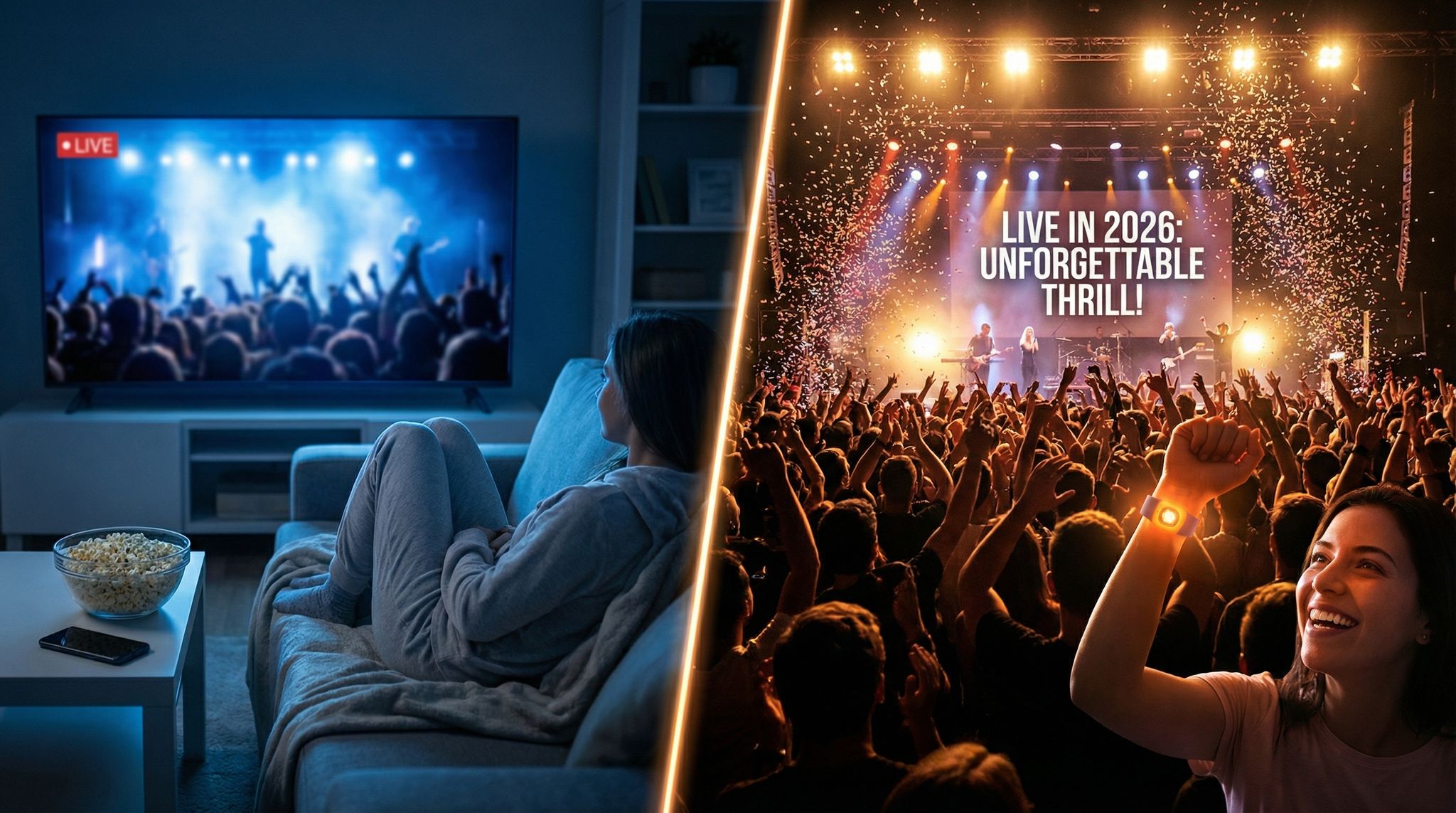
- Virtual and Hybrid Experiences Evolve: Even as in-person festivals thrive, the virtual companion experiences are here to stay and will evolve through partnerships. Brands might sponsor the metaverse iteration of your festival – a virtual world where avatars attend a digital twin of your event. While this concept is still finding its footing, big players like Meta and gaming companies might approach music festivals to create hybrid events that mix real and virtual attendance. Additionally, look for more global viewing events: perhaps a festival teams up with a cinema chain and a sponsor to host official viewing parties in multiple cities, complete with live big-screen streams and sponsor activations on-site at theaters. This extends the festival’s reach and gives the sponsor multiple touchpoints (live and virtual) to interact with fans. Moreover, the lines between music festivals and other entertainment (gaming, eSports, film) are blurring – a trend sponsor partnerships will follow. We could see collaborative events where a music fest and a gaming expo overlap, with shared sponsors bridging the two (imagine a gaming hardware brand sponsoring both the eSports tent and a DJ stage that’s themed around a popular game). Hybrid in this sense also means cross-genre or cross-industry partnerships. Forward-thinking events will capitalize on this to create unique crossover experiences that attract diverse audiences.
- Hyper-Personalization for Attendees: Mass marketing is out; personal connection is in. Brands and festivals will work together to tailor experiences to individuals or micro-segments of attendees. This might mean personalized offers – e.g., a streaming service sponsor curating a recommended lineup for each fan based on their listening history (delivered via the festival app), or a beer sponsor sending a mobile coupon for a free drink on someone’s birthday during the event. With the help of data, sponsors can identify subsets within the crowd (first-timers vs. veteran attendees, local residents vs. travelers, etc.) and deliver more relevant content or perks. We might see special wristbands or badges that denote “superfans” or VIPs, and sponsors giving them surprise gifts or access. Even interactive experiences could adjust in real-time: an activation that changes its content based on the user – for instance, a photo booth that recognizes a returning attendee and adds a personalized overlay saying “Welcome back, [Name]!” courtesy of the sponsor. Such personal touches make attendees feel seen and valued, deepening their loyalty to the event and the sponsor’s brand. The trend here is using technology (AI, RFID, mobile apps) plus creative strategy to ensure no fan feels like just a number. Brand partnerships will drive this as sponsors seek deeper one-on-one engagement rather than just broadcasting to the masses.
Staying ahead of these trends will require events to be adaptable and innovative. The most successful organizers will actively seek out partners who want to pioneer new ideas together. By being open to tech experiments, sustainability initiatives, and new modes of fan engagement, you make your event a fertile ground for brands that are leaders in their fields. In essence, festivals and sponsors will become co-creators of the next generation experience. Those who stick to the old formula of a logo on a banner will be left behind in a world where a TikTok challenge or a climate-positive campaign could steal the show. In summary: keep experimenting, keep aligning with the cultural moment, and use brand partnerships as a way to push boundaries and continuously enhance what your live music event offers.
Remember, effective brand partnerships go beyond a transactional exchange – they create a meaningful connection between brands, events, and audiences. When done right, these collaborations add real magic to live music experiences. Fans walk away remembering not just the performance, but that cool thing they did at the sponsor’s tent or the helpful service that made their day better. Brands leave the event with stronger customer relationships and goodwill. And you, as the organizer, achieve financial resilience and an elevated event that stands out in a crowded festival season. It’s about building trust and delivering value at every turn. As you refresh your approach to partnerships for 2026, focus on authenticity, innovation, and shared goals. The live music industry will continue to evolve, but one constant is that collaboration is key – no successful festival or concert series is an island. By forging the right partnerships and nurturing them over time, you’ll drive sustainable growth and keep the music playing for years to come.
Frequently Asked Questions
What makes a brand partnership different from traditional sponsorship?
A brand partnership is deeper and more collaborative than a traditional sponsorship. In a traditional sponsorship, a company might simply pay to have its logo displayed at an event or be mentioned as a sponsor – it’s a mostly financial transaction for advertising placement. Brand partnerships, on the other hand, involve the sponsor becoming an integral part of the event experience. The brand isn’t just a name on a banner; it’s actively contributing to the content, atmosphere, or services of the event in a way that audiences can feel.
For example, instead of just “Brand X” logos on stage scrims, a partnership might have Brand X curating a side stage with their own aesthetic, hosting a branded lounge with special activities, or collaborating with artists on unique performances. The partnership is usually built on shared objectives and close coordination – the event and brand plan together, promote together, and execute together. This means shared risk and reward as well. If the activation is a hit, both parties benefit from the success. If something doesn’t work, they regroup to fix it jointly. In essence, a brand partnership treats the sponsor as a co-creator of the event’s success, not just a passive donor.
Another difference is the focus on mutual benefit and long-term relationship. Traditional sponsorships can be one-off and purely transactional (money for exposure). Brand partnerships often aim for a longer term – multi-year deals or evolving scopes – because the integration takes effort to build but yields bigger payoffs. Both the event and the brand invest in understanding each other’s audiences and goals. The result is more meaningful activations that resonate better with fans. For instance, rather than a generic sponsor booth, you might get an interactive art installation that attendees love – which also happens to be created by the sponsor. In summary, traditional sponsorship is like renting ad space, while a brand partnership is like teaming up to put on a better show together.
How do brand partnerships generate additional revenue for live music events?
Brand partnerships open up multiple revenue streams beyond just ticket sales, significantly improving an event’s financial picture. Here are some of the main ways they generate revenue:
- Direct Sponsorship Fees: This is the most straightforward – a brand pays a fee to sponsor your event. This might be a lump sum for an overall presenting sponsorship or fees for specific assets (e.g. $100,000 to sponsor the main stage, $50,000 for the VIP area, etc.). For large festivals, these deals can be substantial. It’s not unusual for major music festivals to have sponsorship make up 10–20% (or more) of their total revenue. That injection of cash can cover a lot of costs, meaning more of your ticket revenue becomes profit or can be used to enhance the event.
- Co-Marketing and Ticket Sales: Partnerships can directly boost ticket revenue. A brand might finance special promotions – for example, covering the cost so you can offer early-bird tickets at a discount (which drives volume), or they buy a block of tickets to give to their clients/VIPs (so you get sales you might not otherwise). Some credit card sponsors offer cardholder pre-sales, which often sell out inventory quickly, ensuring you lock in revenue sooner. Additionally, the brand’s advertising for the event (through their own channels) is essentially free marketing for you, often leading to more tickets sold.
- On-Site Spending and Upsells: A sponsor’s presence can stimulate attendees to spend more money at the event, of which you often get a share. For example, if a popular beer brand is a sponsor and they roll out a special edition festival brew, attendees might purchase more beer than they otherwise would just to try it. If you negotiated a percentage of those sales or a flat sponsorship to make that beer exclusive, it’s money in your pocket. Co-branded or sponsor-driven VIP upgrades are another avenue: maybe a sponsor subsidizes a VIP package (making it more affordable or adding value to it), which encourages more people to upgrade their tickets – meaning more revenue for the event’s VIP tier.
- Merchandising Collaborations: As discussed, limited edition merchandise created with a sponsor can generate substantial sales. For instance, if your festival and a clothing brand partner on a capsule collection, the brand might pay the production costs and you split the profits from sales. These items often carry a premium price. An example might be a festival-branded sneaker produced by a shoe company in limited quantity – if it sells out, both you and the brand make money, and it didn’t cost you anything to produce. Even simpler, some sponsors will pay for their logo to appear alongside yours on official merch (like “Festival T-shirt by Brand Y”), effectively buying ad space on merch – that lowers your cost or adds direct revenue.
- Content and Media Rights Deals: If you have a livestream or recording of your event, brands might pay to sponsor that broadcast (just like a TV sponsorship). So while fans watch for free, the brand’s dollars cover the stream cost and potentially pay you extra. In some cases, brands license content after the event – for example, a car company might pay to use footage of a live performance in their commercials. That’s additional revenue you wouldn’t have without the partnership. Some events have even turned aftermovies or documentaries into sponsored content pieces that get sold to Netflix or Amazon with a brand integrated (generating significant funds beyond the event itself).
- Year-Round Sponsorship Extensions: In a long-term partnership, a brand might support your event’s other ventures throughout the year – like smaller concerts, launch parties, or an online fan community. They may pay for these or provide budget relief. It’s indirect revenue, but it means the festival brand is active beyond the main event, potentially bringing in year-round income. For instance, a sponsor could fund a monthly curated playlist or webcast series under the festival’s name (with their branding on it) – they’re basically paying you to keep fans engaged year-round, which also keeps your brand in fans’ minds (and often comes with a fee or retainer from the sponsor).
All told, a well-executed partnership can drive hundreds of thousands or even millions of dollars in combined value for a major event. Even for smaller events, a few good local or regional sponsors can add tens of thousands to the budget – which might be the difference between breaking even and turning a profit. Just remember, revenue isn’t everything: it should be balanced with the cost or effort a partnership might add. But if chosen wisely, brand partnerships tend to have a high ROI for events, since the cost (in time or constraints) is usually minor compared to the financial gains.
What types of immersive experiences can brand partnerships create for fans?
Brand partnerships can enable all sorts of immersive, fun, and shareable experiences that might be out of reach for an event to do alone. Here are a few types of activations we commonly see, and that fans love:
- Tech-Driven Experiences: Brands often bring in cool tech that fans might not have at home. We mentioned virtual reality (VR) stations and augmented reality photo ops earlier. Another example is interactive gaming areas – say a gaming console sponsor sets up a free-play arcade with music-themed games or even rhythm games featuring artists from the lineup. We’ve also seen 360° video booths (where a camera spins around the fan to produce a dynamic slo-mo video of them at the festival), often sponsored by phone or camera companies. These tech experiences not only entertain the fans on-site, but they produce digital souvenirs (photos, videos) that fans eagerly share online – effectively turning fans into content creators for the event and sponsor.
- Creative Art Installations: Festivals increasingly incorporate art, and sponsors often underwrite these installations. Think giant sculptures, psychedelic light gardens, or graffiti walls that double as interactive canvases. A beverage company, for example, might commission a mural wall where attendees can paint or write messages (tying into a campaign hashtag). A car company might sponsor a concept art car that attendees can sit in and snap photos (Burning Man style art cars at more mainstream events, perhaps). These add a layer of exploration beyond the music – pockets of discovery around the venue. Fans often talk about “that cool rainbow tunnel by X brand” or “the treehouse lounge sponsored by Y where we chilled out” as highlights, not ancillary stuff. That’s a big win – the sponsor-created environment becomes part of the festival’s identity.
- Wellness and Relaxation Zones: With the rise of wellness at events, sponsors have jumped in to provide mindful or restorative experiences. For instance, a health drink or supplement brand might run a yoga and meditation tent each morning of the festival, giving out samples and tips for recovery from last night’s party. A camping festival might have a sponsor set up a morning “hangover clinic” or smoothie bar with comfy seating and wellness products. These experiences show that the festival cares about attendees’ well-being (with the sponsor enabling it). Given how festival fatigue is real, fans deeply appreciate places to recharge physically or mentally. Another angle: a brand might sponsor adventure experiences like a ferris wheel, zip line, or water slide if the venue allows – giving attendees an adrenaline rush or unique viewpoint. Essentially, anything that goes beyond watching acts on stage – things to do, learn, feel, or explore – can be brought in via a partnership.
- Exclusive Meet-and-Greets or Access: Some sponsors use their partnership to facilitate special fan moments, like artist meet-and-greets, signing sessions, or secret shows. For example, a headphone company might have a tiny pop-up stage at their booth where, unannounced, a couple of artists drop in for a short acoustic set or DJ spin. Only a small audience can fit, making it an intimate surprise. Or a sponsor could run a contest for a backstage tour, meet-and-greet, or soundcheck access for a few lucky fans. These experiences are money-can’t-buy (often literally, you can’t purchase them normally), which makes the sponsor look pretty awesome for “making it happen.” It also generates a ton of social buzz because the winners or participants will rave about it online. The key is that the sponsor isn’t just throwing their logo on something – they’re genuinely enhancing human connections at the event, whether connecting fans with artists or with each other.
Overall, brand-fueled experiences can span from high-tech spectacles to simple pleasures (like a free popsicle on a hot day handed out by a frozen treat sponsor). The common thread is that they engage multiple senses and often invite participation. Fans remember how a sponsor activation made them feel – “that virtual reality journey was mind-blowing” or “I felt so relaxed after I visited that spa tent.” Those feelings translate to positive associations with the brand. So, sponsors have a big incentive to be creative and thoughtful. As an organizer, if you can dream it, there’s likely a brand out there who would love to bring it to life in exchange for the exposure and goodwill it creates. Some of the most legendary festival moments (spectacle or interactive) in recent years were direct results of brand partnerships fueling extra imagination and budget.
How can event organizers measure the success of their brand partnerships?
Measuring success is all about comparing results against the goals you and the sponsor set – so it will vary depending on what those goals were. However, typical ways to measure include a mix of quantitative metrics and qualitative feedback:
-
ROI Metrics: Calculate the direct return on investment. For every dollar worth of sponsorship, what did the event and sponsor get back? On the event side, you might compute something like: Sponsor paid $50k, and we delivered $500k in media value and improvements – that’s a 10x return in value for them. From the sponsor’s view, they might look at how many leads or sales they got out of the event. If they gave out coupons or promo codes at the event, track redemption rates. If they sold products on-site, tally those sales. Some sponsors even measure the Customer Acquisition Cost (CAC) at events – e.g., if they spent $100k and gained 5,000 new newsletter sign-ups, that’s $20 per lead, which they’ll compare to other channels. If your partnership can deliver new customers or subscribers for them efficiently, they’ll consider it a success.
-
Engagement and Reach: We touched on this earlier, but social media and digital reach are huge indicators. Use analytics to measure engagement with any co-branded content. For example: how many people clicked on the sponsor’s link in your festival newsletter, how many played the sponsored livestream, how many used the sponsor’s hashtag, etc. Also look at your own channels – did you gain followers thanks to the sponsor’s cross-promotion? Did your festival hashtag trend because of combined efforts? A partnership that significantly boosts online chatter or media attention can be deemed very successful even if it’s harder to tie to dollars. You can also include traditional media: if local news or bloggers mentioned the sponsor when covering your event (perhaps due to a noteworthy activation), that’s added exposure to record.
-
Attendee Feedback: Don’t underestimate simply asking the audience. Post-event surveys can include questions like “Which sponsors did you notice at the event?” and “Rank your favorite event attractions (including sponsor activations).” If a high percentage of attendees name-check the sponsor or rate the sponsor’s activation as a highlight, that’s powerful evidence of success. It shows the sponsor cut through the noise. If feedback is lukewarm or people barely recall the sponsor, that might indicate the activation wasn’t distinctive enough – a learning for next time. You can also gauge changes in brand perception via surveys: “Did your opinion of Sponsor improve, worsen, or stay the same after the event?” Ideally you see a lot of “improve” responses if the sponsor did a great job adding to the fun.
-
Operational Metrics: If the partnership involved an operational element, measure the impact. For instance, if Sponsor Z provided lighting that was supposed to reduce power consumption by 30%, check your power bills or generator fuel usage to see if that happened. If a cashless payment sponsor promised faster transactions, look at transaction speeds or shorter lines (maybe via average wait times). Demonstrating these improvements completes the story: not only did Sponsor Z entertain people, they also made the event run better – a double success.
-
Benchmark Against Past Years or Other Events: A practical approach is to compare what happened with the sponsor versus without. If last year you didn’t have a partner and this year you did (or if you switch sponsors), look at the differences. For example, “Last year only 50% of attendees engaged with any sponsor feature; this year 75% did at least one sponsor activity, thanks to the new interactive exhibits.” Or maybe, “Our net promoter score (NPS) from attendees went up from 8 to 9, and many cited the improved amenities from our sponsor as a reason.” If your festival tours or repeats in multiple cities, you could even do A/B comparisons – one city had a sponsor activation, another didn’t – and see if metrics like social engagement or satisfaction differ. That kind of analysis can isolate the effect of the partnership.
In practice, you’ll likely provide the sponsor with a post-event report that includes many of these figures. Often it’s a visually-driven summary with charts and graphs: total attendance vs. goal, social impressions vs. goal, media value vs. goal, etc., plus qualitative highlights like big celebrity moments involving the brand or heartfelt fan quotes (“Thank you [Brand] for the free water, it saved my life in the heat!”). For internal use, you’ll reflect on whether the partnership helped you meet your objectives – be it revenue targets, attendee satisfaction, or operational smoothness. If the numbers and feedback show positive results in those areas, you’ve got a successful partnership on your hands.
What are the key considerations when selecting brand partners for a live music event?
Choosing the right brand partner is crucial – the wrong fit can be awkward or even damaging, while the right one elevates your event. Here are the key factors to consider:
- Audience Alignment: This is number one. The brand’s target audience should overlap significantly with your event’s attendees. If your crowd is mainly 18–24 college students, a luxury retirement community sponsor makes no sense (extreme example, but you get the point). Look at a brand’s typical customer demographics and interests: do they match your festival-goers? Also, consider psychographics – the lifestyle and values. A brand that “gets” your audience will naturally come up with relevant activation ideas and messaging. When in doubt, imagine how your attendees might react when they see the brand’s presence. If it feels off-brand or if you think they’d be indifferent at best, that sponsor might not be the right partner.
- Values and Image Compatibility: Beyond demographics, the persona of the brand should mesh with your event’s image. If your festival promotes peace and love, partnering with a company mired in a public controversy or known for aggressive sales tactics could create dissonance. Do some research: has the brand faced any major PR issues or does it have baggage that could reflect poorly on your event? On the flip side, a brand known for positive social impact or creativity can enhance your festival’s brand by association. Ensure their public relations record and corporate values won’t clash with the ethos of your event. Fans are increasingly savvy and will call out partnerships they see as hypocritical (imagine a festival about sustainability sponsored by a big polluter – you’d never hear the end of it on social media).
- Category Exclusivity and Conflicts: Most sponsors will expect exclusivity in their category – meaning if you sign a soda brand, you typically can’t also have another soda or soft drink sponsor. Plan accordingly: which categories are most important to fill and which specific brand in each category will you approach? Think strategically: if you take a mobile phone sponsor, that might preclude a mobile carrier or vice versa, depending on contract terms. Also consider existing relationships – perhaps an artist on your lineup is heavily endorsed by a certain brand, and bringing in their competitor could create tension or even violate the artist’s contract. It can get tricky, so keep a matrix of categories and potential conflicts. Choose partners that give you the best overall mix.
- Sponsor Commitment and Resources: Evaluate how much the potential partner is willing to commit in budget and support – not just money, but promotional muscle, activation ideas, etc. A smaller company might offer $10k and a cool idea, whereas a global company might bring $100k but demand a lot more control. Bigger is not always better if they’re not fully invested in making the partnership great. Ask about their plans: do they intend to advertise the partnership widely (good for you), will they send a big on-site team, do they have experience with events? A partner with dedicated event marketing experience can be a boon – they’ll know what it takes. Also, gauge their flexibility and attitude during initial talks. If they’re dictating too hard or don’t seem to respect the festival’s identity, working with them could be difficult. You want a collaborator, not a boss.
- Long-Term Potential: Ideally, you’re building a relationship that can continue beyond a single event. Does the brand have a history of multi-year sponsorships or a genuine interest in the music/events space? If so, they’re more likely to renew if things go well. Stability can be huge: a multi-year anchor sponsor (like a beer or tech company that becomes synonymous with your fest) can provide financial security and even creative continuity. While there’s always a bit of ‘dating’ before ‘marrying’ a sponsor, if you sense this could be a partnership that grows – maybe they start with one stage and next year take on the whole event – that’s a big plus.
- Financial Reliability: This is nuts-and-bolts, but you need sponsors who will pay their bills and pay on time. A great-sounding deal isn’t worth much if the company is in bad financial shape and might not fulfill the contract. Do a little due diligence: are they a well-established firm or a startup with limited funding? It’s not that you should never partner with newer companies (they can bring awesome innovation), but maybe don’t hinge your entire event budget on a single unproven entity without safeguards. Also clarify payment terms in the contract – ideally getting a significant portion upfront. That way you’re not left high and dry if a sponsor were to back out late (which, while rare in formal agreements, could happen if a company hits a scandal or a budget crisis).
- Legal and Ethical Fit: Make sure any partnership complies with laws and ethical standards of your region and audience. For example, if your festival is all-ages, partnering with an alcohol or cannabis brand requires careful approach (ID checks, restricted areas, etc., plus it might not be appropriate to market those to minors at all). Some events choose not to involve certain categories for moral reasons – e.g., no payday loan or political sponsors – which is fine. Know your red lines and stick to them. Additionally, if you do things like allow the sponsor to collect attendee data or sell products, ensure you have terms that protect attendees’ privacy and safety. A partner who is pushy or spams attendees will reflect poorly on you.
In short, choose partners as carefully as you’d cast a headliner. They become part of your event’s identity in the public’s mind. When you get it right, you’ll hear attendees saying, “That partnership was perfect – it totally made sense and made things better.” When you get it wrong, you might hear, “Why the heck was [Brand] there? That was weird.” By vetting for alignment, commitment, and integrity, you can tilt the odds towards those first reactions and away from the latter. A great brand partner doesn’t steal the spotlight – they add new lights to your stage, making the whole event shine brighter.
What are the best sponsors for music events in 2026?
The best sponsors for music events typically fall into categories that naturally enhance the attendee experience while benefiting from massive audience exposure. Beverage companies remain a staple; if you’re wondering what are some energy drink brands that sponsor live music events, industry leaders like Red Bull, Monster Energy, and Celsius are highly active, alongside emerging hydration and hard seltzer brands. Beyond beverages, the finance and technology sectors are dominant corporate sponsors for music festivals in 2025 and 2026. A financial company sponsors concerts or festivals with celebrities to drive credit card sign-ups, promote fintech apps, and offer exclusive cardholder perks like VIP access. Ultimately, the ideal music event sponsors are those whose target demographic perfectly overlaps with your ticket buyers, allowing for authentic, value-driven advertising and on-site activations.
How do music brand partnerships differ across various event sizes?
The scale and scope of music brand partnerships vary significantly depending on the event’s capacity and reach. For intimate club nights or boutique concert series, brands and music partnerships often focus on hyper-local engagement, such as a regional craft brewery sponsoring the bar or a local lifestyle apparel company hosting a pop-up shop. These smaller-scale music partnerships thrive on deep community ties and niche audience alignment.
Conversely, massive stadium tours and multi-day destination festivals attract global corporate sponsors. In these environments, a brand partnership in music scales up to include stage naming rights, massive experiential activations, and multi-channel digital integrations. Regardless of size, the core objective remains the same: creating authentic connections between the sponsor, the artists, and the fans.
How do brand partnerships fit into an overall music event marketing strategy?
Brand partnerships should be viewed as a foundational pillar of your overall music event marketing strategy, rather than just a supplementary revenue stream. When you align with the right corporate sponsors, you unlock access to their established audiences, email databases, and social media reach. This cross-promotional power amplifies your festival or concert’s visibility far beyond traditional paid advertising. Furthermore, experiential activations funded by partners generate organic, user-generated content, which serves as authentic, word-of-mouth marketing for future editions of your event.
How do brand activations directly improve music festival engagement?
Strategic brand activations improve music festival engagement by transforming passive attendees into active participants. Instead of traditional static advertising, modern sponsors create interactive touchpoints—such as gamified app challenges, immersive art installations, or exclusive VIP pop-ups. These experiences encourage fans to spend more time interacting with the festival environment, sharing their moments on social media, and connecting with other attendees. High engagement not only enriches the overall fan experience but also provides sponsors with measurable data on dwell time and interaction rates, proving the ROI of their experiential marketing efforts.
How do brands advertise at major music events?
When exploring how brands advertise at major music events, organizers must recognize that modern sponsors utilize a blended approach. Traditional advertising methods, such as stage naming rights, banner placements, and logo inclusions on ticketing pages, still play a foundational role. However, the most effective paid partnership live events strategies now prioritize experiential marketing. Brands advertise by creating immersive on-site activations—like branded VIP lounges, interactive tech installations, or sponsored wellness zones—that encourage attendees to actively engage with their products. Additionally, sponsors leverage the event’s digital footprint through co-branded social media campaigns, livestream integrations, and targeted email marketing to reach fans before, during, and after the festival.
What are the core components of a successful paid partnership for live events?
A successful paid partnership for live events hinges on three core elements: audience alignment, experiential integration, and measurable ROI. First, the event’s demographic must closely match the sponsor’s target consumer. Second, the collaboration should feature interactive on-site activations rather than passive logo placements, ensuring the corporate partner adds tangible value to the fan experience. Finally, organizers must provide robust post-event reporting—detailing social impressions, foot traffic, and engagement metrics—to prove the investment’s worth and secure future renewals.
How do I find sponsors for a music concert?
If you are an independent promoter realizing, “I need a sponsor for my music concert,” the most effective approach is to start with local and regional businesses that share your target demographic. Begin by creating a professional pitch deck that highlights your audience data, expected foot traffic, and specific integration opportunities. Reach out to marketing directors or experiential agency representatives rather than general contact emails. Securing sponsors for concerts requires treating the relationship as a B2B marketing solution; you must clearly demonstrate how their investment will yield measurable brand awareness, lead generation, or direct sales among your attendees.
What makes festival partnerships unique compared to standard concert sponsorships?
Festival partnerships stand out because they capitalize on extended attendee dwell time and a highly immersive environment. While a standard concert sponsorship might rely on a few hours of lobby activation and stage announcements, a multi-day festival collaboration allows brands to integrate into the fabric of a weekend-long lifestyle. Organizers can offer sponsors diverse touchpoints—from campground activations and daytime wellness stages to late-night VIP lounges. This expansive footprint means that festival sponsorship agreements can command higher premiums, as they provide corporate partners with unparalleled opportunities for deep, sustained audience engagement and complex experiential marketing.
You May Also Like:
– Live Music Event Trends in 2025 That Event Organizers Should Know About
– How to Use RFID for On-Site Event Payments and Access Control: Benefits and Best Practices
– Mastering Agent Negotiations: Book Top Festival Talent Like a Pro