Dynamic pricing is transforming how tickets are sold for events, and nightclubs are no exception. As the nightlife industry evolves into 2026, event organizers are looking for innovative ways to maximize revenue while keeping ticket prices competitive and attractive to attendees. One thing seasoned promoters have learned is that transparency is paramount – it’s crucial to disclose any booking fees or surcharges up front to avoid unexpected costs for customers. Imagine a fan seeing a surprise $10 “service fee” at checkout – if they feel blindsided, you risk losing their trust on the spot. Transparency in pricing helps maintain consumer trust and significantly impacts brand loyalty, especially in emotionally charged markets like live entertainment.
One strategy gaining traction in the nightclub industry is dynamic pricing, which adjusts the cost of tickets based on real-time factors such as demand, time, and availability. Done right, dynamic pricing can boost your club’s earnings and attendance. Done poorly, it can alienate your audience. In this comprehensive guide, we’ll explore the impact of dynamic pricing on nightclub ticket sales and what you – as a nightclub promoter or owner – need to know to make it work for your venue.
What is Dynamic Ticket Pricing?
Dynamic pricing (also known as demand-based or surge pricing) is a strategy where the price of a ticket fluctuates based on real-time market factors like demand, remaining inventory, time left before the event, and even external variables such as weather or competing local events. In simplest terms, it means adjusting ticket prices in response to supply and demand. When demand spikes and supply (capacity) stays the same, prices go up; if demand is soft, prices can drop to stimulate sales, a concept explained in relation to the Oasis reunion pricing controversy. This concept has been used for decades in other industries – airlines charge different passengers different prices for the same flight depending on when and how they book, and rideshare apps use “surge pricing” during peak hours. Now, nightlife and live events are embracing the same principle.
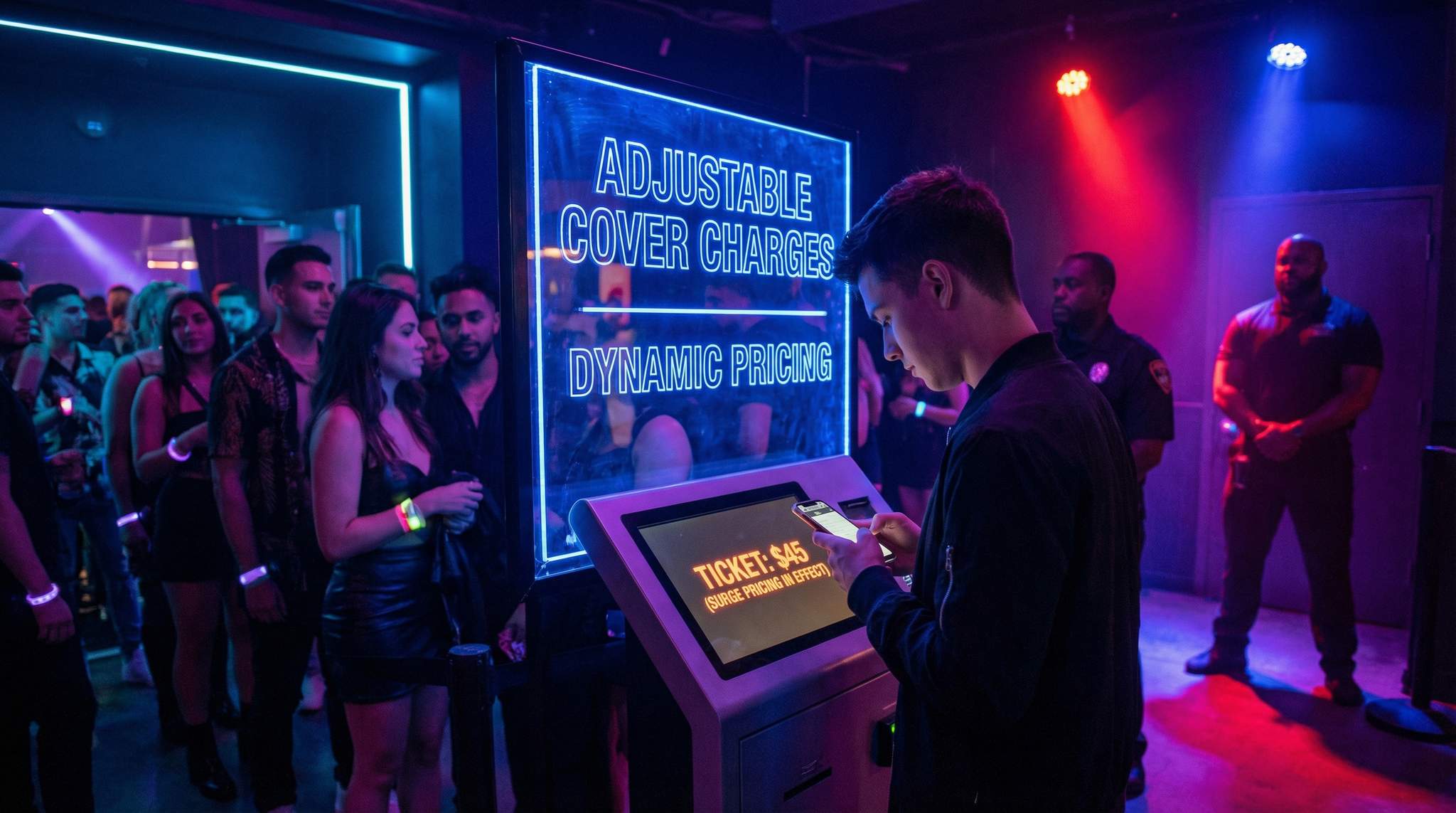
For nightclubs, dynamic pricing means that the ticket price for a given event isn’t fixed – it may change multiple times leading up to the event date. For example, a nightclub might start selling pre-sale tickets at a low early-bird price and gradually increase the price as the event date approaches if ticket sales are strong. This rewards early buyers and capitalizes on later demand. Conversely, prices might drop in the days before the event if demand is lower than expected, in order to encourage last-minute sales and avoid an empty dance floor. Some venues even adjust door prices hour-by-hour on the event night – raising the cover charge during peak hours when the club is filling up, and possibly lowering it later in the night to entice late arrivals.
Keep Tickets in Fans' Hands
Our secure resale marketplace lets attendees exchange tickets at face value, eliminating scalping while keeping you in control of the secondary market.
Pro Tip: When introducing dynamic pricing, communicate it clearly. Let customers know early on that ticket prices may increase as the event nears. This creates urgency for early purchase and sets expectations, so patrons aren’t surprised or upset when prices change.
It’s worth noting that not every nightclub uses dynamic pricing – some may opt for a fixed price strategy for simplicity and to appeal to customers who prefer price stability. However, a growing number of venues are experimenting with dynamic models as ticketing technology makes it easier. According to industry research, over 60% of European retailers (including many in hospitality and events) are already using dynamic pricing, with another 55% planning AI-driven pricing pilots by 2025, according to retail and hospitality pricing playbooks. In other words, dynamic pricing is quickly becoming mainstream across industries. Nightclubs that learn to leverage it effectively can stay ahead of the curve.
Ready to Sell Tickets?
Create professional event pages with built-in payment processing, marketing tools, and real-time analytics.
The Nightclub Entertainment Target Audience

Understanding your target audience is crucial for a successful nightclub entertainment strategy. Typically, the core demographic for nightclubs falls in the 18 to 35 age range (though depending on local laws, venues in some regions market primarily to 21+). These individuals are passionate about music, dancing, socializing, and seeking new nightlife experiences. They’re also known for their willingness to spend on a great night out – from tickets and cover charges to drinks and VIP upgrades – as long as they feel they’re getting value.
This demographic is highly active on social media and savvy with technology. They often discover events via Instagram or TikTok and love sharing their nightlife experiences online in real time. In fact, research confirms that young audiences today “prioritize experiences over material things,” as noted in recent studies on Gen Z spending habits. They’d rather spend money on a memorable club night or festival than on buying physical goods. This means they value unique, shareable moments – a special DJ set, an immersive themed party, a cool VIP lounge – and they’ll pay for them if the price feels justified. On the flip side, if they feel overcharged or misled, they can be vocal about it on social platforms, which can quickly damage a venue’s reputation.
To effectively reach and engage this audience, nightclubs leverage a mix of digital marketing strategies: social media advertising (targeted by interests and location), influencer partnerships (getting local trendsetters to promote events), and geo-targeted ads or SMS for last-minute promotions. Data is your friend here – using analytics to track ticket buyers’ ages, locations, and preferences can help tailor your offerings. (For a deeper dive into data-driven nightlife marketing, check out our guide on attendee analytics for nightclubs and how it can improve experiences.) By understanding the preferences and behaviors of your target crowd, you can create unique, memorable events that meet – and exceed – their expectations.
Data-Driven Event Marketing
Track ticket sales, demographics, marketing ROI, and social reach in real time. Exportable reports give you the insights to make smarter decisions.
Revenue Optimization

One of the most significant benefits of dynamic pricing is its ability to maximize revenue by charging the right price at the right time. Traditional fixed pricing often leaves money on the table – either you sell out too fast (indicating you possibly underpriced) or you fail to sell out at all (possibly overpriced or insufficient demand). Dynamic pricing lets nightclub promoters adjust prices to actual demand patterns, ensuring they capture more of the value attendees are willing to pay.
Grow Your Events
Leverage referral marketing, social sharing incentives, and audience insights to sell more tickets.
High Demand Events: For events with high demand – say a superstar DJ performance or a special holiday weekend party – dynamic pricing allows you to increase prices in response to the surging interest. If your 500-capacity club sells 400 tickets quickly at $30 each, you might raise the remaining ticket price to $40 or $50 because those last 100 people are likely willing to pay a premium for a spot. This way, you capture maximum revenue from eager attendees. As an example, major concert promoters have used similar strategies: Bruce Springsteen’s 2023 tour saw dynamically priced tickets climb above $5,000 for prime seats, sparking widespread discussion on ticket backlash because the demand was through the roof. While a nightclub won’t see prices that extreme, the principle of charging more when everyone wants in can significantly boost your take.
Low Demand Events: Conversely, for nights with slower sales or lesser-known talent, dynamic pricing can lower ticket prices closer to the event date to entice more people to come. It’s better to have someone in the club at a discounted $10 ticket than an empty space and $0. By monitoring sales, you might decide that one week out from the event, if only 100 tickets have sold, you’ll drop the price or offer a flash sale to bring in budget-conscious clubgoers. Many experienced promoters will tell you that a packed venue – even at a lower ticket price – tends to yield higher secondary spending (e.g. more drinks sold) and a better atmosphere, which is good for the club’s brand in the long run.
Dynamic pricing gives you the flexibility to find that sweet spot for any given night. Some nights you’ll maximize profit per ticket; other nights you’ll maximize the number of tickets sold. Both outcomes help optimize overall revenue. Importantly, capturing more revenue through official ticket sales can also deter scalpers and ticket resellers, since there’s less “underpriced” inventory for them to exploit. (Our complete guide to anti-scalping measures delves into how pricing strategies and other tactics can protect your event from ticket brokers and scams.) By adjusting prices in real time, you ensure that money that would have gone to scalpers or been left on the table goes to your venue instead.
Pricing Strategies for Nightclubs

When it comes to ticket pricing, nightclubs have several strategies to choose from. Dynamic pricing is powerful, but it’s not the only approach – and it often works best alongside other pricing tactics. Here are some common pricing strategies and how they apply to nightlife:
| Pricing Strategy | How It Works | Best For |
|---|---|---|
| Fixed Pricing | One set price for all tickets, set in advance. | Simplicity and predictable events. Customers who value transparency and hate surprises. |
| Tiered Pricing | Different levels of tickets at different prices (e.g. Early Bird, General Admission, VIP). | Segmenting audiences by willingness to pay. Great for offering premium experiences (VIP tables, backstage passes) at higher prices. |
| Dynamic Pricing | Prices fluctuate in real-time based on demand, time, inventory, etc. Uses algorithms or rules to raise or lower prices. | Maximizing revenue on popular nights; adjusting for slow nights. Useful when demand is uncertain or variable. |
| Surge Pricing | A form of dynamic pricing with temporary increases during peak demand periods. For example, higher door charge after 11 PM or on holiday weekends. | Capitalizing on rush periods or special events when demand temporarily balloons. |
| Early Bird Discounts | Limited-time lower pricing for early buyers. Prices then rise later. | Driving early sales, building buzz. Rewarding loyal fans who commit early. |
| Last-Minute Deals | Discounted tickets offered shortly before the event if there are unsold spots. Sometimes promoted quietly to avoid upsetting early buyers. | Filling the venue for lower-demand events, attracting spontaneous club-goers who decide to go out at the last second. |
Nightclubs often mix and match these strategies. For instance, you might start with an Early Bird phase (fixed low price for the first 50 tickets sold), then move to a standard price that later becomes dynamically adjusted up or down in the final week based on sales. Tiered pricing is extremely common: general admission vs. VIP. A VIP ticket or table might include perks like a reserved table, a bottle of champagne, or a meet-and-greet with the artist – and it’s priced much higher. Meanwhile, general admission remains affordable to keep the event accessible.
Surge pricing can be used on the night of the event. A club might advertise “Ladies free before 10 PM, $20 after” or use a mobile ticketing app to increase prices as the venue reaches capacity. This is essentially dynamic pricing applied at the door to influence arrival times and maximize revenue from latecomers. (Some pub and bar chains have even started experimenting with surge pricing on drinks – one London pub made headlines by charging an extra £2 per pint after 10 PM, a “happy hour in reverse” approach that raised concerns about dynamic pricing creeping further.) The key is to use these tactics in a way that fits your brand and clientele. If your crowd is price-sensitive or your vibe is more underground and community-focused, you might lean towards simpler pricing with just early bird and regular rates. If you run a high-end venue with superstar DJs, your audience might tolerate – even expect – dynamic and premium pricing tiers.
No matter which strategy you employ, ensure it’s intentional and communicated. A combination of smart pricing and savvy promotion can really pay off – literally. (For more tips on selling out your nightclub’s events, see our guide on selling out special DJ nights and themed parties in 2026, which covers pricing alongside marketing tactics.)
Improved Customer Segmentation

Another advantage of dynamic pricing is how it enables finer customer segmentation. By observing who buys tickets when and at what price, nightclubs can identify distinct segments of their audience and tailor offers to each. Rather than treating your whole crowd as a monolith, you can cater differently to the early planners, the VIP spenders, and the spontaneous last-minute crew.
Early Birds: Some fans will always grab tickets as soon as they’re available, especially if there’s a discount. Offering an early bird pricing tier (e.g. 20% off for the first two weeks of sales) rewards your loyal followers and generates early cash flow. Dynamic pricing systems can be set to automatically raise the price after a certain date or after a set number of tickets are sold. For example, you might sell the first 100 tickets at $15, the next 100 at $20, and so on. This not only drives urgency (people love feeling they snagged a deal) but also helps you gauge early interest. If those early birds disappear fast, it’s a sign you have a hot event on your hands. If even discounted tickets languish, that’s a signal to ramp up marketing or adjust the lineup.
VIPs and High Rollers: On the other end, you have a segment of your audience willing to pay top dollar for the best experience. Dynamic pricing allows you to create premium-priced options that capture this value. For instance, you might set aside a handful of “Ultra VIP” tickets – maybe including a backstage meet-and-greet or a table next to the DJ booth – and price them using dynamic rules (starting high and going higher as they sell). If there is true demand, these could sell for several times the general ticket price. By using a tiered dynamic model, your most dedicated (and wealthiest) fans can pay more for exclusivity without affecting the base price most attendees pay. This segmentation ensures you don’t leave money on the table with your big spenders. Many top-grossing festivals do something similar by offering tiers like GA, VIP, and Platinum experiences; nightclubs can adopt that scale-appropriate to their venue.
Last-Minute Buyers: There will always be a segment of people who decide on going out the day of the event (or even late that evening). With dynamic pricing, you can cater to these spontaneous attendees as well. For example, if an event hasn’t sold out by the final day, the system might trigger a last-minute deal – a slight discount or a “two-for-one after midnight” special – to pull in those fence-sitters. This strategy can turn procrastinators into paying customers. However, be cautious: if you consistently drop prices at the last minute, your regular patrons might start waiting for those deals instead of buying early, which can hurt your cash flow and event planning.
Warning: Avoid training your audience to expect last-minute discounts. If frequent attendees notice prices always drop as the event nears, they may delay buying tickets, undermining your early sales. Use last-minute deals sparingly and focus more on rewarding early birds.
Segmenting your audience with targeted pricing and promotions can increase overall sales and satisfaction. Early buyers feel appreciated, VIPs feel catered to, and spontaneous club-goers feel like they’re getting a special late deal. It’s a delicate balance – essentially, you’re practicing yield management much like airlines do, but for a nightclub context. Data from your ticketing platform can help: you might analyze how many tickets are sold at various intervals and at which prices, then adjust your strategy over time. (Our article on data-driven nightlife via attendee analytics provides insight into using purchase data to refine segmentation.) The end result is a pricing approach that feels personalized and flexible, rather than one-size-fits-all.
Better Inventory Management

Nightclub promoters can also use dynamic pricing as a tool for inventory management – in other words, managing the availability of tickets (or club capacity) across events to avoid both oversell and undersell situations. Just as airlines adjust prices to fill every seat on the plane and hotels change room rates to maximize occupancy, clubs can adjust ticket prices to aim for a full house without overcrowding.
From a promoter’s perspective, every night your venue isn’t full is lost revenue you can’t get back – a perishable inventory problem. A dance floor spot or VIP table that goes empty on Saturday night vanishes like an unsold airline seat after takeoff. Dynamic pricing helps you minimize those empty spots. Here’s how:
Sell Out Popular Nights: When a high-profile event is on the horizon, dynamic pricing helps ensure you sell out at the highest possible average price. If a famous artist is performing and you see hundreds of tickets moving quickly, you can raise prices in tiers and stretch that demand. Maybe your first wave sold at $25, the next wave at $35, and the final few tickets at $50. By the time the event arrives, not only is the club packed, but you’ve maximized revenue from that capacity. The venue hits its attendance cap right as ticket price hits what the market will bear. Many club owners will recount nights where they realized later they could have charged more – dynamic pricing ensures you capture that value in the moment.
Avoid Empty Nights: For lower-demand events (like a weeknight party or a last-minute booking), dynamic pricing can do the opposite – drop prices or offer promotions to get people in the door. For instance, if it’s Thursday and your Saturday event is only 30% sold, you might implement a 24-hour promo code that effectively lowers the price for online sales or send a push notification through your ticketing app advertising discounted entry before 11 PM. These real-time adjustments can dramatically improve your headcount. I’ve witnessed this first-hand: we once had a mid-week DJ night that was in danger of being half-empty, but after reducing the advance ticket price by 30% two days before and blitzing social media, we ended up at near 90% capacity – and those extra attendees bought drinks, creating a vibrant atmosphere instead of a dead night.
By flexibly managing pricing, organizers can avoid the twin pitfalls of underselling (lots of unsold tickets, meaning lost revenue and a dull atmosphere) and overselling at too low a price (sold out but could have earned more per person). The goal is optimizing yield for each event. On a high-demand night, that means higher profit margins. On a low-demand night, that means a fuller venue and happier DJs/performers (no artist likes performing to a half-empty room). Moreover, a well-filled venue has an energy that attracts people – nothing draws a crowd like a crowd. In the long run, consistently managing your inventory so that your club is busy and buzzing improves your brand reputation in the nightlife scene, which can lead to stronger demand for future events.
Managing Ticket Price Fluctuations

Implementing dynamic pricing isn’t a one-and-done task – it requires actively managing price fluctuations and communicating with your customers. The last thing you want is to surprise or confuse your audience with erratic changes. Here are some best practices for managing dynamic price changes smoothly:
-
Set Price Floors and Ceilings: Determine in advance the minimum and maximum prices you’re willing to charge. The floor might be the break-even point for your event (to cover talent, venue, and promotion costs per head). The ceiling might be what you think the absolute super-fan would pay for this event. Setting these boundaries prevents extreme fluctuations. For instance, you might decide that general admission will never drop below $10 (to preserve value perception) and never exceed $50 (to avoid gouging), no matter what the algorithm says.
-
Use Pricing “Guardrails”: Many ticketing platforms let you define rules for when and how much prices can change. You can program gradual increases – e.g., price rises $5 for every 50 tickets sold or each week closer to the event – rather than sudden jumps. This creates a smoother curve that feels more natural to buyers. If demand skyrockets unexpectedly, you might override to cap a price, recognizing there’s a point at which fans will feel it’s exorbitant.
-
Communicate Clearly: Transparency is vital. If you’re using tiered dynamic pricing, label your ticket types in a way that makes it obvious (for example, “Early Bird – Limited quantity”, “Phase 2 Pricing”, “Last Chance Tickets”). When people see “Early Bird” or a note like “Prices will increase as event approaches,” they understand the game. Many events explicitly state on their websites or social posts things like “Tickets from $20 – buy early, prices rise closer to the event!”. This not only manages expectations but can actually drive sales (“I better buy now before it goes up!”).
-
Price Guarantee Options: One way to build trust is by offering guarantees. Some promoters choose to guarantee that the price will not drop below what early buyers paid (so early purchasers don’t feel burned by later discounts). Others might offer a small perk to early ticket holders if a later price drop does happen – for example, a free drink or a discount on the next event, as a gesture of goodwill. While you don’t have to refund the difference (entertainment tickets generally are sold as-is), these kinds of guarantees or perks can maintain goodwill. As an example, a few major festivals have experimented with “lock in your price” promotions where fans can pay a deposit early to secure the lowest price ticket and not worry about price changes later.
Managing these fluctuations also means keeping an eye on the data in real time. During the sales cycle, monitor how people are responding. If you notice a big drop-off in sales after a price hike, that could be a sign you hit a pain point and might need to add value (or at least explain why the price is what it is). Modern ticketing systems often include dashboards or alerts for sales velocity; use those to stay agile. You’re essentially steering the ship while it’s moving – adjusting course (prices) based on the winds of demand.
Pro Tip: Analyze your past events to inform future pricing. Look at when surges of tickets were sold and at what prices. If data shows that most tickets for similar events sell in the last 48 hours, you might keep prices steady longer and then jump closer to the event (or vice versa). Using historical data helps set smarter price rules and avoids wild swings that confuse customers.
By actively managing price changes and keeping communication open, you can harness dynamic pricing’s benefits without alienating your audience. Fans will appreciate knowing what to expect, and you’ll build a reputation as a venue that’s fair even while being flexible on pricing.
Consumer Perception and Potential Drawbacks

For all its advantages, dynamic pricing must be handled carefully. You need to be mindful of how customers perceive these price fluctuations. Sudden or steep price hikes can lead to buyer frustration – nobody likes feeling like they paid more than the person next to them, or that prices jumped just as they were about to click “Buy.” If fans feel deceived or exploited, it can damage your brand and loyalty.
Let’s talk about a few key concerns:
Customer Trust: Maintaining trust is paramount. One scenario to avoid is when an early buyer purchases a ticket for $40 only to see it available for $30 closer to the event. That customer might feel punished for being enthusiastic early. On the flip side, someone who waits too long and sees the price went up may feel annoyed they missed the lower tier. The best way to keep trust is through clear communication and fairness. Terminology like “Early Bird Special” or “Limited Super Saver tickets” signals that prices will go up later, so those who buy early know they got a deal. Likewise, if you plan to drop prices for last-minute sales, consider framing it as a “Late Rush Special” or an on-the-door discount for students, etc., to make it seem like a planned offer rather than a random price cut. Some venues offer price-lock guarantees to early buyers (e.g., “Buy in the first week and we guarantee this is the lowest price you’ll pay”). Such approaches assure fans they won’t be undercut and encourages early sales – a win-win.
Even major industry players recognize the importance of trust in pricing. In 2024, Live Nation (owner of Ticketmaster) moved toward “all-in” ticket pricing – showing all fees upfront – and was “surprised and thrilled” by the positive fan response, as reported in coverage of Live Nation’s earnings calls. The lesson: when fans feel you’re honest about pricing, they respond well. Dynamic pricing should be implemented with the same philosophy of transparency.
Price Sensitivity: Some portion of your audience will be highly price-sensitive. If your dynamic pricing algorithm isn’t tuned properly, you could scare away these cost-conscious fans. For example, if prices shoot up too quickly, casual attendees might abandon their purchase thinking, “Eh, it’s not worth it at that cost.” We saw an extreme case of this in the broader concert world: when dynamic pricing caused Bruce Springsteen ticket prices to reach into the thousands of dollars, loyal fans were outraged, leading Springsteen to speak out on the backlash. Likewise, in late 2024, fans of the band Oasis were furious when reunion tour tickets doubled in price during the on-sale due to dynamic algorithms – it even drew scrutiny from UK regulators regarding how dynamic pricing models function. The takeaway for nightclub promoters is to keep price increases reasonable and tied to real value. If you’re charging more, ensure the customer perceives more (a hotter act, a fuller club, added perks, etc.). Understanding your market’s price ceiling is important – in a local nightclub context, jumping from a $20 average to $100 for the same experience could be too drastic and backfire with poor sales or negative sentiment.
Perceptions of Price Gouging: Public backlash can occur if people feel dynamic pricing is just greed in disguise. A notable example: a pub in London implemented surge pricing on pints after 10pm (to cover the cost of late-night staff). Some customers reacted angrily on social media, calling the idea “ridiculous, greedy and needs calling out,” according to customer reactions to surge pricing in pubs. In the nightclub scenario, if someone buys a ticket for $25 and the next day it’s $35, they might feel gouged unless you’ve communicated why. Avoid the perception of random price jumps. Tie changes to something concrete – “Final release tickets now on sale – almost sold out!” sounds a lot better than just silently raising the price. If fans know that higher prices reflect higher demand (and maybe that extra funds are going into making the event better), they are more accepting. On the other hand, if they suspect you’re arbitrarily jacking up prices on a whim, expect anger.
So how can nightclub owners and promoters implement dynamic pricing responsibly? Start with customer education. If you launch a new dynamic pricing system, consider a brief explanation on your website or a social media post: “Hey everyone, you might notice ticket prices fluctuate for our events. This demand-based system helps us keep events affordable for early buyers and ensures we can bring you the best talent by capturing fair value from sold-out shows. It’s designed to be fair – the sooner you buy, the better the price!” Messaging like this can frame dynamic pricing as a positive, not a sneaky trick.
It’s also wise to have a customer service plan. People will inevitably have questions (“I bought at $30 and now it’s $25 – can I get a refund of the difference?”). Train your team with a clear policy on how to handle those. Maybe the answer is no refunds but a discount code for a future event as a goodwill gesture. Showing that you care about keeping things fair will go a long way. Even Oasis’s management acknowledged fan backlash to dynamic pricing, calling the overly aggressive price surges “an unacceptable experience for fans,” prompting Oasis to opt out of dynamic pricing – a strong statement that underscores how important fan experience is relative to a bit of extra profit.
In summary, dynamic pricing’s pitfalls can be managed by balancing profit with fan experience. Remember that a nightclub’s business thrives on repeat customers and word-of-mouth. A slight increase in short-term revenue is not worth a long-term hit to your reputation. So implement dynamic pricing in a way that feels fair: slowly, transparently, and always with an ear to your customers’ feedback.
Incorporating Technology for Demand-Based Pricing

Embracing dynamic pricing is much easier today thanks to technology. Gone are the days of manually updating ticket prices on a whim – now, specialized software and ticketing platforms can do the heavy lifting, using algorithms and real-time data to adjust prices smartly and automatically.
Several ticketing platforms (including Ticket Fairy’s own system) provide built-in dynamic pricing tools. These allow event organizers to set up pricing rules or utilize algorithms that respond to demand. For example, you can program the platform such that: “If tickets are selling at more than 10 per hour, increase price by $1” or “If less than 50% sold one week out, drop price by 15%”. The platform will then adjust the prices on your behalf in real time, and buyers will see the current price when they go to purchase. This kind of automation is crucial because nightclub ticket sales can be very last-minute and fast-moving, especially for hot events – you don’t want to be stuck at your computer 24/7 tweaking prices manually.
Modern dynamic pricing tools often use AI and machine learning. They can analyze tons of data points: historical sales for similar events, day-of-week effects, even external data like weather forecasts or social media buzz. Some advanced systems will notice, for instance, that a surge in social media mentions of your event is correlating with increased ticket clicks, and adjust prices accordingly. As an organizer, you get valuable insights without needing a data science degree. (That said, it’s wise to monitor what the algorithm is doing and have the ability to intervene or set limits, as we discussed earlier.) The goal of these tools is to maximize revenue and attendance without you having to guess the perfect price point—letting data drive the decisions.
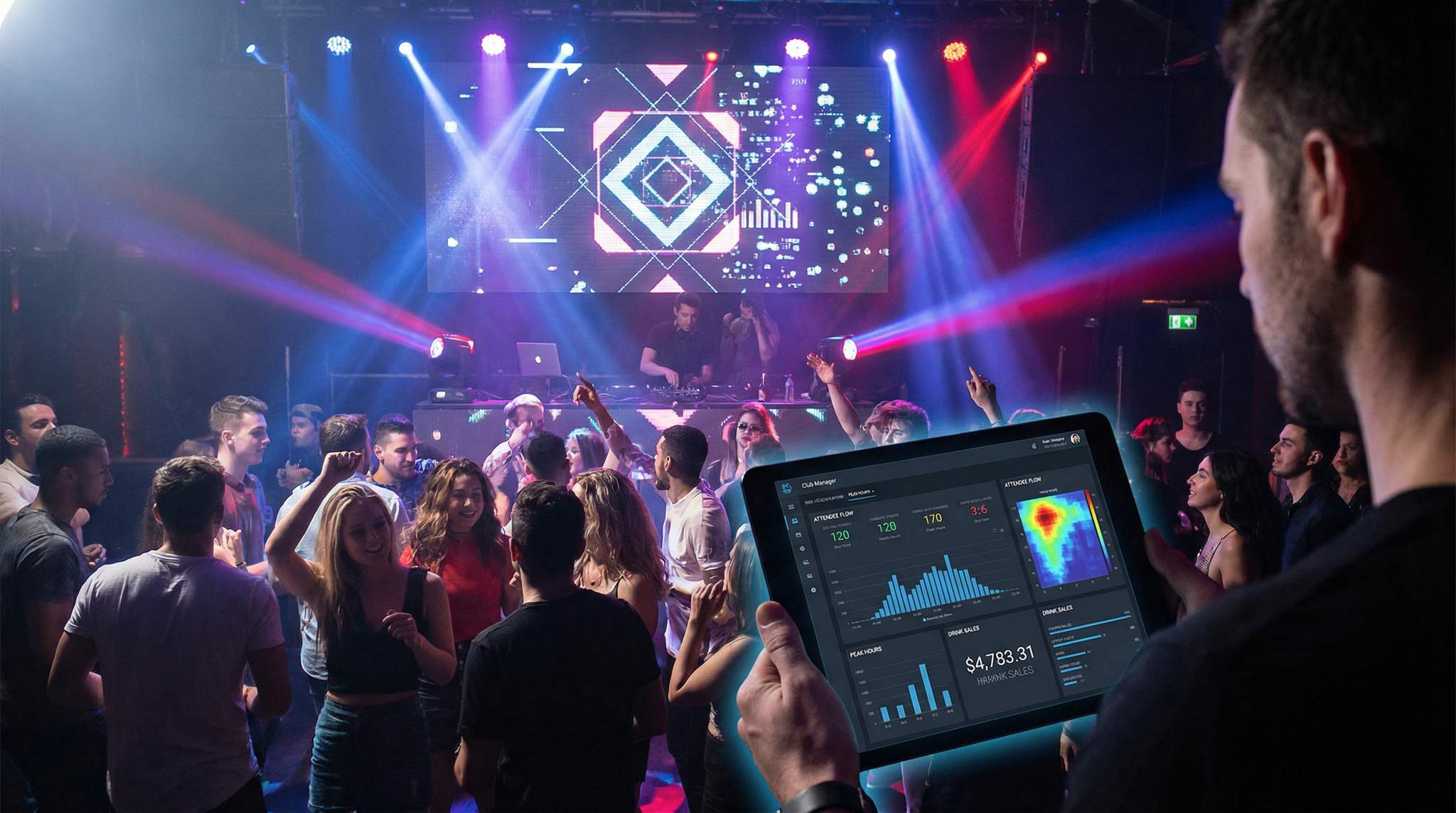
When choosing tech for dynamic pricing, look for solutions that integrate seamlessly into your ticket sales process. The user experience for buyers should still be smooth – at checkout, it might simply show “Current Price: $X (price fluctuates based on demand)” or similar messaging. Many platforms that offer dynamic pricing also come with analytics dashboards, so you can watch sales in real time on your phone and see when price changes occur. For example, Ticket Fairy’s promoter dashboard provides real-time sales analytics and can facilitate demand-based pricing rules, so nightclub owners can optimize pricing on the fly while keeping an eye on conversion rates and page views.
Beyond your ticketing platform, technology can help in other ways. Inventory management software can sync your online ticket sales with on-door sales to ensure you don’t oversell beyond capacity. CRM tools (Customer Relationship Management) can track who your buyers are – so you might identify big spenders or repeat attendees and target them with special offers (e.g., a loyalty discount or an exclusive pre-sale at fixed prices, which fosters goodwill alongside dynamic pricing in general sales). There are also third-party dynamic pricing engines which some larger venues or promoters use; these can plug into ticketing systems via API. The big concert industry players have proprietary systems – for example, Live Nation/Ticketmaster’s “Platinum” dynamic pricing program – which have yielded record revenues but also controversy. For a nightclub, you’ll likely use a more off-the-shelf solution from your ticketing provider or an add-on service designed for live events and venues.
Pro Tip: When adopting new tech for ticket pricing, make sure it aligns with your overall event technology ecosystem. You don’t want a pricing tool that conflicts with your scanning app or one that’s so complex you can’t adjust it on the fly during an event night. Choose a platform that simplifies your workflow rather than complicating it. (See our article on choosing the right event tech without overwhelm – the advice applies to nightclubs too. The right tools should save you time, not create more headache.)
Bringing technology into your pricing strategy also sends a signal to artists and agents that you’re a modern, data-driven venue. It shows you’re doing everything to maximize revenue (which could help you afford higher booking fees for talent) while still filling the room. In the competitive 2026 nightlife landscape, leveraging tech like dynamic pricing can give you an edge – just remember to maintain that human touch in oversight, ensuring the tech’s decisions align with a positive fan experience. As one veteran festival producer put it, the goal is balancing revenue gains with fan trust through smarter ticketing tech that delivers value.
Maximizing Attendee Experience in Live Entertainment

Nightclub promoters sometimes worry that dynamic pricing is only about squeezing more dollars out of guests. In reality, when used well, dynamic pricing can enhance the attendee experience. How? By matching people with the experiences they value most and ensuring the club is filled with happy patrons.
Consider that a single nightclub event isn’t a one-size-fits-all product – it can encompass multiple experience levels. Someone who buys a premium-priced VIP ticket is often seeking a different experience (private table, upgraded service, maybe a meet-and-greet or a view of the DJ) compared to someone buying a standard entry. Dynamic pricing lets you offer these differentiated experiences at appropriate price points. Those willing to pay more get something extra special, and those on a tighter budget can still get through the door at a lower price if they act early or catch a promotion. The result is a diverse crowd all enjoying the night on their own terms.
From the moment attendees walk in, they will subconsciously gauge if the experience feels worth what they paid. If you priced dynamically and the event sold out, ideally everyone paid an amount they were comfortable with, whether $15 or $50. This can actually improve the vibe: people who feel a ticket was fair or a bargain tend to be in a great mood, ready to party. On the other hand, if someone felt ripped off, they arrive with a chip on their shoulder – not what you want on your dance floor. That’s why adding value at each tier is key. For instance:
-
Exclusive Experiences: If you charged a premium for certain tickets, make sure those buyers get perks that stand out. It could be a dedicated fast-track entry line (no one likes waiting ages in line), a welcome drink, access to a VIP lounge with seating, or even a quick tour backstage. These extras make higher-paying guests feel VIP and glad they spent more. They’ll remember the night for those special touches. A positive VIP experience means they’re likely to return and spread the word that your venue takes care of its top fans.
-
Affordable Access: Simultaneously, by using dynamic pricing to lower barriers for some, you ensure that a broad range of fans can attend. Maybe a college student couldn’t justify a $30 ticket, but your last-minute $15 release got them in the door – now they’re experiencing your club for the first time and might become a loyal customer (who pays full price next time). Furthermore, a packed club with enthusiastic people – some of whom got a deal – creates an incredible atmosphere. That energy is contagious. Even those who paid more for early tickets benefit, because a full, lively club is a better experience for everyone than a half-empty one. In essence, dynamic pricing can help populate the party with as many people as possible, each of whom found a price that worked for them.
-
Psychological Satisfaction: There’s a psychological angle too. People love feeling like they got value. Early buyers feel smart that they locked in a low price (“I got the early bird deal!”). Meanwhile, late buyers who pay more may feel a sense of exclusivity or urgency (“I snagged one of the last tickets – I had to be here!”). If handled correctly, both ends of the spectrum walk away happy in their own way. The key is that no group feels cheated. This means avoiding situations where, say, a late buyer discovers someone else bought much later at a cheaper price – that would cause justifiable annoyance. But as long as your pricing follows a logical progression and is clearly communicated, attendees will understand. It’s similar in concept to how airline passengers accept that not everyone paid the same fare – timing and conditions were different.
Ultimately, a well-executed dynamic pricing strategy contributes to a more engaged and satisfied customer base. Rather than one flat experience, you’re offering a menu of experiences at different price points. Fans self-select into what they value: budget-conscious fans can still join the fun (so you’re not an exclusive playpen for the rich), and high-rollers can indulge in something special (so they feel they’re getting something beyond a basic ticket). The overall attendee experience is elevated when the crowd is diverse yet each segment is pleased with what they paid for. Many clubs find that this leads to stronger loyalty – people appreciate that there was an option that fit their means and desires. They’re more likely to come back, whether next time they splurge on VIP or rally their friends to jump on early-bird deals.
One important note: dynamic pricing should never be a distraction or hassle for the attendee. They shouldn’t have to think about it once they’ve purchased. The experience at the event is what matters then – great music, sound, lighting, staff, and so on. Pricing is just a tool that helped get them there. As long as you’ve priced fairly and packed your venue with the right number of excited people, you’ve set the stage for an amazing night. The fans will remember the epic DJ set, the new friends they met, or the spectacular production – not the fact that tickets were $5 more than a week before. And if they do think about the price, hopefully it’s “Totally worth it.” Your goal is to make sure that whether someone paid a bargain price or top dollar, they leave feeling the experience was worth every penny (even in an era of rising costs) and are already planning their next night out at your venue. (On that note, delivering great value is crucial in justifying higher prices – see our tips on ensuring your event is worth every penny despite rising costs for ideas to add value to the fan experience.)
Conclusion: Embrace the Flexibility of Dynamic Pricing
Dynamic pricing offers nightclub promoters and owners a powerful tool to maximize revenue, fill venues, and optimize ticket sales in an increasingly competitive nightlife scene. By tailoring ticket prices to actual demand, you can ensure you’re not leaving money on the table during high-demand events, while also not leaving your venue half-empty on slower nights. This flexibility is a game-changer – it’s the difference between a one-size-fits-all approach and a responsive strategy that adapts to your fans’ behaviors in real time.
However, success with dynamic pricing comes down to how you implement it. A careful, transparent approach will keep your customers happy while achieving your business goals. Always balance profitability with customer satisfaction. That means setting sensible limits on prices, communicating openly about how your pricing works, and delivering clear value at every price point. When fans see dynamic pricing as fair – even beneficial (like rewarding early commitment) – they’ll embrace it. On the other hand, if they ever perceive your pricing changes as greedy or manipulative, it could harm the goodwill you’ve built. In the era of 2026’s concert and festival boom, fans have many options; treating them right encourages loyalty.
The nightlife industry is continuously evolving. Trends like cashless payments, immersive tech-driven experiences, and data analytics are shaping the future of club events. Dynamic pricing fits into this landscape as an innovative approach that savvy promoters are adopting to stay ahead. Think of it as another tool in your toolkit – one that, when used with expertise and a fan-centric mindset, can elevate both your financial outcomes and your guests’ enjoyment. By embracing demand-based pricing, you demonstrate to artists, investors, and attendees alike that your venue is modern, dynamic, and tuned into the market.
As you venture into dynamic pricing, start gradually. Test it for a few events, gather feedback, and refine your strategy. You might be pleasantly surprised at the results: higher revenues, more engaged audiences, and new insights into how your fans behave. In the end, the goal is to throw amazing events where everyone – from the front-row VIP to the last-minute party-crasher – feels it was worth it. Dynamic pricing, done right, can help you throw those unforgettable, packed-house nights while keeping your bottom line healthy.
You May Also Like:
* OnGround Event Technology For Music Concerts to Know About in 2025
* Anti Scalping for Event Management: Why These Measures Are Essential – A Complete Guide
* Music Event Technology Trends 2025: Innovations Shaping the Future of Live Music Experiences
Frequently Asked Questions
What is dynamic pricing for nightclub tickets?
Dynamic pricing is a strategy where ticket costs fluctuate based on real-time factors like demand, remaining inventory, and time until the event. When demand spikes, prices increase to maximize revenue, while prices may drop during low demand to stimulate sales and ensure the venue reaches capacity.
How does dynamic pricing increase nightclub revenue?
Dynamic pricing increases revenue by adjusting costs to match actual demand patterns. Promoters can raise prices for high-demand events to capture premium value from eager attendees or lower prices for slower nights to boost volume. This strategy optimizes yield by ensuring tickets are sold at the highest price the market will bear.
What are the best pricing strategies for nightclub events?
Nightclubs often combine several strategies, including tiered pricing for VIP segmentation, early bird discounts to drive initial sales, and dynamic pricing to adjust for real-time demand. Surge pricing is effective for peak hours at the door, while last-minute deals help fill capacity for lower-demand events.
How can nightclubs maintain customer trust while using dynamic pricing?
Venues maintain trust by prioritizing transparency and clearly communicating that prices may fluctuate based on demand. Implementing price floors and ceilings prevents extreme changes, while offering price-lock guarantees or clear “early bird” labels helps customers understand the value of buying early without feeling deceived by later price shifts.
Why is audience segmentation important for nightclub ticket sales?
Audience segmentation allows promoters to tailor offers to specific groups, such as rewarding early birds with discounts or capturing maximum value from VIPs willing to pay premiums. This approach ensures revenue is not left on the table while still offering accessible price points for budget-conscious or spontaneous attendees.
How does technology automate dynamic ticket pricing?
Modern ticketing platforms use AI algorithms and real-time data to automate price adjustments based on sales velocity and demand. These tools allow organizers to set specific rules, such as increasing prices after a certain number of sales, maximizing revenue and attendance without requiring manual monitoring of ticket inventory.