Festivals vs. Stadium Tours: Thriving in 2026’s Concert Boom
Introduction: The 2026 Concert Boom and the Festival Challenge
A Record-Breaking Live Music Landscape
The live music industry is entering 2026 at a frenzied peak. After the post-pandemic “golden age of live” saw touring revenues surge over 70% above 2019 levels, Pollstar’s 2024 business analysis confirms the volume of shows is a win for the business. Global concert grosses hit record highs in 2024, with top tours grossing $9.5 billion, marking a 3.6% year-on-year increase. Major artists shattered benchmarks – Taylor Swift’s Eras Tour alone amassed an estimated $2.2 billion, and Coldplay sold over 10 million tickets on their world tour. Live Nation’s CEO deemed 2025 a “monster stadium year” with superstars from Coldplay to Dua Lipa and Ed Sheeran lined up for massive shows, suggesting 2025 could be stadium rock’s biggest year. This momentum barrels into 2026 with international stadium tours by A-list acts spanning pop, rock, Latin, K-pop and beyond. Consumers are spoiled for choice with blockbuster concerts nearly every week in major markets.
Why Festivals Feel the Heat
In this climate, festival organizers face fierce competition for fans’ time, money, and attention. A fan’s entertainment budget is finite – shelling out $200+ for a single-artist stadium show might mean cutting another event. The calendar is also crammed: every weekend could see multiple mega concerts or sports spectacles (like the FIFA World Cup) alongside local events. Mid-sized and independent festivals especially feel the squeeze. In the UK, mid-sized festivals struggled to survive as cancellations doubled from 2023 to 2024, with many in the “squeezed middle” failing to sell tickets against big-budget rivals. A French industry study likewise found two-thirds of music festivals ran a deficit in 2024 despite solid attendance, due to surging artist fees and high costs which have risen 30–40% since 2020. In short, 2026’s boom times for touring can spell bust for festivals that don’t adapt.
Yet festivals have unique strengths that concerts can’t match – from multi-artist lineups to immersive community vibes. Fans crave experiences as much as performances. The challenge (and opportunity) for festival producers is positioning their events as must-see experiences distinct from a single-night tour stop. By smartly strategizing around scheduling, content, and value, festivals can thrive alongside the stadium tour onslaught. This guide offers practical tactics – honed by veteran producers – to keep festivals relevant and buzzing in 2026’s crowded live music season.
Festivals vs. Stadium Concerts: Key Differences
To set the stage, it’s useful to compare what festivals offer versus a typical stadium tour show. Understanding these differences is key to leveraging festivals’ advantages:
Go Cashless With RFID Technology
Enable contactless payments, faster entry, and real-time spending analytics with RFID wristbands and NFC-enabled ticketing for your events.
| Factor | Music Festival (multi-artist event) | Stadium Tour Concert (single artist) |
|---|---|---|
| Artists per day | 20–100+ across multiple stages | 1–3 (main headliner + opening acts) |
| Duration | Multi-day (2–4 days common; often includes camping) | Single day/evening (2–4 hour show) |
| Atmosphere & Experience | Immersive “mini-city” with food courts, art installations, rides, camping, and community activities – a social event holiday. | Focused performance event at a fixed venue; entertainment is mainly the show itself, with limited extras (merch stands, concessions). |
| Music Variety | Broad spectrum of genres and performers – fans discover new acts alongside favorites. | One genre or artist’s catalog – fans attend for that specific performer’s music. |
| Value Proposition | High value per dollar: a $300 pass might cover 50+ artists (?$6 per act) plus experiences. Fans get memories across a whole weekend. | Expensive per act: $100–$300 to see one star (often with dynamic pricing). Fans get an intense one-night memory of a favorite artist. |
| Community Vibe | Shared community spirit; attendees mingle, camp, and often form lasting friendships. Traditions develop year to year. | Unified fandom for the artist, but less interaction among strangers; attendees disperse after the show. |
| Venue & Infrastructure | Temporary outdoor setup (parks, fields) or adapted spaces; requires building stages, power, amenities from scratch. | Existing permanent venue (stadium/arena) with built-in seating, facilities, and easier logistics. |
| Sponsor/Brand Presence | Multiple brand activations and experiential zones on-site (sponsors creating interactive tents, giveaways, themed areas). | Typically just tour sponsors on signage and standard advertising; limited fan engagement opportunities for brands. |
As the table shows, festivals deliver breadth of entertainment and a communal atmosphere, whereas stadium tours offer focus and star power. Neither model is “better” inherently – they fulfill different fan desires. The goal for 2026 festival planning is to double down on what makes festivals special (the variety, vibe, and value) while mitigating the areas where big tours have an edge (headline star appeal, convenient scheduling). In the sections below, we break down strategies – from scheduling around tour dates to amplifying on-site perks – to ensure your festival shines in a year packed with marquee tours.
Smart Scheduling: Timing Your Festival Amid Tour Frenzy
Mapping Out Tour Calendars to Avoid Clashes
Timing is everything in 2026. A festival that unknowingly schedules its dates against a major superstar’s tour stop in the same region courts trouble – fans can’t be two places at once. Experienced festival planners start with research: mapping out the announced (and rumored) tour schedules of top artists that overlap with their event’s genre or locale. In practice, this means keeping tabs on industry news and Pollstar reports for stadium and arena runs. For example, if Coldplay is playing a massive stadium show on July 4 in your country, that weekend is a high-risk date for a competing music event. Similarly, pop festivals would note Taylor Swift’s tour stops; rock festivals might flag dates of legacy rock band tours, etc.
Planning a Festival?
Ticket Fairy's festival ticketing platform handles multi-day passes, RFID wristbands, and complex festival operations.
With a calendar of major tours in hand, identify “blackout” periods where you’ll avoid hosting your festival. Many veteran organizers literally draw out a calendar of summer 2026 and mark the dates of big concerts, sports finals, and other large draws, similar to how festivals are strategizing around the 2026 World Cup. The goal is to find a window that minimizes direct competition. If your usual weekend is saturated by a local mega-event, consider shifting by a week or two if feasible. Flexibility can save your attendance. A great real-world example is how European festivals adjusted around major artist tours: in 2023, several UK festivals moved their dates slightly once Beyoncé’s Renaissance Tour dates were announced, ensuring fans wouldn’t have to pick one or the other.
Off-Season and Off-Night Opportunities
Another scheduling tactic is thinking beyond the traditional peak weekends. Most blockbuster tours hit Fridays and Saturdays in summer. If your festival can operate on shoulder weekends or less common timing, you might capture an underserved audience. For instance, consider an early spring or late fall slot if climate allows, when fewer global tours are on the road. Some festivals have found success on holiday weekends or by embracing weekdays – e.g., opening on a Thursday or even running mid-week if it’s a destination event. This avoids overlapping with the Friday/Saturday night concert rush. Of course, you must weigh local attendance patterns (mid-week events might deter working fans), but it can differentiate your festival’s timeframe.
Coordinating timing with artists’ availability is also key. If a major artist in your genre is touring in the fall, scheduling your festival in spring might increase the chance they can play your event (or at least that their fans aren’t tapped out). In some cases, festivals arrange with artists to route a tour stop into the festival – essentially having a tour date double as a festival headlining slot. This requires careful negotiation and logistics, but when it works, it’s a win-win: the artist’s tour feeds your festival and vice versa. For example, Japan’s Summer Sonic festival often aligns with artists’ Asian tour legs, so a band’s Tokyo tour date happens at the festival, boosting the festival bill without “stealing” another date, capitalizing on demand for mega concerts in emerging markets.
Flexibility and Backup Plans for Date Changes
2026’s season will be dynamic, so prepare to pivot if needed. Tours get extended, albums get delayed (prompting new tour legs), or other surprise events (pop-up one-off concerts, televised events) can emerge. Savvy festival producers build contingencies well in advance. This could mean securing a couple of optional weekend slots with your venue or city permits (if you have the clout to hold a backup date). At minimum, maintain open communication with local authorities and other event organisers in your region. If a stadium show is suddenly announced on top of your festival weekend, can you shift by a week or adjust daily schedules? Smaller festivals have managed last-minute shifts to avoid losing attendees – it’s not easy, but it can be better than a direct clash that halves your turnout.
Smart Promo Codes & Presale Access
Create percentage or flat-rate discount codes with usage limits, date ranges, and ticket type restrictions. Plus unlock codes for private presales.
It’s also smart to advertise your dates early (before concert tours fully go on sale) once you’re confident in them. Lock in loyal attendees with early bird tickets before they commit their summer budget elsewhere. Some established festivals announce the next year’s dates as soon as the current edition ends, planting a flag on the calendar. Just be sure you truly can secure those dates (consider any pending tour or sports schedule announcements). In 2026, be ready for curveballs: veteran producers know the pain of securing a lineup for a weekend, only to find out later that a once-in-a-generation sports final or a superstar tour was scheduled the same days. By staying informed and agile, you’ll minimize nasty surprises. And remember, you’re not alone – festival organizers in 2026 are comparing notes and adapting their schedules around global spectacles like the World Cup, demonstrating that flexibility is a must.
Multi-Artist Magic: Lineup Strategies to Stand Apart
Emphasize Diversity: One Ticket, Many Artists
A festival’s multi-artist lineup is its greatest weapon against the single-artist show. Your marketing should drive home the message: for the price of one concert, fans get dozens of performers and genres. This value proposition is especially potent in 2026 when wallets are stretched. Highlight the diversity and discovery aspect in all communications. Many fans attend festivals not just for the headliners, but for the chance to find new favorite bands, see unique artist pairings, and enjoy a sampler of styles. For example, at Glastonbury it’s common for a fan to come for Elton John but walk away raving about a breakthrough act on a smaller stage – an experience no stadium tour can provide in one go. Curate a lineup that has broad appeal within your niche: mix legacy acts with buzzworthy newcomers, blend genres if it fits your brand, and surface local talent alongside international names. By delivering variety, you position the festival as a complete experience that a fan can’t get elsewhere.
Need Festival Funding?
Get the capital you need to book headliners, secure venues, and scale your festival production.
To illustrate the strategic choices in lineup planning, consider two approaches a festival could take with the same budget – one star-driven and one experience-driven:
| Budget Allocation Example | “Big Headliner” Strategy (1–2 superstars) | “Experience” Strategy (diverse mid-tier lineup + perks) |
|---|---|---|
| Headliner talent fee | $4 M on one global superstar | $1 M on several rising stars as co-headliners |
| Other artist bookings | $1 M on supporting acts | $2 M on a rich mix of mid-tier artists (more total acts) |
| Stages, production & decor | $0.5 M basic staging for main act focus | $1.5 M enhanced staging, art installations across grounds |
| Attendee amenities & experiences | $0.2 M standard (minimal extras) | $1.0 M immersive extras: themed areas, interactive zones |
| Marketing focus | Star-centric advertising (one name on marquee) | Experience-centric marketing (festival as a journey) |
| Outcome | Huge draw if fan interest in that star – but risky (crowd drops if star cancels or tours nearby). Limited discovery. | Broader appeal (something for everyone). Festival differentiates on atmosphere + breadth, not just one name. Builds loyalty and word-of-mouth. |
The table above shows there’s no one “right” approach – many top festivals blend these strategies (e.g., one big headliner and great secondary content). But in a year when top artists might be touring on their own, an experience-led lineup hedges against losing the star power battle. Veteran festival bookers also note that in 2026’s talent wars – where artist fees are soaring and availability is tight – leaning on emerging talent is not just cost-effective but can set your festival apart, especially with festivals facing fragile economics. When everyone is chasing the same 10 headliners, zig where others zag. Booking an exclusive reunion, a genre-specific showcase, or a left-field cult favorite can create buzz that a run-of-the-mill big name might not. Focus on your festival’s identity: if you’re a boutique indie fest, you shouldn’t try to book the same Top 40 act Live Nation is putting in a stadium – instead, carve out a unique identity that keeps your core fans excited.
Special Collaborations and Unique Performances
One edge festivals have is the ability to create magic moments that won’t happen on tour. Use that! Artists on a festival bill can be encouraged to do something special: think surprise guest appearances, one-off supergroup jams, or thematic sets. Festivals like Coachella have become famous for unannounced cameos – e.g. when Daft Punk showed up during The Weeknd’s set, or when NSYNC briefly reunited on Ariana Grande’s stage. These watercooler moments get fans talking and build the narrative that “anything can happen” at a festival. While you can’t force star collaborations, you can facilitate them: schedule artists back-to-back who might team up, and make introductions in advance. Even beyond stars, you can craft unique experiences like all-star tributes (honoring a late legend with multiple artists participating) or live premieres of new material. Such programming gives die-hard fans a FOMO factor that no single-artist concert can replicate. A Taylor Swift stadium show will be the same setlist every night; a festival set at your event might be the only time she brings out a special duet or cover song because of who else is on the lineup.
Also consider non-musical content to enrich the lineup. Many festivals now sprinkle in live podcasts, artist Q&As, wellness activities, or art performances. For example, at Bonnaroo and Lollapalooza, morning yoga sessions and drag brunches have become popular side attractions. These don’t compete with tours at all – they are unique bonuses of the festival environment. They keep attendees engaged on-site for longer and deepen the overall experience. In 2026, when fans are choosing carefully where to spend time, a diverse program can tip the scales. As one industry veteran put it, “We can’t always outbid the big tours for headliners, but we can out-think them by creating something a tour can’t do – a whole world in three days.” By programming creatively and promoting those exclusives, you underscore that your festival isn’t just a concert, it’s an event in the true sense of the word.
Free Tool: Size Your Festival Site
Zoned capacity planning for arena, campsite, parking and entry lanes — against UK Purple Guide and NFPA density standards. Finds your bottleneck zone.
Securing Talent in a Tour-Focused Year
A practical concern: how do you even book artists who are busy with their own tours? It requires early planning and savvy negotiation. Start artist outreach earlier than usual for 2026 – agents are locking tour dates far in advance. If you’re targeting an artist possibly doing a world tour, see if you can get a festival date slotted in between their tour cities (perhaps as a fly-in one-off or a tour leg finale). If that’s not possible, look at artists taking a tour break or those who plan only festival appearances. Some performers will actually prefer festival one-offs to full tours (especially in Europe, a lot of American acts fly in just for the major festivals). Identify those opportunities.
Be mindful of exclusivity clauses as well. Big tours sometimes have radius clauses preventing artists from playing other shows in the region within a certain timeframe. If an artist you want is doing a stadium show 2 weeks before your event in the same market, their promoter might forbid them from your festival. Always discuss openly with agents and managers to clear any conflict. Alternatively, focus on talent who aren’t on a heavy tour cycle that year: perhaps they’re in between album releases or doing studio work, and would welcome a one-off gig. 2026 also has a huge pipeline of newer stars emerging (Gen Z artists, viral sensations, etc.) – these acts can draw significant crowds and won’t be headlining stadiums yet. Booking a hot upcoming artist exclusively could make your festival the place to see them live that year.
Finally, have backups for key slots. Contingency booking is a wise move in 2026. There have been cases where artists drop off festival lineups because their tour schedule changed or they got offered a lucrative private gig. Seasoned festival organizers learned this the hard way – for instance, when a headliner pulled out weeks before a festival to extend their tour in Asia, it left a scrambling hole in the lineup. Now, many quietly line up a standby act or keep a shortlist of replacements for each headliner. It’s also essential to nurture relationships: an artist might be more inclined to honor your festival booking over a conflicting tour date if they’ve had a great experience with you before. Treat artists well, and they’ll stick with you even when the touring machine tries to pull them away.
(For more on battling for talent in this climate, see our in-depth guide on coping with soaring artist fees and fierce competition in 2026.)
Community & Culture: The Festival “Family” Advantage
Fostering Loyalty Through Community
One thing even the biggest stadium tour can’t manufacture is the organic community that grows around a festival. Events like Burning Man, Tomorrowland, or regional transformational festivals have shown that a festival can be a culture, not just a gig. By fostering a sense of family and belonging, festivals earn repeat attendees who return regardless of who’s on stage. This is gold in a competitive year – you want a base of fans who say “I’m going to X Festival every year, no matter what.” How to achieve that? Emphasize your festival’s values, traditions, and fan involvement. For example, building lasting success through community-centric values, Glastonbury Festival has so much trust and loyalty that tickets sell out in minutes every year, long before any lineup is revealed. This is thanks to generations of consistent ethos and positive experiences, proving trust pays dividends for enduring festivals. Attendees believe in the event’s identity – they know it will deliver a good time and align with their interests, even if their top favorite artist isn’t playing.
You can cultivate this by engaging directly with your audience year-round. Create forums or social media groups for ticket-holders and alumni to mingle. Share behind-the-scenes content that makes fans feel like insiders. Solicit input on aspects like theme or minor lineup additions (“fan-voted” stage names, etc.). Some festivals run contests for local bands to win a slot, which rallies community support and gives fans a stake in the programming. Consider hosting smaller satellite events or meetups in the off-season – e.g. a holiday party, a stage takeover at a partner venue – to keep the community engaged beyond the main weekend. Discover why community-centric festivals build lasting success. All these efforts make your festival more than a 3-day event; it becomes a year-round community that fans are invested in, emotionally and socially. When 2026’s big tours roll through, those fans will still prioritize the festival where their friends are and where they feel at home.
Turn Fans Into Your Marketing Team
Ticket Fairy's built-in referral rewards system incentivizes attendees to share your event, delivering 15-25% sales boosts and 30x ROI vs paid ads.
Also, lean into the cultural identity of your festival. Is it eco-conscious and activist? Artistic and avant-garde? A champion of LGBTQ+ inclusion? Make those values front and center. Modern audiences, especially younger generations, rally behind events that stand for something. For instance, Burning Man’s principle of radical self-reliance and communal effort creates a tribe-like loyalty – people attend for the ethos as much as the art. A community-centric approach not only differentiates you from commercial tours, it also leads to lasting success, as many enduring festivals have proven by putting community before profit. In practice, this could even influence your ticketing strategy: some festivals offer discounted loyalty tickets for returning attendees or locals, reinforcing the sense of a tight-knit family that newcomers aspire to join.
Local Roots and Inclusivity
Another community angle is your local community engagement. Stadium tours often parachute in, play the show, and leave. A festival, on the other hand, can become a beloved institution for its host city or region. This yields support that money can’t buy – local officials who go to bat for you on permits, businesses that promote you, residents who welcome fans rather than complain. To build this, work closely with local partners: hire local food vendors and artisans, involve regional artists in installations, and collaborate with community organizations. Many festivals start initiatives like beach clean-ups, music programs in schools, or charity donations tied to ticket sales. Glastonbury, for example, partners with charities and donates millions to the local area, breaking records for charitable contributions and supporting causes dedicated to activism. Even on a smaller scale, showing that your festival benefits the community rather than just extracting value makes people proud of the event.
In 2026, with economic pressures, demonstrating local economic impact can also sway sponsors and authorities to support you instead of a one-night tour. You can cite how your festival fills hotels for several days, boosts tourism, and creates seasonal jobs. Some U.S. city councils explicitly back festivals for these reasons, offering grants or services – whereas a touring concert by a global artist might not receive the same goodwill. Leverage that in your positioning: brand your festival as by the community, for the community. Engage citizen volunteers (many festivals have volunteer programs that give free entry in exchange for work). These volunteers often become your loudest evangelists in the community.
Inclusivity is another hallmark of festival culture that strengthens community. Ensure your event is welcoming to all genders, orientations, ages, and accessibility needs. Stadium shows can sometimes feel one-size-fits-all, but festivals can create spaces for different groups (e.g., family zones for those with kids, LGBTQ+ safe spaces, platforms for disabled access, etc.). By actively fostering inclusivity, you turn attendees into a more cohesive community. People remember that this festival is where they felt safe to be themselves. That emotional attachment translates to repeat attendance and positive word-of-mouth. For detailed tactics on inclusivity, see our guides on topics like LGBTQ+-inclusive festivals or designing for older attendees and people with disabilities. The bottom line: a fan who feels a festival is “their family” or tradition will choose it over a competing event with a bigger star but no soul.
Traditions, Rituals, and “Festival DNA”
Over the years, successful festivals develop their own rituals and signature moments. Think of the midnight firework show at Belgium’s Tomorrowland, or the group sing-along of “Hey Jude” that closes California’s Desert Trip festival. These unique touches become part of your festival’s DNA. If you haven’t yet, start cultivating traditions that make your event memorable. It could be a yearly theme that fans dress up for, a opening ceremony (some festivals have a local elder or celebrity officially kick it off), or something fun like a yearly scavenger hunt on the grounds. Such traditions give attendees something to look forward to beyond the music.
Moreover, celebrate your festival’s history and community. Honouring long-time attendees or crew on stage, displaying fan art or flags from past years, or hosting “open mic” storytelling sessions where fans share their best festival memory – these all reinforce a sense of belonging. Many events produce retrospective content (photo exhibits, mini-documentaries, a zine or yearbook) that fans cherish. This might sound sentimental, but it works: it deepens the loyalty that can sustain you during a tough competitive year. A fan who feels like our festival is a part of their identity is far less likely to skip it, even if tempted by a tour by their favorite artist. They might try to do both, but if forced to choose, the event with personal meaning wins. In 2026, aim to elevate your festival from “one of many entertainment options” to “an unmissable reunion” of a community. That’s how you weather any storm of competition.
Free Tool: Split Tickets for Max Gross
Given capacity and a target price, the optimizer proposes Early Bird / GA / VIP allocations and prices — with projected gross at 100%, 80% and 60% sell-through.
(Learn more about fostering community in our article on building lasting success through community-centric festivals.)
Immersive Perks: Experiences Concerts Can’t Offer
Transformative Environments and Interactive Art
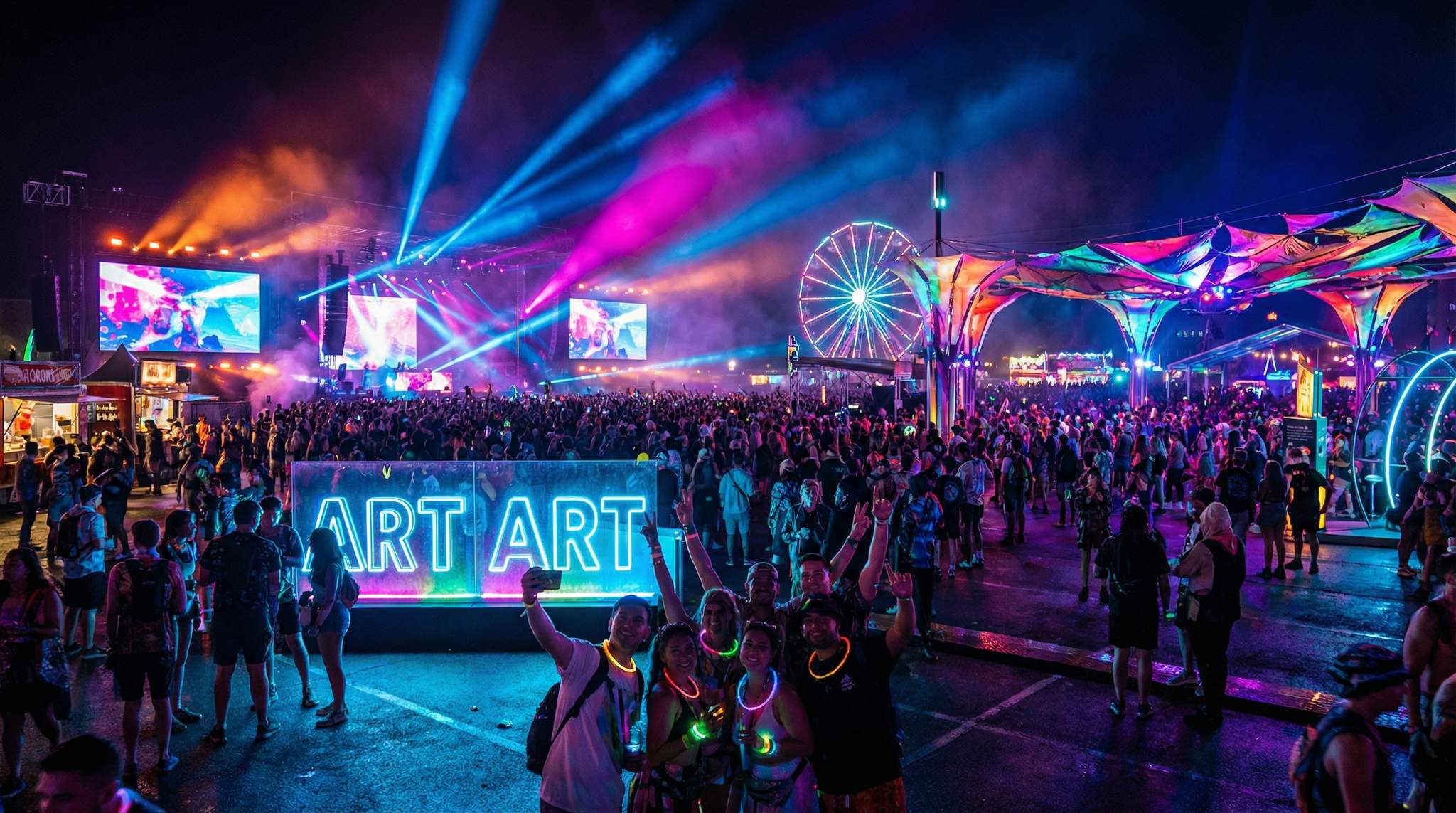
If a concert is like watching a great film, a festival is like stepping inside an entire world. The best festivals invest in transforming their venues with immersive environments, art, and activities that transport attendees beyond reality. This is a major differentiator that stadium tours, focused on one stage, simply can’t compete with. Take advantage of it. Even on a modest budget, you can work with creative teams or local artists to add interactive installations, visionary stage designs, themed decor, and other eye-candy around the grounds. Events like Electric Daisy Carnival (EDC) and Tomorrowland have set a high bar here – from giant 3D stage sets with moving parts to roaming performers (stilt walkers, costumes) that make the whole venue feel like a fantasy land. Attendees often talk about these atmospheres as much as the music. In 2026, as fans decide where to spend that extra $300, the promise of a fully immersive escape for a weekend is a persuasive pitch.
Encourage attendees to be part of the spectacle as well. Many festivals have embraced costumes and fan art – e.g., Desert festivals where everyone dresses in theme, or events that allow people to bring their own art cars or pieces. Even if your festival isn’t on that scale, consider contests for best campsite decoration, or community mural walls where attendees can paint. These touches engage your audience actively. By contrast, at a typical arena show, fans are passive spectators. The more you turn festival-goers into participants, the deeper their emotional connection. One pro tip: highlight these immersive elements in your marketing visuals and aftermovies. Show the Ferris wheel at sunset, the colorful crowd, the art installations gleaming at night. You are selling an experience of the senses, not just a lineup.
Multi-Day Journey vs. One-Night Show
Festivals also offer the luxury of time. A concert might be a thrilling three-hour burst, but a festival is an unfolding journey over multiple days (or at least one very full day). This enables a rich narrative arc – something tours can’t deliver due to time constraints. Emphasize the journey aspect to fans: Day 1 you set up camp and catch a legendary headliner’s set, Day 2 you spend the afternoon at a chill acoustic stage and the evening raving under lasers, Day 3 you and your new friends watch the sunrise at a secret afterparty. It’s virtually a mini-vacation. Many modern fans, especially younger ones, put a premium on experiences over possessions; a festival scratches that itch in a way a single concert cannot.
From an operational standpoint, make sure to curate the multi-day flow thoughtfully. Perhaps each day has a loose “theme” or vibe (e.g., Friday is the hardcore fans day with niche artists, Saturday is the big party night, Sunday is the relaxed communal closing). Provide diverse pacing – include some downtime activities in mornings or at a designated chill-out zone so people can recharge. By crafting a holistic experience, you encourage attendees to stay for the entire duration (boosting your on-site revenue) rather than just popping in for one act. Some festivals create a collectible program booklet or app that guides attendees through the weekend with schedules, maps, and insider tips; this reinforces the feeling of being on an adventure, not just attending a show. Use these tools to surface those “hidden gem” acts and activities, so fans appreciate the full range of what’s on offer. The longer and more immersive their stay, the more value they perceive – which is crucial to compete with expensive tours.
Diverse Amenities: Food, Fun and Comfort
Modern festival-goers expect a lot more than beer and porta-potties. If you want to rival the convenience of a concert venue, you need to offer a great amenities and hospitality package – and ideally, exceed what a stadium provides. That means clean, plentiful restrooms (invest in upscale trailer toilets or attendants to keep things tidy), adequate water stations, and areas to rest (shade structures, seating zones). But beyond the basics, think about perks that make the festival memorable. Food is a big one: today’s festivals often pride themselves on gourmet food courts or even food festival elements. Curate food vendors ranging from trendy food trucks to local favorites, covering various cuisines and dietary needs. Maybe host a craft beer garden or cocktail bar featuring local breweries/distilleries. These touches create a culinary experience—something tours seldom offer beyond standard concessions.
Boost Revenue With Smart Upsells
Sell merchandise, VIP upgrades, parking passes, and add-ons during checkout and via post-purchase emails. Increase average order value by up to 220%.
Entertainment variety is another plus. Many festivals integrate non-music activities like carnival rides, games, wellness workshops, or film screenings at night. Coachella famously has an onsite Ferris wheel; smaller festivals might have yoga classes or meditation tents during the day. Such activities cater to different moods and make the event welcoming to a wider audience (e.g., someone not into dancing 24/7 can still enjoy other aspects). Family-friendly festivals add kid zones or daycare services, enabling parents to attend – again, something a midnight stadium show can’t accommodate as easily. (If your demographic spans all ages, being a family-friendly festival can secure a niche; check out our guide on on-site childcare strategies for ideas.) The key is to create an environment where attendees have multiple layers of enjoyment: when they’re not watching a band, they’re trying exotic snacks, riding a Ferris wheel, browsing a merch market, or relaxing in a hammock grove. All these give your festival a full-day appeal that dwarfs a 2-hour concert.
VIP, Personalization and Exclusive Perks
Considering many stadium tours now offer pricey VIP ticket packages (like front-row pits, soundcheck access, etc.), festivals should also refine their VIP offerings – or at least some form of special experience – to compete for high-spending fans. A great VIP program can actually entice those who might otherwise splurge on a single concert. For example, a festival VIP pass might include comfy lounge areas with better viewing, expedited entry (no long lines, unlike a congested arena show), meet-and-greets with select artists or speakers, and deluxe amenities like air-conditioned restrooms and charging stations. Some festivals partner with glamping providers to offer luxury camping or hotel bundles – a unique draw for older audiences or those who want convenience. The notion that festivals mean “roughing it” is outdated; you can market yours as having options from basic to premium, widening your potential audience.
Exclusive on-site perks could also involve surprise-and-delight moments. Think hidden speakeasy bars that only certain ticket holders discover, or secret sets by artists at small stages announced via your app. These create buzz and a sense of privilege for attendees who partake. One innovative idea from recent festivals is the concept of a “festival membership” or loyalty club: attendees who come yearly or who buy special passes get access to a members-only lounge and other bonuses. This fosters a feeling of being part of an exclusive group. While big tours might have fan club presales, they generally don’t offer on-site exclusivity beyond a VIP seat. A festival can go further in making fans feel like insiders with personalized touches. Even simple things, like a welcome pack at the entrance (free sunscreen, earplugs, maybe a collectible lanyard) can surprise attendees and show that you care about their experience.
By doubling down on these immersive perks, you differentiate your festival as an experience ecosystem, not just a place to hear music. The more dimensions you add – art, food, play, relaxation, community – the less comparable a stadium tour is. A fan might love their favorite artist, but they can’t ride a ferris wheel with friends and then watch a fireworks show at that artist’s concert. That might sway them to allocate budget to your festival instead, or at least ensure they don’t feel the festival ticket is redundant even if they caught the artist on tour already. In marketing, explicitly use phrases like “experience what no arena can offer” or “more than a concert – a community under the stars” to drive this home. When fans recount your festival, they should list highlights that sound like an entire vacation’s worth of fun.
(For more ideas on upping the experiential factor, see ensuring your 2026 festival is worth every penny to fans and how innovative features can add real value.)
Marketing & Messaging: Standing Out in a Crowded Season
Craft a Unique Value Proposition (UVP)
With 2026’s onslaught of advertising for tours and events, your festival’s messaging needs to immediately convey why it’s special. Develop a sharp unique value proposition that differentiates your festival from a stadium show and from other festivals. This could be a slogan or a brief message used in all marketing. Examples: “3 Days, 50 Bands, 1 Incredible Experience” highlights the multi-artist angle, or “Your Summer Music Adventure Awaits” suggests an immersive journey. If your festival has a particular niche or theme, amplify that: e.g., “The world’s biggest Afro-Caribbean music celebration” or “California’s #1 boutique camping festival for craft beer and indie music lovers.” The idea is that when someone sees your ad or website, they instantly get what they’ll miss if they choose a mere single concert instead.
Be clear about the benefits. Instead of just listing artists, include value points in marketing copy: “One ticket = an entire weekend of music, art, and community,” or “Experience five stages of live music plus gourmet food, yoga workshops, and more.” You want potential attendees to mentally justify the purchase by seeing a bundle of experiences rather than a single transaction. During a concert boom, fans might be asking “Should I go to Festival X or see my favorite artist on tour?” – your messaging should encourage them to see it not as an either/or, but as different things entirely (one is a short thrill, the other is a comprehensive escape). Also, if your pricing is competitive (cheaper than two separate big concerts, for example), subtly point that out: “3 days of music for the cost of one stadium ticket” can be a powerful line (just ensure it’s roughly true to avoid any misleading advertising).
Timing and Tactics for Announcements
When it comes to promotional strategy in 2026, timing is critical. You’re not just competing for eyeballs, you’re competing against the marketing noise of global tour announcements. Plan your festival lineup announcement and ticket on-sale strategically around the tour news cycle. For instance, avoid launching your campaign in the same week that, say, Taylor Swift tickets go on sale – social feeds and media will be dominated by that. It might be better to wait until the hype dies down, or conversely, go before and lock in sales from fans before they spend elsewhere. Some festivals even piggyback on tour excitement: if a major artist is touring but not coming to your region, you can highlight that your festival is bringing a similar genre or the artist’s only local appearance. A savvy trick is using geo-targeted ads – e.g., if Beyoncé’s tour isn’t stopping in your country, target her fans in your area with ads like “Didn’t get Beyoncé tickets? Our festival brings that big-stage energy with multiple R&B superstars – join us instead!” The key is agility: have your marketing team closely monitor tour announcements and be ready to adjust messaging.
Also, explore collaborative promotions rather than going it alone. In 2026’s clutter, forming alliances can amplify your reach. Partner with local radio and media early (they’ll also be covering the big tours, but often they cherish community festival content for balance). Work with influencers or content creators who can speak to the festival experience – perhaps a popular music vlogger attends your festival and contrasts it with attending a stadium show. This can yield great content like “Vlog: 3 days at X Festival vs 3 hours at Y Stadium Concert” highlighting the fun of the former. Additionally, consider cross-promotion with other festivals or events that aren’t direct competitors. As discussed in our piece on independent festivals sharing resources, festivals are increasingly banding together. You might do a joint promotion with an event in a different season (“Buy a ticket to our spring festival, get a discount to our partner’s fall festival”). This not only boosts sales but fosters a narrative of community over competition.
Cutting Through the Noise Online
Digital marketing in 2026 requires cutting through what can only be described as content chaos. Fans’ social feeds are flooded with tour memes, live clips, and advertisements. To stand out, tailor your content to highlight unique festival moments that capture attention. Short-form video is king – create 15-30 second reels/TikToks that showcase the vibe: quick cuts of crowds dancing, artists interacting with fans, beautiful campsite scenes, etc., overlaid with compelling text like “You can’t download this feeling” or “This isn’t just a show, it’s X Festival.” Aim to induce FOMO by showing people having the time of their lives at your event. User-generated content (UGC) is powerful here: encourage past attendees to share their favorite festival pictures or videos with a hashtag. Repost those (with permission) – they often come across as more authentic than polished ads. During the tour-heavy season, you might even leverage that context: for example, a tongue-in-cheek post like “At a concert you get one encore… at our festival the party never stops ?” with a clip of a late-night DJ set could resonate.
Be mindful of the World Cup effect in mid-2026 as well – during big global events, social trends can overshadow other topics. If your festival is during that time, consider integrating it into your marketing rather than fighting it. For instance, some festivals plan special viewing areas for big matches (if timing overlaps), and they’ll market that: “Music + Football – don’t miss out on either, join us for a World Cup viewing party at the festival!” This way you ride the trend instead of being drowned by it. More generally, align your social content calendar with known moments: if many of your target fans are also engaging with a certain tour or event online, don’t be afraid to reference it cleverly.
One more tip: leverage data and SEO for your website. Many potential attendees will be Googling things like “best festivals 2026” or even “Festival X or Concert Y?”. Ensure your site has a strong blog or FAQ content that might capture those searches – for example, an article on your site about “Festival vs Concert – why not both?” could draw in undecided fans. Also, optimize your festival website with fast performance (especially important on mobile) and clear CTAs to buy tickets or learn more. A slow or confusing site will lose impulsive buyers who might instead go spend their money elsewhere. Providing comparison info (like we’ve done in the tables above) in a fun way on your site can even be part of the content – it educates fans on the value of the festival experience.
(For further reading on standing out when audiences are overwhelmed with options, check out our guide on standing out in an oversaturated 2026 festival season.)
PR and Media: Tell Your Story
In a year full of mega-events, getting press coverage might seem harder, but journalists are also looking for fresh angles beyond “Big Star Sells Out Stadium.” Pitch your festival’s story, not just the lineup. Human-interest and community angles can attract media attention. For example, maybe your festival has a sustainability initiative (e.g., powering stages with solar panels, or a zero-plastic goal) – that’s a great hook for local news or industry publications, which presents your event as forward-thinking (fans care about these values too). Or if you have notable community involvement, like a charity partnership or a compelling founder story (“Local residents started this festival 10 years ago, now it’s thriving against the odds”), highlight that. During World Cup season, some outlets might even want to profile how festivals are adapting, in which case being proactive with a press release about “Festival X to offer World Cup viewing and music mash-up” could land you coverage. Our own Ticket Fairy blog and related media love these success stories of innovation.
Don’t neglect traditional marketing either: posters, radio, and email campaigns still have their place. Email, especially, can directly target past attendees – segment your mailing list to personalize messages, reminding them of the great time they had and offering loyalty discounts to come back. Just be careful not to overload subscribers (avoid “festival fatigue” in emails by focusing on quality content and exclusive offers) to avoid festival email and subscriber fatigue. A well-timed email when a big tour in your genre sells out could nudge disappointed fans: “Can’t see [Artist] this year? Come experience 20+ artists at our festival instead – tickets available now.” It’s all about reading the room and being nimble with your narrative.
Ticketing & Pricing: Winning Fans’ Wallets and Trust
Keep Pricing Fair and Transparent
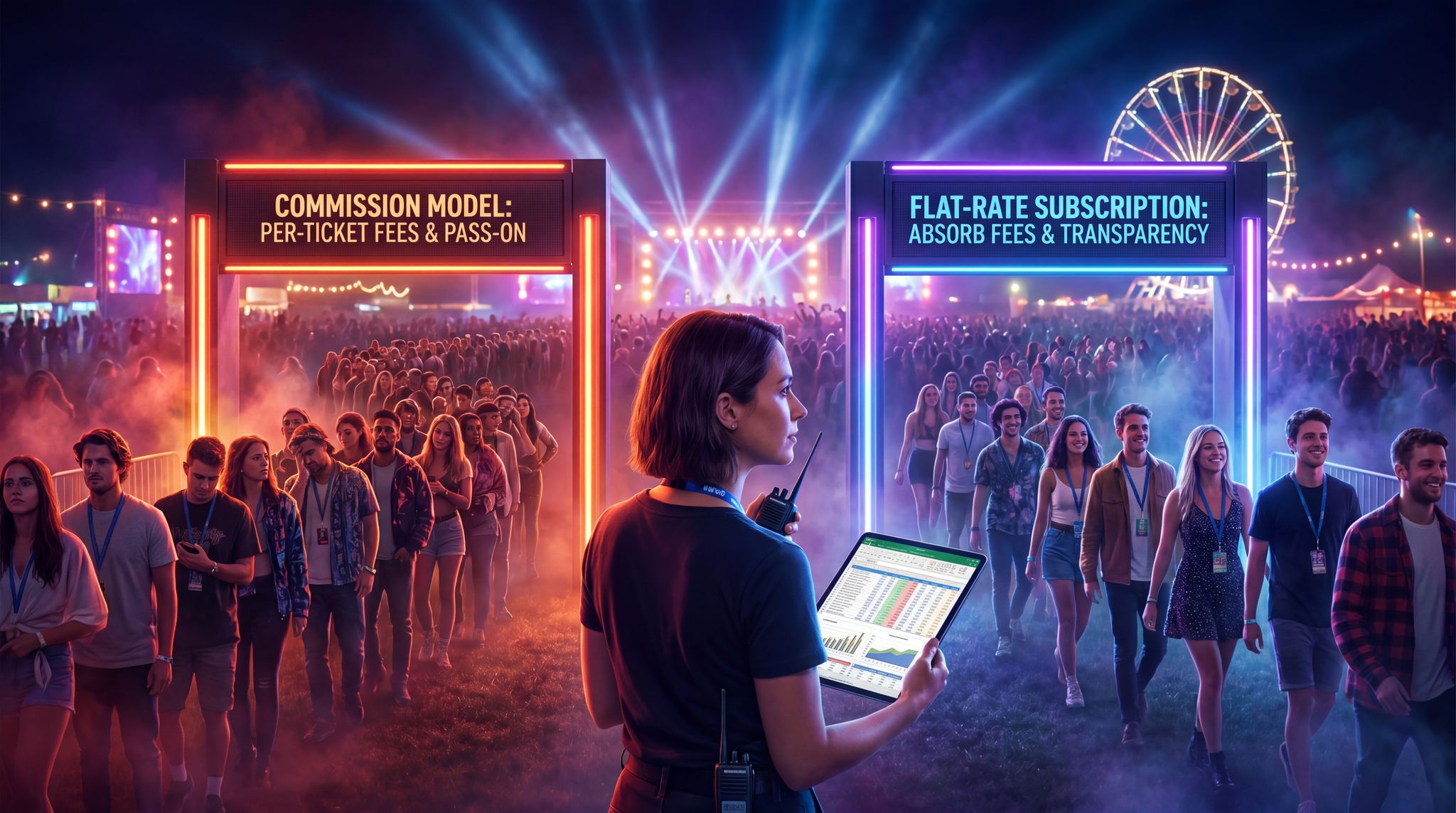
Ticket pricing strategy becomes delicate when fans are juggling so many options. You’ll likely face upward cost pressure (artists, production, etc. cost more in 2026), but you must balance that against fans’ price sensitivity. One crucial differentiator can be avoiding the pricing practices that anger fans elsewhere. Notably, dynamic pricing on some big tours has caused public outcry, as dynamic pricing adjusts in real-time according to demand. Fans have seen prices double or triple in real-time for high-demand concerts, leading to consumer frustration with ticket platforms. As a festival, you can take the opposite approach: stable, transparent pricing. Set your tiers (Early Bird, Advance, GA, VIP, etc.) clearly and stick to them. Advertise that your festival “has no surge pricing” or that you believe everyone should pay the same fair price. This can be a subtle jab at the frustration many felt with major ticket platforms and tours. It builds good will – attendees feel respected, not gouged.
On that note, consider the ticketing platform you use. Some platforms (e.g., Ticketmaster) have gained negative reputations among certain fan communities due to high fees and dynamic pricing, which Oasis fans criticized as greed. Using a more fan-friendly platform like Ticket Fairy, which does not implement dynamic pricing and offers upfront low fees, can be a selling point. You can even mention in FAQs or marketing that “we’ve chosen a ticketing system with transparent fees and hassle-free purchasing” – fans burnt out by fighting online queues and surprise fees for big tours will appreciate this. The checkout experience is part of your festival’s first impression, after all. A smooth, fair purchase process might sway someone who’s on the fence, especially if they just went through a nightmare trying to buy a concert ticket elsewhere.
Early Birds, Installments, and Incentives
To secure attendance in a competitive year, it helps to lock in fans early with attractive offers. Early bird tickets (at a discounted rate for the first X number of buyers or until a certain date) create urgency and reward those who commit in advance. Many festivals saw success in fall 2025 by launching early birds for 2026 before the year-end when fans still had disposable income set aside; by early 2026, those fans might be saving for tours. If your early bird sales are strong, you not only get revenue sooner (helping cash flow), but you also build a base of guaranteed attendees that can evangelize to others. Highlight the savings like “Buy now and save 20% versus last-minute price.” Given that last-minute buying is on the rise in the festival market, incentivizing early purchase is wise – but also be prepared with tactics for the procrastinators (more on that soon).
Another wallet-friendly strategy is offering payment plans or “buy now, pay later” options for tickets. With so many events, some fans might genuinely want to attend multiple but can’t afford huge lump sums all at once. Let’s say your festival pass is $300; allowing people to pay in 3 monthly installments of $100 can make it much more palatable, so they don’t have to choose between your ticket and, say, a $150 concert ticket in the same paycheck. Many ticketing providers (Ticket Fairy included) support installment plans seamlessly. If you have VIP packages that cost more, definitely offer payment plans on those – you’d be surprised how many fans will opt for the higher tier if they can split the cost beyond one credit card cycle.
Consider creative bundle deals as well. Perhaps partner with another event to sell a combo ticket (if dates don’t conflict) at a slight discount; or if you run multiple festivals, bundle them (“buy Festival A and B together for 10% off”). You could also bundle extras like merch or add-ons (“pre-pay $50 for a merch voucher worth $60 on-site”). These increase perceived value. Group deals are another angle: offer a pack of 4 tickets for the price of 3, targeting friend groups. People are more likely to commit when they can convince friends to join and save money collectively – plus you then have a group of attendees locked in versus one lone buyer.
Managing Last-Minute Buyers and FOMO
Despite encouraging early sales, accept that many fans will wait longer in 2026 to see how their schedule and interests shake out. There’s a trend of later purchasing – often just weeks or days before events – due to the sheer volume of options and some lingering economic caution. Learn how to manage procrastinating audiences in 2026. To accommodate this without panic, structure your pricing to reward early birds but also plan some late-stage pushes. For instance, keep a small allocation of discounted tickets for a “last chance sale” or flash sale a few weeks out, to spur fence-sitters. You can frame it positively (“Summer’s heating up! Final release tickets 15% off for 48 hours – don’t miss the best weekend of the year!”) rather than as a sign of desperation. Additionally, emphasize scarcity as the date nears: if your ticket tiers are selling, communicate “90% sold out” or “limited tickets left” to trigger FOMO for those procrastinators. A robust social media countdown (“only 10 days to Festival X – final tickets going fast!”) keeps you in timelines and minds.
One thing to prepare for is the overlap of buyers and resellers. Some fans will snag tour tickets and then later prefer your festival (or vice versa), meaning they might try to offload one. Instead of viewing resale as lost business, harness it by having an official resale or ticket exchange. Ticket Fairy’s platform, for example, allows easy ticket transfer or waiting lists for sold-out tiers – this keeps transactions safe and can actually draw new customers who see an opportunity to join late. Promote your waiting list feature if you sell out; people may sign up and you can convert them if more tickets become available or if you decide to release a few extra passes. This keeps engagement up even when you’re technically out of inventory.
Also, lean on the experience FOMO in communications close to the event. By then, you’ll have content from artists (maybe shout-outs or rehearsal clips), vendor sneak peeks, etc. Blast out those final teases: “This is what you’ll miss if you sit at home – [short montage video]– don’t be that person hearing about it later!” Often, seeing friends on social media gearing up for the festival can tip last-minute buyers – consider a referral incentive even at late stage (“Already have your ticket? Bring a friend last-minute and get a free merch item for both of you when they use code FRIEND to buy”). Keeping some flexibility in your pricing and promotions for the final stretch will help capture those who might otherwise drift to a different event or simply stay home due to choice paralysis.
Value-Added Ticketing: VIP, Add-Ons and Upsells
Finally, in a competitive market, think beyond just the GA ticket. Many fans might be willing to spend a bit more if they see added value – and better they spend it with you than elsewhere. We talked about VIP experiences in the perks section; ensure your ticketing system cleanly presents those options. Clearly delineate what extra perks a VIP or upgrade ticket gets, so fans can evaluate it easily. In 2026, some cost-conscious fans actually opt for VIP at a festival instead of going to multiple separate events – reasoning that if they do fewer events, they’ll do them in style. So, don’t be shy to market your VIP as a “treat yourself” alternative to chasing multiple concert tickets.
Add-on experiences can also bring in revenue and differentiate your event. Offer things like prepaid food/drink packages, a backstage tour (if feasible), or festival merch bundles in advance. These not only generate cash, but they deepen the attendee’s commitment to your festival (a fan who bought the t-shirt and the shuttle pass is definitely coming). Some festivals have introduced tiered camping or parking options (premium closer spots vs general) – again, similar to how tours upsell parking or merch, but you can be more creative. Just be careful to keep the base experience good; add-ons should enhance, not compensate for lacking essentials.
One more angle: ticket insurance or guarantees. With so much going on in 2026, people worry about cancellation or postponement (we learned this from the pandemic years). Offering an optional ticket insurance (for a small fee, through a provider) might reassure buyers on the fence. Or simply have a clear, fair refund or rollover policy in case of unexpected changes – and communicate that. Fans burned by canceled festivals or tricky refund policies in the past will appreciate the peace of mind. Trust equals sales. Being transparent (“full refund if event is canceled, and flexible transfer options if you can’t attend”) can remove purchase hesitancy. It all comes back to trust – which, if you recall, is an area big ticketing companies and tours have taken some flak for recently due to pricing systems fueling consumer mistrust. By being the trustworthy, fan-friendly option, you encourage fans to invest in your festival amid the concert gold rush.
Sponsors & Partners: Navigating a Competitive Sponsorship Market
Adapting Your Sponsor Pitch in a Tour-Dominated Year
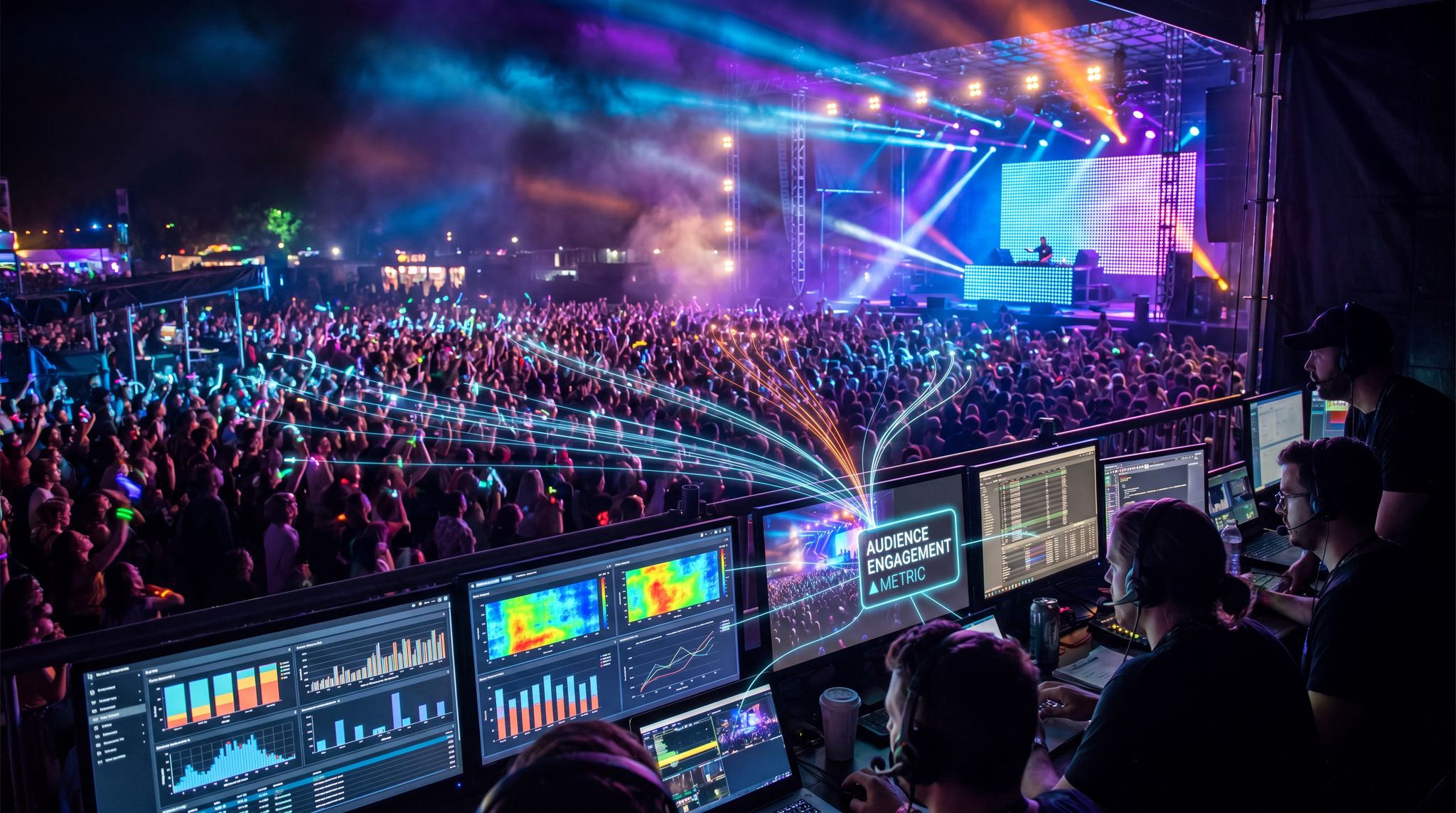
Sponsors in 2026 are also eyeing the concert boom. Big brands often allocate hefty budgets to sponsor major artist tours or one-off stadium shows (think Coca-Cola sponsoring a world tour, or a tech company backing a large arena series). This might mean less low-hanging fruit for festivals, but you can adapt by reframing your value proposition to sponsors. Emphasize what a festival offers that a single night concert doesn’t: longer exposure (fans on-site for days, not hours), deeper engagement (interactive sponsor booths instead of just logo placement), and often a more defined target demographic. For example, a stadium show might attract 50k people for 3 hours – a billboard effect. Your festival might only be 20k people but over 3 days, which equals far more impressions and dwell time with any branded experience. If you have data from previous years (e.g., attendee demographics, time spent on site, engagement rates with sponsor activations), use it to make a quantitative case. According to industry insights, brands in 2026 are looking for ROI and data from sponsorships, as sponsor budgets shift during global events, not just splashy logos. If you can provide detailed reports (perhaps through RFID wristband scans or digital engagement at the festival), that can set you apart from tours which often only offer old-fashioned metrics like “your logo on X posters”.
Also, consider tailoring sponsor packages to current trends. For instance, many big tours are doing sustainability tie-ins (Coldplay’s tour had a sustainability sponsor). If your festival has eco-initiatives, pitch green companies or tech firms on sponsoring those elements – you might not get the giant global sponsors, but you could attract mid-size brands eager to align with a sustainable festival message. Another angle: tours don’t usually offer naming rights beyond “presented by Sponsor”, whereas a festival can integrate sponsors more organically (a sponsored stage, a sponsored lounge, etc.). Just be cautious to maintain your festival’s authenticity – fans can sniff out overly intrusive marketing. Ideally, find sponsors whose presence adds value to the attendee experience (free product samples, fun activations, useful services like phone charging stations). That way, even if sponsor dollars are tighter, the ones you do get will be effective and renew next year.
(For more on closing deals in the current climate, see our detailed guide on adapting your 2026 festival sponsorship pitch to brands’ new expectations.)
Local and Non-Traditional Partnerships
When global brands are spending big on global tours, it might be time to look closer to home for partnerships. Local and regional businesses can be excellent festival sponsors – and often, they won’t be investing in a touring concert because those tend to have national deals. Approach local breweries, retailers, universities, or media outlets with a proposal to partner. They may not have the budget of a Coca-Cola, but collectively a group of local sponsors can fill your needs, and they typically will be more engaged. For example, a regional craft brewery might sponsor your second stage and supply a specialty festival beer; a local outdoor gear shop could sponsor the camping area with a tent repair booth or branded camping essentials for sale. These partnerships are symbiotic: your festival highlights local culture (great for your community rep) and the businesses get direct access to the consumers most relevant to them (plus they’ll often do cross-promotion in their stores or networks, boosting your reach).
In addition, explore in-kind sponsorships to offset costs. Is there a local solar energy company that can provide portable panels to power a stage in exchange for sponsorship recognition (saves you generator fuel)? Or a transportation company that might sponsor shuttle buses, reducing cost for you and offering them advertising. Sometimes media sponsorships (radio, print, digital) can give you discounted or free ad space if you credit them as official partners. 2026 might see tighter cash sponsorships, so these value trades are useful. During the World Cup period, for instance, many big advertisers shift focus to football – but local businesses might jump at festival involvement as a way to capture foot traffic and goodwill while big players are distracted.
A smart approach seen in recent years is forming alliances with other festivals to approach sponsors jointly. If you’re a smaller festival, teaming up with a couple of similar-sized events (perhaps in different regions or different times of year) can create an attractive package for sponsors (“Sponsor Indie Fest Series and reach 3 festivals’ audiences across the year!”). This idea of festivals uniting to share resources and community can extend to sponsorship too. It’s an approach independent events are using to collectively compete with the big corporate promoters. Sponsors appreciate the one-stop approach to reach multiple events without too much additional effort, and you benefit by sharing the revenue or cross-promotional exposure.
Demonstrating Value: What Sponsors Want in 2026
Keep in mind that sponsors in 2026 are cautious and results-driven. Many brands will ask for data – foot traffic numbers, engagement metrics, social media impressions – to justify their spend. Understand what to expect from sponsor budgets. Be prepared to offer tracking for onsite activations (e.g., “5000 people visited your branded dome over the weekend, and 2000 redeemed your coupon code after the event”). If you haven’t already, integrate ways to gather this data: perhaps through your festival app (scavenger hunt check-ins at sponsor booths), or with RFID wristbands that can tap at stations. Some festivals set up a “passport” where attendees collect stamps from various sponsored areas to win a prize, which guarantees footfall that you can quantify. These kinds of interactive approaches not only please sponsors but also enhance the attendee experience if done playfully.
Another thing sponsors love: content and storytelling. Unlike a tour, where the only narrative is the artist, a festival offers lots of angles – and sponsors sometimes want to be associated with those. Maybe a tech sponsor underwrites a livestream or a VR experience from your festival (and gets branding on the stream). Or a travel sponsor (say an airline or tourism board) partners to bring international artists or promote the festival abroad, tying into their marketing campaigns. For example, in 2022 a Southeast Asian music festival partnered with the national tourism board to sponsor a stage featuring only artists from overseas, highlighting international cultural exchange – the tourism board got to promote travel, the festival got financial support and a unique lineup element. In 2026, think creatively: what might sponsors be trying to say this year? Many will push sustainability, community, innovation – align your festival initiatives with those and then present it to the relevant brands. If you can show that sponsoring your festival helps the company achieve their marketing goals (like reaching youth, showcasing tech, etc.), you’re much more likely to clinch the deal.
Lastly, don’t forget post-festival relationship building. If a sponsor chose not to work with you in 2026 because they spent on a tour, send them a friendly recap afterwards of how your event went, highlighting successes and an invitation to talk for 2027. Keep them in the loop, perhaps even invite their reps as guests to show what they missed. The arena tour boom might slow after 2026 or the budget cycle might change; keeping your festival on sponsors’ radar in a positive way sets you up for the next opportunity. Plus, sponsors talk to each other in industry circles – being known as a well-organised, collaborative festival (versus some fly-by-night operation) will make others more eager to work with you. In all sponsorship dealings, aim for that trust and long-term partnership mindset.
Logistics & Resources: Securing Essentials Amid High Demand
Book Vendors and Infrastructure Early
One often overlooked impact of a concert boom: the strain on shared event resources. Staging companies, sound and lighting vendors, portable toilet suppliers, fencing and tent rentals, generators – all these may be in shorter supply or booked solid during peak 2026 dates. Stadium tours, with their deep pockets, might snap up the top-tier equipment and crews. Festival organizers would be wise to lock in their key vendors as early as possible. Reach out to your production suppliers and crew contractors 12+ months ahead if you can, and get those agreements signed. It may even be worth putting down deposits to secure the date and gear you need. There’s a real scenario where a delay means finding out the stage roof you’ve used for years is now unavailable because it’s touring with an artist all summer.
If you do find availability tight or prices spiking, consider creative solutions like sharing resources with another event. For instance, if another festival or large event happens right before yours in a nearby region, see if you can coordinate to use the same stage or equipment with just one transport cost (some companies give discounts if they can route gear from one client to the next). This is where those festival alliances and industry friendships pay off. Independent festivals in some regions have formed consortia to collectively rent gear or bulk-order supplies, helping mid-sized festivals survive in a polarized market by getting a better rate than each could alone. Even staffing could be shared; for example, a specialist stage crew might handle two festivals back-to-back if arranged in advance, saving on travel costs.
Also, check your venue availability in light of big tours. If your festival site is a sports stadium or city park, ensure it’s not being commandeered for a concert or fan event around the same time. During the World Cup, some public sites might have restrictions or be booked for public viewing zones. Coordinating with host cities is crucial to avoid conflicts. Have a backup venue or layout plan if something changes. One festival in 2022 had to relocate with a few months’ notice because the city decided to use the park for a victory parade – the festival only managed because they had a prior arrangement with a venue across town as Plan B. While that’s extreme, 2026 could throw curveballs when giant events come into play.
Solving Staffing and Crew Challenges
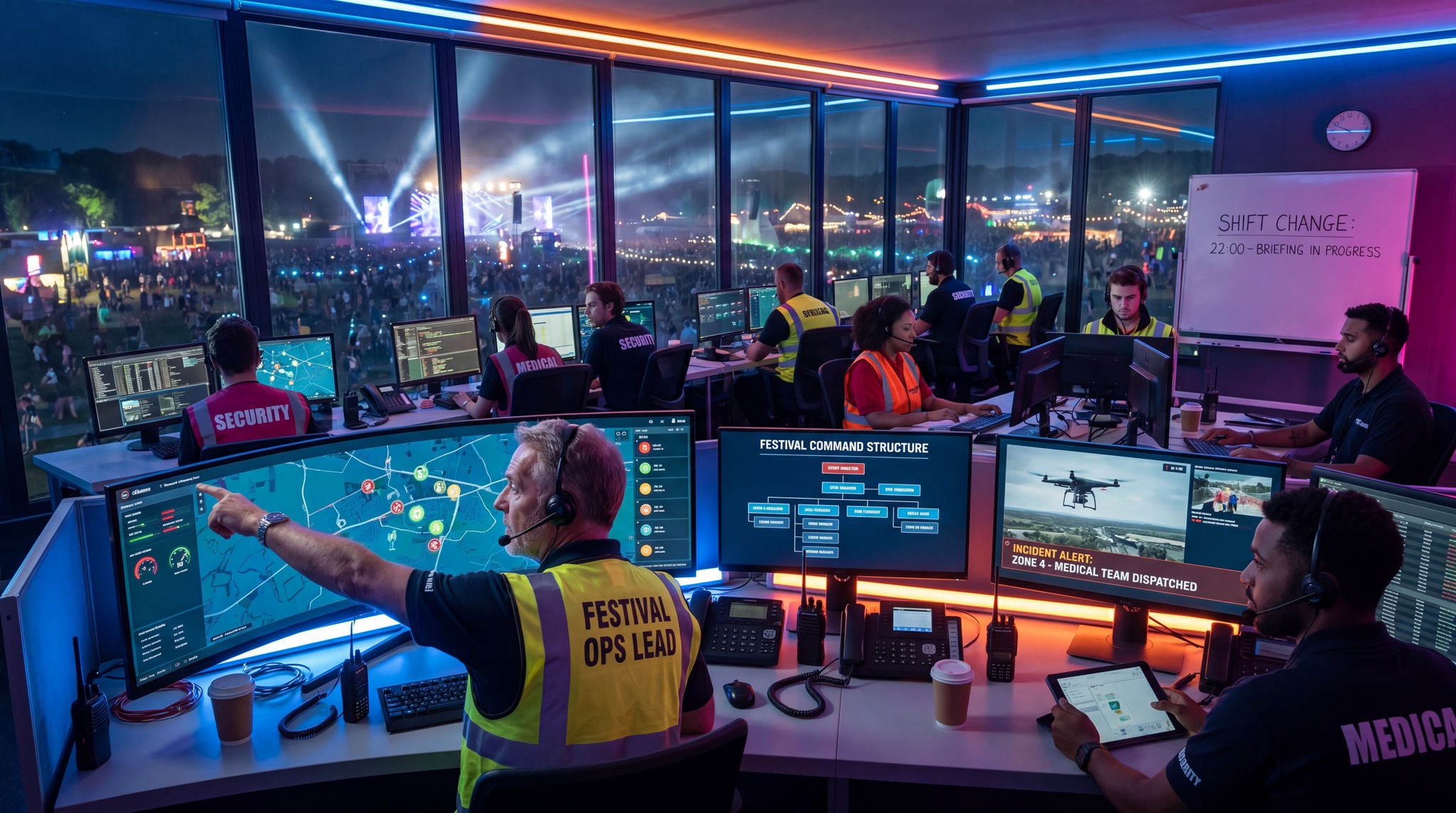
The live events labor market is still recovering from the pandemic exodus, and 2026’s packed schedule means experienced crew might be juggling offers. Big tours often lure technicians and staff with higher pay for multi-month employment, which can leave festivals short on seasoned stage managers, sound engineers, security personnel, etc. To mitigate this, start recruiting early and consider upskilling local staff. If you usually bring in an international crew for specialty roles, see if there are training programs or partnerships to build local capacity (perhaps in collaboration with other festivals or event production schools). University event management programs or volunteer organisations can be good sources for eager new crew who, with some training, can fill less-skilled roles to free up your core team.
Retention of your key people is crucial. If your festival has a loyal technical director or vendor, treat them well so they don’t jump ship. Simple gestures like a bonus, clear contract, or even adjusting dates slightly to accommodate their schedule (if they want to do your festival and a tour, maybe you can shift a bit so they can do both) will foster loyalty. Many festival producers in 2026 are offering incentives to staff – for example, shorter work hours on-site to avoid burnout, or perks like covering travel and accommodation for crew, which tours might not do for local crew. Build a sense of team community similar to how you do for fans. Some festivals host crew appreciation parties or provide custom swag; that camaraderie can sometimes outweigh a slight pay difference when crew decide where to work.
In worst-case scenarios, be ready to tap alternative sources. The gig economy and event labor apps have grown; you might find last-minute crew via platforms if you’re in a pinch (though vetting is important for certain roles like security). Another idea is automation and tech to reduce labor needs: for instance, use cashless payment systems and self-service kiosks for bars/merch where possible, unlike the complex algorithms where platforms adjust prices in real-time, so you need fewer staff there. We’ve seen festivals use RFID wristbands for entry which speeds up gate throughput with fewer gate staff. These investments can pay off when human resources are scarce. (Check out how 2026 festivals are using automation to fill labor gaps for specific tech ideas.) The audience doesn’t see these backend moves, but if you handle logistics smoothly despite the busy season, your festival’s reputation for good organization will spread – a significant factor for fans choosing an event in a crowded field.
Attendee Travel and Accommodation
One more logistical angle: helping your attendees get there and stay there. In a year like 2026, travel and lodging might be more competitive than ever in some regions due to both tours and events drawing crowds. If your festival is in a city that’s also hosting a World Cup match or a major concert around the same time, hotels could be booked out and prices high. Fans might skip your event if they simply can’t find a place to stay or a way to travel affordably. Proactively address this. Block-reserve hotel rooms early if you can, and offer them as part of ticket packages. Set up or expand your camping sites if possible – even if your event traditionally wasn’t a camping festival, 2026 might be the year to establish a shuttle to an off-site campground or partner with a nearby farm to host camping, to increase accommodation options.
Transportation is key too. Provide ample info on public transport, shuttles, rideshares, even encourage carpooling with incentives (like a parking discount for carpool vehicles). Some festivals partner with bus companies or even charter trains from major cities. The easier and more guaranteed you can make the journey, the more likely fans will commit as they don’t have to worry about travel chaos. Imagine a fan deciding between traveling to your festival or just staying home and catching a local stadium gig – the more you reduce the friction of attendance (through travel packages, clear guides, maybe even a staffed help desk for travel questions), the more attractive your festival becomes. In marketing materials, highlight these conveniences: “No car? No problem – direct shuttles from X city” or “Camping available on-site – roll out of your tent and into the music.” Such logistical selling points can tip a decision.
And of course, keep an eye on global events that might disrupt travel, like airline strikes or fuel costs, and have contingency plans (maybe more locals-focused promotion if international attendees face hurdles). Communication is paramount: maintain updates to ticket-holders about lodging suggestions, travel tips, and any potential traffic or transport advisories as the date nears. If fans see that you’re on top of these details, they’ll trust that they won’t be left stranded – again, building trust in choosing your festival over other entertainment options.