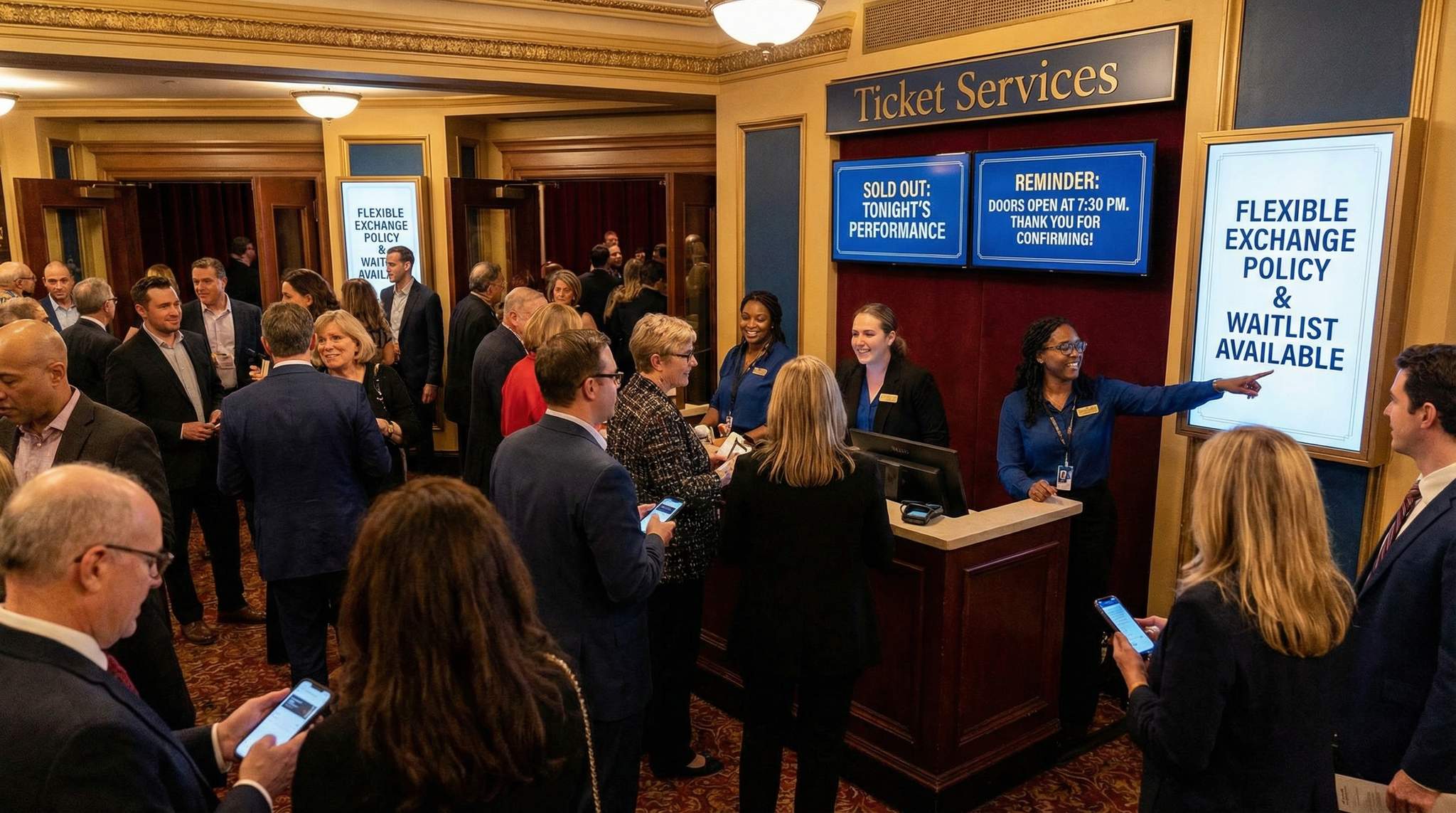
The theater industry, historically known for its traditional and sometimes rigid methods, is experiencing a massive shift with the rise of digital ticketing platforms. These digital solutions are not just changing how tickets can be purchased; they help save time by streamlining the entire ticket purchasing process, transforming the theater experience from convenience to customer engagement and data management. The digital revolution in ticketing has not only made purchasing tickets easier but has also opened new avenues for public interaction, marketing, and performance accessibility.
As technology continues to evolve, theater ticketing time ahead looks bright with innovations that are set to benefit both consumers and theater companies. In this article, we’ll explore how digital platforms are revolutionizing the theater ticketing industry and what these changes mean for the future of live performances.
1. The Evolution of Theater Ticketing

The theater ticketing industry has undergone significant changes over the years, driven by advances in technology and shifting audience preferences. In the past, audience members had to physically visit the box office or rely on mail-order ticket sales, which often resulted in long wait times and limited availability. This traditional method was not only time-consuming but also restricted the reach of performing arts organizations to a local audience.
With the advent of online ticketing platforms, the landscape of theater ticketing has transformed dramatically. Patrons can now purchase tickets from the comfort of their own homes, 24/7, eliminating the need for physical visits to the box office. This shift has not only improved the overall ticket-buying experience but also enabled performing arts organizations to reach a wider demographic. By making tickets more accessible, arts organizations have seen an increase in revenue and audience engagement. The convenience and efficiency of online ticketing have revolutionized the way people experience theater, making it easier than ever to enjoy live performances.
Data-Driven Event Marketing
Track ticket sales, demographics, marketing ROI, and social reach in real time. Exportable reports give you the insights to make smarter decisions.
There are several core reasons why performing arts companies moving away from traditional ticketing models are seeing immediate operational benefits. Legacy systems often require heavy manual data entry, leading to higher staffing costs and an increased risk of box office errors. By transitioning to cloud-based infrastructure, venue operators eliminate the bottleneck of physical ticket printing and phone-based reservations. This shift not only reduces overhead but also allows organizers to capture critical attendee data at the point of sale—something that was nearly impossible with old-school, paper-based box office operations.
2. Mobile Ticketing and Contactless Solutions

One of the most noticeable trends in the world of theater ticketing is the rapid shift toward mobile and contactless solutions. In the past, audiences would have to buy physical tickets at box offices, which could be time-consuming and cumbersome. Now, digital platforms allow theater-goers to purchase tickets from anywhere and store them on their mobile devices.
Ready to Sell Tickets?
Create professional event pages with built-in payment processing, marketing tools, and real-time analytics.
- Convenience: Mobile ticketing offers a streamlined experience for audiences. With just a few taps on their smartphones, they can buy tickets, select seats, and even receive real-time updates about show times, seat availability, and cancellations. No longer is there a need to wait in long queues at box offices or worry about losing a paper ticket.
- Contactless Entry: Many venues have adopted contactless ticket scanning at entrances, improving safety and speeding up the entry process. Audience members can simply present their digital ticket via their phone screen to enter the venue, eliminating the need for paper tickets or physical interactions, which became particularly important during the COVID-19 pandemic.
- Environmental Impact: Digital ticketing also reduces the use of paper, contributing to a more sustainable theater industry. This move towards paperless tickets has a positive environmental impact and is appealing to increasingly eco-conscious audiences.
3. Dynamic Pricing and Personalized Experiences

Digital platforms allow for more flexibility in ticket pricing, which can be optimized based on demand. This concept, known as dynamic pricing, has been widely adopted in industries like airlines and hospitality, and it’s now making its way into the world of theater. Understanding the story and narrative structure of theatrical productions can enhance the personalized experience for audiences, making the overall experience more immersive and captivating.
- Maximizing Revenue: Dynamic pricing enables theaters to adjust ticket prices in real-time based on demand, time of purchase, and seat location. For example, a popular show with high demand could have higher ticket prices closer to the performance date, while less popular performances may offer discounted tickets to encourage sales. This approach maximizes revenue for theaters while giving customers options based on their budgets.
- Personalization: Digital ticketing platforms can also offer a more personalized experience. By analyzing audience behavior and preferences, platforms can recommend specific shows or events that match the individual’s interests. The data gathered can also help theaters craft targeted marketing campaigns to sell tickets more effectively, enhancing customer satisfaction and loyalty.
- Advanced Features: Many digital ticketing platforms allow users to track their favorite shows or performers, receive early access to tickets, and even purchase VIP packages or special perks tailored to their interests. This level of personalization creates a more engaging experience and strengthens the bond between theaters and their audiences.
4. The Role of AI in Theater Ticketing

Artificial intelligence (AI) is revolutionizing the theater ticketing industry, offering fresh perspectives and innovative solutions to traditional challenges. AI-powered ticketing systems can analyze audience behavior, predict demand, and optimize pricing in real-time. This dynamic approach enables performing arts organizations to maximize revenue by adjusting ticket prices based on factors such as demand, time of purchase, and seat location.
Additionally, AI-driven chatbots are transforming customer support in the theater industry. These intelligent assistants can provide personalized responses to common queries, helping to resolve issues quickly and efficiently. This not only enhances the customer experience but also reduces the workload on box office staff, allowing them to focus on more complex tasks.
As the theater industry continues to embrace AI technology, we can expect to see even more exciting developments in the world of theater ticketing. From personalized show recommendations to advanced data analytics, AI is set to play a crucial role in shaping the future of theater ticketing, creating a more engaging and efficient experience for audiences around the world.
Go Cashless With RFID Technology
Enable contactless payments, faster entry, and real-time spending analytics with RFID wristbands and NFC-enabled ticketing for your events.
5. Simplified Box Office and Better Audience Management

For theater companies, digital ticketing platforms save time by simplifying the entire process of managing ticket sales and customer interactions. Traditional box office operations involved complex systems of handling in-person transactions, managing physical tickets, and dealing with large amounts of cash. With digital platforms, theater companies now have sophisticated tools at their disposal to streamline these processes.
- Centralized Management: Digital ticketing platforms centralize ticket sales, making it easier for theater companies to manage their inventory, monitor sales, and track trends in real-time. They can easily adjust pricing, view sales data, and analyze performance metrics—all from one platform.
- Better Audience Insights: These platforms also provide valuable customer insights, helping theater companies understand their audience better. Data on purchasing behavior, demographics, and preferences can be used to improve future marketing strategies and customer engagement efforts.
- Enhanced Customer Service: Automated systems integrated into digital ticketing platforms can handle customer queries, process refunds, or manage last-minute changes, reducing the workload on box office staff and improving overall efficiency.
Beyond front-of-house logistics, a dedicated event ticketing platform for theaters fundamentally transforms back-office financial operations. For venue operators and promoters, cash flow is just as critical as ticket sales. Modern systems offer transparent, accelerated settlement cycles, ensuring that funds from advance sales are routed efficiently to the production company or venue. Whether managing a local community playhouse or navigating complex international payouts—such as coordinating settlement cycles with theaters in India, the UK, or across multiple global regions—a robust theater ticketing platform automates these financial disbursements, reducing accounting overhead and mitigating cash flow bottlenecks.
Grow Your Events
Leverage referral marketing, social sharing incentives, and audience insights to sell more tickets.
Pro Tip: With a box office management software such as Ticket Fairy, even the trickiest of ticketed transactions become simplified. Gain access to real-time staff management tools, consolidated sales, scanning and reporting, analytics, and much more, using Ticket Fairy.
Core Components of a Modern Theater Ticketing System
To fully capitalize on the digital revolution, venue operators need more than just a basic checkout page; they require a comprehensive theater ticketing system. At its core, a robust theatre ticketing system integrates front-of-house operations with back-end data management. This unified approach ensures that box office staff, marketing teams, and financial controllers are all working from the same real-time information.
When evaluating different theatre ticketing systems, producers should look for native CRM capabilities, dynamic seating chart builders, and automated access control. A high-performing setup doesn’t just process transactions—it actively helps organizers map out complex multi-week runs, manage VIP holds, and execute targeted promotional campaigns without needing to export data to third-party tools.
Selling theater tickets with CRM (Customer Relationship Management) features built directly into the checkout flow is a game-changer for audience retention. When a patron secures their admission, a unified platform automatically logs their seating preferences, past attendance, and spending habits into a centralized profile. This empowers venue operators to move away from fragmented spreadsheets and instead rely on a single source of truth to nurture long-term patron relationships, identify potential VIP donors, and personalize future season-pass outreach.
Selecting the Right Theater Ticketing Software
When evaluating a new web-delivered ticketing solution, performing arts organizations must look beyond basic transaction processing. The ideal theater ticketing software acts as a comprehensive hub, seamlessly integrating box office operations, customer relationship management (CRM), and real-time reporting. Whether a venue is managing local community plays or scaling globally across multiple countries and processing millions of tickets, a robust cloud-based system ensures stability during high-demand on-sales. Venue operators should prioritize platforms that offer flexible seating chart builders, automated hold management, and secure payment gateways that simplify entertainment transaction coding for accounting teams.
Furthermore, top-tier theatre ticketing software should empower promoters with deep data ownership. Instead of relying on third-party vendors to access attendee information, venue managers need direct control over their customer lists to fuel long-term retention strategies. Choosing a solution that bridges the gap between box office logistics and audience growth is essential for scaling modern performing arts businesses.
Transitioning to a professional theatre box office platform elevates these capabilities even further. For venue operators managing complex multi-week runs, season ticket renewals, or agent allocations, a specialized system is non-negotiable. A truly professional-grade solution provides granular permission settings for box office staff, advanced reporting for producers, and seamless integration with existing venue infrastructure, ensuring that front-of-house operations run flawlessly even during sold-out opening nights.
6. Accessibility and Inclusivity

Digital ticketing platforms have made it easier for people with different needs and abilities to access theater events. Accessibility is a critical issue, and digital platforms offer a range of features that help make live performances more inclusive.
Digital platforms can also enhance the storytelling aspect of theater by making it more accessible to a diverse audience. By providing various features and technologies, these platforms ensure that the immersive story of a theatrical production reaches a broader audience.
- Online Accessibility: Audiences can easily purchase tickets from the comfort of their homes, reducing barriers for individuals with mobility issues or those who live far away from theater venues. This is especially important for those who might otherwise struggle with traditional in-person sales.
- Assistive Technologies: Many digital platforms are integrating assistive features like captioning, audio descriptions, and sign language interpreters for certain performances. These technologies ensure that everyone, regardless of their physical or sensory abilities, can enjoy live theater performances.
- Inclusive Payment Options: Digital platforms also offer a variety of payment options, including accessible methods like PayPal, credit cards, and digital wallets, making it easier for a wider range of people to afford tickets to their desired events.
7. Enhanced Marketing and Social Integration

The digital world has made it possible for theater companies to engage directly with their audiences through various online channels. Social media and digital platforms enable more dynamic and targeted marketing strategies, allowing for real-time interaction with potential ticket buyers. These platforms also help promote the story and narrative of theatrical productions, showcasing how elements like acting, musical numbers, and stage design come together to create an immersive experience.
- Social Media Integration: Many digital ticketing platforms allow audiences to share their purchases on social media platforms like Facebook, Instagram, or Twitter. This serves as free marketing for theater companies, generating buzz and promoting upcoming shows through word-of-mouth.
- Social Proof and Reviews: Digital platforms allow users to rate and review performances, providing valuable feedback that can influence potential buyers. Positive reviews and social proof are essential tools for driving ticket sales, especially in a competitive entertainment landscape.
- Real-Time Notifications: Through digital platforms, theaters can send push notifications to customers about new shows, last-minute ticket availability, or exclusive deals. This keeps potential customers engaged and more likely to make a purchase.
Furthermore, utilizing a dedicated marketing platform for theatres allows promoters to segment their audience data effectively. By integrating ticketing data with email marketing and social media ad campaigns, venue managers can build highly targeted promotional strategies that reduce customer acquisition costs and drive repeat attendance.
A comprehensive marketing platform for theatres goes beyond basic email blasts. By leveraging pixel tracking, automated cart abandonment workflows, and dynamic retargeting, event organizers can recover lost sales and maximize their advertising return on investment (ROI). When these promotional tools are natively built into your primary ticketing system, venue operators gain a unified dashboard to track exactly which campaigns are driving the highest-value ticket purchases.
8. The Impact of Digital Ticketing on the Theater Industry

The adoption of digital ticketing has had a profound impact on the theater industry, transforming the way performing arts organizations operate and interact with their audiences. By providing a convenient, user-friendly, and secure ticket-buying experience, digital ticketing has helped to increase ticket sales, reduce costs, and improve customer satisfaction.
Moreover, digital ticketing has enabled arts organizations to collect valuable data and insights on audience behavior. This data can be used to inform marketing strategies, improve programming, and enhance the overall theatrical experience. For example, understanding audience preferences allows theaters to tailor their offerings and create targeted marketing campaigns, ultimately driving higher engagement and attendance.
As the theater industry continues to evolve, digital ticketing will remain an integral part of its future. It helps create a more efficient, effective, and engaging experience for audiences around the world. The ongoing digital revolution in ticketing is not just a trend but a fundamental shift that will shape the future of theatrical experiences, ensuring that live theater remains a vibrant and accessible art form for generations to come.
9. The Rise of Subscription Models and Membership Programs

Digital ticketing is also giving rise to subscription-based models, where patrons can access a series of performances for a fixed price. These models offer both flexibility for the audience and consistent revenue for the theater.
- Flexible Membership Options: Digital ticketing platforms are enabling theaters to offer subscription-based services where audiences can buy monthly or seasonal passes. This is particularly appealing to loyal patrons who want to enjoy multiple shows throughout the year.
- Exclusive Perks: Many subscription and membership models come with added perks like exclusive access to pre-sales, behind-the-scenes content, or members-only events, fostering a sense of community and strengthening customer loyalty.
- Increased Accessibility: Subscription models can make attending live performances more affordable for regular theater-goers, allowing them to experience a variety of shows without the high upfront cost of individual tickets.
Conclusion: A Bright Future for Theater Ticketing
The digital transformation of theater ticketing is bringing about exciting new opportunities for both consumers and theater companies. By embracing digital platforms, theaters can offer greater convenience, personalized experiences, improved accessibility, and more efficient management. These platforms help save time for both consumers and theater companies by consolidating various processes into a single, streamlined system. The future of theater ticketing will be defined by more seamless, inclusive, and engaging experiences for audiences, along with greater operational flexibility for companies.
As technology continues to evolve, we can expect even more innovations in the world of theater ticketing—perhaps even more immersive ways to experience live performances. Whether it’s through virtual reality, interactive shows, or further integration with social media, digital innovations can also enhance the storytelling aspect of theater, making the narrative structure even more captivating. The future of theater ticketing will undoubtedly be shaped by the ongoing digital revolution.
For theaters looking to stay ahead in this rapidly changing landscape, embracing digital ticketing is no longer a luxury—it’s a necessity.
You May Also Like:
Technology Against Ticket Scalping: 2025 Trends and Tips
Music Event Technology Trends 2025: Innovations Shaping the Future of Live Music Experiences
Sober Nights, Electric Vibes: 2024’s Hottest Alcohol-Free Festival Trends
Frequently Asked Questions
How has digital ticketing changed the theater industry?
Digital ticketing has revolutionized the theater industry by shifting sales from physical box offices to online platforms available 24/7. This transformation streamlines the purchasing process, enables contactless entry via mobile devices, and allows venues to reach a wider demographic. Additionally, it provides theaters with valuable data to improve marketing and audience engagement.
What is dynamic pricing in theater ticketing?
Dynamic pricing allows theaters to adjust ticket costs in real-time based on demand, time of purchase, and seat location. This strategy helps venues maximize revenue during high-demand shows while offering discounted options for other performances. It provides flexibility for consumers with different budgets and optimizes overall ticket sales efficiency.
How does AI improve the theater ticketing experience?
Artificial intelligence enhances ticketing by analyzing audience behavior to predict demand and optimize pricing strategies. AI-driven chatbots provide instant, personalized customer support to resolve queries quickly, reducing box office workload. Furthermore, AI algorithms offer tailored show recommendations to patrons, creating a more engaging and personalized theater experience.
What are the benefits of mobile ticketing for theatergoers?
Mobile ticketing offers convenience by allowing audiences to buy and store tickets on their smartphones, eliminating the need for paper tickets or long box office lines. It facilitates contactless entry for improved safety and provides real-time updates regarding show times and seat availability. This paperless approach also supports environmental sustainability.
How do digital platforms make theater more accessible?
Digital platforms improve accessibility by enabling online ticket purchases for individuals with mobility issues or those living far from venues. They integrate assistive technologies like captioning, audio descriptions, and sign language interpreters into the booking process. Additionally, inclusive payment options like digital wallets ensure a broader range of people can access live performances.
How do subscription models work for theater tickets?
Subscription models allow patrons to access a series of performances for a fixed price through monthly or seasonal passes. These memberships often include exclusive perks such as pre-sales access, behind-the-scenes content, and members-only events. This approach offers flexibility for frequent theater-goers while providing consistent revenue for performing arts organizations.
How do theaters manage ticket schedules and holds?
Venue operators and box office managers use advanced theatre ticketing software to automate ticket schedules and manage inventory holds. These systems allow staff to block out specific seats for VIPs, press, or accessible seating requirements, automatically releasing unsold holds back to the general public at predetermined times to maximize capacity and revenue.
How do ticket platforms affect entertainment transaction coding?
Modern digital ticketing platforms streamline entertainment transaction coding by automatically categorizing revenue streams—such as base ticket prices, VIP upgrades, merchandise, and booking fees—into distinct ledger codes. This automated financial routing simplifies reconciliation for accounting departments, ensuring compliance and providing transparent, real-time financial reporting for producers and venue stakeholders.
How does theatre ticketing software integrate with marketing tools?
Modern theatre ticketing software integrates with marketing tools by syncing real-time buyer data directly into CRM and promotional platforms. This allows venue operators to trigger automated emails, build lookalike audiences for social media ads, and track campaign ROI accurately. By combining sales and promotional data, a dedicated marketing platform for theatres helps organizers reduce ad spend waste and increase overall attendance.
What features define a professional theatre box office platform?
A professional theatre box office platform goes beyond basic ticket sales by offering advanced features tailored for performing arts venues. Key capabilities include interactive seating chart designers, season ticket and subscription management, granular staff permissions, automated hold releases, and comprehensive financial reporting. These tools empower venue operators to handle complex ticketing scenarios, manage multi-week runs, and streamline front-of-house operations efficiently.
Can a web-delivered ticketing solution scale for global performing arts organizations?
Yes, an enterprise-grade web-delivered ticketing solution is designed to handle massive scale, supporting performing arts organizations that operate across dozens of countries and process tens of millions of tickets annually. Cloud-based infrastructure ensures high availability during massive on-sales, while localized payment gateways and multi-currency support allow global theater producers to manage international tours from a single centralized dashboard.
Why should venues sell theater tickets with CRM integration?
Processing theater tickets with CRM (Customer Relationship Management) integration allows venue operators to automatically capture detailed patron data during the checkout process. This unified approach tracks attendance history, seating preferences, and spending habits in real-time, enabling promoters to build highly targeted marketing campaigns, identify potential donors, and foster long-term audience loyalty without manually exporting data between systems.
Why are performing arts companies moving away from traditional ticketing?
Many performing arts companies are moving away from traditional ticketing to reduce operational overhead, eliminate manual box office errors, and gain real-time insights into audience behavior. Legacy systems often lack the ability to capture valuable customer data or support dynamic pricing. By adopting modern digital platforms, venue operators can streamline front-of-house logistics, automate marketing efforts, and ultimately drive higher ticket sales with less manual effort.
How do settlement cycles work on an event ticketing platform for theaters?
A modern event ticketing platform for theaters automates the financial settlement cycle, ensuring venue operators and promoters receive their funds efficiently. Instead of waiting weeks after a production closes, advanced platforms offer rolling or scheduled payouts. This streamlined cash flow management is crucial for covering upfront production costs, paying cast and crew, and managing international disbursements when touring globally.