Why Off-Nights Are a Hidden Opportunity in 2026
Counting the Cost of an Idle Venue
Every venue operator knows the sinking feeling of a dark night – those Monday-to-Wednesday stretches or off-season dates when the stage lights stay dim. The overhead doesn’t stop on quiet nights; rent, utilities, and staff wages still tick away while the venue sits empty, a reality that hospitality experts at Cvent note drains resources. In 2026’s high-cost environment, letting space lie fallow is a luxury few can afford. Independent clubs and theatres operating on razor-thin margins especially feel the squeeze. For grassroots venues fighting to survive, each idle evening is a missed revenue opportunity that could mean the difference between profit and loss. In fact, veteran venue managers emphasize that maximizing venue utilization is as critical to financial health as selling out a Saturday show – a point echoed in many survival strategies for independent venues facing 2026’s financial challenges. Simply put, an empty room is a wasted asset when it could be generating income.
Shifting Demand in a Post-Pandemic World
The good news: demand for non-traditional event spaces is out there, and it’s growing. The pandemic permanently changed work and social habits, leading to fewer but more purposeful in-person gatherings. Corporate teams now meet less frequently in person, but when they do, they want the occasion to count. Rather than defaulting to bland hotel ballrooms, companies crave unique venues that spark creativity and excitement, as companies increasingly seek unique environments over standard boardrooms. Weekday workshops, offsite meetings, and team-building events are actively seeking interesting spaces – often precisely during the days venues are “dark.” According to a 2025 industry analysis, corporate event volumes have softened slightly, but spend per attendee has risen by about 8% as organizations invest more into each gathering, according to Hospitality Investor’s analysis of meeting trends. In other words, when a client books a private event now, they’re willing to pay for quality and memorability. This trend holds true beyond the corporate world as well: social events, film productions, and community functions are increasingly looking to rent concert halls, clubs, and theaters for one-of-a-kind experiences. The demand exists – it’s up to venues to capture it.
Treating Off-Peak Rentals as Core Business
A key mindset shift for 2026 is treating off-night rentals not as a bonus, but as core venue business. Too often, entertainment venues historically saw weekday bookings as an afterthought – a “nice to have” if they happened. That mentality is changing fast. Seasoned operators have learned that a Tuesday can be just as lucrative as a Saturday with the right client. In fact, some major venue groups have integrated private rentals into their revenue models as fully as concerts and shows. Live Nation’s House of Blues chain, for example, actively markets its venues for private use: their Orlando location boasts 43,000 square feet of flexible event space and bills itself as “the perfect location to host your corporate event,” a strategy visible on the House of Blues Orlando private events page. Similarly, iconic arenas like The O2 in London and theaters like the Beacon in New York openly promote conference and gala packages on off-days. By diversifying revenue beyond ticket sales, venues build resilience – just as they do by leveraging brand sponsorships and partnerships to boost income streams. The venues that thrive in 2026 are those that treat every day on the calendar as an opportunity. As one industry proverb goes, “The stage doesn’t know what kind of event it’s hosting – only whether the till is ringing.”
Types of Private Events That Can Fill Your Calendar
Not all private events are created equal. The beauty of opening your venue to outside bookings is that you can host a wide range of event types, each with its own requirements and revenue potential. From a small indie club to a large arena, there’s likely a match between your empty dates and someone’s event vision. Below we break down the major categories – and how to make them work in venues of different sizes.
Turn Fans Into Your Marketing Team
Ticket Fairy's built-in referral rewards system incentivizes attendees to share your event, delivering 15-25% sales boosts and 30x ROI vs paid ads.
Corporate Meetings and Business Functions
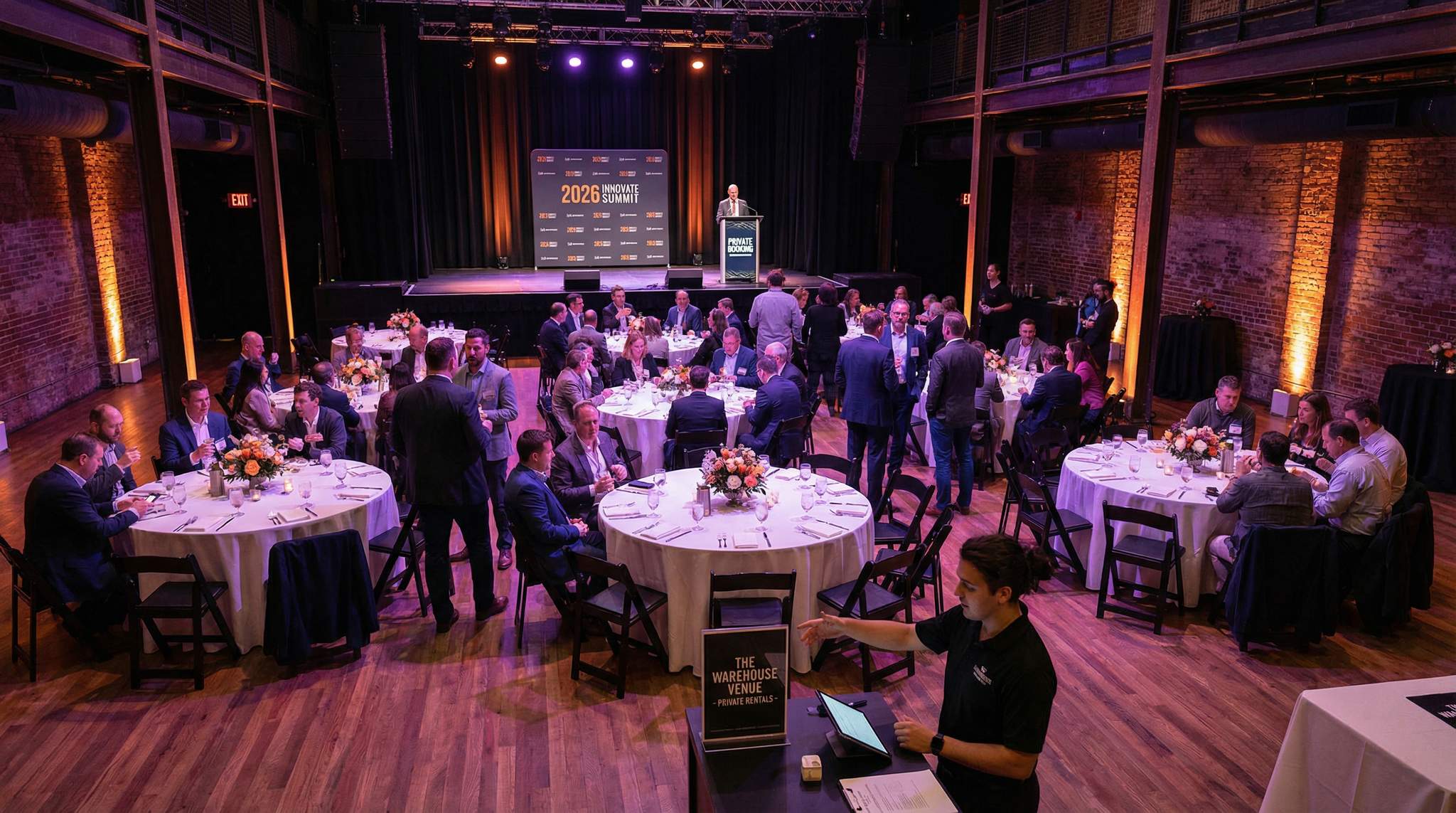
Corporate events are arguably the biggest off-peak revenue opportunity for many venues. These include company offsite meetings, product launches, training workshops, networking mixers, award ceremonies, and holiday parties. What makes corporate clients attractive is their typically healthy budgets and preference for weekday dates. As of 2026, corporate planners are actively seeking non-traditional spaces for midweek gatherings – they want venues that offer character and excitement, not just another hotel conference room, a shift highlighted by event management platforms. This is a golden chance for music and entertainment venues to step in.
To succeed in the corporate market, venues must show a business-friendly side without losing their unique ambiance. This means ensuring the basics for productivity are covered: strong Wi-Fi, ample power outlets, configurable seating or tables, and audio-visual support (projectors, screens, microphones). “Getting the tech basics right requires reliability,” as hospitality experts at Cvent note – corporate groups expect the sound system to work flawlessly for a presentation and the lights to adjust for a keynote speech. Many entertainment venues are hybridizing their spaces: the same stage that hosts a rock show on Saturday can host a keynote on Tuesday morning with a quick reconfiguration of seating, proving that versatile spaces can maximize revenue. Corporate clients don’t need your venue to look like a boardroom; they just need to know it will run professionally when it counts, ensuring seamless execution for networking events.
Ready to Sell Tickets?
Create professional event pages with built-in payment processing, marketing tools, and real-time analytics.
Marketing to corporate planners is crucial (more on marketing in a later section). It often involves creating a dedicated “Private Events” section on your website highlighting past corporate clients, floorplans, and package options. Industry veterans advise treating these bookings as foundational revenue, not occasional one-offs, as consistent corporate bookings stabilize income. Once a company holds a successful offsite at your venue, follow up and foster that relationship – many corporate groups hold recurring quarterly or annual events. One workshop can lead to a quarterly meeting, then an annual summit, creating long-term relationships with planners. Smart venues even offer incentives for repeat bookings or referrals (e.g. a discount on the next event if they book two at once). Considering that clients are spending more per event now than in the past, as noted in recent hospitality investment reports, landing even a handful of loyal corporate customers can significantly boost your bottom line.
Real-world example: A 300-capacity indie music club in Chicago began marketing its funky concert space for weekday corporate “innovation sessions.” By touting its stage, sound system and full bar as a creativity-inducing meeting spot, the club attracted local tech companies. One Tuesday each month is now booked for a paid corporate workshop that yields more net profit than some weekend ticketed shows. The corporate teams love the change of scenery, and the venue loves the guaranteed income and bar revenue. This exemplifies how even a smaller venue can compete with hotels by selling its character and turning slow days into paydays.
Weddings and Social Celebrations
From weddings and receptions to birthday bashes and retirement parties, social events can be lucrative fills for off-nights or daytime slots. Couples in particular are always hunting for unique wedding venues beyond the standard banquet hall. In many regions, Saturday is king for weddings – but that means venues are often sitting empty on Sundays or weekdays when some flexible couples wouldn’t mind celebrating (often at a discount). For venue operators, even one or two weddings in normally quiet periods can deliver a serious revenue boost. Consider that in 2023, couples in the U.S. spent around $35,000 on average for their weddings, according to Time Magazine’s analysis of wedding costs, with a large chunk of that allocated to the venue. While not every wedding will have a superstar budget, many will pay premium rates for the right atmosphere and date.
To attract weddings, polish your venue’s appeal to brides and grooms. This may involve showcasing multiple layout options (ceremony, seated dinner, dance floor), highlighting photogenic aspects of the space (historic architecture, dramatic lighting, city views), and perhaps offering inclusive packages (with catering, décor, or vendor recommendations). A historic theater or trendy nightclub can transform into a stunning wedding backdrop with the right touches; indeed, numerous concert venues like the Ryman Auditorium in Nashville and Union Chapel in London have doubled as memorable wedding locations on off-days. If your venue has a distinct style – industrial chic, vintage elegance, modern minimalist – lean into that and market it as a wedding theme. Many couples seek venues that reflect their personality, from an edgy rock club wedding to a fairy-tale ceremony on an arena stage.
Boost Revenue With Smart Upsells
Sell merchandise, VIP upgrades, parking passes, and add-ons during checkout and via post-purchase emails. Increase average order value by up to 220%.
Pricing for weddings can often be set higher than for other private events, given the emotional importance and high stakes of the day. However, flexibility with off-peak scheduling is key. For example, you might offer an attractive Sunday or Friday evening wedding package at a price that undercuts Saturday rates but still delivers a healthy profit. Ensure contracts address the extra needs that come with weddings: rehearsal time, load-in for decor, vendor access, and ample cleanup time (weddings produce lots of glitter and confetti!). Also, require a healthy deposit in advance – most couples plan far ahead, so you’ll be reserving that date for potentially a year or more.
One lesson from veteran venue managers: partner with wedding planners and vendors. Build a network of preferred caterers, florists, and DJs who know your space. This not only makes it easier to execute events smoothly, but those vendors can also send business your way. If a wedding planner knows your theater is an affordable hidden gem for weeknight weddings, they might steer clients to you. Some venues even hold open-house showcases or invite bridal associations for tours, effectively auditioning the space for future celebrations. The goal is to embed your venue in the local wedding ecosystem.
Grow Your Events
Leverage referral marketing, social sharing incentives, and audience insights to sell more tickets.
Film, TV, and Photoshoot Rentals
An often underappreciated revenue stream for venues is serving as a location for film, television, and photography shoots. Production companies are constantly scouting for interesting stages, auditoriums, and club interiors for movies, TV shows, commercials, music videos, and photo shoots. Unlike live events, these shoots usually don’t involve public audiences – but they do require renting out your space, sometimes for days at a time, often during weekdays. For venues with the flexibility in their calendar, film/TV bookings can be jackpot paydays. A single day of filming can bring in substantial fees (production budgets for locations tend to be healthy) and might exceed what a normal concert night nets, with far less strain on the venue’s infrastructure in terms of crowd wear-and-tear.
To tap into this market, venue operators should connect with local film offices and location scouts. Many cities have a film commission or online database where you can list your venue as a potential location. High-quality photos showcasing the space empty (and from multiple angles) are crucial here – scouts need to imagine it on camera. It’s also important to clarify the logistics: loading access for equipment trucks, available power supply, noise isolation (can you lock down the street noise?), and whether you have backstage areas that can serve as dressing rooms or gear storage. Film crews may ask to make temporary modifications (bringing in set pieces, painting walls, etc.), so set clear policies on what’s allowed and how restoration will be handled.
One remarkable trend kicked off during the pandemic and continues in 2026 is venues pivoting to film work. In 2020, when concerts were halted, the Texas Music Office explicitly encouraged music venues to list themselves as film shoot locations to generate revenue, a tactic encouraged by the Texas Music Office. Many independent venues took that advice. For example, a famous Austin club that was closed to live audiences ended up hosting a Hollywood movie shoot, which kept income flowing during the shutdown. Even now, that club has maintained a relationship with film location managers, booking occasional shoots on quiet weeks – a lucrative side gig that doesn’t rely on ticket sales at all. The lesson: your venue’s unique look might be exactly what a production needs, and they’ll pay handsomely for it.
Of course, film and TV rentals come with their own challenges. Shoots can be invasive – large crews, long hours (often overnight), and the need for absolute control of the environment. You must evaluate carefully how a multi-day shoot might conflict with your main event schedule. It may mean blocking out rehearsal days or load-in periods for shows. However, many venues find ways to make it work, especially if the shoot can happen in a traditionally dead period. Clear communication and contracts are key (more on contracts later). Spell out what areas of the venue the crew can use, any union labor rules (for instance, if your stagehands must be hired to run certain equipment), and who covers insurance for any damage. When done right, hosting a film or photo shoot can be like getting an extra concert’s worth of revenue with none of the marketing or ticketing hassle.
Community and Non-Profit Events
Not every event that fills your dark calendar will be big-budget – some might be about community goodwill or long-term strategic benefits. Community events can range from local school recitals, charity fundraisers, town hall meetings, panel talks, or cultural festivals. These often happen on off-nights or daytime slots because they cater to local schedules and typically avoid prime weekend nights reserved for major shows. While community bookings might not command high fees, they carry other rewards: positive relations with neighbors, support from local councils, media coverage, and fulfilling your venue’s mission as a civic hub. Many municipal performing arts centers and historic theaters world-wide make it a point to host a certain number of community rentals or co-productions each year as part of their public service (and often to unlock grants or subsidies).
From a revenue perspective, you can still charge modest fees or at least cover costs for community uses. Some venues offer discounted weekday rates for non-profits or community groups, which helps fill the schedule while earning goodwill. Other venues might receive sponsorships or city funding that compensate for offering the space at low cost for community benefit. For example, a city-owned venue might get an annual cultural grant on the condition that it hosts X number of free or low-cost community events – effectively subsidizing those dark-night uses. Even privately owned venues may find that having a local music school’s showcase on a Tuesday, or a neighborhood association meeting once a month, builds political capital that pays off when you need zoning support or leeway on noise ordinances. (Hosting a charity fundraiser could mean the difference between a neighbor perceiving you as that loud club versus a valued community pillar.) For more on keeping neighbors happy while running a busy venue, see our guide on building venue-community harmony in 2026 despite noise and crowds.
To handle community events, be flexible in scaling your operations. These might be simpler than a normal concert night – perhaps you only need a minimal tech setup or partial staff. You might close the bar or only serve soft drinks, depending on the event. However, don’t skimp on professionalism. Treat the community user with the same respect as a paying corporate client (often these folks are volunteers themselves). One pro tip: streamline the process for small events by having a simple, one-page rental agreement or even a sponsored arrangement. The easier you make it to say “yes” to community bookings that fit your dark nights, the more you’ll fill those slots with productive use. Just ensure you aren’t losing money in the process – cover your staffing and utility costs at a minimum. Over time, these efforts bolster your venue’s reputation and can indirectly lead to more business, as well-connected community members might recommend your venue for paid events or help you in local regulatory matters. It’s a long-game investment in goodwill.
Marketing Your Venue for Private Rentals
Filling your off-nights with lucrative rentals won’t happen by accident – it takes active marketing and outreach to let potential clients know your venue is open for business beyond concerts. In 2026, the competition among venues (and other event spaces) for corporate and private event dollars is heating up, so a strategic marketing plan is essential. Experienced venue operators treat the promotion of private rentals with the same intensity as promoting a concert season. Below are actionable tactics to get your venue noticed by the right audiences.
Positioning Beyond the Concerts
First, rethink your venue’s brand positioning. If all your public messaging screams “live music only,” corporate or wedding clients might assume they’re not welcome. Without diluting your core identity, create a parallel identity for the venue as an event host. Many venues accomplish this with a dedicated section on their website or a separate brochure for private events. Use language and imagery that speaks to those clients: for example, show the venue set up in conference style or decorated for a wedding, not just packed mosh pits. If you have successfully hosted non-concert events in the past, leverage those stories. Testimonials from a company that held a “killer offsite at our venue” or a couple who had “an unforgettable wedding under our stage lights” are gold for convincing new prospects.
This doesn’t mean abandoning your venue’s edgy or artistic vibe – in fact, that’s your selling point. It means articulating the value of that vibe for private hirers. Perhaps your hall was built in the 1920s with gorgeous Art Deco architecture – that’s a draw for upscale clients seeking a Great Gatsby-themed soirée. Or your club might have state-of-the-art sound and LED walls – perfect for a tech product launch that wants immersive audio-visuals. Identify the features that set your venue apart from generic hotels and frame them as benefits: “Why rent a sterile ballroom when you can wow guests in an iconic concert venue?” By crafting this narrative, you align your marketing with what these clients are looking for: a venue that will impress attendees and reflect well on the event organizer. Many experienced operators note that once they started marketing their venue’s character and flexibility (instead of assuming people would figure it out), inquiries soared.
Leveraging Online Platforms and Listings
In 2026, much of the venue rental market has moved online. Event planners often begin their search on specialized venue marketplaces or by simply googling “event venues in [City].” To ensure you capture that demand, list your venue on popular event space platforms and directories. These might include international platforms like Peerspace, Tagvenue, or Unique Venues, or region-specific ones (for instance, in Australia there’s VenueNow, in the UK, sites like Hire Space, etc.). Make sure your profiles on these platforms are thorough: include high-quality photos, detailed descriptions of capacities (seated/standing), amenities, and the types of events you welcome. Don’t forget to highlight availability of off-peak discounts or weekday/daytime availability – clients searching for a Tuesday meeting space will filter for those criteria.
Additionally, connect with your city’s convention and visitors bureau (CVB) or tourism board if they maintain venue listings for event planners. Many cities love to promote local venues for incoming conventions or corporate retreats, particularly unique indie spaces that add local flavor. Being on their radar can land you lucrative referrals. Similarly, consider joining industry associations like the International Live Events Association (ILEA) or local chapters of event planner networks, where you can showcase your venue at mix-and-mingle events or in their online forums.
SEO and digital marketing are powerful tools here. Optimize your website’s private events page for keywords like “
Building Relationships with Planners and Agencies
While online presence is key, old-fashioned relationship-building remains one of the most effective ways to secure private bookings. Event planners, whether corporate event managers, wedding planners, or film location scouts, often rely on trusted venues they know will deliver. So make sure they know you. Reach out to planners who operate in your region and invite them for a site visit or coffee to see the space. You can host a showcase event – perhaps a mock corporate event or a mini tasting with your catering partners – exclusively for event planners and agencies to experience your venue’s hospitality on a quieter night. Showing them firsthand how the venue can shine for their clients is far more powerful than a brochure.
Another tactic is partnering with local businesses and organizations whose clientele might need event space. For instance, large corporations, tech startups, universities, or hospitals in your area might host events regularly – get in touch with their events or HR departments and provide a packet on your venue. If you have premium seating or VIP boxes (common in arenas and theaters), consider offering these organizations a free or discounted meeting space trial on a slow night, just to introduce them to the venue. Some venues coordinate with hotels as well – if a hotel is fully booked on ballroom space, they might refer overflow business to a nearby theater or club that can adapt to a banquet setup.
Don’t overlook wedding expos and industry trade shows either. Many venue sales managers attend bridal fairs or MICE (Meetings, Incentives, Conferences, Exhibitions) forums to pitch their spaces. Even if you’re a small venue, showing up with a booth or at least networking at these events can put you on the map. As an example, a midsize concert hall in Melbourne credited its spike in midweek event bookings to a single industry night where their team met dozens of event planners and distributed a new private hire brochure. The connections made that evening led directly to several bookings the following quarter. The investment in relationships can yield recurring dividends, as planners who like your venue will bring multiple clients through over time.
Showcasing Flexibility and Success Stories
To effectively market your venue for rentals, you must demonstrate flexibility and reliability. Clients want to know that your rock club can host a seminar without hiccups, or your theater can turn into a elegant gala venue as needed. One way to show this is through case studies and photos from past transformations. If you’ve done any notable private events, get permission to share some details and images. Did you host a fashion show on a Tuesday night? A tech company’s product launch with custom staging? A film shoot that turned your lobby into a 1970s set? Show before-and-after photos or write a brief narrative: “On a recent Wednesday, we welcomed 500 local employees of ABC Corp for an all-day strategy summit – complete with breakout sessions on stage and catering in our lounge. Our tech team seamlessly handled 6 hours of presentations and live-streamed a panel discussion, turning our concert venue into a conference space for a day.” Such stories give prospective clients confidence that your team can deliver.
Also, collect testimonials from those clients. A quote like “Our gala at the Apollo Theater was pure magic – the staff went above and beyond to accommodate us and our guests can’t stop raving” goes a long way to reassure a new client. Post these on your site and include them in pitch emails. If privacy is a concern (some corporate clients or high-profile events prefer discretion), even anonymous testimonials (e.g. “Event Manager, Fortune 500 Tech Company”) can work.
Finally, highlight any unique services or partnerships that add value. If you can offer turnkey event planning, mention that. If you partner with a top local caterer or have an in-house mixologist who can create signature cocktails for events, bring it up – food and beverage can be a decisive factor for many event planners. (In fact, boosting F&B offerings can significantly increase event revenues; venues in 2026 are revamping their menus and bar programs to drive profits even during private functions.) The more you can present your venue as event-ready and low-stress for the organizer, the more appealing it will be. Essentially, you want to convey: “We’ve got you. Whatever your event needs, we’ve done it or we can do it. Trust us with your vision.” That message, backed by evidence, is a powerful marketing asset.
Smart Pricing Strategies for Off-Peak Rentals
Setting the right price for private event rentals is a balancing act. Charge too high and you scare off potential clients (who have other options); charge too low and you leave money on the table or fail to cover the extra wear and labor on your venue. In 2026’s inflationary economy, it’s more important than ever to price strategically, aligning with market demand and the value you provide. Here we explore how to approach pricing and packaging for off-night events, with tips from experienced venue financial planners.
Benchmarking and Tiered Pricing
Start by benchmarking what similar venues in your region charge for private events. This can be tricky since many don’t publicly list rates, but you can often get ballpark figures via industry contacts or even by submitting an inquiry as if you were a client. Note the differences for weekdays vs. weekends, full-day vs. half-day, and what’s included. You’ll likely find a common practice: tiered pricing. For example, a venue might charge a premium for Thursday–Sunday rentals and offer lower rates Monday–Wednesday to entice bookings. This is essentially yield management akin to how hotels or airlines operate, adjusting price with demand. Your pricing should reflect the fact that an empty Tuesday has a different value to you than a packed Saturday. Many 2026 venue managers set up a simple rate card something like this:
| Rental Timing | Typical Rate | Inclusions |
|---|---|---|
| Monday – Wednesday | Base rate (e.g. 20-30% lower than weekends) | Standard A/V package, minimal staff |
| Thursday & Sunday | Mid-tier rate (slightly discounted from prime nights) | Standard package, flexible add-ons |
| Friday & Saturday (peak) | Prime rate (highest) | Full staffing, premium A/V, etc. |
This structure encourages clients with flexibility to opt for off-peak days to save money, while allowing you to charge top dollar when your venue would likely be busy with regular programming (or when private clients most covet a date). Dynamic pricing concepts that ticketing professionals use can apply here too – some venues even adjust pricing seasonally or by how far in advance the booking is. The key is to remain competitive yet ensure it’s worthwhile for your venue. Remember, you’re not just renting space; you’re providing an experience and service.
Packaging Services and Upsells
One effective strategy is to offer bundled packages for private events. Rather than a la carte pricing for every little item (which can overwhelm clients and slow down negotiation), create packages that include the venue plus common essentials. For instance:
– “Weekday Corporate Package” – 8-hour daytime rental, use of in-house AV (projector, sound system, basic lighting), Wi-Fi, 10 banquet tables and chairs, and on-site event manager included for a flat fee.
– “Off-Night Celebration Package” – 6-hour evening rental (e.g. 5pm–11pm) for parties or mixers, including full bar setup and bartending staff, basic stage lighting for a DJ, and security personnel.
– “Micro-Wedding Package” (for smaller weekday weddings) – 5-hour rental, ceremony and reception in one space, including seating for up to 100, table linens, sound system for playlist, and a day-of coordinator.
Packages make it easier for clients to understand what they’re getting and simplify your operations (you know what you need to provide). They also let you charge a premium for convenience. On top of packages, consider upsells and add-ons: these are additional services the client can pay for. Common upsells include advanced lighting design, additional tech like live-streaming equipment, decor services, extended hours, or catering packages. For example, you might offer to handle all catering through your in-house kitchen or preferred vendor for an added per-person fee – turning F&B into another revenue center beyond just space rental, much like how venues aim to maximize food and beverage sales on show nights. Data shows food and beverage can contribute significant profit, so don’t shy away from bundling bar packages or coffee breaks into your pricing.
Pricing should also factor in capacity and scope of event. It’s fair to charge more for a 500-person corporate gala than a 50-person meeting, even if both are on a Tuesday, because the larger event will use more of your venue (perhaps multiple rooms) and likely require more staffing/cleanup. Some venues have different rental rates by space or guest count. For example, a theater might rent just its lobby for a small reception at a lower rate, versus full-venue access for a high fee. A clever tactic from some arena operators: renting parts of the venue on off-days – e.g. the VIP club lounge for a private dinner, or the practice court in a sports arena for a company team-building. This allows revenue from smaller events without opening the entire building.
Below is a simplified comparison of potential private event revenue scenarios to illustrate how smart pricing can beat a typical show night:
| Scenario | Details | Net Revenue Estimate |
|---|---|---|
| Weeknight Concert (200-cap club) | 150 tickets @ $20 = $3,000 gross; minus artist fee ($1,500), marketing ($300), staff ($500), other costs ($500). | ~$200 net profit |
| Tuesday Corporate Workshop (buyout) | Flat rental fee $4,000; venue provides coffee/lunch service netting $800; costs: staff & utilities $700. | ~$4,100 net profit |
| Sunday Wedding (150 guests) | Rental fee $5,000; bar sales profit $1,200; cleaning/overtime costs $1,000; extra staffing $500 (charged to client). | ~$4,700 net profit |
| Film Shoot – 2 days (full venue) | Location fee $10,000 (per day $5k); client covers all production needs; venue provides overnight security $300. | ~$9,700 net profit |
Illustrative examples: These scenarios show that private rentals (even with modest catering or costs) can far surpass the net income from a typical weeknight concert. Not every rental will be this lucrative – and a sold-out big artist show will beat any rental – but the point remains that off-night events can significantly improve your venue’s overall financial performance when priced correctly.
Being Transparent and Flexible
One tip heard often from venue sales teams: be transparent in pricing and make the inquiry-to-booking process quick. If your baseline weekday rental rate is, say, $3,000 for an evening, consider putting that info out there or at least readily providing it in response to inquiries. Corporate planners in particular don’t like fishing expeditions with venues that dodge price discussions; they often have budgets to lock down and approvals to get. Venues that “hide” their weekday pricing behind long back-and-forth negotiations might lose bookings to more straightforward competitors. Some experts recommend publishing a starting price or range (e.g. “Weekday events starting at $$”) to set expectations. At minimum, have a standard rate sheet ready to email at first ask. As Cvent’s venue marketing guide notes, “Midweek pricing often hides behind custom quotes… That slows everything down.”
Of course, maintain flexibility for the right opportunity. If a high-profile client wants a date that’s hard to sell (like right after New Year’s, or a Monday following a festival when your staff is drained), you might offer a discount or extra services to close the deal. Conversely, if a client’s needs will incur extra cost (maybe they want an all-night load-out or a very late closing time), build that into the quote clearly as additional fees. Always outline what’s included versus extra in your pricing proposal, so clients can choose where to spend. And don’t shy from charging for legitimate extras – if their event will require a full stage reset or special equipment rental, itemize it. They will appreciate the clarity, and you ensure no surprises for either side.
Finally, consider adopting a sliding scale or community rate policy if appropriate. Some venues publish one rate for commercial/corporate events and a lower rate for non-profits or local community events during off-peak times. This is a way to fill more dates while being fair. The key is to manage it so that discounted bookings don’t cannibalize paying ones (e.g. keep an eye on holding too many tentative gratis dates that block a chance at a paid gig). With careful planning, you can accommodate both revenue-generating rentals and goodwill events by leveraging different price points.
Contracts, Policies, and Protecting Your Venue
Once you start booking private events, having rock-solid contracts and clear policies is vital. A well-drafted rental agreement protects both you and the client, and helps avoid misunderstandings that could sour the relationship or cost you money. As an experienced operator will tell you, “If it’s not in writing, it doesn’t exist.” Below we outline the key elements to address in contracts and how to enforce policies tactfully.
Clear Terms and Expectations
Your venue rental contract should spell out the fundamental terms of the booking: date, rental period (start and end times, including setup/breakdown), the spaces accessible (main hall, green rooms, outdoor areas, etc.), and the fee structure (base rent plus any additional services, taxes, and deposit). Be explicit about what is included with the rental and what is not. For example, if your rate includes basic lighting and house sound but excludes a dedicated A/V technician or special effects, note that. List any equipment provided or any staffing the venue will supply (e.g. you will have one manager on-site, or X number of security guards are included).
Also clarify client responsibilities: will they be responsible for setup and teardown of their decor? Are they expected to leave the venue in a certain condition? One useful clause is a “return to original condition” requirement – the client agrees to not alter the venue (no nails in walls, no painting) without approval, and to remove any décor or props they brought in. If you allow them to use certain in-house gear or instruments, detail that (and who operates it). Basically, avoid assumptions; if the bride thinks you’re handling table setup and you think they are, that’s a problem. A thorough contract and a pre-event run-through prevent such mix-ups.
Timing and overtime terms are critical. Many a venue has been burned by a party that refuses to end on time. State in the contract the exact end time of the rental and the consequences for overruns – typically an overtime hourly rate that’s steep enough to deter running late (for example, if the event goes past the agreed time, an extra $500 per hour or portion thereof will be charged). Also mention any noise curfews or local ordinance limits if applicable (e.g. “outdoor sound must stop by 10pm by law”). Not only does this protect you legally, it gives you leverage on the day of if an event is threatening to drag on – you can politely remind them that extra charges are accruing, which usually speeds things along.
Cancellation policies need to be clearly outlined as well. Life happens – events cancel or reschedule – but you must protect your venue’s interests. Industry standard is a non-refundable deposit (often 25-50% of the rental fee) due upon signing to hold the date. Your policy might allow a portion of that to be applied to a future booking if they cancel by a certain deadline, or it might be fully forfeited if cancellation is last-minute. Also decide on a sliding refund scale: for example, if they cancel 90+ days out, they get everything back minus deposit; 30-89 days out, they owe 50% of the fee; within 30 days, owe 100% (because you likely can’t rebook that date). Make sure this is all plainly stated. After the pandemic’s wave of cancellations, many venues also explicitly address force majeure – e.g. neither party is liable if an event can’t occur due to government shutdowns, natural disasters, etc., but deposits may be returned or event rescheduled. It’s worth getting legal counsel to review these clauses to align with local laws and your risk tolerance.
Insurance and Liability
One absolutely crucial element for private events is insurance. Always require the client to carry appropriate event liability insurance and to list your venue (and any relevant ownership entity or city if you’re city-owned) as an additional insured on their policy for the date of the event. This way, if any guest is injured or any property is damaged during their event, their insurance will cover it first. Many corporate clients will already have general liability insurance that can extend to events; wedding clients or private individuals can purchase one-day event insurance fairly easily. Set a minimum coverage limit (commonly $1 million per occurrence, $2 million aggregate is used for small-medium venues; higher for large arenas). Ask for the certificate of insurance a couple weeks before the event at the latest. If a client balks at this, it’s a red flag – insurance is a non-negotiable safeguard.
In the contract, also include indemnification clauses where the client agrees to indemnify (protect) the venue from any claims arising from their event, except due to the venue’s own gross negligence. This legal language essentially means if someone sues because of something that happened at the event (say a guest trips on the bride’s decoration and gets hurt), the client, not the venue, would be responsible for handling it. Likewise, clarify who is liable for any damages to the venue. Usually, the client should assume responsibility for repair costs if their guests or vendors break something. It helps to do a pre-event and post-event walkthrough to document any existing issues and then any new damage after – much like a rental car check.
For certain events, consider if you need special permits or licenses. For example, film shoots might require city film permits (often the production company will handle that, but ensure it’s their duty in writing). Serving alcohol might require a one-day extension of your liquor license or a permit if it’s not typically allowed during those hours – determine whether the venue covers that or the client needs to obtain it. Some cities require event permits for large gatherings even on private property, or extra security for high-profile events – again, something to stipulate who handles. If your venue is in a union house (say, a unionized theater), include a note that any required union labor (stagehands, box office staff if using that) will be provided and billed as per union rates. You don’t want the client ignorant of those potential extra costs.
Payment Schedules and Security Deposits
Money matters deserve their own attention in your policies. The contract should break down the payment schedule: deposit upon booking, and when is the balance due? Many venues require full payment before the event (e.g. the remaining 50% is due 7 or 14 days prior). This is advisable so you’re not chasing money afterward. Some corporate clients might operate on net-30 payments after an event; if you choose to allow that for certain trusted partners, be sure it’s agreed in advance and maybe include a late payment fee clause. For private individuals, never rely on post-event payment – collect upfront.
In addition to the booking deposit (which is often applied toward the fee), you should strongly consider a refundable security deposit against damages or overtime. This might be a flat amount like $500-$1000 for smaller events, or a percentage of the rental fee for larger ones. The contract should state that this deposit will be returned after the event minus any deductions for damages, excessive cleanup, overtime, or other unpaid costs. Having a security deposit provides peace of mind and incentivizes clients to treat the venue respectfully. If nothing goes wrong, they get it back – everyone’s happy. If there are issues, you have a fund to cover them. Be sure to do the math and communicate any deductions with evidence (photos of damage, etc.) to avoid disputes.
Also clarify payment methods you accept (bank transfer, credit card, check) and any associated fees. In 2026 many venues use online invoicing systems or even their event ticketing platform’s private event tools to track these payments. For example, Ticket Fairy’s system allows some venues to manage private guest lists and payments seamlessly, which can simplify matters if say a client wants you to handle their invite list or collect RSVP info (though that’s more a value-add service). In any case, avoid cash for large sums and keep a paper trail.
Finally, keep clauses about termination (what happens if you, the venue, must cancel – e.g. if the venue becomes unusable due to damage from a previous night – usually you refund all monies and try to help find alternative venue, etc.) as well as any force majeure as mentioned. While these scenarios are rare, having them addressed in the contract prevents legal headaches and maintains trust. A well-structured contract shows professionalism and will make serious clients more comfortable moving forward.
House Rules and Operational Policies
In addition to the formal contract, it’s wise to provide a one-sheet of “House Rules” or venue guidelines to every private event client. These cover practical do’s and don’ts that might not all fit in a legal contract but are important for a smooth event. For example:
– Noise control: If it’s a weekday event and you have neighbors or noise ordinances, state any volume restrictions (e.g. “Live amplified music must end by 10pm”). Tie this into your community relations efforts to show you enforce rules that keep the neighborhood happy.
– Smoking/vaping: Is it allowed at all, only in designated outdoor areas, etc.? Many venues are strictly non-smoking; make sure the client knows to inform their guests.
– Decor limitations: For instance, “No open flames (candles) except enclosed, no confetti/glitter, no taping or affixing anything to painted walls,” and so on. These prevent nasty cleanup surprises or fire hazards.
– Load-in/out logistics: Provide approved load-in times (they can’t show up 8 hours early unless arranged), what door or dock to use, and whether they can leave items overnight (generally not, unless by prior agreement). If you have an elevator, note any restrictions. This is where you mention if a certificate of insurance is required from any outside vendors coming on site too (in addition to the client’s own insurance).
– Staff authority: State that your on-site manager has final say in enforcing venue rules during the event. If you require event security, mention that those personnel have authority to ID guests, refuse entry to anyone abusive, etc., in line with venue policy.
– Cleanup: Explain how much cleaning is included versus expected. E.g., “Our staff will handle routine cleaning, but excessive trash or any extraordinary mess may incur additional fees from the security deposit.” If you expect the client to remove all their decor and displays, say that plainly.
– Compliance: Remind that all events must abide by local laws (capacity limits, alcohol service laws like ID checking, fire code, etc.). If you have an age restriction (say a 21+ venue normally), clarify if an exception is made for a private event or if they still must be 21+.
By giving this list to clients early (and ideally including it as an exhibit in the contract they sign), you educate them on how to operate in your space. Most clients will respect the rules if they know them; problems often arise only when a client didn’t realize something was forbidden or required. Many venue managers have horror stories of clients doing something crazy (“They brought in fire dancers without telling us!” or “They parked a food truck in our alley blocking traffic!”) – almost always, these can be prevented with clear upfront communication of rules.
Lastly, enforce your policies consistently but courteously. On the day of the event, the responsible manager should gently remind the client of key points (e.g., “We’ll do a last call at 9:45pm to stick with the 10pm noise cutoff we discussed”). If an issue arises during the event, address it firmly but politely through the designated point-of-contact (it’s wise to request the client appoint one person, like the planner or a best man, who will be sober and reachable to make decisions or relay messages during the event). This avoids chaos and preserves the relationship. After the event, if everything went well, return the security deposit promptly with a thank-you note – leaving them with a positive impression, primed to book again or refer others. If there were issues, document them and communicate why you had to deduct fees, etc., in a factual manner. Professionalism in execution and follow-up will enhance your venue’s reputation in the private event market.
Operational Adjustments: Balancing Rentals with Your Main Calendar
Bringing private events into your schedule will require some operational finesse. You’ll need to juggle the needs of rentals with your bread-and-butter shows or performances. The goal is to generate extra revenue without compromising your primary business (be it concerts, sports, theater, etc.). Seasoned venue operators stress the importance of internal coordination and flexibility to make this work. Here’s how to keep the machine running smoothly on all fronts.
Coordinating the Calendar
The first step is to have a robust calendar management system and culture of communication. All departments – booking, operations, marketing, production – should use a shared calendar or software where holds and confirmed private events are logged alongside concerts. Double-booking is a nightmare scenario (e.g. accidentally scheduling a corporate event when the band you booked months ago suddenly wants an extra rehearsal that day). Prevent this with clear internal processes: when a rental inquiry turns serious, quickly mark the date as “on hold for private event” pending contract. Similarly, if you’re negotiating a concert booking that might conflict with a tentative rental, loop in management to weigh the revenue vs. revenue – sometimes the private event might be more profitable than a midweek indie show, or vice versa if it’s an important artist hold.
One trick is to identify truly dead periods in your year and proactively target those for private bookings. For example, many venues see a lull in early January or late summer. If historically you never have concerts on the first week of January, you can market that window heavily for corporate New Year kick-off meetings or post-holiday parties. Another example: if your theater knows that a touring Broadway show will occupy it for three weeks but typically goes dark on Mondays, sell those Mondays to outside events (with the production’s consent – check if your show contracts allow outside use on dark nights, as some sets can’t be disturbed). Multi-use performing arts centers often excel at this, slipping in a one-night rental on a night between season shows. It’s a ballet of scheduling, but when done right, lots of revenue gets squeezed out of a tight calendar.
Also, consider time of day overlaps. If you have a concert at 8pm, you might still accommodate a small meeting or film shoot that wraps by 4pm the same day. Or a morning conference and an evening comedy show can coexist if you have separate entrance times and a good turnaround plan. Outline clear “buffers” in your schedule for setup and teardown. For instance, if you promise a client an event 9am–5pm, but you have a concert at 8pm, you might put in the contract that the private event must be fully cleared by 6pm to allow soundcheck and doors at 7:30. Working backwards from show times is crucial – as is informing your production team of these plans. Some venues designate certain spaces off-limits after a show’s load-in begins (e.g. the main stage is hands-off once the band’s gear is set), so maybe a corporate event can only use the lobby or another area if it overlaps with show prep. Coordination details like these make the difference between harmonious dual usage and chaotic conflict.
A pro tip from high-capacity arenas: zoning the venue. Big venues often have multiple distinct areas (an exhibition hall, an arena floor, meeting rooms, luxury suites) and can host separate events simultaneously. Even if you’re a smaller venue, think creatively about whether you can host an intimate private dinner in your side lounge while a normal event is on stage (provided sound bleed or access isn’t an issue). If you can pull it off, that’s double revenue on the same night. However, ensure that doing so doesn’t degrade the experience of either event – if it introduces noise or security concerns, it might not be worth it. Always prioritize safety and quality over squeezing in one more booking.
Staffing and Crew Management
Off-night events may require a different staffing approach than your typical show. You might not need as many bartenders for a Wednesday workshop, but you might need more daytime setup crew than usual. Cross-train your staff to handle different types of events. For example, your sound engineer who mixes rock bands might also be perfectly capable of running a simple PA for a panel discussion (and might enjoy the daytime hours). Front-of-house staff can adapt to checking in corporate attendees with name badges just as they would ticket holders – but they may need a quick briefing that the tone is different (less rock ’n’ roll buzz, more professional courtesy). Some venues create a “private event team” – a core group of versatile staff (including an event coordinator, a couple of techs, and some hospitality staff) who are scheduled for most private bookings. This ensures consistency and expertise in handling non-standard events. If labor shortages are an issue (a continuing challenge noted by many venues in 2026, with UK Hospitality sector reports highlighting labor shortages), consider hiring some part-time staff or contractors specifically for events – such as on-call banquet servers or AV technicians – so you’re not overstretching your concert crew.
Be mindful of staff hours and burnout. If your team works a late show Sunday and you have a corporate rental at 7am Monday, you need a plan so that employees aren’t asked to turn around impossibly fast. Either use a different crew, or ensure sufficient rest (maybe the overnight cleaning is handled by an external crew so your in-house team can come fresh in the morning). Many venues have found success using flexible scheduling or time-shifting for private events. For instance, instead of your full production team, maybe you bring in just one tech and one facilities person for a small event, giving others a day off. If unions are involved, be aware of minimum call times – you may have to pay a 4-hour minimum even if you only need a stagehand for 2 hours; work those costs into your rental fee accordingly.
Communication with staff is key: let everyone know the expectations for an upcoming rental. A morning all-hands briefing or an event sheet similar to a show’s run sheet can be shared. Cover details like dress code (a corporate awards night might require staff in black & white attire rather than your branded t-shirts, for example), VIP protocols, and any deviations from normal (maybe the client is bringing their own caterers – so your bar staff only handle drinks and should stay out of caterers’ way in the kitchen). Seasoned venue operators often say that staff appreciate the variety of private events as a change of pace – and sometimes the tips or calmer environment are even preferable to a rowdy concert shift – but only if they’re prepared and trained for it. Investing time to train your team on hospitality standards for corporate/wedding clients can pay off in seamless events and positive client feedback.
Adapting Technical and Layout Needs
Each private event might require you to reconfigure your venue’s layout or tech setup. Being able to do this efficiently is a competitive advantage. If your seating is removable or your floor is flexible (e.g., flat floor vs. tiered), practice quick changeovers. For example, an arena might go from a concert general-admission floor one night to a banquet with 200 tables the next. That kind of flip is a major operation involving seat wagon storage or rental chairs and tables being set up – you need a plan and crew for it. Even small clubs might be asked to clear out the floor entirely for an open networking event or to set up rounds for a dinner. Plan out storage for furniture when not in use (if space is tight, perhaps partner with a rental company that takes their tables back right after the event). Some venues invest in modular staging or seating that can be partially deployed, making them more versatile.
On the technical side, it’s wise to maintain a basic in-house AV package that covers the majority of private events. This typically means: a projector (bright enough for your size room) and screen, a couple of wireless handheld mics, a lectern mic, a simple lighting scene (like a stage wash and maybe some colored uplights for ambiance), and a good audio playback system for background music. If you have these ready to go, you can avoid the client bringing in costly outside vendors (and you can charge for using your AV, or include it as a value-add). Double-check that your Wi-Fi network is robust and can handle, say, 200 people checking their phones or a livestream if a client requests one. In 2026, internet reliability is non-negotiable for corporate clients; some venues have even installed secondary broadband lines or 5G backup devices to ensure events can video conference or stream without hiccup. If tech is not your expertise, consider partnering with an AV company on call – they can provide gear or support when a client’s needs exceed your in-house capabilities, and you can mark up their fee or get a referral commission.
Layout planning tools can help win clients too. Some venues use event diagramming software (like Social Tables or AllSeated) to create floorplans for each event and share with the client for approval. This level of professionalism shows planners that you’re detail-oriented. It also forces you and the client to think through specifics: where will the stage go for the panel? Do we need a dance floor? How will the traffic flow for a 300-person dinner? Sorting that out in advance means on the day of the event, your team can execute a layout swiftly, and you avoid last-minute chaos. Keep a file of “room templates” that have worked well – like a default cabaret seating for 100, or classroom seating for 50 – so you can offer those as starting points.
Ensuring Show Business Isn’t Negatively Affected
One legitimate concern venue owners have is that focusing on private rentals might detract from their main mission (like live music) or inconvenience loyal patrons/artists. To avoid this, draw a firm line: never let rentals actively undermine your primary events. For example, don’t bump a long-booked local band from a weeknight slot just because a corporate client inquires late – that’s a reputation killer in the music community. Instead, plan in advance which dates are available for private hire and stick to those unless something changes with the main calendar. Communicate with booking and talent teams about the balance between public and private events. Some venues publicly show their “dark” nights as available for private hire on their website – this transparency prevents confusion and signals to promoters what dates are off-limits.
Also, consider the perception of your core audience. If fans see your venue frequently closed for “private event – no show tonight,” there could be a backlash if not handled right, especially for grassroots music venues where the community feels ownership. To mitigate this, try to schedule most private events on nights you wouldn’t have had a show anyway (e.g., maintain your usual live music nights and rent out others). When you do rent on a night that might otherwise have had a show, perhaps opt for events that align with your audience’s values or interests. For instance, hosting a music industry conference or a charity gala supporting arts can be viewed positively by your patrons – it’s in spirit with your mission. You can even announce it on social media in a way that shows you’re contributing to something beneficial, rather than just saying “closed for private function.” For community-centric venues, balancing artistic integrity and commerce is key (as discussed in guides to navigating financial challenges for indie venues). The revenue from rentals can actually subsidize more adventurous programming, so you might communicate that indirectly: more private events = more ability to book niche artists the fans love.
From an artist relations standpoint, be transparent if a private event will affect them. For example, if a band’s load-in or soundcheck has to shift because you have a daytime rental before their gig, let them know well in advance and perhaps provide a little extra hospitality to keep them sweet. Most artists will understand if the venue is being used for other things – many even appreciate that their favorite club is finding ways to stay open and pay the bills. Just don’t spring surprises on them (“Oh, you can’t access the green room until 7pm because we had a meeting in there”) without prior notice.
Finally, ensure maintenance and wear-and-tear are monitored. More events = more strain on your facility. Incorporate quick inspections after each private event to catch any damages or necessary clean-ups before the next show. Schedule maintenance wisely – if you know you used the retractable seating for a special event, have your ops team double-check everything is locked back in place for the next show. With careful planning, private rentals and main programming can co-exist and even enhance each other by providing extra funds and exposure. Many world-class venues from arenas to arthouse theaters have proven that a multi-use calendar is not only feasible, it’s the future of financial stability in the live events industry.
Success Stories and Cautionary Tales from Real Venues
Learning from others is invaluable. Let’s look at a few real-world examples where venues turned off-nights into paydays – and some lessons learned from bumps along the way. Whether you run a 250-capacity club or a 20,000-seat arena, these stories carry insights you can apply.
Small Club, Big Pivot: From Monday Blues to Steady Income
Consider The Leadmill (a storied 900-cap club in Sheffield, UK). Known for indie gigs, it used to go dark early in the week, struggling with slim margins. A few years ago, the management pivoted to actively pursue private hires on those slow nights. They started hosting everything from university society parties on Tuesdays to local business presentations at lunch hours. One of their breakthrough moments came when a video game company booked a Monday night launch party for a new game – bringing in hundreds of guests and even a famous DJ, all paid for by the company. The revenue from that single Monday exceeded a typical weekend’s bar take. By showcasing that success (with permission, they shared photos and a blog about the transformation of the club with gaming consoles and branded decor), The Leadmill attracted more inquiries. Soon, every Monday or Tuesday had something: comedy open mic nights (sponsored by a local brewery), small wedding receptions for music-loving couples, and even film screenings (they installed a retractable screen). This consistent use of off-nights reportedly added about 15-20% to their annual revenue, helping them survive economic rough patches. The key to their success was community engagement and creativity in uses – they didn’t limit what the space could be. A lesson here is to think outside the box and say “yes” to varied uses, as long as they fit your space. As one manager put it, “Experience taught us there’s almost no event our venue can’t handle with a bit of ingenuity.” Now, The Leadmill treats private events as core to its identity, not a side gig.
Historic Theater Hosting Modern Corporate Galas
The Fox Theatre in Atlanta (USA), a 4,500-seat 1920s movie palace, primarily hosts concerts and Broadway shows. But it also has a thriving business in corporate galas and weddings, especially on dates between major shows. One example was when a global tech firm took over the Fox for a Wednesday night customer appreciation gala. They used the stage for presentations and live band entertainment, and the ornate lobby for a cocktail reception. The Fox’s operations team collaborated closely with the client’s event planners, turning what could be a complex production in a landmark venue into a smooth experience. They have a special “gala package” that includes full lighting effects (leveraging their theatrical lighting rig), dressed-up marquees, and even custom messaging on the historic organ’s curtain. The revenue from such events is substantial; industry insiders estimate a single corporate rental at a venue like the Fox can run $50,000 or more for an evening. With minimal impact on their public events schedule, the Fox might host a handful of these high-end rentals each quarter. Their lesson: preserve the venue’s charm but adapt to client needs. For instance, they had to protect antique fixtures and carpets during events (so they invested in custom floor coverings and require non-marking tape for any cables). They also learned to be firm on policies – one planner wanted to hang banners off a delicate balcony, which was nixed to preserve the building. The result is a reputation for elegance and professionalism. Many companies and luxury wedding clients book the Fox because it’s legendary, and they know the venue will safeguard its own legacy while delivering a top-notch event. It’s a case of a venue turning its prestige into an asset in the private event market.
Arena Utilization: Sports Venues as Conference Halls
Large arenas often have packed schedules with sports and concerts, yet even they find gaps to monetize. Take the Staples Center (now Crypto.com Arena) in Los Angeles. In its early years, management noticed that the arena sat empty on many summer weekdays (when neither the Lakers nor touring concerts were booked). They initiated a program to attract conventions and expo-style events into the arena bowl and concourses on those idle days. One success story was hosting a popular e-sports tournament on a Tuesday-Wednesday, which normally aren’t concert nights. They curtained off upper decks to create a more intimate setting and used the arena’s high-end LED screens and sound to enhance the gaming experience for a live audience of a few thousand – a modest crowd for that venue, but the organizer paid a solid rental fee and brought global livestream exposure. Additionally, the arena’s VIP lounges are frequently sold for private receptions or press events even on game days (timed during the day before an evening basketball game, for example). The operations team at Staples Center credits detailed planning for these successes: they map out exactly when the court or stage can be covered, when it must be restored, and they often run overnight shifts to flip the venue. The revenue added by these events contributes to the arena’s bottom line but, as importantly, it strengthens relationships with corporate sponsors (since many events are by sponsors or partners). The cautionary tale from arenas is that overcommitment can strain staff. There have been instances (notably in some European arenas) where chasing too many private gigs led to staff fatigue and minor mistakes during a major event changeover. The clear lesson: find the sweet spot where you’re maximizing usage but still allowing breathing room for your crew and maintenance. Quality must remain high for both private clients and public events, or you risk your reputation on both sides.
Pitfalls and What to Avoid
Not all experiments succeed. It’s worth noting a couple of cautionary examples where off-night rentals taught venues what not to do:
– The Overzealous Booker: A mid-sized US venue once booked a large wedding the night before a major concert, thinking the turnaround was feasible. The wedding ran late (past contract), the cleanup crew was understaffed, and the band loading in the next afternoon encountered a dirty, disorganized stage. The band was not pleased, and the venue nearly missed soundcheck. The fallout was an annoyed artist and crew, strained staff, and a lesson learned: leave sufficient buffer and enforce rental end-times strictly or don’t book something so close to a big show. They now avoid scheduling any rental less than 18 hours before a major concert’s load-in.
– Brand Mismatch: Another venue – a famously gritty punk rock club – tried hosting a high-end fashion show for a hefty fee. Financially it was fine, but the fashion event organizers blasted the venue afterward for its “state of disrepair” and “unprofessional atmosphere,” not understanding that was part of the club’s charm for music fans. The negative word-of-mouth spread to other upscale event planners. The club realized it had targeted the wrong market; since then, they focus on rentals more aligned with their vibe (like alternative art markets and film wrap parties) rather than corporate luxe events that may be better suited to a fancier venue. Choosing events that fit your venue’s character (or being able to truly transform the venue to fit theirs) is important to avoid such disconnects.
– Community Backlash: A grassroots venue in a residential area began hosting a lot of weeknight private parties (sometimes weddings or birthdays with loud DJs). Neighbors, who had tolerated weekend concert noise, grew angry at unexpected Tuesday midnight noise and parking issues. Complaints to authorities increased. The venue had to dial back and implement stricter sound curfews and even refuse some late-night rentals to repair community trust. The moral here: just because you can fill a date doesn’t always mean you should – weigh the community impact and stick within respectful limits. Engage neighbors proactively if you plan more frequent activity; sometimes offering them perks (like free passes to an open house event or charitable use of venue for the community) can offset concerns, as detailed in our piece on keeping local communities on your side.
In summary, success with off-night rentals comes from strategic alignment: aligning the type of event with your venue’s capabilities and brand, aligning your team and schedule to handle it, and aligning your policies to safeguard quality. The venues that master this have effectively unlocked a second business within their primary one, creating a buffer against the ups and downs of the live events industry.