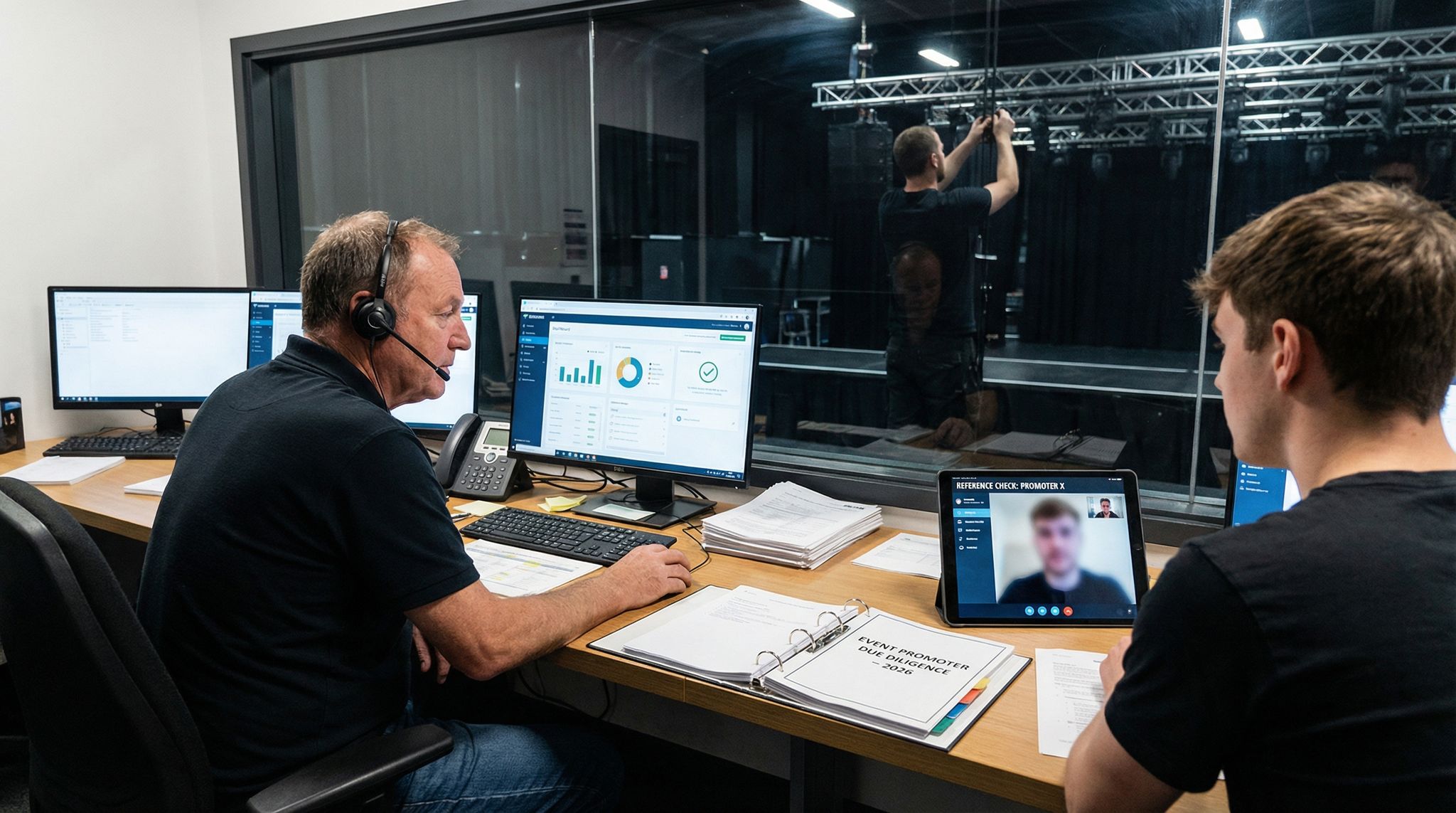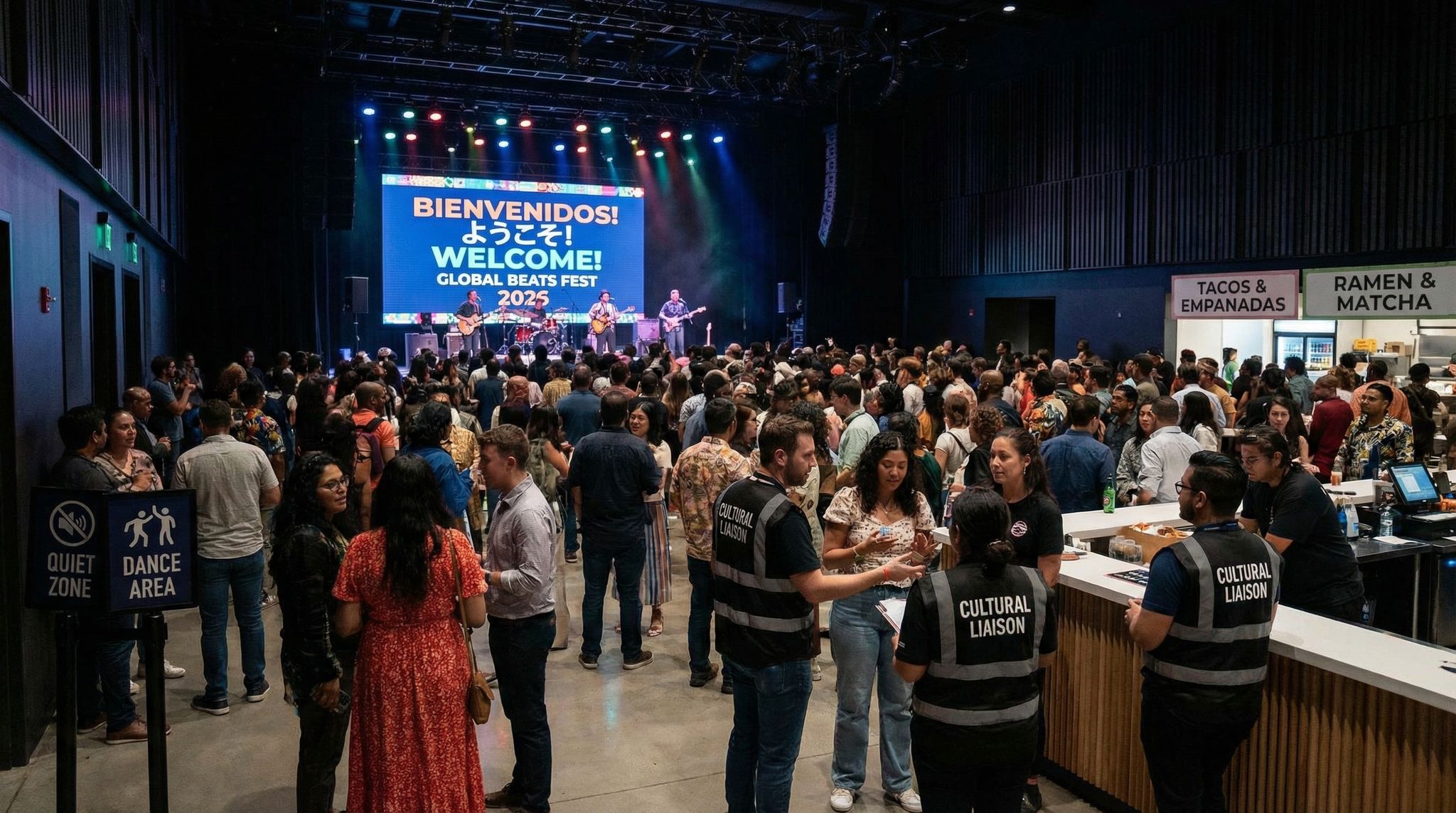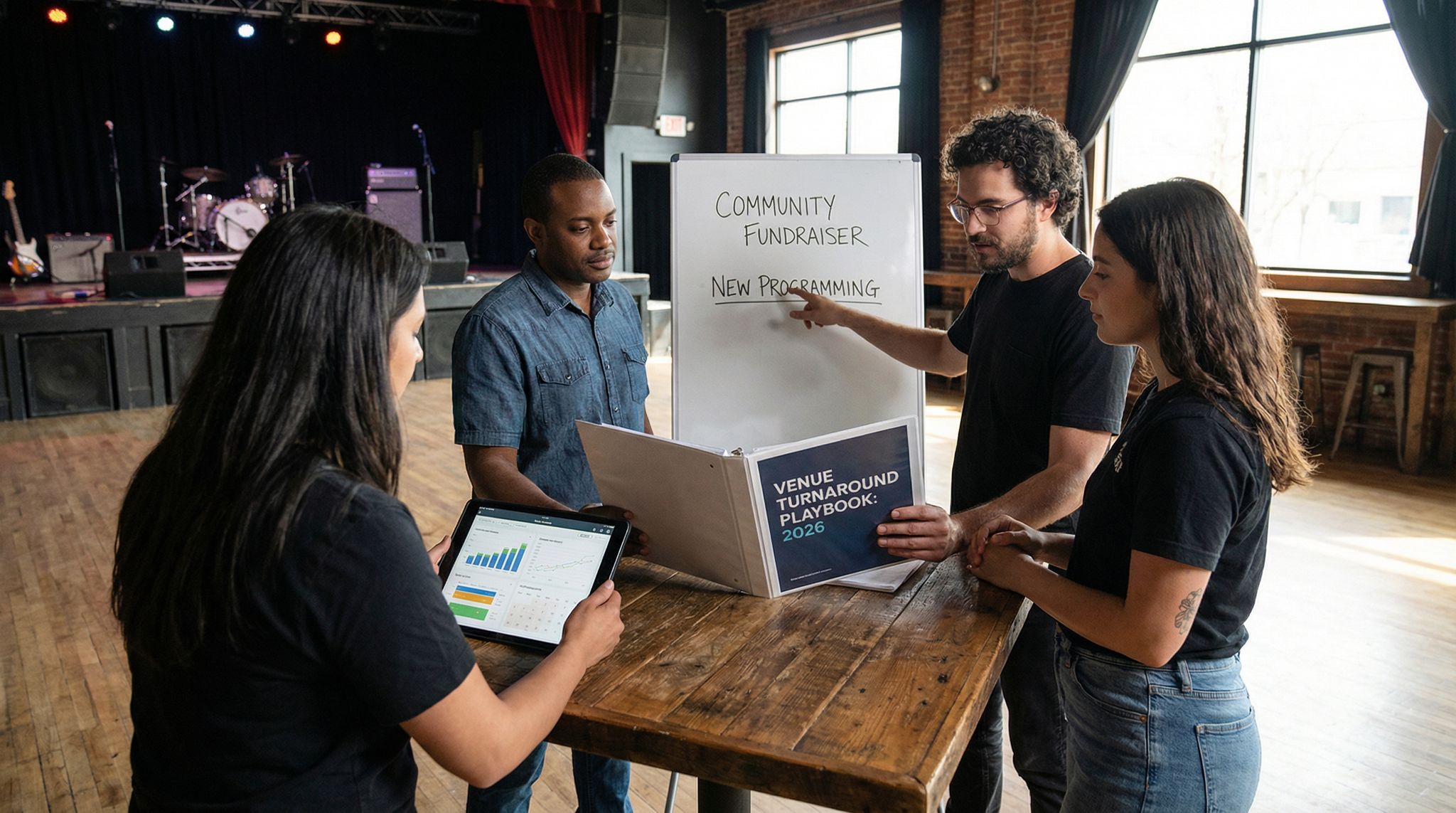
Struggling venues are not alone. Independent clubs, theaters, and arenas worldwide have battled financial crises in recent years. Rising costs, shifting audiences, and pandemic aftershocks pushed even iconic stages to the brink. In the UK, venues’ rent jumped 37.5% while profit margins sank near zero – 16% of grassroots music venues closed in a single year, a disaster facing the sector that demands answers from big companies. Across the U.S., 64% of independent venues weren’t profitable in 2024, according to a study revealing that 64% of independent venues weren’t profitable, despite contributing billions to local economies. These statistics are sobering, but they also underline why turnaround strategies are urgent. The good news? Many venues have come back from near-closure by fundamentally rethinking operations and rallying support. This hands-on guide shares those hard-won strategies – from emergency budgeting and contract renegotiation to creative programming pivots and community fundraisers – all illustrated with real examples of venues that survived.
Experienced venue managers emphasize that saving a venue requires both courage and a clear plan. Identifying common pitfalls explaining why venues fail is the first step. With a strategic approach and community-minded thinking, even a venue on the brink can transform into a sustainable, thriving space. Let’s break down the turnaround playbook, step by step, to help venue operators worldwide pull their beloved stages back from the edge and onto a stable path in 2026.
Triaging the Crisis: Assessing Damage & Immediate Action
When a venue is in crisis, time is of the essence. The first step is an unflinching assessment of the situation. Venue operators must identify where the bleeding is worst – be it financial losses, operational breakdowns, or reputational hits – and take immediate steps to stabilize. This “triage” phase is about buying time and preventing irreversible damage while a longer-term plan is formed.
Diagnosing Financial and Operational Health
A turnaround begins with knowing exactly how bad things are. Savvy venue managers start by opening up the books and operational reports to diagnose the problems:
Turn Fans Into Your Marketing Team
Ticket Fairy's built-in referral rewards system incentivizes attendees to share your event, delivering 15-25% sales boosts and 30x ROI vs paid ads.
- Cash Flow Check: Calculate current cash on hand and how many weeks of operations it can cover. Identify any upcoming big expenses (rent, taxes, loan payments) that could trigger a crisis if not met. This reveals the runway left before drastic action (or closure) becomes unavoidable.
- P&L Deep Dive: Review profit-and-loss statements for the past 6-12 months. Look for negative trends – for example, bar revenue down 20% quarter-over-quarter, or production costs per show rising sharply. Pinpointing these trends helps target the biggest problem areas first.
- Event Data & Feedback: Examine recent event reports, attendance numbers, and customer feedback. Are certain nights consistently losing money due to low ticket sales or high staff costs? Are you seeing repeated complaints about sound, staff, or other issues driving patrons away? Identifying patterns (like poor mid-week turnout or bar lines hurting sales) focuses your efforts on fixes that matter.
- Compliance Status: Check if any safety or licensing issues are looming. A venue already in crisis can’t afford a code violation fine or a liquor license suspension on top of everything. For example, if noise complaints are piling up, you must act now to avoid a shutdown by authorities, as seen in a recent resolution regarding noise levels exceeding city limits.
By the end of this diagnostic step, you should have a clear map of where you’re losing money or goodwill. Many experienced operators literally create a crisis checklist – listing each problem and its impact – to prioritize what to tackle first. This level of honest assessment might be painful, but it turns confusion into a concrete to-do list. Veteran venue managers know that you can’t fix what you haven’t identified.
Stopping the Bleeding: Immediate Cost Freezes and Safety Nets
With an assessment in hand, the next move is emergency action to halt the bleeding. This often means making tough decisions to reduce expenses and secure short-term liquidity. Key immediate steps include:
Ready to Sell Tickets?
Create professional event pages with built-in payment processing, marketing tools, and real-time analytics.
- Freeze Non-Essential Spending: Immediately pause any expenses not critical to keeping doors open. This could mean postponing a planned equipment upgrade, pausing high-cost marketing campaigns, or deferring renovations. Every dollar saved extends your runway. For instance, one U.K. theatre in crisis halted a lobby refurbishment mid-project – an unpopular move, but it freed up cash to pay pressing bills.
- Trim Operating Hours: If certain nights or hours are consistently unprofitable, consider temporarily reducing them. Running fewer events or shorter bar hours can cut variable costs (staff, utilities) while you regroup. It’s better to have a dark night than to lose money on an open one. Just communicate clearly with patrons that it’s a temporary schedule adjustment, not the end of the venue.
- Tap Emergency Funds or Credit: Bridge financing can be a lifesaver if available. Draw on rainy-day reserve funds if any remain (this is exactly what those reserves are for). Alternatively, extend lines of credit or credit cards to cover payroll and vital bills in the very short term – but be cautious, as this increases debt. Some venues have asked loyal investors or well-off friends for a short-term loan to cover a crucial month; pride aside, keeping the lights on by any lawful means is the priority in an emergency.
- Secure Key Supplies: Ensure you won’t get shut down for an easily preventable reason. Order enough critical supplies (e.g. liquor if you have a big revenue-driving event coming, or essential safety equipment) so you don’t run out when you can least afford it. Likewise, if your point-of-sale system subscription is lapsing, renew it – you can’t afford your bar registers freezing during a show.
These measures are akin to first aid – they stabilize the patient (your venue) to buy time. For example, when a beloved venue faced a sudden cash crunch, the owner immediately negotiated a one-month grace period on rent and cut back to weekend shows only. This reduced costs for that month by over 40%, giving breathing room to craft a bigger turnaround plan. Think of it as putting a tourniquet on the biggest wound: staunch the flow of red ink wherever you can in the short term, without completely crippling your operations.
Rallying the Troops: Transparent Communication
In a crisis, honesty and communication are powerful tools. Once you’ve taken some immediate actions, it’s critical to communicate with those who have a stake in the venue’s survival:
- Staff: Let your team know the situation in clear, factual terms before the rumor mill fills in the blanks. Staff are likely already sensing the trouble (half-empty shows, budget cuts) and uncertainty kills morale. Explain that things are tough but you have a plan. Engage them in solutions – frontline employees often have ideas for saving money or boosting revenue (they see nightly waste or opportunities you might miss). Above all, assure them that their safety and fair treatment remain priorities, even as belts tighten. This honesty can rally loyal staff to go the extra mile during tough times.
- Promoters/Partners: If you work with external promoters, sponsors, or investors, bring them into the loop early. Rather than quietly canceling shows or cutting back on agreed marketing (damaging those relationships), have a frank discussion. Many promoters would rather adjust deal terms or help with marketing than see a venue go under and lose a city on their circuit. Propose solutions: perhaps a promoter can temporarily waive a venue fee or adjust a guarantee, in exchange for a better split down the line or added shows when you rebound.
- Customers and Community: Decide how public to be with your patrons about the venue’s struggles. In many cases, transparency breeds goodwill. Some venues post a sincere message on social media or their website acknowledging challenges and thanking fans for support. Without outright begging, you can hint that now is the time to attend a show, grab a drink, or tell a friend – as every bit of support counts. True music fans and local communities often respond with an outpouring of love when a favorite venue is in trouble, but they need to know.
A great example of transparent communication came from an indie club in Oregon that was on the brink. The owner held a “state of the venue” town hall with regulars and local music lovers to explain the financial pinch. Not only did this quell rumors, it led to volunteers offering help (one fan was an accountant who offered to review the books for free). When stakeholders understand the situation, they’re more likely to become allies in the turnaround rather than bystanders or, worse, sources of negative speculation.
Avoiding Panic Moves
Amid the chaos of a venue crisis, it’s tempting to make drastic moves out of panic. Seasoned operators caution against certain knee-jerk reactions that often do more harm than good:
Data-Driven Event Marketing
Track ticket sales, demographics, marketing ROI, and social reach in real time. Exportable reports give you the insights to make smarter decisions.
- Don’t Gut Core Services: Cutting costs is crucial, but avoid “race to the bottom” cuts that ruin the customer experience. Slashing security or sound engineers to bare bones might save a few bucks now, but one ugly safety incident or terrible-sounding show can permanently drive away patrons (or even get you shut down). Balance savings with minimum quality and safety standards – you still need to deliver a show people want to attend.
- Don’t Book Unsuitable Acts for Quick Cash: When desperate, a venue might book any act that guarantees a fee, even if it doesn’t fit the venue’s brand or brings crowd trouble. This can backfire badly. One historic venue’s management recalls nearly booking a controversial act known for rowdy crowds, hoping for a sellout payday – but regular patrons made clear it would tarnish the venue’s reputation. They pulled back just in time. The short-term gain isn’t worth long-term damage to your venue’s identity and loyal audience trust.
- Don’t Abandon Your Post: High-pressure turnarounds are exhausting, but leadership needs to be more present than ever. Owners should resist the urge to hide or take frustration out on staff or customers. Maintaining professionalism and visibility (working the floor, thanking guests, steadying your team) keeps morale up and projects stability. Panic is contagious – if the venue operator looks like they’ve given up, everyone else will too.
In triage mode, take bold action to stabilize, but always with an eye on not undermining the very things that make your venue worth saving. As one veteran operator put it: “Save money on paper goods, not on papering over safety issues.” With the immediate crisis triaged, you can now move on to rebuilding the foundation.
Overhauling Finances: Budget Reboots and Cost Control
With the immediate free-fall halted, the next step of a turnaround is to stabilize the finances for the medium and long term. This means fundamentally reworking your budget, cutting costs smartly, and renegotiating major financial commitments. Venues that survive crises often emerge with leaner, smarter cost structures and data-driven financial plans. A famous saying in venue management is, “You can’t cut your way to growth, but you must cut waste to survive.” In this section, we focus on resetting the financial foundation of a struggling venue.
Grow Your Events
Leverage referral marketing, social sharing incentives, and audience insights to sell more tickets.
Financial Audit: Line-by-Line and Data-Driven
Start with a comprehensive financial audit of your venue’s operations. This is more detailed than the quick triage check – it’s a line-by-line dissection of every expense and revenue source, using data to guide decisions. Key steps include:
- Identify Your Fixed vs. Variable Costs: List out fixed costs (rent or mortgage, salaried staff, insurance, permits) that hit the books regardless of how many shows you do. Then list variable costs (hourly staff, artist fees, utilities, bar stock) that scale with events. This clarity is crucial. For example, if fixed costs are an outsized portion of your budget, you might need to renegotiate leases or consider new revenue to cover that baseline. If variable costs are high per show, you’ll focus on making each event more profitable.
- Use Data, Not Guesswork: Leverage tools and reports to forecast finances rather than gut feelings. Modern venue operators use data-driven budgeting techniques, such as the collective efforts to save venues from closure, to project different scenarios (best-case, worst-case). For instance, use your historical ticketing data and market trends to forecast realistic attendance for each show, rather than overestimating and overspending. Many top venues in 2026 are embracing data-driven financial planning methods to predict revenue and control costs with greater accuracy. Revisit your pre-Crisis budget with fresh eyes and updated assumptions reflecting current realities (e.g., maybe you anticipated 80% attendance but now see 60%; adjust all related costs accordingly).
- Calculate Per-Event Profitability: Break down recent events to the per-show level. For each concert or night, calculate total revenue (tickets + bar + other) minus all direct costs (artist fee, extra staffing, marketing for that show). This analysis often reveals surprises – you might find that those monthly niche genre nights barely break even once you count the dedicated marketing spend, whereas a lower-profile local band night actually made money because their costs were low. Armed with this, you can favor more profitable event types in the future and cut those that consistently lose money.
- Audit Vendor and Service Contracts: Gather all recurring bills (sound and lighting gear rental contracts, cleaning services, ticketing platform fees, etc.). Check if you’re actually using what you pay for. A venue discovered it was still paying for a fog machine service contract long after it stopped using fog effects. Such waste hides in long-term contracts. Also, benchmark these costs – are you paying above market rate for any service? If so, flag it for renegotiation or replacement.
This audit phase transforms the abstract goal of “cutting costs” into a concrete map of where to cut or restructure. It might be eye-opening – perhaps you realize your labour costs are 35% of budget when they should be nearer 25% for a venue your size, or that your promotional spending doubled in the past year with little return. One veteran consultant notes that experienced venue operators routinely perform a budget autopsy on failed venues to learn what not to do, and performing a budget autopsy on failed venues is a critical exercise. Now, you’re doing it on your own venue (before it fails) to learn exactly where money is being made or lost.
To ensure your audit is grounded in reality, compare your findings against broader industry benchmarks. Reviewing resources like a market enginuity profit margin financials 2026 report can reveal whether your bar costs or staffing ratios are out of step with current national averages, giving you a clear target for your restructuring efforts.
Budget Reboot: Building a Leaner, Realistic Plan
Armed with audit insights, the next step is to rebuild your budget from scratch, focusing on lean operations and realistic revenue projections. Think of this as designing a new business model for your venue that can survive current conditions. Key principles for a turnaround budget include:
- Base It on Actuals: Use the data from your audit to set budget line items grounded in reality. If your analysis shows average bar spend per head is $12, don’t fantasize it’ll suddenly be $20 – budget for $12 and find ways to improve it (which we’ll cover later). Similarly, set artist fee budgets in line with your typical show revenue; if you historically gross $5,000 on a weeknight, you can’t keep paying $5,000 guarantees and hope for profit.
- Account for All Costs (No Black Holes): Ensure your new budget includes previously overlooked expenses such as equipment maintenance, credit card fees, or the “free” guestlist tickets you promise (those cost you potential revenue). Many venues end up in crisis due to neglecting these small but cumulatively significant costs. A thorough budget assigns every dollar a job; nothing is left untracked.
- Prioritize High-Impact Expenses: Allocate budget to areas that directly drive revenue or are legally essential, and trim the rest. For example, it’s worth spending on a skilled sound technician if it ensures bands want to play your venue (and fans love the sound) – that drives revenue. But maybe you cut back on decorative fresh flowers in the lobby or an excessive VIP catering spread that doesn’t impact most attendees’ experience. Need-to-have vs nice-to-have is the mindset. One music hall operator reallocated 5% of his budget from weekly DJ talent (which wasn’t drawing crowds) to upgrading the venue’s website and online marketing – a move that yielded a measurable uptick in ticket sales.
- Contingency Planning: A crisis budget still needs a small contingency or emergency fund line. It may sound crazy to add an expense in a turnaround, but planning a cushion (even just 2-3% of budget) for unforeseen hits is wise. If you run razor-thin with no contingency, the first unexpected expense (a broken AC repair) could derail everything. Treat the contingency as untouchable except for true emergencies.
When resetting the budget, consider using a simple table of your major expense categories, their typical share of budget, and the new strategy for each. For example:
| Expense Category | Approx. % of Budget | Turnaround Strategy |
|---|---|---|
| Rent / Mortgage | 20–30% | Renegotiate lease for short-term relief or partial deferral; explore tax credits for historic/cultural venues if applicable. |
| Staff Wages & Benefits | 25–35% | Optimize scheduling (match staff to demand); cross-train employees for multiple roles; trim overtime by adjusting hours; consider temporary pay cuts for management (with future incentives). |
| Artist Fees & Production | 15–25% | Rebalance bookings – mix in more local acts (lower fees) alongside occasional big draws; negotiate co-promotion deals where artists take a door split instead of high guarantees; streamline production requests to essentials only on struggling shows. |
| Utilities & Maintenance | 10–15% | Invest in quick wins like LED lighting and smart thermostats to cut energy bills; perform preventative maintenance now to avoid costlier breakdowns later; inquire about energy efficiency grants. |
| Marketing & Promotion | 5–10% | Shift to low-cost digital marketing (social media, email campaigns) which your team can handle in-house; leverage free publicity (listings, local press, community calendars); focus spend on proven channels and pause the rest. |
| Insurance & Licensing | 5–10% | Shop around for better insurance rates (ensure coverage is still solid); take advantage of any industry group plans. Keep all licenses current to avoid fines – it’s cheaper to comply than to pay penalties. |
Your numbers may vary, but the key is the third column: for each major cost area, implement a clear strategy to control or reduce it. Notice none of these say “eliminate completely” – instead it’s about running lean, not bare-bones. For example, you still market your events, but more intelligently and frugally than before.
This zero-based budgeting approach (re-justifying every expense) often yields immediate savings. Managers at one venue discovered through this exercise that they could save 15% on utilities simply by negotiating a better rate with their energy provider and scheduling HVAC more tightly around event times. Another venue cut annual marketing costs by $10,000 by dropping old print ads and focusing on social media – with no drop in attendance. These are exactly the kind of wins a turnaround budget aims for: multiple small-medium savings that together dramatically lower your break-even point.
Renegotiating and Restructuring Obligations
For many venues, big fixed obligations like leases, loans, or long-term vendor contracts are the toughest barriers to survival. Renegotiating these can provide critical relief – possibly the difference between closing and persevering. Approach each major obligation and see if there’s an opportunity to restructure terms:
- Lease/Rent: Open a dialogue with your landlord as early as possible. Landlords would often rather keep a tenant (even at a temporarily reduced rent) than see the space empty or the tenant default. Propose a temporary rent reduction or deferral during your turnaround period. Bring evidence – show the steps you’re taking to improve the venue’s finances and how a bit of rent flexibility will ensure you stay a long-term tenant. Many landlords granted rent abatements or forgiving a few months during COVID; in 2026 they might not offer outright forgiveness, but they might extend your term and spread a few months’ rent over later years. Example: Paris’s historic La Clef cinema secured a €550k price reduction from its owner when negotiating a buyout, precisely because the seller recognized the venue needed funds for renovation, and ultimately the collective-run Paris cinema La Clef was saved from closure. Use any leverage – if your venue is historic or a key part of a nightlife district, emphasize that value.
- Loans and Debt: If you have outstanding loans, talk to your lenders about restructuring. Small business lenders and even some city loan programs may extend maturities or allow interest-only periods temporarily. The key is to ask before you miss payments. Outline your turnaround plan to show you are taking responsibility. If traditional banks won’t budge and you’re truly in a crunch, you might consider refinancing with alternative lenders or even community crowdfunding loans (where fans essentially lend to the venue). Some venues have refinanced high-interest debt through fan loans at lower rates – formalized via legal crowdfunding platforms – turning their supporters into micro-lenders with the promise of payback once business improves.
- Vendor Contracts: For any service contracts (cleaning, security agencies, equipment leases), attempt to negotiate shorter-term cost reductions. Perhaps your cleaning service can downgrade from a daily to a 3-days-a-week schedule, or the sound equipment rental company can give you an off-peak discount if most of your shows are weekdays. You can also bid out contracts to see if a competitor offers a lower price – use that as leverage with your current vendors. Long-standing partners might prefer to keep you at a discount than lose the business entirely.
- Artist Guarantees: If your crisis is severe, you might even renegotiate some upcoming show contracts with artists or promoters. This is delicate – you don’t want to burn bridges – but sometimes explaining the situation and switching a flat guarantee to a door deal (where the artist gets a percentage of ticket sales) can reduce your risk. The artist might agree if the alternative is a canceled show or a venue closure. When a headliner cancelled 48 hours before a sold-out show at one venue, the management convinced the replacement act to accept a percentage deal given the circumstances – it preserved the event and both sides shared the reduced proceeds rather than the venue eating a huge loss.
Every dollar of relief you secure through negotiation is one you don’t have to scrape up elsewhere. Even a modest win – like 10% off rent for six months or a deferred loan payment – can improve cash flow during the critical turnaround window. Treat these negotiations professionally, come prepared with data and a backup plan, and don’t be ashamed to ask for help. As the saying goes, “If you don’t ask, you don’t get.” The worst they can say is no; the best could literally save your venue.
Finding Financial Lifelines (Grants, Funds & Sponsors)
In 2026, outside funding and grants remain a vital lifeline for struggling venues. While pandemic-era relief funds (like the U.S. Save Our Stages act) have passed, new programs and creative funding sources have emerged. Venue operators pulling back from the brink often piece together support from various places:
- Local and National Grants: Investigate live music or arts grants in your country or region. In the U.S., this might mean National Endowment for the Arts grants or state arts council programs that could fund specific upgrades or programming. In the U.K., Arts Council England has project grants that venues can tap for certain shows or community initiatives, and some local councils offer cultural grants or relief on business rates for live music venues. For example, Arts Council England’s Emergency Response Funds and subsequent culture recovery grants saved many theatres in 2020-21; while those were one-offs, ongoing grants for programming still exist. Australia and European countries often have government-backed live music support – e.g., Germany’s Initiative Musik offers funding (like the Live 500 program underwriting artist fees for small venues). Research and apply – the paperwork is worth it if you land a $20,000 grant to underwrite local artist bookings for a year.
- Industry and Association Programs: Leverage organizations like the National Independent Venue Association (NIVA) in the U.S. or the Music Venue Trust (MVT) in the U.K. These exist to help venues exactly in your situation. NIVA has been working on federal and state programs to aid venues; in one state, NIVA members helped create a live music fund through the legislature, joining other state organizations supporting nightlife economies. MVT in the U.K. offers the Pipeline Investment Fund which gives small grants (in 2022 it gave £5k-£10k grants to dozens of indie venues for repairs and improvements). Being a member of these associations also connects you to an invaluable network of peers who share advice and sometimes resources.
- Corporate Sponsorships: Consider approaching brands for sponsorship deals. Not every venue will land a huge corporate patron, but think locally and relevant. Breweries, beverage companies, or local tech firms often sponsor events or venues as marketing – they might fund a stage renovation, new sound gear, or an entire season in exchange for branding and promotion. Legendary Example: London’s 100 Club was rescued from closure when Converse stepped in with a sponsorship deal, proving that the 100 Club was saved from closure through strategic partnership. Similarly, a regional theater might get a local bank to sponsor its summer concert series in return for ads and hospitality perks. Create a proposal highlighting your venue’s audience (demographics, loyalty) and how a sponsor benefits from associating with you (brand visibility, goodwill for saving a community venue). Even a one-off sponsored event or limited-time brand partnership can provide a chunk of revenue or cost savings.
- Crowdfunding & Donations: We’ll delve deeper into community-driven efforts later, but as a financial planning point – gauge how much you can realistically raise from supporters. Some venues have launched successful crowdfunding campaigns selling memberships, “buy a brick” naming rights, or simply accepting donations. For instance, when Nashville’s beloved Drkmttr club was on the verge of shutting down, fans and the Music Venue Alliance Nashville raised $15,000 to keep it going, ensuring the independent music venue Drkmttr reached its fundraising goal. If you anticipate a shortfall of a certain size even after cuts and negotiations, crowdfunding can fill that gap if you have a strong community of supporters.
The goal of these financial lifelines is to augment your turnaround plan with new revenue or cost relief that doesn’t come from regular operations. Essentially, you’re patching the holes in the boat not just with internal fixes but also external support. Smart venue operators in crisis mode will assemble a “financing plan” alongside the budget, listing potential grants, sponsors, and other relief and actively pursuing each. You don’t want to assume rescue money will magically appear – you must seek it out – but you also shouldn’t leave any stone unturned when your venue’s survival is on the line.
Reviving Revenue: Every Dollar Counts (in New Ways)
Cost cutting alone won’t save a venue; you also need to bring revenue back up. After stabilizing finances, the focus shifts to rebuilding and diversifying income streams. The live events landscape in 2026 offers more ways than ever to monetize experiences – and struggling venues must tap into these creatively. This section explores how to get more dollars through the door (and from each guest) through smart strategies in ticket sales, programming, on-site sales, and new revenue channels.
Optimizing Ticket Sales and Pricing Strategies
Tickets are the lifeblood of venue revenue, but in tough times simply hoping to sell more at the same price might not cut it. Instead, consider strategic pricing and sales tactics to maximize ticket income:
- Dynamic Promotions (Not Dynamic Pricing): While some big arenas use controversial dynamic pricing algorithms that surge prices (often angering fans), an independent venue’s strength is its community goodwill. Rather than gouging, use dynamic promotions: offer time-limited early bird discounts to spur early sales (improving your cash flow and event forecasting) or bundle tickets (e.g., “buy 3, get 1 free” group deals) to encourage attendees to bring friends. These tactics fill the room and create buzz without alienating your base. For example, a mid-sized venue in California started offering a limited number of $5 early-bird tickets for weeknight shows that were struggling – it significantly boosted presales and often those buyers brought others who paid full price later.
- Tiered Experiences: Introduce VIP or premium ticket options even at small venues. Many fans will pay a bit more for a special experience. Could you offer a $10 upgrade for a meet-and-greet with a local band, a reserved table, or a commemorative poster? It’s incremental revenue at very little extra cost to you. During a turnaround, monetizing the super-fans who are willing to support the venue can bring in precious dollars. Just be sure to deliver a value that feels worth it. Just ensure the perks don’t cost more to provide than they bring in!
- Reduce Comp Tickets: Re-examine your guest list and comp policies. In good times, venues might give away lots of free entry to friends, influencers, etc., hoping to build goodwill or fill space. In a crisis, tighten this up. Every person through the door should ideally be a paid ticket (or at least buying drinks). You can still comp important industry or media folks, but set a small fixed allotment per show and stick to it. If you need bodies in the room, use last-minute discount offers to the public rather than freebies – at least you cover costs that way.
- Leverage Ticketing Data: Use your ticketing platform’s analytics to identify sales patterns and opportunities. For instance, if data shows most tickets sell in the last 3 days before an event, you might implement flash sales a week out to try and pull some of that forward. If certain genres consistently have higher no-show rates (people buy but don’t attend), maybe shift more sales to door for those or send reminder emails to boost attendance (so they come and spend on drinks). Modern ticketing systems, like the platform provided by Ticket Fairy, offer insights on demographics and buying behavior – digging into that data can uncover audience segments you haven’t fully tapped. Perhaps you discover, for example, that students buy late but in big groups – then you craft a special student group discount to drive volume.
When diagnosing the core reasons for low ticket sales in 2026, venue operators must look beyond simple pricing. Often, the root cause is a mismatch between programming and shifting local demographics, or a failure to communicate the unique value of the live experience compared to at-home entertainment. By analyzing drop-off points in the ticketing funnel and surveying lapsed attendees, promoters can pinpoint exactly why conversions are stalling and adjust their marketing mix accordingly.
The big picture is to treat ticketing strategically, not passively. During a turnaround, your goal should be to maximize both the number of tickets sold and the effective yield per ticket (through upsells or reducing unnecessary discounts). A modest increase in average ticket revenue – say $2 more per attendee via upsells or fewer comps – multiplied by thousands of attendees a year can substantially improve your bottom line. Just be careful to implement changes in a fan-friendly way and communicate any new offerings or policies clearly to avoid confusion.
Boosting On-Site Spending: Bar, Food & Merch
For many venues, on-site spending (at the bar, concessions, or merchandise table) is the real profit center, often making the difference between a loss and a profitable night. In lean times, it’s crucial to squeeze as much revenue as possible from each visitor in the venue – without making them feel squeezed. Veteran venue operators often say “the show pays the bills, but the bar is profit.” Here’s how to maximize those earnings:
- Streamline Service to Sell More: Long bar lines or slow service kill revenue – people give up on that second drink or leave early. To counter this, implement tactics from the playbook of cutting wait times to boost sales. This could mean adding a temporary bar station during peak rush, using a mobile ordering system (so patrons order from their phone and just pick up), or pre-batching popular cocktails for quick serve. Some venues have staff roam with coolers of beer cans for cash sales in the crowd – every extra point of sale helps. The result is higher drink-per-head numbers. If your average spend is $15 per guest now, shaving wait times could push it to $18+ simply because people can buy that extra beer before last call.
- Offer High-Margin, Appealing Options: Audit your menu and products to focus on items with strong profit margins. For drinks, this might mean promoting creative cocktails (high margin) or specialty local brews that you can price a bit higher due to uniqueness. Consider introducing zero-proof cocktails or specialty coffees for under-21 or non-drinkers – not only does this boost inclusivity, but these can have great margins as well, a strategy seen in venues serving all ages and sober communities. For food, if you have a kitchen or concession, emphasize items that are inexpensive to make but crowd-pleasing. Even something as simple as gourmet popcorn or loaded fries can have a low food cost and high perceived value. Monitor what sells and ditch poor performers. Also, adjust portion sizes or prices if needed – would people pay $1 more for the famous nachos if you add a bit more topping? Likely yes, and that’s pure margin.
- Merchandise and Memorabilia: If you’re not already getting a cut of artist merch sales, consider negotiating it (fairly). Many venues take around 10–20% of merchandise sales in exchange for providing the selling space and crowd. Make sure this is in your booking contracts and communicated to artists in advance to avoid conflict. It’s not greedy – it’s industry standard and helps cover your costs. In addition, develop your venue’s own merchandise if you haven’t: T-shirts, hats, posters of past legendary shows. Venue-branded merch can create a small but meaningful revenue stream at high margins. One independent venue sold a limited-run poster of an artist’s first show there once the artist became famous – fans and memorabilia collectors snapped it up, netting the venue a few thousand dollars in a pinch. Be creative: maybe people want a pint glass with your venue logo, or a “membership” lanyard that actually is just a collectible.
- Incentivize Spending: During the turnaround phase, implement subtle promotions to encourage more spending per head. For example, offer a happy hour when doors open – early attendees get $2 off drinks for the first hour. This gets people in earlier (more total time to buy stuff) and feeling good about a deal, often leading them to spend more overall. Another idea: bundle items, like a “merch + drink” combo at a slight discount. Or run contest giveaways (enter by buying a drink or merch item) to gamify spending. One venue did a promotion where anyone who bought a t-shirt on a certain night got entered in a drawing for free concert tickets – merch sales tripled that night. Use creativity to make spending fun and rewarded.
To visualize how crucial on-site spending is, consider the typical breakdown and profit margins of venue revenue streams:
| Revenue Stream | Typical Share | Profit Margin | Notes |
|---|---|---|---|
| Ticket Sales | 40–60% of income | Low to Moderate (net often < 10% after artist payouts) | Vital for covering base costs and artist fees, but slim profit – volume matters. Excellent marketing and booking drive this. |
| Bar & Beverages | 20–50% of income | High (60–80% gross margin on drinks) | Key profit center. A $15 per cap spend at 70% margin can out-earn ticket profit. Focus on popular high-margin drinks and speedy service to maximize. |
| Food Concessions | 0–15% (if offered) | Moderate (~30–50% margin) | Nice bonus if you have it. Keep menu efficient. Can increase dwell time (people stay longer if food is available, meaning more drinks too). |
| Merch Cut & Venue Merch | 5–10% | Moderate to High | If taking ~15% of artist merch sales, that’s almost pure profit. Venue-branded merch can be high-margin after recouping production cost. Push merch for additional income. |
| Private Event Rentals | 0–15% (varies) | High (mostly profit) | Rentals (corporate events, parties) on off-nights bring in lump sum fees with relatively low incremental cost. Great for cash infusions if you can book them. |
| Sponsorships | 0–10% | High (direct profit) | Sponsorship dollars go straight to bottom line, but require effort to secure. Even a small local sponsorship (a few thousand) can underwrite costs of an event or improvement. |
Every venue is different, but the above table shows why boosting bar sales and other high-margin areas is often the quickest path to improved cash flow. You might not be able to double ticket sales in a crisis, but you can implement changes that get each existing attendee to spend a bit more on site. As one operator succinctly put it: “We realized we were effectively a bar that hosts concerts, not a concert hall that has a bar.” That mindset shift led them to revamp their drink menu, add a second bar station, and promote drink specials – increasing average F&B spend by 25%. Those dollars helped fund other turnaround efforts.
Adding New Revenue Streams (Think Outside the Stage)
When traditional revenue isn’t enough, successful turnarounds often involve introducing entirely new income streams. This can both bring in extra cash and broaden your venue’s appeal. Here are some ideas venues have used to generate fresh revenue during recoveries:
- Venue Rentals & Alternate Events: If your schedule has open nights, monetize them. Market your venue for private events: corporate functions, product launches, video shoots, weddings, esports tournaments – anything your space can accommodate. Even a handful of rentals a year can be a financial boon. One small theatre started renting out for daytime corporate meetings (projector and Wi-Fi included) and was able to cover its monthly utilities from just a couple of rentals. Also consider alternate public events: trivia or bingo nights, movie nights, community theater, etc., on traditionally slow days. These might draw a different crowd and incremental bar revenue without the cost of big artist fees.
- Workshops and Classes: Is there daylight availability to use the venue for educational purposes? Perhaps local music schools or dance instructors would rent it in off-hours for workshops. Some venues have run their own programs – teaching sound engineering basics, hosting “rock camp” for kids on weekends, etc. – utilizing staff talents to earn extra income and foster goodwill. It may not be huge money, but every bit helps (and it’s another way to engage the community).
- Hybrid and Streaming Content: The pandemic pushed venues to experiment with live streaming shows. In 2026, hybrid events (in-person + online) can still create value. You can sell virtual tickets or accept donations from remote viewers who can’t attend physically. This works best for special events or unique performances that have broad interest. For example, a jazz club in Chicago started streaming one show a week internationally for a $5 online ticket – it attracted a small but steady audience abroad and now brings in a few hundred extra dollars each stream. Consider also monetizing content after the fact: recordings of great shows could be sold or used to promote future events. The key is to turn virtual audiences into real revenue by treating online viewers as another customer segment, as explored in guides on hybrid event monetization strategies.
- Memberships or Subscriptions: Some venues have had success with membership programs – fans pay a monthly or annual fee for perks like priority access, free coat check, or a members-only bar line. This generates upfront cash and incentivizes loyalty. For instance, a venue might offer a $150 annual membership that includes one free show ticket per month plus other perks; if even 100 people sign up, that’s $15k in the bank and likely those members will attend more frequently (spending on drinks each time). These programs essentially tap your super-fans for support in exchange for VIP treatment and can help smooth cash flow during off-peak months.
- Merchandise Collaborations: Beyond your own merch, think about collaborating with artists or local designers on limited-edition items sold exclusively at your venue. Splitting profits with an artist on a unique T-shirt or live album recorded at your venue not only generates revenue but also marketing buzz. People love exclusive items, and it’s a win-win: the artist gets promotion or a cut, the venue gets a cut and draws people in to buy the item.
When launching a membership program to supplement these activities, the most successful venues treat it as an exclusive community rather than just a discount club. Offering early access to high-demand shows, dedicated communication channels, and input on future bookings can make the subscription feel indispensable to your core audience.
Adding new revenue streams does require effort and sometimes small investments (e.g., equipment for streaming or staff time to manage rentals). So prioritize ideas that fit your venue’s capabilities and have decent profit potential. A pragmatic approach is to pilot one idea at a time: try a couple of streaming events, or launch a membership on a limited basis, and see what sticks. The venues that thrive post-crisis are often those that emerge with a more diversified business – not solely relying on the traditional one-show, one-crowd model, but an array of activities that collectively bolster the bottom line.
Marketing on a Shoestring: Rebuilding Attendance
Even with great programming and more revenue avenues, you won’t recover if people don’t know about your venue’s events or have a reason to come. Marketing budgets might be slim in a crisis, but effective promotion is still possible through creativity and community engagement:
- Leverage Free and Earned Media: Make the most of free channels – your social media, email newsletters, and community event listings. Increase posting frequency and ensure every event is being talked about. Share behind-the-scenes stories of the turnaround (audiences love a comeback narrative). Local media often likes human-interest angles – pitch your story to local newspapers, radio, or bloggers: “Historic venue fights to keep music alive” can get you a feature that reaches thousands at no cost. Every bit of press can translate to ticket sales.
- Cross-Promote with Others: Partner with local businesses and other event organizers to cross-promote. Maybe a nearby restaurant offers a “show night special” for your ticket holders (they benefit from your crowd, you benefit from their patrons hearing about the show). Or exchange promo with another venue or festival – each pushes the other’s upcoming events to their audience, expanding reach. If you run multiple venues or events, use cross-event promotion tactics to turn one event’s audience into the next event’s buyers (flyers at shows, discount codes for attending one event and buying another, etc.).
- Re-engage Lapsed Customers: Dip into your ticketing and mailing list data to find folks who haven’t attended in a while. A personal touch email with a special invite (“We miss you at XYZ Venue – here’s 2-for-1 tickets to any show next month”) can reactivate past supporters. Often, people fall out of habit – a gentle nudge and a deal can bring them back. During one venue’s turnaround, the team personally emailed every customer who hadn’t visited in over a year. The response was heartwarming – many people said they were glad to be invited back and showed up to use their discount, often bringing paying friends along.
- Hype What’s New: Use the changes you’re making as selling points. New craft beer on tap? Upgraded sound system? Genre-diverse programming? Tell the world. Position the venue’s transformation as an exciting evolution. “Under new management” or “Now with improved sound and comfort!” messaging can pique curiosity and signal that if someone had a middling experience in the past, it’s worth giving another try. Just be sure to deliver on the promise.
- Focus on Community and Experience: In marketing, emphasize the experience and the community aspect of your venue. People return to places where they feel a sense of belonging. Highlight fan testimonials, interact on social media (ask followers what local band they want to see, etc.), maybe start a hashtag for your comeback journey (#SaveTheVenue type efforts often rally support). By making your patrons feel part of the venue’s story, you deepen their loyalty. Some venues even publicly thank supporters by name (“shout out to Amy for attending 5 shows this month!”) which encourages others.
Marketing doesn’t always require huge ad spends – it requires consistency, creativity, and outreach. Grassroots tactics can be highly effective when money is tight. One independent venue facing closure launched a simple social media campaign where artists who got their start there shared posts about what the venue meant to them. This organic outpouring reached tens of thousands of fans (far beyond the venue’s own follower list) and resulted in sold-out benefit shows. In a turnaround, let your passion and your community be your marketing force – authenticity resonates more than polished ads when people’s emotional connection to a venue is at stake.
Refreshing Programming: Booking for Breakthrough
When a venue is struggling, sometimes the very content it offers – the shows and events – needs a rethink. Creative programming pivots can reignite audience interest, attract new patrons, and open up revenue opportunities. This doesn’t mean abandoning your venue’s identity, but rather evolving and diversifying it. In 2026, audiences are hungry for fresh and inclusive experiences. Here’s how smart booking and programming choices can pull a venue out of a slump.
Diversifying Event Types and Genres
A common issue for struggling venues is sticking too narrowly to one type of event and exhausting that audience. Expanding your programming can tap entirely new groups of customers:
- Mix Up the Music Genres: If you’ve been known as primarily a rock club, try adding an EDM night, hip-hop showcase, or jazz evening. Or vice versa. Different genres bring different crowds, and you might find there’s an untapped market in your city for certain styles if presented well. For example, a traditionally rock-oriented venue in Seattle started hosting a monthly electronic music DJ night – it brought in a younger crowd and on average those nights met or exceeded the revenue of rock shows, all with minimal promotion since the local EDM community was thirsting for another dance floor. Balance new genres with your core identity (you don’t have to alienate your base), but don’t be afraid to experiment on off-nights with something completely different.
- Incorporate Non-Music Events: Live music may be your mainstay, but consider comedy nights, spoken word, live podcast recordings, indie film screenings, theater or drag performances, etc. These events often occur on weeknights when your stage would be dark, and they can draw folks who might not come to a concert. Many venues have found success with a weekly comedy night – comedians need stages, audiences seek cheap weeknight entertainment, and the bar still sells drinks. One small venue in London credits a Tuesday comedy open-mic for not only bringing in steady bar income but also converting some comedy attendees into weekend concert-goers (now that they’d discovered the space). Variety can energize your calendar and make the venue a hub of arts beyond just concerts.
- Matinees, All-Ages Shows, and Unconventional Schedules: If nighttime crowds are flagging or you want to engage families and younger fans, schedule occasional earlier shows or all-ages events. Saturday or Sunday afternoon mini-festivals, for instance, can draw people who can’t attend late nights (e.g., under-18 fans or older patrons who prefer daylight events). All-ages shows, when done appropriately (mindful of alcohol service rules and security), can cultivate the next generation of customers – teens who fall in love with your venue at a special event will be back when they’re 18+. During the turnaround of one all-ages community venue, they introduced a monthly “Family Jam” series on Sunday afternoons, where local youth bands played and parents could bring kids. It not only brought in revenue but also generated goodwill and local press for serving the community.
- Theme Nights and Experiential Events: Create theme-based events that offer a unique experience. Perhaps a 80s retro night, a costume party concert at Halloween, or a “live band karaoke” night where the audience gets on stage. These can draw crowds not necessarily tied to a specific artist’s fame, because the experience is the selling point. Some venues have done “album tribute” nights where local musicians perform a classic album front-to-back (e.g., Bowie, Beatles) – these often sell out with cross-generational appeal and minimal costs. Themed events can become signature nights that people mark on their calendar. If your revenue needs a boost, one packed theme party can make up for a couple of slow regular shows.
The underlying strategy is to cast a wider net without breaking your brand. You might discover a new niche that consistently performs well. Importantly, diversification also makes you less vulnerable: you’re not relying on one genre or scene that might go cold. As 2026 trends shift, venues that offer a bit of everything – attracting Gen Z and Millennials to concert halls with diverse programming – are proving they can attract Millennials, Gen Z, and beyond. Your venue can remain the place to be, by ensuring it has something for everyone over time.
Elevating Local Talent and Community Content
One cost-effective way to refresh programming is to focus on homegrown talent and community-driven events. These often come with lower costs and built-in local audiences:
- Local Band Showcases: Dedicate a regular slot (say, every Thursday or one weekend night a month) to showcasing local artists. Not only do local acts usually command lower fees (sometimes just a door split or small guarantee), but they also bring their friends, family, and fanbase out – effectively doing a lot of the marketing for you. By investing in homegrown headliners, you cultivate a scene that’s loyal to your venue. Some venues have nurtured local bands from unknowns to regional draws, benefiting immensely when those acts start selling out – often still playing the venue that supported them early. You can even structure it as a contest or series (e.g., a “Battle of the Bands” or a residency where the act with the biggest draw over a few weeks gets a prime weekend slot). It creates a narrative that keeps crowds coming back.
- Community and Cultural Events: Invite community groups to use the venue during off-times. This could be everything from a local music school’s student recital, a charity fundraiser gig, a cultural dance performance, or a neighborhood open-mic night. These events often fill the house through the participants’ extended networks, generating bar revenue and goodwill. A struggling venue in New York partnered with a local Latin music community to host monthly salsa dance nights with live salsa bands – it attracted a completely new audience that also became regular bar customers, and the partnership meant the promotional burden and cost were shared. Community events strengthen the idea of the venue as an essential space and can open doors to local sponsorships or support (e.g., a community bank sponsoring an open-mic series).
- Resident Artist Programs: Consider establishing a “residency” with a band or artist collective. For example, a popular local singer-songwriter might play every Wednesday for a month, or a DJ crew could host a third-Saturday dance party series. By giving artists recurring slots, you allow them to build momentum and audience at your venue – and their success becomes yours. Residencies often start slow but can snowball as word of mouth grows. They also give you consistent programming with minimal booking effort. A venue in Melbourne revived its fortunes by hosting a well-known local jam band every Monday; what started as 30 fans grew to a packed house weekly, because people knew Mondays at [Venue] was the place to be for that vibe.
- Collaboration with Music Schools or Universities: If you’re near a college or music institute, collaborate on events. College radio or music business programs might love to co-host a showcase at your venue (they handle promotion as a class project, you get a turnkey event). Or host the after-party for the university’s big concert. Tapping into a student population injects youth energy and often decent volume (students come in groups) – though be mindful of age restrictions if you are 21+; maybe all-ages shows or 18+ nights for that purpose.
Local talent can be the backbone of your content when touring acts are too expensive or scarce. Plus, developing local stars gives your venue a unique identity – you’re not just the stop on a big artist’s tour, you’re the home of emerging talent in your region. Many legendary venues became legendary because “so-and-so got their start there.” You might be nurturing the next superstar right now, and people will pack in to see them early. Operationally, focusing local often means simpler logistics (no extensive hospitality riders or travel issues) and stronger community ties, which is exactly what a venue needs to survive hard times.
Booking Smarter: Quality, Not Just Quantity
In a scramble to boost revenue, a venue might be tempted to book as many shows as possible. But more shows don’t automatically mean more profit, especially if half are poorly attended and still incur costs. A turnaround strategy often involves booking fewer but better events and optimizing your calendar:
- Curate Your Lineup Thoughtfully: This means booking acts that align with an overall strategy each month or quarter. For example, instead of four random rock shows, you plan a mini “winter rock series” with a narrative or theme that you can market collectively. Or you identify that one weekend with a public holiday could hold a special two-night event that you promote as a package. By curating, you make each show feel less “one of many” and more part of a unique offering, which can increase urgency to attend.
- Mind the Calendar Rhythm: Avoid oversaturating the schedule with similar acts that end up cannibalizing each other’s audience. If two popular local bands share a fanbase, maybe don’t book them one night apart – spread them out so each show can hit its potential. Look at the big picture of local events (are there major festivals, sports, holidays that conflict?) and be strategic. Sometimes venues in recovery deliberately program slightly fewer shows to ensure each event gets adequate marketing and staffing, leading to better experiences that draw people back. High-quality, well-executed shows will rebuild your reputation faster than a glut of mediocre nights.
- Negotiate Profit-Sharing Deals: When possible, structure deals that ensure the venue isn’t the only one taking a risk. If an act is unproven but you believe in them, offer a door split (e.g., 70% to artist after costs) instead of a guarantee – this way if only 50 people show up, you aren’t stuck with a huge loss, and if 300 show up, everyone wins. Co-promote shows with promoters where you each invest something and share revenue. In tough times, transparency and shared risk are appreciated by many artists and promoters. Some may prefer a guarantee, but up-and-coming acts and local promoters are often open to these models. It aligns incentives for everyone to push the event’s success.
- Improve Booking Lead Times: Work on booking shows further in advance if you can – this gives more runway for marketing, and you can better plan your budget and staffing. Last-minute bookings (while sometimes necessary) often yield poor turnout. Venues that came back from the brink often noted that a change in booking philosophy was key: instead of filling dates haphazardly a few weeks out, they started lining up a solid core schedule 2-3 months ahead, with a mix of known draws and promising new acts. This proactivity reduces dark nights and also avoids the frantic, possibly expensive scramble of last-minute gigs.
- Keep an Ear to the Ground: Finally, be adaptive with booking based on feedback. Use audience input (social media polls, at-venue surveys) to learn what people want to see. If attendees keep asking for a certain band or type of event, try to deliver it. Also, track the results of your varied programming: which new events succeeded, which flopped? Double down on the winners. In short, treat booking like a dynamic experiment guided by a vision – not just filling dates, but building something that excites people.
One venue manager described their turnaround booking strategy as “fewer shows, bigger impact.” They cut their monthly event count by 20% but actually sold more total tickets over those months because each show was better chosen and promoted. Where before they had five so-so nights a week, they shifted to four solid ones and one community event, giving themselves a night off to regroup too (reducing burnout). It’s a classic case of working smarter, not just harder. The acts you book and how you schedule them is the core product of your venue – so refining that product is essential to recovery.
Engaging the Community and Industry: Allies in Your Comeback
No venue is an island, especially in times of crisis. The most inspiring turnaround stories often feature an entire community – fans, artists, local businesses, even city officials – rallying to save a beloved space. This section covers how to engage your broader community and the live events industry to support your venue’s revival. From neighborhood goodwill to national alliances, these relationships can provide resources, advocacy, and a powerful morale boost that money alone can’t buy.
Turning Neighbors into Advocates
Your venue’s immediate community – nearby residents, other businesses, the local council – can significantly influence your fate. If they’re on your side, you gain patience, support, and sometimes even financial aid; if they’re antagonistic, every step gets harder (licensing, noise complaints, etc.). Steps to foster local goodwill include:
- Open Dialogue with Residents: If noise or crowds from your venue have caused friction, proactively address it. Invite neighbors to an open forum or informal meet-and-greet at the venue. Listen to their concerns and show you’re taking steps (soundproofing, better crowd dispersal, litter cleanup) to be a good neighbor. Often, just being heard softens opposition. Some venues create a direct hotline or contact for residents to voice issues before they escalate to police or council – demonstrating accountability. When neighbors see you care about the community, they’re more likely to support you (or at least not campaign against you).
- Community Events and Charity: Host the occasional community-centric event to give back. This could be a free holiday concert for families, a fundraiser for a local cause, or letting a community group use the space at cost. Not only does this generate positive PR, it might catch the attention of local leaders. A venue in a small town organized a charity food drive concert series – it raised donations for the food bank and simultaneously made the case for the venue’s value as a community hub. It’s hard for critics to say “shut them down” when you’re visibly helping local schools or charities. Highlight these efforts in local media to further spread goodwill.
- Local Business Partnerships: Collaborate with neighboring businesses so they have a stake in your success. For example, work with area restaurants on a “dinner and a show” package, or a nearby parking garage for discounted parking during events. If you drive foot traffic to them, they’ll root for you. When a famed jazz club was at risk, the restaurant next door actually joined the campaign to save it, citing how many diners they got from club-goers. Consider forming a small neighborhood alliance or merchants association if one doesn’t exist, to collectively advocate for nightlife-friendly policies (like better lighting, public transport at night, etc.). Unity with your neighbors means more voices on your side when it counts.
- Keep Officials in the Loop: Maintain communication with local council members or city cultural officers. They hate being blindsided by venue crises as much as you do. Early on, let them know the challenges you face – they might not have funds, but they could assist in advisory ways or support your grant applications with a letter. If you propose any changes (like extended hours for a special fundraiser or a temporary outdoor show), having pre-existing goodwill with officials makes permission more likely. Some councils have “night mayors” or nighttime economy advocates now – engage them. Their whole job is to help venues and nightlife survive by liaising between you and the bureaucracy.
Data can also be a powerful tool when building these local alliances. For instance, presenting a recent study showing a card spending increase near a transit station in your nightlife district can convince neighboring restaurants and retailers that cross-promotional investments with your venue will yield measurable foot traffic and sales.
The Local Love approach is powerful, as highlighted in the state of the live industry report: when your neighbors see you as an asset rather than a nuisance, you gain allies in everything from spreading the word about shows to defending you in council meetings. One independent venue in Texas attributed its survival to community support – when they hit trouble, local patrons started a “save our stage” petition and showed up en masse at a city hearing where the venue’s permit was under review. The permit was renewed, in part because it was clear the community valued the venue. That kind of advocacy is earned over time by being an engaged, responsible neighbor.
Rallying Fans and Artists: Fundraisers and Campaigns
When a venue is in peril, fans and artists are often your most passionate champions. Organizing campaigns and events that let them actively help can generate crucial funds and publicity:
- Crowdfunding Campaign: A well-run crowdfunding effort can galvanize supporters far and wide. Platforms like Kickstarter, GoFundMe, or specialized music venue campaigns (e.g., Music Venue Trust’s Save Our Venues portal in the UK) enable you to tell your story and ask for contributions. Successful campaigns offer tiers of rewards to encourage higher donations – think creative and experiential: donor names on a “Wall of Fame” at the venue, exclusive merch, a free ticket bundle when you reopen, or even a private event for top contributors. Be transparent about why you need the funds and how they’ll be used (e.g., “to cover 3 months of rent and utilities while we implement our turnaround plan”). Many people will donate just because they love the venue. Example: Fans of Melbourne’s iconic Tote Hotel mounted a record-breaking campaign where the Beloved Melbourne venue The Tote was saved via crowdfunding that raised over A$3 million to buy the venue and keep it alive. Not every venue can raise millions, but reaching a goal of say $50k is feasible if you have a dedicated base and the story resonates nationally through press coverage.
- Benefit Concerts: Leverage your relationships with artists to put on one or series of benefit shows. Musicians, especially those who “came up” in your venue, are often eager to help. They might perform for free or reduced rates, with ticket and bar proceeds going toward the venue or a specific improvement (like “save the venue’s roof” fund). Ensure these events are celebratory as well as fundraising – you want the community to feel like they’re part of saving the venue and having a great time doing it. A fantastic line-up can draw big crowds and attention; perhaps partner with a local radio station to present it, to maximize reach. Document the experience (photos, videos, thank-yous) as this can further humanize your struggle and feed back into the crowdfunding or publicity. Also, don’t shy away from inviting notable alums of your stage – even if they can’t play, a shout-out or signed memorabilia from a famous artist for auction can pull in significant donations. Real-world note: When a beloved Los Angeles club was under threat, big-name bands that once played there returned for a weekend of sold-out benefit gigs, raising tens of thousands and generating huge media buzz that attracted more investors.
- Membership Drives and Pre-Sale Passes: Another approach is launching a membership or season pass drive explicitly to raise funds. Essentially, fans pay upfront now for benefits to be enjoyed over the next year. It’s a win-win: they invest in the venue’s future and get their value back in tickets or perks if all goes well. During the UK’s Save Our Venues campaign, some clubs offered “golden tickets” – a one-time purchase that granted entry to any show for a year – at a premium price. Hardcore supporters snapped them up, injecting immediate cash flow. You can structure something similar: e.g., a $500 “VIP supporter” package with free entry to all shows for 2024, a t-shirt, and name engraved on a barstool. If 20 people buy it, that’s $10k raised quickly. Yes, you give away some future revenue in tickets, but if those folks wouldn’t have come to every single show, it’s mostly upside, and their presence will help drive atmosphere and F&B sales at those events.
- Social Media and Hashtag Campaigns: Encourage fans to share what the venue means to them using a hashtag or in short videos. Not only does this spread awareness of your plight and campaign, it provides uplifting content you can share. It creates a rallying cry that people can get behind. For example, a hashtag like #SaveTheClubName or #KeepMusicAliveCityName can consolidate community voices. This also attracts press – human interest stories of people fighting to save a cultural space. Artists can be involved by posting messages of support, with artists understanding how vital grassroots music venues are often leading to donations or advocacy. Each heartfelt testimonial or high-profile shoutout can translate into more donations or just more attendance at upcoming gigs.
The key to all these fan and artist-driven efforts is authenticity and gratitude. Be genuine in your appeals – venues have souls, and you’re inviting everyone who loves yours to help save it. And be lavish in thanking those who step up, both publicly and privately. It’s not just money you’re gathering; it’s a reaffirmation of why your venue matters. That morale boost can sustain you and your team through the tough turnaround tasks. As one promoter said during a fundraiser, “Seeing the crowd that night, chanting the venue’s name, we knew we weren’t just a business, we were a family.” That kind of emotional win often precedes the financial win.
Partnering with Other Venues and Promoters
When times are hard, it might seem counterintuitive, but other venues and promoters can be allies rather than competitors. Collaboration within the industry can improve your survival odds:
- Venue Alliances: In many cities, independent venues band together in alliances or associations to share resources and advocate for common needs. If one exists (like the Chicago Independent Venue League or Music Venue Alliance in various cities), get involved. They can facilitate group discounts (on insurance, equipment, etc.), lobbying efforts for funding or favorable regulations, and even joint marketing. If none exists, consider reaching out to a couple of fellow venue operators to start an informal support network. During the pandemic, these networks sprang up out of necessity – in 2026, they continue to provide a unified voice. Remember that a closed venue benefits no one in the scene; others generally want you to stay open because it keeps the live music ecosystem healthy.
- Co-Promotions and Talent Swaps: Work with promoters or venues to create win-win bookings. For instance, if a mid-size band is too pricey to play your 500-cap room alone, maybe team up with another venue or promoter to do a co-promoted mini-tour: they play your city and another city nearby, and you split some of the overhead or negotiate a package deal on the artist fee. Or if an artist is already playing a big show with a promoter in town, perhaps that promoter can add an intimate “afterparty” set at your venue for hardcore fans. The promoter and you share revenue, and you get the prestige of a known act gracing your stage without the full cost. These creative arrangements require building trust with others, but they can unlock opportunities that you couldn’t afford solo.
- Resource Sharing: Another benefit of good industry relationships is borrowing or sharing resources. Let’s say your lighting rig is on its last legs and you can’t afford a new one yet – maybe a friend at another venue has some spare fixtures or an old board you can borrow for a while. Or you jointly invest in a piece of equipment that both venues use on alternating nights. Even staff can sometimes be shared; if you had to downsize your tech crew, perhaps there’s an engineer who can work part-time for you and part-time for a friendly venue, giving them full employment and you lower costs. These arrangements can be tricky, but creative collaboration can save costs and foster a camaraderie that makes the whole local scene more resilient.
- Learning from Others’ Turnarounds: Don’t hesitate to reach out to venue owners or promoters who have been through hard times and survived. Most are willing to share advice when asked respectfully. They might tell you how they increased bar sales or cut a deal with a sponsor. There may even be articles or case studies published about notable turnarounds – read those, reach out on LinkedIn or at conferences. The International Association of Venue Managers (IAVM) and similar bodies often have panels where operators discuss challenges. In other words, utilize the industry network to avoid reinventing the wheel. If a similar venue solved a problem, apply their lesson to your case. As an example, a venue in Miami learned from another in Chicago about a successful strategy to negotiate BMI/ASCAP fees down during COVID – that knowledge transfer saved them thousands.
The live events industry is a web of relationships, and a crisis is a time to strengthen, not withdraw from, that web. By collaborating, you also position your venue as an integral part of the scene that is worth saving. It’s telling when even “competitors” advocate for you – it shows everyone that your venue’s survival matters to culture at large, adding weight to your turnaround efforts.
Government and Policy: Getting a Seat at the Table
Finally, consider the role of local or national government policy in your venue’s situation. Could you benefit from new legislation or relief programs? Getting involved in advocacy might yield long-term improvements:
- Lobby for Supportive Policies: Work with venue associations or on your own to lobby for things like tax relief, grant programs, or noise ordinance adjustments that help venues. The UK, for example, has been exploring an “agent of change” principle to protect venues from new development and measures to secure and improve grassroots music venues such as a ticket tax on big arenas. If your city or country is behind, raise these ideas with representatives. A small venue might not have much clout alone, but collectively venues wield economic and cultural influence. Even a letter-writing campaign from hundreds of music fans to a city council can get attention. Push for things like nighttime economy offices, easier permit processes, or emergency arts funding if applicable.
- Utilize Existing Incentives: Research if your city offers any incentives you can tap. Some places have façade improvement grants (could fix your aging marquee), energy efficiency rebates (help pay for those new LEDs), or historic preservation credits (if your building qualifies). For instance, some U.S. venues in historic buildings got relief in the form of waived property tax increases. It’s worth digging through government websites or talking to a small business development center to see if you match any programs. If you’re restructuring, maybe you qualify as a new business for some incentives – think outside the box.
- Stay Compliant (Avoid Costly Shut-Downs): We touched on this in cost control, but from a policy standpoint, staying on top of licensing (liquor license, fire capacity, etc.) is paramount. Nothing derails a comeback like a forced closure due to a rules violation. Make sure your permits are current and any changes you’ve made (e.g., new floor plan or outdoor seating to raise revenue) are properly approved. Engage officials proactively if you’re unsure – showing earnestness can sometimes lead to guidance instead of penalties. The cost of compliance is always lower than the cost of a closure or fine.
- Emergency Planning with Authorities: A crisis is also a good time to revisit emergency plans with local authorities (fire, police). It signals you are a responsible operator. Perhaps invite the fire marshal for a walk-through to show improvements, or coordinate with police on a nightly safety plan if needed. This again banks goodwill and ensures that if any incident happens, you’re viewed as a partner, not a problem. During recovery, you want authorities saying “Yes, let’s help them stay open safely” rather than “Let’s shut them down at the first misstep.”
Engaging with the policy side might not yield immediate dollars, but it can prevent negative outcomes and set the stage for a healthier future. It’s about removing external hurdles so your internal efforts can succeed. Plus, in some cases, you might actually get direct support – for example, when an report on indie music venues’ profitability showed massive economic impact but struggles, it bolstered arguments for state assistance. Don’t underestimate the power of a unified industry voice; policy changes can create a safety net under the whole sector, including your venue.
Optimizing Operations: Doing More with Less
During a turnaround, operational efficiency becomes a make-or-break factor. With finances tight, every aspect of running the venue – from staffing and scheduling to technical production – must be optimized for cost-effectiveness and quality. The challenge is to maintain (or even improve) the audience experience while operating with leaner resources. Here we’ll explore how smart venues master this balancing act, drawing on technology, clever scheduling, and a culture of efficiency.
Lean Staffing Without Sacrificing Service
Labour is one of the highest costs for any venue, so it’s a prime area to optimize. But cutting staff too far can degrade service, safety, and morale – leading to a downward spiral. The goal is having the disaster facing grassroots music venues mitigated by ensuring you have the right people in the right roles at the right times:
- Smart Scheduling: Use data and event forecasts to align staff count with actual needs. Modern tools or even simple spreadsheets can map out expected crowd size, entry times, peak bar hours, etc., and schedule staff shifts to match demand. For instance, if you know doors open at 8 and the opener band goes on at 9, perhaps you don’t need all bar staff at 7; you might stagger start times, with more bartenders coming on right before the rush. Similarly, if the crowd usually thins by midnight, you could release some security or barbacks early. Precise scheduling avoids paying idle hands. Some venues have cut labour costs 10-20% just by eliminating over-scheduling, with no impact on service.
- Cross-Training and Role Flexibility: Train your team to handle multiple roles so you can run leaner without gaps. In a well-oiled operation, a person checking tickets at the door might later help behind the bar when the rush hits, or your marketing manager might pitch in on coat check on a sold-out night. Obviously, ensure any required certifications (like security licenses or alcohol service permits) are covered, but having multi-skilled crew gives you flexibility. It also means you can offer staff more hours in total by mixing duties, rather than having separate folks for every little task. During one venue’s comeback, even managers and the owner themselves rotated through front-of-house tasks – showing solidarity and covering needs without extra hires.
- Readjust Staff Levels, Not Just Pay: If absolutely necessary, you might implement temporary wage adjustments or hour reductions across the board to save costs – but be very cautious here. It’s better to reduce hours than hourly pay to keep morale. Consider this last resort and communicate it’s temporary and to avoid layoffs. Alternatively, find creative ways to reward staff that don’t cost much: free meals, future bonus promises, or extra off-days after a busy season. People will stick around through tough times if they feel valued and see a light at the end of the tunnel.
- Volunteer and Intern Support: Depending on your legal and insurance allowances, you could augment the team with volunteers for certain roles. Especially if you’re running as or partnering with a nonprofit (as some venues have done), volunteers can handle tasks like handing out flyers at events, basic setup/cleanup, or assisting on charity event nights. Interns from local colleges (in event management programs, for instance) can also be a win-win: they gain experience, you get eager help for a stipend or course credit cost. Just ensure proper training and that critical roles remain with professionals – volunteers shouldn’t replace security or licensed bartenders, obviously. But they can free up your paid staff to focus on pivotal service areas.
A lean staffing strategy can significantly drop your operating costs. One theater cut its show-night staff from 25 to 18 on average, simply by tighter scheduling and cross-role coverage, saving thousands per month. The important thing was no one in the audience noticed a difference – except perhaps shorter lines because staff were deployed more efficiently. If anything, service improved because the team was sharper and more engaged (idle staff get bored; busy staff stay motivated when it’s manageable). The mantra was “work smarter.” And indeed, by using the right balance of in-house staff vs. outsourced help, and scheduling intelligently, you can run a tight ship that still delivers great experiences.
Technology and Automation for Efficiency
2026 offers a range of affordable tech solutions that can help a strapped venue do more with less manpower and reduce errors. While you might think tech upgrades are a luxury in a crisis, some are very much worth the investment due to long-term savings or revenue gains:
- Modern Point-of-Sale (POS) Systems: An up-to-date POS at bars and merch stands speeds up transactions (more sales per hour) and reduces shrinkage since everything is tracked. Many newer POS systems also integrate with inventory management – alerting you when kegs are low or helping optimize reorders so you don’t overstock cash tied up in unused inventory. Some even sync with mobile ordering apps for that line-busting strategy. If your registers are old and prone to crashes, the lost sales and frustration might actually cost more than upgrading. Crunch the numbers – some venues found that a new POS paid for itself in months just from increased throughput.
- Automated Inventory and Ordering: Speaking of inventory, employing simple software or even spreadsheets with re-order alerts can prevent overbuying supplies or running out of hot sellers. Automation can also apply to things like scheduling (auto-suggest shifts based on event data) or payroll (reducing admin time). The less time and brainpower spent on routine tasks, the more you can focus on creative improvements. Even automating emails – schedule your promo blasts in advance, use templates – can ensure consistent marketing without needing a big team.
- Energy Management Systems: Utilities are a big chunk of cost, so tech that controls lighting, heating/cooling on timers or sensors can save a lot. Smart thermostats that pre-cool or heat the venue only when needed, or motion sensors that shut off lights in unused areas, make a difference over a year. Some venues installed these during a renovation and saw their electric bill drop by 20-30%. If you have a digital sound and lighting rig, make sure it’s fully powered down when not in use (even standby power overnight adds up). You could even use simple outlet timers for things like neon signs or marquee lights to ensure they aren’t on all night. These are relatively cheap fixes.
- Digital Collaboration Tools: Internally, use free or low-cost software to coordinate your team. A shared calendar for event schedules, a messaging app for instant communication, and cloud documents for checklists (like opening/closing procedures, event run-down sheets) ensure everyone is on the same page with less meeting time. During a stressful turnaround, clear communication is vital to avoid mistakes that could cost money or upset customers. If your team is small, tools like Slack or Trello might be enough to streamline tasks and keep progress visible.
- Customer Engagement Tech: This might straddle marketing and ops, but consider adopting technologies that also lighten workload while boosting experience. For example, QR codes for online menus (so you don’t reprint menus and people can order from their phone at their seat) can both increase convenience and reduce the need for extra servers taking orders. Or an AI chatbot on your website that answers common questions (show times, age restrictions) so staff don’t have to respond to every inquiry manually. These little automations reduce the human time required for routine interactions.
Embracing tech doesn’t mean eliminating the human touch – it means freeing your humans to focus on what they do best (like hospitality and creative thinking) by letting tech handle repetitive processes. Importantly, many solutions today are scalable to small venues and don’t require huge upfront investments. Cloud-based services often run on subscriptions that you can budget for monthly. Think of where your team spends a lot of time on grunt work or where errors happen, and ask if a tech tool could ease that. During their turnaround, one venue realized they were spending hours each week compiling reports from ticket sales, bar sales, etc. They switched to a system that unified these reports automatically; management got that time back to spend on strategy and staff training instead. Efficiency improvements like that can be the silent helpers that keep your recovery on track.
Maintaining Quality and Safety on a Budget
A critical part of operations is ensuring that even with cost cuts, your venue remains safe, clean, and enjoyable. Cutting corners here can be catastrophic (financially and morally). So, how do you maintain standards when cash is limited?
- Prioritize Maintenance: This may sound counterintuitive when money is tight, but fixing small issues before they become big ones is a cost saver. Whether it’s repairing a leaky roof patch, servicing the HVAC, or replacing frayed wiring, preventative maintenance avoids disaster closures or huge emergency bills. Make a list of absolutely essential fixes and tackle them one by one. Perhaps a local tradesperson who loves the venue might offer a discount or payment plan. Also, involve staff in daily checks – a simple checklist for cleaning and safety walkthroughs can catch things early (like a loose step or broken chair) so they don’t cause an injury. Remember, an incident due to negligence could not only shut you down but also destroy the public goodwill you’ve built.
- Volunteer Cleaning and Maintenance Days: Some venues have successfully rallied volunteers for periodic deep-clean or fix-up days. Offer pizza and drinks in exchange for a few hours of help painting, cleaning, or doing minor repairs. Many regulars will be happy to pitch in to literally help rebuild the venue. It saves on hiring professional cleaners or labor for tasks your team can oversee. Obviously, don’t have volunteers do skilled trades work (for that, hire pros or barter tickets with qualified folks), but painting walls, scrubbing floors, etc., are fair game. The venue ends up in better shape, and the volunteers feel even more connected to the space.
- Focus on Customer Comfort: Identify the top things that affect customer experience and ensure those remain high quality. Typically: sound quality, lighting vibe, temperature, cleanliness of bathrooms, and staff friendliness. You might have had to cut back in some areas, but these basics cannot falter. Tape this list to your office wall and uphold them religiously. Is the sound rig still tuned well and not crackling? If the A/C is struggling, can you rent a portable unit for the hottest months to keep crowds comfortable? Are you cleaning the restrooms multiple times on a busy night even if short-staffed? During a turnaround, it’s wise to actively collect audience feedback (comment cards, post-show surveys) and prioritize listening to anybody that has a stake in the venue to catch if any quality issue is emerging. If you see complaints like “venue felt dirty” or “couldn’t hear vocalist well,” address them immediately. Protect the show experience – it’s what brings people back.
- Safety Protocols and Training: Don’t skimp on safety measures thinking it saves money. Keep your security staff well-trained (and present in appropriate numbers), maintain your emergency exits and lighting, and review emergency procedures with the team regularly. Consider scenario drills: what if a fire alarm goes off? What if there’s a medical emergency? Preparation can save lives and also demonstrate to everyone (patrons and authorities alike) that you run a tight ship. One small venue invested a tiny sum in CPR and first aid training for all staff during their turnaround – fortunately they never had to use it, but the peace of mind and professionalism it projected was invaluable. Additionally, using tools like ID scanners at the door can prevent underage entry with fake IDs, protecting your liquor license. There are affordable solutions now, and the cost is trivial compared to losing your license from one underage incident.
In short, be frugal but not foolish. Know where cost-cutting crosses into damage-to-quality or unsafe territory and avoid crossing that line. If faced with a tough call – say, a failing piece of safety equipment that’s expensive to fix – reach out for help (maybe a city grant or a benefit show specifically for that cause). Often, communities or local authorities will step up for a specific critical need if asked, especially when it’s about safety (e.g., “our fire alarm panel died, we need $5k to replace it to keep hosting shows”). Many venues have done targeted fundraisers for unsexy things like roof repairs or new air conditioners because framing it as “this is needed to keep the music going” resonates with supporters.
At the end of the day, operational excellence underpins all other turnaround efforts. If you rally the community and drive ticket sales, but then people come to a subpar or unsafe venue, the gains evaporate. Conversely, if guests see that even in hardship you deliver a great experience, they’ll not only come back, they’ll become evangelists for your venue’s revival.
Case Studies: Venues That Beat the Odds
Nothing illustrates turnaround strategies better than real venues that have walked this path and survived. Let’s look at a few brief spotlights of venues that pulled back from the brink, highlighting what worked for them. These cases, from small clubs to historic halls, show that with determination and ingenuity, a crisis can be overcome.
Nashville’s Drkmttr Lounge – Nonprofit Pivot as Lifeline
Drkmttr is a 150-cap DIY music venue in Nashville that, like many indie clubs, struggled through the pandemic and its aftermath. By 2024, Drkmttr was on the verge of shutting its doors for good – finances were dire and they couldn’t keep up with rent. The owners made a bold move: they decided to transition the venue into a nonprofit organization focused on arts and community. This move opened the door to new funding sources (grants, donations) that for-profit venues can’t access. But first, they needed immediate cash to bridge the transition.
Drkmttr launched a community fundraising campaign with the help of the newly formed Music Venue Alliance Nashville. They set a modest goal – $15,000 – basically to cover essential expenses for a couple of months. The local music scene rallied, and within weeks they hit the $15k goal to stay open, ensuring the independent music venue Drkmttr reached its fundraising goal. That cash infusion bought time to reorganize. By mid-2024, Drkmttr officially obtained nonprofit status. This allowed them to apply for grants earmarked for arts and community spaces. It also meant donations to the venue became tax-deductible, encouraging more fan contributions.
Programming-wise, Drkmttr did not drastically change its eclectic offerings (it’s known for underground and left-of-center acts), but as a nonprofit it emphasized its community mission. They started hosting more all-ages shows and workshops (aligning with an arts education mission) which, in turn, brought in grant money and support from local foundations. Essentially, they reinvented their business model from a struggling bar to a community arts hub. According to co-owner Olivia Scibelli, this not only saved the venue financially but also “re-energized our purpose – we’re here to serve Nashville’s creative community” (she noted how they admired another nonprofit venue, citing the nonprofit Belcourt as a model).
Key takeaway: Transitioning to a nonprofit or hybrid model can unlock new funding, but it requires a mindset shift. Drkmttr’s story shows that if your venue’s mission is truly cultural and community-driven, approaching it as a nonprofit enterprise (with the needed legal and structural changes) can be a viable turnaround strategy. Coupled with a passionate local fanbase willing to donate, this path turned desperation into a sustainable new chapter for Drkmttr.
Melbourne’s The Tote – Fans Buy the Iconic Pub
The Tote in Melbourne, Australia, is a legendary rock ’n’ roll pub – the kind of venue that’s been the cradle of countless bands. In early 2023, the owners announced they had “no petrol left in the tank” after years of post-pandemic strain and put The Tote up for sale, announcing the venue was up for sale. There was a real fear that developers would buy it and end its run as a music venue. Rather than watch that happen, the local music community rose up in rebellion – and then in action.
A group of music lovers led by the owners of another venue (Last Chance Rock & Roll Bar) spearheaded a crowdfunding campaign to literally buy The Tote. They used an equity crowdfunding approach, essentially offering community members a chance to invest in saving the venue. The goal was massive – around A$3 million (the amount needed to make a competitive purchase offer). In a stunning display of devotion, fans and music supporters hit the $3M target, and the crowdfunded campaign to buy the venue hit the target within weeks, smashing Australian crowdfunding records for music causes. By September 2023, it was official: the Tote was saved by its community, confirming that the beloved Melbourne venue The Tote was saved. Hundreds of people became part-owners, ensuring the venue’s music legacy continues.
Post-buyout, The Tote’s new cooperative ownership model means profits are not the sole motive – preserving live music is. They set up a board including music scene representatives to run it. The venue can now also tap into government grants for upgrades as a community-owned space. In terms of programming, they’ve maintained the gritty rock shows The Tote is known for but also opened up to more all-ages gigs and diverse lineups, because the broader community is now involved in its operation.
Key takeaway: Community ownership can be the ultimate savior for a cherished venue. It’s not feasible for every case (few places have the fame and support The Tote did), but the principle of rallying fans to become stakeholders – whether through shares, donations, or memberships – is powerful. The Tote’s dramatic rescue shows that if a venue has deep roots in its community, those roots can be tapped not just emotionally but financially. Also, having respected scene leaders coordinate the effort lent credibility. For venues in crisis, don’t underestimate how much your fans might be willing to contribute if given a clear plan and goal.
London’s 100 Club – Corporate Sponsorship Rescues a Legend
London’s 100 Club, a basement venue on Oxford Street, is one of the world’s oldest indie music clubs (opened in 1942). By 2010, skyrocketing rents in central London almost killed it – the owner announced it would likely close. It’s a venue of huge cultural importance (host to everyone from the Sex Pistols to Oasis in their early days), and the outcry was loud. But sentimental value alone doesn’t pay rent. The unexpected savior: a corporate sponsorship deal.
Sportswear brand Converse (owned by Nike) saw an alignment with the 100 Club’s cultural cachet and stepped in with a partnership that effectively subsidized the venue. In 2011, it was announced that Converse would sponsor the 100 Club, providing a cash injection to keep it open, and the 100 Club was saved from closure through sponsorship. In exchange, Converse got branding inside the club and association with its heritage, even hosting some special events. The deal was somewhat groundbreaking at the time – a major brand underwriting a grassroots venue – but it set a precedent. The sponsorship (reportedly a six-figure sum per year) allowed the 100 Club to stabilize its finances and invest in much-needed renovations without worrying about immediate rent hikes.
The 100 Club remains open today, long after the initial Converse deal ended, and has since partnered with other brands for various initiatives. Importantly, the venue retained its identity and booking autonomy; it didn’t turn into a “Converse club” beyond some logos on the wall. The lesson here was that venue operators stayed open-minded to non-traditional solutions. Some purists grumbled about commercial influence, but ultimately the music kept playing and the history continued to be written within those walls.
Key takeaway: A carefully chosen sponsorship or partnership can provide life-saving funding without tarnishing a venue’s soul – if done right. The 100 Club was saved because its owner entertained a creative idea: that a brand might pay to be associated with the venue’s authenticity. For venues in trouble, thinking outside the box about who might benefit from your continued existence (a beverage company? a tech firm wanting cultural cred?) could reveal sponsorship opportunities. Approaching sponsors with a win-win proposal – their marketing connected to your storied space – might just secure your future.
Community Theater X – (Fictionalized Composite Example)
Not all turnarounds make headlines; many small venues quietly save themselves through grit and smart changes. This composite example represents dozens of community theaters and mid-sized venues that we’ve seen rebound.
A 500-seat community theater (let’s call it Theater X) was bleeding cash due to underutilization – only a couple of shows a month, mostly half-full. By 2025 it faced closure. The new manager implemented a multifaceted turnaround: they increased programming variety (adding film screenings, children’s puppet shows, and speaker series to fill dark nights), rented the space to a local church on Sunday mornings, and ran a crowdfunding campaign to “Keep Theater X Shining” which raised $20k for new lights and seats, making the space more attractive. They also forged a partnership with a nearby university’s drama department to host student productions (bringing in rental fees and guaranteed audiences of families).
On the cost side, Theater X was largely volunteer-run, but utility bills were high in the old building; an energy audit led to a grant for efficient lighting and a thermostat upgrade that cut costs. Marketing was revamped by engaging a college intern to run social media and promote the new diverse events, highlighting that “there’s always something happening at Theater X.” Slowly, attendance grew as the community saw it wasn’t just the occasional playhouse anymore but a lively arts center. Within a year, the theater went from 30% to 60% average capacity and achieved break-even for the first time in years. By 2026 it even posted a modest profit, reinvested into further programming improvements.
Key takeaway: Smaller venues can often save themselves by maximizing utilization and community integration. Every dark day is a lost opportunity – find a use for your space as often as possible. And minor improvements in comfort and tech can make a venue more rentable and lovable. Theater X didn’t have one big hero donor or one blockbuster event; it was the sum of many incremental improvements and a willingness to serve the community’s needs (from church gatherings to kids’ shows). For many venues on the brink, that’s what a turnaround looks like – steady, unsung progress that adds up to survival.
Each of these stories – and countless others – underline that while the specifics vary, turnarounds are possible with ingenuity, community support, and adaptability. Whether through radical business model changes, tapping fan passion, corporate partnerships, or simply smarter operations, venues around the world have navigated back from disaster. Let their examples inspire and inform your own strategy.
Building a Sustainable Future
Survival is the first victory – but the ultimate goal is to ensure that once your venue is back on solid footing, it stays that way. A crisis can actually leave a venue stronger if it forces improvements that might have been ignored otherwise. This final section looks at how to solidify gains and build resilience so that you’re not just recovering in 2026, but thriving in 2027 and beyond.
Institutionalizing the Lessons Learned
During the turnaround, you’ve likely discovered better ways of doing things out of sheer necessity. Don’t let those lessons be temporary. Bake them into your standard operating procedures:
- Documentation: Write down new processes that worked – whether it’s the new budget approach, the staff scheduling template, or the marketing checklist for each show. Create an internal playbook so that if key people leave or when you eventually scale up again, the hard-earned efficiencies aren’t lost. Make post-mortems and debriefs a routine – after each event or each month, review what could be improved. As our blog has discussed, post-event debriefs to boost venue operations are invaluable for continuous improvement. Turn crisis habits into normal habits.
- Training and Culture: If the crisis brought your team closer and made everyone more versatile, foster that as a permanent culture. Cross-train new hires in multiple roles as a norm. Celebrate frugal innovation and team victories (like “hey, remember when we pulled off that sold-out fundraiser with zero budget – we can do anything!”). Many venues find their staff emerge more skilled and tight-knit after a turnaround; use that momentum to instill a culture of problem-solving and shared purpose. New employees should quickly sense that ethos.
- Data-Driven Decisions: If you moved to data-centric planning to survive, don’t revert to gut decisions in the good times. Continue using mastering audience research for event marketing to guide bookings and marketing. Set up simple dashboards for key metrics (monthly attendance, average spend, customer satisfaction scores from surveys, etc.) and monitor them regularly. This will help you catch downward trends early and adjust before it’s a crisis.
- Diversified Programming as Norm: Keep the variety in your calendar. You may find that the “emergency” additions – comedy nights, family events, etc. – deserve a permanent place because they enrich your venue’s brand and revenue streams. Being diverse also future-proofs you against shifts; for instance, if EDM’s popularity wanes, your jazz night and podcast tapings might carry you for that period.
In essence, treat your turnaround not as a one-time fix but as a transformation of how the venue operates. One venue manager said, “We run a tighter ship now all the time, not just when in trouble – and we’ll never go back.” That’s the mindset: crisis-driven improvements should become business-as-usual.
Financial Resilience and Growth
Stability is great, but you should aim for financial health that can weather future storms. Now that you have a cleaner balance sheet and renewed patronage, consider these steps:
- Build Cash Reserves: It might be tempting to immediately reinvest every new dollar into upgrades or bigger shows, but first ensure you have a reserve fund. Even a modest buffer of a few months’ operating costs can be a lifesaver. Post-turnaround, make it policy to allocate a percentage of profits to a “rainy day fund” until you reach a target (say, enough to cover 3 slow months). Many venues that survived COVID or recessions did so because they had some savings or swiftly built some when they saw trouble ahead.
- Strategic Investments: With that said, growth does require investment. The key is to invest in ways that yield returns. Upgrading that aging sound system, for example, could attract bigger acts (revenue up) and cut maintenance costs. Adding a second bar could increase drink sales. Consider the ROI on each potential use of funds. Also, explore financing for improvements that could expand capacity or efficiency – if revenue is stable, taking a small loan for a high-impact reno might be reasonable (very different from debt just to cover losses). Always run the numbers on how an investment will improve revenue or reduce expense, and how long payback is.
- Long-Term Partnerships: Solidify relationships that contributed to your turnaround. Maybe a sponsor helped once – pitch them a longer-term deal. If you got a grant to start a program, show its success and apply for continuation grants or bigger ones. The idea is to lock in support beyond the emergency. Similarly with your new audience segments – if families responded well to some events, perhaps make that a regular series with a local business sponsorship. You want sustained engagement, not one-offs.
- Scalability: Think about scalable opportunities. Could you take your brand outside the venue’s four walls to grow income? Examples: organizing a stage at a local festival (promoting your venue and earning a fee), or producing a concert series in partnership with the city in summers. Some venues even start “splitting out” into related businesses once stable – like offering consulting to smaller venues, or starting a modest record label for local bands (leveraging the venue’s name). These might be beyond the immediate scope, but having a vision for growth can guide how you position the venue in the market. As a comparison, venues that grew from small clubs to larger operations did so by gradually expanding their range and reputation, learning operational lessons for scaling your venue and becoming enterprises with multiple revenue streams. You may not seek to become a 20,000-seat arena, but you can scale influence and revenue in creative ways.
Strategic upgrades play a massive role in this resilience. For example, a regional Latin club recently realized their aging audio setup was costing them top-tier DJ bookings. Even though a new sound system cost more than $10,000, the investment paid for itself within four months through increased VIP table reservations and higher door covers, proving that targeted capital expenditures can directly drive revenue recovery.
Financial resilience isn’t just about cutting costs (you did that) but about increasing the quality of revenue – regular, diversified, and backed by assets (like good gear, goodwill, and cash savings). If another crisis hits – and it could, whether it’s economic, a new pandemic, etc. – you want to have the cushion and adaptability to ride it out, not start from zero again. The hard-won wisdom from this turnaround should make you confident and cautious in equal measure: confident to seize new opportunities, cautious to maintain a buffer.
Continued Community Engagement and Innovation
The journey doesn’t end once you’re out of the woods. Remaining an integral and innovative part of your community will keep the venue thriving and valued:
- Keep Listening to Audiences: Make feedback loops permanent. Encourage reviews, post-event surveys, social media interactions. Show that you act on feedback (e.g., “You spoke, we listened: more vegan options now at the snack bar!” or “Improved our line system after hearing your comments.”). When customers feel heard, they become loyal. They also might be quicker to alert you to issues early (almost like an early warning system) before they escalate.
- Community Programs: Perhaps during the turnaround you started community workshops, charity events, etc. Keep those going regularly. Not only do they often have their own funding, but they continuously renew the goodwill in the neighborhood. You might even formalize a community advisory board or friends-of-the-venue group that meets periodically – they can provide ideas and accountability (and sometimes volunteer help or fundraising) on an ongoing basis. Many theaters and classical venues have “Friends” organizations; there’s no reason a club or contemporary venue can’t have a less-formal version of that to harness superfans.
- Stay Trend-Responsive: The entertainment industry evolves fast. A venue that survived did so by adapting, and it must continue to do so. Keep an eye on trends in music, tech, and hospitality. For example, if immersive audio or AR experiences become expected, plan how you might incorporate those. If a new social media or platform is where your target audience spends time, adjust your marketing to it. Don’t get complacent because you’re doing well now – that’s what blindsided many venue owners when times changed. Make innovation a core value. Some venues set aside a small budget each year purely for experimenting with something new – a new mini-festival, a piece of tech, a novel partnership – understanding that a few experiments might fail, but one big success could define the next decade.
- Mentor and Pay It Forward: Finally, consider sharing your knowledge. Helping other struggling venues (non-competitors or those in different markets) not only is good karma, it positions you as a leader in the industry. That can open doors to collaborations, talent referrals, maybe even joint bidding for bigger acts or events. Write an article about your turnaround (like those cited in this guide), speak on a panel, or just network with peers. The live events ecosystem is such that a healthy circuit of venues benefits everyone – agents can route tours, artists grow, fans stay engaged. By paying it forward, you help ensure you’re not alone if you ever face hardship again; you’ll have a network to lean on.
In summary, the post-turnaround phase is about consolidation and growth – making sure all the pieces you fixed stay strong, and continuing to push upwards. A venue is an ongoing relationship between the space, the content, and the community. If you nurture all sides of that triangle, you’ll have not just a viable business, but a beloved institution. And beloved institutions tend to endure.
Frequently Asked Questions
What are the first steps to save a struggling venue?
Immediate action involves a triage phase: assessing financial damage through cash flow checks and P&L reviews, then freezing non-essential spending. Operators should negotiate short-term relief on bills, trim unprofitable operating hours, and communicate transparently with staff and stakeholders to stabilize operations before implementing long-term turnaround plans.
How can venues reduce fixed costs during a financial crisis?
Venues can reduce fixed costs by renegotiating major obligations like leases and loans. Strategies include requesting temporary rent deferrals or reductions from landlords, restructuring debt with lenders, and auditing vendor contracts to cut unused services. Successful venues often secure relief by presenting a clear turnaround plan to stakeholders.
How can venues increase revenue without raising ticket prices?
Venues can boost revenue by implementing dynamic promotions like early-bird discounts or group bundles rather than price surging. Additionally, maximizing on-site spending is crucial; strategies include streamlining bar service to reduce wait times, offering high-margin items like specialty cocktails, and introducing tiered VIP experiences or venue-branded merchandise.
What programming strategies help struggling venues attract new audiences?
Struggling venues can revitalize attendance by diversifying event types beyond their core genre. Effective strategies include hosting non-music events like comedy or trivia nights, scheduling all-ages matinees, and booking local talent showcases. Curating themed nights and partnering with community groups also helps tap into new, loyal customer segments.
How can community support save a music venue from closure?
Community support can rescue venues through organized fundraising campaigns, such as crowdfunding for ownership or emergency funds. Engaging fans via benefit concerts featuring local artists and membership drives provides immediate capital. For example, Melbourne’s The Tote was saved when fans raised millions to buy the venue through a community campaign.
How do venues optimize operations to cut costs without hurting quality?
Venues optimize operations by using data-driven staffing to match crew levels with crowd demand and cross-training employees for multiple roles. Investing in technology like modern POS systems and automated inventory tracking increases efficiency. Preventative maintenance is prioritized to avoid costly emergency repairs while ensuring safety and customer comfort remain high.
What are the primary reasons for low ticket sales in 2026?
The most common reasons for low ticket sales in 2026 include a mismatch between venue programming and evolving local demographics, economic pressures on discretionary spending, and ineffective digital marketing funnels. Venue operators can combat this by leveraging ticketing data to understand audience drop-offs, utilizing dynamic promotions, and diversifying their event calendar to reach new customer segments.