Embracing the Comedy Boom at Music Venues
The Rise of Live Comedy in 2026
Live comedy is surging in popularity as we head into 2026. According to industry data regarding global stand-up comedy revenue, global stand-up comedy ticket sales nearly hit $1 billion last year, proving that audiences are eager for laughs. This boom isn’t limited to traditional comedy clubs – music venues worldwide are tapping into the trend. Major trade publications call it a “golden age” for live comedy, with even arena-level comedians selling out big rooms. In short, comedy is big business, and savvy venue operators are taking notice.
Filling Dark Nights with Laughter
For many concert halls and clubs, weeknights are historically “dark” – empty stages and silent soundboards. Embracing comedy on these nights turns an operational dead zone into a revenue opportunity. Veteran venue managers emphasize filling off-nights with creative events like comedy showcases to maximize calendar usage, utilizing smart booking programming strategies to broaden the audience. Stand-up shows slot perfectly into Mondays through Wednesdays when touring bands are scarce. Why let your venue sit idle when you can pack it with locals seeking a mid-week laugh? Many venues have found that a weekly comedy night draws a dedicated crowd of its own, keeping the bar busy and the atmosphere lively even on traditionally slow evenings, effectively helping venues diversify arts beyond just concerts. In fact, one small London venue launched a Tuesday comedy open-mic and saw steady bar revenue and new patrons coming back on weekends – a creative programming pivot that helped pull them out of a slump. The lesson is clear: diversifying your event types injects new energy into your venue and engages patrons on nights you’d otherwise be closed.
Broadening Your Venue’s Appeal
Adding comedy nights isn’t just about squeezing extra revenue from weeknights – it’s also a strategic play to broaden your venue’s audience. The people who attend a stand-up showcase might be a different demographic than your usual concert crowd. Perhaps they’re young professionals looking for after-work entertainment, or students on a budget craving cheap laughs. By booking comedians or spoken-word artists, you signal that your venue is a multi-faceted entertainment hub rather than only a music spot. This can enhance your reputation as an inclusive cultural space, helping venues succeed by finding a niche. For example, a rock-oriented club that also hosts comedy or podcast tapings will attract comedy fans who may later return for other events. It’s a virtuous cycle: new programming brings new faces, and some of those people become regulars for your other shows. Experienced operators have seen that genre and format diversity – done thoughtfully – grows the overall fan base without alienating core music lovers, allowing venues to tap into multiple sub-cultures. The key is to maintain quality and branding (more on that later) so that whether it’s a Friday concert or a Tuesday comedy night, audiences trust they’ll have a great experience at your venue.
Adapting Your Stage and Tech for Stand-Up Comedy
Setting the Stage for Stand-Up Success
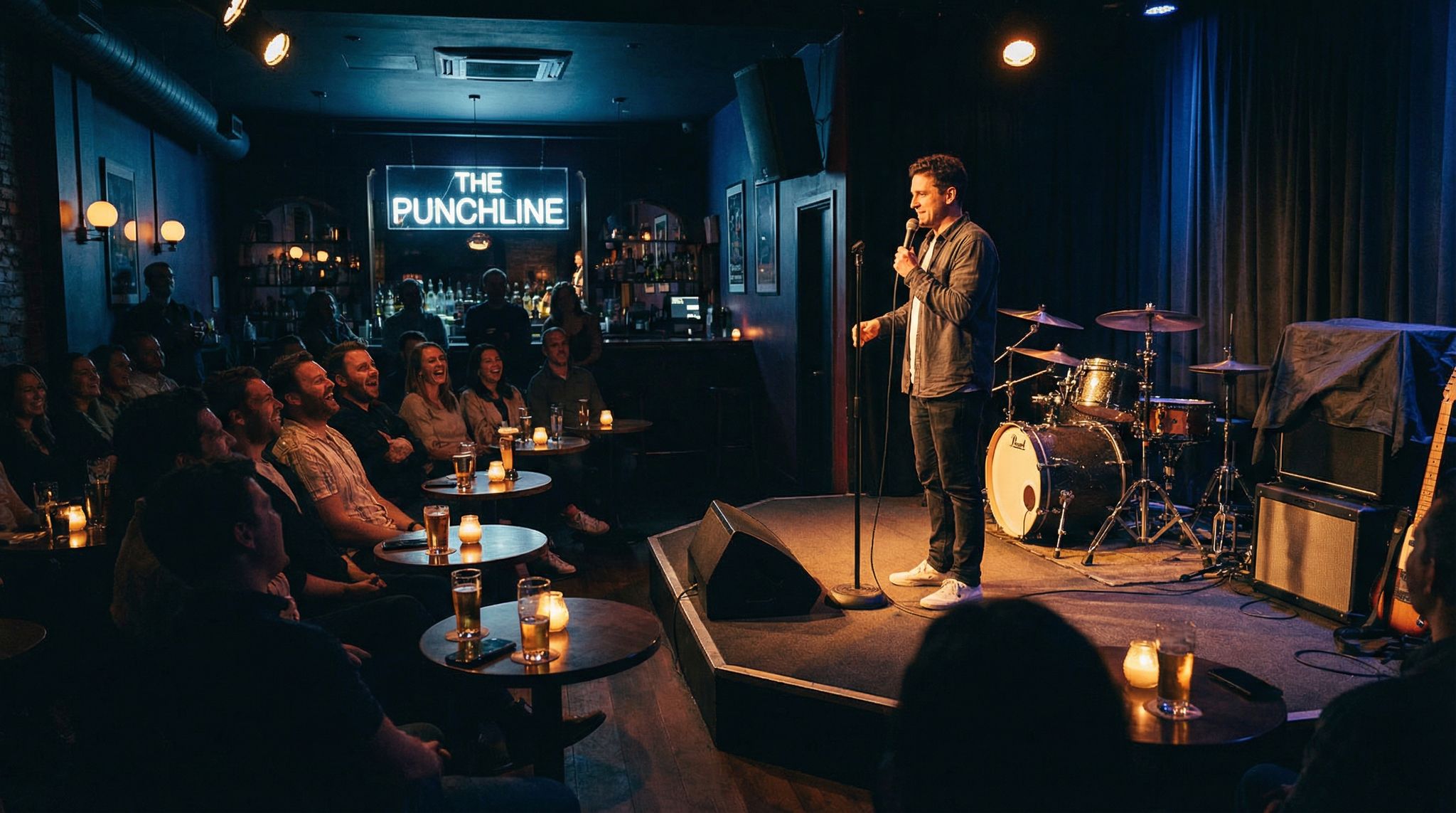
Converting a music stage into a comedy stage requires a few simple but crucial adjustments. Comedy is an intimate art form – it’s just one person (or maybe a small troupe) on stage, engaging directly with the audience. First, clear the clutter: remove large instrument rigs, drum kits, or any obstructions that might distract or block sightlines. A minimalist stage with a single mic stand, a stool, and maybe a small table for the comedian’s drink is the classic setup. Ensure the performer is clearly visible from every corner of the room. If your venue has a high stage designed for standing concert crowds, consider whether that height creates distance for a seated comedy audience – in some cases, placing the comedian closer to eye level with the front row (for instance, using a lower riser or the venue floor) can foster intimacy. Sightlines are paramount: check for any columns or barriers that could impede the view, and rearrange or remove them if possible for comedy shows. Many venues also add a simple backdrop (a curtain or branded step-and-repeat banner) behind the comedian to focus attention and provide a nicer visual canvas for photographers and social media shots.
Boost Revenue With Smart Upsells
Sell merchandise, VIP upgrades, parking passes, and add-ons during checkout and via post-purchase emails. Increase average order value by up to 220%.
Optimizing Acoustics for Crisp Vocal Sound
Live music and spoken-word events have very different acoustic priorities. In comedy, every word – every pause and punchline – must be heard with crystal clarity. Start by tuning your PA system for speech: ensure the EQ is adjusted to accentuate vocal frequencies (around the midrange) and cut any muddy or boomy bass resonances that might be left over from last night’s bass guitar settings. It often helps to turn off or dial back subwoofers entirely, since deep bass isn’t needed for a stand-up set and can actually drown out speech. If your room has lots of natural reverb (common in large halls with hard surfaces), consider deploying portable acoustic treatments or thick stage curtains to dampen echoes on comedy night – excessive reverb blurs spoken words. Comedians typically use a handheld vocal mic (the Shure SM58 is an industry staple) – have a high-quality, well-maintained mic dedicated to speech, and keep a backup mic ready in case of issues mid-show.
Don’t overlook the monitoring setup. While a single comedian doesn’t require multiple stage monitors like a band would, some performers appreciate a small monitor speaker so they can hear themselves and the audience’s laughter clearly. This helps them pace their delivery. Keep monitor volume low to avoid any chance of feedback – nothing derails a punchline like a sudden mic squeal. Do a thorough soundcheck with the comedian (or at least with someone speaking into the mic from stage) to set optimal levels. Experienced venue techs know that articulated speech should sit about 10-15 dB above the ambient room noise. In practice, that means if glassware clinks or bar chatter could be audible, you’ll want the mic loud enough to comfortably override those sounds without distortion.
Ready to Sell Tickets?
Create professional event pages with built-in payment processing, marketing tools, and real-time analytics.
Interestingly, some comedy venues intentionally use physical room features to enhance acoustics: low ceilings and reflective walls (like brick) help the sound of laughter carry through the room, encouraging a feedback loop of even more laughter, ensuring audiences throw themselves into the show. While you might not be able to change your architecture, it’s worth knowing – a packed, low-ceiling room amplifies laughter and creates that electric comedy club vibe. If your space is large and airy, don’t fret; just be mindful to seat people closer together toward the front (sparse seating kills comedy atmosphere) and maybe partition off unused areas to avoid an “empty hall” feel. With smart acoustic adjustments, even a cavernous concert hall can feel snug enough for comedy.
Lighting and Atmosphere
Lighting plays a big role in comedy shows, albeit in a different way than rock concerts. You’re not aiming for a flashy light show – the goal is to keep the focus on the performer’s expressions and body language. A bright, fixed spotlight on the comedian is essential. If your venue has a follow-spot or programmable profiles, set one to tightly frame the stage’s center where the comic will stand. Meanwhile, dim the house lights over the audience to draw attention forward (about 20-30% brightness in the house is common – low enough to keep the crowd anonymous to each other, but not pitch black). This semi-darkness gives attendees a sense of comfort to laugh freely without feeling self-conscious, while the performer is clearly illuminated.
Color lighting is mostly unnecessary during the act, though you can use colored uplights or backlights subtly to warm up the stage ambiance. Many venues opt for a simple warm white or soft amber wash on stage, which flatters skin tones and doesn’t distract. If you have LED panels or screens from concerts, consider using them to display a custom backdrop (maybe the event name or your venue’s logo with a comedy theme). However, avoid anything animated or too bright that could steal focus. Also, ensure any blinking lights from equipment (amps, consoles at FOH, etc.) are covered – a tiny LED can be surprisingly distracting in a darkened room focused on one person.
One more thing: make sure the comedian can see the audience, at least the first couple of rows. They feed off facial reactions and need to make eye contact. Total blinding light on the performer can sometimes obscure the house; to combat this, angle stage lights carefully or use a bit of front fill lighting on the front tables so the comedian isn’t performing into a void. Ultimately, you want a cozy, club-like atmosphere: think intimate, not theatrical. If your venue is large, consider closing balcony sections or using drapes to shrink the perceived space for comedy night. A well-lit, well-configured stage transforms your rock venue into a place where every raised eyebrow and comedic smirk lands with maximum impact.
Turn Fans Into Your Marketing Team
Ticket Fairy's built-in referral rewards system incentivizes attendees to share your event, delivering 15-25% sales boosts and 30x ROI vs paid ads.
Booking and Scheduling Comedy Acts
Sourcing Local Talent and Hosts
Booking comedians for your venue can be quite different from booking bands. The good news is that every city has a local comedy scene – you just need to tap into it. Start by connecting with local comedy communities: find out if there are open-mic nights, improv groups, or comedy showcases already happening in your area (often at bars, cafes, or small theaters). Attend a few of these if you can, to scout talent and observe who draws laughs and crowds. Look for experienced hosts (MCs) on the circuit – a reliable host is gold, as they can keep the night flowing, warm up the crowd, and handle the energy between acts. Many venues launching a comedy night will partner with a local comedian to serve as the regular host or even co-promoter of the night. This person can help curate the lineup, spread the word among comedians, and bring some built-in following.
Consider starting with showcase-format shows: feature 3-5 comedians doing shorter sets (10-20 minutes each) rather than one headliner doing a full hour. Showcases allow you to highlight a range of talent and give newer comics stage time alongside more seasoned acts. It also means if one comic has an off-night, another can still win the crowd – spreading the risk. Reach out to comedians via their social media or email (many list booking contacts in their bios). If you’re not sure where to find comedians, check resources like local comedy Facebook groups or contact comedy schools/workshops in your region for referrals to graduates. Importantly, be upfront about what you can pay – if you’re doing a free-entry or low-ticket-price night, let comedians know the compensation might be a modest stipend or a share of the door. Many up-and-coming comics will perform for a modest fee or even just the stage time (especially in an open mic format) if the vibe is right and they get exposure, but professionalism is key: clear communication builds trust in the long run.
Grow Your Events
Leverage referral marketing, social sharing incentives, and audience insights to sell more tickets.
Working with Comedy Promoters and Agents
If you’re aiming to bring in higher-profile comedians – say nationally touring acts or well-known podcasters – you may need to work through agents or specialized comedy promoters. Much like music booking, comedy booking involves contracts and negotiations. The fundamentals of fair deals apply here as well: some acts will want a guarantee, others might accept a door split (plus maybe travel expenses if they’re coming from out of town). As a venue operator, ensure you’re comfortable with the deal structure and have it in writing – the same due diligence you’d do for a band’s booking agreement should be applied, similar to how Ticket Fairy handles events at antiSOCIAL Mumbai. Vet the comedian’s drawing power in your market: check recent tour stops or ask for their typical draw. Comedy can be hit-driven (a viral Netflix special or TikTok clip can suddenly make a comic a hot ticket), so research their current popularity. Don’t shy away from collaborating with local comedy producers or collectives; if an independent promoter wants to host a monthly comedy showcase at your venue, it can be a win-win. They take on booking and sometimes marketing, while you provide the space and staffing. Just nail down the terms (rental fee vs. revenue share) to avoid confusion – some venues opt for a flat room rental on a weeknight, while others prefer a split of ticket sales plus bar revenue to avoid unexpected fees later down the line. There’s no one-size-fits-all, so negotiate what makes sense for your financial goals and risk tolerance.
One emerging trend for 2026 is live podcast tapings and spoken word events. These can fall under the comedy umbrella if the content is humorous or storytelling-driven (think along the lines of popular comedy podcasts doing theater tours). Booking a podcast taping can attract a different but overlapping audience of dedicated listeners. They tend to be less about big laughs every minute and more about the experience of seeing personalities live. If you host one, make sure your stage setup includes comfy seating (like armchairs or a couch) and multi-mic capability, since many podcasts feature two or three hosts/guests conversing. The good news: podcast fans often travel for shows and gladly pay premium ticket prices to be part of a live recording. Keep an eye on comedians who host popular podcasts – inviting them to record an episode at your venue can be a great way to fill a weeknight and earn goodwill from both the artist and their fanbase.
When stepping up to multi-night runs, understanding standard comedy club headliner pay for a weekend gig is essential. Unlike a Tuesday open-mic, a touring professional anchoring your Friday and Saturday nights will typically expect a substantial guarantee against a high percentage of the door (often 70-80% after venue expenses). Ensure your room capacity and ticket pricing model can support these payouts while leaving enough margin at the bar to make the weekend profitable for the house.
Smart Scheduling and Consistency
When it comes to scheduling, consistency is your friend. Many successful venues designate a particular night of the week for comedy and stick to it, building a reputation over time. Whether it’s “Monday Night Comedy” or a quirky branded name for your showcase, make it a recurring event that people can count on. This helps word-of-mouth spread because audiences know, for example, that every first Wednesday is comedy night. Consistency also trains your own operations – your staff and regular patrons get in the groove of the setup and vibe. Aim to avoid one-off random scheduling unless it’s a special event (like a big-name comedian on an off-night of their tour). A series or season approach works well: e.g., a 10-week fall comedy series every Tuesday, or an ongoing weekly open mic.
Time of night matters too. If your music gigs usually start at 9 or 10 PM, you might find an 8 PM start works better for comedy on weeknights, since those crowds often prefer to be done a bit earlier (especially if folks have work or classes the next morning). Doors at 7, show at 8, done by 10 is a common format. Of course, know your local audience – in some college towns, a later show might still work fine. Also consider whether to have an intermission. A 90-minute continuous comedy show with multiple comedians can work without a break, but an intermission can boost bar sales as people refresh their drinks. Many comedy nights have a host intro, 2-3 comics in the first half, a 15-minute break, then 2-3 comics in the second half, for example. This format keeps energy up and gives the crowd a breather.
When planning your broader calendar, slot the comedy night so it doesn’t conflict with your major concerts. If Thursday is typically a big concert night in your city, maybe host comedy on Tuesday or Wednesday instead. If you have a huge show on a Wednesday once in a while, you can skip comedy that week or reschedule – just communicate clearly to your audience if the routine changes. Finally, think seasonally: comedy can be a draw even in traditionally slow concert periods (like post-holiday January or mid-summer lull) when tours are light. Use those opportunities to double down on laughs and keep revenue flowing year-round by considering ticketing and pricing strategies and utilizing Snapchat filters or people-focused marketing.
If you operate outside a major metropolitan hub, you must carefully gauge your comedy show booking frequency to avoid small town market saturation. In a secondary or tertiary market, hosting a weekly showcase might exhaust your local audience pool too quickly. Instead, consider a bi-weekly or monthly cadence, ensuring each event feels like a must-attend occasion rather than a routine occurrence. Scarcity drives demand, especially when the local population is limited.
Reimagining the Venue Layout for Comedy Nights
Seating Versus Standing: Reconfiguring the Floor
One of the biggest shifts when hosting a comedy night at a music venue is deciding on seating for the audience. While your rock shows might be mostly standing-room affairs (with maybe some VIP booths or balcony seats), comedy works best when the audience is seated and comfortable. Laughter comes easier when people are relaxed and not jostling for position. If your venue has a flat floor, consider bringing in chairs or arranging cabaret-style tables and stools. Many clubs keep a stash of folding chairs specifically for this purpose. It might feel strange to put seats on your beloved dance floor, but it can transform the atmosphere. Aim to create a slightly clubby, intimate table seating arrangement if space allows – small tables for 4-6 people encourage groups to come and enjoy drinks together. If space is tight, theater-style rows of chairs are fine; just avoid super long rows that make access difficult. Create aisles so servers (and potential ejected hecklers, more on that soon) can move through easily.
In a tiered or ballroom venue, you may already have balcony or mezzanine seating – decide whether to open those for comedy based on expected attendance. A general guideline: it’s better to have a fuller-looking small area than a half-empty large area. So, it might mean only opening the ground floor and keeping everyone closer to the stage, even if it’s a smaller crowd than the space’s concert capacity. This “curation” of space can be done with simple methods: use curtains, portable dividers, or even lighting (keep closed sections dark to discourage straying). Also, consider the sightline when seated: if your main floor is flat and not raked like a theater, you might need a slightly raised stage or platform for the comedian (if not already present) so those at the back can see over heads.
Seating also changes capacity and staffing. You won’t fit as many people seated as standing (roughly 60-70% of standing capacity, depending on table layout). Accept that trade-off for comfort – the improved audience experience tends to yield better return visits and higher spend per head. With chairs and tables, you might need extra hands to set up and break down; plan the labor cost into your budget or consider investing in easy-to-stack chair sets for efficiency. Some venues cleverly sell table reservations or VIP seating for comedy nights, which can add revenue: for example, offering a limited number of front-row tables at a premium price (with table service included) for die-hard comedy fans who want to be right up front.
Creating a Comedy Club Vibe
A music venue can absolutely feel like a comedy club with a few ambiance tweaks. On comedy night, reconfigure your foyer and front-of-house to set the tone from the moment people walk in. You could put out a sandwich board or signage that highlights the comedian lineup for the night, perhaps with some humorous touch (this signals to regulars that tonight is something different yet exciting). Inside, if you normally play background rock music as doors open, switch it up to something lighter or jazzy at lower volume to allow conversational buzz. Dim the lights slightly pre-show to give that loungey feel.
Think about decor touches: some venues hang a backdrop or banner on stage that’s specific to their comedy night branding (e.g. “Laughs at The Lyric – Every Wednesday”). This not only looks great in photos, but also helps build a sub-brand for your comedy series, allowing you to create sub-brands for recurring themed events or establish recurring themed events. Consider having a small theme or ritual that repeats each time – maybe the host always asks the crowd to give a goofy cheer, or you have a “joke of the week” board at the entrance submitted by patrons. Little gimmicks can make the night memorable and distinct from your other events.
Another element is audience arrangement. For comedy, it’s advantageous to pack the audience tightly toward the front – laughter is contagious, and empty space between people can dampen it. If ticket sales are modest, don’t be afraid to close off the back and literally ask folks to move up (the host can even do this at show start: “Come on down, we don’t bite!”). In some cases, venues will drape off the very back or upper sections to focus everyone together. The goal is one collective audience, not scattered pockets. Also, remove or silence distractions in the room: if you have arcade games, TVs, or other entertainment usually running, shut them down during the comedy performance. You want all eyes forward.
Finally, consider table service vs. bar service. In music shows, people go to the bar whenever. In comedy, you ideally want to minimize disruption. If you have the staff capacity, consider having servers quietly take drink orders at tables before the show and during a brief intermission only, rather than constant bar traffic. If that’s not feasible, at least encourage the audience to grab drinks before the show starts (“last call for bar runs before showtime!” announcement) and maybe hold off service during the punchlines. Some venues implement a two-drink minimum for comedy nights (a practice common in dedicated comedy clubs) to guarantee a baseline of F&B income. If you do this, be sure to communicate it clearly upfront – no one likes surprise charges. Many veteran operators prefer transparent policies that build trust, a key factor in India’s vibrant tapestry of comedy clubs – for instance, advertise a ticket as “$10 entry (no drink minimum)” or if you do have a minimum, make it obvious at point of sale. This way, comedy fans know what to expect and appreciate the honesty, which can differentiate your venue positively from places that slap on hidden fees or requirements.
Tech Checklist: From Amps to Mics
When switching from a full-band setup to a comedy night, your technical needs simplify – but don’t overlook the basics. Here’s an equipment comparison to illustrate the differences and ensure you have everything covered:
| Production Element | Rock Concert (Typical Setup) |
Comedy Night (Stand-up Show) |
|---|---|---|
| Sound System | Full PA with subwoofers for music; high SPL for instruments. | Full PA, can disable subs; tuned for clear speech at moderate volume. |
| Microphones | Multiple vocal mics, instrument mics (drums, amps, etc.), wireless units. | One quality vocal mic (plus a backup); usually wired or a single wireless handheld. |
| Monitors (Stage Sound) | Several floor monitors or in-ears for band members. | Possibly one small monitor so the comedian hears the mix; otherwise minimal. |
| Lighting | Dynamic concert lighting, color washes, moving heads, strobe effects synced to music. | Steady spotlight on performer; warm static wash; house lights dimmed low over audience. No moving effects during performance. |
| Stage Setup | Elaborate: drum riser, amps, keyboards, mic stands for instruments, cables across stage. | Simple: one stool, mic stand at center stage, small table for water. Clear stage floor of clutter. |
| Soundcheck Needs | Lengthy – full band soundcheck for balance of all instruments and vocals. | Quick – line check the mic, adjust EQ for voice, set monitor level. Comedian might do a quick mic check. |
| Crew Required | Full tech crew: sound engineer, lighting op, stage hands for instrument setups. | Minimal crew: sound engineer (maybe also handling lights), no backline techs needed. |
| Show Duration & Format | Often 2-3 acts (opening bands + headliner), with changeovers between. Loud continuous music. | Multiple short sets (or one headliner) with MC in between. Applause breaks between comedians; one intermission common. |
As you see, hosting comedy is lighter on production. This can save on costs – you’re not paying backline techs or renting instrument amps. However, double-check that your in-house gear covers the essentials: a good mic, stand, a spotlight or two, etc. It’s wise to have a spare mic and even a spare mic cable on hand at the side of the stage; if a cable crackles or a mic dies mid-show, your tech should be able to swap it within seconds (audiences will forgive a brief hiccup, but not a prolonged awkward silence). Also, talk with the performers about any tech needs beyond the norm. Occasionally you’ll book a prop comic, a musical comedian who needs to plug a guitar or keyboard in, or an improv group that uses two mics. These are easy accommodations as long as you know in advance.
Don’t forget recording and streaming capabilities if you plan to leverage them. Some venues film their comedy nights (with performer permission) to create content for social media or a YouTube channel. A couple of strategically placed cameras and a direct audio feed can produce decent footage of that killer set from Tuesday night. In other cases, comedians may ask for an audio board feed to get a quality recording of their set for their own use – be prepared to provide that if possible. Having a simple audio recorder plugged into your mixer is an inexpensive way to offer this, and comics will really appreciate it (it’s another way to attract talent: if word gets out your venue helps comedians get good tapes of their sets, more will want to perform). In summary, adapt your tech but keep it robust – comedy is low-frills, high-focus. The goal is a seamless experience where nothing distracts from the jokes.
Additionally, this low-frills tech setup makes hosting successful online comedy events highly accessible. If you have a solid internet connection and a multi-camera streaming switcher, you can easily broadcast a sold-out show to a global digital audience. Hybrid events—where you sell both physical seats and digital access links—create an entirely new revenue stream without requiring extra stage space or complex audio mixes.
Managing Crowd Dynamics and Safety
Setting Audience Expectations
A comedy crowd behaves differently than a mosh pit at a metal gig – and that’s a good thing. Part of successfully hosting comedy is setting the right expectations for audience behavior. It starts with your marketing and pre-show announcements: let attendees know the general etiquette in a friendly way. For instance, a pre-show announcement (live or recorded) can encourage everyone to grab a drink and get comfy, but also to refrain from talking during the performance and to silence their phones. Humor helps: some venues display a tongue-in-cheek slide or have the MC say “Remember, folks, this isn’t your living room Netflix special – the comedians can hear you, so keep the table chatter down and the laughs up!” The point is to prime the crowd that this is a listening event, unlike a loud concert where side conversations aren’t as noticeable.
Seat placement can also influence behavior. If you know certain regulars who love to interact (or heckle), maybe don’t seat them front-row center at a comedy show – it’s like putting a temptation within arm’s reach. Conversely, comedy die-hards often want to be right up front for the full experience (and seasoned comics tend to “work the front row”). So consider creating a small buffer zone between the stage and first row (even just a couple of feet) so the performer has a little space – this can psychologically discourage overly bold heckling attempts, while still feeling intimate.
It’s also worth establishing an age or content advisory depending on the comedians. Many comedy shows end up 18+ or 21+ only, not just because of venue liquor rules but due to mature content. If your venue normally does all-ages concerts, be mindful – you might need to adjust for comedy or at least clearly advertise if a show is “adult content, recommended 18+”. Comedians appreciate when the audience isn’t caught off guard by edgy material. In 2026, audiences are pretty used to hearing unfiltered comedy, but it’s better to inform than to deal with upset parents or walkouts. A simple line on the ticketing page or at the door saying “This event may contain adult language/themes” is usually sufficient.
Handling Hecklers and Disruptions
Sooner or later, it’s bound to happen: someone in the crowd has a bit too much to drink or just can’t resist shouting out during a set. Heckling is a unique challenge of comedy shows – part of the art is comedians handling it wittily – but as a venue operator, you need to have clear protocols to support the performer and maintain a great atmosphere. Train your security and floor staff to keep an eye on any brewing issues. In a standing concert, a screaming fan might not stand out; in a quiet comedy room, one loudmouth can ruin the night. Here’s a typical approach: if a patron yells out once in good humor, the comic will usually handle it (a sharp retort or a bit of banter) and that might be the end of it. However, if heckling continues or turns abusive, staff should intervene quickly but subtly. The best practice is to have a staff member approach the person during a moment of applause or transition (so as not to create a bigger scene) and quietly ask them to tone it down. Often, that gentle warning is enough.
Have a zero-tolerance line defined: personal attacks on performers, hate speech, or repeatedly disrupting the show = ejection. Make sure your team and the MC/host are on the same page about this. A good host can even lay down ground rules at the top of the show in a lighthearted way (“Heckle if you must, but be funny or we’ll throw you out – them’s the rules!”). It gets a laugh but also sets a boundary. If removal is necessary, do it swiftly and with minimal fuss – and the show should go on. Most audiences actually applaud when a known heckler is taken out, because they’re there to enjoy the show, not one person’s outbursts.
Apart from hecklers, general disruptions can include dropped glasses, a medical issue, or someone trying to record the show on their phone (which might be against the rules – more on phones next). Make sure your staff is prepared to respond to any health emergencies (as you would in any event) – the twist in comedy is you might need to pause the show. Most comedians will handle an interrupting incident gracefully if they know what’s going on; if not, have the host quickly come on stage to keep the crowd calm if, say, house lights need to come up briefly. Safety always comes first, laughter second, and crowds understand that.
Phone-Free Shows and Privacy
In the age of smartphones, it’s increasingly common for touring comedians to request phone-free shows, where the audience locks away their devices to prevent recordings and keep the focus on the live experience. As a venue, you should be ready to implement this if an artist asks for it – or even proactively if you want to cultivate an immersive atmosphere. Companies like Yondr provide pouches that attendees place their phone in upon entry, which are then locked and only unlocked after the show. If you’re introducing a no-phone policy, explain the benefits to the audience: it’s about being present and respecting the performers’ material (many comics don’t want their work-in-progress jokes leaked online in clips). Our own experience and industry reports show that phone-free events can heighten engagement and enjoyment – people laugh more and feel more connected when not viewing the show through a screen.
If completely phone-free feels excessive for your regular comedy night, at least institute no flash photography and no video rules. You can allow quick snaps or Instagram photos before the show or during intermission, which lets you still get that social media promotion (everyone loves an Instagrammable neon sign or stage backdrop from the venue). But once the comedian is on, make it clear that recording is not allowed. Not only can it distract the performer and others, but comedians’ intellectual property (their jokes) deserves protection – if audiences know your venue as a place that respects this, more comedians will want to work with you. Include this policy on signage, pre-show slides, and have the MC reinforce it. In 2026, most adults get it, but a friendly reminder never hurts.
One more angle: privacy and comfort. A comedy show often involves comedians interacting with or playfully teasing audience members (especially front row). If everyone’s filming, some patrons might feel uneasy about laughing or participating, fearing they’ll end up on the internet. By assuring a semi-private environment (no phones out), you actually cultivate a safer space for people to let loose and enjoy the night without self-censorship. That translates to bigger laughs and a better show — which is exactly what we want.
Staffing and Security Adjustments
Your security staffing on a comedy night might look a bit different than a concert. You probably won’t need the same muscle at the barricade as for a rowdy mosh pit, but you still want alert staff spread out to monitor the room. Train staff to use a lighter touch and discretion: during a quiet storytelling segment, a heavy-handed guard loudly admonishing someone can kill the vibe. Emphasize quiet, polite enforcement of rules (like asking someone to take a phone call outside, or gently reminding a chatty table to keep it down). If you have table servers, they should be trained to take orders and deliver drinks with minimal interruption – crouching when talking to guests, whispering, etc. It’s an acquired skill to serve in a show without drawing attention; hire experienced staff or do a quick training role-play on this.
From a safety standpoint, ensure all your normal emergency procedures are in place as with any event. One thing to consider is crowd egress with seating: if you’ve added chairs/tables, confirm that aisles to exits are clear and that seating layouts comply with fire codes for egress. You might normally cram 300 standing people in, but when you seat 180 of them at tables, don’t inadvertently block pathways. Do a walkthrough with your team to double-check compliance (this keeps your comedy nights within regulations just like your concerts, similar to The Habitat located at Hotel Unicontinental). Comedy crowds are generally calmer, but they also might be less familiar with the venue (since you’re drawing new folks), so make sure exit signs are visible and staff is ready to assist if anyone seems lost or in need of help finding facilities, etc.
Lastly, prepare your staff for content. Comedy can touch on sensitive topics or controversial humor. Brief your team that unless something crosses a line into hate speech or truly egregious territory (in which case management can decide on intervention), they should refrain from reacting, arguing, or apologizing for any comedian’s material. If a patron complains about a joke, train staff to handle it diplomatically (“I’m sorry it upset you. Comedy is subjective – some jokes land differently. Is there anything I can do for you right now?”). Free speech and art get tricky, but as a venue you generally are not responsible for a comedian’s words – you just facilitate the platform. Know where you stand on this and have your front-of-house folks prepared. In many cases, minor complaints blow over; in others, you might decide not to re-book an act that truly offends your crowd or violates your values. But those are bridge-crossing decisions. The night-of show priority is keeping things running smoothly and making the audience feel taken care of.
Marketing Your Comedy Nights to New Audiences
Identifying and Targeting the Comedy Crowd
Marketing a comedy night requires reaching beyond your usual concert-going audience. Start by identifying who your potential comedy patrons are. Often, these include young professionals looking for a fun weeknight outing, college students, comedy nerds who frequent open mics, and even older audiences who might not come to a loud rock show but love a good stand-up act. Research local comedy interest groups: many cities have a subreddit, Facebook group, or Discord community centered on the comedy scene. Join these groups (respectfully – don’t just spam your event, become a part of the conversation) and share announcements about your comedy nights highlighting what makes them special (the comedians, the venue ambiance, etc.). Since comedy is having a boom moment, local media might also be interested – send a press release or event listing to newspapers, radio stations, or popular city blogs under the entertainment or “things to do” sections. Emphasize that a new comedy series is launching at your venue; framing it as part of a citywide comedy upswing could catch their eye.
Your existing customer database is another asset. Pull a list of ticket buyers who attended similar events (maybe spoken word, improv, or even just all your Tuesday shows) and send them a personalized invite. If you have a CRM or email list, segment it – for example, people who attended a known comedy artist at your venue in the past, or those who subscribe to “variety events” if you have preferences collected. A targeted email campaign could introduce your comedy night with an exclusive discount for the first show, to entice crossing over. And don’t underestimate the power of good old posters and flyers in the venue and around town: design a catchy poster for the comedy night series (think bold, fun graphics or a mascot) and display it at your box office, restrooms, and bars during other events. You want your regulars to know something new is happening, and you want new folks to see it in coffee shops and campuses where they hang out.
Leveraging Performers’ Followings and Social Media
One big advantage of comedy events is that comedians often have their own loyal followings and active social media presences. Leverage that! When you book talent, ask them (or their management) about social promotion – most will be happy to post about the show, since they want a full house too. Provide them with a nice graphic or promo image sized for Instagram/Facebook, along with ticket links and event hashtags. If a comedian has a decent local fanbase or is a hometown hero, you might even center your marketing around them (“This Thursday: Local TikTok comedy star Jane Doe headlines at [Your Venue]!”). Encourage the artists to tag your venue and use any relevant city comedy hashtags. When multiple comedians are on the bill, each posting to their followers can create a multiplier effect.
In 2026, short-form video is king for promotion. If you have the ability, create a 30-second sizzle reel of the kind of comedy night you’re hosting – even if it’s stock footage of comedy crowds laughing (or clips from past events, with permission). Share this on TikTok, Instagram Reels, and YouTube Shorts with a caption like “Live Comedy is back in [Your City] – join us every Wednesday for laughs at [Venue]”. Show quick cuts of the venue interior, drinks, people enjoying themselves, interspersed with a few punchline moments (if available). The goal is to convey the vibe: fun, affordable night out, lots of laughs. Many people who haven’t been to a live comedy show might not realize how fun it is until they see it.
Social media algorithms can be fickle, a challenge noted even by India’s must-visit comedy clubs and venues, so don’t rely on one platform. Post event listings on Facebook (many folks still search “Events in [City] this week” there). Tweet (or X) regularly with different angles – one tweet highlighting a comedian’s bio (“Did you know our headliner toured with Dave Chappelle?”), another injecting humor (“Our mic is ready for jokes, and so is our beer tap. Coincidence? ?? #ComedyNight”). For image-oriented platforms, share photos of your stage set up for comedy, or a behind-the-scenes of a comedian on show night (with their OK). Snapchat and Instagram stories on the night of the show can also build FOMO – e.g., a quick story showing a cheering crowd (again, careful not to violate the no-phone rule during performance – do these during breaks or stage intros). Build a narrative that something special happens on comedy night, so even those who miss the first one will think “I gotta be there next week!”.
To fuel this social media engine, familiarize yourself with the concept of trade shots in live event photography. In the comedy club and venue world, the meaning of a “trade shot” arrangement is simple: you allow a professional photographer to shoot the show for free, and in exchange, both the venue and the comedians get high-quality, watermarked images to use for promotion. It’s a highly effective, zero-cost way to build a premium visual brand for your new comedy nights while providing value to the performers.
Partnerships and Community Outreach
To expand to new audiences, consider partnering with groups and businesses that align with the comedy crowd. For instance, maybe there’s a local improv theater or comedy school – you could collaborate where their students perform or they co-promote your stand-up nights in exchange for you plugging their classes. Or team up with a nearby restaurant or bar for pre-show specials (“Show your [Venue] Comedy ticket and get 10% off dinner on Wednesday”). This turns the evening into a fuller night out and pulls in the after-work crowd. Some venues have found success by creating a package deal: a ticket plus a drink or meal voucher, appealing to those who like the convenience of one purchase for the night’s entertainment.
Engage the community’s humor streak: run a social media contest for free tickets where people submit their best original joke or funniest GIF comment in response to your post. Not only does this spread the word, it directly engages potential attendees by making them part of the fun before they even arrive. Another idea is to host a “local comedian audition” or open mic contest leading up to the launch of your comedy night series. Promote that the winner (by audience vote or judges) gets a paid spot on an upcoming show. This kind of event can draw all the friends and family of participants – instant audience! – and gives you fresh content to promote (“Watch newcomer John Smith make his pro debut after winning our comedy contest!”).
Don’t forget PR angles: If your venue is known mostly for music, pitch the story of your diversification to local news outlets or industry blogs. “Legendary punk venue now hosting comedy” makes a great headline, especially if it touches on preserving the venue by finding new income streams (journalists love a good venue survival story). For example, indie clubs in India that started weekly stand-up nights or mid-sized UK theatres that added comedy programming have garnered media attention as case studies in innovation. If there’s a notable human interest element – say your comedy night is in partnership with a cultural council or supports a charity (some venues donate a portion of ticket sales to arts education, etc.) – highlight that. In marketing, these narratives can elevate your events from just another show to part of a larger positive trend.
You can also facilitate deeper connections by asking, how can comedians engage with their local communities through your venue? Consider organizing daytime charity workshops where seasoned comics teach public speaking or improv to local youth, or host a fundraiser night for a neighborhood cause. When your venue becomes the conduit for comedians to give back, it cements your reputation as a vital community pillar and introduces your space to civic-minded patrons.
In-Venue Promotion and Crossover
Once you have comedy nights up and running, use your other events to promote them and vice versa. During your weekend concerts, have your MC or DJ announce the upcoming comedy night: “Thanks for coming tonight – if you love live entertainment, come check out Comedy Tuesdays here! We’ve got great local comedians and happy hour specials.” This cross-pollination can convert a fraction of your music crowd into comedy-goers. Visual cues help too: have a banner or posters on the walls for the comedy series, and maybe table toppers or flyers that people can pick up. If you run ads on your screens before concerts (for upcoming shows), include the comedy night details there as well.
Encourage your comedy attendees to return for music events as well. Perhaps offer a discount code or flyer exclusively to comedy night attendees that gives them a deal on a concert ticket (“Thanks for coming to Open Mic Night – use code LAUGH10 for 10% off any Friday show ticket!”). This makes the new crowd feel valued and invited into your venue’s other programming. It’s all about building a community around your venue that isn’t siloed by genre. Some venues even start an email newsletter specifically for their mixed arts programming, celebrating the variety – one week the newsletter spotlights the upcoming indie band, the next it’s profiling the comedian headlining the comedy night.
Crucially, make your comedy nights social media friendly for attendees. While we don’t want phones out during the show, you can absolutely create Instagrammable moments before or after. Set up a simple photo backdrop or a neon sign that says something like “LOL @ [Venue]” or a witty quote wall where people can take selfies, helping turn your venue into a mini social media sensation. Comedy is inherently social – friends come in groups, dates come to break the ice – so give them a reason to snap a pic together at your venue and post it. A unique, shareable element can turn your venue into a mini social media sensation, which is free advertising. Encourage hashtags specific to your series (e.g., #PunchlineTuesdays or #LaughsAtTheLyric) and monitor those tags. Repost the best content from patrons (with permission or via a clear disclaimer that by using the hashtag they agree to being shared). This user-generated content not only spreads the word to new potential attendees, it also shows your authentic vibe – people having a great time at your place.
Lastly, consider listing your comedy events on specialized platforms. Apart from Ticket Fairy’s event page and the usual suspects (Facebook Events, Eventbrite listings for discovery, etc.), look into local comedy websites or apps. In some regions, there are “what’s on” sites specifically for comedy shows. Being present on those can catch the eye of comedy aficionados who might not otherwise stumble on your venue’s lineup. The more you insert your comedy night into the local entertainment ecosystem, the more you’ll attract that dedicated comedy-going crowd – and they can become your venue’s evangelists in the long run.
Real-World Success Stories: Venues Diversifying with Comedy
Indie Club in India: Weeknight Open-Mics Build Community
Consider the example of The Habitat in Mumbai, India. This intimate 70-seater performance cafe was once primarily known for music and poetry, but it has become a beacon of the city’s comedy scene, creating an immersive experience in a vibrant neighborhood. Every Tuesday, The Habitat throws open its stage for open-mic comedy nights, drawing in crowds on what would otherwise be a slow weekday, establishing itself as one of the best comedy clubs in Mumbai. They’ve equipped the room with state-of-the-art sound and lights to ensure every punchline lands perfectly, ensuring an immersive experience for the audience – a sign that the venue invested in comedy as a core offering. The result? Standing-room only Tuesdays and a reputation that aspiring comedians must perform there. By hosting themed stand-up showcases and even quirky experimental formats, making it an experimental venue for stand-up comedy, this indie venue cultivated a whole new community. Many who discovered The Habitat through a comedy night have returned for its live music gigs and other events, now viewing it as a cultural hub rather than a single-purpose venue. The Habitat’s story shows that even in a market where stand-alone comedy clubs are few, a music venue can fill the gap – forging a loyal audience and boosting mid-week revenue in the process.
From Rock to Laughs: UK Theaters Embrace Comedy
Across the UK, numerous mid-sized theaters and rock venues have successfully blended stand-up into their programming. A shining example is London’s Eventim Apollo Hammersmith. This iconic 1930s venue (capacity ~3,500) hosts some of the biggest rock concerts and live events in the city, yet it’s equally famous as the home of the BBC’s Live at the Apollo stand-up comedy TV series. One week you’ll find a top comedian filming a special on the same stage where a band played the night before. The Apollo’s dual identity shows how a venue can pivot seamlessly: they adjust stage setups (often using an elegant curtain and special lighting for comedy tapings) and promote to a different audience base, selling out multi-night comedy runs. This crossover fame benefits the venue – music fans who might not watch stand-up still recognize the Apollo as a premier destination, and comedy audiences who normally don’t hit concerts now know exactly where the Apollo is and how to buy tickets there.
On a smaller scale, take The Leadmill in Sheffield (normally a 900-capacity live music club). Facing fierce competition and occasional lulls in touring acts, The Leadmill launched its own recurring comedy club night. They’d rearrange the venue with cabaret seating and book 3-4 rising UK comedians for a mid-week show. It built so much momentum that even when The Leadmill went through challenges (including a much-publicized battle to keep its lease), the comedy nights remained a beloved staple. They were often cited in local press as an example of the venue’s importance to the community – serving not just indie rock fans but comedy lovers too. Other venues in secondary cities, like regional arts centers and O2 Academy-branded music venues, have followed suit by including comedy on their calendars, especially when big music tours skip smaller markets. By doing so, they attract major touring comedians who bring in large crowds on off-nights. The lesson from the UK: diversification not only brings in revenue, it can also fortify a venue’s community value, which matters when negotiating leases or fighting off redevelopment, a history shared by the Apollo Theatre in London Hammersmith.
U.S. Multipurpose Venues: Comedy as a Lifeline
In the United States, many independent venues found comedy to be a lifeline during challenging times. Case in point: Star Community Bar in Atlanta, Georgia – a divey rock bar known for punk shows. For over 20 years, Star Bar has run a free Monday night comedy show called “Rotknee Presents,” turning a typically dead Monday into a local tradition, with Rotknee Presents comedy every Monday night. Hosted by the same comedian (Rodney “Rotknee” Leete) all this time, the weekly showcase features rising local comics and even surprise drop-ins by big-name comedians working on new material, including stars like Lace Larrabee. The event’s longevity has made it a cornerstone of the Atlanta comedy community – and it keeps the bar profitable on Mondays. People line up for these free shows, buy drinks, and fill the place with laughter. Notably, the Star Bar’s Monday comedy became such a fixture that even when the venue faced potential closure, the outcry from both music and comedy fans helped rally support to save it. This story shows the power of consistency and authenticity: a gritty live music bar can also be the go-to comedy spot if it commits to the bit (pun intended) and nurtures that scene.
Over on the West Coast, venues like The Bell House in Brooklyn, NY have mastered the art of multi-genre programming. The Bell House is a renovated warehouse venue (capacity ~350) that made its name with indie concerts, but it also became a hotbed for comedy and live podcasts. In a given month, their calendar might include an alternative comedy festival, a popular podcast taping, and an album release show for a band. They’ve hosted everyone from local stand-ups to superstar comedians like John Mulaney and Chris Rock in surprise appearances, adding to the history of acts who have taken the stage. The venue’s operators leveraged their reputation and tech setup (great acoustics, recording capability) to attract nationally touring comedy shows that would normally go to theaters. By doing so, they tap into a huge pool of comedy fans in NYC – many of whom end up returning for music shows or other events because they had such a great time at the venue. It’s a virtuous cycle that demonstrates how offering a variety of content can increase your overall ticket sales and bar revenue across the board.
Lessons Learned and Common Threads
Looking at these success stories, a few common threads emerge. Firstly, consistency is key – whether it’s weekly or monthly, making comedy a regular part of the schedule allows word-of-mouth to build. Venues that dabbled with a one-off comedy night often gave up before it caught on. Those that stuck to it, like Star Bar’s 20-year Mondays or The Habitat’s weekly open mics, reaped long-term rewards. Secondly, adapting the experience to comedy (seating, sound, staff behavior) is crucial. Venues that tried to run comedy shows without changing their layout or approach sometimes struggled – for example, reports of a comedy night flopping because the room was too bright and people were standing awkwardly, have taught others to never underestimate the importance of setting the right vibe.
Also, community engagement stands out. The successful venues all integrated with their local comedy communities instead of acting in isolation. They featured local talent, respected the norms of the comedy scene (like giving comics stage time to test material), and sometimes even involved the community in curating or hosting. This created a sense of ownership among local comedians and fans. Comedy needs that grassroots ecosystem, much like local band scenes, so a venue that supports it will in turn gain a loyal following.
Another lesson is the willingness to experiment and iterate. Some venues admitted their first comedy night wasn’t great – maybe the lineup wasn’t strong enough or the promotion fell short – but they tweaked and tried again. For instance, an indie venue in Melbourne started with a pure open-mic format but realized the audience wanted a known headliner to anchor the night. They adjusted by booking a pro comic to close each show, with amateurs in the earlier slots, and attendance surged. Others learned from failure by adjusting the day of week or start time until they hit the sweet spot. The message: treat your new comedy night as a learning process. Gather feedback (ask the comedians and the audience what they liked or not), and refine the format.
Finally, these stories show that diversification through comedy can be a financial and cultural win. It’s not just about the immediate bar sales (though those can be substantial); it’s about keeping your venue relevant. In an era where 16% of grassroots music venues closed in a single year in the UK, where venues’ rent jumped significantly and many others face shrinking margins, adding complementary programming is practically a survival strategy. Comedy brings in new revenue streams and also new allies – comedians, fans, even sponsors (some breweries or brands love sponsoring comedy events for the positive branding). We’ve seen venues forge sponsorship deals with local radio for their comedy series, or get city arts grants because they’re now fostering performing arts beyond music. When done right, hosting comedy nights can rejuvenate a venue’s image and help secure its future in an ever-changing entertainment landscape.
Challenges and Pitfalls to Avoid
Ignoring the Technical Differences
It might be tempting to think “comedy is easy – it’s just a mic and a person talking,” but underestimating the technical requirements and adjustments is a common pitfall. One frequent mistake is poor sound setup. If a venue doesn’t tweak its EQ and volume for speech, the result can be a muddy-sounding show where people strain to hear the jokes – a recipe for an unhappy crowd. Always remember that intelligibility is king for comedy. Another error is not allocating a technician at all (“We don’t need a sound engineer tonight, it’s just one mic”). Then when an issue arises – feedback, battery dies, etc. – no one is at the helm to fix it promptly. Treat the production seriously even if it’s a “small” show. Additionally, don’t forget to record the house mix to only output through the PA, not through on-stage amps (sounds obvious, but we’ve heard of venues accidentally leaving guitar amps or DJ rigs on stage powered, emitting hums or noise during a comedy show!). Double-check everything is quiet except the mic.
Lighting missteps can also plague a comedy night. Too often, venues leave their concert lighting rig on some preset that’s either too dark or too flashy. A common pitfall is failing to properly spotlight the comedian, leaving their face in shadow. Audiences miss out on facial expressions, which carry a lot of the humor. On the flip side, blasting the house lights can kill the cozy vibe. Find that balance. And if you’re not confident in your lighting operator’s ability to “tone it down,” set a basic scene in advance: one front light, one back light, everything else off or static. Simpler is usually better here.
Misreading Your Audience and Brand
Another major challenge is balancing this new venture with your venue’s existing brand and audience expectations. If you’re known as a hardcore punk venue and you suddenly start booking family-friendly PG comedy, your core patrons might raise an eyebrow (and the comedy crowd might feel out of place too). Misalignment in programming can lead to comedy nights that don’t gain traction. The remedy is curation and communication. You don’t have to book comedians that appeal to absolutely everyone – focus on styles of comedy that might resonate with your typical audience demographics or at least complement your venue’s vibe. For instance, a metal club might lean into edgier, alternative comics or comedic musicians rather than squeaky-clean corporate comics. If you program in a way that feels authentic to your venue’s spirit, you’re more likely to get buy-in from both staff and regulars.
Marketing misfires are common as well. Simply listing a “Comedy Night” on your calendar without targeted outreach could result in a half-empty room. We’ve seen venue operators disappointed because they assumed the usual channels would fill a comedy show just like a band – but a lot of your rock newsletter subscribers might skip emails about a comedy event unless you sell it differently. The pitfall is treating comedy as an afterthought in promotion. Avoid generic, last-minute marketing; instead, craft a clear identity (name, theme, style) for the night and push it like you would a new club night or mini-festival. Also, set realistic expectations: a new weekly event can take weeks or a few months to really catch fire. Don’t declare failure if the first two nights aren’t packed. Maybe you got 50 people to a 200-cap room at first – that’s 50 more than on an empty night, and if those folks had a blast, numbers will grow. Patience and persistence are vital to avoid the trap of giving up too soon.
Financial and Contractual Hurdles
Money matters can trip up venues expanding into comedy. One pitfall is not budgeting properly because the costs seem low. True, you likely aren’t paying $10k guarantees for local comics, but a series of small costs can add up: a stipend for the MC each week, free drinks or a meal for performers (a nice gesture that many venues do), marketing expenses, staff hours for setup and tear down, etc. Do the math upfront and figure out your breakeven points. If a comedy night only brings in $500 in ticket sales but you paid $300 total to performers and $100 in extra staffing, your margin is thin before even accounting for overhead. That’s where bar sales should hopefully tip it into profit. Keep an eye on those numbers and adjust – maybe you need to trim performer costs or find a sponsor once the night establishes a track record.
From a contracting perspective, be careful with how you pay comedians. In many places, lesser-known comedians are paid in cash at the end of the night (it’s custom, but you still should do it above board). Have a system to track and remit any necessary taxes on these payments, and if you’re running it in-house, make sure you’re classifying these folks correctly (often they’re independent contractors). If working with an outside comedy promoter, have a clear agreement: who covers what expenses, how the split works, who is liable if a headliner cancels, etc. Speaking of cancellations – they happen. Comedians, especially touring ones, might cancel last minute due to a TV spot or personal issue. Have a backup plan: maybe keep an “on-call” local headliner who can fill in, or be ready to refund tickets and appease customers with a free drink voucher for their trouble. It’s painful, but less so if you’ve anticipated it.
Another pitfall is mispricing tickets. Price sensitivity can be different for comedy. Some venues initially overprice their comedy night because they compare it to concert ticket rates. If folks are used to paying $5-10 for an open-mic or $15-20 for a good showcase in your town, you might struggle to sell $30 tickets unless the talent is truly top-notch. Research what other comedy events (clubs or theatres) charge locally and position yourself competitively. Remember, you can make up revenue in bar sales if you keep ticket prices accessible. Alternatively, some venues underprice or go free, but then struggle to pay performers adequately or cover costs – and a free show might ironically be seen as less attractive than a cheap ticket because people think “how good can it be if it’s free?” One strategy is to start with low promo pricing and gradually increase as demand picks up, all while clearly delivering value (e.g., “$10 for 4 great comedians is a steal!” in your marketing).
Overextending or Losing Focus
While adding comedy nights is exciting, be cautious about overextending your resources. Your staff might already be stretched with concerts; adding a weekly comedy event means more work – different setup, potentially a different crowd to manage, and more marketing. If you don’t have the bandwidth, the quality of either your main events or the comedy night could suffer. Solution: treat the comedy program as its own line of business within your venue. Assign a point person (maybe someone on your team who loves comedy) to oversee booking and planning, so it doesn’t all fall on the general manager who’s busy with everything else. If you run multiple new event types at once (say you also start a trivia night, a flea market, etc.), make sure each one gets enough attention or you risk jack of all trades, master of none scenario.
Finally, guard against the pitfall of alienating your core business. The goal of diversification is to strengthen the venue, not distract or detract. If your bread-and-butter is live music on weekends, ensure the comedy night is synergistic. For example, don’t schedule a comedy event that requires a complicated stage teardown right before a major concert, unless you have a crack crew for quick changeovers. (If you do, go for it – multi-use venues thrive on rapid event changeovers and clever planning.) Make sure your tech equipment and backstage space can handle both uses – if one night you rearrange monitors and forget to reset them, Wednesday’s band might walk into a mess. Communication and checklists help: have a standard changeover checklist for converting to comedy setup and back to concert setup, so nothing gets overlooked. As long as you remain organized and mindful of your primary mission (great events of any kind), adding comedy should add value, not headaches.
Maximizing Revenue and Retention from Comedy Nights
Ticketing Strategies and Upsells
Turning a profit on comedy nights involves smart ticketing and upselling. If you start with low ticket prices or free entry, think about upsells to boost per-head revenue. For instance, you could offer a “VIP seating” package: for an extra fee, a group gets a reserved table near the stage and maybe table service. Even a small $5-10 uplift for guaranteed seats can add to the bottom line, and many people are willing to pay for convenience. Another tactic is selling pre-show or post-show experiences – perhaps a meet-and-greet with the headliner if they’re notable (some comedians will do this for an extra fee or as a merch bundle where they sell signed books, etc.). If your venue uses an advanced ticketing platform like Ticket Fairy, take advantage of features like add-ons at checkout. You could offer customers the chance to pre-purchase drink vouchers, food items, or merchandise as they buy their ticket. For example, “Add 2 Beers for $12” – patrons pick up tokens at the door. This not only ups the spend but also speeds up bar service (since you’ve pre-sold some drinks).
Don’t ignore the potential of group sales and subscriptions. Comedy is often a group outing – friends, coworkers, date nights. You can encourage larger group attendance by offering a “buy 4 tickets, get 1 free” deal or similar, which appeals to friend groups. If comedy is becoming a staple, consider a simple season pass or membership: e.g., a monthly comedy pass that, for $30, lets someone attend all four Tuesdays of that month’s shows (if individually they’re $10 each, the pass gives a slight discount and locks in their commitment to come every week). Some venues have done “laugh packs” – a bundle of tickets that can be used across multiple comedy events, which loyal fans snap up and then bring different friends each time, effectively recruiting new audience for you.
Importantly, utilize your ticketing data. Track how many comedy attendees are new versus returning. If your ticketing system provides customer insights, note if any of these new buyers go on to purchase concert tickets or vice versa. The goal is to measure the crossover benefit. Many modern event systems (like Ticket Fairy) will let you tag events by genre and then see customer segments – use that to your advantage to quantify the success of your diversification. If you find that 20% of your comedy night attendees came back for a music show within 3 months, that’s a great argument in support of your strategy (and something you could share with stakeholders or even use in sponsorship pitches).
To execute these advanced strategies seamlessly, upgrading to specialized comedy ticketing software—or a robust multi-genre platform like Ticket Fairy—is highly recommended. The right event management system allows you to easily configure cabaret-style reserved seating charts, enforce two-drink minimums via pre-purchased digital tokens, and automatically segment your comedy buyers from your heavy metal fans for future email marketing. By leveraging a powerful ticketing solution, you streamline front-of-house operations and capture the granular data needed to scale your comedy programming profitably.
Implementing dedicated comedy ticketing solutions also empowers venue operators to handle complex multi-act lineups and dynamic pricing models with ease. Unlike standard concert ticketing, comedy events often require flexible table assignments, waitlist management for sold-out headliners, and the ability to quickly bundle tickets with food and beverage minimums. Choosing a platform that natively supports these features ensures your box office runs smoothly, even when managing two or three rapid-fire shows in a single evening.
Boosting Bar Sales and Food Revenue
Revenue from F&B (food and beverage) often outshines ticket income on comedy nights, especially if tickets are low-priced. To maximize this, tailor your offerings to the comedy crowd. People sitting for 90 minutes might appreciate table snacks or specialty drinks tied to the theme. Maybe create a funny-named cocktail each week related to your headliner (e.g., a “Rum and Roast” or “Punchline Punch”). If your venue doesn’t have a kitchen, consider bringing in a local food vendor or food truck on comedy nights – perhaps a vendor who normally wouldn’t operate on a Tuesday is happy to set up outside, and you take a cut or charge a pitch fee. The easier you make it for patrons to spend their money on refreshments, the better. One caution: ensure bar service is efficient and doesn’t disrupt the show. You might promote pre-show happy hour discounts (“Arrive an hour early for half-price pints until showtime”) to front-load drink purchases. This way, people have drinks in hand as the show starts, reducing mid-show ordering.
Pay attention to the bar sales data: you might discover that comedy attendees drink more (or less) than your concert crowd. In many cases, because comedy crowds tend to be seated and often 21+, their per capita drink spend can be higher – they’re not moshing, they’re sipping and laughing. In fact, some venue managers report that a 100-person comedy night can rival a 200-person concert in total bar take, simply because the comedy crowd steadily orders rounds throughout the night, potentially matching a higher ticket concert with lower bar spend. Use such insights to adjust staffing (have enough bartenders or servers) and inventory (don’t run out of that popular IPA or the popcorn that everybody suddenly wants during the show). If you find that a particular item is a hit (e.g., lots of people order wine on comedy night whereas beer is king on metal night), stock accordingly.
Another revenue stream is merchandise. While comedy shows typically don’t sell tons of merch like band tours do, you can get creative. Perhaps your venue creates a funny T-shirt or tote bag for the comedy night series (especially if it has a unique name/logo). Or, coordinate with the comedians – many comedians have their own merch (like shirts with their catchphrase, or comedy albums on vinyl, etc.). Offer to sell it at your merch table for a small cut, or simply as a courtesy (it keeps comedians happy and gives fans a takeaway to spend on). Even selling simple branded items like “I laughed at [Venue]” stickers could become a small income source and marketing tool.
Sponsorships and Special Events
Once your comedy night has proven itself, consider external partnerships to bolster revenue and credibility. You might attract a sponsor for the series – for instance, a local brewery could sponsor your “Laughs on Tap” night, providing some funding or discounts in exchange for featuring their beer and logo. Sponsors love visible, recurring events, and a comedy series can be very brand-friendly (as long as the content isn’t too risqué for them – choose partners that match the tone). Sponsorship dollars can help cover performer fees or marketing costs, making the night more profitable. Just be sure any sponsor activation doesn’t overshadow the experience; keep it integrated (naming the night after the sponsor, or a brief shoutout from the MC, is usually enough).
Also think about special editions or festival tie-ins. If your city has a comedy festival or something like an arts week, align your programming to be part of it. Being an official venue for a larger festival can bring in new audiences who follow that festival. Or create your own mini-fest: maybe every quarter, do a “Comedy Marathon” on a weekend where you host a bigger comedy event (multiple headliners or a known headliner that can sell more tickets at a higher price). Use the weekly shows to promote that big event. These one-offs can be more lucrative, and if successful, they feed back interest into your regular weekly/monthly shows.
Loyalty programs are another angle. If you notice many repeat attendees, why not reward them? Implement a punch card or digital loyalty system: “Attend 5 comedy nights, get the 6th free” or a free drink, etc. This encourages regulars and creates a sense of community – people love being “in the club” and will bring friends so they can fill their card faster. Using modern ticketing/CRM, you could automate loyalty rewards via email promo codes after certain purchases (but even a physical stamp card handed out could do the trick without fancy tech). The revenue logic here is that retention is cheaper than acquisition, so give your fans reasons to keep coming back.
Measuring Success and Adapting
To truly optimize revenue, you need to measure the success of these comedy nights in a holistic way. Don’t just look at door takings in isolation. Track total nightly revenue (tickets + F&B) and expenses, and compare it to similar-capacity concert nights or to the zero revenue of a dark night. Evaluate trends: are your audience numbers growing week over week? Did a change in marketing or lineup cause a spike or dip? If you use surveys or have staff chat with guests, gather feedback – do people want a different mix of comedians? Was the show too long or too short? Use that intel to refine the format. For instance, if people consistently leave early when shows run past 10pm, you might tighten the lineup timing.
Keep an eye on ancillary benefits too. Check your social media following – has it grown since starting the comedy series? Are you getting more user-generated posts on comedy nights? This kind of metric shows increased engagement which often translates to revenue indirectly. Another benefit to watch: are you booking artists (musical or otherwise) through connections made via the comedy world? Sometimes a successful comedy program raises your venue’s profile and suddenly agents trust you with other acts, or you get approached for additional rentals and events. These aren’t dollars you can attribute on a single P&L, but they matter to the business.
Be ready to adapt pricing or frequency if demand shifts. If you consistently sell out a 150-seat comedy night quickly at $10, you might try increasing to $15, or doing two shows in an evening (early and late), a strategy often used in comedy with waitlists. This is exactly how comedy clubs maximize a headliner’s run. Many comedy venues do two shorter shows in an evening rather than one long one, effectively doubling capacity. It requires careful turnover (clearing one audience out and seating the next, often within 30 minutes – a skill in itself), but some venues have mastered it. If you reach that point, you know your comedy night is a hit. Conversely, if some nights are slow, try special themes (e.g., a “Ladies of Comedy” night featuring female comics, or “New Material Night” where established comics try new jokes – hardcore fans love that insider peek). Variety can reinvigorate interest.
Lastly, share the success with your team. Show your staff how these comedy nights contribute to the venue’s health – maybe even tie in small bonuses or incentives for nights that hit certain targets. When bartenders and box office staff see a Tuesday as not just an extra slog but as an important part of keeping the venue thriving (and potentially more hours/income for them), they’ll put their best effort in. A motivated team that’s proud of the new direction will naturally provide better service, which yields happier customers, which in turn means more return visits and revenue. It’s a full circle.
In sum, treat your comedy expansions with the same creativity and analysis that you apply to big concerts. There’s both an art and a science to turning chuckles into cash flow – get both right, and you’ll laugh all the way to the bank while your venue stays bustling every night of the week.
Conclusion
Turning a music venue from mosh pit mayhem to comedy club charm – even if just one night a week – is a journey that requires adaptability, understanding of a new art form, and a fair bit of trial and error. But as we’ve explored, the rewards are well worth it. By welcoming stand-up comics and spoken-word performers onto your stage, you can fill dark nights with energy, attract new crowds, and ultimately strengthen your venue’s financial resilience and community presence. The year 2026 finds live entertainment fans craving diverse experiences, and venues that answer that call are the ones writing their success stories.
It’s important to approach this diversification thoughtfully. Honor the craft of comedy by providing the right conditions – from acoustics to audience etiquette – and the comedians will shine. Engage with the comedy scene genuinely, and you’ll earn credibility that money can’t buy. At the same time, run the numbers on your new endeavors just as rigorously as you do for concerts, and be ready to adjust the formula to find the sweet spot of profitability and great entertainment.
Many venue operators have navigated this path: some cautiously, some all-in – and virtually all report that adding comedy injected fresh life into their calendar. Dark Mondays became beloved weekly traditions, casual experimentations turned into flagship events. Yes, there will be learning curves (who knew a brick wall backdrop could matter so much, right?). But with each show, you’ll gain insights and build a following.
As a veteran of venue management, one might say the core principles remain the same: know your audience, take care of your artists, manage your operations smartly, and create memorable experiences. Whether the sounds from your stage are power chords or punchlines, those principles guide you to success. So here’s to transforming those quiet nights into comedy gold. In the grand show of running a venue, adding a good laugh to your repertoire might just be the encore that brings the house down – in a good way.
Frequently Asked Questions
Why should music venues host comedy nights on weeknights?
Hosting comedy nights transforms historically “dark” evenings like Mondays through Wednesdays into revenue-generating opportunities. This strategy maximizes calendar usage when touring bands are scarce and diversifies the venue’s appeal to new demographics. Industry data indicates a global comedy boom, with ticket sales nearing $1 billion, proving audiences are eager for mid-week entertainment.
How do you optimize a music venue stage for stand-up comedy?
Converting a music stage for comedy requires clearing instrument clutter to create a minimalist setup with a single mic stand and stool. Technicians must tune the PA system specifically for speech clarity by cutting muddy bass frequencies and turning off subwoofers. Lighting should focus a bright, fixed spotlight on the performer while dimming house lights to foster intimacy.
What is the best seating layout for a comedy show?
Comedy works best with a seated, intimate arrangement rather than a standing room. Venues should place chairs or cabaret-style tables close to the stage to encourage a connected audience atmosphere. Packing the crowd tightly toward the front helps laughter spread contagiously, whereas sparse seating or large gaps between the audience and the performer can dampen the energy.
How should venue staff handle hecklers during a comedy performance?
Staff must support the performer by enforcing a zero-tolerance policy for abusive disruptions while allowing comedians to handle minor interruptions. Security should intervene swiftly and subtly during applause or transitions to warn persistent disruptors without derailing the show. Ejection is necessary for personal attacks or hate speech to maintain a safe and enjoyable environment for the audience.
Do comedy nights generate significant bar revenue compared to concerts?
Comedy audiences often generate high per-capita bar spend because seated crowds order rounds steadily throughout the performance. While ticket prices may be lower than concerts, the consistent beverage consumption can make a 100-person comedy night as lucrative as a larger music event. Venues can maximize this by offering table service or pre-show happy hour specials.
How can venues market comedy events to new audiences?
Marketing comedy requires targeting distinct demographics like young professionals and local comedy communities through social media channels and local groups. Venues should leverage the performers’ own followings and use short-form video content like Reels or TikToks to showcase the atmosphere. Cross-promoting comedy nights during regular music concerts also helps convert existing patrons into comedy fans.
What features should venues look for in comedy ticketing software?
When selecting comedy ticketing software, venue operators should prioritize platforms that support reserved table seating, VIP add-ons, and pre-purchased food and beverage tokens (to help enforce drink minimums). A robust system will also offer detailed audience segmentation, allowing promoters to separate comedy fans from live music attendees for targeted marketing campaigns.
Why is it important to upgrade to modern comedy ticketing solutions?
Modern comedy ticketing solutions allow venue operators to seamlessly manage dynamic pricing, waitlists for high-demand headliners, and complex multi-show nightly schedules. By utilizing specialized platforms, venues can maximize their revenue per seat while ensuring a frictionless entry experience for patrons attending time-sensitive comedy performances.