Synopsis
Learn from a veteran festival organizer’s most costly mistakes and smart recoveries. This article shares five pivotal lessons gained over 35+ years – from underestimating local politics to scaling too fast – with real festival anecdotes and how-to fixes. New and rising producers will get actionable advice to dodge classic pitfalls, save money, and build safer, stronger festivals from day one.
Seasoned festival producers often see the same pitfalls trip up first-time organizers. After 35+ years managing events from 500-person boutique shows to 100,000+ attendee mega-festivals, one veteran has experienced it all – the triumphs, disasters, and hard-earned comebacks. By dissecting five major mistakes new festival producers make, we’ll reveal how to avoid these costly errors. Each lesson comes with real-world examples (the good, the bad, and the ugly) and concrete strategies to help your festival succeed where others have stumbled.
Whether you’re planning an intimate community fest or dreaming of the next Coachella, these insights offer a mentorship in festival production. From navigating local politics and permits to mastering budgeting, safety, planning, and growth, we’ll show how experienced organizers turn challenges into success. Let’s dive into the five key lessons that can save new producers from painful trial-and-error – so you can focus on creating an unforgettable event without the unnecessary setbacks.
Mistake 1: Underestimating Local Politics and Community Relations
Why It’s a Problem
One of the quickest ways to kill a festival is ignoring the local political landscape and community sentiment. New producers sometimes treat permits, city councils, and neighbors as afterthoughts – only to face permit denials, last-minute venue loss, or hostile locals. An inaugural festival in a small town learned this the hard way when residents petitioned against it over noise and traffic fears, pressuring officials to revoke its license just weeks before showtime. Even globally renowned events are not immune: in Miami, the Ultra Music Festival lost its downtown venue after local residents and authorities pushed back over noise and disruption, a situation detailed in reports on festival mismanagement and planning failures. The message is clear – if you fail to win over the locals and regulators, your festival might not even get off the ground.
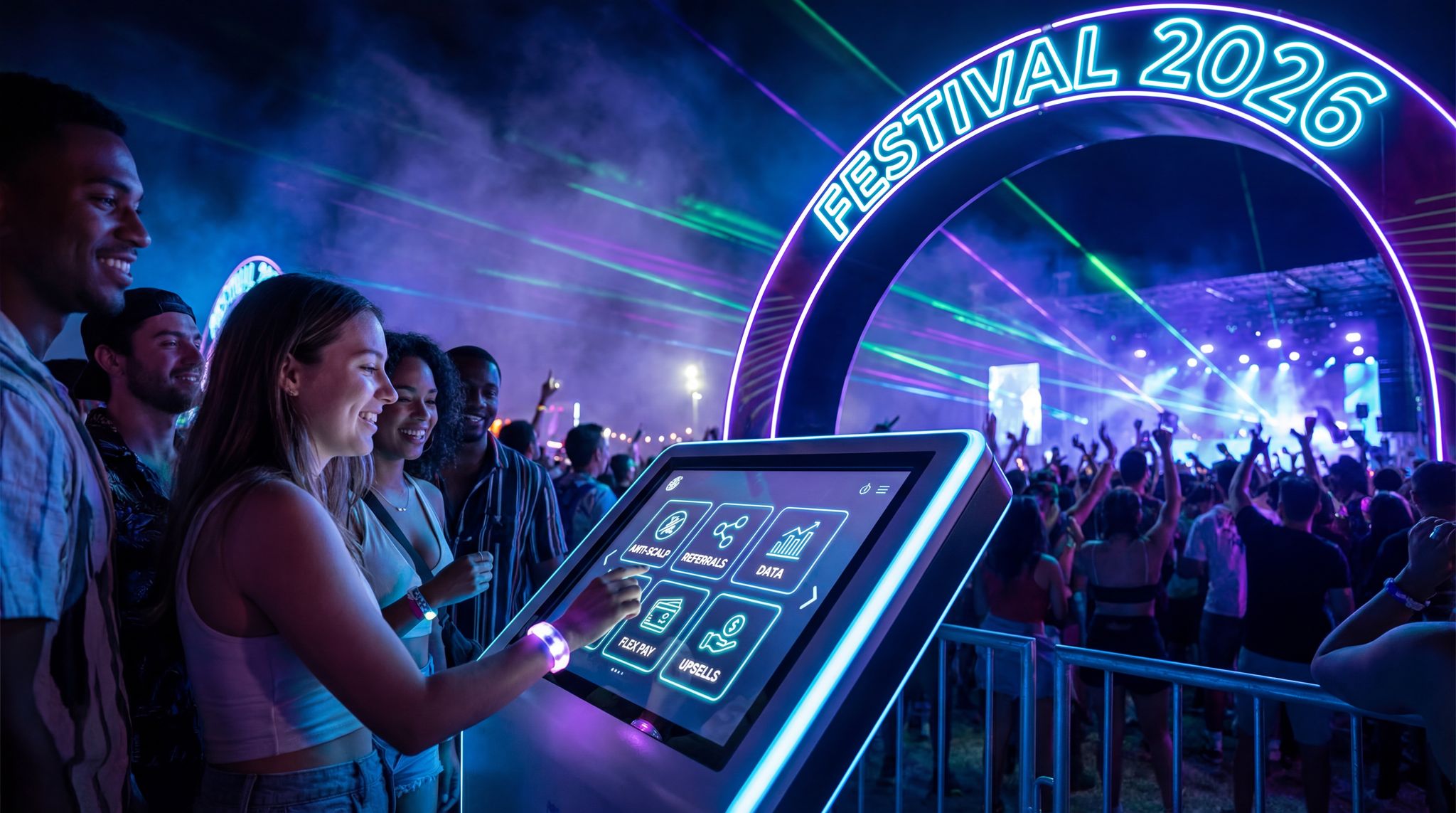
Smart Promo Codes & Presale Access
Create percentage or flat-rate discount codes with usage limits, date ranges, and ticket type restrictions. Plus unlock codes for private presales.
Festivals operate at the pleasure of local authorities, who must issue permits for everything from noise and alcohol sales to health and safety. In regions like the UK, a city council’s licensing committee can shut down a festival if conditions aren’t met, while in the US, county boards or parks departments hold similar power. Beyond officials, the surrounding community – residents, businesses, even other event promoters – can become allies or adversaries. Experienced producers know that a single influential neighbor or an upset local business owner can rally opposition that jeopardizes an event. For example, Glastonbury Festival in England faced a licensing crisis in 2001 after safety issues (mass gate-crashing in 2000) alarmed the local council and villagers. Organizers had to pause the festival and invest heavily in new security (a £1 million “super-fence”) to satisfy community concerns and regain their license, as documented in coverage of the Glastonbury licensing crisis. This kind of costly interruption could be avoided with proactive local engagement from the start.
How to Avoid It
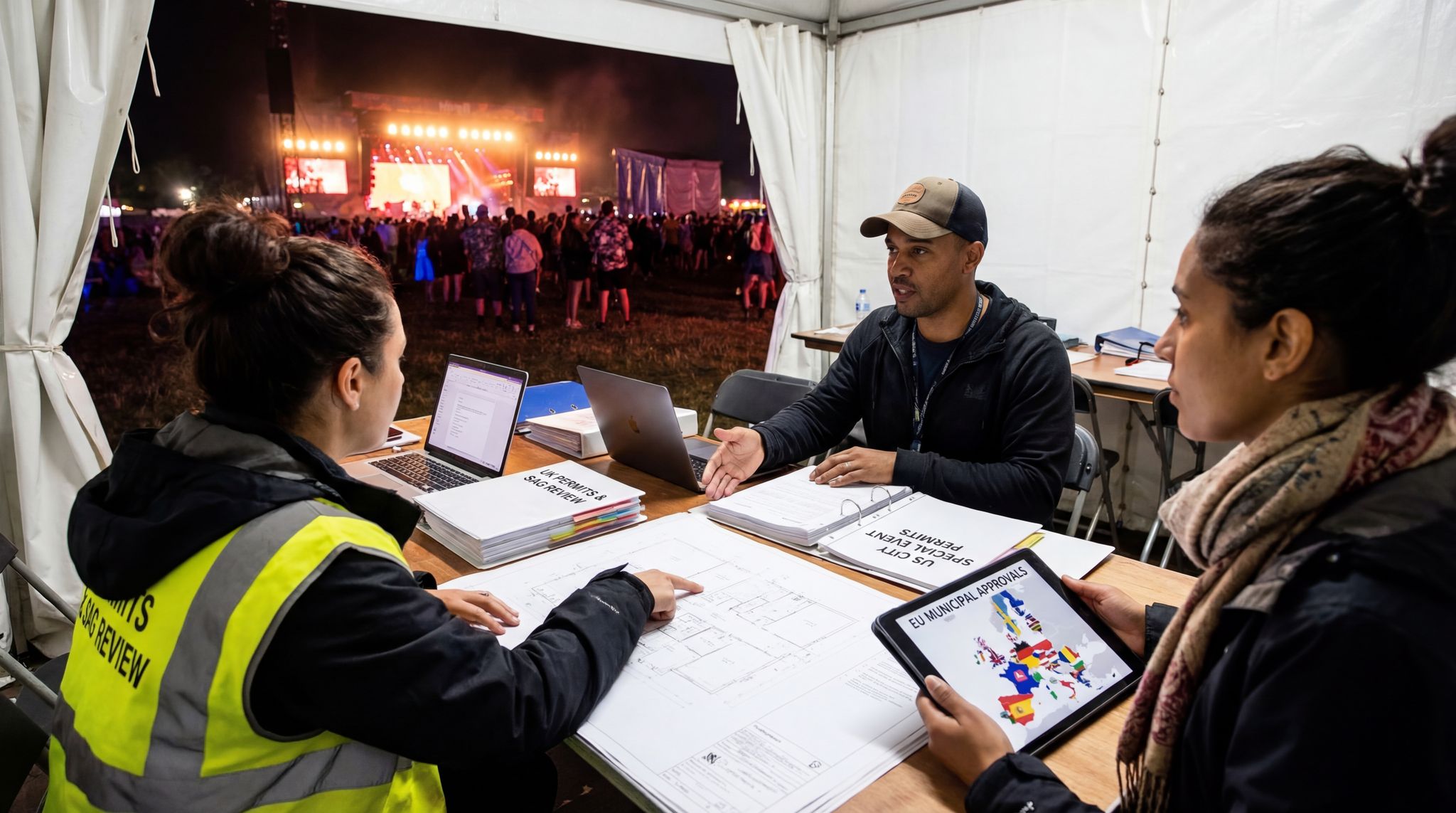
Start permit and community talks early. The moment you have a festival concept and target location, begin mapping out every permit and approval required. Determine the timeline for applications and any public hearings. Veteran organizers recommend securing all necessary festival permits well ahead of deadlines – often 6–12 months in advance for large events. Early action prevents last-minute scrambles and shows authorities you’re organized. Make a checklist of permits (noise, building, health, fire, liquor, etc.) and meet every requirement in writing. Keep a detailed folder of paperwork, because being able to show an inspector a completed checklist of compliance builds trust.
Engage local officials and residents as partners. Instead of viewing regulators as obstacles, treat them as stakeholders in your festival’s success. Seasoned producers often invite fire marshals, police, and health inspectors to visit the site during planning. A pre-event walkthrough with officials can uncover concerns (like inadequate exit routes or sanitation plans) when there’s still time to fix them. Similarly, meeting with community members – for instance, holding a town hall for neighbors – can turn skeptics into supporters. Share your plans to control noise, traffic, and crowds, and listen to local feedback. Many successful festivals implement community initiatives like resident hotlines during the event, free or discounted tickets for locals, and charity contributions to show goodwill. Boomtown Fair in the UK, for example, established a community liaison team and funded local projects, which helped convert wary residents into advocates for the festival.
Be transparent and flexible. If local officials or neighbors raise concerns, address them proactively in your festival operations plan. This might mean investing in better sound baffling on stages, adding more parking and traffic control, or adjusting curfew times. It’s better to slightly reduce capacity or volume than to have your permit denied outright. Show authorities you have robust plans for safety, medical services, and crowd management – this demonstrates professionalism. A cooperative attitude can sometimes even lead to permits being granted when paperwork is slightly incomplete, simply because officials trust you. On the flip side, if you try to slide under the radar (for example, advertising a 5,000-person event but only getting permits for 2,000), expect a shutdown. In one U.S. case, a festival that oversold tickets beyond its permitted capacity had city officials step in mid-event. The result was gates being closed and furious fans left outside – a disaster that was entirely preventable with honest communication, a point highlighted by coverage of the Electric Zoo gate closures.
Case in point: The veteran producer recalls an Asian beach festival where initial permit reviews raised red flags about tsunami evacuation routes (something the novice local team had never considered). By partnering with the regional disaster management agency, the festival not only got its permit but also gained access to an emergency alert system and on-site first responders, impressing attendees and officials alike. The takeaway: respecting local politics and community needs isn’t just about avoiding trouble – it actively creates a safer, more sustainable festival.
Mistake 2: Neglecting Safety and Risk Management
Overlooking Worst-Case Scenarios
In the excitement of booking artists and designing stages, new producers sometimes put safety planning on the back burner. This is a serious error. Festivals are essentially temporary cities, and lots can go wrong – crowd crushes, severe weather, structural failures, medical emergencies, even pandemics. Assuming “it’ll be fine” is never an acceptable plan. Tragically, recent events have underscored this point. The 2021 Astroworld Festival in Houston became a worst-case scenario when a crowd surge during Travis Scott’s set turned deadly, resulting in 10 fatalities (including a child) and hundreds injured, a tragedy explored in documentaries covering the Astroworld disaster. Investigations later found that warning signs were ignored and the show wasn’t stopped in time. In Europe, disasters like the Love Parade 2010 in Germany (where overcrowding in a confined tunnel led to a fatal stampede) further highlight how poor crowd management can have catastrophic consequences.
Turn Fans Into Your Marketing Team
Ticket Fairy's built-in referral rewards system incentivizes attendees to share your event, delivering 15-25% sales boosts and 30x ROI vs paid ads.
Beyond crowd dynamics, consider weather and structural risks. Veteran festival organizers recount incidents like stages collapsing in high winds, lighting rigs shorting out, or flash floods turning sites into mud pits. One 35-year veteran vividly remembers when a sudden thunderstorm forced an evacuation of a 40,000-capacity festival – a scenario that could have descended into chaos without a practiced emergency plan. New producers who haven’t lived through crises may underestimate how quickly a situation can turn. Every festival, big or small, needs robust safety and emergency protocols on par with those of a permanent venue or city event. Neglecting this is not just a mistake – it can be life-threatening and legally ruinous.
Building a Safety-First Culture
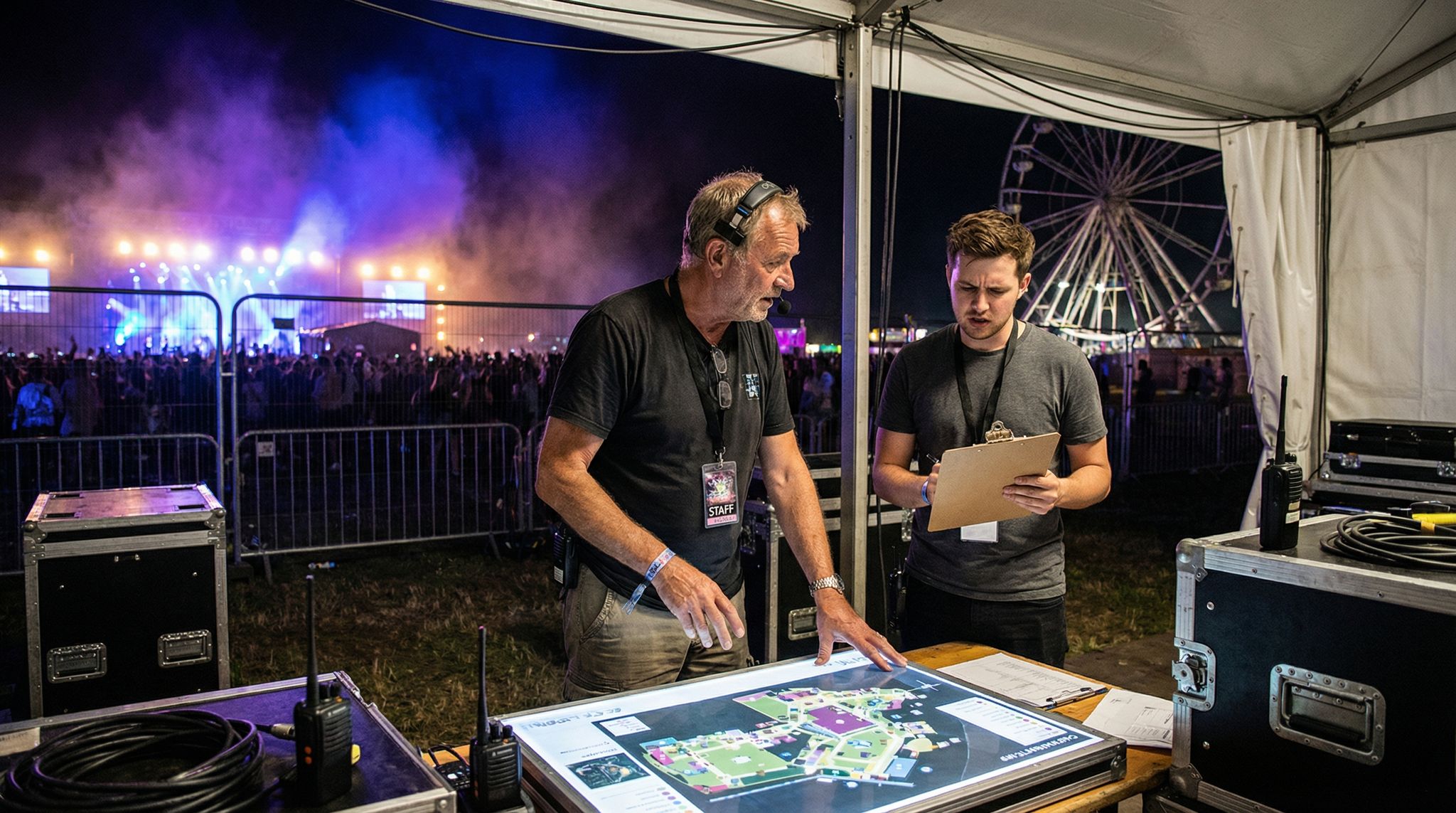
Develop a detailed emergency action plan (EAP). Well before gates open, map out exactly how you’ll handle various emergencies. This includes severe weather (lightning, high winds, heat waves), medical emergencies (overdoses, injuries), fires, security threats, and lost children. Define decision triggers – for example, a specific lightning proximity rule (many festivals use “if lightning is within 8 miles, pause the show”) or crowd density thresholds that, if exceeded, will prompt you to stop music and relieve pressure. Don’t rely on gut feeling; use objective metrics and guidance from experts like the Event Safety Alliance. Importantly, decide who has the authority to pause or cancel performances if danger arises. Experienced crews establish a clear chain of command: for instance, the Safety Officer or Festival Director has full stop-show authority. Everyone on staff should know who that person is. Having “stop the show” protocols that empower your team to act instantly for safety can literally save lives – there are cases where a 2-minute delay in halting a show made the difference between a close call and a tragedy.
Planning a Festival?
Ticket Fairy's festival ticketing platform handles multi-day passes, RFID wristbands, and complex festival operations.
Design for safety from day one. Integrate safety into your site layout and schedule. Avoid designs that create bottlenecks, such as single narrow entrances/exits for large areas or poorly placed barriers. Use solid crowd barriers in front of stages and pen areas if needed to break up huge crowds. Ensure there are ample emergency exit routes clearly marked, with lighting for night. Spread out high-attendance attractions so that everyone isn’t rushing to one stage at the same time. Veteran organizers often consult crowd science experts for big festivals – but even a 2,000-person event can apply basic principles like one-way traffic flows and multiple entry points. Many new producers get crowd management wrong by copying layouts from a past event without analyzing if it’s safe, a common error discussed in guides on what most festivals get wrong about crowd safety and ensuring you properly train staff and volunteers on crowd management. Don’t make that mistake: plan your layout to prevent surges and suffocation points. Similarly, schedule wisely – avoid putting the two most popular headliners back-to-back on different stages if it will encourage a 20,000-person swarm from one end of the site to the other in 5 minutes.
Train and inform your staff and attendees. A safety plan on paper means little if your team can’t execute it. Hold safety briefings with all staff and volunteers so they know emergency codes, evacuation procedures, and their specific roles if something goes wrong. Practice scenarios: for example, walk the team through a mock lightning evacuation on show morning – “If we announce a weather hold, here’s how security guides fans to shelter, here’s how stage managers secure equipment,” etc. Drill how to shut down a performance mid-song if needed; coordinate a signal with the audio/lighting crew and artist in advance. Many veteran crews even give artists a heads-up in advance: “If you see us kill the music and hear X announcement, the show is paused for safety – please cooperate.” This prevents situations where a performer might unknowingly rile up the crowd when authorities are trying to calm things. On the attendee side, communicate clearly. Use all channels to keep attendees informed during an emergency – PA announcements, text alerts, mobile app push messages, social media, even flashing info on stage screens, because empowering teams to pause performances for safety is critical. The more promptly and calmly you explain what fans should do (“Severe storm approaching, please move quickly but safely to the parking area or solid structures”), the more likely the crowd will follow instructions without panic. Modern emergency mass notification tools for events can help send alerts to everyone at once – but always have backup methods (like bullhorns or staff runners) in case power or networks fail.
Never sacrifice safety to save costs or time. It might be tempting for new promoters on tight budgets to cut back on security staff, medical teams, or safety infrastructure like sturdy fencing and ground protection. Resist that temptation. The financial and reputational damage of a serious safety incident far outweighs the upfront savings. As a veteran mantra goes, “No show is better than a dangerous show.” If you’re behind schedule setting up (perhaps the stage build ran late due to weather), do not open gates until all safety measures are truly ready. Fans will forgive a delay; they won’t forgive a preventable accident. A sobering statistic: crowd-related incidents have legal and financial repercussions that can bankrupt an event. Many insurance policies won’t cover negligence, so one lawsuit could end your festival for good. By fostering a culture where every team member – from the security guards to the production interns – feels responsible for attendee welfare, you create an environment where potential hazards are spotted and addressed before they escalate. The goal is that your festival’s only “rush” is the excitement of the music, not a rush to the medical tent or exit gate.
Mistake 3: Underestimating Budget and Financial Realities
The Costly Surprises
Dreaming big is part of festival planning, but failing to ground those dreams in financial reality can doom a festival before a single ticket is scanned. New producers often underestimate how much everything costs – or overlook entire categories of expenses. It’s easy to budget for obvious line items like artist fees or stage rentals and miss less obvious ones like insurance, sanitation, fencing, generators, fuel, crew catering, and emergency contingencies. For instance, a first-time producer might allocate all their funds to booking a big headliner, only to realize too late they have no money left for sufficient toilets or security staff. The result? Either the event infrastructure is dangerously under-provisioned or the organizer scrambles to cover costs with personal funds (or last-minute loans) – neither outcome is desirable.
According to industry analyses, only about 56% of festivals turn a profit, and over one-third lose money despite sometimes strong ticket sales, which explains why many festivals fail financially. The reasons often trace back to poor budgeting and cost control. A notorious example is the Fyre Festival in 2017, where organizers promised a luxury experience on a remote island without fully accounting for the enormous cost of infrastructure and logistics. They poured money into marketing hype (and celebrity influencers) but failed to secure basics like housing, food, and transport, leading to a highly publicized meltdown, with reports on the founder’s history of overpromising and subsequent criticism of the organizers’ delusional planning. While Fyre’s case is extreme, countless smaller festivals quietly suffer death by a thousand cuts: perhaps they just break even or incur a loss and cannot continue another year. A common rookie mistake is assuming that once you sell enough tickets, everything will “work out.” In reality, overspending early or counting on best-case ticket revenue can leave you insolvent if sales fall short or costs spike. Even successful festivals often operate on thin margins – one U.K. report noted skyrocketing production costs (from talent to toilets to fuel) have squeezed independent festivals’ finances in recent years, further illustrating how financial mismanagement impacts festival success. Without meticulous budgeting and a cushion for the unexpected, new festivals can quickly spiral into debt.
Financial Discipline and Contingency Planning
Build a detailed, line-by-line budget early. Experienced festival organizers treat the budget as a living blueprint, starting many months (even years) before the event. List every conceivable expense category, no matter how small. This includes obvious areas like talent, staging, sound & lighting, power, staff, catering, marketing, ticketing fees, permits, insurance, and venue rental, as well as less obvious ones like golf cart rentals, fencing, waste management, first aid supplies, Wi-Fi infrastructure, and post-event cleanup. Research realistic cost figures by getting quotes and asking other promoters for ballpark figures. Don’t rely on guesses – for example, find out how much 50 portable toilets and daily cleaning will actually cost, or what the rate for off-duty police security might be. Many first-timers set overly optimistic numbers (or forget line items entirely). A veteran rule of thumb is to then add a contingency reserve of at least 10–20% of the total budget for surprises. Nearly every festival has unplanned expenses – whether it’s a last-minute equipment rental, fuel cost fluctuations, or an artist’s delayed flight. If you don’t pad the budget, those surprises can push you into the red.
For perspective, here’s a simplified example of how a festival budget might break down:
| Budget Category | Small Festival (5,000 attendees) | Large Festival (50,000 attendees) | Approx. % of Budget |
|---|---|---|---|
| Talent (artists & DJs) | $100,000 | $5,000,000 | 30–40% |
| Production (stages, sound, lighting) | $80,000 | $4,000,000 | 25–30% |
| Infrastructure (site, power, sanitation) | $50,000 | $2,000,000 | 10–15% |
| Staffing & Security | $30,000 | $1,500,000 | 10–15% |
| Permits, Insurance & Compliance | $15,000 | $500,000 | 5–10% |
| Marketing & Promotion | $20,000 | $1,000,000 | 10–15% |
| Contingency Reserve (10%) | $30,000 | $1,500,000 | 10% |
Note: The percentages vary, but talent and production typically consume the majority of a music festival’s budget. It’s critical not to blow nearly everything on talent – as appealing as an A-list headliner is – at the expense of infrastructure and safety. A festival cannot function without adequate production, power, and toilets, but it can survive with a slightly less famous (and less costly) lineup.
Secure diverse revenue streams. Don’t rely solely on ticket sales to fund your festival. New producers often pin all hopes on a sell-out crowd covering expenses, but seasoned pros diversify income. Sponsorships can provide significant up-front cash or in-kind support (e.g., a beverage sponsor supplying drinks or an audio brand providing sound equipment). Food and beverage sales, merch, parking fees, and camping passes can each add to the bottom line. Some events pursue grants or public funds if their festival has cultural or tourism value for the region. By having multiple revenue sources, you’re less vulnerable if one area underperforms – for example, if ticket sales come in lower than forecast, strong merch and bar sales or a sponsor’s contribution might fill the gap. Make sure to realistically forecast each income stream in your budget. It’s wise to base projections on conservative assumptions, not best-case scenarios. For instance, if your venue can hold 5,000, don’t budget assuming 5,000 paid attendees unless you have presales or history to back that up; maybe budget on 3,500 to be safe, which would align with a roughly 70% sell-through – still optimistic, but not a fantasy.
Monitor cash flow and adjust. A budget isn’t static. Track your spending and income against it continually. If costs start creeping higher in one area, identify savings elsewhere or new funding before it’s too late. Modern event management platforms like Ticket Fairy can help with real-time analytics; organizers use our dashboard to see ticket revenue coming in live and compare it to budget milestones. If you notice lagging sales, you might tighten spending or boost marketing accordingly. Likewise, avoid big expenses that aren’t absolutely necessary if early sales are soft – do you really need that extra VIP lounge if VIP tickets haven’t sold well? Financial discipline also means negotiating with vendors. Veteran producers negotiate payment schedules to protect cash flow (e.g., 50% deposit, 50% after the event, so you’re not paying everything up front). And don’t be afraid to seek help: some ticketing partners offer financial programs for organizers. For example, Ticket Fairy’s Capital program can advance funds for production costs based on forecasted ticket sales, giving new festivals a much-needed cash buffer without resorting to predatory loans. Using such options wisely can ensure you afford critical infrastructure and staff well before ticket revenue is fully in hand.
Finally, always plan for the worst-case financial scenario. What if severe weather forces a partial cancellation – can your budget weather that hit? What if you need to refund VIPs because a headline artist cancels? By purchasing appropriate insurance (event cancellation insurance, weather insurance, artist no-show insurance) and keeping that contingency fund untouched except for true emergencies, you create a safety net. The veteran producer emphasizes: it’s better to launch a smaller, modest festival and come in under budget than to gamble on an extravagant production that overextends finances. Earn credibility with a financially sound first edition – it will be much easier to attract investors, sponsors, and customers for year two once you’ve proven you can deliver an amazing experience and pay all your bills on time.
Mistake 4: Last-Minute Planning and Understaffing
The Chaos of Poor Planning
If there’s one refrain veteran producers repeat, it’s “don’t wing it.” Festivals are massive projects with thousands of moving parts. Yet new organizers sometimes vastly underestimate the lead time and team size needed to pull it off. The result is a mad scramble as the event date looms – critical tasks fall behind schedule, details slip through the cracks, and stress levels skyrocket. Important steps like permit approvals, production schedules, and marketing campaigns need long lead times; if you start too late, you simply run out of runway. We saw a dramatic example of planning failure at Electric Zoo 2023 in New York. Due to poor planning and mismanagement, the first day of the festival was canceled outright when the main stage wasn’t completed in time, leading to cancellations due to mismanagement and security breaches. The organizers opened late on the second day and then had to turn away crowds on the third day because they oversold tickets beyond the venue’s capacity – chaos that the city mayor directly attributed to mismanagement, as detailed in analysis of the Electric Zoo planning failures. While Electric Zoo had experienced promoters at the helm, their stumble shows how timeline failures (and an understaffed or under-coordinated team) can wreck an event’s reputation. For a newcomer without a deep team, the risks are even higher.
Need Festival Funding?
Get the capital you need to book headliners, secure venues, and scale your festival production.
Another common rookie mistake is trying to do everything oneself. Festivals require expertise in many areas – production, technical AV, security, logistics, marketing, ticketing, artist relations, hospitality, and more. A single person or a tiny team cannot effectively handle it all, yet new producers often attempt to wear all hats to save money or because they don’t know how to delegate. The outcome is either burnout, overlooked responsibilities, or a festival held together with duct tape. For example, a first-time organizer might be so busy negotiating last-minute stage rentals that they forget to arrange adequate volunteers for the gate – leading to huge entry lines and frustrated attendees on show day. Or they may be so focused on curating a perfect lineup that they neglect marketing until a week before, resulting in poor ticket sales. The truth is, lack of structured planning and a capable team underpin many of the other mistakes in festival production. Without enough time or help, you can’t properly engage locals, plan safety, manage finances, or scale wisely.
Planning Methodically and Building Your Team
Create a backward timeline with milestones. As soon as you decide to produce a festival, lay out a timeline from the event date backwards, marking key milestones for each month (or week, as the date nears). This is often called a “critical path” or project plan. For instance, if your festival is scheduled for 1 August 2025, you might set milestones like “submit permit applications by Jan 1, 2025,” “headline artists confirmed by Feb 1,” “tickets on sale by Mar 1,” “production contractors hired by May 1,” and so forth. Veterans emphasize locking in non-negotiable deadlines (permits, major bookings, production orders) first, a strategy for getting festival planning back on track. From there, interdependent tasks can be scheduled. Use project management tools or even a simple spreadsheet to track progress. Below is a sample high-level timeline for a mid-sized festival:
| Months Before Event | Planning Milestones |
|---|---|
| 12+ months out | Concept & feasibility research; secure venue/date options; initial budget draft; explore funding/sponsors. |
| 9–12 months out | Submit permit applications; book headline artists; hire core team (production manager, marketing lead); announce festival dates (Save-the-Date). |
| 6–9 months out | Launch early marketing campaign; open ticket sales (early bird tiers); contract major vendors (staging, sound, security, power); confirm sponsorship deals. |
| 3–5 months out | Full lineup announcement; ramp up advertising & PR; detailed logistical planning (site plan, run of show, transportation plans); recruit volunteers/staff; order merch and credentials. |
| 1–2 months out | Final site prep and safety plan review with authorities; ticket reminders; print tickets/wristbands; training sessions for staff and volunteers; contingency plan drill (simulation of emergency scenarios). |
| 1–2 weeks out | On-site build begins (stage construction, tents, fencing); daily production meetings; final permit inspections; load in vendors and gear. |
| Festival week | Execute show according to schedule; monitor in real time; be ready with on-the-fly fixes for any issues; keep communication tight across teams. |
| Post-event | Breakdown and cleanup; debrief with team; gather feedback from attendees, staff, community; financial reconciliation; thank you messages; document lessons for next year. |
Of course, every festival’s timeline will differ, but the key is starting early and locking critical tasks well in advance. Notice that permits and headliners – two items with long lead times – appear at least 9–12 months out. Many novice planners are shocked to learn that major artists often schedule festival dates up to a year or more in advance (especially during busy summer season). If you wait until 3 months out to book big acts, you’ll find only leftovers or pay a premium. Likewise, cities may require permit submissions 6+ months ahead; miss that window and your event can legally never happen on time. If despite your best efforts you do fall behind on the timeline, all is not lost – there are strategies to triage and catch up when festival planning is behind schedule. The key is to recognize the problem early, prioritize the absolutely essential tasks (e.g., you must have safety infrastructure and permits, even if it means trimming less critical features), and possibly delay the event if that’s the only safe option.
To keep these milestones on track, veteran organizers translate their high-level timeline into a granular planning a festival checklist. While a timeline dictates when phases happen, a comprehensive checklist breaks down exactly what needs to be done daily by each department. Whether you are organizing a massive electronic music event or coordinating niche outdoor gatherings like seasonal Lammas festivals, having a reliable, shared task list prevents critical details from slipping through the cracks. This master document should cover everything from securing vendor insurance certificates and finalizing site maps to ordering staff radios and scheduling sanitation cleanings. By assigning a specific owner and deadline to every single checklist item, you create a culture of accountability that keeps the entire production moving forward smoothly.
Build a trusted team and delegate. An old festival adage says: hire people smarter than you in each domain. Even if you’re budgeting lean, identify your own weaknesses and bring on specialists for those areas. If you have a strong technical background but little marketing experience, find a marketing manager (even part-time) to strategize ticket promotions. If you’re well-connected with artists but have never run site operations, hire a production manager who has run festivals before – their expertise is invaluable. Yes, personnel is a cost, but think of it as an investment in avoiding costly mistakes. A seasoned operations or security chief, for example, will foresee issues and handle them before they blow up, saving you money and stress. Volunteer coordinators, safety officers, stage managers, hospitality leads – all these roles exist for a reason. You don’t necessarily need a huge full-time staff, but you do need point people for each functional area who are accountable for those plans. Where budget is tight, consider contracting freelancers or consulting with experienced organizers for specific prep tasks. Many industry veterans are open to short-term consulting to help new festivals succeed (the festival world can be quite supportive). It’s also wise to empower your team to make decisions in their domain – micromanaging because “this is my baby” often backfires when you’re juggling 100 other things.
Don’t overlook marketing and communication. Planning isn’t just about ops and logistics – it also means giving yourself enough runway to promote the event and communicate with ticket buyers. A classic new-producer mistake is announcing a festival too late or doing minimal promotion, then wondering why turnout is low. Build your marketing timeline into the project plan. Festivals usually start teaser campaigns and ticket sales many months out (some major ones, 9–12 months in advance) to build momentum. Leverage artists in the lineup, local media, and social media early and often. If marketing isn’t your forte, enlist someone who knows how to target the right audience and build hype. Also, choose reliable ticketing and communication tools from the start – you want a ticketing platform that can handle high demand and perhaps offers built-in marketing features. (For instance, the Ticket Fairy platform includes a referral marketing system that rewards fans for attracting others, which can significantly boost early sales via word-of-mouth.) The smoother your ticket purchase process and the more buzz you generate ahead of time, the less you’ll be sweating about revenue in the final weeks when you should be focused on execution.
Lastly, maintain clear communication within your team. Use a shared tool (even just a Slack or WhatsApp group, or project management software) to keep everyone updated daily as the event nears. Many festivals hold daily stand-up meetings (in person or virtual) in the final week to make sure no detail is missed – from confirming the ice delivery for vendors to double-checking the volunteer schedule for the gate. This level of coordination might seem tedious, but it can spell the difference between a smooth opening and a rocky one. The 35-year veteran recalls a particular event where a missed memo meant no one ordered barricades for the second stage – they realized on event day, and staff had to hastily repurpose bike racks and fencing as a makeshift barrier. It was a near miss that could have been a security nightmare. The lesson: plan thoroughly, trust your team, and never assume someone else handled it unless you’ve confirmed it.
Mistake 5: Scaling Up Too Fast
Growth Pains on Overdrive
Ambition is great – it’s what drives festival founders to create new experiences. But expanding a festival too quickly can be as dangerous as not planning enough. New producers sometimes get overexcited by early success and attempt to double or triple their audience in the next edition, or they add multiple new elements (more stages, an extra day, a larger site) without the supporting infrastructure. The result is often a sharp drop in quality and safety that alienates the very fans who loved the intimate first edition. We’ve seen examples of festivals that balloon in size one year and then collapse the next because the organizers couldn’t maintain the experience or finances at that scale. One mid-sized electronic festival in Europe, for instance, grew from 5,000 attendees to 15,000 in a single year – only to be hit with massive lines, insufficient restrooms, overwhelmed medical tents, and noise complaints from miles away. Attendees were furious and the local authorities almost didn’t grant a permit for the following year. Essentially, the organizers bit off more than they could chew.
Sometimes the pressure to scale comes from outside – investors, media hype, or comparing yourself to bigger festivals. But a bigger festival is not automatically a better one if the growth isn’t managed properly. The infamous Fyre Festival again serves as a cautionary tale here: it was an attempt to go from zero to a luxury mega-festival in one go, with no prior smaller builds, which proved disastrous. Even established successful events have faltered when expanding recklessly. On the other hand, many globally renowned festivals grew slowly and deliberately. Tomorrowland in Belgium started as a 1-day, 10,000-person event in 2005 and expanded over many years to become a two-weekend, 400,000-person phenomenon – carefully adding capacity while investing heavily in production value and infrastructure each step of the way. New producers must realize that scaling up is not just about selling more tickets; it’s about scaling your operations, infrastructure, and team at an equal pace. If any of those lags behind, cracks will show.
Scalable Growth Done Right
Expand in stages, not leaps. Industry veterans advise creating a multi-year growth roadmap instead of trying to hit an ultimate capacity in Year 2. For example, if your long-term dream is a 50,000-person festival, maybe you plan 5,000 in year one, 10,000 in year two, 20,000 in year three, and so on – adjusting based on demand and lessons learned each year. Incremental growth allows you to test systems and identify what breaks at each scale. Perhaps at 10,000 attendees you discover the need for a better entry system or more water stations; you can fix that before growing to 20,000. If you jump straight to 20,000 without that intermediate step, those problems would explode. Map out a sensible multi-edition growth plan that maintains your festival’s vibe and quality. This means only increasing capacity when you’re confident you can serve that capacity well. It’s not just about physical logistics, but also about community. Many festivals have a devoted core audience, and if an event grows too fast, it can lose the intimacy or culture that made it special. Attendees might feel the festival “sold out” or changed too much. Thus, scale carefully and get feedback – survey your attendees after each edition to see if they felt overcrowded or if any aspect suffered. Growth should feel like progress, not like “bloat”, so it is vital to scale your festival without losing the vibe.
Invest in infrastructure and staff as you grow. A golden rule: don’t sell one more ticket than you can safely accommodate. That means if you plan to increase attendance, you should at minimum proportionally increase your infrastructure and crew. More people = more toilets, more security, more medical coverage, more food vendors, more parking or shuttle capacity, etc. For instance, if you jump from 5k to 10k attendees (100% increase), you should roughly double the number of toilets and entry lanes and security staff at a minimum. Ideally, scale infrastructure slightly ahead of attendance growth to ensure comfort. If you’re moving to a bigger venue or adding a second stage, do a ground-up review of your safety plan with the new scale: are the exit routes still sufficient? Do you need additional emergency coordinators or another command post? Also, recognize when certain processes need upgrading. At a small size, you might get away with a simple spreadsheet or radio communication, but at larger scales you may need more robust systems (like networked ticket scanners, dedicated radio channels for different teams, an advanced crowd monitoring system, etc.). Don’t assume what worked for 1,000 people will work for 10,000. Many experienced organizers gradually professionalize their operation as they grow, often using a three-edition growth plan to manage expansion – bringing in specialized production managers, safety experts, or traffic engineers once the festival reaches a certain size. Scaling attendance without scaling professionalism is a recipe for problems.
Maintain your festival’s core identity. Growth can put pressure on a festival’s original mission or vibe. Perhaps your festival was beloved for its boutique feel or niche genre focus – expanding could dilute that if you’re not careful. To avoid alienating your base, grow in ways that enhance the experience, not just make it bigger. For example, you might add new attractions or stages that complement the core theme, rather than switching to whatever is trendy just to sell more tickets. Keep elements of your programming or ethos that set you apart. Glastonbury famously grew into one of the world’s largest festivals but still maintains quirky small areas (like the Healing Field, Green Futures, etc.) that preserve its countercultural roots. It also enforces crowd limits at certain popular stages by using area closures once full, which, while disappointing to some, prevents dangerous overcrowding and keeps the experience enjoyable for those inside. Communicate with your audience about growth: if you’re adding a day or increasing capacity, let them know how you’re addressing potential issues (e.g., “We’re expanding camping areas and doubling water refill stations to keep lines short”). Transparency builds trust, ensuring attendees view expansion as an improvement. Fans are more forgiving of change if they believe it’s being done to improve the festival for everyone, not just to sell more tickets.
Case Study: Measured Growth. Consider Electric Daisy Carnival (EDC) in Las Vegas. It started in the 1990s as a modest rave and over decades became a 150,000-attendance-per-day mega-festival. Insiders note that with each jump in size, EDC’s organizers upgraded their venue (eventually to the Las Vegas Motor Speedway), drastically expanded parking and shuttles, and invested in attendee services – from free water stations to a massive team of Ground Control volunteers focused on fan well-being. By scaling infrastructure and community initiatives alongside attendance, they largely maintained fan satisfaction even as EDC grew into one of the largest music festivals in the world. In contrast, a cautionary tale comes from a now-defunct U.S. festival that tried to expand from one day to three days in its second year without increasing its staff or budgeting for the extra days of logistics. The result was staff exhaustion, shortages of supplies by day 3, and a subpar experience that tarnished the festival’s name. The veteran producer’s advice: grow only when you’re ready, and even then, grow slowly. Remember that longevity is the real goal – you want your festival to still be around (and growing steadily) 10 years from now, not to have a giant year one and crash by year two.
Frequently Asked Questions
What are the biggest mistakes new festival producers make?
Common pitfalls include underestimating local politics, neglecting comprehensive safety planning, and failing to budget for hidden costs. New producers often struggle with last-minute planning due to understaffing and attempting to scale attendance too quickly without matching infrastructure. Avoiding these errors requires early preparation, financial discipline, and experienced team delegation.
How far in advance should I apply for festival permits?
Organizers should begin the permit application process 6 to 12 months before the event date. Early engagement with local authorities prevents last-minute denials and allows time to address concerns regarding noise, traffic, and safety. Maintaining a detailed checklist of requirements ensures compliance with fire, health, and building codes.
Why do many music festivals fail financially?
Financial failure often stems from underestimating costs and relying solely on ticket sales. Industry data suggests only 56% of festivals turn a profit, with many organizers overlooking expenses like insurance, sanitation, and security. Successful events diversify revenue through sponsorships and merchandise while maintaining a 10-20% budget contingency.
What should be included in a festival emergency action plan?
A robust Emergency Action Plan (EAP) must detail protocols for severe weather, medical crises, crowd surges, and security threats. It defines specific decision triggers, such as lightning proximity rules, and establishes a clear chain of command. The plan designates exactly who has the authority to pause or cancel performances immediately.
How can organizers scale a festival without losing its vibe?
Scaling requires a multi-year growth roadmap rather than sudden capacity jumps. Organizers must increase infrastructure, such as security, restrooms, and medical staff, proportionally to attendance growth. Maintaining the event’s core identity involves preserving unique programming elements and soliciting attendee feedback to ensure the experience remains high-quality during expansion.
What is a realistic timeline for planning a music festival?
A successful festival requires a planning timeline starting at least 12 months in advance. Critical milestones include securing the venue and permits early, booking headline artists 9 to 12 months out, and launching ticket sales 6 to 9 months prior. A backward-planning approach ensures ample time for marketing and logistical coordination.
Who has the authority to stop a festival performance for safety?
The Festival Director or a designated Safety Officer must have the absolute authority to pause or stop a show during emergencies. This chain of command should be established before the event, ensuring that audio and lighting crews respond immediately to safety signals rather than waiting for artist approval or consensus.
How can festival producers improve local community relations?
Producers improve relations by engaging residents and officials as partners early in the planning process. Hosting town hall meetings to address noise and traffic concerns, implementing resident hotlines, and offering community benefits like discounted tickets fosters goodwill. Transparency regarding operations helps convert potential adversaries into supportive stakeholders.
What are the essential categories for a planning a festival checklist?
A comprehensive planning a festival checklist should be divided into core operational categories: licensing and permits, budgeting and finance, talent booking and advancing, site infrastructure (power, sanitation, fencing), health and safety (EAP, medical, security), and marketing and ticketing. Breaking the master checklist down by department ensures that every team member knows their specific deliverables and deadlines.