One thing about events is that they are created with an audience in mind. The true measure of an event’s success is revealed only after it’s over – when feedback pours in from attendees about their experience. In fact, the attendee experience is what matters most in event planning, especially in 2026’s experience-driven event landscape. Every step you take in planning and marketing should be guided by one question: “Would this attract and delight our target audience?” Identifying your target audience early – and often that means a passionate fan community – gives you clear direction for setting goals and parameters.
Engaging the fan communities (fandoms) relevant to your event is one of the most powerful ways to boost attendance and create a memorable experience. Fandoms are tight-knit groups of people who share a deep enthusiasm for a particular artist, genre, brand, or interest. They are the driving force behind many niche events and conventions, and tapping into their passion can turn a modest conference into a sold-out phenomenon. For example, fan-driven conventions have seen attendance skyrocket in recent years. The first European Comic-Con in Málaga, Spain (September 2025) drew over 125,000 attendees – more than double the 60,000 originally expected – a success story detailed by reports on the San Diego Comic-Con in Málaga – highlighting how a devoted fandom can far exceed traditional attendance projections. These kinds of breakthroughs in turnout underscore a key point: when an event truly speaks to a fan base, they will show up en masse.
This isn’t just anecdotal. Research shows that fandom influences live event behavior. According to a 2024 Deloitte media survey, about 40% of consumers consider their fandom for a favorite artist, movie, or team a key part of their identity, as noted in Deloitte’s analysis of fan loyalty and media consumption – and these devoted fans are far more likely to attend live events (concerts, conventions, etc.) and participate repeatedly than casual audiences, driven by the social and communal aspect of attending such events. In other words, fandom isn’t a casual interest; it’s a community and identity that retains fandom engagement for the long haul. Event planners with experience in niche events know that catering to these fan communities can yield highly motivated attendees who not only buy tickets but also evangelize the event to others. The question is: How can you effectively target these fandom “touchpoints” to drive conference attendance?
Below, we explore a few proven strategies to attract and engage fandoms at conferences or niche events. By offering multiple fandom touchpoints – from exclusive meet-and-greets and special merch packages to early-access perks and community-building activities – you can create an irresistible experience that fans will love and share.
Turn Fans Into Your Marketing Team
Ticket Fairy's built-in referral rewards system incentivizes attendees to share your event, delivering 15-25% sales boosts and 30x ROI vs paid ads.
1. Establish Meet-and-Greets
A time-honored and effective way to ignite fandom interest is the promise of meet-and-greet sessions. Fans will travel far and wide, and often pay premium prices, for the chance to meet their idols or interact with key figures in their fandom. Organizing a meet-and-greet with an artist, celebrity, speaker, or other important figure instantly elevates your conference’s appeal. It creates a unique, special atmosphere because meet-and-greet opportunities are not available at every event – they feel like once-in-a-lifetime moments.
From comic conventions to music conferences, strategic guest selection is crucial. You want to invite guests who genuinely resonate with the target fandom, as this will not only boost attendance but also lend credibility to your event by attracting the right celebrity guests. For example, an anime-centric conference might feature beloved voice actors, or a tech fan meetup might include a famous developer or YouTuber. Booking these beloved figures can significantly boost early ticket sales because fans will flock for the opportunity to see them in person, helping to make your fan festival truly unforgettable. Just as importantly, having the “right” special guest signals to the fan community that your event is authentic – it shows you understand who they care about. Many celebrities and creators enjoy connecting with fans, so when reaching out, be professional and highlight the fan appreciation aspect of your event to secure their participation when reaching out to celebrity agents regarding panels or signings.
Ready to Sell Tickets?
Create professional event pages with built-in payment processing, marketing tools, and real-time analytics.
Once you’ve secured a special guest, make sure to promote the meet-and-greet early in your marketing campaign. Announce it prominently and consider offering early-access sign-ups or VIP tickets for the meet-and-greet session. This kind of exclusive offer can drive a surge in early registrations as die-hard fans scramble not to miss out. Also, set up a clear system for managing the meet-and-greet: whether it’s a limited number of tickets, a lottery system for a spot in line, or a scheduled time-slot sign up, planning the logistics will prevent chaos on event day. Large fan conventions use tools like advance reservations or lottery draws for popular sessions to avoid overcrowding by utilizing dedicated scheduling tools that minimize overlap. Your conference can do the same on a smaller scale, ensuring the experience is smooth and enjoyable for everyone.
Pro Tip: Manage meet-and-greet lines fairly and efficiently. For example, limit the number of items a fan can have signed or the time they spend with the guest before kindly moving them along to prevent any one attendee from monopolizing a guest. This prevents any one attendee from monopolizing the guest’s time and allows more fans to participate. Clear signage and a friendly staff member to gently enforce these rules (e.g., “Let’s give everyone a chance to meet the guest!”) will keep the queue moving while maintaining a positive vibe.
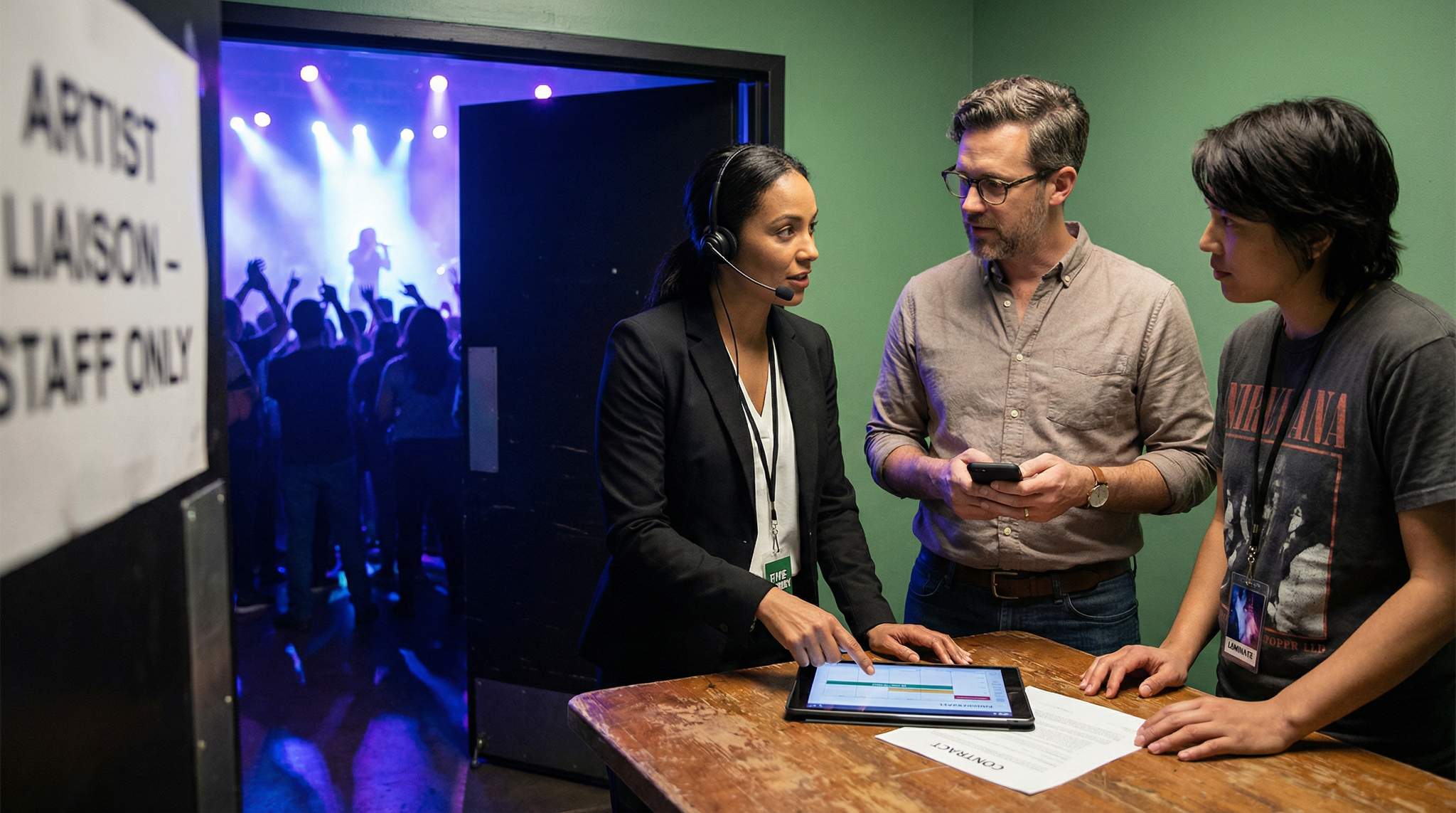
Little details in meet-and-greet planning go a long way. Provide a comfortable setup for the guest (a proper area with a table, seating, good lighting, and water) and for fans (organized queues, safety barriers if needed, etc.). Security and crowd control are also critical behind the scenes. The infamous TanaCon convention disaster in 2018 – where far more fans showed up than the venue could handle – left thousands waiting outside in unsafe conditions, highlighting the need for planning for fan safety and satisfaction. The lesson learned is that you must set realistic capacity limits and have a crowd management plan for any popular fan interaction. When done right, meet-and-greets create lifelong memories and deepen fan loyalty to your event. Even a brief personal interaction – a smile, a handshake or photo – can become a treasured moment that fans talk about for years. (To learn how to organize a smooth meet and greet, read our guide on organizing artist meet and greets to get you started.)
2. Craft Special Packages for a Fandom Experience
People are always drawn to things that feel exclusive and tailored for them – especially passionate fans. To deliver an unforgettable fandom experience, communicate that what you’re offering only exists at your event. One of the best ways to do this is by creating special packages or VIP bundles that bundle unique perks and collectibles for that fandom. These packages serve as a tangible way of saying, “This experience is just for you and fellow fans – and only for a limited time.”
Free Tool: Will the Room Actually Be Full?
Forecasts expected attendance from ticket type, event type and day of week. Calculates safe over-book count for free-RSVP events. Free estimator.
For example, imagine your event is a music conference featuring a popular artist. A special fan package might include a limited-edition poster of the artist (only available at this event), a set of collectible photo cards or pins, a T-shirt or hoodie with event-exclusive artwork, and perhaps a voucher for a backstage tour or a reserved spot at the front of the stage during the performance. The key is that each item or perk is deeply relevant to the fandom and preferably not obtainable elsewhere. Think of Comic-Con exclusive merchandise – attendees often line up for hours to snag convention-only figurines or artwork because they know it’s a now or never opportunity. Similarly, festivals and fan expos have introduced VIP tiers that come with items like exclusive magazines or meet-and-greet access, and these often sell out fast due to fan FOMO (fear of missing out).
Special packages work best when they are time-sensitive and truly limited. This means the contents of the package are meaningful within the context of the event, and afterward they become coveted keepsakes of an experience. The scarcity is part of the appeal – once the event is over or the limited stock is gone, fans recognize that they have something unique. In the K-pop world, for instance, VIP festival packages have taken fan engagement to another level. One recent K-pop festival VIP package bundled premium concert seating, a hi-touch session (a quick meet-and-greet where fans high-five their idols), and a swag bag of official merch into one ticket, a strategy often seen when producing K-pop festivals for global fan armies. These packages were snapped up immediately by the fan “armies” because they combined tangible goodies with an intimate experience that money-can’t-usually-buy. The takeaway for your conference is that a creatively assembled package – whether it’s a special “conference kit” or VIP pass – can provide both extra revenue and an elevated experience for your most enthusiastic attendees.
Grow Your Events
Leverage referral marketing, social sharing incentives, and audience insights to sell more tickets.
When designing special packages, make sure to align them with what your fandom values. Do some homework: if you’re running a sci-fi conference, perhaps a limited-edition anthology book or a signed piece of artwork from a famous illustrator would hit the mark. If it’s an industry convention with a fanbase (like a prominent software or gaming conference that has its own “superusers”), maybe offer an exclusive dinner with a keynote speaker or a behind-the-scenes tour. Also consider involving the fan community in the creation of these perks – for example, let fans vote on one item to include via social media polls. This not only ensures the package has crowd appeal, it also makes the fans feel heard and invested in the event.
Warning: Be careful not to overpromise on special packages. Fan communities are very savvy – if you advertise “exclusive” items that don’t feel special or fail to deliver value, it can backfire and erode trust. Authenticity is crucial here. Don’t slap a “limited edition” label on a generic item just to drive sales, as niche audiences are tight-knit and will spot inauthenticity. Only offer perks that you can genuinely fulfill and that align with the fandom’s interests. It’s better to have a small, truly special package that sells out (and leaves fans delighted) than a large bundle of filler that disappoints.
One logistical tip: make the time window for purchasing these special packages clear and communicate it as part of the excitement. For instance, “Only 100 VIP fan packs available – once they’re gone, they’re gone!” or “Exclusive package offer ends 30 days before the event.” This creates urgency and an insider feeling. Fans who purchase will feel like they’ve unlocked something rare, and those who missed out will instantly mark their calendars for next time. After the event, you’ll often see attendees proudly sharing photos of their haul on social media, which becomes free word-of-mouth advertising for your next edition. In sum, a well-crafted fandom package not only boosts your attendance and revenue upfront – it also enhances the overall attendee experience, making your event memorable and buzzworthy within the community.
3. Leverage Pre-Promotions and Early Access
When it comes to fandoms, early access and pre-event promotions generate a powerful “if you know, you know” buzz. Fans absolutely love feeling like they’re insiders who got a sneak peek or a head start. By offering pre-promotions, you tap into that psychology and create a wave of early interest that can carry your event’s momentum forward. In your marketing campaign timeline, carve out a phase specifically for fan pre-promotions – this might include early-bird ticket sales, exclusive pre-sale codes for fan club members, or even teaser content released only to those who RSVP early.
Smart Promo Codes & Presale Access
Create percentage or flat-rate discount codes with usage limits, date ranges, and ticket type restrictions. Plus unlock codes for private presales.
One effective strategy is an early ticket launch for your core fan community before tickets go on sale to the general public. Many major events do this now as a standard practice. For example, popular comic conventions and concerts in 2025 implemented invite-only pre-sales for registered fans, knowing that thousands would rush in as soon as the portal opened. This not only rewards the most eager fans, it also helps organizers gauge demand and manage load on ticketing systems ahead of the public sale. Even if your conference is smaller, you can adopt a similar approach: send a special link or code to your mailing list subscribers or social media followers that lets them buy tickets a few days early, possibly at a slight discount or with a small bonus (like a free merch item at check-in). When fans feel they got first dibs, they develop a stronger attachment to the event and are more likely to excitedly talk about it online – effectively becoming early ambassadors.
Pre-promotions can extend beyond just ticket sales. Think about content and community engagement before the event. For instance, you could host a livestream “sneak peek” session exclusively for early registrants, where you reveal one of your headline guests or unveil the event schedule. Or create a limited-run digital collectible (like an NFT badge or a downloadable poster) that is given only to those who register by a certain date. These gestures, while not costly, make your biggest fans feel seen and valued. They’ll proudly share that they have the “inside scoop,” which in turn generates FOMO among those who haven’t signed up yet.
To further incentivize this early engagement, consider implementing a loyalty or gamification system where attendees earn fan points for registering early, sharing the event on social media, or referring friends. These points can later be redeemed on-site for exclusive merchandise or VIP upgrades, turning passive ticket buyers into active promoters.
Timing is everything with pre-promos. Announce them well in advance and make it clear that this is a special opportunity for the fandom. For example: “Supernatural Expo Early Access Weekend – 48 hours for fans to grab passes before general sale!” By framing it as a fandom perk, you also communicate that your event is by and for the fans from the very start, which strengthens their emotional investment. Just be sure to deliver on any promises you make in these early promotions – if you say the first 500 registrants get a meet-and-greet or a limited merch item, ensure those perks are reserved and ready. There’s nothing worse than hyping an early incentive and then failing to honor it.
Also, coordinate your pre-promotion announcements on the channels where your target fans hang out. This might mean dropping the news in a subreddit or Facebook group dedicated to the fandom, or partnering with a popular fan-run blog or YouTube channel to get the word out. These community touchpoints are golden – an experienced event marketer knows that a message coming from a trusted fan source can carry more weight than direct corporate advertising. Many fandom-centric events even have “street teams” or influencer partnerships for this reason, leaking hints and creating a buzz in fan communities well before official marketing kicks in. The result you’re aiming for is a surge of early sign-ups and lots of online chatter among your audience saying, “Got my ticket already – who else is going?!” When done right, pre-promotions can front-load your attendance with the most enthusiastic fans and set a positive, excited tone in the run-up to the conference.
4. Build a Fandom Community Atmosphere
At the heart of every fandom is community. Fans don’t just want to attend an event; they want to belong, connect, and share their passion with others. That’s why the most successful fan-oriented conferences and events make a point to cultivate a community atmosphere both online and on-site. If you show that you’re putting the fandom community first, you’ll earn lifelong attendees and organic promotion through fan word-of-mouth. Here’s how to do it:
Free Tool: Split Tickets for Max Gross
Given capacity and a target price, the optimizer proposes Early Bird / GA / VIP allocations and prices — with projected gross at 100%, 80% and 60% sell-through.
When dealing with a highly dedicated niche fanbase, organizers must recognize that attendees often travel from all over the world to connect with like-minded peers. Organizing global fan meetups within your larger conference framework—such as hosting regional chapter mixers or international attendee welcome breakfasts—ensures that travelers feel instantly integrated into the community. To manage these complex logistics smoothly, deploying specialized fandom convention event technology (like dedicated community apps with localized chat channels and interactive maps) is essential for keeping international attendees informed and engaged.
First, design your event to facilitate fan-to-fan interaction. The days of passive attendance – where people simply sit through presentations and quietly browse booths – are long gone. Today’s attendees, especially fandom communities, crave interaction and immersion, and modern conventions require engaging activities to keep them satisfied. So consider adding elements like designated meetup areas or themed social spaces at your conference. For example, if your conference is based on a popular TV series or comic universe, you could set up a fan lounge decorated in that theme, where attendees can hang out, chat, and maybe play trivia games. Some events schedule specific meetup times for subsets of the fandom (e.g. “Cosplay meet-up at 2 PM” or “Newcomers welcome session”). These give people a structured way to say hello and bond over shared interests, and you can even schedule photoshoot meetups as an integral part of the event. Interactive activities work wonders too – think about contests, workshops, or games that get fans working together. Scavenger hunts around the venue, cosplay contests, fan art workshops, or even a collaborative mural wall where attendees can leave their mark are great ways to turn your event into a living, breathing community space rather than just a schedule of panels. Creating areas where fans can relax and connect alongside areas where organizers have had success with interactive experiences ensures a balanced atmosphere.
When considering how to create a fan zone that truly resonates, organizers should focus on multi-sensory engagement and flexible spatial design. A successful dedicated fan area requires more than just seating; it needs interactive touchpoints like photo activations, charging stations, and themed ambient lighting that reflects the specific fandom. By strategically placing these zones near high-traffic corridors but slightly set back from main stages, producers can offer attendees a comfortable oasis to decompress, trade collectibles, and organically network without feeling overwhelmed by the broader event crowds.
Inclusivity and safety are also paramount in building a positive fan community. Make it clear that your event is a safe haven for all fans. One way is to establish and enforce a code of conduct that addresses things like harassment, accessibility, and respect for each other. Fans will notice that you care about their well-being. Prominently state policies such as zero tolerance for harassment – and follow through by having staff trained to handle any issues. When attendees see that organizers are serious about maintaining a respectful, inclusive environment, it sets a welcoming tone. As the Event Safety Alliance often says, “Your vibe attracts your tribe.” If the vibe is welcoming, supportive, and enthusiastic, the community will mirror that. For example, some fan conventions post reminders that everyone is there to have fun and encourage experienced attendees to help newcomers feel included, ensuring staff assist if any attendee feels uncomfortable. You can create simple initiatives like color-coded wristbands for those open to making new friends, or a bulletin board for solo attendees to find meetup buddies. These little touches show you understand fandom culture – that it’s about sharing the joy with others.
Another powerful strategy is to engage the community before and after the physical event, not just during. In the lead-up, consider setting up an official online forum, Discord server, or Facebook group where fans can start discussing the event. You can spark conversations by asking what topics or guests people are most excited about, or even crowdsource ideas (“What fan panel would you love to see?”), as engaging a group before the event allows for better connection. By the time the conference happens, many attendees will have already “met” online, and meeting in person will feel like friends reuniting. After the event, keep that group alive by sharing recaps, soliciting feedback, and dropping hints about future events. This year-round engagement turns your one-off conference into an ongoing community, which is gold for retention – those attendees are far more likely to come back next time (and bring friends). For an in-depth look at nurturing a fan community beyond the event itself, see our guide on building a festival fan community online which offers tips on moderation and keeping the buzz alive.
Remember that authenticity is the currency of fan communities. Fandoms can tell immediately if an event is designed by people who “get it” versus organizers just looking to profit off a trend. As an organizer, immerse yourself in what the fans are talking about: Which memes, inside jokes, or hot topics are circulating in the community? If you can incorporate a few of those elements (in a fun and respectful way) into your event programming or marketing, it shows you’re paying attention. Better yet, involve community leaders or long-time fan contributors in your planning – maybe as advisors or even as volunteer staff/hosts. Many niche event producers work closely with fan forum moderators or fan club presidents to shape content, because understanding those details matters deeply to the community, and this grassroots approach makes the event feel like it’s truly by the community, for the community, ensuring it is built by and for the community.
Free Tool: Model Promoter Payouts
Flat-percentage, flat-per-ticket, or tiered-bonus commission structures — get per-promoter payouts and total commission as % of gross. Free calculator.
Above all, be genuine in your enthusiasm for the fandom. If your conference targets a specific niche, you need to respect and celebrate that niche wholeheartedly. Every detail, from the terminology you use on stage to the decoration of the venue, should show that you understand the culture. If you’re not personally a fan, hire or consult those who are. Fans live and breathe this stuff year-round, and they will sniff out anything that’s inauthentic or done “just for show”. The reward for getting it right is huge: you’ll earn the trust of a community that will become the loyal backbone of your event’s attendance. If your event targets a niche, your on-stage banter should demonstrate respect for the culture. They’ll proudly champion your conference because it aligns with their passion.
5. Invest in Fan-Centric Event Platforms
To seamlessly execute these community-building strategies, modern organizers must look beyond basic logistics and adopt specialized digital tools. While deploying fandom convention event technology was briefly mentioned earlier, its impact on operational success cannot be overstated. Managing a highly engaged, often international crowd requires robust platforms capable of handling sudden traffic spikes during exclusive VIP pre-sales and integrating gamified reward systems seamlessly. Advanced convention tech stacks now feature dedicated mobile applications with localized chat channels, interactive venue maps for cosplay scavenger hunts, and real-time push notifications for impromptu guest appearances. By investing in the right digital infrastructure, producers ensure that the complex logistical backbone of the festival remains invisible to the attendee, allowing the immersive, shared experience to take center stage.
In short, appealing to a fandom is one of the smartest ways to increase attendance and engagement for a conference or event. By establishing meet-and-greets, offering special packages, running pre-event promotions, and fostering a real sense of community, you are essentially creating the ultimate fan experience – something that feels tailor-made for them. Fans want that unique, dream experience that they can’t get anywhere else, and if you deliver, they will reward you with loyalty, positive word-of-mouth, and return visits. Keep in mind that many conferences today have a global reach thanks to technology: even if some fans can’t attend in person, they might tune in online. In the era of hybrid events bridging physical and digital attendance, and with audience trends shaping convention experiences, it’s wise to offer different ticket types (in-person and virtual) to include those remote fans. Even a livestream of key sessions or a digital fan meetup can make those far-away supporters feel included. Create different ticketing types for your conferences – whether online or in person – by ticketing your events through Ticket Fairy. This way, you ensure no fan is left out and you maximize your potential audience.
By targeting multiple fandom touchpoints, you’re signaling to fans that your event is built around their experience. Plan intentionally with their interests at heart, be transparent and creative with your offerings, and listen to their feedback. Do this, and you’ll not only see an increase in attendance – you’ll create an event that attendees rave about as “the place to be” for that community. In the world of event planning, there’s nothing more powerful than a happy fandom spreading the word. When you make the effort to truly understand and embrace your audience’s passion, you transform your conference from just another event into a must-attend experience that achieves breakthrough success in attendance and fan satisfaction.
Frequently Asked Questions
How do fan communities influence conference attendance?
Engaging fan communities significantly boosts attendance by tapping into passionate groups who view fandom as a key identity. Research indicates 40% of consumers consider fandom central to their identity, leading to higher participation. For instance, the 2025 European Comic-Con in Málaga drew 125,000 attendees, more than double the expected turnout, by targeting devoted fan bases.
What are effective strategies for organizing meet-and-greets at events?
Organizers should select guests who resonate authentically with the target fandom to elevate appeal and boost early ticket sales. Effective execution involves promoting sessions early, using lottery systems or advance reservations to manage crowds, and setting realistic capacity limits. Providing a comfortable setup and fair rules prevents overcrowding and ensures a positive attendee experience.
What should be included in special fandom packages for events?
Special packages should offer exclusive, time-sensitive items that exist only at the event to drive sales through scarcity. Effective bundles combine tangible collectibles like limited-edition posters or merchandise with unique experiences such as backstage tours or hi-touch sessions. These packages must align with specific fandom values to create an irresistible, memorable experience.
Why are pre-promotions important for niche fan events?
Pre-promotions generate early momentum by making fans feel like insiders with exclusive access. Strategies like early-bird ticket launches or sneak peek content reward eager fans and help organizers gauge demand before general sales. When fans feel valued through early access, they become ambassadors who generate organic buzz and word-of-mouth promotion for the event.
How can conferences create a welcoming community atmosphere for fans?
Conferences cultivate community by designing interactive spaces like fan lounges, themed meetup areas, and collaborative activities such as cosplay contests or trivia games. Establishing a safe environment through clear codes of conduct and inclusive policies is crucial. Engaging fans online before and after the event further strengthens connections and encourages repeat attendance.
How do hybrid event options benefit fan conventions?
Hybrid event options maximize potential audience reach by including remote fans who cannot attend in person. Offering virtual tickets for livestreams of key sessions or digital fan meetups ensures global accessibility. This approach bridges physical and digital experiences, allowing organizers to engage a wider fanbase and increase overall participation through flexible ticketing types.
What is fandom, and how does it drive demand for tickets to events like the Olympic Games?
Fandom is a deeply rooted sense of community and identity shared by individuals passionate about a specific interest, team, or cultural phenomenon. This intense loyalty drives massive demand for live events, as seen not only in niche conventions but also in global spectacles like the Olympic Games, where national pride and athletic fandom compel fans to travel internationally and purchase tickets to experience the communal energy firsthand.
How does specialized technology improve fan conventions?
Utilizing advanced convention software and digital platforms helps organizers manage high-demand ticketing, coordinate complex schedules, and foster real-time attendee engagement. Features like dedicated mobile apps, interactive maps, and gamified reward systems streamline operations while enhancing the overall immersive experience for passionate fanbases.
How do organizers create an engaging fan zone at an event?
To create a successful fan zone, event producers should design a dedicated, themed space that encourages organic interaction. Essential elements include comfortable seating, interactive photo activations, charging stations, and ambient decor reflecting the specific fandom. Strategically locating these areas away from high-traffic bottlenecks allows attendees to relax, trade collectibles, and connect with peers comfortably.