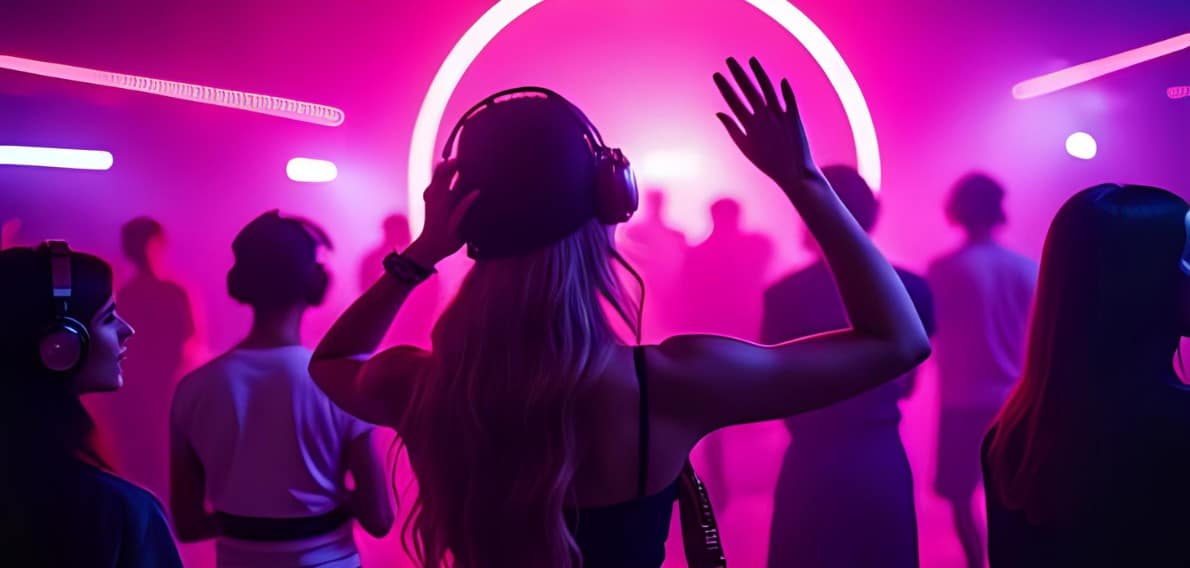
Music events are fun, creative, and exciting – and a strong theme can elevate them into unforgettable experiences. In today’s experience-driven era, attendees crave unique events that they can’t get elsewhere. In fact, with thousands of festivals held worldwide each year, fans gravitate to events that align with their specific interests and niche preferences. Recent data shows over 32 million people attended music festivals in the U.S. in 2022 alone, underscoring the massive demand for niche festivals tailored to a distinct concept or theme. The bottom line: a well-chosen theme not only adds a twist to your event, but it also gives marketing power to your entire campaign by creating a cohesive story that resonates with your audience.
When planning your next themed music event, remember that success requires a cohesive strategy echoing the theme at every turn. From your lineup and decor to your social media hashtags, each element should reinforce that central idea. Below are five essential steps (with fresh insights for 2026) to help you leverage an event theme into a powerful, cohesive marketing strategy.
Understanding the core advantages of themed events is crucial for any promoter looking to maximize ROI. Beyond just looking good, a well-executed concept transforms a disparate group of attendees into a cohesive crowd. When fans share a common aesthetic or narrative, it breaks the ice, encourages social interaction, and fosters a stronger sense of community. This shared identity not only elevates the on-site energy but also drives higher merchandise sales and organic word-of-mouth promotion.
1. Come Up with a Cohesive, Meaningful Theme for Your Event
Choosing the right theme is more than a creative exercise – it’s the cornerstone of your event’s identity. Start by brainstorming ideas that not only sound fun, but make sense for your audience, setting, and values. The best themes have a clear meaning or story behind them. They act as a unifying thread that ties together your venue atmosphere, activities, sponsors, merchandise, and artists under one banner. Research by event campaign experts shows that a strong theme or campaign name helps all the pieces fit together and boosts recall for attendees long after the event ends. In other words, a memorable theme makes your event more likely to be remembered (and talked about) next year.
Grow Your Social Following With Every Sale
Require social media follows, shares, or playlist adds to unlock presale access or special pricing. Turn every ticket purchase into audience growth.
A great theme also triggers an emotional response. Think of it as a rallying cry your audience can connect with – something that sparks excitement or nostalgia. When your theme taps into emotions or values your crowd cares about (freedom, unity, escapism, etc.), the experience becomes meaningful on a deeper emotional level. For example, a charity music festival might adopt a theme of “Harmony for Hope”, emphasizing community and goodwill, which can attract attendees who believe in the cause. Major festivals often craft elaborate themes to tell a story: Tomorrowland (Belgium) is famous for its annual fantasy themes that shape everything from stage design to marketing trailers. In 2024, Tomorrowland’s theme “LIFE” came with an entire narrative backstory that fans could read before the festival, enhancing their connection to the event’s world. This kind of cohesive storytelling around a theme gets attendees emotionally invested and eager to be part of the experience.
Pro Tip: Before finalizing your theme, do a quick competitive scan. Make sure your idea hasn’t been overused recently by others, and that it’s distinctive enough to stand out. A catchy, original theme (or event name) becomes your “hook” – it should be short, ownable, and relevant. If it aligns with a broader mission or goal of your event, even better. For instance, if your goal is to promote sustainability, a theme like “Plastic-Free Paradise” only works if you’re prepared to fully embrace eco-friendly practices on-site.
Warning: Never use a theme as a hollow marketing ploy. Slapping a trendy label on your event without delivering on its promise is a recipe for lost trust. For example, touting a “green, eco-friendly festival” as your theme – but failing to implement real sustainable measures – will alienate savvy attendees who value authenticity. Modern audiences are quick to spot inauthenticity. Choose a theme you can execute with integrity, or it may backfire and harm your event’s reputation.
2. Center Your Marketing Around the Theme for Continuity
Once you have a meaningful theme in place, build your entire marketing campaign around it. Consistency is key – every touchpoint with your audience should reinforce the theme to create a continuous story. When you start creating your top-notch event marketing plan, design your visuals, messaging, and content to reflect the theme’s vibe and message. This means your event posters, flyers, teaser videos, email newsletters, and ads should all sing the same tune (sometimes literally!). If your theme is a 1980s Retro Night, for example, use neon-colored graphics, 80s-style fonts, and maybe tongue-in-cheek references from that era in your copy. This level of thematic branding not only makes your marketing look professional and polished, but also highlights the unique experience you’re offering – something attendees can’t get elsewhere. People today chase one-of-a-kind experiences, often driven by FOMO (fear of missing out), so if your marketing shouts a clear theme, it becomes your strongest selling point.
Building your marketing around the theme establishes transparency and excitement. It signals to potential attendees exactly what kind of atmosphere and story they’ll be buying into. A cohesive theme-centric campaign can generate more buzz and anticipation, because it’s essentially teasing the experience to come. According to industry experts, experiential marketing thrives on memorable themes – the more immersive and unified the event’s story, the more it sticks in people’s minds and generates positive emotions toward your brand. Take advantage of this by weaving your theme into all marketing channels. For example, if you’re doing a press release or a radio ad, include the theme in the tagline (“Join us for Neon Jungle 2026 – an EDM festival transformed into a glowing rainforest!”). On social media, design posts and videos that fit the theme’s aesthetic and tone; even the language you use should match (a spooky Halloween theme might use playful horror puns, etc.).
Another critical area for continuity is your event ticketing page and website. When someone clicks through to buy tickets, keeping the visual theme consistent helps reinforce that excitement rather than jarring them with a generic page. Ticket Fairy allows you to customize the background and heading of your event page, so you can stay consistent with your event’s visual design. For example, you could set a banner image or background color that matches your theme’s branding. This way, from the moment attendees land on your effectively promoted event ticketing page, they’re visually reminded of the unique experience they’ve been promised. Staying on-theme across your marketing materials builds trust – people see that you have a clear vision and attention to detail, which makes them more confident that the event itself will deliver on its promise.
Free Tool: Model Promoter Payouts
Flat-percentage, flat-per-ticket, or tiered-bonus commission structures — get per-promoter payouts and total commission as % of gross. Free calculator.
If you are wondering what is a theme page in the context of event ticketing, it is essentially a dedicated landing page where every visual element—from the typography to the background imagery—is customized to reflect your event’s specific narrative. Building a dedicated theme page ensures that the immersive experience begins the second a potential ticket buyer clicks your link.
Pro Tip: Create a style guide for your event’s marketing. Note down the theme’s color palette, key motifs, fonts, and slogans or taglines. Share this with anyone designing content for you (graphic artists, social media managers, etc.) so that every poster, Instagram post, or promotional video feels like part of the same story. This continuity not only looks professional but also boosts recognition – someone who saw your flyer last week should instantly recognize your Facebook ad today because the theme ties them together.
3. Align Your Artists, Entertainment, and Attendees with the Theme
A thriving themed event extends beyond branding – it needs to live in the entertainment, talent, and the crowd experience too. Always keep your prospective attendees and performers in mind when crafting anything related to the event. Ask yourself: does this artist, activity, or piece of merch fit with our theme? When booking talent, try to curate a lineup that embodies the theme or complements its atmosphere. For a simple example, you wouldn’t want a mellow acoustic act as the headliner at an event themed “Galactic Bass Rave”; instead, you might book electronic artists known for futuristic imagery or sounds that match the sci-fi vibe. At the same time, don’t force it – the artists should make sense to your target audience. If your theme is broad, like a general “Summer Beach Party Festival,” you have flexibility across genres as long as they’re feel-good acts that suit a sunny beach mood. But if your theme is niche, say a “Gothic Masquerade Ball,” you’ll likely focus on artists with darker, theatrical styles. Remember, the entertainment should reinforce the theme and feel like an intentional part of the story you’re telling.
Real-world examples show the power of aligning talent with theme. One famous case is Bestival in the UK: in 2014, they chose a “Desert Island Disco” theme and even secured the kings of disco themselves – Chic featuring Nile Rodgers – to headline the finale, a feat documented in Bestival’s Guinness World Record case study. To top it off, Bestival set a Guinness World Record by unveiling the world’s largest disco ball at the festival, a spectacular visual centerpiece that perfectly matched their disco theme and wowed 60,000 attendees. That stunt earned over 30 million media impressions in coverage, proving how a well-executed theme can amplify marketing reach. The takeaway for you? When your performers, attractions, and even props all speak to the theme, it creates a richer, more memorable experience that attendees will rave about (and share on socials) afterward.
Also consider event merchandise and activities as part of the thematic entertainment. Merch isn’t just a revenue stream – it’s a chance to give fans a tangible piece of the theme. Sell t-shirts or accessories with clever designs tied to the theme (people will wear them if they look cool and on-theme, giving you free promotion). On-site attractions like art installations, photo booths, or interactive games should likewise be theme-driven. If your festival’s theme is “Enchanted Forest,” you might have fairy lights, lanterns, and mystical decor throughout, plus perhaps a “secret garden” chill-out area or a fairy costume contest. These details make the theme come alive for your audience. When attendees see that everything – from the performers on stage to the food truck names and decor – is thoughtfully coordinated, it immerses them completely. They feel like part of the theme, not just spectators.
Finally, keep the attendees themselves in mind. Think about what will appeal to them and make them feel included in the theme. Many event-goers love to participate by dressing up or engaging with themed activities if you give them a nudge. Encourage your audience in advance with suggestions (for instance, “Attire: Tropical flair encouraged!” for a beach theme event, or offer a small discount to those who arrive in costume to a Halloween-themed show). When your crowd joins in on the theme, it creates an incredible atmosphere and tons of share-worthy moments. Just be sure your theme idea aligns with your target demographic’s interests and comfort level. The goal is to enhance their experience, not alienate them. If you know your audience well (their age group, subculture, or community), you’ll be able to strike the right balance in theme execution. (For more on designing events that truly resonate with your specific audience, check out our guide on what most festivals get wrong about audience targeting.)
Collect Any Attendee Data at Checkout
Add custom registration fields to your checkout — dietary needs, t-shirt sizes, company names, and more. Conditional logic and per-ticket-type fields.
4. Coordinate Every Event Detail to the Theme
This step ties closely with the previous ones – it’s about execution. Every aspect of your event production should coordinate with the theme to create a cohesive atmosphere. That means paying attention to the venue selection, stage and site design, lighting, costumes/uniforms, and even the schedule of activities. The goal is to transport your attendees into the world of your theme from the moment they arrive. Many top festivals adopt themes or aesthetic motifs each year, building entire worlds on-site that feel transportive to fans through large-scale art installations). Through creative staging, lighting, art installations, and layout, you can make your event’s ambiance truly unforgettable. Think of it like set design for a movie – you want to set the scene so well that the audience feels fully immersed in it.
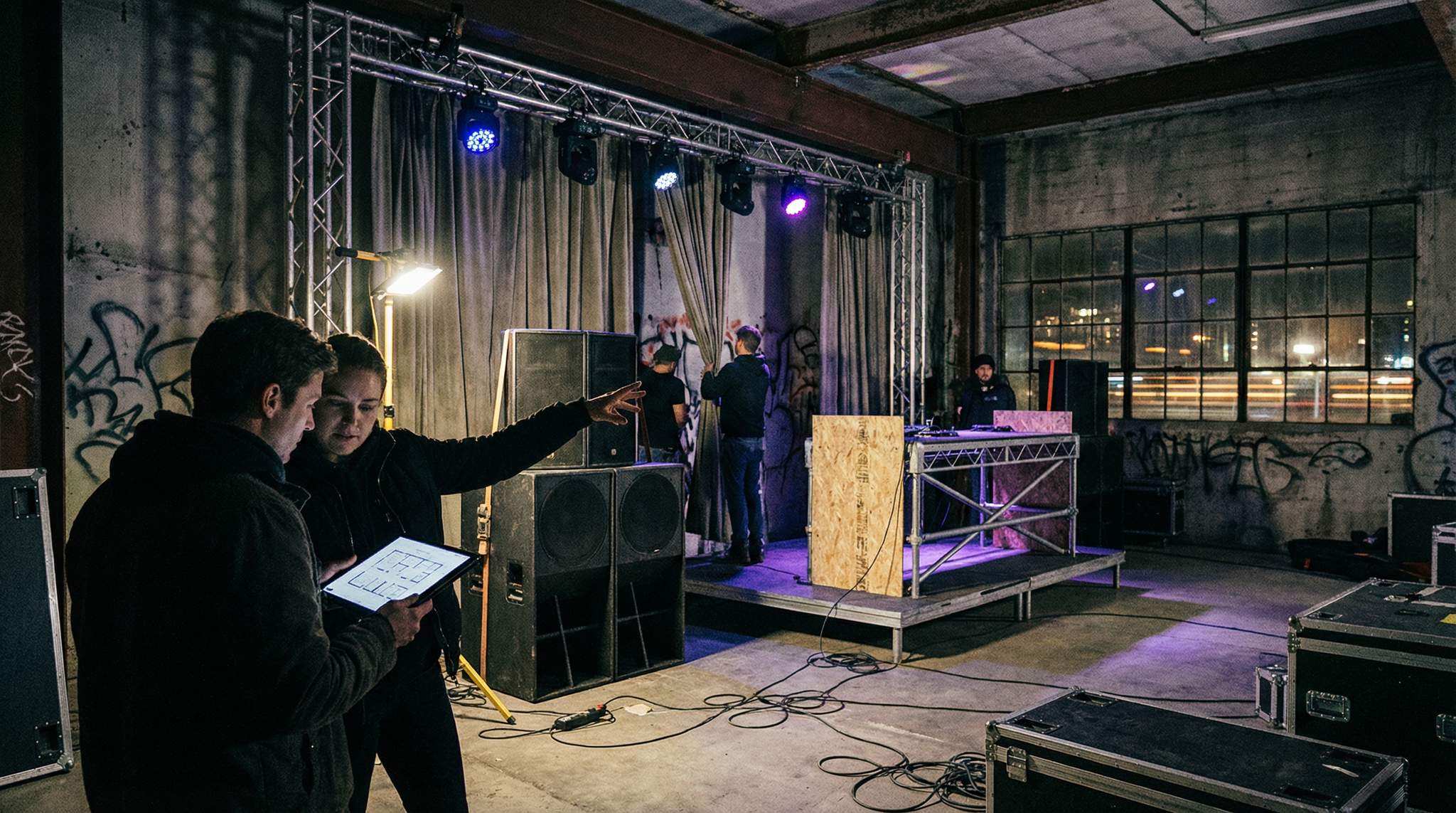
Start with venue and decor. Does your venue suit the theme, or can it be decorated to suit it? If you’re throwing a neon-colored futuristic rave, an industrial warehouse might be perfect and you’ll augment it with LED structures, lasers, and digital art. If your theme is rustic or natural, an outdoor venue like a forest clearing or a beach might set the right tone (and require different logistics – for instance, ensuring sound and lighting work in open air). Coordinate with your production team or vendors to incorporate theme elements into stage backdrops, lighting schemes, and signage. Sometimes small touches have big impact: themed signage (e.g., “Portal to Stage” instead of “Main Stage” for a sci-fi event), staff in costume or themed uniforms, or even scent (aromatherapy for a zen theme?) can layer the immersion. Be creative but also practical – safety and comfort come first, so work within what’s feasible for your budget and venue rules.
Ready to Sell Tickets?
Create professional event pages with built-in payment processing, marketing tools, and real-time analytics.
Consider crafting experiences that engage multiple senses. For instance, music and food/drink are huge parts of an event’s identity – make sure they fit the theme too. At a tropical-themed festival, you might play island or reggae tunes during breaks and offer coconut drinks or spicy Caribbean cuisine. At a retro ’80s night, serve “throwback” cocktails and have arcade games from that era on site. The Ticket Fairy team’s festival experts suggest weaving the theme into surprising places: have a themed photo backdrop for social sharing, or name your specialty cocktails after elements of the theme (like a “Moonrise Martini” for a space-themed party). Attendees notice and appreciate these thoughtful details, as immersive elements like themed visuals reinforce the experience, and it deepens their engagement. The table below shows a few examples of how you can align different event elements to a given theme:
| Event Theme | Coordinated Elements & Ideas |
|---|---|
| Tropical Beach Party | Venue: Sand and palms decor at stage; Drinks served in coconuts; Reggae and calypso music during breaks; Staff in floral shirts; Branded beach balls for crowd. |
| Retro 1980s Night | Decor: Neon grid backdrops and arcade games; Entertainment: DJ spinning 80s hits; Attire: Encourage neon legwarmers & denim; Special Activity: 80s costume contest on stage. |
| Futuristic Cyberpunk | Venue: Industrial warehouse with LED installations; Lighting: Laser shows and hologram effects; Staff in futuristic outfits; Tech booth: VR experience or AI-generated art display for attendees. |
Coordinating every detail: it might sound tedious, but it pays off in the immersive energy it creates. I once attended an event advertised as a carnival-themed music night – but upon arrival, there was almost nothing carnival-like except a poster. No decorations, no carnival games or performers; it felt just like a standard concert. Attendees were disappointed because the promised theme never materialized. This cautionary tale highlights that if you announce a theme, commit to it fully. By contrast, think of Burning Man in the U.S. – while not a traditional “themed event” with a marketing slogan, it turns a blank desert into a fully themed temporary city with art and costumes that follow an annual creative prompt. Attendees know to expect everything on site to contribute to a surreal, art-driven atmosphere, and that’s why it’s so impactful.
This level of detail applies across all event types. For instance, if you are an organizer brainstorming ramp walk theme ideas for a fashion-forward music showcase, you might integrate an interactive runway where attendees can show off their themed outfits. The key is that cohesive themes require every production element to work in harmony, regardless of the event’s scale or genre.
Finally, plan ahead for theme-related logistics. The more elaborate your theme coordination, the more time you’ll need to source decorations, plan special effects, or rehearse themed performances. Build these into your timelines and budgets. If you need special permits (e.g., pyrotechnics for a medieval fire-breathing dragon element on stage) or extra safety measures (hay bales for a Western theme might be a fire hazard and need precautions), handle them early. It’s all doable with good planning. When done right, a fully themed event creates a 360-degree experience for attendees – one they will remember and talk about, which naturally boosts your event’s word-of-mouth marketing.
No Hidden Fees, Just Honest Pricing
One all-inclusive fee covers the platform, payment processing, support, and every feature. Free events are always free. No setup costs, no surprises.
Pro Tip: Involve your team and even artists in brainstorming theme implementations. Performers might have great ideas for themed segments in their show (like a DJ doing a special “decades remix” set for a time-travel theme). Vendors can sometimes offer themed menu items or products if you give them a heads-up – imagine a food truck adding a “Galactic Taco” to the menu for your space fest. By collaborating with all stakeholders, you’ll uncover creative ways to infuse the theme into every corner of the event.
5. Harness Social Media to Generate Theme Buzz and FOMO
In 2026, your social media campaign is one of the most powerful tools to create hype around a themed event. Platforms like Instagram, Facebook, TikTok (now often just called X for Twitter, as Twitter’s rebranded), and YouTube let you reach tens of thousands of potential attendees with relatively low cost – and they’re tailor-made for showcasing the uniqueness of your theme. Over half of the global population is now active on social media, making social platforms a key focus for marketing campaigns, which means your event’s online presence can have incredible reach if you play your cards right. Use this to your advantage: start promoting the theme as soon as you announce the event. Brainstorm creative hashtags and taglines related to your theme, and use them consistently. A unique hashtag (e.g., #NeonJungleFest or #WinterWonderland2026) can encapsulate your theme and make it easy for people to follow along and contribute content. Encourage your artists, sponsors, and fans to use the hashtag – this helps build a community before the event even happens.
Grow Your Events
Leverage referral marketing, social sharing incentives, and audience insights to sell more tickets.
When crafting social posts, make them engaging and themed. Teaser videos or content that give a sneak peek into your themed preparations can spark interest. For instance, share a time-lapse of your team building a themed stage prop, or post a short clip of an artist shouting out the theme (“Can’t wait to play at Neon Jungle Fest – get ready to glow!”). Interactive campaigns work great: you could run a contest for the best fan-created playlist that fits the theme, or a TikTok challenge where fans show off their theme-related costumes or dance moves. In 2025, many festivals saw success with TikTok challenges – aligning your event content with trending songs or memes can dramatically boost visibility on these platforms utilizing short-form video strategies. The key is to communicate what makes your event’s theme special in a way that people want to share. User-generated content is like free marketing, so ignite it by making the theme shareable and fun (think Snapchat/Instagram story filters for your event theme, or an AR effect that puts your festival’s themed overlay on selfies).
Social media is also the perfect channel to create a “second life” for your event after it ends. Keep the momentum by sharing photos and videos from the event highlighting how awesome the theme turned out – attendees will tag themselves and their friends, spreading the word. If you gather a lot of content (which you should, by hiring a photographer/videographer or setting up photo-op stations), consider making an after-movie or photo album that emphasizes the theme elements. This not only engages past attendees (who will reminisce and likely comment/share) but also serves as compelling proof for future attendees on what they missed. The bigger the FOMO you can induce for those who didn’t attend, the more likely they’ll mark their calendars for your next themed event. According to a 2025 survey, nearly half of global consumers chose live experiences as their top entertainment purchase, as noted in EY’s survey on consumer entertainment spending, and about 21% plan to increase spending on live events in the coming year, findings that underline the resilience of the live event sector. This underlines that there’s a growing hunger for experiences – your social media campaign should tap into that by showcasing how unique and worthwhile your event experience will be.
One more tip: integrate your theme into any influencer or partner marketing you do on social media. If you collaborate with a local influencer or an industry blogger, have them buy into the theme too (maybe they do a themed costume reveal or create content at your themed preview party). Consistency here amplifies your reach. And don’t forget more traditional channels – themed events often catch local media attention, so sending a press release or inviting press to a visually interesting launch event (like a small pre-event party or pop-up that shows off the theme) can land you extra coverage.
Pro Tip: Leverage storytelling in your social media posts. Instead of just announcing “We have a theme,” bring followers on a journey. For example, create episodic content like “Theme Tuesdays” where each week you reveal a new element of the theme (one week a sneak peek at costumes, next week a stage design sketch, etc.). This keeps people tuning in and reinforces the narrative. It’s the same tactic TV shows use to keep audiences engaged – and it works for event marketing too!
>> Tips & Tricks: What Attracts Audiences to Attend Music Events
Wrapping Up: Themed events can be more work to organize – there are extra decor ideas to manage, more coordination to ensure everything aligns – but the payoff is huge. When executed with passion and planning, a theme turns an event into a living story that attendees become part of. They won’t just remember the music or the venue; they’ll remember the feeling of being in a “haunted circus” or a “space-age dance party” that you created. Those memories translate into stronger loyalty, positive reviews, and priceless word-of-mouth marketing for your brand. Plus, sponsors and partners love a well-themed event because it often means more engaged audiences and better visuals for their involvement (just make sure any partnership fits the theme naturally).
As you plan your next music event, dare to be creative and meticulous with your theme. Gather inspiration from around the world – from the immersive realms of European festivals to the quirky niche events attracting communities in Asia and Australia. Keep experience and authenticity at the forefront. By following these steps – choosing a meaningful theme, building a unified marketing campaign, aligning talent and elements, executing details faithfully, and shouting it out on social platforms – you’ll craft an event that’s not only special in concept but also cohesive in execution. In 2026, experience is everything. Make your event theme the star of your marketing strategy, and you’ll give people an experience they can’t wait to be part of (and share with all their friends). Good luck, and happy theming!
Frequently Asked Questions
Why is a strong event theme important for marketing strategy?
A well-chosen theme creates a cohesive story that resonates with audiences, boosting recall and emotional connection long after the event ends. With over 32 million U.S. festival attendees in 2022, fans increasingly crave unique, niche experiences. A strong theme acts as a unifying thread for venues, sponsors, and artists, elevating the event into an unforgettable experience.
How should event planners choose a cohesive theme for a music festival?
Planners should brainstorm ideas that align with their audience, setting, and values while triggering an emotional response. Effective themes act as a rallying cry, like Tomorrowland’s narrative-driven concepts. It is crucial to conduct a competitive scan to ensure the idea is distinctive, ownable, and not overused by other recent events.
How can organizers leverage an event theme in their marketing campaigns?
Marketing campaigns must reinforce the theme at every touchpoint, from visuals and messaging to ticket pages. Consistency builds trust and excitement, teasing the experience to come. For example, a 1980s Retro Night should use neon graphics and era-specific language across all channels, including social media posts and email newsletters, to create a continuous story.
How does an event theme influence artist booking and entertainment?
Curating a lineup that embodies the theme creates a richer experience, such as booking disco legends for a specific “Desert Island Disco” concept. Entertainment, including on-site attractions and merchandise, should reinforce the central idea. This alignment ensures performers and activities feel like intentional parts of the story rather than random additions.
What specific event details should coordinate with a central theme?
Every production aspect, including venue selection, stage design, lighting, and food, must align with the theme to create an immersive atmosphere. Small touches like themed cocktails or staff costumes significantly deepen engagement. For instance, a tropical festival might feature sand decor, floral shirts for staff, and coconut drinks to transport attendees.
How can social media generate buzz for a themed music event?
Social platforms allow organizers to showcase a theme’s uniqueness through creative hashtags, teaser videos, and interactive contests. Strategies like TikTok challenges or “Theme Tuesdays” encourage user-generated content and build community. Post-event, sharing themed photos and after-movies extends the event’s life and induces FOMO for future potential attendees.
What are the main advantages of themed events for promoters?
The primary advantages of themed events include higher attendee engagement, increased organic social media reach, and the creation of a cohesive crowd. A strong theme differentiates your festival in a crowded market, making it easier to market and often leading to boosted merchandise sales and stronger brand loyalty.