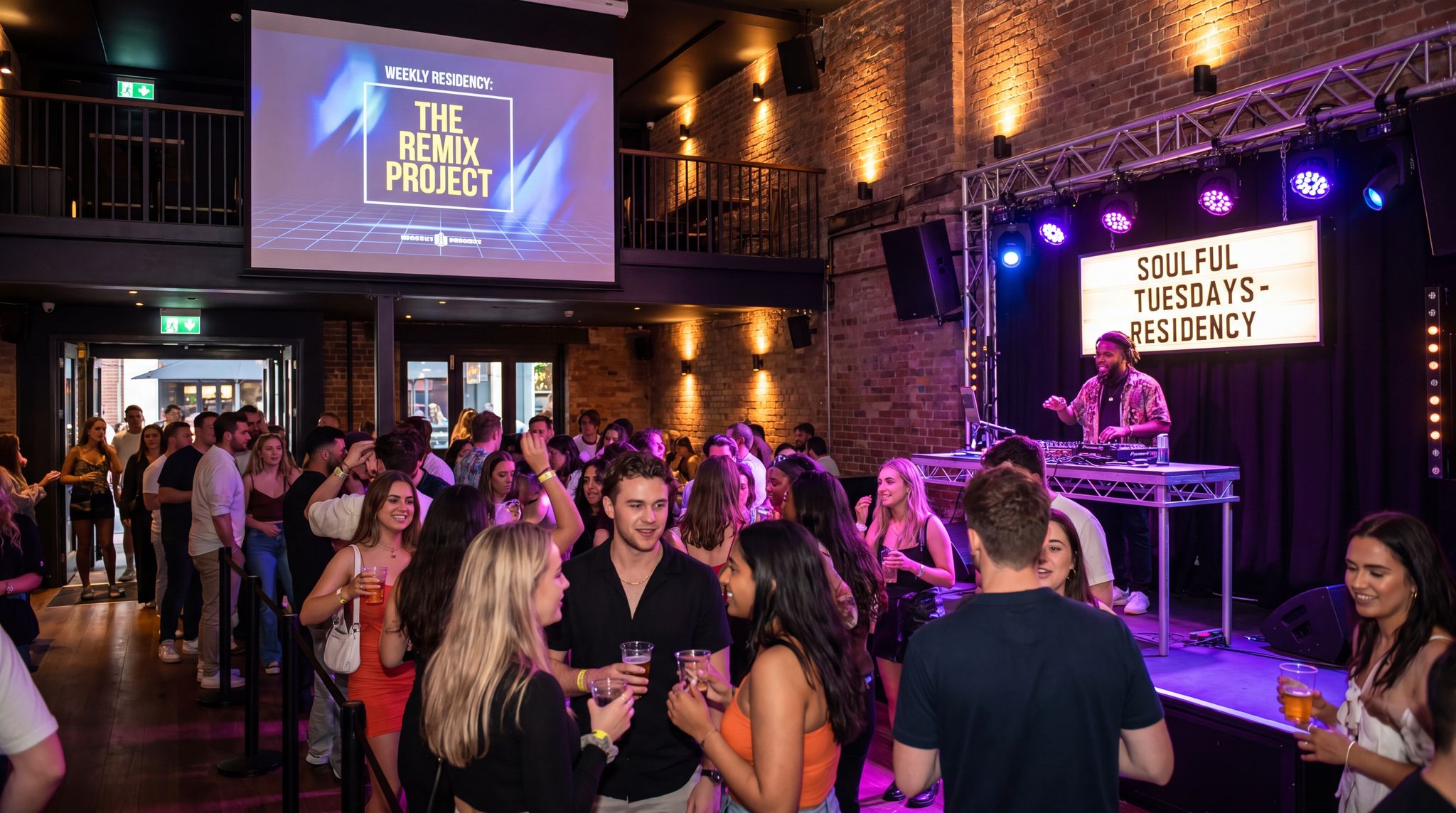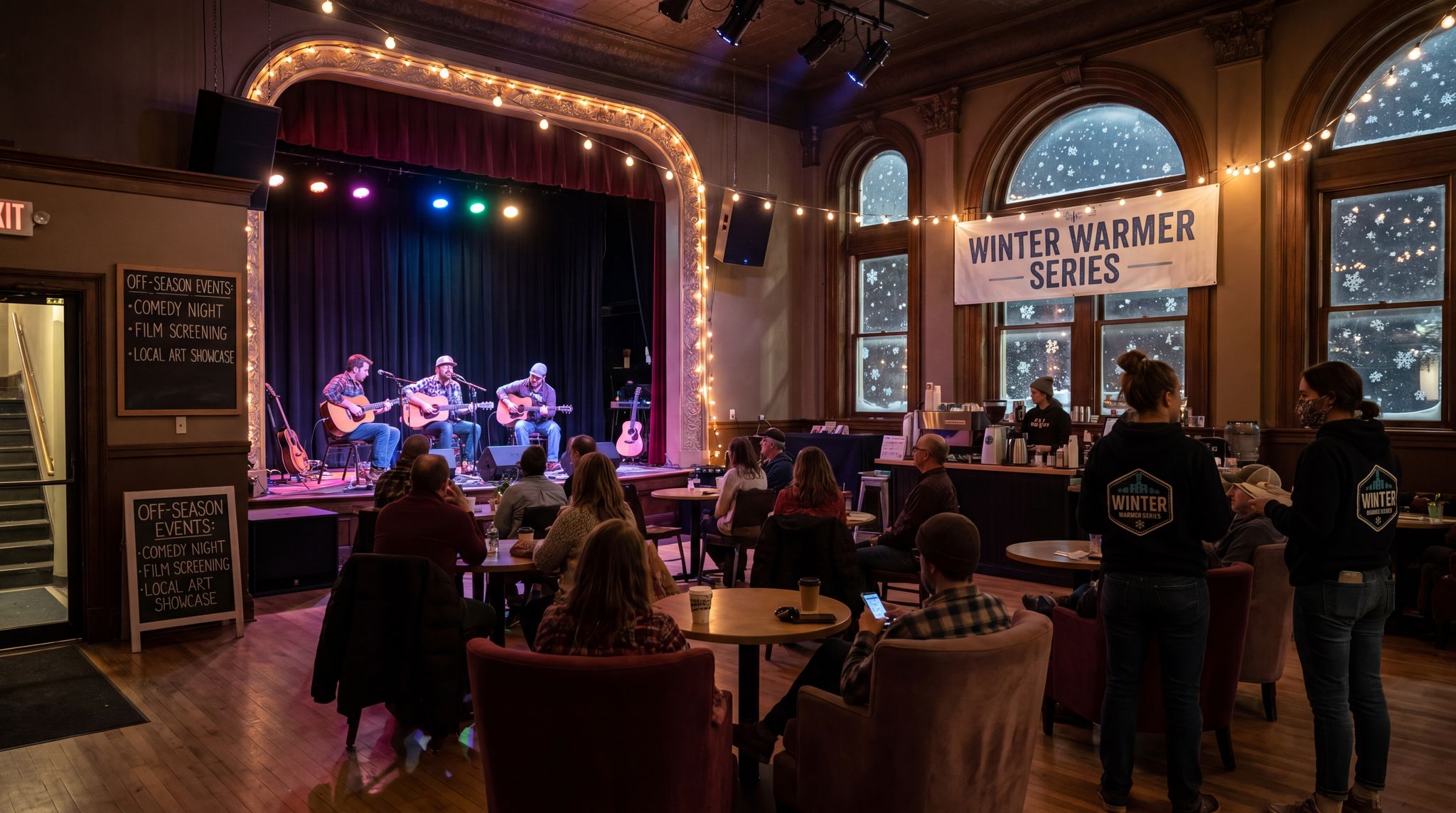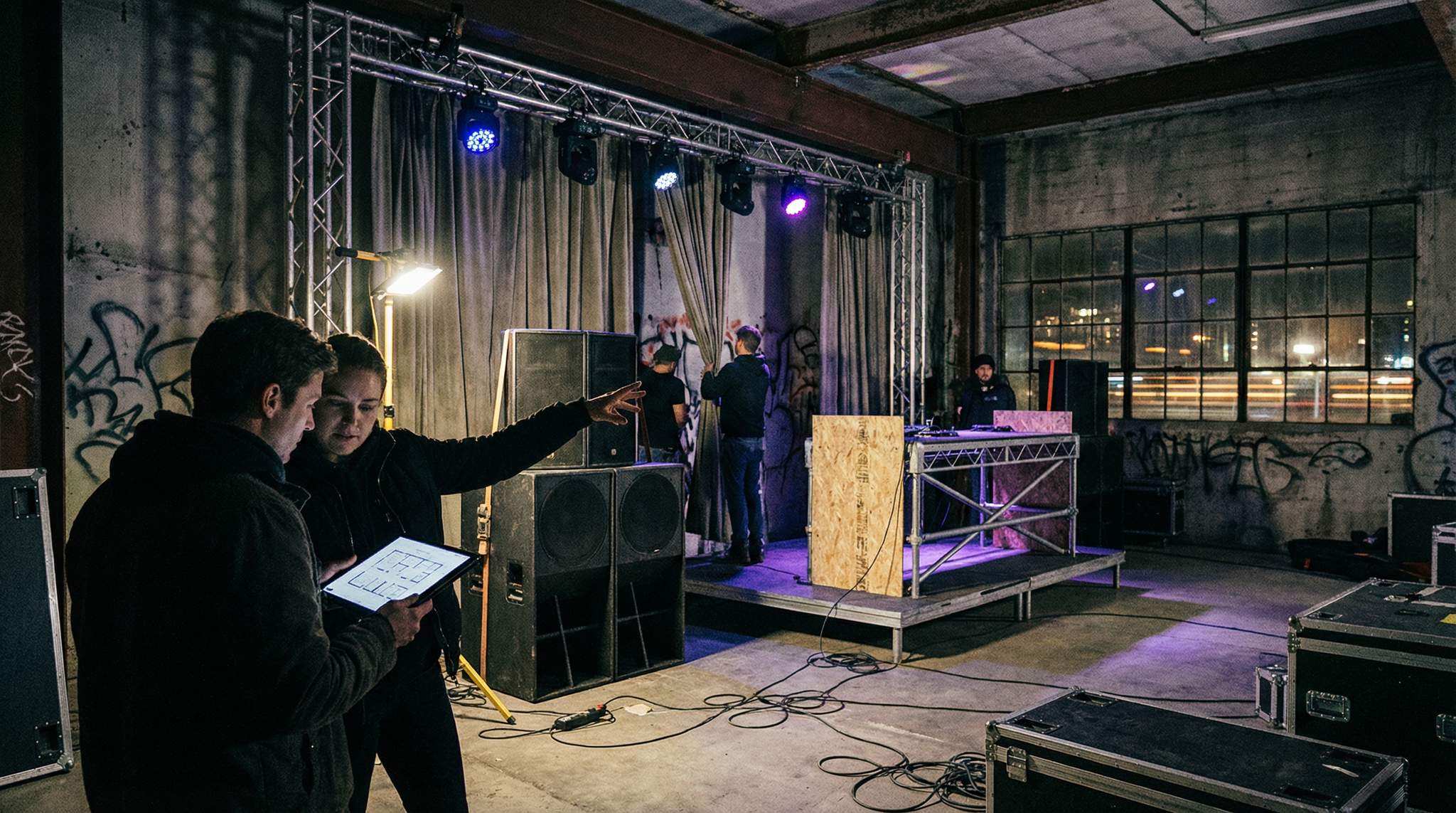
The underground music scene thrives on spontaneity, intimacy, and creative freedom – qualities that traditional venues often fail to provide. Enter pop-up venues, a dynamic and flexible solution quickly becoming a favorite among underground promoters, independent artists, and music collectives. These temporary event spaces offer unparalleled uniqueness, but booking them comes with a distinct set of challenges and considerations.
Even under restrictions or crackdowns, underground events find a way. In one case, UK police broke up a covert rave of about 2,000 people on a summer night – clear proof that the desire for social connection and rebellion will always seek an outlet. Whether you’re planning an all-night warehouse techno party or an offbeat outdoor hip-hop show, this guide (updated for 2026) will walk you through everything you need to know before locking in a pop-up venue for your event.
Introduction to the Music Scene
The underground music scene isn’t confined to one city or genre – it’s a global network of DIY venues, local talent, and passionate fans. From basement punk shows in small towns to warehouse raves in Berlin, these events thrive outside the mainstream. In many regions, a vibrant community of artists and listeners supports gigs in unconventional spaces. Dive bars, art galleries, community centers – even a laundromat or parking garage can turn into a venue for a night if there’s a crowd and a sound system. Genres from punk and techno to indie and hip-hop all have their underground havens, showcasing acts that might not (yet) hit traditional clubs or festivals.
This grassroots ecosystem gives emerging artists a platform and music lovers an authentic experience. Crucially, underground events often foster an inclusive atmosphere. All-ages shows, LGBTQ-friendly parties, and culturally diverse lineups are common, creating space for those who may feel out of place in commercial nightlife. The result is a supportive, passionate community that values creativity and connection over gloss and profit.
Smooth Entry With Mobile Check-In
Scan tickets and manage entry with our mobile check-in app. Supports photo ID verification, real-time capacity tracking, and multi-gate coordination.
Looking ahead, the landscape of the underground music scene in 2026 is defined by a hyper-focus on hybrid experiences and hyper-local community building. As commercial festival costs skyrocket, independent promoters are seeing a massive surge in demand for grassroots, localized events. Operating in this current era means balancing old-school DIY ethos with modern ticketing technology and rigorous safety standards.
What is a Pop-Up Venue?
A pop-up venue is a temporary space used for a limited time to host an event. It could be an abandoned warehouse, a rooftop, an art gallery after hours, a private loft, an industrial building, or even an outdoor spot off the beaten path. Unlike traditional concert halls or nightclubs, pop-up locations aren’t permanent venues – they’re often repurposed or raw spaces curated specifically for one-off events. The appeal is in their impermanence and surprise factor. A pop-up might exist for only a single night or a weekend, then disappear or revert to its normal use.
Ready to Sell Tickets?
Create professional event pages with built-in payment processing, marketing tools, and real-time analytics.
These venues reflect the ethos of underground music: DIY, raw, and unpredictable. Promoters choose them to create a bespoke atmosphere that you can’t replicate in a regular club. One week it might be a techno party in an old factory; the next, a lo-fi indie gig in someone’s backyard. The flexibility to match a space to an event’s vibe is a huge advantage of pop-ups.
If you are wondering exactly what is a pop up concert, it is essentially the live execution of these concepts—a fleeting, fully produced show that transforms an everyday location into a performance space. Organizing music performances in non-traditional venues requires a shift in mindset from standard club booking, as you are building the entire concert infrastructure from scratch for a single night.
Operationally, executing a sudden DJ pop-up or a surprise “pop out” concert requires immense logistical agility. Unlike a standard club night with months of runway, these flash events rely on rapid deployment of mobile sound rigs, immediate digital ticketing rollouts, and a highly coordinated street team to manage sudden crowd influxes safely.
Why Use a Pop-Up Venue for Underground Music Events?
1. Creative Freedom
Pop-up venues offer a blank canvas, giving you control over everything from the sound setup and stage layout to lighting, decor, and ambiance. Since you’re not bound by a club’s pre-existing design or rules, you can craft immersive, multi-sensory experiences that fully reflect your vision and the underground culture’s boundary-pushing spirit. Want to turn an empty loft into a cyberpunk dungeon with LED walls and fog machines? Or set up a 360° stage in a warehouse so the DJ is surrounded by the crowd? In a pop-up, it’s all possible.
Keep Tickets in Fans' Hands
Our secure resale marketplace lets attendees exchange tickets at face value, eliminating scalping while keeping you in control of the secondary market.
Traditional venues often come with many constraints (house sound limits, branding, curfews), but a pop-up is yours to customize. This creative freedom fosters collaboration and out-of-the-box ideas. Some legendary underground events have taken place in unconventional settings – like a secret techno show in an abandoned subway tunnel or a jazz trio performing in a closed auto-repair shop – precisely because the organizers had free rein to transform the environment. The result can be a truly immersive vibe that attendees talk about for years.
2. Exclusivity and Hype
The secretive, members-only aura of pop-up events creates a sense of exclusivity that money can’t buy. Limited access and word-of-mouth buzz make attendees feel like they’re in on a special secret. This in turn fuels hype on social media and within tight-knit music circles. In fact, recent nightlife trends show that mystery is becoming a major draw — people are increasingly seeking out events where ‘you just had to be there’ in person, rather than over-publicized parties.
Grow Your Events
Leverage referral marketing, social sharing incentives, and audience insights to sell more tickets.
What is a Pop-Up Venue?
A pop-up venue is a temporary space used for a limited time to host an event. It could be an abandoned warehouse, a rooftop, an art gallery after hours, a private loft, an industrial building, or even an outdoor spot off the beaten path. Unlike traditional concert halls or nightclubs, pop-up locations aren’t permanent venues – they’re often repurposed or raw spaces curated specifically for one-off events. The appeal is in their impermanence and surprise factor. A pop-up might exist for only a single night or a weekend, then disappear or revert to its normal use.
These venues reflect the ethos of underground music: DIY, raw, and unpredictable. Promoters choose them to create a bespoke atmosphere that you can’t replicate in a regular club. One week it might be a techno party in an old factory; the next, a lo-fi indie gig in someone’s backyard. The flexibility to match a space to an event’s vibe is a huge advantage of pop-ups.
If you are wondering exactly what is a pop up concert, it is essentially the live execution of these concepts—a fleeting, fully produced show that transforms an everyday location into a performance space. Organizing music performances in non-traditional venues requires a shift in mindset from standard club booking, as you are building the entire concert infrastructure from scratch for a single night.
Operationally, executing a sudden DJ pop-up or a surprise “pop out” concert requires immense logistical agility. Unlike a standard club night with months of runway, these flash events rely on rapid deployment of mobile sound rigs, immediate digital ticketing rollouts, and a highly coordinated street team to manage sudden crowd influxes safely.
Free Tool: Size Your Festival Site
Zoned capacity planning for arena, campsite, parking and entry lanes — against UK Purple Guide and NFPA density standards. Finds your bottleneck zone.
Why Use a Pop-Up Venue for Underground Music Events?
1. Creative Freedom
Pop-up venues offer a blank canvas, giving you control over everything from the sound setup and stage layout to lighting, decor, and ambiance. Since you’re not bound by a club’s pre-existing design or rules, you can craft immersive, multi-sensory experiences that fully reflect your vision and the underground culture’s boundary-pushing spirit. Want to turn an empty loft into a cyberpunk dungeon with LED walls and fog machines? Or set up a 360° stage in a warehouse so the DJ is surrounded by the crowd? In a pop-up, it’s all possible.
Traditional venues often come with many constraints (house sound limits, branding, curfews), but a pop-up is yours to customize. This creative freedom fosters collaboration and out-of-the-box ideas. Some legendary underground events have taken place in unconventional settings – like a secret techno show in an abandoned subway tunnel or a jazz trio performing in a closed auto-repair shop – precisely because the organizers had free rein to transform the environment. The result can be a truly immersive vibe that attendees talk about for years.
2. Exclusivity and Hype
The secretive, members-only aura of pop-up events creates a sense of exclusivity that money can’t buy. Limited access and word-of-mouth buzz make attendees feel like they’re in on a special secret. This in turn fuels hype on social media and within tight-knit music circles. In fact, recent nightlife trends show that mystery is becoming a major draw — people are increasingly seeking out events where ‘you just had to be there’ in person, rather than over-publicized parties.
For example, in 2025 a renowned DJ duo Zeds Dead surprised fans by performing a pop-up set at Katz’s Deli in NYC – an unlikely venue that generated huge buzz online. In Los Angeles, an early-morning coffee shop rave series called AM.Radio attracted over 20,000 RSVPs to its first six pop-up events, precisely because attendees were excited to be part of something novel and exclusive. With pop-ups, scarcity and surprise drive demand: when the location is kept secret or tickets are limited, fans clamor to get on the guest list. Friends telling friends (often in coded messages or private groups) becomes your best marketing. The end result is a packed house of die-hards tuned into the underground scene, ready to make memories.
3. Cost-Effectiveness
In many cases, renting a non-traditional space can be far more affordable than booking an established club or venue. Pop-up locations are often underutilized spaces (a warehouse, a backroom, a rooftop) where the owners are happy to earn some income without the hefty fees that professional venues charge. For perspective, warehouse event spaces on peer-to-peer rental platforms might run anywhere from about $40 to $250 per hour depending on the city and amenities. By contrast, a popular nightclub might charge thousands for a night, plus take a cut of ticket or bar sales.
For independent promoters and grassroots collectives, pop-ups can mean the difference between breaking even and going into the red. You have more control to scale costs: you bring in only the equipment and staff you need, rather than paying for a venue’s built-in services you might not use. (Of course, this also means more responsibility on you – but budget-wise, it’s flexible.) As one industry guide notes, choosing the right venue is one of the most critical decisions for an event’s success. Pop-ups let you choose a space that fits your budget and vision, instead of forcing your show into an expensive preset mold.
Turn Fans Into Your Marketing Team
Ticket Fairy's built-in referral rewards system incentivizes attendees to share your event, delivering 15-25% sales boosts and 30x ROI vs paid ads.
Pro Tip: Always clarify the rental terms upfront. Some raw spaces require cleaning fees or higher rates for events, and you’ll likely need to pay a security deposit. Negotiate a fair deal, and get it in writing to avoid surprises.
4. Access to Untapped Locations
Pop-ups empower you to take underground music to places it’s never been before. With a temporary event, you aren’t limited to established nightlife districts – you can venture into non-traditional neighborhoods or even different towns/cities, reaching new audiences in the process. This can diversify your event’s reach and introduce your music scene to people who might not travel to the usual city hotspots. For instance, an enterprising drum & bass collective might throw pop-up parties in smaller college towns, building a following where there’s pent-up demand but no regular venues catering to that style.
Using unusual locations can also forge goodwill and novelty. A pop-up techno stage at a rural barn, or a hip-hop show in a converted shipping container on the outskirts of town, gives locals a unique experience they’ll remember. Just be mindful of each locale’s regulations and cultural context – a small town might have stricter noise rules or a more skeptical view of “rave” events, so engaging respectfully with the community (even inviting neighbors or coordinating with local officials) can go a long way. When done right, popping up in an untapped location not only grows your fan base, it also energizes the local music community by showing that underground culture can flourish anywhere.
5. Testing Grounds for Future Permanent Spaces
For ambitious promoters and veteran operators alike, temporary pop-up venues serve as the ultimate low-risk testing ground. Before committing to a multi-year commercial lease on a brick-and-mortar club, running a series of flash events in short-term rentals allows you to gauge local market demand, test different neighborhood demographics, and refine your operational workflows. If a specific warehouse or retail takeover consistently draws a massive crowd and operates smoothly, you have hard data to present to investors when transitioning from a temporary pop-up model to a permanent entertainment complex.
Types of Venues
Pop-up music events can be hosted in a wide variety of venues. Here are some common types of spaces organizers use, each with its own character and considerations:
-
Small Bars and Clubs (After Hours) – Sometimes a regular bar or dance club will rent out for a private or after-hours event. These spaces come with built-in sound and bars, which is convenient, but they still allow you to run a one-off underground night. For example, an indie promoter might take over a dive bar on a Tuesday night to host a DIY punk show. The vibe is intimate, but remember capacity is limited and you’ll need to respect the establishment’s rules (e.g. closing times, liquor licenses).
Free Tool: When Should You Announce?
Pick your event date and genre — the free planner outputs a recommended announce, presale, on-sale and reminder schedule anchored to how your audience actually buys.
-
Warehouses and Industrial Lofts – The classic underground venue. Empty warehouses, factory floors, and lofts offer lots of space, high ceilings, and an isolated setting perfect for loud music. You’ll likely need to bring in all infrastructure (sound, lights, toilets), but in return you get an authentic gritty atmosphere and freedom to design the layout. These locations are ideal for genres like techno, house, and drum & bass that benefit from industrial acoustics and large dance floors. Just ensure the building is structurally safe and you’re following fire codes, as these spots aren’t designed for public assembly by default.
-
Outdoor Spots – From secluded forest clearings and beaches to urban rooftops and parking lots, outdoor pop-ups are great for summer vibes or nature-themed events. They can accommodate larger crowds if the land is open, and you avoid the issue of bad indoor acoustics. However, you take on weather risk (rain or cold snaps) and noise spill can be a bigger problem outdoors. Be prepared with permits for outdoor gatherings, and have a backup plan like tents, heat lamps, or an alternate date in case of weather issues. Also, if it’s a public space, you may need security to keep uninvited individuals from wandering in.
-
Unconventional Retail or Community Spaces – Part of the fun of pop-ups is turning an unexpected space into a party. We’ve seen DJ collectives transform cafés, delis, record stores, art studios, bowling alleys, and more into one-night venues. These spots add built-in quirkiness and often have basic amenities (bathrooms, electricity) since they’re normal businesses by day. Keep in mind you might need to move some furniture or protect the venue’s property during the event. And check if the owners have any non-negotiables (e.g. a coffee shop might allow a DJ and speakers, but not want any alteration to their decor). When done well, an offbeat venue can give your event a memorable identity – imagine a synthwave show inside a retro arcade, or a folk-punk gig at a community bookstore.
Similarly, securing an unlikely venue for an emo nite show—such as a decommissioned roller rink or a retrofitted diner—can instantly elevate the nostalgic appeal of the event. For operators, the challenge lies in adapting these highly themed, non-performance spaces to handle heavy foot traffic and live band audio without damaging the property.
No matter the type of venue, always tailor your planning to the space’s strengths and limitations. The venue is an integral part of the experience in a pop-up event.
For an event planner, the choice of space dictates the entire operational strategy. Take, for example, an event planner organizing an all-underground rock, all-day festival—similar in spirit to an Aura Fest. Executing a heavy, multi-band lineup in an unconventional space means you need to account for rapid stage changeovers, extensive power draws for guitar amps, and reinforced staging that can handle high-energy crowds for 10-plus hours.
Free Tool: Price Your Venue Like a Pro
Capacity, city tier, day of week and amenity mix produce a suggested rate band and a full day-by-day rate card for your space. Free estimator.
What to Consider Before Booking a Pop-Up Venue
Despite their appeal, pop-up venues come with logistical complexities. Here’s a checklist of critical factors to evaluate before you commit:
1. Legal Permits and Zoning
Permits are non-negotiable. Even if a location feels “off the grid,” you almost certainly need to secure proper permits and obey zoning laws for events. Depending on your location and event details, you may require:
- Event permits or a temporary event notice (for one-off public gatherings)
- Noise permits (especially for outdoor or late-night music)
- Alcohol licenses (if you plan to serve or sell drinks)
- Fire safety clearance (from the fire department, verifying exits/extinguishers)
- Public assembly permit (ensuring the space is approved for a crowd)
Do your homework with local authorities or a legal advisor to understand what’s required. Some cities have a straightforward process (for example, in the UK a small event can often operate under a simple Temporary Event Notice), while others have strict regulations that could take weeks of approval. Critically, make sure the property’s zoning classification allows events or parties – if you throw a public event in a space zoned strictly for residential or industrial use, you could be shut down mid-show.
To underscore the importance: the infamous Ghost Ship warehouse fire in Oakland (2016) tragically killed 36 people at an illegal DIY venue that lacked permits and safety inspections. Authorities have since become even less forgiving about unpermitted events. In late 2025, police in Belgium raided an unauthorized warehouse rave with 3,000 attendees and seized equipment, after organizers transformed an industrial site into a temporary “festival” without permission. The lesson is clear – don’t skip the legal steps. It’s not just about compliance for its own sake; it’s about keeping people safe and avoiding worst-case scenarios.
It is also worth noting that these regulatory frameworks extend beyond purely musical performances. If you are expanding your programming, the permits needed for pop-up movie nights, multimedia art installations, or hybrid audio-visual showcases often overlap with live music requirements. You will still need public assembly clearances, temporary event notices, and potentially specific licensing for public film screenings or high-powered projector setups.
Warning: Skipping permits or violating local laws can lead to your event being shut down and legal consequences for organizers. Police in many places actively monitor for unlicensed parties and have imposed heavy fines and even arrests after large illegal raves. Protect your community and yourself by securing the proper approvals well before event day.
On the upside, some pop-up venue providers or platforms can assist with the paperwork. If you’re renting via a service, ask if they help obtain necessary permits or have existing licenses. Always clarify who is responsible for permits and insurance early on, so nothing falls through the cracks.
2. Sound and Acoustic Considerations
Sound can make or break a music event, and most pop-up spaces are not designed with acoustics in mind. As one Ticket Fairy guide notes, the technical capabilities of a venue—especially sound, lighting, and power features—are among the most critical factors for a successful show. For a pop-up, you’ll need to:
- Assess the acoustics of the space (are there lots of hard surfaces causing echo? Low ceilings that might trap sound?).
- Determine the sound isolation level – if the venue is near residences or other businesses, how much noise will leak out?
- Understand any noise curfews or ordinances in the area. (Many cities have quiet hours around 10 or 11 PM, after which loud music could result in fines or complaints.)
- Factor in costs and logistics for bringing your own sound system. This includes PA speakers, subwoofers for bass, monitors for performers, amplifiers, and a mixer or DJ decks. In some cases, you may also need to rent acoustic paneling or bass traps if the room produces too much reverb or if you need to contain sound.
Be realistic about the sound needs of your genre. A thumping techno or dubstep party will strain a modest sound setup and could rattle the venue (and the neighbors) if not properly managed. Consider investing in soundproofing measures like hanging heavy drapes or foam panels on walls to dampen echoes. Also, check the power of the sound system relative to the space size – you want enough volume to energize the crowd, but not so much that it distorts or causes complaints two blocks away. Some pop-up hosts bring in directional speaker arrays to better aim sound toward the dance floor and away from exit doors or windows.
And don’t forget local laws: exceeding permitted decibel levels can be costly. For instance, New York City can issue fines up to $3,000 for a single noise violation at night. Know the rules and plan accordingly (e.g. lower the volume or switch to a DJ set with headphones if running very late).
Pro Tip: Always conduct a full sound check in the venue before the event (ideally, a day or at least a few hours prior). This is the only way to truly gauge how the space handles your music. Test the bass, walk around to identify echo pockets or overly loud spots, and adjust speaker placement or EQ settings as needed. For bass-heavy genres, secure any rattling fixtures in the room – you’d be surprised how a loose metal gate or window can buzz loudly when the subwoofers kick in.
3. Power Supply and Infrastructure
Pop-up venues don’t always have the robust electrical setup that established venues do. You’ll want to ask pointed questions about the power capacity and infrastructure:
- How much electrical load can the site handle? (Look for the amperage of circuits – e.g. multiple 20-amp circuits are better to distribute sound, lighting, and other gear).
- Are there enough outlets and separate circuits? It’s wise to split high-draw equipment (amplifiers, lighting rigs) across different circuits to prevent tripping breakers. In an old warehouse with just one or two circuits, you might blow the power if everything is on the same line.
- Will you need to bring a backup generator? For outdoor locations or very raw industrial spaces, generators might be required. If using one, also plan for fuel and a safe placement (away from the crowd, with cables taped down running to your gear).
- Is the venue’s electrical system up to code and inspected? (This is both a safety and reliability concern – you don’t want an electrical fire or a mid-event blackout.)
It’s highly recommended to have a professional electrician or an experienced tech inspect the venue’s power distribution beforehand, especially if you have a lot of equipment. Nothing kills the vibe like blowing out the power mid-set. Also, coordinate with lighting vendors or VJs if you have them – their gear can draw as much power as the sound system. Calculate your approximate total power needs (for sound, lights, projectors, etc.) and ensure the supply can handle a bit above that number.
Finally, infrastructure isn’t only about electricity. Consider other utilities: Will the DJ or performers need wired internet or will a hotspot suffice? Does the venue have running water (helpful for vendors or cleanup)? Plan accordingly if crucial services are lacking.
4. Safety and Capacity Regulations
Pop-up events must adhere to health and safety codes just like any other public gathering – arguably even more diligently, since the spaces are unconventional. Key points to cover:
- What is the maximum legal occupancy of the space? This might be set by fire code or the property owner. Even if you’re in a huge warehouse, you may be legally limited (sometimes a warehouse isn’t approved for assembly at all, which goes back to permits).
- Are there sufficient emergency exits, and are they clearly marked and unobstructed? For any venue, you need at least two ways out for the crowd, ideally on opposite sides of the room. If you’re decorating, never block exit paths or doors.
- Is there adequate ventilation? Crowds of people + electronics can heat up a space quickly. Poor ventilation also raises health risks. Industrial spaces might need extra fans or to keep certain doors open (if safe to do so) to ensure airflow.
- Will the venue provide security personnel, or do you need to hire your own? Underground events often use trusted independent security. Make sure you have a plan for checking IDs (if 21+), managing the door, and handling any issues inside.
- If you’re setting up a stage or using elevated platforms, is everything structurally stable? Unsafe DIY stages can collapse. Keep heavy speakers secured (use sandbags or straps if stacking) and tape down cables everywhere to prevent tripping.
- Consider crowd dynamics: if performers are at floor level with the audience, do you need barriers or a buffer to prevent equipment from getting knocked over or to protect the artists? Adjust the layout to avoid unsafe crowding or moshing near fragile gear.
Warning: Liability insurance for the event is a must-have. Ensure either the venue’s insurance or your own event insurance policy covers potential injuries, accidents, or property damage. Small events are not exempt from mishaps – anything from a speaker falling on someone to an attendee getting hurt dancing could lead to costly claims. Insurance may feel like an extra step, but it’s a vital safety net when you’re effectively acting as the venue operator.
Safety planning also means being prepared for emergencies. Have a basic first-aid kit on site. Know the address of the venue by heart (to tell emergency services if needed) and have a plan for shutting off music and guiding people out calmly if something goes wrong. Top festival producers put immense effort into rock-solid safety plans covering everything from weather to crowd control and insurance – even on a smaller scale, this mindset will serve you well.
5. Accessibility and Amenities
Even an underground music event should strive to be inclusive and reasonably comfortable. Don’t overlook amenities and accessibility:
- Is the venue wheelchair accessible? This includes the entrance (ramps or street-level access instead of only stairs) and facilities inside. Not all pop-up locations will be fully ADA-compliant, but do your best to accommodate – and if the site poses challenges (like a rooftop with no elevator), communicate that clearly to attendees.
- Are there restroom facilities, and are they sufficient for your expected crowd? A warehouse with one sketchy bathroom is not going to cut it for 200 people. You might need to rent portable toilets or limit your capacity accordingly. Also plan for restroom gender considerations (at least mark them as All-Gender if possible to be inclusive).
- How close is the location to public transport or parking? Urban pop-ups often rely on guests taking trains, buses or rideshares. Include a map and directions in your event info. If it’s remote, consider arranging a shuttle or rideshare drop-off zone.
- Will you need to bring in extra amenities like mobile bars, seating, or climate control? For example, if it’s an outdoor summer event, rented misting fans or tents might be needed for cooling and shade. For a winter warehouse party, you might bring heaters. Also think about things like coat racks for winter events, or lounge furniture if you want a chill-out area.
Additionally, decide on food and beverage provisions. Are you hiring a food truck or asking people to BYO snacks? If you’re serving alcohol, ensure you have the proper license and bartenders. Some pop-ups team up with local craft brewers or vendors – just verify all parties meet legal requirements (age checks, insurance, etc.). Providing free water is always a good idea, especially for high-energy dance events.
By anticipating these needs, you make your event more welcoming. The goal is to deliver an underground vibe without making attendees suffer unnecessarily (nobody enjoys a party with no water or a 20-minute bathroom line). A bit of planning here boosts both enjoyment and safety.
6. Ambience and Aesthetics
Raw pop-up spaces often start as blank, unpolished environments – it’s on you to set the mood. Plan to invest time (and budget) in ambience:
- Décor and art – Think about what visuals will amplify your theme. This could be hanging banners or tapestries, setting up LED panels or neon lights, arranging art installations or graffiti walls, or even just creative use of fabrics and plants. DIY lighting with string lights, projectors looping visuals on a wall, or neon signs can all add atmosphere to an otherwise barren room.
- Lighting design – Lighting can transform a space from stark to immersive. Consider hiring a lighting tech or renting programmable lights if you want a complex vibe (lasers, strobes, moving lights, etc.). Even simple colored LED bulbs placed strategically can wash a space in the right hue. If the venue has unflattering fluorescent lights, turn them off and use your own lighting to sculpt the environment. Don’t forget practical lighting too – ensure exits and bathrooms are lit and that the DJ/performer has enough light to see their equipment.
- Branding and visuals – If you have a collective or event brand, incorporate that. A simple step-and-repeat banner, merch booth, or custom projection with your event logo can reinforce your identity. This also helps if you have sponsors (common even in underground circles for things like local clothing brands or record labels) – give them a shout-out with a banner or visuals on screen.
The key is to turn a raw space into a vibe-driven environment that fits your music and audience. If it’s a dark techno night, maybe you make it feel like an abandoned factory taken over by lasers. If it’s an intimate acoustic show, you might set up rugs, lamps, and a cozy “living room” stage. Every little touch, from the layout of the room to the visuals around the perimeter, contributes to the overall experience.
Lastly, don’t overlook practical decor: things like signage for bathrooms or exits, and tape on the floor to mark no-go zones, are important too. Ambience isn’t just aesthetic – it’s also about guiding attendees comfortably through the space. Combine creativity with common sense for a safe, visually captivating event.
Scouting and Booking the Right Pop-Up Venue
So you’ve got a concept in mind and some requirements – now how do you actually find and secure the perfect pop-up venue? Follow these steps:
Step 1: Define Your Vision
Before you start scouting, be crystal clear on the vibe and practical needs of your event. Are you envisioning a gritty warehouse techno rave that goes till 4 AM? An intimate acoustic set for 50 people on pillows and rugs? A psy-trance forest gathering under the stars? Your genre, audience size, and atmosphere goals will dictate the type of space you need.
Write down key factors like expected headcount, ideal location (city center vs. remote, indoor vs. outdoor), noise tolerance (do you need isolation from neighbors?), and any must-have features (e.g. multiple rooms for a multi-genre event, or high ceilings for aerial dancers). This “wishlist” becomes your guiding document when evaluating potential venues. It also helps communicate your needs when you start talking to venue owners or agencies.
Having a well-defined vision not only narrows your search, it also ensures your event feels cohesive. A clear concept or theme will guide everything from venue choice to decor. (For more on crafting a strong event concept and vision, see our guide to mastering your event concept and vision on the Ticket Fairy blog.) And remember, let the environment complement the music – if you’re throwing a natural-themed chillout event, an outdoor garden or beach might beat a windowless basement; conversely, if you want an underground industrial feel for a techno lineup, that raw warehouse is the dream.
Step 2: Use Pop-Up Venue Platforms and Networks
Take advantage of modern tools to find that hidden gem space. Online platforms like Peerspace, Giggster, and Splacer specialize in listing unique venues for rent, complete with photos, amenities, and reviews. Browse these sites with your criteria in mind, and look for listings under categories like “warehouse,” “loft,” “rooftop,” or “performance space.” Many cities also have local creative agencies or Facebook groups where people advertise lofts and studios for events.
When evaluating listings, pay attention to:
- Rental pricing model – Is it hourly, a flat day rate, and are there minimum hours? (Some places might have a 4-hour minimum, for example.)
- Included amenities – Do they provide anything like basic sound equipment, tables, a bar, or security? Or is it four walls and you bring everything?
- Rules and restrictions – The listing should mention if loud music is allowed, if there’s a curfew, if you can serve alcohol, etc. Read these closely. Some “event spaces” on these platforms cater more to photoshoots or day workshops and might not permit full-blown parties.
- Reviews from past renters – This is golden. See if others have held similar music events there and what their experience was. Reviews might reveal practical issues (e.g. “great space but power was limited to two circuits” or “The last event had a noise complaint at 1 AM”).
In addition to online platforms, tap your network. Other promoters and artists can be invaluable sources. Often, the best underground venues aren’t publicly advertised at all – they operate on a word-of-mouth basis. Attend local underground nights and politely ask the organizers or performers about the venues they use. There might be a DIY art gallery or a community hall that regularly allows alternative events, and you’d only discover it by talking to scene insiders.
Between online searches and community networking, compile a shortlist of potential venues that meet your vision and capacity needs. Then, move on to the next step.
Step 3: Inspect Before You Commit
Never book a pop-up venue sight unseen (if you can help it). Visit the space in person for a walkthrough, or at least do a live virtual tour if you’re remote. When inspecting:
- Bring a checklist of your critical needs (from Step 1) and verify each one. If you need to fit 200 people, physically imagine 200 bodies in the space – is it realistic, or would that be a sardine situation?
- Test the acoustics by clapping or playing music through a portable speaker. Does sound carry well? Are there echoes or weird dead zones? If you can, test the noise outside too – step out and see how audible it is (this hints at neighbor impact).
- Examine the power situation firsthand. Locate breaker panels and outlets. Ask the owner if any circuits are dedicated to heavy machinery or other tenants (in shared buildings this happens). Maybe even plug in something to ensure outlets work.
- Walk through the load-in path. Is there a convenient door or freight elevator to bring gear in? If it’s on an upper floor, is there an elevator or just stairs? Visualize bringing in large speakers, stage pieces, or kegs of beer – can it be done without heroic effort?
- Note any safety concerns. Look for exit signs, fire extinguishers, trip hazards, etc. If the space is extremely dusty or filled with debris, you’ll need a cleanup day or that might be a deal-breaker if it can’t be remedied.
- Meet the site representative and ask lots of questions. Sometimes the owner or manager will volunteer issues (“We’ve had problems with the AC in summer” or “The last event had a noise complaint at 1 AM”).
Take photos or videos during the visit so you can reference layout and condition later. If you detect potential problems, discuss them with the venue – some might agree to fix things (e.g. install extra outlets or clean the space) as part of your agreement.
If an in-person visit isn’t possible, request a detailed virtual tour via video call. During a virtual tour, don’t be shy about asking the host to measure dimensions, show the electrical panel, or spotlight the ceiling, etc. The idea is to avoid any nasty surprises on event day.
Step 4: Negotiate Terms Clearly
Once you’ve found “the spot,” it’s time to lock it in with a solid agreement. Pop-up venues often involve more negotiation since they aren’t standard event halls with cookie-cutter contracts. Key terms to get in writing include:
- Exact booking hours – When can you load in, and by what time must you be completely out? Clarify if those hours include setup and teardown. (You might need overnight teardown permission if the event ends at 3 AM, for instance.)
- Fees and payment – What’s the total cost, and when are payments due? Is a security deposit required (and under what conditions is it withheld)? Also confirm any overtime rates if you might extend, and whether there are additional fees (cleaning, waste disposal, utilities).
- Damage and cleaning clauses – Understand your liability if something gets damaged. Are you expected to leave the place exactly as found? Taking photos of the venue’s pre-event condition can help if disputes arise later.
- Cancellation policy – Life happens. What if you need to cancel or reschedule? Will you get any refund? Also, what if the venue owner cancels on you? Try to include a clause that protects you (e.g. full refund and assistance finding a replacement space).
- Responsibilities for staffing/security – Confirm whether venue staff will be present. Some spaces might include an on-site manager or a doorman in the rental – others are completely DIY. If the venue requires you to hire their security or uses their bartenders for insurance reasons, get those details in the contract.
- Noise and neighbor agreements – If the venue has had issues with neighbors or has set quiet hours, put that in writing. For example, “music off by 1:00 AM” or “windows must remain closed during event.” This avoids any ambiguity later.
- Equipment and inventory – List what comes with the rental: e.g., “venue to provide 2 portable toilets and basic stage platform; renter provides all A/V equipment.” This way you both know who brings what.
It’s wise to have a formal rental contract or at least a detailed email thread that covers all these points and is acknowledged by both parties. In the underground scene, things are sometimes done on a handshake, but a written agreement is worth the extra effort – it manages expectations and provides recourse if something goes awry.
If negotiations get tricky on certain points (say, the owner is worried about potential fines or complaints), consider solutions: maybe offer a slightly higher security deposit, or agree to hire an off-duty police officer for the night to ease their concerns. Be professional – how you handle the business side will also build your reputation in the community.
Finally, once terms are set, maintain good communication with the venue in the lead-up. Keep them informed of any changes in plans, and double-check everything a few days before showtime. A smooth partnership with your pop-up venue host can mean the difference between a one-off event and a spot you get to use again and again.
Managing Guestlists and Attendees
Controlling who and how many people show up is crucial in an underground pop-up event. Unlike a regular club, you might not have professional crowd managers or a fancy ticketing system at the door – so you need a solid plan for the guest list and crowd management:
- Use a ticket or RSVP system to cap attendance. For instance, release a limited number of tickets online (even if they’re free or donation-based) to ensure you don’t exceed capacity. If you’re keeping it more low-key, a Google Form or email RSVP list can work. The key is to have a list at the door and stick to it. Pop-up events can get overrun if word spreads beyond your intended crowd – a strict list helps prevent hundreds of unexpected party-crashers.
- Communicate details privately. Send the venue address and rules only to confirmed guests, ideally on the day of the event for secrecy. Include need-to-know info like, “This is a BYOB event, 21+ only – IDs will be checked,” or “Respect the neighborhood when arriving/departing (keep noise down outside).” Setting expectations upfront goes a long way.
- Hire or assign door staff. At minimum, have one or two people you trust at the entrance from start to finish. They should have the guest list (print it or use a check-in app) and be empowered to turn away others. If it’s a paid ticket event, use a reliable ticket scanning app or simple QR code system via a platform like Ticket Fairy, so it’s efficient. Your door staff also manage capacity – if 100 is the limit, they need to count people in and out.
- Speed up venue entry. Long lines at a secret location can draw unwanted attention from neighbors or authorities. To speed up venue entry, ensure your door staff are equipped with rapid ticket scanning apps and have a dedicated lane for VIPs or artists. Clear signage and pre-event communication about having IDs and tickets ready will also keep the queue moving swiftly.
- Deploy advanced access control. If you are running a high-demand underground show, scalping and unauthorized ticket transfers can become a nightmare at the door. Utilizing a live music events platform that supports identity-locked ticket assets ensures that the person holding the QR code is the actual purchaser. This eliminates time-consuming disputes over fake tickets and drastically accelerates the check-in process, allowing your door team to process the queue without manual ID cross-referencing.
- Safety and conduct – Make sure your team monitors the crowd during the event too. In an underground setting, you want everyone to have fun but also stay safe. If someone is too intoxicated or causing issues, have a plan (and personnel) to handle that – just as any club would. If you can afford professional security guards, they are a great asset even for smaller events (commonly, a ratio of about 1 security per 50-100 attendees is used, adjusting based on the vibe of the event).
- Amenities for attendees – Managing attendees isn’t just about restrictions; it’s also about hospitality. If you can, provide free water (critical if people are dancing hard in a hot space). Consider having earplugs available – a pro move that shows you care about their hearing. And set up a small merch or info table if relevant (e.g. if you have a collective zine or the artists have merch, this is a good spot and also gives folks something to do if they need a break).
Implementing these advanced ticketing strategies does more than just secure the perimeter. When you utilize a comprehensive live music events platform, the integration of identity-locked ticket assets provides a seamless, fraud-proof ecosystem. This level of technological sophistication reassures venue owners and local authorities that your pop-up operation is professionally managed, significantly reducing the risk of unauthorized overcrowding while helping to speed up venue entry during peak arrival times.
By being organized with your entry process, you create a smoother experience and mitigate a lot of potential chaos. Attendees will appreciate knowing what to expect and feeling that the event is professionally handled, even if it’s in a makeshift venue. That professionalism builds trust and makes people more likely to attend your next pop-up event.
Public Health and Safety Guidance
Hosting an underground event doesn’t mean you ignore public health and safety – if anything, you should be even more proactive because you don’t have a big venue’s infrastructure supporting you. Here are some guidelines:
- Ventilation and Air Quality: Good airflow is essential, particularly in the post-pandemic era. If indoors, ventilate the space as much as possible – open windows or doors (if it’s safe to do so without blasting noise out), use fans, or even rent air purifiers for the night. A room full of dancing bodies can get stuffy fast, and poor ventilation can increase health risks (from COVID-19 transmission to simply people feeling faint).
- Sanitation: Ensure there are adequate sanitation facilities. Provide plenty of hand sanitizer at the entrance and near any bars or bathrooms. If you’ve rented portable toilets, include a handwashing station or sanitizer pump there. Also, plan for trash disposal – have garbage bins around and a plan to clean up properly (both for hygiene and to avoid angering the venue or neighbors with litter).
- Emergency Plan: Just as you should have exit routes clear, have a basic emergency strategy. Identify who in your team will call emergency services if something happens, and who will lead an evacuation if there’s a fire or other hazard. Keep a charged phone on hand. If the venue is large or complex, consider using two-way radios for your staff to communicate quickly.
- On-Site Medical: For smaller events, you might not have a dedicated medic, but at least know if any friends on hand have medical or first aid training. For larger pop-ups (hundreds of people), it’s wise to hire a freelance EMT or nurse for the night, or designate a quiet area as a first aid/chill-out space where those feeling unwell can rest. Given the realities of nightlife, have some basic first aid supplies like band-aids, water, electrolytes, and a chair for people who need a breather.
- Overdose and Substance Safety: The underground scene can sometimes involve recreational substances. As an organizer, you should prioritize safety here too. Keep an eye out for anyone who might need help. Having naloxone (Narcan) on site and staff who know how to use it can literally save a life in an opioid overdose situation. Many veteran promoters now partner with harm reduction groups to provide free water, drug info, and naloxone at events. Even if your crowd is just drinking alcohol, monitor for anyone who might be overdoing it, and be prepared to get them fresh air or medical attention if needed.
- Follow Current Health Guidelines: As of 2026, there may still be local health guidelines for events (e.g. infectious disease precautions during flu season, etc.). Stay updated on any public health recommendations from local authorities. This could include suggestions on crowd density, mask-wearing if there’s a new virus variant, or other precautions. Being adaptable is part of underground organizing – if officials announce new health measures, be ready to comply (and communicate any changes to attendees clearly).
In summary, think of health and safety from the attendees’ perspective: would you feel secure and taken care of at this event? By proactively addressing these factors, you not only prevent accidents but also build trust with your audience, who will know that underground doesn’t mean unsafe.
Promoting a Pop-Up Music Event
Promotion for a pop-up event walks a fine line between generating buzz and maintaining secrecy. The goal is to build hype among the right people without attracting unwanted attention. Here are some strategies:
- Keep it exclusive with invite-only channels. Instead of a public Facebook event, use closed groups, mailing lists, or messaging apps (Telegram, WhatsApp groups, Signal chats) to share event details with your target community. If you sell tickets, consider making the ticket link private or password-protected, only shared with those in the know. This preserves the underground feel and helps avoid random attendees who don’t align with the vibe.
- Utilize secure, trackable ticketing links. A robust live music events platform allows you to generate unique, single-use purchase links for your core audience. By combining these private links with identity-locked ticket assets, you guarantee that only your true community gains access, completely neutralizing the threat of secondary market scalpers exploiting your pop-up venues’ limited capacity.
- Tease the location, but don’t reveal it. You can advertise the general city or a hint like “Secret East Warehouse District location” to intrigue people, but save the exact address for the day-of. For example, announce that the event is “in Brooklyn” or “20 minutes north of downtown” so folks can plan transportation, but send the precise drop pin to ticket-holders via email or text a few hours before the show. This builds excitement and also reduces the chance of authorities or uninvited crowds showing up.
- Leverage collectives and influencers. Partner with existing underground collectives, DJs, or niche music blogs/pages that have credibility in your scene. Their endorsement or co-hosting can lend authority and expand your reach to the right audience. Just make sure everyone is on the same page about how much to publicize – you might give them a cool designed flyer to post, but instruct them not to share the address publicly, for example.
- Use compelling visuals and stories. In promotions, imagery is key. Share photos or video snippets from past events (if you have them and if they won’t compromise secrecy) to show the energy and cred of your parties. Create a flyer with distinctive art that conveys the vibe (psychedelic, gritty, futuristic, etc.). If the artists performing have followings, tag them (in moderation) and have them tease the event too. Tell a story in your promo captions – maybe highlight that it’s a “one-night-only takeover of a unique space” or “a celebration of our community’s resilience,” whatever fits. Storytelling generates emotional connection and FOMO.
- Distribute a print-based guide to underground gigs. While digital secrecy is great, physical media holds immense cultural cachet in the DIY scene. Creating a small, print-based guide to underground gigs or a localized zine that subtly hints at your upcoming shows can serve as a powerful guerrilla marketing tool. Handing these out at record stores or allied venues builds tangible hype without leaving a digital footprint that authorities can easily track.
- Plan the rollout. In the underground realm, shorter promo cycles often work best. You might announce an event just 2-3 weeks out (or even one week for a truly secret gig), dropping cryptic hints first and more info as the date nears. This keeps interest high and minimizes time for unwanted interference. That said, if your event is larger or ticketed, give enough lead time to sell those tickets in advance.
- At the event, capture content (carefully). Having a photographer or videographer discreetly documenting can give you great material to promote the next pop-up. Emphasize discreet – some underground parties have no-photo policies to protect attendees’ privacy and vibe. If that’s the case, respect it and maybe do staged shots of the empty venue or performers only. But if photos are okay, a gallery of amazing moments from the night (people dancing, the cool venue setup, etc.) can be shared later (after the event) to boost your reputation and get people excited for future events.
Remember, underground promotion thrives on authenticity and community trust. Avoid spammy tactics. It’s far better to have 150 passionate attendees who care about the scene than 500 random people who just saw a generic ad. By using targeted, creative promo methods, you’ll attract the crowd that “gets it,” ensuring a better atmosphere and a safer event.
Challenges and How to Overcome Them
Organizing pop-up events comes with its own set of hurdles. Here are some common challenges and strategies to tackle them:
| Challenge | Solution |
|---|---|
| Lack of infrastructure | Bring in necessary mobile amenities: rent generators for power, portable toilets for restrooms, temporary bar setups, and anything else the venue lacks. Essentially, build your venue within the venue by supplementing what isn’t there. |
| Complaints from neighbors | Proactively engage with the community. If appropriate, notify neighbors in advance about the event (mention the end time, offer them earplugs or even invite them to stop by). Choose isolated locations or those with tolerant surroundings for late-night noise. And always enforce an “arrive and leave quietly” policy with your attendees to minimize disturbance. |
| Overwhelming turnout or demand | If hype goes through the roof, stick to your capacity limits. Enforce ticket or RSVP requirements – don’t let extra people squeeze in. Have security manage the door and cut off entry when full. It’s better to turn people away (or do a second edition later) than to overcrowd and risk safety issues or shutdown. If you expect far more interest than the venue can hold, consider arranging a larger backup venue or splitting the event into two nights. |
| Technical difficulties | Do multiple tech rehearsals and equipment tests. Arrive early on event day to set up and soundcheck everything. Have backup gear on hand – extra cables, a spare mixer or laptop if possible. And have a tech-savvy person on your team ready to troubleshoot audio or power issues. Redundancy is your friend in DIY events. |
| Unpredictable weather (outdoors) | Always have a rain plan or contingency: tents, tarps, or an alternate indoor location on standby. Track weather forecasts obsessively the week prior. If it’s an outdoor event that can’t move, communicate with ticket-holders about what to expect (for instance, “rain or shine, bring a poncho” or “in case of severe weather, event will be rescheduled/refunded”). |
| Short booking windows | Pop-ups often come together fast – you might secure a venue only a couple weeks before the event. To handle the crunch, develop a trusted network of vendors and volunteers you can call on short notice. Having go-to contacts for sound rental, lighting, security, etc., means you can mobilize a full production quickly. Also, prioritize your to-do list ruthlessly and delegate tasks to team members to execute a rapid setup. |
| Bottlenecks at the door | To further speed up venue entry, deploy offline-capable scanning hardware. Pop-up locations like basements or remote warehouses often suffer from poor cellular reception. If your scanners rely on a live internet connection, check-ins will stall. Using a ticketing system that caches data locally ensures the line keeps moving regardless of Wi-Fi drops. |
By anticipating these challenges, you can approach your pop-up event with solutions already in your back pocket. The unexpected will still happen – it always does – but a great underground organizer is defined by adaptability. When problems arise, take a breath, put on your creative problem-solving hat, and handle it calmly. The more you do these events, the more your crew and community will become resilient together.
Is a Pop-Up Venue Right for You?
If you’re aiming to curate a raw, immersive, community-focused music experience – one that breaks free from the cookie-cutter club environment – then a pop-up venue might be the perfect fit. It allows you to shape the event exactly to your vision and build something truly unique. Many of the most memorable underground shows happen in pop-ups because they have a renegade spirit that traditional venues can’t match.
However, going the pop-up route is not easy. It requires meticulous planning, local knowledge, and strong vendor relationships to pull off smoothly. You effectively become the venue manager, responsible for everything from electricity to crowd safety. There’s also more risk: if any one piece (permits, sound, etc.) falls through, the whole event could be in jeopardy. And financially, while pop-ups can save money on venue rent, you might spend more on rentals and logistics.
Consider your own experience and resources. If you’re newer to event planning, it might be wise to volunteer or co-produce with someone experienced in pop-ups before doing it solo. Start small to learn the ropes. On the other hand, if you’re a seasoned promoter tired of cookie-cutter clubs, pop-ups offer a refreshing challenge and a way to flex your creativity.
In the end, when executed right, a pop-up underground event can be a transcendent experience for everyone involved. It’s the kind of night where attendees leave feeling they were part of something special that will never quite happen the same way again. You as the organizer get the reward of having created a little world of your own, even if just for one night.
Above all, the pop-up approach allows the underground scene to flourish on its own terms. It’s about community, spontaneity, and the shared love of music in a space that you transformed. If that prospect excites you more than it scares you, then roll up your sleeves – the payoff in cultural impact and personal satisfaction will be worth every bit of effort. Your audience will thank you for an experience they’ll never forget, and you’ll be contributing to the rich tapestry of underground music culture by creating a space where people truly feel they belong.
Find more articles about Venues on Ticket Fairy Blog
You May Also Like:
– The Ultimate Guide to Selecting Venues for Touring Artists: A Comprehensive Strategy for Success
– Knowing The Nuances Of Venue Booking: How An Artist’s History With A Community Impacts An Event’s Success
– Electronic Music Event Livestreaming: The Impact and A New Way for Audiences to Connect
Frequently Asked Questions
What is a pop-up venue for music events?
A pop-up venue is a temporary space used for a limited time to host an event, such as an abandoned warehouse, rooftop, art gallery, or outdoor location. Unlike permanent clubs, these raw spaces are often repurposed specifically for one-off underground music events to create unique, immersive experiences.
Why do underground promoters choose pop-up venues?
Pop-up venues offer creative freedom to craft immersive experiences without traditional club constraints. They generate exclusivity and hype through secrecy, provide access to untapped locations like warehouses or lofts, and can be more cost-effective than renting established venues, allowing organizers to scale costs based on specific needs.
What permits are required for a pop-up music event?
Pop-up events typically require specific legal permits, including event permits, noise permits, alcohol licenses, and fire safety clearances. Operating without these approvals violates zoning laws and can lead to shutdowns or fines. Organizers must verify local regulations and ensure the space is zoned for public assembly before booking.
How can organizers find unique pop-up venues?
Organizers can find pop-up venues by using online rental platforms like Peerspace, Giggster, or Splacer, which list warehouses, lofts, and rooftops. Additionally, networking with local artists and promoters can reveal unadvertised spaces. Once a potential spot is found, always inspect it in person to verify power, access, and safety.
How do you handle sound and acoustics in a raw venue?
Managing sound involves assessing the space’s acoustics for echo, bringing in a dedicated sound system, and potentially installing soundproofing like heavy drapes or foam panels. Organizers must conduct a full sound check before the event and adhere to local noise curfews to avoid complaints or fines from neighbors.
What safety considerations are critical for underground events?
Critical safety measures include ensuring adequate emergency exits, ventilation, and structural stability for stages. Organizers must verify the venue’s maximum legal occupancy, provide sufficient restrooms and water, and hire independent security or medical staff. Liability insurance is also essential to cover potential injuries or property damage during the event.
What is a pop-up concert?
A pop-up concert is a temporary live music event held in an unconventional or non-traditional space, such as a warehouse, rooftop, or retail store. These concerts are typically organized for a single night or weekend, requiring promoters to bring in all necessary sound, lighting, and staging infrastructure.
How can promoters speed up venue entry at non-traditional spaces?
To speed up venue entry at pop-up locations, organizers should use rapid mobile ticket scanning apps, establish clear queue lines, and communicate entry requirements (like having IDs ready) to attendees beforehand. Efficient door management prevents long lines that could draw unwanted attention.
What logistical challenges are unique to a DJ pop-up or pop out concert?
A sudden DJ pop-up or surprise pop out concert requires rapid logistical deployment. Promoters must quickly mobilize mobile sound systems, secure immediate temporary permits, and utilize fast digital ticketing to manage sudden crowd surges, all while ensuring the chosen non-traditional space can safely handle an unexpected influx of attendees.
How do identity-locked tickets help speed up venue entry?
Using a live music events platform that supports identity-locked ticket assets prevents scalping and ticket duplication. By tying the digital pass directly to the purchaser’s verified profile, door staff can scan guests in instantly without dealing with fake tickets or manual ID verification disputes, significantly accelerating the check-in process at pop-up venues.
Can established operators benefit from running pop-up venues?
Yes. Veteran venue managers and established promoters often utilize temporary pop-up venues to test new markets, trial experimental event concepts, or host overflow events during peak festival seasons without the overhead of acquiring a new permanent building.