Latin America’s Live Event Boom in 2026
Surging Demand and Record Crowds
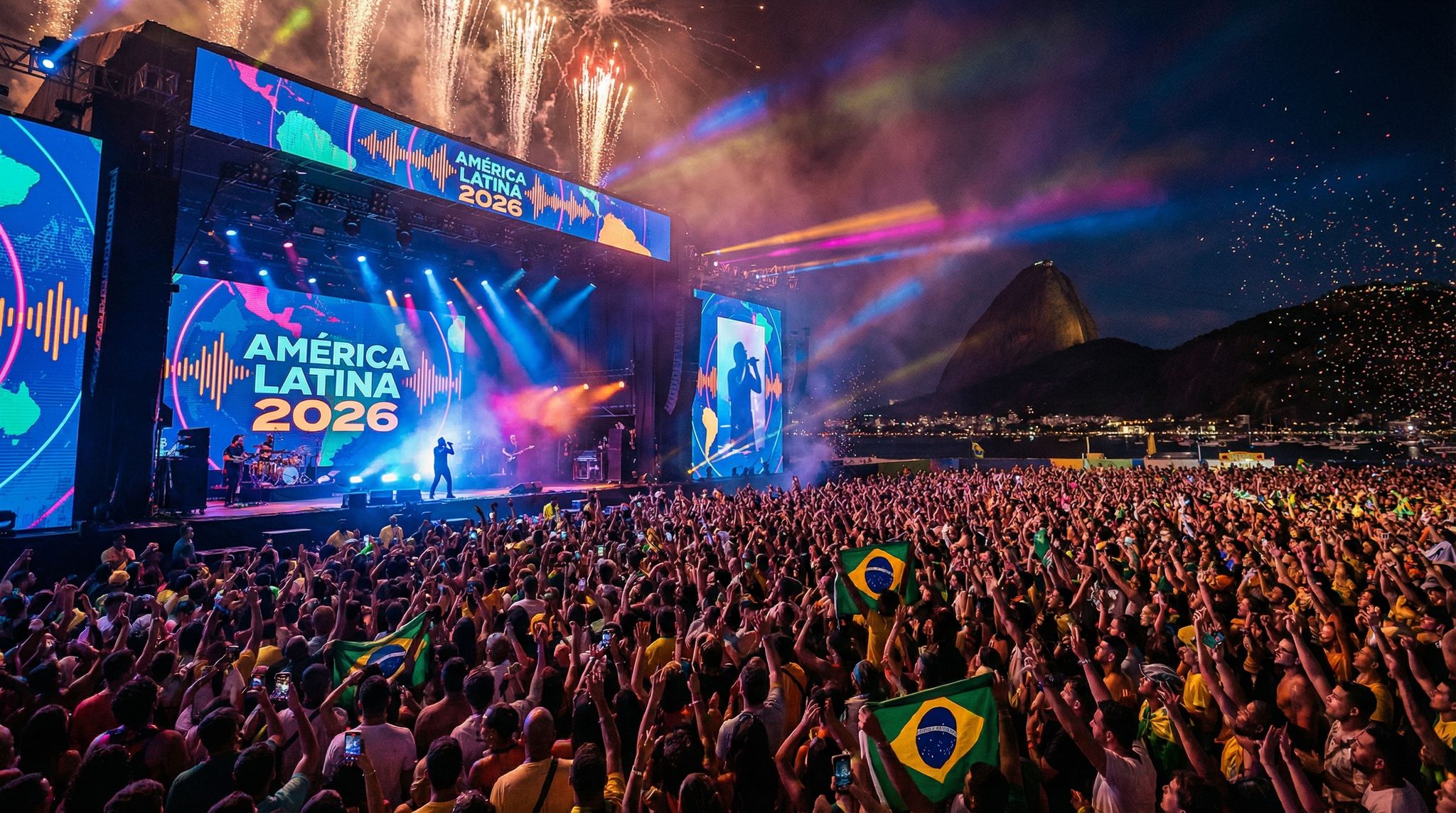
Latin America’s live events scene is exploding in 2026, with fan demand higher than ever. Major tours and festivals are shattering records across the region. For example, a legendary Mexican singer’s 2023 tour sold out 20 arena shows in Argentina and Chile (over 300,000 tickets) and then added 50 more dates due to overwhelming demand, as detailed in IQ Magazine’s Latin America market report. Free mega-concerts have drawn hundreds of thousands – Los Fabulosos Cadillacs attracted 300,000 fans to Mexico City’s Zócalo plaza, while a million people flocked to Copacabana Beach for a festival in Brazil, highlighting the massive scale of local live events. These eye-popping numbers show that Latin American audiences are hungry for live experiences. Even post-pandemic, the momentum isn’t slowing – it’s accelerating. The Recording Industry Association of America reports Latin music revenues in 2024 hit a record high, 7% above the prior year, signaling significant growth in South American markets and reflecting the region’s “golden era” as fans prioritize concerts and festivals once again. In short, Latin America is a live entertainment powerhouse in 2026, offering huge potential for event marketers who get their strategy right.
Diverse Markets, Unified Passion
From Mexico down to Brazil and Argentina, Latin America encompasses over 20 countries and hundreds of cities – each with unique cultures and media habits. Yet across this diversity runs a common thread: passion for music and community. Latin audiences are famously enthusiastic – whether it’s rock fans moshing in Peru or salsa lovers dancing all night in Colombia. South American rock crowds, for instance, are known to be among the world’s most fervent, a sentiment echoed by Pollstar’s analysis of emerging South American markets. This passion means that when an event resonates culturally, fans show up in force. However, it also means a “one size fits all” marketing approach won’t work. Successful promoters treat Latin America not as a monolith but as a mosaic of local markets. What sells out a show in São Paulo might flop in Bogotá if you ignore local tastes. Each country has its own stars, slang, and social norms – and event marketers must tailor campaigns accordingly. The good news is that localizing your message pays off: emerging markets in Latin America are booming with new festival audiences as rising middle classes invest in live experiences. In 2026, tapping into that growth means understanding both the differences and shared excitement of Latin American fans.
High Potential, Real Challenges
Why focus on Latin America now? Beyond the sheer population (660+ million and mostly young), the region’s concert infrastructure has expanded. Global tours that once skipped Latin America now play multiple cities per country, a shift from days when tours often skipped the region. Massive festivals like Lollapalooza have established Latin editions that quickly became 70,000+ attendee sell-outs by integrating local music scenes. Investors are even pouring money into new arenas and festival grounds to meet demand, further proving Latin America’s rise in the global touring landscape. For marketers, this is a dream scenario: a large, growing audience eager for events. However, there are challenges to navigate. Economic swings and currency gaps mean budgets are tighter for many fans – value and trust are critical. There’s also more competition as international brands and local promoters vie for attention. Marketing veterans in the region note that cultural missteps or tone-deaf campaigns can backfire, especially when coming from abroad, emphasizing the need to adapt event marketing for different global markets. In short, Latin America in 2026 offers huge opportunity but demands respect. By understanding local languages, channels, and customs, event marketers can convert Latin America’s enthusiasm into ticket sales. The rest of this guide breaks down exactly how to do that, with actionable strategies and real-world examples spanning Mexico, Brazil, Colombia and beyond.
Localizing Language and Content for LatAm Audiences
Spanish vs. Portuguese: Tailor Your Message
One of the first keys to Latin American marketing is language. Spanish and Portuguese are dominant, and campaigns must be localized accordingly – English-only promotion won’t cut it. Spanish covers most of Latin America, but remember that Brazil speaks Portuguese. A festival ad written in Spanish would completely miss Brazil’s 214 million people, and vice versa. Always create separate Spanish and Portuguese versions of key content like websites, ads, and emails. Even within Spanish, local wording matters. For instance, a “ticket” is “boleto” in Mexico but often “entrada” in Argentina – using the wrong term can make your messaging seem foreign. Experienced promoters recommend hiring native translators or copywriters from each target country, not just running text through Google Translate. The nuances are crucial: accurate, natural language builds trust, whereas awkward translations turn fans off. When the 2024 Tomorrowland festival expanded to Brazil, they launched a full Portuguese microsite and social channels, signaling respect for local fans. By contrast, less savvy campaigns that stick to one language risk low engagement – it’s no coincidence that global brands now double down on multilingual content strategies to build stronger connections with local audiences.
Speaking the Local Dialect and Slang
Beyond formal language, cultural dialect and slang make a huge difference. Latin America’s Spanish has rich regional varieties – the phrases that excite a crowd in Bogotá might sound odd in Mexico City. Research and incorporate local expressions, humor, and references to make your marketing feel authentic. For example, a Colombian event might use “¡Qué chimba!” (cool/awesome in Colombian slang) in social media teasers, whereas in Mexico you might say “¡Estará padrísimo!” for a similar effect. Be careful, though – avoid literal translation of slang across countries, and double-check meanings to prevent embarrassing misfires. One U.S. DJ learned this the hard way by shouting a Mexican slang word in Brazil, not realizing it was offensive in Portuguese. The lesson: consult bilingual team members or local partners to vet your copy and artist scripts. Authenticity is vital – Latin audiences respond when marketing shows you understand their world. Something as simple as referencing a beloved local food or soccer team can earn goodwill. For instance, a Brazil tour promo that said “Nos vemos depois do jogo do Flamengo!” (“See you after the Flamengo match!”) connected with fans by acknowledging their football passion. These personal touches signal that your event isn’t just parachuting in – it’s joining the community.
Bilingual Content and International Reach
While local languages rule, there are times when bilingual marketing adds value. If your event draws a mix of international and local attendees (e.g. a destination festival in Mexico attracting U.S. travelers), consider producing content in both Spanish and English. The primary ads and site should be in Spanish for Mexican audiences, but supplemental English info can capture foreign tourists. Likewise, many Latin American countries have pockets of English-speaking expats and younger fans who enjoy English content – you can sprinkle in some English phrases or subtitles for broader appeal. For example, Colombia’s Estéreo Picnic festival often posts artist announcement videos with both Spanish narration and English text, recognizing its global fanbase. Just be careful not to overshadow the local language. Lead with Spanish/Portuguese, support with English, not the other way around. Another smart tactic is bilingual customer support. Providing email or chat support in Spanish, Portuguese and English ensures no customer questions go unanswered. If someone from Brazil messages in Portuguese about ticket issues, they expect a reply in kind. In one case, a major Latin festival earned public praise when their social media team seamlessly responded to fan comments in three languages. The bottom line: multilingual fluency shows professionalism and inclusivity – important trust factors when marketing events across borders.
Ready to Sell Tickets?
Create professional event pages with built-in payment processing, marketing tools, and real-time analytics.
Dominating Latin American Social Media Platforms
Facebook & Instagram: Still King for Reach
In 2026, Facebook and Instagram remain powerhouses in Latin America. While they’ve lost some youth appeal globally, in LatAm these Meta platforms are still go-to daily destinations for millions. Facebook boasts massive penetration – entire extended families and communities organize events through Facebook Events and Groups. Instagram’s popularity has surged too, especially among urban millennials and Gen Z. Event marketers should treat Facebook/IG as a foundational channel for Latin outreach. That means creating Facebook Event pages (in the local language) for your shows, running geo-targeted feed ads, and using Instagram posts and Stories to build hype. Latin America has some of the world’s highest social media usage, with users spending hours scrolling each day. A savvy tactic is leveraging Facebook’s event RSVP feature – in markets like Mexico and Argentina, you’ll often see tens of thousands of people clicking “Interested” on big event pages, providing a pool of warm leads to retarget with messages or ads as the date approaches. Instagram is ideal for visually showcasing your event vibe – share photos of previous crowds, behind-the-scenes soundcheck clips with artists greeting fans in Spanish/Portuguese, and influencer takeovers (more on influencers soon). Paid advertising on these platforms is also comparatively affordable. The cost-per-click on Facebook ads is significantly lower in many Latin countries than in the U.S., meaning you can reach more people per dollar. For example, a concert promoter in Peru ran Facebook ads for as little as $0.10–$0.20 per click, allowing them to blanket their target demo without breaking the bank. The key is local targeting – use Meta’s tools to aim your ads by city, language, and interests (e.g. target “reggaeton fans in Bogotá” or “rock music & live events” in Chile). Overall, Facebook and Instagram offer unmatched reach across Latin America’s online population – make them cornerstones of your campaign.
TikTok’s Explosion Among Youth
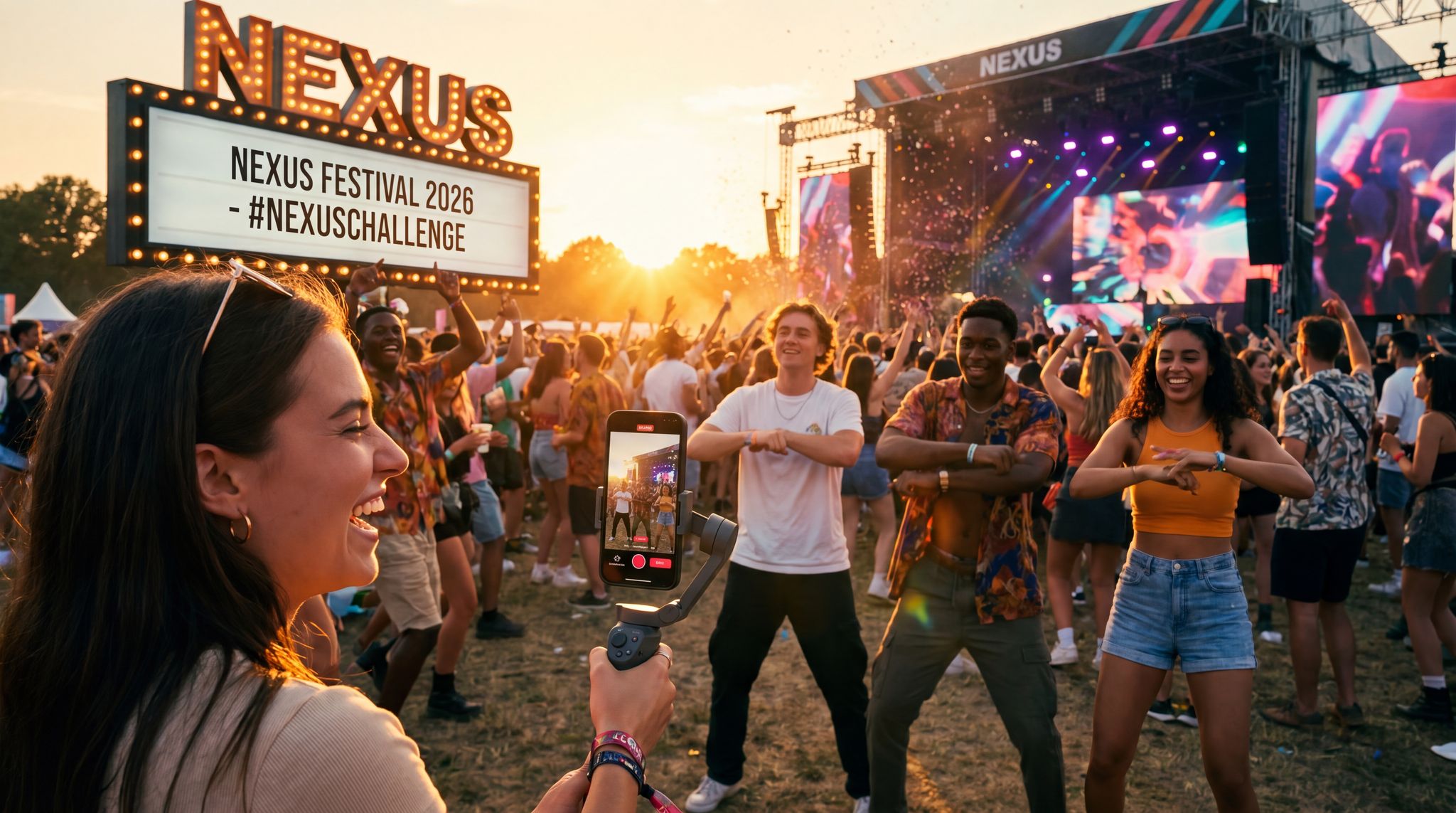
If Facebook is the established giant, TikTok is the upstart rocket in Latin America’s social scene. TikTok usage in LatAm has exploded over the past couple of years – the platform now reportedly has over 50 million monthly users in Brazil alone, confirming that YouTube remains a major platform alongside TikTok as a hub for emerging digital trends and has caught fire in Mexico, Colombia, and beyond. For event marketers, TikTok represents a chance to reach young audiences with creative, viral content. Latin American Gen Z and young millennials are constantly scrolling TikTok for entertainment, music, and trends. Smart promoters ride that wave by creating challenges or trends tied to their events. For example, a music festival in Mexico launched a #CumbiaChallenge where users filmed themselves dancing to a featured artist’s song; the challenge garnered thousands of UGC videos and put the festival’s name in TikTok’s trending page. Working with TikTok influencers is another high-ROI tactic – Latin America has a huge creator community, from Brazilian comedy sketchers to Mexican dance influencers with millions of followers. Partner with creators who match your event’s vibe and have them make content inviting fans or showing off the event experience. TikTok’s algorithm can rapidly amplify these clips across the region. It’s common for a single funny or inspiring TikTok about an event to rack up hundreds of thousands of views in Latin markets, far beyond what a basic ad could achieve. One tip: keep it authentic and local. Use popular Latin music tracks in your TikToks, include Spanish or Portuguese captions, and embrace local humor. A little cultural relevance goes a long way in making TikTok content resonate. As evidence, in 2024 TikTok became the official content sponsor of Brazil’s massive Rock in Rio festival, creating on-site creator lounges and custom filters, illustrating why TikTok sponsored Rock in Rio and the impact of on-site activations and partnerships – a sign of how integral the platform is to engaging Latin concertgoers.
YouTube & Video Content
YouTube is often called the second-largest search engine in the world, and Latin America is no exception to its reach. Millions of Latin American fans use YouTube for music, entertainment, and yes – event information. Promoters report that official aftermovies, lineup announcement videos, and artist video messages are highly effective in this region. For example, Colombia’s Estéreo Picnic festival drops a cinematic lineup reveal video on YouTube each year; in 2024 their lineup video hit over 1 million views within weeks, flooding the fanbase with excitement. The key to YouTube is creating content that’s either informative or emotionally engaging (ideally both). Short documentary-style videos highlighting the festival experience, artist interview snippets saying how excited they are to perform “for my fans in Peru!”, or even practical “5 Tips for First-Timers at Festival X” content can all drive interest and shares. Also leverage YouTube ads – a well-targeted 15-second pre-roll ad showing epic crowd shots and Spanish voiceover can remind viewers of your event while they watch other videos. In Latin America, where data costs and mobile usage are factors, many consume YouTube on WiFi at home or in internet cafes, so make sure your video titles and descriptions are in Spanish/Portuguese to appear in local searches. Another platform to note is Pinterest, which surprisingly has a solid user base in Latin America for event inspiration (especially among young women planning festival outfits or party decor). Some event marketers create Pinterest boards with local fashion or travel tips around their event, tapping into that visual discovery angle. Overall, think video, video, video – Latin audiences respond strongly to vibrant visuals and storytelling, and the combination of YouTube plus social video on FB/IG/TikTok covers all your bases.
To summarize the social media landscape in Latin America, here’s a quick overview of key platforms and how to use them:
Turn Fans Into Your Marketing Team
Ticket Fairy's built-in referral rewards system incentivizes attendees to share your event, delivering 15-25% sales boosts and 30x ROI vs paid ads.
| Platform | LatAm Reach & Usage | Relative Ad Cost | Best Uses for Events |
|---|---|---|---|
| Huge – primary network for all ages; event pages popular | Medium (affordable CPC) | Broad awareness, community building, event RSVPs | |
| Huge – especially 18–35; visual culture important | Medium | Visual storytelling, influencer content, ads | |
| TikTok | Soaring – 50M+ users in Brazil, Gen Z & youth-centric | Low (early-stage) | Viral challenges, creator partnerships, buzz |
| Nearly universal (more on this below) | N/A (free messaging) | Direct fan comms, group chats, referrals | |
| YouTube | Very large – key for music & how-to searches | Medium (CPV bidding) | Aftermovies, lineup announcements, video ads |
| Twitter (X) | Moderate – used by media and fans for news/trending | Low | Real-time updates, trending hashtags, support |
| Niche but notable – planning, lifestyle content | Low | Mood boards, inspiration for festival fashion |
Note: While Twitter (now “X”) and Pinterest have their niches, Facebook, Instagram, TikTok, YouTube, and WhatsApp dominate the average Latin American fan’s time online, reflecting distinct preferences and growth patterns where YouTube remains a major platform. Prioritize those channels for maximum impact in 2026.
WhatsApp & Messaging: Latin America’s Word-of-Mouth Engine
The Ubiquity of WhatsApp
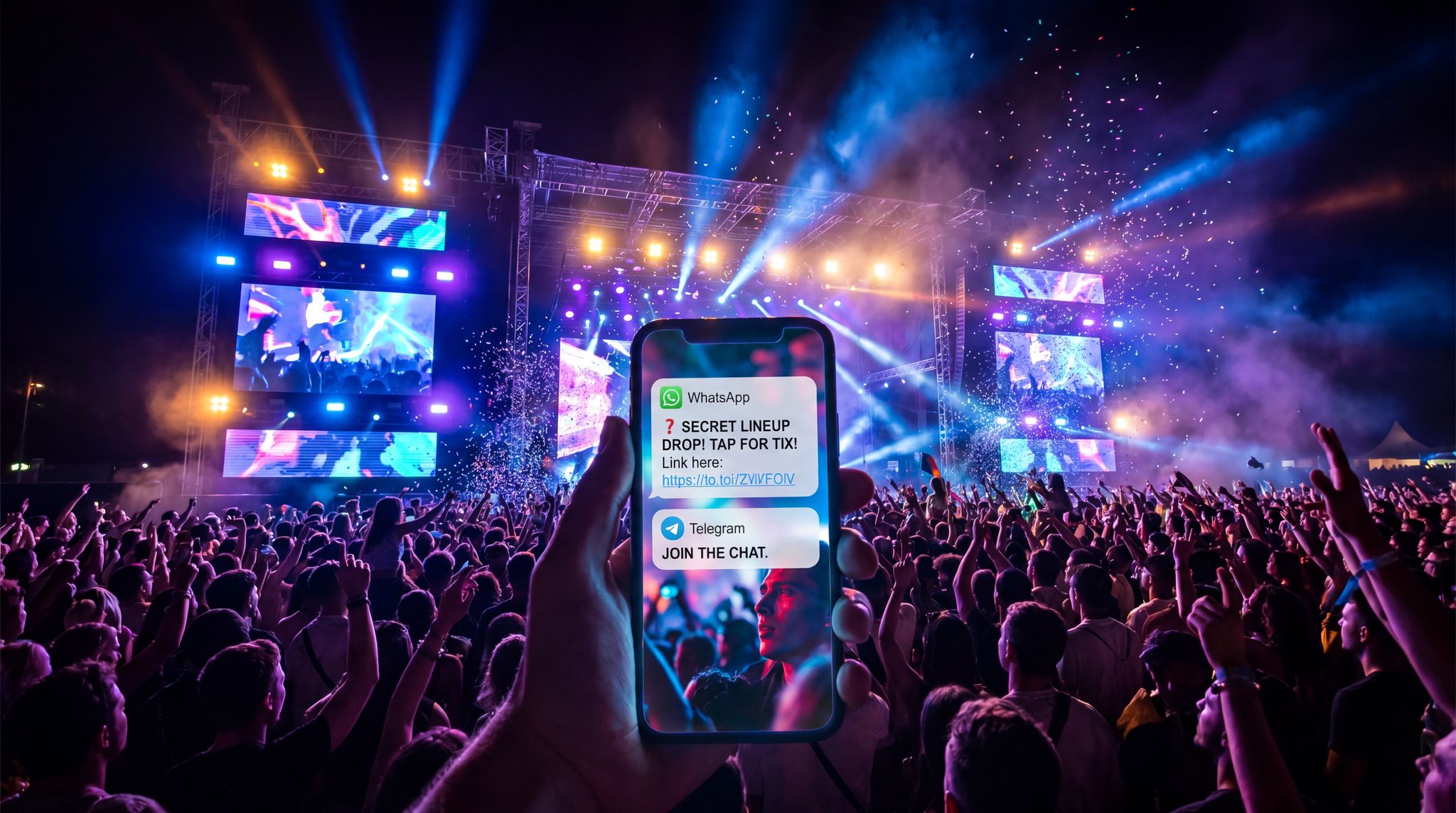
If there’s one platform you must not overlook in Latin America, it’s WhatsApp. Across countries, WhatsApp is the #1 messaging app and in many ways the social network of choice. Over 75% of people in many Latin American markets use WhatsApp – versus just ~23% in the U.S. – making it a daily communication lifeline. For event promoters, WhatsApp’s importance can’t be overstated: this is where friends share plans, family groups discuss outings, and communities spread news. In Latin culture, personal networks are huge, and WhatsApp is where those networks live online. Simply put, if your event isn’t being talked about on WhatsApp, you’re missing a massive awareness channel. But how do you leverage a “dark social” app that doesn’t have public feeds or ads? The key is to facilitate and join fan conversations. Many Latin American fan communities form WhatsApp groups dedicated to an upcoming festival or artist tour, often by creating official WhatsApp broadcast lists or by seeding content in fan groups. You can encourage this by creating an official WhatsApp group or broadcast list for your event. For instance, after buying a ticket, fans could opt-in to receive WhatsApp updates about set times, or join a group chat for ticket holders. Promoters of a 2025 EDM festival in Brazil made a WhatsApp broadcast list that fans could join via a link; within weeks, over 5,000 people had signed up to get festival news in their WhatsApp – with an astounding ~95% read rate on each message. WhatsApp open rates (often 98%+) dwarf email, as WhatsApp has established itself as a primary channel, so it’s ideal for important announcements or last-minute changes.
Grow Your Events
Leverage referral marketing, social sharing incentives, and audience insights to sell more tickets.
Group Chats, Broadcasts and Community Buzz
The real magic of WhatsApp is its ability to spark word-of-mouth buzz. When someone gets an exciting message – say a headliner announcement or a flash ticket sale – they forward it to friends. A friend forwarding an event flyer in WhatsApp can be more convincing than any polished ad because a flyer shared in WhatsApp can be highly effective since it’s coming from a trusted person. Encourage this behavior: make your WhatsApp content highly shareable. That means designing catchy digital flyers or short videos formatted for mobile screens, with clear info and a bold call-to-action (“?? Tickets 80% sold out – get yours now!”). Many promoters seed these materials in fan WhatsApp groups or via influencers, then watch them spread organically. Partnering with group admins is another tactic – every city has those super-fans who run WhatsApp chats for concert-goers or nightclub regulars. If you identify these folks (often through Facebook groups or local fan pages), you can feed them insider info or exclusive discount codes to share in their chats. They’ll feel like VIP ambassadors and you gain reach into tight-knit circles. Just be mindful of not coming across as spammy in WhatsApp – it’s a personal space. Always let fans opt in, and provide genuine value (special news, first access to tickets, etc.). When done right, WhatsApp becomes a viral engine for your event. For example, a club promoter in Mexico City credited WhatsApp group referrals for over 30% of their ticket sales for a NYE party – they gave top group admins personal referral links and those links generated hundreds of purchases. This kind of peer-to-peer spread is exactly why dark social marketing is so powerful. (For deeper strategies on tracking dark social impact, see our guide to capturing hidden word-of-mouth driving ticket sales and creating official WhatsApp broadcast lists.)
Converting Chats into Ticket Sales
Beyond promotion, think of WhatsApp as a customer service and conversion channel. Latin American attendees often have questions or hesitations – and many would rather fire off a quick WhatsApp message than send an email or call. In 2026, experienced event marketers use WhatsApp Business to field fan inquiries in real time. Questions like “What time do doors open?”, “Is there an age restriction?”, or “Can I pay at the door?” may pour in via WhatsApp. By responding quickly (in Spanish/Portuguese) with helpful answers and direct purchase links, you can literally convert indecision into a ticket sale on the spot. This is an extension of the pre-sale customer support principle: meeting fans where they are to remove purchase barriers, a key part of mastering pre-sale customer support. And in Latin America, where WhatsApp usage far exceeds email, it’s the logical place to offer that support. Some promoters even enable ticket purchases directly through WhatsApp chats – either by integrating a chatbot with payment links or simply guiding the user to an online checkout form. A creative example comes from Colombia, where a promoter set up a “WhatsApp Ticket Assistant”: fans could message and get an immediate reply with a unique payment link for their requested ticket type. This personalized touch, through a familiar app, dramatically improved trust and convenience. Indeed, trust is a factor – Latin American consumers can be cautious of unfamiliar websites, but if you engage them in a conversation (even an automated one) on WhatsApp, it feels reliable and friendly. Conversion rates often jump as a result. Finally, don’t forget SMS as a fallback for those without smartphones – text messages in emerging markets boast ~98% open rates too, and promoting events in emerging markets requires hitting audiences that reach anyone with a basic mobile phone. In sum, by weaving WhatsApp and messaging into your marketing, you tap into LatAm’s strongest communication fabric – personal networks – turning group chats and DMs into sold-out shows.
Influencers and Fan Ambassadors: Harnessing Community Voices
Collaborating with Local Influencers
Latin America’s social sphere is teeming with influencers who command dedicated followings. In 2026, influencer marketing in LATAM continues to grow at double-digit rates, showing how influencers connect with audiences in Latin America as brands (and events) invest in voices that resonate with local audiences. For event promotion, partnering with local influencers – from popular DJs and YouTubers to micro-influencers in niche communities – can yield tremendous results. The key is choosing influencers whose image and audience align with your event. If you’re throwing an EDM festival in Brazil, look for Brazilian EDM content creators or even a well-known radio DJ who posts on Instagram. Their endorsement will carry far more weight than a generic ad. Influencers can help in many ways: announcing your lineup or tour dates, doing giveaway contests, creating behind-the-scenes content (e.g. “day in the life of preparing for X festival”), or simply hyping their followers to go with them. Authenticity is paramount – Latin American audiences, like anywhere, can sniff out a half-hearted sponsored post. It works best when the creator genuinely loves the event or has a personal connection, as influencers often see higher engagement rates when they build authentic connections with audiences. For instance, when a famous Mexican YouTuber who’s a rock music fan posted her excitement about an upcoming rock festival (as part of a paid partnership), her followers responded with enthusiasm and ticket sales spiked that week. Compare that to a case where a Colombian tech gadget influencer was roped into promoting a hip-hop show – it fell flat because the fit wasn’t right. Selectivity matters: it’s often better to have a micro-influencer with 20k engaged followers in your genre than a random celeb with a million irrelevant followers. Also, give influencers creative freedom to adapt the message to their style (within brand guidelines). Their local humor or storytelling will make the content more relatable to fans, tapping into that Latin emphasis on personal connection.
Building Trust Through Authenticity
Latin American culture places a strong value on trust, word-of-mouth, and personal relationships. Influencers here function almost like extended friend circles – their followers feel a personal bond. That means an influencer’s enthusiastic recommendation can legitimately drive friends to buy tickets. But the flip side is that anything seen as inauthentic can damage both the influencer’s credibility and your event’s image. To build trust, approach influencer collaborations as long-term relationships when possible. It’s fantastic if the influencer can become a sort of “ambassador” who is involved with your event year after year. Fans will perceive that as genuine love rather than a one-off ad. For example, the organizers of Argentina’s Lollapalooza festival have a stable of local TV and music personalities who attend and promote the festival each edition, often posting voluntarily because they had a great time. Over time, their audience starts to associate Lolla as “the festival my favorite personalities also enjoy”. Another tip: incorporate influencers into the live experience. Invite them to broadcast live from the venue, do stage shoutouts, or host meet-and-greets. At a comic-con event in Chile, the promoter had popular cosplay YouTubers run live Q&A sessions from the show floor – their fans showed up in droves to interact and, of course, to buy tickets so they wouldn’t miss out. Culturally, Latin audiences respond to that close, personal interaction. It taps into the collectivist vibe – people want to be part of what their community (including online community) is excited about, as authentic engagement drives higher interaction and influencers who engage authentically with their followers succeed most. Finally, keep it transparent: ensure influencers disclose partnerships per guidelines (e.g. using #Ad if required). Latin American markets are catching up on advertising transparency rules, and being upfront only increases trust. When fans feel like they’re getting a genuine recommendation, not a sneaky sale, they are more likely to engage and convert into attendees.
Grow Your Social Following With Every Sale
Require social media follows, shares, or playlist adds to unlock presale access or special pricing. Turn every ticket purchase into audience growth.
Fan Ambassador & Referral Programs
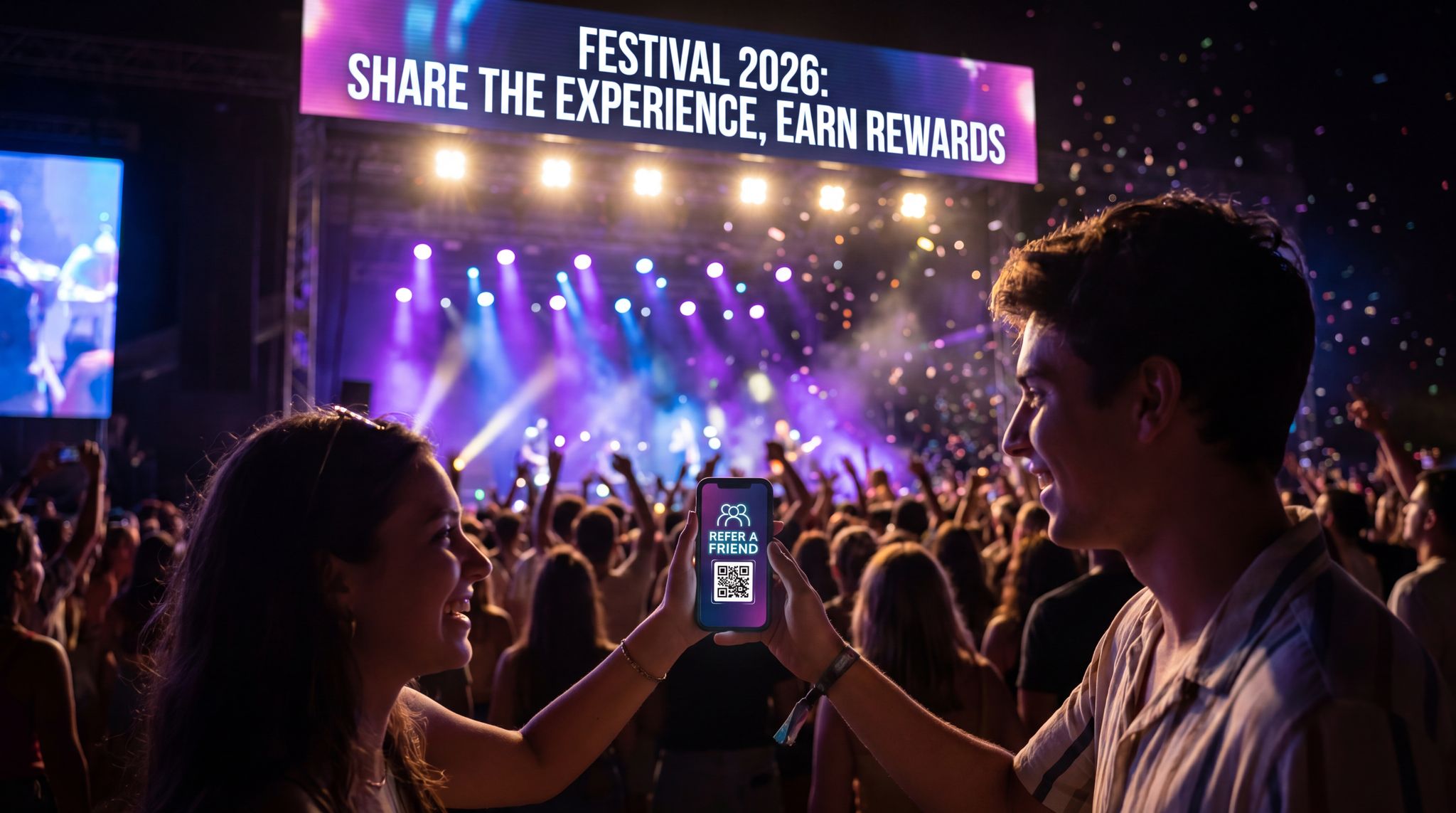
Some of the most powerful influencers are regular fans with a passion for your event. Tapping into these grassroots advocates can supercharge your marketing in Latin America, where community and camaraderie are core values. This is where ambassador programs and referral marketing come in. Seasoned event marketers often turn enthusiastic ticket-buyers into micro-promoters by giving them incentives to spread the word. For example, you might invite fans to become official event “ambassadors” – they get a unique referral link or code, and for every friend they convince to buy a ticket, they earn rewards (like free merch, upgrade to VIP, or even cash commission). In a region where average incomes can be lower, these incentives go a long way – fans love feeling involved and earning perks. More importantly, their personal invites carry tremendous weight: a friend telling you “Come with me to this festival, here’s $10 off” is far more persuasive than any ad. Referral sales typically account for 15–25% of tickets when a robust program is implemented, according to Ticket Fairy’s platform data. And the ROI can be huge (20:1 or more) because you’re essentially outsourcing marketing to loyal customers who do it for the love of the event, effectively mastering audience co-creation for events and launching ambassador or referral programs. Real-world example: a 2025 reggaeton festival in Miami (with many Latin American attendees) used Ticket Fairy’s built-in referral system to empower fan ambassadors; they saw roughly 18% of ticket sales originate from referrals and those sales came in at a fraction of the cost of paid ads. In Latin America, similar programs have thrived. Colombian and Mexican dance music events often recruit college students as ambassadors – each gets a batch of discount codes to share, plus physical flyers, and in return they can earn free tickets or meet-and-greet passes. This not only drives sales but creates a street team effect where buzz ripples through friend networks and campuses.
One key to success is to equip your ambassadors with tools and content. Give them shareable graphics, pre-written caption ideas (that they can tweak in their voice), and an easy way to track their progress. Many promoters set up private WhatsApp or Facebook groups for their ambassadors, providing updates (“Only 100 tickets left in Tier 1 – let your friends know!”) and motivation. It fosters a sense of community and friendly competition among your most loyal fans. Essentially, you are turning your audience into a marketing force, as collaborative campaigns boost engagement and ticket sales, as modern 2026 event strategy encourages. Not only does this boost ticket sales, it also deepens those fans’ own commitment – they feel like part of the team. By show day, you’ve got an army of superfans who are personally invested in filling the venue. Their energy will be infectious on-site, making the event experience even better (which in turn yields great UGC content and word-of-mouth for next time). It’s a virtuous cycle. In summary, don’t just market to Latin American fans – market with them. Whether through paid influencers or organic ambassadors, leveraging the voices that local audiences trust is one of the most effective and culturally in-tune strategies you can deploy.
Traditional Media & Grassroots Outreach Still Matter
The Power of Radio Promotions
While digital channels dominate, traditional media remains highly influential in Latin America – especially radio. Many Latin American consumers spend hours in traffic or at work listening to FM radio, and popular stations have almost celebrity-level DJs and hosts. A well-placed radio campaign can blanket a city with awareness in a way digital ads sometimes can’t. In 2026, smart event promoters use radio strategically rather than as an afterthought. For example, if you’re promoting a festival in São Paulo, partnering with a top radio station like Jovem Pan or Rádio Mix on a ticket giveaway can massively amplify your reach. The DJ hypes the event on air several times a day (“Keep listening for your chance to win tickets to Festival X!”), making tens of thousands of listeners aware, and lucky winners brag about it on social media – free word-of-mouth. Radio ads or sponsorship tags (e.g. “This hour’s music is brought to you by Festival X”) can also lend credibility by sheer repetition. And don’t forget talk radio or morning shows: landing an artist from your lineup as a guest on a popular morning show in Mexico City or Buenos Aires can introduce your event to entirely new audiences who might not see your Instagram ad. A veteran Latin American promoter once said, “Facebook reaches the kids, but radio reaches their parents who pay for the tickets.” Indeed, if you’re targeting families or older demographics (think baby boomer rock fans or parents of teens), radio is crucial, as promoting events in emerging markets often relies on offline channels to generate word-of-mouth excitement. Many over-40 consumers in LatAm still rely on radio and TV for entertainment news, so don’t leave them out.
How do you execute a great radio promotion? Leverage stories and exclusives. Instead of a bland ad read, give stations something exciting: the first interview with your headliner, an acoustic snippet to play on air, or exclusive pre-sale access for listeners. In return, the radio hosts will enthusiastically plug your event, a strategy for mastering collaborative event marketing by aligning artists, venues, and sponsors. Make it a win-win – they get content that boosts their ratings, you get promotion. Another tip: align with the station’s format. If it’s a rock station, emphasize the rock acts in your lineup in the ads; if it’s a pop station, highlight the pop-friendly aspects. Localization applies here too – a Spanish radio ad will be far more effective than an English one, obviously, and using a bit of local slang or humor (appropriately) can make it stick. For example, a radio spot for a festival in Mexico might end with the famous Mexican tagline “¡No te lo puedes perder!” (“You can’t miss it!”). The tone should feel like “this is the hottest thing coming, and we’re all going to be there”. In a world of Spotify and YouTube, radio may sound old-school, but in Latin America it still packs a punch – often reaching commuters and workers during parts of the day when online channels are on pause, effectively putting flyers in people’s hands with no data required.
Flyers, Posters and On-Ground Buzz
Latin America also retains a vibrant street marketing culture. Walk around cities like São Paulo, Bogotá, or Mexico City and you’ll see event posters on walls, promo flyers at cafes, even street teams handing out pamphlets in busy plazas. These tactics might feel nostalgic, but they continue to cut through the digital noise and make a tangible impact, particularly for adapting event marketing for different markets and running localized festival campaigns in LatAm. A colorful poster in a bar district can spark curiosity (“Hey, I saw this cool poster for a rave next weekend, you going?”), and a street team chatting up passersby can engage people on a personal level that online ads can’t match. Veteran event marketers often use flyer drops and postering in tandem with digital marketing – each reinforces the other. For example, two weeks before a concert, you might deploy a team to put up posters at universities, music stores, and trendy neighborhoods while also running Facebook ads. Locals then start “seeing it everywhere,” building the perception that this event is the place to be. Grassroots efforts are especially useful for targeting subcultures or specific districts: maybe you have a metal show, so you hit all the rock bars with flyers. Or for a beach party in Rio, you have ambassadors hand out palm-shaped flyers at popular surf spots.
These tactics are generally low cost but high effort. Printing 5,000 flyers and paying a few promo staff for a weekend can be a few hundred dollars – well worth the buzz if done right. Keep designs bold and simple (bright colors, big date and venue, big headliner name) since people will glance quickly. Also, include a QR code or short URL on print materials so interested folks can easily find your ticket page – this helps track offline efforts too. We recommend using unique QR/URL for different cities or campuses to see which areas drive responses. Anecdotally, promoters in Peru found that after a blitz of poster-ing, their direct type-in traffic and branded search queries jumped, indicating people sought out info after seeing the posters. One caution: always check local regulations on flyering and postering – some cities have fines for unauthorized posters, so look for community boards or get permission from business owners when possible. Alternatively, focus on hand-to-hand flyers at event exits (e.g. give club-goers a flyer for your next gig as they leave a similar event). This personal touch can ignite word-of-mouth, especially in Latin America where people love to chat about plans. It’s all about creating that feeling on the ground that “this event is everywhere – don’t get left out.” As an internal playbook note, grassroots promotion often yields high ROI because the cost is low and the engagement is face-to-face, since grassroots tactics often have high ROI and fan group admins can also broadcast your event.
Smart Promo Codes & Presale Access
Create percentage or flat-rate discount codes with usage limits, date ranges, and ticket type restrictions. Plus unlock codes for private presales.
Local Partnerships and Sponsors
Another traditional angle to amplify your reach is leveraging local partnerships. Aligning with venues, brands, or community organizations that already have captive audiences can significantly extend your marketing. For instance, venues themselves are key partners – if you’re holding a show at a popular theater or club, coordinate with the venue to promote to their customer lists. Many venues in Latin America have their own social media and email newsletters highlighting upcoming shows; make sure your event gets prime placement there. They might also allow posters on-site or marquee signage. Similarly, consider cross-promotion with local businesses and media outlets. Is there a trendy cafe or record store that your target audience frequents? Perhaps they’ll let you display flyers or even sell physical tickets (some Latin American events use retail outlets as ticket sellers to capture walk-in traffic – more on ticketing later). Partnering with local event discovery platforms or apps is another route – e.g. Mexico’s Atrápalo or Brazil’s Sympla are popular for local event listings, so ensure your event is listed with localized descriptions.
Sponsors can also be leveraged beyond just funding. If you have a beer, telecom, or lifestyle brand sponsoring your event, coordinate marketing efforts with them. Often, sponsors will include your event in their own advertising: a beer sponsor might feature your festival in their point-of-sale displays (“Enjoy [Beer] at [Festival]!”), or a telecom might blast an SMS to their subscribers with a ticket promo. This can unlock channels you’d never achieve alone. A great example is how big festivals partner with banks or credit card companies in LatAm: the bank offers an exclusive pre-sale to cardholders (driving sales while giving your event free hype in their customer comms). Also, don’t overlook community partnerships. If you’re doing something like a cultural food festival or a community concert series, linking with local tourism boards or cultural institutions can lend credibility and promotional support. The tourism board of Medellín, for instance, might help advertise an international music conference coming to the city, as it boosts local economy. The key is identifying partners whose audience overlaps with yours and finding a win-win collaboration, where grassroots tactics can validate your event and fan group admins help spread the word. They get engaging content or perks for their audience, you tap into a trusted network. In Latin America, personal relationships are paramount, and that extends to B2B relationships too – a recommendation or co-sign from a respected local entity can significantly boost public trust in your event.
In summary, here’s a snapshot of traditional and grassroots channels in Latin America and how to leverage them:
| Channel | Reach & Demographics | Cost Level | How to Leverage for Events |
|---|---|---|---|
| FM Radio | Mass reach (drivers, at-work listeners, 25–50+) | High (for ads) | On-air ticket giveaways, artist interviews, targeted ads on genre-specific stations. DJ endorsements highly persuasive. |
| Local TV | Broad reach (older & family demographics) | High | Feature event on morning shows, news segments or entertainment programs. Useful for major events, adds legitimacy. |
| Print Media | Niche reach (older, professionals) | Medium | Event listings in newspapers, ads in music/culture magazines. Great for image building, but declining youth reach. |
| Posters & Billboards | Localized reach (urban commuters, nightlife) | Medium-High | Large outdoor ads in key areas for awareness. Posters in clubs, cafes to target subcultures. Use bold design + QR code. |
| Flyers & Handouts | Hyper-local reach (event-goers, students) | Low | Distribute at related events, campuses, popular hangouts. Personal invites and discount codes on flyers encourage sharing. |
| Street Teams | High engagement (face-to-face) | Low-Med (labor) | Brand reps to hype event at concerts, festivals, etc. Can gather sign-ups (WhatsApp opt-ins) or do fun stunts (flash mobs). |
| Local Partnerships | Variable (built-in audiences) | Low | Cross-promote with venues, brands, community orgs. Share each other’s posts, bundle offers (e.g. drink + ticket promos). |
Despite the dominance of digital, these offline tactics remain deeply ingrained in Latin American marketing. Often, the most successful campaigns combine online and offline – a strategy that experienced promoters insist yields the best coverage, proving that supplementing Facebook ads with offline tactics helps reach future attendees on all channels. By meeting fans both on their phones and in their daily physical world, you ensure your event stays top-of-mind everywhere.
Cultural Nuances and Timing Considerations
Navigating Holidays and Festival Seasons
Latin America’s calendar is filled with holidays and cultural festivals that can make or break your event timing. As a marketer, you need to be keenly aware of these dates – scheduling and messaging should respect local observances. For example, trying to launch a new concert series during Holy Week (Semana Santa) in a heavily Catholic country like Colombia or Mexico is risky, since many people travel or spend time with family then. Conversely, tying your event to a beloved holiday can be a winning move – a Halloween-weekend party in Mexico could incorporate Día de los Muertos themes to tap into the festive spirit. Carnival in Brazil (usually February) deserves special attention: it’s essentially a country-wide party week. Unless your event is Carnival, don’t compete with it; instead, consider marketing leading up to it or piggybacking on the Carnival energy by theming your promotions. Every country has its own important dates (e.g. Independence Days, national festivals) and even regional feria weeks. Good research will reveal when your audience is most receptive to an event and when they’re preoccupied elsewhere. Often, promoters will avoid the biggest holiday weekends unless the event itself is holiday-themed. For instance, Argentina’s major festival Creamfields moved its usual date to avoid clashing with a potential World Cup qualifying match – knowing football can dominate public attention. Always check the local calendar before locking in your event date and marketing timeline.
Here’s a brief holiday calendar for 2026 in Latin America to illustrate timing factors:
Free Tool: When Should You Announce?
Pick your event date and genre — the free planner outputs a recommended announce, presale, on-sale and reminder schedule anchored to how your audience actually buys.
| Country/Region | Key Dates in 2026 | Marketing Considerations |
|---|---|---|
| Brazil | Feb 13–17, 2026 – Carnival (nationwide) | Huge audiences celebrating; difficult to hold other events during this period. Best to avoid clashes or integrate Carnival themes into your promotion. |
| Mexico | Mar 29–Apr 4, 2026 – Holy Week (Semana Santa); Sep 15–16 – Independence Day; Nov 1–2 – Día de los Muertos |
Holy Week: many travel or pause normal activities (unless your event is religious/cultural). Independence Day: patriotic events dominate (avoid scheduling other big shows). Day of the Dead: culturally significant – incorporate respectful themes if hosting events around this time. |
| Colombia & Others | Mar 29–Apr 4, 2026 – Semana Santa; various independence days (e.g. Colombia Jul 20) |
Similar Holy Week considerations. National holidays often mean long weekends – can be good for events if marketed as holiday entertainment, but expect travel. |
| All Latin America | Dec 24–25 – Christmas; Dec 31 – New Year’s Eve |
Christmas: family time, not for events (unless specific holiday shows early Dec). New Year’s: very popular for parties and festivals – marketing can play up New Year celebration theme, but competition is high. |
Tip: Use local holiday references in your marketing copy when appropriate. For example, a December concert series in Brazil might be billed as “Seu presente de Natal antecipado!” (“Your early Christmas gift!”). Mind the tone – keep it celebratory and culturally sensitive. And if you’re advertising across multiple Latin countries, segment by country to customize around each audience’s holidays (Spanish copy for one country might mention *“¡Puente de Noviembre!” for a long weekend, while another country’s ad uses different context). This level of cultural attunement shows fans that you “get” their world, not just the generic Latin America umbrella.
Community Norms and Social Values
Successfully marketing in Latin America also means aligning with cultural norms and values that differ from other regions. One overarching theme is the importance of community and family. Group experiences are cherished – friends and relatives often attend events together, and decisions might be made collectively (e.g. a group of 10 friends decides which festival to attend this year). As a marketer, you can tap into this by promoting group offers or highlighting the social aspects. For instance, push messaging like “Bring your friends – group packages available!” or showcase photos of families having fun at your event (if it’s family-appropriate). Some festivals in Mexico explicitly market themselves as family-friendly on Sundays, knowing that parents might come with kids. Another norm: Latin Americans tend to be late adopters in some contexts – last-minute ticket sales surges are common. It’s not unusual for 30–40% of tickets to sell in the final two weeks even if early sales were sluggish, due to a cultural tendency to wait and see. Don’t panic if your event isn’t sold out far in advance; instead, plan marketing to create urgency and FOMO closer to the date (while of course pushing steady reminders all along). Using “limited tickets” messaging and showing real-time sales milestones can spur those who might otherwise wait until the day before.
Another cultural factor is the concept of “mañana” – an easygoing approach to time. Events in Latin America often start later than scheduled and attendees are accustomed to a relaxed timeline. While this is more an operational note, it affects marketing promises. If you advertise strict set times or early start, manage expectations (or embrace the flexible vibe in your communications). Also consider values like hospitality and safety. Post-pandemic, conveying that your event is safe, well-organized, and welcoming is vital to winning trust. Latin American fans greatly appreciate when organizers show care – for example, highlighting security measures, medical aid presence, or comfortable facilities. A campaign for a festival in Chile emphasized “compromiso con tu seguridad y diversión” (“commitment to your safety and fun”) and saw positive sentiment from cautious fans. On the flip side, avoid any messaging that could be seen as culturally insensitive or exploitative. For example, using religious imagery for a secular party can offend; stereotypes should be avoided. It’s best practice to have someone native to that country review your creative – one promoter nearly ran an ad for a Miami-themed party in Colombia featuring scantily clad models, not realizing it might clash with local modesty norms. A Colombian team member tweaked it to be more in line with local tastes. Localize not just the language, but the vibe.
Payment Preferences and Building Trust
An often overlooked yet crucial aspect: payment and purchasing habits in Latin America. Even the best marketing falls flat if fans can’t easily buy or don’t trust the ticketing process. Unlike some regions where credit cards are ubiquitous, many Latin American consumers prefer alternative payment methods. For instance, in Mexico a huge portion of online purchases (including event tickets) are done via OXXO pay – a system where you get a barcode and pay cash at an OXXO convenience store. In Brazil, many use boleto bancário (bank slips) or the newer instant payment system Pix to buy event tickets. Installment plans are also popular, especially for pricey festival passes – Brazilian fans often expect an option to pay in 3 or 6 monthly installments (“parcelado”) for big events. As a promoter, working with a ticketing platform that offers these localized payment options is a game-changer. It can dramatically increase your conversion rate by removing friction. For example, when a Colombian concert switched ticketing providers to one that allowed Baloto cash payments and PSE bank transfers (common local methods), their ticket sales jumped 15% compared to the previous year’s credit-card-only approach – a chunk of fans had been effectively locked out before.
Trust in the ticketing process is also paramount. Latin America has battled issues like counterfeits and scams, so fans can be wary of unfamiliar platforms or hidden fees. Be transparent and highlight consumer-friendly policies in your marketing. If your event uses a reputable secure ticketing system (like Ticket Fairy, which provides anti-scalping resale and clear pricing), mention those benefits: e.g. “Official tickets – secure QR code, name-changing available” or “No surprise fees at checkout – pay what you see”. In fact, many Latin American countries have seen pushback against high ticket fees (the so-called “junk fees” problem in the industry). Embracing transparent pricing can become a selling point, helping to drive ticket sales even for those without credit cards. One festival in Argentina promoted that their ticket price already included all fees and taxes, distinguishing them from competitors – and earned goodwill from cost-conscious fans. Additionally, consider offering customer service in local time zones and languages. If a Brazilian fan has an issue at 8 PM their time, having a Portuguese support rep respond (instead of a generic English email 24 hours later) builds trust and can save a sale. These operational details might not seem like “marketing,” but they very much are: they impact your reputation and word-of-mouth. A smooth buying experience will be shared in WhatsApp groups (“hey, it was easy to get tickets on this site!”), whereas a frustrating one will definitely be complained about. In summary, adapt not just how you promote to Latin audiences, but also how you enable them to become paying attendees – it’s all part of mastering event marketing in the region.
Case Studies: Real-World Successes from Mexico to Brazil
Global Festival, Local Flavor: Lollapalooza in Latin America
One of the textbook examples of winning event marketing in LatAm is Lollapalooza’s expansion into Chile, Brazil, and Argentina. When this famous U.S. festival brand launched Latin American editions (starting with Chile in 2011), the organizers didn’t just copy-paste their U.S. marketing. They partnered with trusted local promoters in each country (e.g. Argentina’s DF Entertainment, Brazil’s T4F) who understood the market nuances, as Lollapalooza began as a U.S. festival but succeeded because Lollapalooza crafted its lineups locally. Marketing campaigns were fully localized – all advertising in Spanish or Portuguese, and media partnerships with local TV, radio, and press. Most importantly, Lolla’s team crafted festival lineups blending global headliners with top Latin American acts, ensuring the product catered to the local market and integrated the global festival family with local culture. For instance, Lollapalooza Brazil would feature superstar international DJs plus beloved Brazilian rock and funk artists. Ads and social posts in Brazil highlighted those local names just as much as the foreign headliners, as globally expanding festivals have learned that adding local acts is crucial, signaling to fans that this event was as much theirs as it was an import. The result? Each Latin American Lollapalooza quickly built a loyal fanbase and sold out multiple days, drawing 70,000+ attendees per day and becoming annual must-attends, proving it was not just an import but a local staple where Lollapalooza ran fully localized marketing campaigns. Fans felt pride and ownership of “their Lolla” because the festival integrated into local music culture, where the product catered to the local audience and blended the global festival family with local vibes. In contrast, some other global festivals that expanded without such localization struggled, as local adaptation is essential for success – a cautionary tale applicable globally. The Lollapalooza case study proves that global brand events can thrive in Latin America by embracing local language, talent, and partners. It’s a blueprint any international event can follow: when entering a Latin market, go local or go home.
Latin Music Superstar Tour: Luis Miguel’s Record-Breaking Trek
When Mexican icon Luis Miguel announced his 2023–24 tour across Latin America, even veteran promoters were astonished by the response. It became the highest-grossing Latin tour in history by late 2024, becoming the most lucrative Latin tour in history, outselling even Bad Bunny’s recent colossal tours. A big part of this success was the tour’s masterful marketing and timing strategy. Luis Miguel’s team recognized the pent-up demand in markets that he hadn’t played in years (or ever). They started teasing the tour on social media months in advance, dropping hints in Spanish like “¿Listos para vernos de nuevo?” (“Ready to see each other again?”) which sent fans into a speculative frenzy online. Once dates were announced, they tailored promotion to each country’s pride. For instance, in Argentina the ads touted his unprecedented run of 9 nights in Buenos Aires, appealing to Argentinian fans’ pride in hosting so many shows. In Chile, promotions highlighted that he chose Santiago to kick off the tour – making Chileans feel special. The tour marketing also cleverly leveraged press and TV: Luis Miguel’s return became a news story in itself on Latin American media (free PR), and they fed it by doing select interviews and releasing behind-the-scenes rehearsal footage to TV networks.
Ticket sales strategies further fueled the fire. They often launched with staged releases – say, 3 shows at first, which sold out in hours, making headlines; then they’d add extra dates to meet demand. Each time new dates were added, fans shared the news like wildfire on WhatsApp and Facebook, urging friends to grab seats. Also notable was the focus on payment flexibility – knowing Luis Miguel appeals to a wide age range including older fans, they ensured ticketing offered phone booking options and offline sales at ticket outlets, capturing those not comfortable buying online. In markets like Mexico and Chile they allowed installment payments, broadening affordability. The result of these tactics was astounding: 20 arena shows sold out in Argentina and Chile in quick succession, as reported in IQ Magazine’s market analysis, followed by nearly 50 more shows added across Latin America, highlighting the massive demand for live shows. Every city became a case study in high demand. The takeaway here is that even legacy artists need savvy marketing – by respecting fan sentiment, engaging local media, and removing purchase barriers, Luis Miguel’s team turned nostalgia and loyalty into a record-breaking tour. It underscores how understanding Latin audiences (their national pride, their media habits, their purchase comfort) can convert decades of fandom into actual ticket sales.
Homegrown Festival Goes Big: Festival Estéreo Picnic (Colombia)
Colombia’s Festival Estéreo Picnic (FEP) is a homegrown multi-genre music festival that has seen remarkable growth, thanks to sharp marketing attuned to Colombian youth culture. From humble beginnings in 2010, FEP grew into a 130,000+ attendee event by 2024, with brands living the festival experience and making significant investments in Colombia. How? One factor is their deep integration with social media and pop culture trends. Each year, FEP’s lineup announcement is an interactive online experience – in 2024 they created an augmented reality game on Instagram that gradually “unlocked” artist names when fans pointed their phone at certain real-world city landmarks. This gamification generated millions of impressions as young people raced around Bogotá to reveal the lineup, sharing clues in TikTok videos. FEP also engages in year-round content marketing. Their team runs engaging Twitter and Instagram accounts that post about more than just the festival – they celebrate Colombian music, run throwbacks to iconic moments from past FEP editions, and even meme with fans. This keeps a passionate community alive 365 days a year, not just at on-sale. When tickets do go on sale, that community mobilizes.
Another pillar of FEP’s strategy: brand partnerships that resonate. They consistently partner with brands that Colombian millennials love – for instance, a popular beer that sponsors “road to FEP” mini-concerts in local bars, or a rideshare app offering discount codes to get to the venue. These partnerships extend FEP’s marketing reach into everyday life. On the traditional side, FEP hasn’t shied away from radio and press; in 2023 they ran humorous radio spots voiced by a well-known Colombian comedian pretending to “call in sick” to work because he had to attend FEP, implying it’s an unmissable event. It got people laughing and talking. Perhaps most importantly, FEP continually books a mix of international and beloved Latin acts, similar to Lolla’s strategy. In 2022 when they snagged Karol G (a Colombian global superstar) to headline alongside international rock bands, they plastered her image on billboards across Bogotá – tapping national pride and driving huge local interest. The outcome of these efforts is a festival that has not only grown attendance but become part of youth identity in Colombia – a case study in cultivating a brand that fans feel personally connected to. For global marketers, FEP shows that a local festival can explode in popularity by blending innovative digital engagement with cultural relevance at every turn.
Grassroots Meets Digital: Boiler Room in Mexico City
As a final example, consider how an underground music brand like Boiler Room successfully engaged Latin American audiences. Boiler Room (known for streaming DJ sets from intimate locations) did a series in Mexico City that became the talk of the town. This was a relatively niche event – electronic DJs, small venue – yet their marketing made it ultra-hip. They combined grassroots hype with savvy digital targeting. Before the event, they tapped into Mexico City’s network of music collectives and gave local micro-influencers (DJs, music bloggers) early access invites, encouraging them to talk it up. On WhatsApp and Instagram Stories, these influencers created FOMO by hinting “something special” was coming. Boiler Room’s team also engaged Spanish-language music forums and Reddit threads, dropping teasers among the true music geeks. Then came targeted ads: using Facebook’s granular tools, they targeted people interested in underground techno, house music, and who had interacted with past Boiler Room streams, but specifically filtering to Mexico City and Spanish speakers. The event itself wasn’t broadly advertised; it felt like a “if you know, you know” secret. This exclusivity was part of the allure. They had over 11,000 RSVPs for a 500-capacity event (purely through online sign-ups) – a testament to how well the community spread the word. Of course, not everyone could attend, but thousands tuned into the live stream, and the after-event video racked up huge views in Mexico. What Boiler Room achieved was a blend of dark social marketing (whisper campaigns on WhatsApp/DM), influencer seeding, and pinpoint digital ads to mobilize a niche audience. It’s a great reminder that in Latin America, you can’t rely on one channel alone: integrated campaigns win. Even for large mainstream events, layering grassroots buzz on top of mass media can amplify results significantly.
These case studies—from a global festival localization to a superstar tour to a local indie fest—illustrate a common theme. Success in Latin America comes from respecting the audience’s culture and communication styles. Whether it’s partnering with local players, speaking the language (literally and figuratively), engaging fans in interactive ways, or making it easy for people to purchase and participate, the best campaigns show empathy and insight. They feel like they’re by the community, for the community, even if a big brand is behind them. As a marketer with two decades of experience, I’ve seen campaigns both soar and flop in this region. The difference almost always boils down to localization and heart. Latin American fans will reward you with lifelong loyalty (and viral promotion) if you earn their excitement honestly. The opportunities in 2026 are immense – Latin America is ready to celebrate. It’s on us as event marketers to speak to them in a way that moves them.
Free Tool: Model Promoter Payouts
Flat-percentage, flat-per-ticket, or tiered-bonus commission structures — get per-promoter payouts and total commission as % of gross. Free calculator.
Frequently Asked Questions
Why is event marketing growing in Latin America in 2026?
Latin America’s live event scene is exploding due to surging demand from a population of over 660 million. Major tours are shattering records, with Latin music revenues hitting new highs. Massive crowds, like 300,000 fans at Mexico City concerts, demonstrate the region’s status as a live entertainment powerhouse.
How should event content be localized for Latin American audiences?
Marketers must create separate campaigns in Spanish and Portuguese, as Brazil’s 214 million people speak Portuguese. Beyond translation, content requires local dialects and slang to build trust; for example, using “boleto” for tickets in Mexico versus “entrada” in Argentina ensures messaging feels authentic and avoids cultural missteps.
How effective is WhatsApp for marketing events in Latin America?
WhatsApp is the dominant messaging platform with over 75% usage in many markets, offering open rates often exceeding 98%. It functions as a word-of-mouth engine where promoters use broadcast lists for announcements, facilitate group chats for community buzz, and even handle customer service or ticket sales directly.
What payment methods do Latin American event attendees prefer?
Latin American consumers often prefer alternative payment options over credit cards. Essential local methods include OXXO pay in Mexico, Pix and boleto bancário in Brazil, and installment plans known as “parcelado.” Offering these localized payment choices removes friction and can significantly increase ticket conversion rates.
Does traditional media still work for promoting events in Latin America?
Traditional media remains highly influential, particularly radio for reaching commuters and older demographics. Offline tactics like street teams, flyers, and posters in nightlife districts effectively cut through digital noise. Successful campaigns often combine these grassroots efforts with digital marketing to maximize reach and credibility across the region.
What is the best strategy for influencer marketing in Latin America?
Partnering with local influencers and micro-influencers builds trust because Latin audiences value personal connections. Strategies include having creators announce lineups, share behind-the-scenes content, or act as long-term brand ambassadors. Authentic endorsements from trusted local voices often drive higher engagement and ticket sales than generic advertising.