Sports events aren’t just games; they’re passion-fueled experiences that unite communities and ignite fierce loyalty. In 2026, marketing a sports event means tapping into that passion across every channel – from a local derby at the community field to a global championship final watched by millions. This comprehensive playbook shows event marketers how to turn game-day excitement into consistent sell-outs. By leveraging star athletes as influencers, nurturing fan communities year-round, and integrating digital experiences like livestreams, AR fan zones, and social media challenges, you can fill every seat and keep fans engaged well beyond the final whistle. Real-world successes (and a few fumbles) from different sports and countries illustrate how to adapt classic event marketing tools to the unique loyalty of sports audiences. Whether you’re promoting a neighborhood league or the next World Cup, these actionable tactics will help you boost ticket sales, fan loyalty, and revenue long after the big game.
Understanding the Sports Fan Mindset in 2026
The Passion and Loyalty Factor
Sports fans are among the most passionate audiences on the planet. They don’t just attend events – they live and breathe their teams and athletes. This deep loyalty is a double-edged sword for marketers: it means fans will move mountains to see their team win, but only if you market in a way that feels authentic. Experienced sports event promoters know that any hint of inauthenticity or opportunism can turn loyal fans off. The key is tapping into genuine passion. Campaigns that celebrate team pride, legendary rivalries, or underdog stories resonate strongly. For example, a minor league baseball club saw attendance surge when marketing shifted from generic “fun night out” messaging to story-driven content highlighting a historic rivalry and fan pride, tapping into emotions that already ran high in the community.
Sports fandom also often spans generations. Families pass down team allegiance like an heirloom, which means marketing should speak to multi-generational audiences. A grandfather, mom, and teenager might all attend the same game for very different reasons – nostalgia, community connection, or star-player hype. Craft campaigns that honour the team’s history (for older fans) while injecting fresh, social media-ready excitement (for younger fans). When a football club launched a “then-and-now” video series showing historic plays alongside current highlights, they captured grandparents’ sentimentality and teens’ FOMO about being part of the next great moment. By recognising the varied motivations within your fanbase, you can craft messages that unite everyone under the same rallying cry.
Real-Time Expectations and FOMO
Modern sports fans expect to be part of the action in real time – whether they’re in the stadium or following from afar. In 2026, fear of missing out (FOMO) is a powerful driver in sports event marketing. When fans feel that “everyone will be at the game but me,” they rush to secure tickets. Marketers ethically harness this by highlighting the “you have to be there” moments: a championship on the line, a star player’s potential record-breaking performance, or a long-awaited rematch. Limited-time offers like early-bird discounts or “last 100 seats” alerts (used carefully and truthfully) can also spur action by creating urgency and scarcity.
Turn Fans Into Your Marketing Team
Ticket Fairy's built-in referral rewards system incentivizes attendees to share your event, delivering 15-25% sales boosts and 30x ROI vs paid ads.
Fans also demand real-time updates and interaction. Second-screen engagement is nearly universal – many attendees are posting on social media or checking stats during the event. Make this part of your marketing: promote official hashtags and in-game social media challenges so fans feel compelled to share their experience. In fact, live sports content is increasingly consumed online; in 2023 digital platforms overtook traditional TV for live sports viewership in the U.S. (95.5 million streaming vs 90.7 million on cable), a shift highlighted by digital live sports viewing data trends. Knowing this, successful sports marketers ensure that those at home also feel the energy. For instance, during cricket tournaments in India, organizers run live Twitter polls and AR filter contests at key moments so that remote fans stay engaged and feel involved. The bottom line: fans hate feeling left out, so feed their need to know, respond, and participate in real time to keep them invested.
Community and Identity
For sports fans, being a “fan” is part of their identity. Wearing team colours, chanting in unison, and sharing the highs and lows with fellow supporters is all part of the allure. Community is king in sports marketing; tapping into it can dramatically amplify your reach. In 2026, one of the biggest marketing trends is community-driven promotion where fans are at the forefront, leveraging community-driven promotion strategies for events. People trust recommendations from fellow fans more than ads, so smart event organizers shift from marketing at people to marketing with people. This means empowering fan clubs, supporter groups, and online communities to spread the word. For example, a soccer club might partner with its independent supporters’ union on a “Fan March to the Match” event – essentially turning passionate fans into event ambassadors rallying others to join. By embracing the community aspect of sports, you transform marketing from a monologue into a dialogue among friends.
Ready to Sell Tickets?
Create professional event pages with built-in payment processing, marketing tools, and real-time analytics.
That sense of belonging also means sports fans respond to inclusive marketing. If your promotions only highlight one type of fan (for instance, hardcore young male fans), you risk alienating others who would love to attend. In fact, inclusivity is not just moral, it’s strategic: broadening your appeal can significantly grow your audience. A great example comes from a 2026 stadium event that initially catered its ads and imagery solely to young men, under the assumption that they were the core market. Ticket sales stagnated until the organizers revamped the campaign to feature family-friendly activities and female athletes, showing that everyone was welcome. The result: a surge of interest from families and women sports fans that helped fill every seat, demonstrating how to scale event marketing strategies for diverse audiences. The lesson is clear – invite all segments of your fanbase to the party. When every fan sees themselves represented in the excitement, your potential audience multiplies.
Balancing the Experience for Casual and Hardcore Fans
When organizing sporting events for both casual and hardcore fans, promoters must strike a delicate balance. Die-hard supporters want deep statistical integrations, historic rivalries, and dedicated supporter sections where they can chant and stand. Casual attendees, on the other hand, are often drawn by the broader entertainment value—halftime shows, premium food options, and family-friendly concourse activities. Effective management of sport event operations means zoning your venue and tailoring your marketing to serve both groups simultaneously. For instance, you might market VIP hospitality and interactive fan zones to casual corporate groups, while ensuring your hardcore base has affordable, dedicated standing areas that generate the stadium’s core atmosphere.
Effective management of sport event logistics also requires a deep understanding of crowd flow and venue zoning. Promoters must ensure that the high-energy atmosphere generated by hardcore supporters doesn’t overwhelm families or corporate guests. By utilizing data-driven crowd management tools, organizers can optimize entry gates, concession stand placements, and security deployments, ensuring a safe and enjoyable environment for every attendee.
Defining the ROI of Fan Engagement at Sporting Events
For venue operators and promoters, investing in fan engagement at sporting events is no longer just about creating a fun atmosphere; it is a measurable driver of ticket sales and ancillary revenue. When attendees feel actively involved—whether through interactive concourse games, digital polls, or exclusive supporter zones—they stay longer, spend more on concessions, and are significantly more likely to renew season passes. By tracking metrics such as app usage during matches, participation rates in gamified promotions, and post-event survey scores, organizers can directly tie their interactive stadium strategies to bottom-line profitability.
Grow Your Social Following With Every Sale
Require social media follows, shares, or playlist adds to unlock presale access or special pricing. Turn every ticket purchase into audience growth.
Leveraging Star Athletes and Influencers
Star Players as Marketing Powerhouses
In sports, your biggest influencers are often already on the team roster. Star athletes aren’t just competitors; they’re marketing goldmines with built-in fan followings. A star player’s endorsement or social media post can carry more weight than any billboard. Many clubs now include promotional duties in player contracts – from posting about upcoming games to appearing in hype videos – because they know fans will flock to see their heroes in person. For example, when a world-famous basketball player used his Instagram to announce “Can’t wait to see the crowd at Friday’s game – you bring the energy!” along with a ticket swipe-up link, the team saw a noticeable spike in last-minute ticket sales. The authenticity of a star inviting fans is powerful. In 2025, one collegiate star (Caitlin Clark) sparked a 160% increase in viewership for women’s basketball games, showing how a charismatic athlete can single-handedly boost fan interest, reflecting broader sports fandom evolution insights for 2025.
To maximize this, work with your athletes’ personal brands. Help them craft messages that feel genuine and exciting. Behind-the-scenes content is especially effective – a video of the team’s star striker leading a fun locker room chant or arriving at the stadium pumped up can ignite fans’ enthusiasm. Consider teaser content like “follow a day in the life” of a player leading up to the match. Such campaigns humanize athletes and strengthen the personal connection fans feel. Also, don’t overlook star power beyond social media. A popular player doing a quick radio spot (“I need you all loud in the stands this Saturday!”) or surprising commuters in a PR stunt can earn priceless media coverage. Star athletes are the face of your event – use that spotlight wisely to draw in both die-hard fans and casual observers who don’t want to miss seeing a legend in action.
Grow Your Events
Leverage referral marketing, social sharing incentives, and audience insights to sell more tickets.
Beyond Players: Coaches, Alumni, and Celebrity Fans
Athletes aren’t the only influencers in sports. Coaches, retired legends, and even celebrity superfans can all be leveraged to expand an event’s reach. A beloved coach or hometown sports legend endorsing an event lends credibility and nostalgia that resonates with long-time followers. Many pro teams hold “Alumni Nights” where famous former players are announced as attending – not only does this honor the team’s legacy, but it entices older fans who have fond memories of those stars. A simple video of a club legend saying “Join me at the season opener – I’ll be in the stands with you all!” can reactivate lapsed fans who haven’t attended in years.
Celebrity fans (musicians, actors, influencers who are known to love the team) also offer a unique marketing boost. When these personalities hype an upcoming match, they bridge pop culture and sports fandom, attracting new audiences. For instance, if a famous DJ or Hollywood actor is a regular courtside at your basketball games, involve them in promotions: “Special guest XYZ will be cheering with us this Sunday – come join the party.” In the age of social media, a single tweet from a celebrity fan can introduce thousands of people to your event. However, it’s crucial that these partnerships feel authentic – the celebrity should genuinely care about the team or sport. Fans can smell a paid promotion from a mile away, but when a well-known figure truly shares the fans’ excitement, it creates a buzz that money can’t buy. By broadening your influencer roster to coaches, alumni, and celebrity supporters, you tap into multiple trusted voices to champion your event.
Fans as Amplifiers: User-Generated Hype
One of the most powerful (and cost-effective) influencer forces in sports is the fans themselves. In 2026, turning enthusiastic fans into your marketing team is a winning play. According to industry research, a whopping 88% of people trust recommendations from friends and family over traditional ads, proving that interactive campaigns boost fan engagement. That means every excited fan posting about your event is effectively a micro-influencer driving ticket sales. Savvy sports marketers actively fuel this user-generated content (UGC). Create official hashtags and encourage fans to share their game-day rituals, fan art, or reaction videos. For example, a rugby tournament launched a social media challenge #MyTeamMyTown asking locals to post videos showing their town’s support for the home team. The campaign went viral locally – streets painted in team colors, schoolkids cheering – resulting in thousands of shares and a wave of last-minute ticket purchases from residents who caught the fever.
Another approach is formalizing fan influencers through ambassador programs. Identify passionate fans with engaged followings (they might run a fan blog, a team-centric TikTok, or just be super active in supporter groups) and give them tools to promote the event. This could be as simple as early access to news (so they feel like insiders) or as structured as providing unique referral codes. In fact, referral programs can directly boost ticket sales – one festival saw 15–20% of its tickets sold through fan referrals after incentivizing ambassadors with perks, a tactic essential for mastering gamification for event promotion. Sports teams can do the same by rewarding fans who bring friends along (e.g. “Refer 3 friends, get your next ticket free”). Modern ticketing platforms like Ticket Fairy even have built-in referral tracking, making it easy to set up these fan-get-fan campaigns with unique links or codes for each ambassador, utilizing systems designed for scaling event marketing. When you empower your most loyal supporters to spread the word, you create an army of authentic promoters whose enthusiasm is contagious.
Smart Promo Codes & Presale Access
Create percentage or flat-rate discount codes with usage limits, date ranges, and ticket type restrictions. Plus unlock codes for private presales.
Building Year-Round Fan Communities
Social Media Groups and Forums
For many sports, the season might only last a few months, but fan engagement can thrive all year long. Building an online fan community is now a cornerstone of sports event marketing. Instead of only talking to fans when tickets are on sale, successful promoters keep the conversation going in dedicated social spaces. This could be an official Facebook Group, a Discord server for the team, or a forum on your website. These communities give fans a place to mingle, debate, and share excitement 24/7. For example, a cricket league launched an official Discord where fans could chat with each other and occasionally with players during the off-season. By the time the league’s opening day arrived, tens of thousands of members were hyped and ready to buy tickets, having bonded all winter over predictions and memories. The continuous engagement paid off: when tickets were released, the community felt like insiders and snapped them up immediately, confirming that keeping the conversation going year-round is vital.
To cultivate a thriving fan community, moderate and participate actively. Post conversation starters: “Throwback Thursday – share your favorite highlight from last season” or “Who should be MVP this year and why?”. Encourage user-generated posts too – fans love to share their homemade banners, fan art, or personal stories of what the team means to them. Recognise super-fans in the group (spot those most active or helpful) and give shoutouts or special privileges like early ticket links. This not only rewards them, it sets a positive tone that encourages others to contribute. The goal is to make the community an extension of the stadium – a place where being a fan feels like belonging to a family. That way, even when there’s no game on the schedule, the emotional connection (and thus receptiveness to future event invites) stays strong.
Off-Season Content and Engagement
To keep fans engaged year-round, fill the off-season with content and interactive events. Content marketing for sports should not pause when the games do. In the months without live matches, successful teams roll out behind-the-scenes videos, player interviews, highlight reels of past glories, and even documentary-style content about the team’s training or community work. If you have star players, the off-season is a great time to showcase their personalities: maybe a video series following a player’s charity work or a “skills challenge” video where players compete in fun offbeat contests. This keeps fans emotionally invested and gives them reasons to check back in even when the scoreboards are off.
Another tactic is hosting off-season fan events. Think meet-and-greets, open training sessions where fans can watch practice, or e-sports tournaments featuring the team’s players gaming with fans. These events can be ticketed (for additional revenue) or free community builders. For example, a football club might organize a summer fan fest with player autograph sessions, food trucks, and games – effectively a mini festival celebrating the team during the quiet months. Such events not only generate goodwill and local media coverage, they also serve as prime opportunities to promote upcoming season ticket packages or early-bird sales for next year. By the time the season actually starts, fans already feel connected and excited, rather than distant. The continuous drumbeat of content and events ensures that your audience doesn’t drift away – instead, they deepen their loyalty, becoming year-round evangelists for the team.
Loyalty Programs and Season Tickets
Sports audiences are naturally inclined toward loyalty – your marketing should actively reward and reinforce it. In 2026, many event organizers are shifting from one-off ticket sales to nurturing lifetime value, focusing on maximizing attendee loyalty and lifetime value, and sports are a perfect domain for this approach. Season tickets, membership clubs, and loyalty programs turn attendees into subscribers who come back game after game. If your event is a recurring series (a league or season), a season ticket package is a classic but still powerful tool: offer perks like a discounted bundle price, reserved favorite seats, or exclusive merchandise for those who commit to the whole season. Emphasize the VIP feeling – season pass holders might get early entry, a lounge area, or meet-and-greet opportunities. This not only secures revenue upfront, it creates a community within a community (season ticket holders often bond with each other as well).
Even for one-off events or tournaments, think about loyalty rewards. Perhaps a digital loyalty program where each game attended or each friend referred earns points that can be redeemed for team gear, concessions, or future discounts. For instance, a minor league hockey team launched a mobile app that tracked fans’ attendance and engagement; fans who checked in at games, shared posts, or completed surveys earned points. By mid-season, the team saw a jump in repeat attendance because fans wanted to reach the next reward tier and unlock a free jersey or invitation to a team practice. The data backs this up – loyalty initiatives can boost repeat attendance significantly by giving fans concrete incentives to come back, effectively mastering gamification for event promotion. Just be sure to make the rewards something fans actually value (a meager 5% discount doesn’t excite anyone, so organizers must design enticing rewards in event campaigns). Aim big: unique experiences (like a locker room tour), substantial discounts, or members-only privileges make fans feel appreciated. When fans know they’re earning more than just memories each time they attend, they have all the more reason to never miss a game.
Boost Revenue With Smart Upsells
Sell merchandise, VIP upgrades, parking passes, and add-ons during checkout and via post-purchase emails. Increase average order value by up to 220%.
Integrating Digital and Live Experiences
Livestreams and Virtual Access
By 2026, the line between the stadium and the screen has blurred. Livestreaming and virtual access have become integral to sports event marketing – not as a replacement for live attendance, but as a funnel and supplement to it. Offering a high-quality livestream of games can actually drive ticket sales for future events by broadening the fanbase. A local event that used to only attract nearby fans can suddenly have viewers (and future ticket buyers) nationwide or globally. For example, when a regional basketball tournament started streaming its games on YouTube and promoting the stream worldwide, viewership skyrocketed. Many of those online viewers became invested in the teams and later traveled to attend the championship in person the next year, converting digital engagement into physical attendance.
The key is to market your livestreams strategically. Promote them as an option for fans who truly cannot attend (geography, sold-out venue, etc.), but simultaneously use them to showcase the excitement of the live event. Include messaging like “Join thousands of fans in the arena (or online) – experience the roar of the crowd!” and during the stream, drop reminders that nothing beats being there in person. Some events use livestreams to tease the in-venue experience by having a dedicated “fan cam” feed showing the crowd and atmosphere, giving at-home viewers goosebumps and motivating them to go next time. Additionally, interactive livestream features (live chats with commentary, real-time polls, choose camera angles) keep remote fans engaged. It’s all about turning virtual viewers into future ticket buyers by giving them a taste of the action and a community to be part of.
Another innovative strategy for digital growth is collaborating with niche content creators. Partnering with a daily fantasy sports live stream host can dramatically boost community engagement and cultivate a highly loyal audience. These hosts already command the attention of deeply invested, data-driven fans who are prime targets for ticket sales and VIP upgrades. By sponsoring a stream or providing exclusive promo codes during a fantasy sports broadcast, event organizers can tap directly into an active, competitive community, converting remote viewers into dedicated, in-person attendees.
Augmented Reality Fan Zones
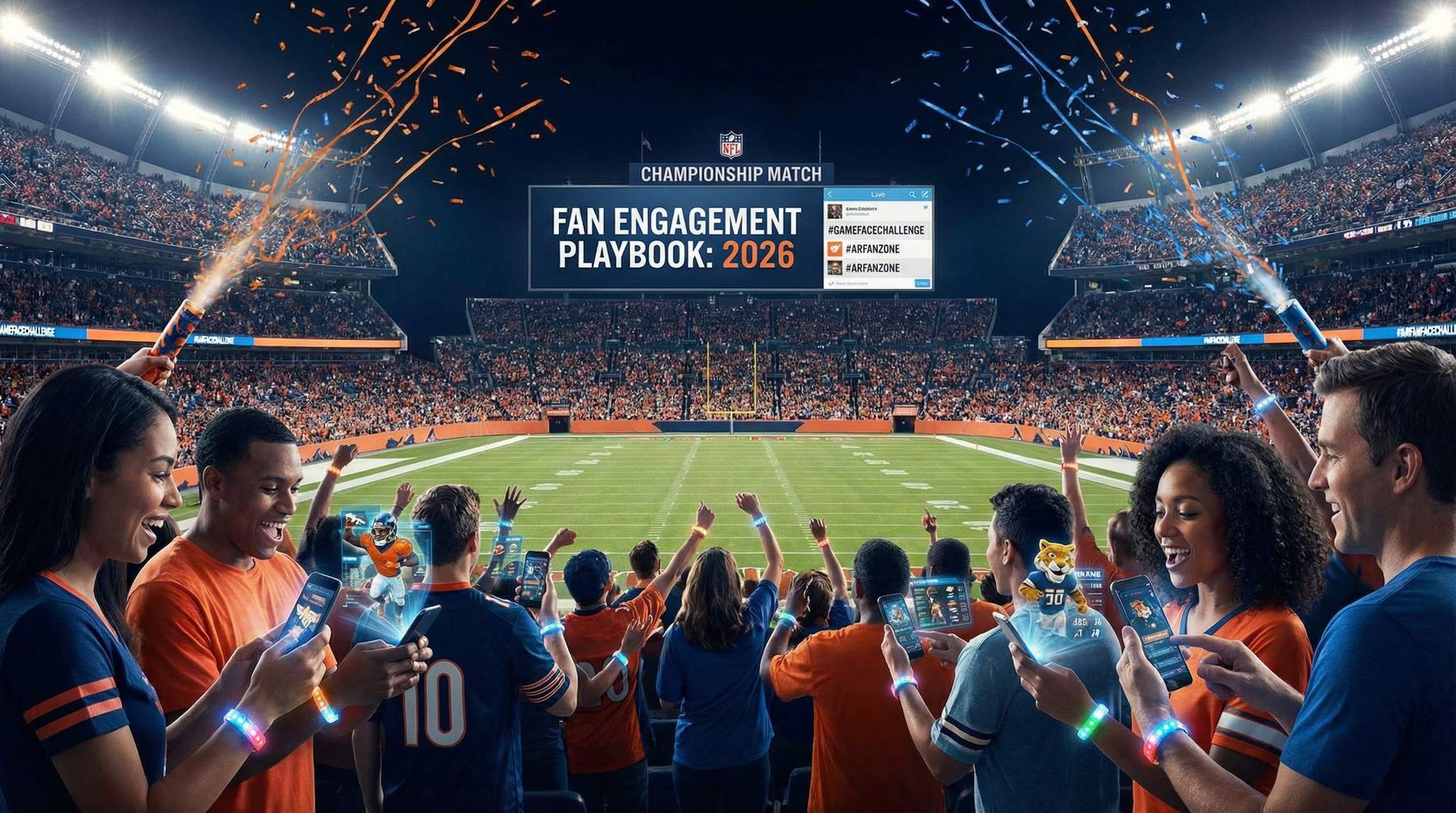
Augmented reality (AR) is changing the game-day experience, bringing digital magic to the stadium and even to fans’ living rooms. AR fan zones and activations create immersive moments that fans can’t wait to share. Imagine pointing your phone at the field and seeing live player stats hovering over each athlete, or an AR game where you hunt for virtual trophies around the stadium to win prizes. These are no longer futuristic ideas – they’re happening now. The NFL and NBA have experimented with AR overlays in venues, and events like tennis’s US Open have built AR-powered fan experiences that wow attendees, as fan experiences drive augmented reality adoption. Analysts note that enhancing fan experiences is a key driver for adopting AR in sports, as teams see it as a way to offer something novel that boosts satisfaction and social media buzz.
For marketers, AR activations can be a promotional goldmine, especially when tied to sponsorships. Tech-powered sponsor activations use tools like AR to engage fans in a way that also gives sponsors exposure. For instance, a soccer fan festival might include an AR treasure hunt presented by a sponsor: fans use the event app to find AR “footballs” hidden around the venue, with a chance to win signed merchandise. This not only entertains fans on-site (reducing any downtime boredom), it collects valuable data (via app sign-ups) and earns the sponsor goodwill for enhancing the fan experience. One conference event’s AR scavenger hunt achieved an astounding 12,700% ROI for a sponsor, by driving huge traffic to their booth and social media through the game, achieving measurable ROI through gamified event promotion and utilizing rewards to hold audience attention. Sports events can replicate this success – think AR face-paint filters with team colors to share on Instagram, or letting fans pose with a virtual trophy in the stadium concourse. These experiences get fans interacting with your event on a deeper level and create shareable moments that extend your reach online.
Even outside the venue, AR can play a role. During televised or streamed games, some broadcasters offer AR-powered stats or graphics that viewers can interact with at home (e.g., scanning a QR code to see a 3D replay on your coffee table). As a marketer, you can partner in these efforts or promote them to remote fans: “Download our AR app to bring the stadium experience home!”. The more you blur the line between on-site and at-home fan experiences, the more engaged your entire fanbase becomes. AR and other digital enhancements ensure that attending the game (or even just watching it) in 2026 is not a passive experience – it’s interactive, surprising, and memorable.
Built-In Email Marketing for Events
Send targeted campaigns, automated purchase confirmations, and post-event follow-ups directly from your ticketing dashboard.
Social Media Challenges and Gamified Engagement
The social media landscape in 2026 is tailor-made for gamified fan engagement. Platforms like TikTok, Instagram, and X (Twitter) thrive on challenges, contests, and viral moments – and sports events provide the perfect stage. By creating interactive campaigns, you harness fans’ competitive and playful sides while amplifying your marketing reach organically. For example, a football club might launch a TikTok dance challenge where fans (and even players) showcase their touchdown celebration moves with a specific hashtag. If the challenge catches on, thousands of user videos flood social feeds, each one indirectly promoting the upcoming game. In fact, a well-designed hashtag challenge can catapult your event into virality; one festival’s fan challenge generated 5,000+ shares and boosted their page follows by 30% during the campaign, showing how interactive campaigns boost fan engagement. In sports, similar numbers are achievable when you tap into team spirit – fans love showing off their knowledge, pride, or even friendly rivalry through creative challenges.
Consider various gamification tactics: prediction contests (pick the winners or score and win a prize), bracket challenges during tournaments, or scavenger hunts (online or offline). During the FIFA World Cup, for instance, many organizers run bracket pools or fantasy leagues, which keep even neutral fans engaged throughout the tournament. Local events have seen success with simple trivia contests on social media (“First to answer wins free tickets”) which not only drives engagement but spreads event awareness as participants tag friends for help. The key is to make participation fun and easy – one-click quizzes or using ubiquitous tools like Instagram Stories polls. And always spotlight some entries or winners publicly to encourage more people to join (“Look who won our #HalfCourtChallenge – this could be you, don’t miss out!”).
Gamified campaigns create a sense of play around your event that goes beyond the game itself. This is especially valuable for drawing in casual fans or family audiences who might be on the fence – a parent might get tickets after their kids spend all week doing the team’s TikTok dance challenge in the living room. Lastly, don’t overlook the power of rewards in these engagements. Even symbolic rewards like a shout-out from the team captain or a scoreboard mention can be hugely motivating. Larger incentives – merchandise, VIP upgrades, or “experience of a lifetime” opportunities (like joining the team on the bench for warm-ups) – can lead to massive participation. Gamification, when done right, translates into word-of-mouth buzz that even the biggest ad budgets struggle to buy, because it’s driven by genuine fan enthusiasm, leveraging trust in peer recommendations to capture new audiences through social sharing.
On-Site Activations to Boost Fan Engagement for Live Events
While digital tools are essential, physical on-site activations remain a cornerstone of driving fan engagement for live events. Venue operators and promoters should design interactive concourse experiences—such as branded photo booths, interactive skill challenges, and live DJ sets—that encourage early arrivals and keep attendees entertained during breaks in play. By blending these tactile experiences with digital rewards, organizers create a comprehensive strategy that maximizes both attendee satisfaction and on-site spending.
Optimizing Mobile Ticketing for Diverse Fan Segments
A critical operational question for modern promoters is how to optimize mobile ticketing for different sports and fan segments. The answer lies in reducing friction while maximizing personalization. For a high-stakes rugby tournament or a local basketball derby, the ticketing flow should adapt to the buyer. Hardcore fans purchasing season tickets expect seamless integration with their digital wallets, loyalty point tracking, and easy transferability to friends. Conversely, casual fans attending their first game need a lightning-fast guest checkout process without mandatory app downloads. By utilizing advanced ticketing platforms, venue operators can segment these audiences, offering targeted upsells—like a discounted scarf for the first-timer or a VIP lounge upgrade for the veteran attendee—directly within the mobile purchase flow.
Leading Digital Engagement Platforms for Football Clubs
As we look toward the future of sports marketing, identifying the leading digital engagement tools and platforms for football and soccer clubs to connect with fans in 2025 and 2026 is essential for venue operators. Top-tier clubs are moving beyond basic social media, investing in proprietary mobile apps that serve as centralized fan hubs. These platforms integrate ticketing, exclusive behind-the-scenes video content, and interactive gamification like live match-day predictors. By utilizing advanced fan engagement software, promoters can capture zero-party data directly from supporters, allowing for hyper-personalized marketing campaigns that drive both season ticket renewals and single-match sales.
Data-Driven Event Marketing
Track ticket sales, demographics, marketing ROI, and social reach in real time. Exportable reports give you the insights to make smarter decisions.
Beyond proprietary apps, the landscape of fan interaction software is rapidly evolving. Forward-thinking soccer promoters are integrating AI-driven CRM systems and blockchain-based loyalty programs to deepen supporter relationships. These advanced digital engagement solutions allow venue managers to track omnichannel fan behavior—from merchandise purchases to stadium check-ins—creating a unified profile. By leveraging these comprehensive platforms, clubs can automate targeted push notifications, offer exclusive digital collectibles, and deploy real-time interactive polling during matches, ultimately transforming passive spectators into highly engaged, monetizable communities.
Implementing the best practices for fan engagement in the football industry requires promoters to seamlessly blend these digital tools with authentic, real-world interactions. Successful soccer club operators know that technology should amplify, not replace, the raw emotion of match day. This means using CRM insights to invite high-engagement app users to exclusive in-person events, such as open training sessions or pre-match Q&As with the coaching staff. By bridging the gap between online interactivity and physical stadium experiences, organizers cultivate a deeply loyal supporter base that consistently drives season ticket renewals and merchandise revenue.
When evaluating the best platforms for fan engagement in football and soccer for 2025 and 2026, promoters should prioritize solutions that offer seamless API integrations with their existing ticketing infrastructure. White-label community apps, specialized sports CRM software, and interactive gamification platforms are leading the charge. These systems empower venue operators to consolidate fan data, run targeted promotional campaigns, and deliver interactive match-day experiences that keep supporters engaged from pre-game build-up to post-match analysis.
Multi-Channel Promotion Playbook
Social Media & Content Strategy
Social media remains the MVP of sports event marketing channels in 2026. But winning on social takes more than just posting score updates – it requires a coordinated content strategy that builds narrative and engages fans on every platform. Facebook & Instagram are great for highly visual content: think hype videos, player graphics, ticket countdown reminders, and behind-the-scenes photos. Instagram Stories and Reels can provide quick highlights or player takeovers on game day, while Facebook Events and Groups help organize your community discussions and RSVPs. TikTok is a powerhouse for reaching younger fans with creative, humorous content; teams are using it for everything from player Q&A skits to viral challenges as mentioned. The key on these platforms is consistency and authenticity – posting daily or near-daily content that ranges from exciting (slam-dunk montages) to emotional (heartwarming community stories) gives fans a reason to follow and share. One trend is the use of short-form documentaries on YouTube or Facebook Watch, where a series might follow a team’s journey through the season. These not only generate engagement but also serve as high-quality marketing assets to showcase the team’s personality and dedication.
Craft your content calendar around the sports calendar. Leading up to an event, escalate the intensity: early on, introduce the storylines (e.g. “This is our year – meet the new star striker”), mid-way post training clips and fan testimonials (to build familiarity and excitement), and in final days hit with hype reels, ticket low-stock alerts, and personal invites from players. User-generated content should also be part of your content mix. Share the best fan posts (with credit) on your official channels – whether it’s a fan’s reaction video or a creative poster they made – to make those fans feel like a star and encourage others. The Oakland Athletics baseball team, for example, famously retweeted fan memes and jokes about the team; this kind of playful interaction humanizes the brand and creates a social media atmosphere where fans market the event by simply joining the conversation.
Another critical aspect is real-time content on game day. Plan to have a social media team (even if it’s one savvy person) capturing moments as they happen – the packed student section roaring, the mascot pumping up the crowd, the exact second of a record-breaking goal. These real-time posts not only engage those not at the game (and give them a serious case of FOMO), they also show off the event’s energy to anyone considering attending next time. In fact, sports content thrives on immediacy; during big games, trending hashtags on Twitter are often dominated by sports talk. By being part of that live conversation (posting updates, witty commentary, or exclusive angles), you ensure your event stays top-of-feed and top-of-mind. Social media isn’t one-size-fits-all – each network has its strengths, so play to them with a diverse content game plan that turns casual scrollers into excited ticket buyers.
Email, SMS & CRM Outreach
Behind the flash of social media lies the workhorse of direct marketing: email (and its younger sibling, SMS). These channels may not be glamorous, but they consistently deliver results for sports event marketing when used wisely. An email list of past attendees and interested fans is pure gold – these are people who have already shown affinity and are just waiting for the right prompt to buy. Craft segmented email campaigns that target different slices of your audience with tailored messages. For example, experienced event marketers often set up segments like season ticket holders, single-game buyers, families, students, etc., and then adjust messaging accordingly. A former attendee might get an email saying “We missed you – come back for our biggest match of the year, here’s a loyalty discount”, while a new prospect might see “Experience the thrill live – be there for the showdown everyone’s talking about!”. By speaking directly to each group’s interests or history with the team, you can see email open rates and conversion rates that far exceed generic blasts (sometimes 3-5× higher engagement with good segmentation), a key tactic in leveraging trends for sold-out events.
Timing and automation are also key parts of the 2026 playbook. Set up triggered emails for critical moments: when the league schedule is announced, immediately send a “Schedule Release – Save these dates!” email with links to ticket sales or calendar adds. If someone browses your ticketing site but doesn’t purchase, a polite follow-up email or SMS the next day saying “Still time to join us at the game this Saturday” with a direct purchase link can recapture those hesitating buyers (using retargeting strategies via email parallel to your ad retargeting), similar to building buzz and trust for festivals. Birthday emails, loyalty milestones (“This will be your 5th game with us – thank you!”), and post-game thank-yous with highlights are other touches that show fans you appreciate them, not just their money.
SMS text alerts have become particularly effective for immediacy – many teams allow fans to opt into text notifications for things like flash ticket sales, game day reminders (“Game tonight at 7PM – show this text at Gate 3 for 10% off merch!”), or even interactive voting (“Who’s your MVP? Reply 1 for Alice, 2 for Bob”). Because texts feel personal and are almost always read, they can drive last-minute action in a way few channels can. Just use them sparingly and for genuinely urgent or exciting updates – you want fans to see a message from you and think “can’t miss this”, not “spam”. Integrating all this is a robust CRM system that tracks each fan’s interactions and purchases. With good data, you can personalize outreach at scale, like including the name of their favorite player or referencing the last game they attended (“We know you loved last year’s opener – it’s time to do it again!”). This level of personalization and relevance in email/SMS marketing builds trust and makes fans more likely to convert. When done right, your email and SMS campaigns become as eagerly anticipated as the games themselves, rather than ignored noise.
Affordable Event Marketing Tools for Sports Promoters
Running a successful campaign doesn’t always require a massive budget. For independent organizers and regional leagues, leveraging affordable event marketing tools for sports is essential to maximizing ROI. Today’s promoters can utilize cost-effective software suites that combine email automation, social media scheduling, and basic CRM functionalities without the enterprise price tag. Platforms like Ticket Fairy offer built-in promotional features—such as automated referral tracking and targeted audience segmentation—that act as a force multiplier for small teams. By integrating these budget-friendly digital solutions, venue operators can execute sophisticated, data-driven campaigns that rival those of major franchises, ensuring every marketing dollar directly contributes to ticket sales and fan engagement for live events.
To build a robust tech stack, organizers should evaluate a comprehensive list of marketing tools for sports events that covers every stage of the fan journey. Essential categories include:
- Ticketing and Registration Platforms: Solutions like Ticket Fairy that offer built-in referral tracking, audience segmentation, and mobile-first checkout flows.
- CRM and Fan Data Hubs: Software designed to capture zero-party data, track omnichannel behavior, and automate personalized email or SMS outreach.
- Social Media Management: Scheduling and analytics tools to coordinate multi-platform content calendars, track hashtag challenges, and monitor user-generated content.
- Gamification and Interactive Apps: Platforms that power AR fan zones, live match-day predictors, and digital loyalty programs to keep attendees engaged.
By integrating these specialized applications, venue operators can streamline their workflows and ensure every promotional dollar is tracked and optimized.
Audio, TV & Local Media Outreach
While digital channels dominate, traditional media shouldn’t be ignored – especially for reaching older demographics and broad local audiences. Audio advertising (radio, podcasts, streaming music ads) can be incredibly effective for sports events, which lend themselves to exciting audio storytelling. A dynamic radio spot with the roar of the crowd in the background and a commentator’s voice shouting “Goal!” can paint a vivid picture of the experience. This works well for local games: a quick ad or DJ shoutout on the morning radio show everyone listens to on the commute can spur a surge in ticket inquiries. In 2026, podcasts are another booming channel; consider sponsoring local sports podcasts or having the coach/player be a guest on a popular show to plug the event. The key with audio is targeting – use sports and geographic targeting on platforms like Spotify or Pandora to reach people likely to attend (e.g., within driving distance of the stadium, interested in similar sports), ensuring you are mastering gamification and targeting.
Local television and print media can also play a role, particularly for big tournaments or when trying to attract families who might not be on TikTok. A local TV news segment on the upcoming game, or a community newspaper article, can lend credibility and reach folks who aren’t on your email list. To get this kind of coverage, lean on PR tactics: send press releases, invite media to a “Media Day” with players available for interviews, or stage a photogenic event (like the team mascot visiting a children’s hospital or a public pep rally) that TV cameras would love. These earned media spots often have a halo effect – when people see their local news anchor talking about the match, it underscores that “this is a big deal in our town.” One pro tip: tailor your story to what interests each outlet’s audience. A business journal might not care about the game score, but they will be interested in economic angles like expected tourist influx or local vendors getting a boost at the stadium.
Another traditional-yet-powerful tactic: posters and flyers in the community. Grassroots promotion still works, especially for local and regional events. Plaster the city with eye-catching posters featuring star players or the event date. Focus on high-traffic spots for your target demo – for sports, that could be gyms, sports bars, sports equipment stores, campuses, and community centers. Some teams deploy street teams to hand out flyers at other events (for example, promoting next month’s boxing match by flyering at this month’s wrestling show). These physical reminders reinforce your digital marketing, creating a feeling that “this event is everywhere.” The more touchpoints you have – hearing about it on the radio, seeing a poster in your cafe, getting an email, and spotting a tweet – the more likely someone is to convert, thanks to repeated exposure (a principle as old as marketing itself).
Grassroots and Community Outreach
For sports events, especially at the local or regional level, grassroots outreach can be a game-changer. While big national campaigns are great for major leagues, smaller events thrive by becoming woven into the fabric of the community. Start with schools and youth programs: if you’re promoting, say, a minor league soccer match, coordinate with local youth soccer leagues for a “kids night” where any youth player wearing their team jersey gets in at a discount. Not only does this boost ticket sales with families, it seeds fandom in the next generation. Community partnerships like these create goodwill and often earn you free promotion (a school newsletter or local club email will mention the event if it benefits them or their members). One semi-pro basketball team partnered with the city’s parks department to host free clinics in the weeks before their season, naturally plugging their upcoming games to all participating families; attendance jumped as a result, since those kids were begging their parents to take them to see the players they just met at the clinic.
Local businesses and influencers are also valuable allies. Work with popular neighborhood restaurants or pubs to create “game day deals” (e.g., show your ticket and get a free appetizer on game day). This encourages fans to make a whole day of the outing and ties local enterprises into your success – they’ll likely help spread the word with posters or mentions on their own social media. Similarly, identify influential community figures: maybe a beloved high school coach, a notable local journalist, or a social media personality known in the area. Invite them to be part of the event promotion, whether that’s MC’ing a halftime contest or simply hyping the event to their followers. Such grassroots influencers often have high trust within the community – their endorsement can carry more weight than generic ads, helping in scaling your event marketing strategy by utilizing influencers who speak to your audience.
Finally, don’t underestimate door-to-door engagement in the digital age. Personal outreach, like having staff or volunteers call or visit local group organizers (think church groups, corporate offices for group sales, military bases, etc.), can yield group ticket deals that fill entire sections. Many minor league and collegiate teams excel by proactively reaching out to groups with tailored offers (e.g., “Bring your company’s team building outing to the ballgame – we have a group package with a shout-out on the scoreboard”). These efforts might not scale for huge events, but at a local level they’re incredibly effective. Grassroots marketing is labor-intensive, but it builds relationships. And relationships in sports marketing translate to dedicated fans who feel personally connected to the team and obligated to show up. Plus, when those local fans are engaged, they become your ambassadors in everyday conversations – spreading positive word-of-mouth that no ad can buy.
When looking at specific sports, the best practices for community outreach in football (soccer) offer a perfect blueprint for local engagement. Successful football clubs don’t just market to their city; they embed themselves within it. Venue managers and promoters can partner with local youth academies, host open training sessions, and sponsor neighborhood clean-ups or charity drives. By transforming the club into a pillar of the community, organizers ensure that match day becomes a civic event, driving organic, multi-generational ticket sales that withstand fluctuations in team performance.
To fully capitalize on these community outreach strategies, event organizers should establish structured ambassador programs within local amateur leagues. Providing local coaches and community leaders with trackable referral links or exclusive group-buy discounts empowers them to act as an extension of your marketing team. This approach not only fills stadium seats but also builds a resilient, localized fan ecosystem that remains loyal year after year.
Implementing these best practices for community outreach in football requires consistent, year-round effort rather than just seasonal pushes. Promoters should establish dedicated community liaison roles within their marketing teams to maintain relationships with local schools, amateur clubs, and civic organizations. This sustained engagement ensures that when match day arrives, the local community already feels a deep, personal investment in the event’s success.
Similarly, driving effective rugby club fan engagement requires promoters to lean heavily into the sport’s unique culture of camaraderie and respect. Venue operators can host pre-match clubhouse events, integrate local amateur teams into half-time exhibitions, and create dedicated family zones that cater to multi-generational supporters. By fostering this deep sense of belonging, organizers can transform casual attendees into lifelong season ticket holders, ensuring consistent revenue even during rebuilding seasons.
Tailoring Strategies for Local vs Global Events
Grassroots Playbook for Local Games
Marketing a community league game or small-town sports event calls for a different playbook than a World Cup final. Local games rely heavily on grassroots tactics, personal connections, and community pride. Start by identifying the tight-knit groups in your area: local fan clubs, school communities, amateur sports clubs, and neighborhood associations. Your messaging should emphasize hometown pride – make the event not just about two teams playing, but about “our town coming together.” For instance, a local derby might be promoted as “Battle for [Town Name] – Be There to Back Your Side!” This kind of rallying cry turns a game into a civic event. Use local language, inside jokes, or historical references that locals appreciate (like referencing a legendary game from a decade ago that older residents remember).
On-the-ground promotion is crucial here. Flyers at local cafes, community bulletin boards, and school noticeboards ensure you reach people in their daily routines. If budget allows, local radio ads mentioning community names (“This Friday, all of Springfield will be at the stadium…”) help reinforce that everyone is going. Also, lean on local media personalities – the town newspaper’s sports columnist or the popular radio morning show host – invite them to be part of the event (maybe as a guest announcer for a quarter) so they’ll talk it up. Another effective tactic is organizing a small community parade or rally before a big local match. Picture the team marching down Main Street with a marching band or youth teams in tow – it generates buzz and free press coverage.
Finally, pricing and family-friendly packaging matter a lot for local events. You aren’t dealing with corporate boxes and VIP lounges; you’re dealing with families looking for an affordable fun night out. Offer family ticket bundles, discounts for kids, or tie-ins like “Youth Sports Night” where any kid in a team jersey gets a free hot dog. Local sports compete with movies and other weekend activities, so play up the value: “For less than the price of a movie ticket, get 3 hours of live action, family fun, and community spirit.” And remember, at this scale, word-of-mouth in the community is paramount – one enthusiastic PTA group or a few local Facebook posts can bring dozens of attendees. So treat your current fans like VIPs; their personal recommendation is gold. Many local teams send thank-you notes or small merch gifts to season ticket holders knowing that those fans will spread the positive vibes around town and organically boost attendance.
Collegiate Sports: Harnessing Campus Energy
When looking at the university level, implementing college football fan engagement best practices in 2026 requires athletic directors and campus promoters to blend deep-rooted traditions with modern digital touchpoints. College fan engagement is uniquely challenging because the audience is a split demographic: hyper-connected current students and deeply nostalgic alumni. To capture both, successful collegiate marketing teams are deploying gamified tailgating apps that reward early stadium arrivals and integrating student-athlete NIL (Name, Image, Likeness) partnerships into their promotional campaigns. By leveraging these student influencers to host exclusive pre-game Q&As or social media takeovers, university event organizers can bridge the generational gap, ensuring the student section remains packed while driving premium alumni ticket sales.
Regional & National Event Strategies
When you move up to regional tournaments or national leagues, your marketing needs to broaden its scope while still feeling targeted. Regional events (say a state championship or regional tournament) often draw from multiple towns or cities, so you’ll use a mix of localized tactics in each key area. This is where segmented campaigns by geography come in: ads or posts that mention the local hometown hero or the local team in each area, so fans feel a direct connection. It’s a bit like political campaigning – you tailor the stump speech to each audience. A regional soccer cup might run radio ads in two different cities, each highlighting their home team’s journey to the cup and calling those fans to represent their city at the final. At the same time, your overall branding should unite everyone under the broader event excitement (e.g., “The Midwest Finals – where regional pride is on the line!”) to attract neutral sports fans as well.
National events (like a domestic league final or a national derby) require a larger media approach. Here you’ll be looking at national TV coverage, big-name influencer partnerships, and extensive digital advertising. Tap into the country’s sports culture at large. If you’re marketing something like the national championship game, frame it as “the event of the year” for all sports fans, not just the two teams involved. Storytelling becomes crucial: build narratives that the media will pick up on – the star player’s redemption arc, the clash of two storied franchises, the underdog vs the dynasty. National press and sports blogs love these angles, and a compelling story can secure feature articles or TV segments on sports talk shows. Invest in a good PR team or strategy to get those stories out there.
Social media targeting also shifts at the national level. You might use broad targeting (entire country interests) and layer in lookalike audiences (for instance, targeting people similar to your known ticket buyers). If it’s a really big event, platform takeovers are an option – like using Twitter Promoted Trends on game day or AR lenses on Snapchat nation-wide. Also, consider partnerships with national brands or sponsors that can amplify your reach. A beer company or soft drink that’s a sponsor might run a parallel campaign featuring the event in their nationwide ads, effectively adding to your marketing firepower. The challenge at this scale is maintaining authenticity while marketing broadly. You want every potential fan, from die-hard to casual, to feel personally invited. That’s why segmenting messaging (by region, by team allegiance, by fan type) is still important. National marketing doesn’t mean one-size-fits-all; it means lots of localized efforts stitched together by a unifying theme. Executed well, it builds a national buzz while still converting fans market by market.
Going Global: International Tournaments and Cultural Nuance
Promoting international sports events – whether it’s a world championship, a touring exhibition game, or a global tournament like the Olympics – brings an extra layer of complexity. Now you’re dealing with multiple countries, languages, and cultures, each with its own sports fandom traditions. The first step is to invest in localization: translate and culturally adapt your marketing materials for each key market. Simple translation isn’t enough; you need to capture the local idioms and references that resonate. For example, when the Rugby World Cup was marketing to both UK and Australian audiences, their campaigns highlighted different star players and used different slang (a cheeky Aussie tone versus a more traditional British sports pride angle). Even social media posts were localized to say “mom” vs “mum”, etc. These details signal to international fans that your event is for them too, not just a generic global broadcast.
Platform preference also varies by country. In some regions, Facebook might be king; in others, Instagram or even platforms like WeChat or TikTok dominate. Understand where sports fans in each target country get their news and socialize online. For instance, in parts of Europe Twitter (X) is a go-to for football (soccer) chatter, whereas in India YouTube and Instagram carry huge weight for cricket content. Tailor your channel mix accordingly. International athletes can be key influencers; leverage the star players from each country in locally targeted promotions (e.g., a star Spanish player delivering a promo message in Spanish to that market). This strategy was effectively used by global leagues like the NBA, which creates separate social accounts for different regions featuring content about players from those regions or tailored commentary.
Cultural sensitivity is paramount. Sports traditions and fan expectations differ worldwide. Some cultures value the family festival aspect of events, others pride, and others the pure athletic excellence. For example, when marketing a major soccer final in the Middle East vs. Europe, the messaging might differ: one might emphasize it as a family-friendly festival outing (with cultural festivals, food, and entertainment around the match), while the other hypes the historical significance and rivalry. Also be mindful of scheduling across time zones – global fans need to know when and how they can tune in if they can’t attend. Emphasize official streaming options in different countries so international fans feel included (e.g., “Live on Sky Sports in UK and ESPN in USA, plus streaming worldwide on our site”). By respecting and embracing local fan cultures within a global campaign, international tournament marketing can turn a single event into dozens of “home” events in the hearts of fans around the world. It’s more work, but the payoff is massive global engagement and, ideally, a truly international crowd at the venue waving flags from everywhere.
For mega-events, the operational stakes are even higher. When executing sports event marketing for World Cup 2026 or similar multi-nation tournaments, promoters and host-city venue operators must coordinate on an unprecedented scale. The strategy shifts from filling a single stadium to activating entire metropolitan areas. Best practices include deploying city-wide digital fan zones, integrating transit authority partnerships into the mobile ticketing flow, and launching multilingual hyper-local campaigns that guide international tourists to sanctioned hospitality villages. By aligning local civic infrastructure with global brand messaging, organizers ensure a seamless, monetizable experience for millions of traveling supporters.
Furthermore, executing sports event marketing for World Cup 2026 demands a highly collaborative approach between local promoters, civic authorities, and international sponsors. Venue operators must prepare for unprecedented digital traffic by upgrading stadium connectivity and deploying multilingual event apps. By creating cohesive, city-wide marketing narratives that blend local heritage with global football culture, organizers can maximize both ticket sales and ancillary revenue throughout the tournament.
Here’s an illustrative comparison of how a marketing budget might shift from a local game to a major global tournament:
| Channel / Tactic | Local Game (City/County Level) Budget Allocation | Global Tournament Budget Allocation |
|---|---|---|
| Social & Digital Advertising | 30% – Targeted within 30-mile radius on Facebook/Instagram, local Google search ads | 40% – International ad spend across multiple platforms (Facebook, Instagram, TikTok, YouTube) targeting major fan markets globally |
| Content Creation (Video, Graphics) | 10% – Lean in-house content (simple hype videos, local flyers) | 15% – High-end video productions, pro graphic design, multiple language versions |
| Influencer Partnerships | 10% – Partner with local micro-influencers (community sports bloggers, local DJ) | 10% – Contracts with global sports influencers and star athletes from various countries to promote event |
| PR & Media Outreach | 5% – Local press releases, community radio/TV appearances | 10% – PR agency for international media, press conferences, global media tour for athletes/coaches |
| Grassroots/Street Team | 20% – Posters, school visits, local events and meet-and-greets in town | 5% – Local activations in host city only (fan zone events), minimal globally due to scale |
| Email & SMS Marketing | 10% – Emails to local fan list, SMS reminders to ticket buyers in area | 5% – Email campaigns segmented by country, time-zone specific sends, less SMS unless regional lists exist |
| Sponsorship Activations | 5% – A few local business tie-ins (e.g., restaurant deals) | 10% – Major sponsor campaigns integrated (co-branded content, sponsor-driven fan contests and tech experiences) |
| Contingency & Last-Minute | 10% – Reserved for extra ads if game not selling, or bonus community event | 5% – Reserved for reactive marketing (e.g., if a team unexpectedly reaches final, sudden push in that market) |
This comparison illustrates how larger events scale up digital, content, and PR efforts and rely relatively less on hyper-local grassroots tactics. However, note that even global events dedicate some budget to host city outreach and fan engagement on the ground.
Maximizing Revenue Beyond Tickets
Merchandise and Concessions Promotions
A sold-out crowd is great, but the smartest sports event marketers know the game-day revenue opportunity extends far beyond the ticket gate. Merchandise and concessions can sometimes generate as much income as tickets – and they also deepen fan engagement by turning attendees into walking ambassadors for the team. To maximize merch sales, start the marketing before fans even arrive at the venue. Use email and social media to showcase new merch lines or limited-edition items tied to the event (e.g., special jerseys with the championship date, or a scarf only available at the stadium). Creating a bit of hype and urgency – “Limited supply, only available on game day!” – can prompt fans to budget for a splurge. Some events even offer a merch pre-order with ticket purchase (e.g., buy the new team hat at a discount now, pick it up at the game), which not only secures a sale early but guarantees those fans will proudly wear the gear during the event.
In-stadium, make the purchasing experience part of the fun. Modern venues are utilizing cashless payments and mobile ordering to cut down lines, because every minute a fan spends in a concession queue is a minute they’re not spending money elsewhere. Encouraging use of a mobile app to order food from seats (perhaps promoted via a halftime PSA or a flyer in the program) can bump up sales by making it convenient. Also consider combo deals and family offers at concession stands (“Family Feast: 4 hot dogs, 4 drinks for $X”) to encourage larger purchases. For merch, limited time pop-up shops or signing booths where a player appears to autograph purchased items can create a surge in buying – fans will purchase just for a chance to get that signature and moment.
Don’t forget to promote merch and concessions as part of the event experience in your marketing content. Highlight fans in jerseys and face-paint in your photo posts, showcase the delicious new item at the concessions on Instagram (“Feast your eyes on the new Triple Tower Burger – only at our stadium!”). Post-event, keep the momentum: share photos of fans with their souvenirs, create a hashtag for fans to show off their haul (which is free advertising for your merch), and consider limited online sales of event-specific items for those who missed out at the game. Ultimately, a focus on merch and concessions promotions not only boosts revenue per fan, it reinforces fan identity – when someone wears your team’s hoodie around town, they’re a walking billboard and a more deeply invested member of the community.
Looking specifically at high-passion sports, some of the best merch strategies for promoting football brands involve hyper-localized, limited-edition drops. Instead of just selling standard replica kits, savvy retail directors collaborate with local streetwear designers or release retro-inspired capsule collections that appeal to fashion-conscious younger demographics. Integrating these exclusive merchandise drops directly into the mobile ticketing checkout or offering early access to season ticket holders creates a powerful dual-revenue stream, elevating the club’s brand identity far beyond the stadium walls.
To fully capitalize on the best merch strategies for promoting football brands, organizers should also explore digital-to-physical product tie-ins. Offering exclusive physical merchandise to fans who participate in digital loyalty programs or purchase VIP ticket packages creates a compelling incentive loop. Venue operators can leverage these strategies to clear inventory faster while simultaneously boosting the perceived value of their premium event experiences.
Sponsorships and Brand Activations
Sports events and sponsorships have long gone hand-in-hand, but in 2026 sponsors expect more than a logo on a banner – they want meaningful activations that enhance the fan experience. This is a win-win-win: fans get extra entertainment or value, sponsors get exposure and goodwill, and you get either additional revenue or cost savings (as sponsors often underwrite aspects of the event). To maximize this, think of creative ways sponsors can be woven into the event narrative. For instance, instead of a generic timeout advertisement, have a “Sponsor X Half-Time Challenge” on the field where fans compete for a prize. This gets the crowd cheering and firmly associates the sponsor with a memorable moment. Many events now have sponsored fan zones, like a “Coca-Cola Fan Zone” outside the stadium featuring games, photo ops, and freebies. If you integrate AR or tech as discussed, it can also be sponsor-driven (e.g., a car company sponsoring an AR racing game booth). Sponsors love these ideas because fans actually engage with their brand, not just glance at it.
From the marketer’s side, start by targeting sponsors that align with your audience demographics and the spirit of your sport. A trendy energy drink might be perfect for an extreme sports event, while a family-oriented brand might suit a community baseball league. Approach them with proposals that highlight clear ROI and fan engagement, not just eyeballs. Cite examples where tech-powered activations delivered results – like RFID wristband games or VR experiences that collected thousands of leads. In fact, sponsorship is getting more tech-savvy: a 2025 industry survey showed 50% of sponsors are focusing on women’s sports and innovative digital engagement opportunities, according to Stats Perform’s 2025 fan engagement survey, reflecting both a shift in audience interest and a desire for deeper connection. Use data (attendance figures, fan demographics, social reach) to sell the package, and be prepared to customize offerings for big sponsors (like naming rights to parts of the event, special events for their VIPs, etc.).
Also, integrate sponsor messages into your pre- and post-event marketing when appropriate. This could be co-branded content, like a video series “presented by [Sponsor]” that highlights inspirational stories of fans or players – content that people actually want to watch, with the brand subtly included. Post-event, share stats with sponsors about how many people engaged with their activation (e.g., “5,000 fans visited the XYZ Experience Zone”) to pave the way for future partnerships. By treating sponsors as partners in enhancing the fan experience, rather than just advertisers, you’ll maximize their investment – and likely secure their support for the long term. In turn, that can significantly boost your event’s financial success and the quality of what you can offer fans (as sponsor dollars often allow for those extra fireworks, freebie giveaways, or tech toys that make the event special).
Premium Experiences and Upsells
Finally, to truly maximize per-attendee revenue, sports events are increasingly offering premium experiences and upsells that go beyond the standard ticket. Many fans are willing to pay more for a unique or upgraded experience – and it also boosts their satisfaction, which feeds back into loyalty. One of the most common premium offerings is VIP or hospitality packages: special tickets that include perks like lounge access with catering, cushioned prime seats, meet-and-greets with players, or exclusive parking and entrances. For example, a tennis tournament might offer a “VIP Finals Experience” where fans get to watch a player warm-up courtside before the match, enjoy an open bar in a luxury tent, and leave with a gift bag. These packages can be sold at a high markup and often attract corporate clients or affluent fans looking for a special outing.
But premium experiences aren’t just for high-rollers. Think of creative upsells that an average fan might splurge on. Early access passes – letting fans enter the stadium an hour early to watch warm-ups or explore – can be a low-cost upsell that fans value. “Field access” passes to go down to the field or court after the game for photos is another experiential add-on that doesn’t cost you much to facilitate but can be priced for dedicated fans. In the digital realm, even something like an exclusive behind-the-scenes livestream or locker room tour (sold as an add-on content package) could generate extra revenue from superfans globally. Some football clubs have experimented with selling a “season documentary” subscription where subscribers get weekly behind-the-scenes video updates throughout the season – effectively monetizing content that hardcore fans crave.
Don’t overlook bundling opportunities either. Offer merchandise bundles at ticket checkout (“Add an official scarf for 20% off with ticket purchase”) or a food and drink voucher pre-sale (“Pre-pay $X for a food combo and save – voucher emailed with your ticket”). These not only upsell, they also streamline game-day operations by pre-selling items. When the Chicago Cubs offered pre-loaded concession value with tickets, many fans jumped at it for convenience, which in turn locked in revenue before they even set foot in Wrigley Field.
The trick with successful upsells is to present them as enhancements to the fan’s experience, not pushy sales. Use wording like “Make your match day unforgettable with …” or “Limited opportunity to add on a VIP experience” so it feels special. Highlight the benefit (“No waiting in lines, free merchandise, meet the team!”) so fans can justify the extra cost. Many experienced event marketers use a tiered chart to show what’s included at each ticket level, allowing fans to self-select into higher tiers. And importantly, limit the quantity of premium offerings to maintain exclusivity – if anyone can wander into the VIP lounge, it’s not VIP. By thoughtfully layering these premium options, you can boost your revenue per attendee significantly while also delivering memorable moments that fans will rave about (and likely share on social media, creating further buzz). In the end, it’s about creating a spectrum of experiences from basic to deluxe, so every fan spends to their comfort level and gets value in return.
Sports Marketing Wins and Fumbles: Real-World Lessons
Winning Play: Inclusive Campaign Scores Big
Nothing teaches better than real-world examples. One winning marketing play comes from a recent women’s championship football (soccer) tournament that achieved record sell-outs by embracing an inclusive, family-friendly campaign. Traditionally, top-level football marketing targeted mostly male audiences, but this tournament’s organizers flipped the script. They highlighted female athletes as role models for kids, pushed stories of families and mothers who love the sport, and partnered with schools to get young girls excited about attending. The marketing materials showed young fans – boys and girls – cheering, and slogans centered on “Bring the whole family to witness history.” This approach tapped into a huge under-served market. The result? Attendance shattered expectations, with entire families showing up decked in team colours, many experiencing their first live football match. Not only did they fill the stadiums, they also dramatically expanded the fanbase for future events (with women’s sports fandom growing 65% year-over-year in some leagues), aligning with L.E.K.’s annual sports survey insights. The key takeaway was that broadening your target audience – especially in sports where demographics have shifted or were historically narrow – can unlock massive new interest. The campaign wasn’t just a feel-good diversity move; it converted to revenue and a deeper community connection, proving that inclusive marketing is both right and very effective.
Another winning example comes from the U.S. professional basketball league’s approach to social media engagement. NBA teams have been pioneers in turning online buzz into butts in seats. One team in particular turned a mid-season slump into a marketing victory by leaning into memes and fan-driven content. When on-court performance was lacking, their social media manager ingeniously started a playful campaign around the idea “Fans > Haters” – sharing the funniest supportive fan tweets and even putting a few on the jumbotron during games. Fans felt heard and rallied around the team despite losses. This kept attendance high when it could have dipped. Moreover, by responding with humour and fan-centric content, the team’s accounts gained followers and engagement. It’s a reminder that honesty and personality in marketing (acknowledging a rough patch but doubling down on fan loyalty) can turn a potentially bad situation into a net positive. The next season, those engaged fans were still there – many at games wearing T-shirts that originated from the campaign’s memes. The “win” here was less about an immediate sell-out and more about long-term loyalty and brand strength, which ultimately translates to sustained sales.
Fumble: Learning from a Marketing Misfire
Even the pros drop the ball sometimes. A notable marketing fumble occurred with an internationally-hyped motorsport race that had all the makings of a sell-out – star drivers, huge social media presence, exotic location – yet saw thousands of seats empty. What went wrong? In retrospect, the marketing strategy over-indexed on global appeal and neglected local connection. Organizers spent big on worldwide digital ads and influencer posts showing off the glamorous destination, assuming international fans would flock to it. But they underestimated that most ticket buyers were actually local or regional, and the campaign failed to speak to them. The content was all in English with generic luxury messaging, in a country where much of the population didn’t resonate with that. It also ignored the core motorsport fanbase’s desire for technical info and driver rivalries, leaning too much into lifestyle branding. The local sports community felt this event was “not for us” – an attitude reflected in sluggish local sales. By the time organizers tried last-minute local radio spots and community outreach, it was late in the game and the perception had stuck.
The lesson from this misfire is the importance of knowing your primary ticket buyers and not getting lost in the hype. Global marketing is fine, but if your event is physically in one place, you must win the home crowd first. Also, authenticity matters: the die-hard fans saw through the glossy campaign and missed the gritty, stats-and-drama content they crave. Many didn’t attend out of a sort of protest that “this isn’t real racing culture.” In the aftermath, organizers admitted they should have hired local marketing teams or liaisons to craft messaging that honored local language and fan traditions (for instance, highlighting a homegrown driver or local racing history). Next year, they changed tack entirely – community town-hall meetings with drivers, local food fairs attached to the race weekend, ads in the local language – and managed to rebuild trust and attendance. It was a hard reminder that ignoring local culture and fan context in favor of a one-size-fits-all splash can backfire badly, even for a marquee event.
Another instructive fumble: a major soccer club attempted to implement dynamic ticket pricing (raising prices for high-demand matches last-minute). In theory, it was meant to maximize revenue – but it backfired spectacularly in fan relations. Loyal season-ticket holders felt cheated when they saw single-game tickets being sold cheaper earlier and then skyrocketing later. The press picked up on fans’ anger about price gouging, creating a PR nightmare. The club had to apologize and abandon the policy mid-season. The takeaway here is that short-term revenue tactics can damage long-term trust. Sports audiences are not anonymous consumers – they’re a community that talks to each other. If they feel exploited, the narrative can quickly turn toxic and harm sales more than any price tweak could have helped. Many teams now approach pricing with caution, preferring to add value through promotions and packages rather than surge prices. (Notably, some ticketing platforms like Ticket Fairy avoid dynamic pricing altogether to keep trust with fans.) In sum, every failed campaign or tactic is a learning opportunity: usually, the root issue is losing sight of the fan’s perspective. Keeping fan sentiment at the heart of strategy can prevent most fumbles from happening in the first place.
Global Highlights: Adapting Tactics Across Borders
Sports marketing is enriched by the diversity of approaches seen around the world. What works in one country can inspire innovation in another – provided it’s adapted smartly. Let’s look at a couple of highlights:
In North America, the concept of the “game-day experience” is highly developed – NBA and NFL games are as much about the spectacle as the sport. This means big halftime shows, music, cheer squads, and constant engagement. A cricket league in Australia took note and started incorporating similar entertainment elements (like live bands and fan contests between overs) and marketed them aggressively. They found that it attracted a new segment of fans: people who weren’t cricket-crazy but came for a fun night out, thereby expanding their audience beyond traditional sports enthusiasts. The key was marketing the event as an entertainment package – “Fireworks, music, and oh yes, a cricket match too!” – which led to several sold-out matches even for teams that historically struggled with attendance.
Conversely, European football (soccer) clubs are masters of loyalty marketing and membership. Many clubs operate like membership societies where fans pay annual dues to be “official supporters,” getting first access to tickets, a say in club matters, and exclusive content. This model has seen great success – for example, FC Barcelona’s global fan membership program created a community that drives attendance whenever the team tours internationally, because local members feel a deep connection and duty to show up. An American Major League Soccer team learned from this, launching their own membership scheme with tiers that offered increasing perks (including voting rights on minor club decisions to mimic the European style). By marketing this membership heavily in the offseason, the club built a committed base of supporters who then snapped up season tickets. The attendance and atmosphere improved, which in turn attracted more casual fans. The lesson: adopt and localize good ideas from overseas, keeping cultural differences in mind. A membership model needed tweaking for a U.S. audience (who aren’t used to needing memberships for pro teams), so they framed it as a loyalty rewards program with a cool name, rather than a “member society.” It worked, showing that cross-pollination of strategies can be powerful when thoughtfully executed.
Another example is from Asia’s sporting events, where super-apps and mobile technology dominate marketing. In markets like China and India, event discovery often happens inside apps like WeChat or specialized ticketing super-apps, and marketing campaigns lean heavily on those ecosystems (with mini-games, QR code hunts, etc.). A European tennis tournament targeting Asian tourists for its matches tapped into this by creating a WeChat mini-app in Chinese that had interactive content about the tournament and easy ticket purchase, plus integrations with travel packages. This was promoted through Chinese travel influencers. As a result, that tournament saw a bump in overseas attendees flying in, because they went to where that audience plans their activities. The global highlight here is meeting audiences on their preferred platforms and channels, even if they’re not the ones you normally use at home. With international fans in the mix, you can’t rely on just Facebook and Google. Being fluent in the digital habits of each region allows you to unlock attendance from around the world.
In all these highlights, adaptation is key. A tactic that’s a home run in one country might be a foul in another if copied verbatim. But by studying successful campaigns worldwide – from Brazil’s carnival-like fan fests to Japan’s impeccable in-stadium hospitality training – you can gather a repertoire of proven ideas. Then, by tailoring those ideas to your event’s culture and audience, you effectively create a global playbook that draws on the best of the best. Sports are universal, but the fans are local – honouring both truths in your marketing approach is the sweet spot to scoring sell-outs no matter where you are.
Frequently Asked Questions About Sports Event Marketing
What are the top digital engagement tools for football clubs in 2025 and 2026?
Leading platforms for soccer and football clubs now focus on centralized fan hubs, integrating AI-driven CRM software, mobile ticketing, and interactive match-day gamification. These tools allow promoters and venue operators to capture zero-party data and deliver hyper-personalized experiences that drive ticket sales and loyalty.
How can promoters optimize mobile ticketing for diverse fan segments?
Optimizing the checkout flow involves reducing friction for casual attendees (e.g., guest checkout without app downloads) while offering robust features for hardcore fans, such as digital wallet integration, loyalty point tracking, and seamless ticket transfers.