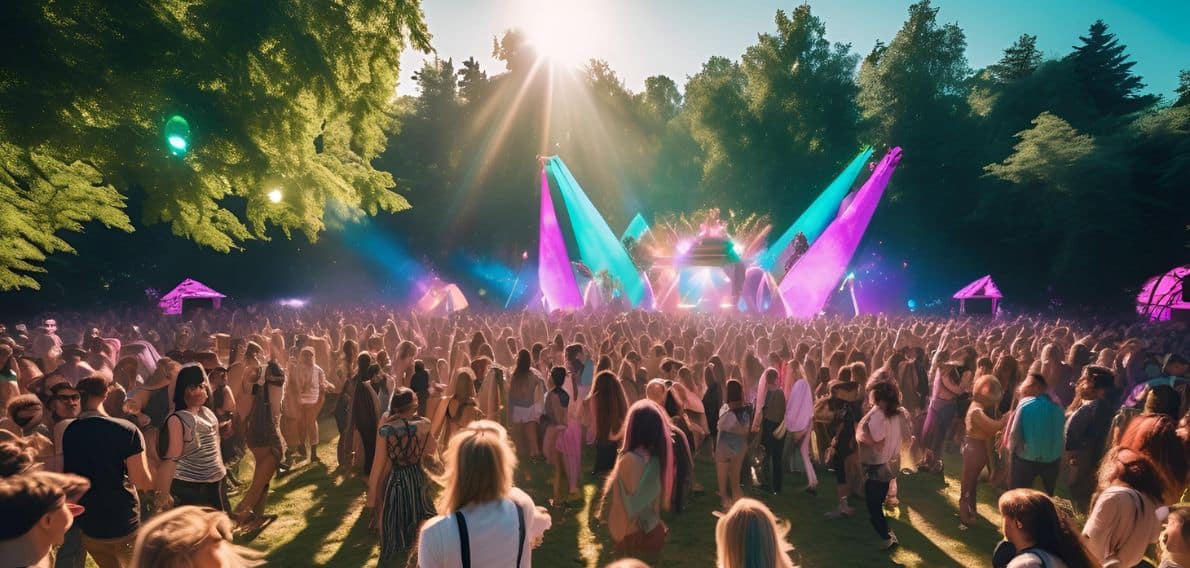
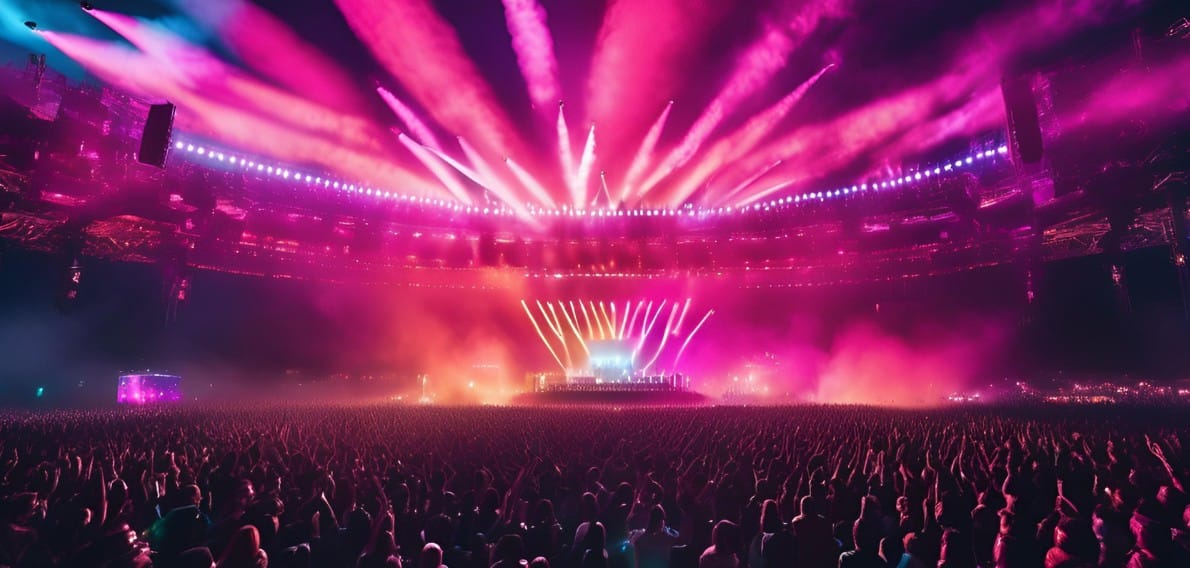
Organizing a music festival is only half the battle. Getting people to show up (and dance!) is the real game. Successful festival marketing in today’s landscape requires meticulous planning well in advance to build excitement and ensure everything is in place. The live music industry is booming – Live Nation saw a 20% spike in attendance in 2023 (to 145 million fans) amid record-breaking demand for concerts – but that also means fierce competition, as noted in reports on breaking ticket sales and attendance records. By 2025, so many events crowded the calendar that industry experts warned of “festival fatigue” in an oversaturated market. In fact, an unprecedented number of festivals were canceled or went bankrupt in 2025 due to weak sales and soaring costs. The lesson? Making your festival stand out is not optional – it’s survival.
Don’t worry: here’s your step-by-step marketing blueprint to pack your event with energy, fans, and ticket sales. We’ll cover everything from defining your audience to on-site experience, with data-driven insights and real-world examples. There are many moving parts to coordinate, so careful organization (and a bit of creativity) is key.
When independent promoters and seasoned producers ask me how to promote a music festival in today’s hyper-competitive landscape, my answer always starts with strategy over tactics. You cannot simply throw money at social media ads and expect a sell-out. Whether you are figuring out how to promote concerts and music festivals for a regional promoter group or launching a massive multi-day destination event, success requires a holistic approach that blends digital precision with grassroots community building.
Organizing a music festival is only half the battle. Getting people to show up (and dance!) is the real game. Successful festival marketing in today’s landscape requires meticulous planning well in advance to build excitement and ensure everything is in place. The live music industry is booming – Live Nation saw a 20% spike in attendance in 2023 (to 145 million fans) amid record-breaking demand for concerts – but that also means fierce competition, as noted in reports on breaking ticket sales and attendance records. By 2025, so many events crowded the calendar that industry experts warned of “festival fatigue” in an oversaturated market. In fact, an unprecedented number of festivals were canceled or went bankrupt in 2025 due to weak sales and soaring costs. The lesson? Making your festival stand out is not optional – it’s survival.
Data-Driven Event Marketing
Track ticket sales, demographics, marketing ROI, and social reach in real time. Exportable reports give you the insights to make smarter decisions.
Don’t worry: here’s your step-by-step marketing blueprint to pack your event with energy, fans, and successful ticket sales. We’ll cover everything from defining your audience to on-site experience, with data-driven insights and real-world examples. There are many moving parts to coordinate, so careful organization (and a bit of creativity) is key.
When independent promoters and seasoned producers ask me how to promote a music festival in today’s hyper-competitive landscape, my answer always starts with strategy over tactics. You cannot simply throw money at social media ads and expect a sell-out. Whether you are figuring out how to promote concerts and music festivals for a regional promoter group or launching a massive multi-day destination event, success requires a holistic approach that blends digital precision with grassroots community building.
Ready to Sell Tickets?
Create professional event pages with built-in payment processing, marketing tools, and real-time analytics.
To achieve this, you must document a comprehensive festival marketing plan before spending a single dollar. A formal marketing plan for a festival acts as your operational roadmap, detailing budget allocations across digital and physical channels, defining key festival ticketing milestones, and establishing clear KPIs for your promotional team. Without this structured framework, even the most creative campaigns risk burning through capital without driving measurable conversions.
Developing a resilient festival marketing strategy means looking beyond single-channel tactics. Whether you are scaling a boutique weekender or mapping out marketing strategies for large festivals across international borders, your overarching plan must align ticketing milestones with audience psychology. A truly effective campaign anticipates when fans are most likely to convert and positions your brand exactly where they are looking.
When emerging promoters ask me how to market a festival from scratch, the most common mistake I see is rushing straight into ad spends without a cohesive narrative. Whether you are launching a boutique indie gathering or scaling up to a 50,000-cap mega-event, festival marketing must operate as an interconnected ecosystem. Every touchpoint—from your initial teaser video to the physical posters in local record shops—needs to tell the same compelling story. Mastering how to market a music festival effectively means building a world that fans desperately want to inhabit before they even hear a single note.
Ultimately, figuring out how to market a music festival successfully requires recognizing that audience expectations shift rapidly. The most resilient festival marketing frameworks rely on continuous adaptation, blending proven promotional tactics with real-time community feedback to keep the event relevant year after year.
Turn Fans Into Your Marketing Team
Ticket Fairy's built-in referral rewards system incentivizes attendees to share your event, helping events sell 20% more tickets and 30x ROI vs paid ads.
A truly effective promotional roadmap dictates not just what you post, but when you deploy your capital. Structuring your campaign blueprint around a six-to-nine-month timeline allows your team to build anticipation methodically. By mapping out early-bird phases, lineup drops, and final-tier pushes within your overarching event marketing strategy, you prevent budget exhaustion and ensure maximum visibility when fans are most primed to purchase.
1. Define Your Tribe, Not Just Your Audience
Before spending a penny on ads, pinpoint exactly who your festival is for. Ask yourself:
Grow Your Events
Leverage referral marketing, social sharing incentives, and audience insights to sell more tickets.
- Who are they? (Age range, interests, music taste, location)
- Where do they hang out online? (TikTok, Instagram, niche forums, Discord, etc.)
- What festivals or artists do they already love? (This shows you what experiences they seek.)
- Who is most likely to support your festival? (Hardcore genre fans, local community, travelers?)
- Why would they attend? (Are they chasing a vibe, a community feel, exclusive music, or just FOMO?)
- Name & Logo: Choose a name that sparks curiosity and design a logo that stands out (think of iconic festival logos like the bold “Coachella” font or Tomorrowland’s emblem). These become synonymous with your event’s reputation.
- Colors & Aesthetic: Pick a color palette and visual style that reflect your festival’s atmosphere – whether it’s neon futurism, earthy boho, or gritty underground. Use it consistently on all materials.
- Tone of Voice: Develop a distinctive voice for your marketing copy. Is your vibe playful and edgy, spiritual and welcoming, or avant-garde? Carry that tone through social posts, emails, and on-site signage.
- Tagline with a Promise: Craft a tagline that promises an experience, not just music. For example, “A weekend of sonic adventure in the desert” says more than “A music festival in the desert.” Make it enticing and unique.
- The Big Idea: Identify the one concept or theme that sets your festival apart from the rest. Maybe you combine music and wellness, or you celebrate local art alongside international DJs. This UVP (Unique Value Proposition) should shine through in every promo.
- Dynamic Landing Pages: Create a special landing page for each big announcement (lineup reveal, venue info, afterparty details). Tailor the content and call-to-action (CTA) so visitors can easily sign up or buy tickets related to that news.
- Waitlists & Pre-Sales: Use waitlist sign-ups and early-bird registration forms with FOMO-driven language. (“Limited early passes – don’t miss out!”). Capturing emails early lets you convert the most eager fans first.
- Trackable CTAs: Every button or link – whether it’s “Buy Tickets,” “Sign Up for Updates,” or “Watch the Trailer” – should have tracking (UTM tags or built-in analytics). This data shows which channels drive clicks and sales.
- Mobile-First Design: Ensure your site is lightning-fast and easy to navigate on phones. Over 65% of tickets are now purchased via mobile devices, so a clunky mobile experience can directly cost you sales. Test the purchase flow on various screen sizes.
- Urgency and Social Proof: Add countdown timers for price hikes or sales deadlines, show the number of people who’ve already registered (“500 people are on the waitlist!”), and include testimonials or quotes from past attendees if your festival isn’t brand new. Scarcity and social proof drive action.
- “Guess the Headliner” Games: Start by teasing your biggest headliner with hints. Post a blurred photo, a cryptic hint, or a short audio clip of an unreleased track. Encourage fans to speculate – run a contest for those who guess right. This generates buzz in fan communities and Reddit threads before you even confirm the act.
- Collaborate on Artist Announcements: Coordinate with your artists (especially headliners) to announce their participation on their own social media simultaneously with your posts. Many festivals provide artists with custom graphics to share. When an artist tells their followers “Catch me at XYZ Fest!” you tap into their entire fanbase instantly. This partnered approach can massively amplify your reach.
- Phase Your Lineup Drops: Plan 2–3 phases of lineup announcements. For example, Phase 1: Headliners only. Phase 2: Main supporting acts a couple of weeks later. Phase 3: the full list including regional/local acts. Each phase gives you a new publicity spike and reason for people to talk about your festival again. It also lets undecided fans gradually warm up as they see more names they like.
- Interactive Reveals: Consider creative reveals like a short teaser video or an interactive puzzle. Some festivals create treasure-hunt clues or AR filters that unveil lineup names piece by piece. It turns marketing into a game that fans want to play. Just make sure it’s not so convoluted that it frustrates people – fun and shareable is the goal.
- Short-Form Video Gold: Post behind-the-scenes clips, rehearsal snippets, and artist video shoutouts on TikTok, Instagram Reels, and YouTube Shorts. Use trending audio wisely (but only if it fits your vibe). A 30-second venue tour or a clip of an artist playing around in the studio can rack up thousands of views, each one a reminder of your festival.
- Live Streams & Q&As: Go live on Instagram or YouTube with artist interviews, or do a quick DJ set preview on Twitch. Live content creates real-time hype and lets fans interact (“Can’t wait to see you!”, “Play this song at the festival!”). It also signals that your festival is approachable and fan-focused.
- Email Newsletters with Insider Perks: Don’t neglect email – it may not be flashy, but it’s super effective. In fact, email marketing still generates roughly 33% of festival pre-sales on average. Send newsletters that make subscribers feel like VIPs: early access to lineup info, exclusive discount codes, or behind-the-scenes stories from the production team. If a big artist just signed on, tease it to your email list first – make them feel special.
- Multi-Platform Storytelling: Each social platform has its strengths. Use Twitter/X for real-time updates and witty banter, Instagram for gorgeous photos and line-up posters, Facebook for event pages and community discussions, TikTok for viral challenges or dances related to your fest. Maintain a consistent voice, but tailor the content format to suit each channel’s culture.
- User-Generated Content Challenges: Kick off hashtag challenges like #MyFestivalLook (fans post outfit plans) or #FirstDropReaction (fans film their reaction when the beat drops on a teaser track by your headliner). Over 68% of attendees engage with festival hashtags online, and more than half share their festival experiences on social media. That user-generated content is marketing you can’t buy. Encourage it actively!
- Street Teams & Ambassadors: Recruit a street team of superfans and give them promo codes or flyers to share. These might be local music enthusiasts who are excited to represent your event at college campuses, clubs, or online communities. Make it fun – perhaps they earn points for each new ticket buyer they refer.
- Reward Sharing Generously: Offer free passes or VIP upgrades for fans who drive a lot of ticket sales or social shares. For example, “Refer 5 friends, get your ticket free” or “Top 10 social sharers get a meet & greet with an artist.” When fans have a stake in selling tickets, they turn into authentic evangelists.
- Referral Links & Discount Codes: Use a referral system where each fan gets a unique link. If someone buys via their link, both the buyer and referrer get a small perk (like $10 off merch or drink vouchers). This leverages the power of friend networks – keep in mind nearly 47% of ticket buyers attend events based on friends’ recommendations, which is huge.
- UGC Challenges and Contests: Launch challenges like “Design our official festival poster” or “Share your favorite festival memory” with a branded hashtag. Feature the best entries on your official page or big screens at the event. People love recognition, and this kind of participation deepens their loyalty while broadcasting your festival to new eyes.
- Formal Fan Ambassador Program: If you have the bandwidth, create a structured program where selected fans (with a big following or strong community ties) become official ambassadors. Give them insider info, special swag, and tasks each week (e.g., post our lineup poster on your account, host a ticket giveaway). This kind of program can dramatically boost organic reach and lends a grassroots credibility to your marketing.
- Micro-Influencers & Niche Bloggers: Identify popular DJs, music bloggers, or party vloggers in your genre who have loyal followings (even if those followings are modest). A techno micro-influencer with 15k die-hard followers in your city might drive more ticket sales than a generic celeb with a million random followers. Negotiate cross-promotion deals: free tickets or exclusive access in exchange for coverage and hype posts. In 2025, 87% of festivals leveraged influencer partnerships – it’s become a go-to strategy for good reason.
- Local Businesses & Brands: Team up with local breweries, fashion labels, food vendors, or even gyms and record shops that resonate with your crowd. For instance, a crafty local brewery could create a limited-edition beer named after your festival, or a streetwear brand might co-design merch. Co-branded giveaways (e.g., “Win 2 VIP tickets and a custom festival jacket by XYZ Clothing”) help you tap into each other’s audiences with a win-win offer.
- Sponsorships with Experiences, Not Just Logos: Gone are the days of plastering sponsor logos everywhere and calling it a day. Now it’s about activations – interactive experiences a sponsor brings that add value for attendees. Think a gaming lounge by a tech sponsor, a zen zone with free neck massages by a wellness brand, or a sustainability pavilion run with an eco-partner that helps hit green goals. These partnerships make the festival more engaging and give the brand meaningful exposure. And with 52% of event-goers motivated by sustainability efforts, aligning with a cause or eco-partner can actually boost attendance.
- Community and Cultural Partners: Don’t overlook partnerships with city tourism boards, cultural organizations, or charities. They can help with permits, promotion, and community goodwill. For example, connecting with a local arts council might provide grants or additional art installations. Partnering with a charity can allow things like “$1 of each ticket goes to support local music programs” – a great look for your festival’s image and a potential draw for conscientious fans.
- Build Early Buzz (Pre-Sale Phase): When you first announce the festival (or start a pre-registration), run ads to drive sign-ups. Target fans of similar artists and festivals in your region. Use exciting teaser visuals (“New festival coming to [Your City] – get on the list for early access!”). The goal here is growing your email list and pixeling interested people for retargeting later.
- Lineup Release Pushes: Each time you drop a lineup phase or headliner announcement, back it up with an ad campaign. Promote the artist names revealed and link directly to tickets or the lineup page. This capitalizes on the heightened interest when the news is fresh. It’s common to see a big spike in site traffic and sales the week of a major artist reveal – amplify it with ads while you have everyone’s attention.
- Last-Call Blitz: Save a chunk of your budget for the final few weeks leading up to the festival. Many fans procrastinate on buying tickets – in fact, festivals have seen a growing wave of last-minute ticket buyers in recent years. (One 2026 analysis noted a significant portion of tickets now sell in the final 10 days.) Use that urgency to your advantage: ramp up ads with messages like “Almost Sold Out!” or “Last chance for tickets – don’t wait.” Countdown ads (“3 days left to buy!”) can nudge those fence-sitters over the line.
- UTM Tags & Analytics Dashboards: As mentioned, use UTM tracking codes on every campaign URL to attribute traffic and sales. Set up a dashboard (in Google Analytics or your ticketing platform’s analytics) to monitor where ticket buyers are coming from – e.g., 30% from Instagram ads, 25% from email, 15% from an artist’s post, etc. This guides you on what to double down on next time.
- A/B Testing: Continuously test and refine your tactics. That might be A/B testing ad creatives (video vs image, or different captions), email subject lines, landing page layouts, or even the phrasing of your CTAs. For example, does “Buy Tickets” or “Secure Your Spot” prompt more clicks? Test it! Small tweaks can lead to big improvements in conversion rates.
- Conversion Funnels & Budget ROI: Examine each step of your ticket buyer’s journey – from seeing an ad or post, to clicking, to adding a ticket to cart, to checkout. Where are people dropping off? If a lot of people click through but don’t buy, perhaps your landing page needs work or the pricing isn’t clear. If people add to cart but abandon at payment, maybe the checkout process has friction. Identify bottlenecks and fix them. Also, calculate ROI per channel: if you spent $500 on Twitter ads and sold 50 tickets from it, was that worth it compared to $500 on radio ads that sold 5 tickets?
- Post-Event Surveys & Social Listening: After the festival, send attendees a survey (with a nice incentive like a chance to win tickets for next year). Ask them which marketing touchpoints they noticed the most, what convinced them to buy, and what they loved (or didn’t) about the experience. Also watch social media chatter and reviews. This qualitative feedback is gold for improving both marketing messaging and the event itself. Perhaps many fans mention they loved the TikTok videos you did but wanted more artist interviews – that’s your cue to expand that content next time.
Experience insight: In practice, building audience personas is a powerful way to guide every marketing decision. For example, if your “tribe” is 18–24-year-old EDM fans, you’ll focus on viral TikTok teasers and college campus promo. If they’re 30-something jazz enthusiasts, you might emphasize Facebook event groups and local press. Meet your audience where they are. Remember, 72% of festival attendees discover events through social media (ads and shares), so identifying the right platforms and communities for your tribe is crucial.
Pro Tip: Before finalizing your festival name or theme, do a thorough search to ensure it’s unique. You don’t want to accidentally mirror another event’s name or branding. A distinct identity not only avoids legal issues but also helps your true tribe find you without confusion.
To better understand the global landscape, it is helpful to analyze how globalization and audiences worldwide are shaping the scene.
2. Craft an Irresistible Identity
Your festival’s branding needs to instantly convey its vibe and value. This goes beyond a cool logo – it’s the whole personality of your event. Make sure to solidify:
Grow Your Social Following With Every Sale
Require social media follows, shares, or playlist adds to unlock presale access or special pricing. Turn every ticket purchase into audience growth.
Pro Tip: Before finalizing your festival name or theme, do a thorough search to ensure it’s unique. You don’t want to accidentally mirror another event’s name or branding. A distinct identity not only avoids legal issues but also helps your true tribe find you without confusion.
To better understand the global landscape, it is helpful to analyze how globalization and audiences worldwide are shaping the scene.
2. Craft an Irresistible Identity
Your festival’s branding needs to instantly convey its vibe and value. This goes beyond a cool logo – it’s the whole personality of your event. Make sure to solidify:
Visual and messaging consistency across your website, socials, tickets, and merch builds trust fast. Fans should recognize your style instantly. Think of how Tomorrowland uses a fairy-tale theme each year or how Burning Man centers on radical self-expression – their identities are irresistible and memorable. In 2026, with so many festivals out there, a strong identity isn’t just marketing fluff – it’s a signal of credibility and community. People don’t just buy tickets; they join a culture.
Warning: Avoid generic branding at all costs. If your festival’s name, look, or messaging feels copy-pasted from another event, savvy fans will notice – and they might assume your event is low-effort or even a scam. In the age of scam events and fake pages, authentic branding equals trust.
3. Design a Funnel, Not Just a Website
Don’t settle for a basic info website. Think of your online presence as an engineered ticket-selling funnel that guides visitors from curiosity to purchase. Key elements include:
Smart Promo Codes & Presale Access
Create percentage or flat-rate discount codes with usage limits, date ranges, and ticket type restrictions. Plus unlock codes for private presales.
An optimized website funnel is part of your broader marketing plan to maximize results. Remember, your website often accounts for about 40% of ticket conversions – it’s where hype turns into a sale. Treat it as a living, evolving sales tool. Update it with fresh content regularly (artist spotlights, new FAQs, blog updates) to keep fans returning. If you need guidance on building a top-notch festival site, take advantage of insider resources available on how to build a music festival website.
4. Launch with Strategic Lineup Reveals
When it comes to unveiling your lineup, don’t drop everything at once. A staggered, tease-and-reveal strategy keeps excitement percolating and stretches your marketing momentum over weeks or even months. Here’s how to play it:
Executing a flawless music festival promotion requires aligning these lineup drops with your broader PR strategy. If you are coordinating multi-city festival promotions, ensure your regional media partners receive press kits under embargo. This guarantees that when the lineup goes live, local blogs and radio stations amplify your promotional efforts simultaneously.
Stretching out the lineup reveal builds sustained hype, as opposed to a one-day spike of attention. In 2025, for example, several mid-sized festivals saw their social followings jump by over 30% during multi-week lineup rollouts, because each announcement brought in new followers. Build hype over weeks, not hours. By the time all artists are revealed, thousands of fans will have been exposed to your festival multiple times, and their anticipation (and FOMO) will be sky-high.
Pro Tip: Provide your booked artists with ready-made announcement assets (images, video clips, hashtags) and schedule them to post at coordinated times. When Artist X tweets at 10am and your festival account retweets them by 10:01am, while influencers are already commenting – you create a one-two punch of buzz. Those few days of synchronized announcements can dramatically boost your festival’s trending status.
5. Own the Content Game
These days, you’re not just hosting a live event – you’re running a content engine before, during, and after the festival. Continuous content keeps your festival in feeds and in conversations, converting casual observers into ticket buyers. Key content types to power your marketing:
Free Tool: When Should You Announce?
Pick your event date and genre — the free planner outputs a recommended announce, presale, on-sale and reminder schedule anchored to how your audience actually buys.
When executing these strategies, adhering to electronic music festival social media marketing best practices is crucial for cutting through the noise. The most successful digital campaigns prioritize platform-native formats over repurposed flyers. For instance, if you are trying to master the viral marketing video structure for EDM events ticket sales, the formula is highly specific: start with a high-energy, three-second hook (like a massive bass drop paired with a crowd reaction shot), follow with rapid-fire cuts of immersive on-site experiences, and end with a clear, urgent call-to-action overlay. This specific video architecture consistently yields lower cost-per-acquisition (CPA) on platforms like TikTok and Instagram Reels compared to traditional promotional trailers.
You’re essentially creating a content calendar that covers the months and weeks leading up to showtime. The payoff? By the time ticket sales open, your festival is all over everyone’s feed. Visibility breeds familiarity, which builds trust and excitement. Just ensure content feels authentic – fans can tell if you’re forcing it. Highlight real moments: the team loading in stage equipment, a local dance crew practicing for their performance, a DJ talking about why they’re excited to play your fest. This humanizes your event.
And don’t forget during the event: hire a content team or assign staff to post live stories, TikToks, and recaps each day of the festival. When potential attendees see real people having a blast in real time, they’ll be first in line for your next edition. You can design on-site elements with social media in mind – but keep it genuine to your vibe (it’s a fine line, and losing authenticity can hurt more than help). For more on striking that balance, see how festivals create shareable moments that feel real rather than staged. You can also explore these 10 essential types of online content to attract ticket buyers.
6. Activate Fans as Marketers
Your most passionate fans are basically an extension of your marketing team – if you empower them. Encourage word-of-mouth promotion by creating programs and incentives for supporters to spread the word:
When brainstorming music festival promotion ideas, think beyond standard affiliate links. Some of the most effective festival promotions involve gamified community tasks—like rewarding fans who organize local listening parties or host pre-festival meetups. These grassroots promotional tactics build a hyper-local presence that digital ads simply cannot replicate.
Remember, word-of-mouth still outperforms ads when it comes to trust. People are far more likely to trust a friend’s excitement than a random banner ad. By mobilizing your existing fanbase, you create an army of micro-influencers who genuinely love your festival. This not only drives ticket sales, it also builds a tight-knit community around your event. Learn more about turning attendees into ambassadors to boost ticket sales.
Full Pixel & Analytics Integration
Install Meta Pixel with Conversions API, Google Analytics, TikTok Pixel, Reddit Pixel, and Spotify Pixel on your event pages. Server-side tracking for accurate attribution.
7. Partner Smart: Influencers, Brands & Local Heroes
Don’t go it alone. Strategic partnerships can massively extend your festival’s reach and enhance its appeal – without blowing up your budget. The key is to choose partners that align with your festival’s identity and audience. Consider these angles:
The right partners will expand your reach through shared trust. If a beloved local brand or influencer vouches for your festival, their fans are likely to give you a chance. Just be sure to formalize agreements (who posts what, how often, who provides what resources) so everyone is on the same page. And always double-check that any partner’s values match yours – for example, an eco-friendly festival would be wise to partner with a solar energy company, not a plastic water bottle brand. For detailed strategies, read our live music event brand partnerships guide for 2025.
Beyond traditional brand sponsors, consider how your headliners interact with their own communities. For instance, observing how a major music artist like DaBaby uses fan feedback to plan a festival appearance or curate a specific stage can provide organizers with invaluable data. When promoters collaborate directly with top-tier talent to poll their followers on preferred set times, stage designs, or supporting acts, it transforms passive ticket buyers into active co-creators. This strategy not only guarantees higher engagement but also ensures your promotional efforts align perfectly with what the artist’s core demographic actually wants to experience.
Warning: Choose your partners carefully. A poorly matched sponsor or influencer can backfire. If an influencer you hire gets caught in a scandal, or a sponsor’s on-site activation annoys your attendees (like a tone-deaf ad or overly salesy booth), it can damage your festival’s reputation. Always vet partners for brand fit and have an exit strategy in contracts if things go south.
8. Ad Budget: Spend in Surges, Not Spreads
When it comes to paid advertising, timing is everything. Rather than spreading your ad dollars thin over many months, it’s often more effective to deploy ads in focused bursts targeted around key campaign moments:
Throughout these surges, retargeting is your secret weapon. Make sure you’re running ads to people who visited your site or started purchasing a ticket but didn’t complete checkout. A gentle reminder (“Don’t forget to complete your purchase – tickets are going fast!”) can significantly boost your conversion rate. Nearly 62% of event marketers leverage retargeting ads to convert undecided prospects, and it’s easy to see why – these ads reach people who have already shown interest, making them far more likely to buy than cold audiences.
Also, tailor your ad content to the platform and audience. Use high-energy video clips or Facebook/Instagram Stories ads to target younger audiences on mobile, while perhaps using more informative carousel ads or YouTube spots for older or more detail-oriented fans. Track the performance (click-through rates, conversions) constantly during each surge, and optimize on the fly – put more budget into what’s working and cut what isn’t.
In the end, the purpose of these ad surges is to sell tickets efficiently. By timing your spends around peak interest moments and leveraging data (from your tracking pixels and UTM codes), you get the most bang for your buck. You’re not shouting into the void – you’re boosting the signal right when fans are primed to act.
While digital surges are highly trackable, a comprehensive music festival marketing plan for large-scale events should also incorporate physical touchpoints. Music festival outdoor advertising—such as strategic billboards near major highways, transit ads on local train lines, or grassroots wild posting campaigns in trendy neighborhoods—builds immense local credibility. These real-world marketing campaigns create a sense of omnipresence that digital ads alone can’t achieve. When fans see your lineup poster plastered across their city, it elevates the event’s perceived scale and drives organic search traffic back to your digital funnel.
When executing these large-scale festival marketing strategies, timing your out-of-home (OOH) placements is critical. Securing prime billboard inventory or transit takeovers 12 to 16 weeks out ensures your brand dominates the physical landscape just as your digital retargeting peaks. For mega-events, this hybrid approach bridges the gap between online hype and real-world permanence, making your music festival marketing campaigns feel inescapable.
Ultimately, your campaign’s financial blueprint must remain agile. A rigid promotional strategy often fails when market conditions shift or a competing event announces its dates. By reserving at least 15 to 20 percent of your total advertising budget for opportunistic, late-stage digital pushes, your team can capitalize on sudden viral moments or last-minute FOMO, ensuring your overall event marketing strategy remains highly responsive to real-time ticketing data.
9. Track, Optimize, Repeat
Marketing without measurement is just guessing. To truly succeed – and improve year over year – you need to track everything, analyze, and iterate. Build a culture of data-driven decision making into your festival team. Key practices include:
To execute these strategies efficiently, organizers must leverage the right tech stack. The best marketing tools for music festivals (and even adjacent large-scale sports events) integrate ticketing data directly with your CRM and ad platforms. Utilizing automated email flows, SMS marketing software, and advanced pixel tracking ensures your team isn’t manually pulling spreadsheets when they should be optimizing live campaigns.
Whether you are organizing an intimate boutique gathering or managing complex marketing tools for music festivals, sports tournaments, and multi-day expos, your tech stack must communicate seamlessly. A robust music festival marketing plan relies on centralized data—syncing your ticketing platform with your CRM allows you to segment audiences instantly. This means you can trigger automated email flows for VIP upgrades or send SMS alerts for last-minute ticket drops without manual data entry.
Data should shape your next launch, not just instincts. Many veteran producers use a blend of analytics and intuition – they trust the data and their gut, each to check the other . For instance, your gut might tell you an aftermovie will hype people up, but the data might show that last year’s aftermovie had poor engagement compared to a funny behind-the-scenes clip that went viral. Use that insight! Maybe this year you allocate more resources to candid behind-the-scenes content. Nearly 60% of festival planners now measure success not just in tickets sold, but in online engagement and attendee satisfaction metrics – a nod that long-term success is about more than immediate revenue.
The goal is to become a little smarter with each festival edition. Treat each marketing campaign as an experiment: keep the tactics that worked, drop the ones that flopped, and always be willing to innovate. By continuously optimizing, you’ll refine a marketing machine that gets more efficient at filling your dance floor every year.
Real-World Application: A 2026 Festival Marketing Case Study
To see how these elements come together, consider a recent festival marketing case study from 2026 involving a mid-sized regional electronic event. The promoters faced sluggish early-bird sales despite a strong initial lineup drop. By pivoting their music festival marketing plan to integrate physical and digital touchpoints, they reversed the trend within three weeks.
First, they deployed highly targeted music festival outdoor advertising—specifically transit takeovers and wild posting in three neighboring college towns—timed exactly with their Phase 2 lineup reveal. Simultaneously, they launched digital ad surges retargeting users who had visited their ticketing page but abandoned their carts. Finally, they activated local micro-influencers to share exclusive behind-the-scenes setup content. This multi-channel approach not only boosted their conversion rate by 42% but also demonstrated how cohesive music festival marketing campaigns can overcome mid-cycle ticket slumps. The takeaway for producers is clear: bridging the gap between real-world visibility and digital urgency is the most reliable way to drive late-stage sales.
10. Elevate the On-Site Experience
A truly unforgettable music festival goes beyond what’s on stage – it’s about transforming the festival grounds into a vibrant playground where every attendee feels like a VIP. Marketing doesn’t stop once tickets are sold; the on-site experience is marketing for next time. Here’s how to elevate the experience in ways that delight fans and amplify your festival’s reputation:
Start with the senses: curate a diverse selection of food and beverages that can thrill any palate. Booking a mix of local favorites and global street eats not only satisfies cravings but becomes part of the adventure. (Nearly 49% of attendees say unique food options are a deciding factor in choosing a festival!) Offer vegan, vegetarian, and allergen-friendly choices – inclusive menus show you care. And don’t forget creative drinks, from craft mocktails to regional brews. When fans rave “the food was amazing,” it’s a huge plus for word-of-mouth.
Strategically place merchandise booths and freebies. Fans love to snag exclusive festival merch – it’s both a souvenir and a status symbol. Limited-edition shirts or posters featuring your lineup can even become collector’s items. Make merch easy to access (without long lines) and consider drops at different times to keep excitement rolling. A pro tip many top festivals use: having a merch design that’s unique to that year’s festival theme encourages attendees to buy as a keepsake.
Think interactive and immersive elements. Can you have pop-up art installations that beg to be Instagrammed? A neon-lit tunnel, a giant psychedelic sculpture, or a collaborative graffiti wall are great photo ops that add to the atmosphere. Festivals like Coachella and Glastonbury invest heavily in art and ambiance because those wow moments get shared thousands of times online, essentially marketing the event to those who missed out. Just ensure any spectacle fits your vibe – authenticity matters even in aesthetics.
Don’t underestimate the power of thoughtful site layout and amenities. Clear signage and maps help people explore without frustration – nobody wants to waste half a set trying to find the bathrooms. Provide comfortable chill-out zones or shaded areas where people can relax and recharge (both themselves and their phones!). In 2026, festival-goers expect basics like free water refill stations, phone charging spots, and decent restroom facilities – these aren’t luxuries, they’re necessities to keep people happy on site. Investing in infrastructure is investing in the customer experience. And with many events going cashless, ensure your payment systems are smooth; about 82% of attendees now prefer festivals with cashless payments for faster, safer transactions.
Consider adding specialty areas that align with your audience’s interests. For instance, a wellness tent offering yoga or meditation in the morning can be a hit (especially if your crowd skews a bit older or wellness-focused). If your festival runs late, a silent disco area could add a fun after-hours element without breaching noise curfews. Family-friendly festivals might include a kids’ zone with activities. These thoughtful touches create memorable experiences that make attendees feel the festival was tailored to them.
Every detail, from the moment fans approach the entrance to the final afterparty, should be crafted to enhance the attendee experience. Why? Because when fans leave raving about the atmosphere as much as the music, your festival has made its mark. Those happy attendees become repeat customers and your unofficial ambassadors, sharing stories and posts about how incredible the event was. In practical terms, a better on-site experience often means higher spend per head (more food, drinks, merch sales) and higher retention (they’ll come back next year with friends). It’s the foundation for long-term success. For specific advice on VIP areas, check out our live music venues table service guide.
11. Plan for the Unexpected, Be Emergency-Ready
No matter how meticulously you plan your music festival, surprises can happen – from sudden weather shifts to medical emergencies to technical outages. Being emergency-ready is non-negotiable for your event’s success and for maintaining the trust of ticket buyers (and regulators!). Here’s how to ensure you’re prepared for the unexpected:
Start by assembling a dedicated safety and emergency response team. These team members (and hired professionals, like licensed security and medical staff) should have clearly defined roles and know the chain of command if something goes awry. For example, who makes the call to pause a show for a weather delay? Who coordinates an evacuation if needed? Everyone should know their role before show day.
Develop a clear, actionable emergency response plan covering all major scenarios. This plan should detail responses for extreme weather (lightning, storms, heat waves), medical situations (injuries, overdoses – having EMTs and Naloxone/Narcan kits on site is a must nowadays), fire, technical failures, and security incidents. Include contact info for local emergency services and a protocol for communicating with them quickly. Map out evacuation routes and backup assembly areas if parts of the site become unsafe. It’s wise to share key parts of this plan with local police, fire, and EMT departments ahead of time – they can offer valuable input and will coordinate more smoothly if called.
Equip the grounds with safety infrastructure. This means plenty of first aid stations (well-marked with signage and in your festival map/app), on-site ambulances or access points for them, fire extinguishers at stages and generators, and robust communication tools like radios for staff and volunteers. If your site is large, consider having a central “Command Center” tent where decision-makers and monitors (like CCTV feeds or weather alert systems) are stationed. Many big festivals use real-time weather monitoring services and have technology to send emergency push notifications through their festival app or via text – if a storm is incoming, for instance, a message that “severe weather approaching – seek shelter” can go out to all attendees’ phones instantly.
Keep communication with attendees open and calm. In any urgent situation, clear and calm announcements are key to preventing panic. Use the stage PA systems, large display screens, and your social media or app to give instructions. Have a script for common issues (like inclement weather delays) so the tone is consistent and reassuring. Attendees should always feel like you’ve got it under control. If you need to temporarily stop the music due to a safety concern, explain what’s happening and what you need everyone to do. They’ll appreciate honesty and guidance.
Pro Tip: A month or two before the festival, conduct a tabletop exercise or even a full drill of your emergency scenarios with your core team. Walk through a mock crisis (“What if there’s a lightning storm at 5pm on Day 2 – go!”) and have everyone discuss step-by-step what they would do. This kind of rehearsal can reveal overlooked details (like, do we have enough megaphones? Is our weather alert threshold set correctly?) and builds confidence in the team. It’s much better to practice and find gaps than to face them for the first time during the live event.
By prioritizing safety and preparation, you create an environment where fans can focus on the music and the moment, knowing they’re in good hands. A well-prepared festival not only protects its attendees but also builds trust and credibility. It shows you value your audience’s well-being above all else. This reputation for safety can become a selling point in your marketing too – especially in an era when some events have made headlines for the wrong reasons, being known as a festival that “has its act together” is invaluable. It reassures sponsors, authorities, and attendees alike, paving the way for long-term success and a legacy event.
Scaling your efforts requires adapting your core festival marketing strategy as your capacity grows. What works for a 5,000-cap regional event won’t necessarily translate to a 50,000-cap mega-festival. When developing marketing strategies for large festivals—often researched by international promoters as estrategias de marketing para festivales grandes—producers must synchronize multi-agency workflows, global PR rollouts, and localized ad buys. This level of coordination ensures that your promotional message remains potent, whether it is being viewed on a billboard in Los Angeles or a social feed in Madrid.
Make the Dance Floor Magnetic
Great marketing isn’t about shouting louder – it’s about making people feel like your festival is where they belong. By defining your tribe and crafting a unique identity, you invite fans into a story that resonates with them. By building anticipation through content and reveals, you turn passive interest into fever-pitch excitement. And by delivering real value – an incredible on-site experience, responsive communication, and genuine community – you make it impossible for fans to say no.
In the end, a truly magnetic festival experience sells itself. If you’ve checked all the marketing boxes and infused each step with creativity and authenticity, the result is a dance floor (and a venue) packed with energy. Fans won’t just buy a ticket – they’ll count down the days, bring their friends along, and eagerly await your next announcement. Deliver that kind of total value to your audience, and you’re not just organizing an event – you’re building a movement.
Find more articles about Festivals on the Ticket Fairy Blog.
For more insights, explore 10 proven ways to maximize sales and revenue, read about how audience expectations are changing over time, and understand the growing demand among eco-conscious festival-goers.
Frequently Asked Questions
How do I define a target audience for a music festival?
Define a festival audience by building detailed personas that pinpoint age, location, music taste, and online hangouts. Identify where they congregate digitally, such as TikTok or niche forums, since 72% of attendees discover events through social media. Focusing on a specific “tribe” rather than a broad demographic guides effective marketing decisions.
What is the best strategy for announcing a music festival lineup?
The most effective lineup strategy involves a staggered, tease-and-reveal approach rather than dropping all names at once. Plan 2–3 announcement phases—starting with headliners and following with supporting acts—to sustain momentum. Coordinate simultaneous posts with artists to leverage their fanbases, which can significantly boost social following and ticket sales over several weeks.
Why is a mobile-friendly website important for music festivals?
A mobile-friendly website is critical because over 65% of festival tickets are purchased via mobile devices. A clunky mobile experience directly loses sales. To maximize conversions, the site should function as an engineered funnel with fast navigation, trackable calls-to-action, and optimized flows for waitlists and pre-sales to capture eager fans immediately.
When is the best time to run paid ads for a festival?
Deploy ad budgets in focused surges around key moments like pre-sale launches, lineup reveals, and the final weeks before the event. Since a significant portion of tickets now sell in the final 10 days, saving budget for a “last-call” blitz is essential. Utilize retargeting during these periods to convert fans who previously showed interest.
How can influencers help market a music festival?
Influencers extend a festival’s reach by acting as trusted voices for niche audiences. Partnering with micro-influencers who have loyal followings in specific genres often drives more sales than generic celebrities. In fact, 87% of festivals leverage these partnerships for cross-promotion, offering free tickets or exclusive access in exchange for authentic hype and coverage.
How does the on-site experience affect festival marketing?
The on-site experience serves as marketing for future editions by generating word-of-mouth and user-generated content. Elements like unique food options, which influence 49% of attendees, immersive art installations, and smooth logistics create shareable moments. A positive experience turns attendees into loyal ambassadors who drive retention and new sales for the following year.
Should a music festival marketing plan include outdoor advertising?
Yes, while digital channels drive direct conversions, music festival outdoor advertising—like billboards, transit placements, and wild posting—builds massive local awareness and credibility. For large-scale events, integrating physical out-of-home (OOH) campaigns with targeted digital ads creates an omnipresent brand experience that boosts overall ticket sales.
What are the key components of a successful music festival marketing plan?
A comprehensive music festival marketing plan integrates digital advertising, organic social media content, influencer partnerships, and physical out-of-home (OOH) activations. Successful music festival marketing campaigns rely on staggered lineup reveals, targeted ad surges, and robust data tracking to optimize ticket sales and build long-term brand loyalty.
How do you promote a music festival effectively?
To promote a music festival effectively, organizers must deploy a multi-channel strategy that includes staggered lineup reveals, targeted digital ad surges, and robust influencer partnerships. Additionally, leveraging grassroots street teams and out-of-home (OOH) advertising builds local credibility. The most successful campaigns treat the festival’s website as a conversion funnel and use data analytics to continuously optimize ticket sales.
What are some innovative music festival promotion ideas?
Beyond traditional ads, innovative music festival promotion ideas include gamified ambassador programs, interactive AR lineup reveals, and localized grassroots campaigns. Effective festival promotions often leverage user-generated content challenges and strategic partnerships with niche micro-influencers to build authentic, community-driven hype before ticket sales even begin.
What can organizers learn from a recent festival marketing case study?
A comprehensive festival marketing case study from 2026 demonstrates that combining physical out-of-home (OOH) advertising with synchronized digital retargeting surges significantly boosts late-stage ticket sales. Organizers who pivot their music festival marketing campaigns to include both grassroots influencer activations and data-driven ad spends often see higher conversion rates and stronger community engagement.
What is the most effective festival marketing strategy for large-scale events?
A successful festival marketing strategy for large-scale events requires a multi-phased approach that combines digital retargeting, global PR, and localized out-of-home (OOH) advertising. Mega-festivals must synchronize their lineup reveals across different time zones and leverage international influencer partnerships to maintain momentum. Ultimately, the best marketing strategies for large festivals rely on data-driven ticketing funnels that adapt to real-time sales velocity.
What is the first step when deciding how to market a festival?
The foundational step in learning how to market a festival is defining your core audience and establishing a unique value proposition (UVP). Before allocating budget to digital ads or outdoor advertising, organizers must understand exactly who their “tribe” is and what specific experience they are seeking. A successful festival marketing strategy builds its entire messaging framework around this distinct identity, ensuring that every subsequent campaign resonates deeply with the target demographic.
How can organizers and artists use fan feedback to plan a festival?
Successful promoters often collaborate with their top-tier talent to shape the event experience. Analyzing how a major music artist like DaBaby uses fan feedback to plan a festival stage or curate supporting acts allows organizers to align their programming with actual audience demand. By polling fans on social media about preferred activations, set times, or VIP perks, producers can tailor their marketing campaigns to highlight exactly what the community asked for, driving higher conversion rates and deeper brand loyalty.
How do you structure a marketing plan for a festival?
A robust festival marketing plan should be structured around key ticketing milestones, starting with pre-sale lead generation and culminating in last-minute ad surges. It must detail budget allocations, target audience personas, multi-channel promotional tactics, and specific KPIs. Documenting a formal marketing plan for a festival ensures your entire team—from digital ad buyers to grassroots street teams—remains aligned on driving conversions efficiently.
What are the best practices for electronic music festival social media marketing?
Effective electronic music festival social media marketing best practices center on platform-native content, consistent community engagement, and data-driven posting schedules. Promoters should prioritize short-form video, leverage user-generated content, and utilize interactive features like polls or live streams to build authentic hype rather than relying solely on static promotional flyers.
What is the ideal viral marketing video structure for EDM event ticket sales?
The optimal viral marketing video structure for EDM event ticket sales begins with a compelling three-second visual and audio hook, such as a massive crowd reaction or an iconic track drop. This is followed by fast-paced, immersive clips showcasing the festival’s unique atmosphere, and concludes with a strong, time-sensitive call-to-action directing viewers to the ticketing page.