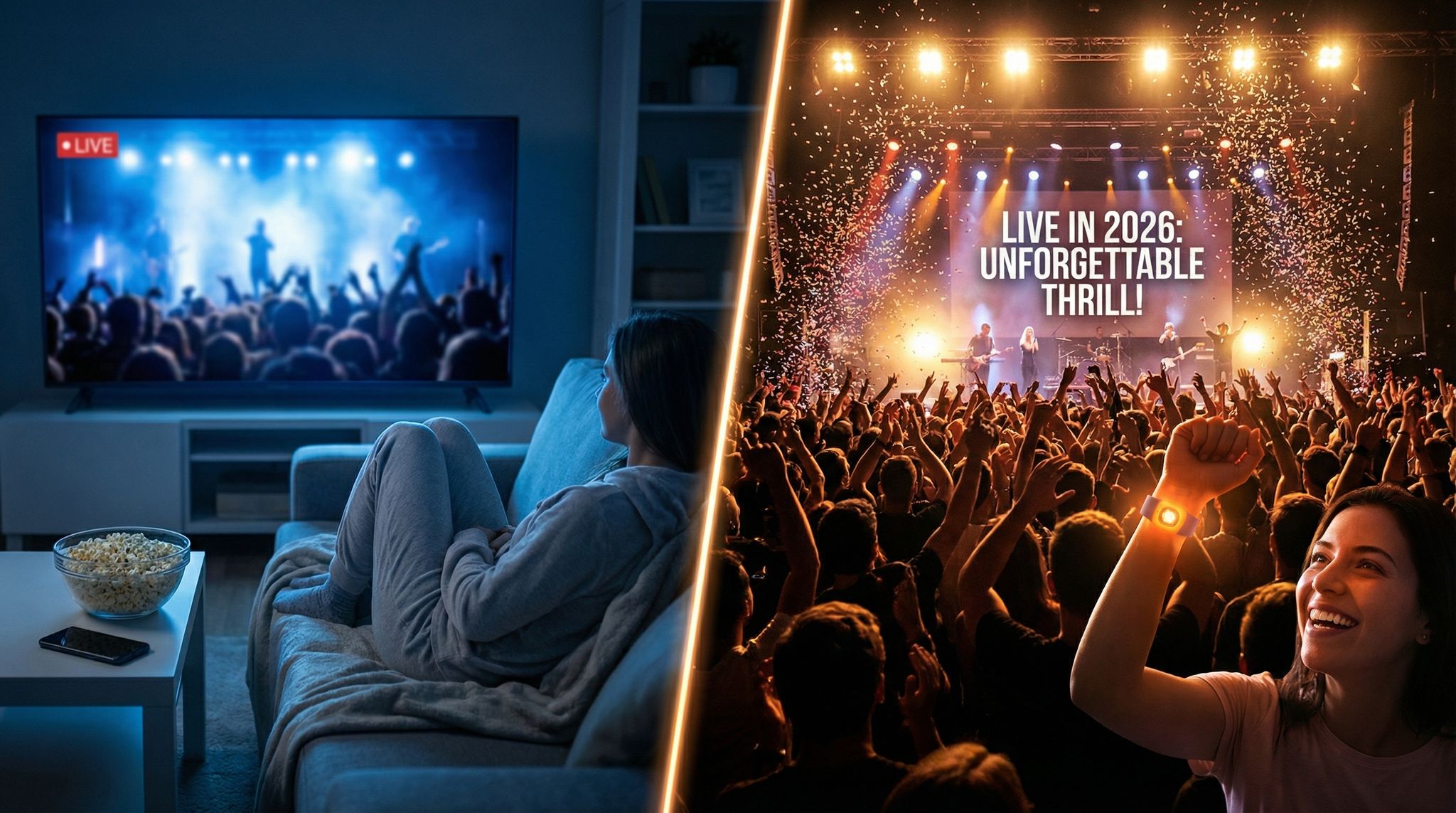
Electronic Dance Music (EDM) festivals have become some of the most anticipated events on the global music calendar, attracting huge crowds and online audiences alike. From intimate underground raves to massive multi-day spectacles, the EDM festival scene has undergone a remarkable evolution. As the genre’s popularity exploded, so did fan expectations – today’s attendees demand immersive experiences, state-of-the-art production, and even personal wellness and connection. In this article, we explore how EDM festivals have evolved and how the expectations of festival-goers have changed alongside them.
Defining the Modern Electronic Dance Music (EDM) Market
For those entering the industry, a common foundational question is: what is an EDM festival in today’s landscape? Operationally, it is no longer just a stage and a sound system. For modern EDM festival organizers, these events are highly complex, multi-sensory temporary cities that require year-round planning, massive infrastructure, and sophisticated crowd management. The global electronic dance music (EDM) market has matured into a multi-billion dollar sector, driven heavily by live events. Today’s EDM festival producers must navigate a highly competitive ecosystem where securing top-tier talent, managing complex staging logistics, and delivering a flawless, safe attendee experience are the baseline requirements for profitability and brand survival. Understanding this market means recognizing that the product being sold is not just music, but an all-encompassing, immersive escapism.
The Operational Definition of a Large-Scale EDM Festival
When breaking down the definition of large-scale EDM festival operations, industry veterans look beyond ticket sales. A mega-festival is defined by its multi-stage infrastructure, high-capacity crowd flow management, and complex stakeholder matrix involving local municipalities, international booking agencies, and specialized production vendors. For event promoters scaling up, this means transitioning from a simple concert producer to a temporary city manager. Understanding the true EDM meaning in a live context requires mastering these logistical layers—from deploying high-density Wi-Fi networks to managing multi-day camping logistics and coordinating synchronized pyrotechnics across sprawling outdoor venues.
The Evolving Role of EDM Festival Producers
As the scale of these events has ballooned, the core responsibilities of EDM festival producers have shifted from basic talent booking to comprehensive enterprise management. Today’s lead organizers act as chief executives of pop-up municipalities. They must balance multi-million dollar budgets, negotiate complex insurance liabilities, and oversee specialized teams handling everything from site engineering to emergency medical response. For event directors and promoters looking to scale their operations, success hinges on building robust vendor relationships and implementing scalable operational frameworks that can adapt to sudden weather events, supply chain disruptions, or shifting regulatory requirements.
Go Cashless With RFID Technology
Enable contactless payments, faster entry, and real-time spending analytics with cashless RFID wristbands for your events.
When industry professionals ask, what are EDM festivals in a commercial sense, the answer lies in their unique business model. Unlike traditional concert tours that rely heavily on a single headlining artist’s draw, these events market the overarching experience and community atmosphere as the primary product. This shifts the operational focus toward site design, immersive art installations, and continuous multi-stage programming, requiring promoters to allocate a significantly higher percentage of their budget to environmental production and experiential technology.
The Early Days: Rave Culture and Underground Gatherings
In the early 1990s, EDM festivals were largely born out of the underground rave culture. These gatherings were often secretive, DIY events held in warehouses, open fields, or abandoned buildings – venues chosen as much for their remoteness as their acoustics. The focus was purely on the music and the sense of community. Iconic early electronic artists like The Prodigy, Daft Punk, and Fatboy Slim built their followings in this scene, performing at illegal parties where the mantra was all about PLUR (Peace, Love, Unity, Respect). Production values were minimal: a decent sound system, some strobe lights, and maybe a fog machine comprised the entire setup. What these events lacked in polish, they made up for in authenticity and energy. Attendees cherished the raw, rebellious atmosphere – a safe space to dance all night and express themselves freely away from mainstream scrutiny. In many ways, the ethos was anti-establishment; early EDM festivals embodied freedom and unity, with a tight-knit community bound by a shared love of electronic music.
Ready to Sell Tickets?
Create professional event pages with built-in payment processing, marketing tools, and real-time analytics.
Back then, audience expectations were modest and centered squarely on the music. Rave-goers were content with a music-first experience – no fancy stages or gourmet food courts, just a DJ, a sound system, and a crowd that was there to move. The thrill of finding the secret location and being part of an underground movement was part of the appeal. For example, the famous Love Parade in Berlin started in 1989 with only about 150 people dancing through the streets; it grew into an international phenomenon drawing hundreds of thousands by the end of the ’90s, all without the trappings of modern festival luxury. Early festival communities were small and familial, sustained by word-of-mouth and flyers rather than social media. The core identity of these events was rooted in self-expression and camaraderie. Fans came to lose themselves in the music, not to be distracted by stage spectacles or corporate sponsorships. The result was an atmosphere of genuine togetherness and shared passion, which veteran EDM fans still nostalgically recall as the “good old days.”
The Boom of Mainstream EDM: Larger Venues and Immersive Stages
By the early 2000s and into the 2010s, EDM broke into the mainstream and its festivals exploded in size and scale. Superstar DJs like Avicii, Calvin Harris, and David Guetta were dominating charts, and flagship events such as Electric Daisy Carnival (EDC) in Las Vegas, Ultra Music Festival in Miami, and Tomorrowland in Belgium emerged as global attractions. The influence of historically massive festivals like Woodstock (and later, large European rock festivals) paved the way for the sheer scale at which EDM events could operate. No longer limited to clandestine rave spots, festivals moved into sprawling outdoor venues, sports stadiums, and desert expanses to accommodate crowds unimaginable in the underground days. Tomorrowland, for instance, hosted about 400,000 attendees across two weekends in 2023, as reported in EDM Maniac’s breakdown of Tomorrowland’s massive attendance numbers – a far cry from the few hundred ravers who might have gathered at a 1990s warehouse party.
With this boom came a dramatic upscaling of production and spectacle. Festival organizers began investing heavily in jaw-dropping stages, elaborate light shows, pyrotechnics, and interactive art installations to create a multi-sensory extravaganza. The “main stage” at a major EDM festival became an attraction in its own right – often a massive architectural creation with towering LED screens, lasers, and synchronized fireworks choreographed to the music. Attendees started to expect each festival to outdo the last in visual production. One year it might be a stage shaped like a giant owl; the next, a full-blown fairy-tale castle or a cyberpunk cityscape. This era marked the rise of the “festival experience” as a concept: festivals were no longer just concerts, but immersive theme-park-like events. Every detail – from carnival rides at EDC to the meticulously crafted storybook stages of Tomorrowland – was designed to transport fans into a different world. And fans loved it. The music was still central, but equally important was the Instagram-worthy spectacle surrounding it.
As EDM integrated into mainstream pop culture, festival audiences also broadened. What was once a subculture of devoted electronic music fans evolved into a more diverse crowd including casual music listeners, international travelers, and cultural trend-seekers. Simply put, the bar was raised for what an EDM festival should deliver. By the mid-2010s, festival-goers expected not just stellar artist lineups, but an entire package: stunning visuals, booming sound systems, professional organization, and a feeling that they were part of something truly grand. The success of large festivals even started to influence smaller events, which began upping their game to meet rising expectations or risk losing attendees. To manage this explosive growth, organizers increasingly looked to long-term planning. Many events outlined strategies for multi-year festival growth and evolution to scale up responsibly without losing their core identity. The “arms race” to create the most memorable festival environment was on, and audience expectations continued to climb with each passing year.
Grow Your Social Following With Every Sale
Require social media follows, shares, or playlist adds to unlock presale access or special pricing. Turn every ticket purchase into audience growth.
Technological Innovation: Interactive Experiences and Live Streaming
One of the defining features of EDM festivals’ evolution in the 2010s and 2020s has been the integration of technology to enhance the fan experience. Tech-savvy attendees crave interactivity and connectivity as part of the event, and organizers have been quick to experiment with new tools – some successful, some not – to meet that demand.
Interactive Experiences
Modern festivals leverage technology to actively involve the audience in the show. Through dedicated mobile apps and RFID-enabled wristbands, fans can personalize and control aspects of their festival experience in real time. For example, festivals like Tomorrowland introduced features where attendees could influence certain show elements (such as voting on a song for a DJ’s set or triggering special lighting effects) via their smartphones. At some events, high-tech LED wristbands are given out, which light up in sync with the music, turning the crowd itself into a coordinated light show. This blurring of lines between performer and audience creates a deeper sense of immersion – fans feel not just present at, but participatory in the event. In recent years, some festivals have experimented with augmented reality (AR) overlays as well, encouraging fans to point their phone cameras at the stage for added virtual effects. However, not all tech gimmicks land successfully. Coachella famously tried an AR feature in its Sahara Tent, but only a fraction of attendees actually engaged with it – most were too busy dancing to bother with their phones. As noted in an analysis of festival tech trends that actually deliver value, the lesson is that a tech innovation needs to genuinely enhance the experience, or fans will tune it out. (This balance of innovation and authenticity is critical; festivals must go high-tech without losing their human touch. For a detailed discussion on this, see High-Tech, Human Touch: How Festivals Can Innovate Without Losing Their Soul, which offers veteran insights on using tech to enhance – not eclipse – the communal spirit of events.)
Grow Your Events
Leverage referral marketing, social sharing incentives, and audience insights to sell more tickets.
Beyond apps and AR, festivals are exploring gamified and surprise interactions to keep audiences engaged. Scavenger hunts across the festival grounds, interactive art installations that react to touch or sound, and digital collectibles (like NFTs as “virtual merch” or proof of attendance) have all been introduced at EDM events. Fans, especially younger ones, increasingly expect these kinds of engaging diversions alongside the music. It gives attendees a sense of discovery – an important factor when tens of thousands of people are sharing the same space. By weaving interactive elements into the festival fabric, organizers aim to give each person a unique journey rather than a one-size-fits-all show.
Live Streaming and Virtual Access
As festivals grew larger, the demand to be “there” – even virtually – grew as well. Over the past decade, live streaming has become a cornerstone of major EDM festivals. Fans who can’t attend in person now expect to tune into the action online in real time. Platforms like YouTube, Twitch, and social media networks host high-quality live streams of headlining sets, complete with multi-camera video and backstage interviews. This trend massively expanded festivals’ reach. For instance, Tomorrowland’s 2023 live stream on TikTok drew 16 million unique viewers across its two weekends, according to EDM.com’s report on Tomorrowland’s digital reach – on top of the hundreds of thousands physically in attendance. Numbers like that underscore how live streaming can turn a single event into a global spectacle.
During the COVID-19 pandemic (more on that below), virtual festival experiences became not just a novelty but a necessity, and they saw rapid innovation. We witnessed entirely online EDM festivals and digital worlds where avatars could “dance” together in lieu of physical gatherings. One notable case was Tomorrowland’s ambitious virtual festival in summer 2020, which attracted around 1 million remote participants from 150+ countries, each logging in to experience interactive 3D stages and chat with fellow fans. While nothing can fully replace the energy of being on the ground, these virtual events proved surprisingly popular and hinted at a hybrid future. Now that in-person festivals are back, many have retained a virtual component. It’s common for EDC, Ultra, and others to live broadcast select stages and even offer 360-degree VR experiences for fans at home. This not only caters to fans who can’t travel, but also builds global hype and loyalty. A fan in a country where the festival doesn’t physically take place can still feel included, and perhaps be inspired to attend in person next year.
Crucially, the expectation of connectivity extends to those on-site as well. Festival-goers in 2026 want to share snippets of their experience on social media as it happens. This means having functional cellphone service or Wi-Fi on the festival grounds – a notorious challenge when tens of thousands are posting videos simultaneously. Leading festivals have responded by improving on-site networks and even setting up dedicated Wi-Fi zones. Robust connectivity is increasingly seen as part of the infrastructure, not a luxury, so fans can live-post, find friends via the app, and utilize efficient entry and robust Wi-Fi systems. Cashless payment systems have also become the norm – attendees now expect to pay for food, drinks, and merch with a tap of their RFID wristband, avoiding ATM lines and speeding up transactions, a convenience that fans quickly embrace once they experience it. These tech conveniences significantly improve the overall experience. (For a broader analysis of festival tech innovations, check out Beyond the Hype: 2026 Festival Tech Trends That Actually Deliver Value, which separates truly impactful tech upgrades from those that turned out to be hype.) In short, technology has become deeply intertwined with EDM festivals – from enhancing the spectacle and convenience to extending the festival’s reach far beyond the venue gates.
Boost Revenue With Smart Upsells
Sell merchandise, VIP upgrades, parking passes, and add-ons during checkout and via post-purchase emails. Increase average order value by up to 220%.
From a marketing and brand-building perspective, capturing the visual essence of these high-tech environments is critical. High-quality media assets—often searched by fans as rave pictures or festival aftermovies—serve as the primary conversion tool for future ticket sales. Savvy event producers invest heavily in dedicated media teams who understand how to shoot low-light laser environments and capture authentic crowd euphoria, turning those visual assets into compelling B2B sponsorship decks and B2C promotional campaigns.
Sustainability and Eco-Conscious Expectations
Another significant shift in audience expectations has been the growing emphasis on sustainability. As environmental concerns become more prominent worldwide, EDM festival-goers are increasingly demanding that events be more eco-conscious. It’s no longer just a bonus if a festival “goes green” – for many fans, it’s an expectation. In a 2023 UK survey, an overwhelming 81% of festival-goers said they expect the festivals they attend to actively minimize environmental impacts, highlighting that sustainability is front of mind for festival-goers. The sight of post-festival grounds littered with trash or the thought of tons of single-use plastics and diesel generator fumes is increasingly unacceptable to the EDM community, which often prides itself on ideals of peace, love, unity – and now responsibility.
In response, major festivals have rolled out a host of sustainability initiatives. Waste reduction is a primary focus. Events like Glastonbury and Coachella have banned single-use plastic bottles, encouraging attendees to bring reusable bottles and providing free water refill stations instead. In fact, industry reports show that by 2024 about 70% of surveyed festivals had implemented a complete ban on single-use plastics on site, based on AGF’s 2024 festival sustainability insights. Recycling and composting programs are now common as well – you’ll see color-coded bins for recyclables, compostable food utensils, and general waste, often with volunteers on hand to help attendees sort items correctly. Thanks to these efforts, the average recycling rate at festivals improved from 38% in 2022 to 49% in 2024, showing encouraging progress in waste management stats, indicating real progress in waste management.
Beyond waste, festivals are tackling energy and emissions. There’s a push to use renewable energy sources for stages and installations. Some festivals deploy solar panels or biofuel generators to power parts of their production, and stage designs are becoming more energy-efficient (for example, using LED lighting and smarter power distribution). Travel is a tougher challenge – audience transportation makes up a huge part of an event’s carbon footprint – but many festivals now encourage carpooling and provide shuttle buses from cities to the site to reduce individual car usage. A few in Europe even add a small carbon offset fee to tickets or give attendees an option to offset when purchasing.
Another notable trend is sustainable food and merchandise. Many festivals now offer more vegetarian and vegan food options (since plant-based diets have a lower environmental impact) and use compostable or reusable foodware. According to A Greener Festival’s data, 20% of festivals in 2024 offered fully plant-based menus, up from 8% in 2023, reflecting rising trends in sustainable food options. Festivals have also embraced upcycled or eco-friendly merch – like T-shirts made from recycled materials – and promote refillable water bottles and beer cups to cut down on plastic waste.
Crucially, festival organizers have learned that transparency and genuine action are key. They communicate their sustainability plans and achievements to fans, and often partner with environmental organizations for guidance and credibility. Attendees today expect a holistic experience where enjoying music is balanced with social responsibility. Whether it’s through reducing plastic waste, lowering carbon emissions, or giving back to local environmental causes, fans are keen on supporting events that align with their values. In other words, festivals are striving to go beyond greenwashing and hit real targets – a topic outlined in Beyond Greenwashing: 2026 Festival Sustainability Benchmarks and How to Meet Them, which details how events can meet new eco-standards instead of just marketing buzzwords, emphasizing that sustainability is increasingly important to audiences.
Free Tool: Split Tickets for Max Gross
Given capacity and a target price, the optimizer proposes Early Bird / GA / VIP allocations and prices — with projected gross at 100%, 80% and 60% sell-through.
Warning: Festivalgoers are quick to detect greenwashing. Simply advertising sustainability without substantive action can backfire. Organizers now know that if they market eco-friendliness, they must follow through with visible measures (robust recycling, renewable energy, etc.), or risk losing trust and damaging their reputation among fans.
The sustainability push also extends to a festival’s local community impact (discussed more later). Fans feel better attending an event that strives to leave the venue and surrounding area better off, not worse. Major festivals like Boom in Portugal and Lightning in a Bottle in California have built sustainability into their ethos, from “leave no trace” cleanup policies to hosting eco-educational workshops on-site for attendees. The bottom line is that being eco-conscious isn’t just a niche concern now – it’s mainstream. And festivals are innovating and sharing best practices to meet these eco-conscious expectations, turning the culture of EDM festivals into one that celebrates the planet as much as the music.
Enhanced VIP Experiences: Luxury and Exclusivity
As the demand for EDM festivals has grown, so has the desire for more exclusive, high-end ways to enjoy them. The rise of VIP packages – offering perks like private viewing areas, expedited entry, meet-and-greets with artists, premium food and drink, and concierge services – has become a significant part of the modern festival landscape. These offerings cater to a segment of attendees willing to pay for comfort and convenience, and they have in turn raised overall expectations for festival experiences.
Today, the expectation of luxury at EDM festivals is no longer reserved for a rare few; it’s often an integral part of the event’s offerings. Festivals provide tiered ticket options so that those who want to elevate their experience can do so. A VIP ticket might grant access to an exclusive lounge with plush seating and shade (a big relief during hot daytime shows), air-conditioned restroom trailers instead of standard portable toilets, and dedicated bars with higher-end cocktails or even champagne. Some festivals take it further with “VVIP” or Platinum tiers: think personal butlers, golf cart shuttles around the festival grounds, on-demand massages, and viewing platforms right next to the stage.
One notable trend is glamping (glamorous camping) at multi-day festivals. Rather than pitching a tent among the masses, attendees can book pre-built luxury tents or even modular cabins that come with beds, electricity, and sometimes private showers. For example, Coachella’s Safari Tents and Tomorrowland’s DreamVille Mansion packages offer fully furnished accommodations and exclusive amenities for those willing to spend thousands. Even at urban festivals without campgrounds, VIP sections might include rooftop decks or indoor, air-conditioned areas to escape the crowds. The ethos is to provide a festival within the festival – an oasis of comfort amid the chaotic fun.
The demand for these premium experiences reflects a diversification of the audience. Many early EDM fans who started as teenagers or college kids are now working professionals in their 30s or 40s with more disposable income – they still love the music but prefer to avoid some hardships of the festival grind (like long lines or lack of personal space). Additionally, the influence of social media and celebrity culture has made VIP festival-going an aspirational lifestyle. Seeing influencers and artists chilling in exclusive areas makes regular fans curious about that side of the fence. As a result, more attendees aspire to “do a festival in style,” at least once for a special occasion.
Free Tool: Size Your Festival Site
Zoned capacity planning for arena, campsite, parking and entry lanes — against UK Purple Guide and NFPA density standards. Finds your bottleneck zone.
From the festival organizer’s perspective, VIP offerings also help boost revenue significantly, which can keep general admission prices lower. However, they must be balanced carefully. Festivals still need a healthy, happy general admission crowd to maintain the electric atmosphere. If VIP perks infringe on the main experience (for instance, a VIP area taking up too much prime front-of-stage space), it can create resentment. Many events handle this by positioning VIP viewing off to the sides and ensuring regular attendees still have great access to the stages. The best festivals make sure that the baseline experience (for GA ticket holders) remains excellent – good sound, ample facilities, fun interactive elements – while VIP tiers add comfort and convenience on top.
Pro Tip: When offering VIP upgrades, festival organizers should balance exclusivity with inclusivity. Elevate the VIP experience without diminishing the general admission experience. This means making sure basic amenities (water, shade, clean toilets, sound quality) are excellent for everyone, while VIP guests get added comforts on top. A festival that takes care of its GA attendees will foster goodwill and loyalty, even as it monetizes premium perks from those seeking luxury.
The trend of luxury experiences at festivals shows no sign of slowing. In 2026, it’s not unusual for high-end packages to sell out as fast as general tickets. Some festivals partner with travel agencies to offer full luxury travel bundles – including hotel, transport, and VIP festival access – essentially creating a turnkey upscale vacation around the event. We’ve come a long way from the underground days: an EDM fan can now choose a rough-and-ready warehouse vibe or a five-star festival extravaganza. The key for festivals is offering this range without losing the sense of unity and community that makes the experience special in the first place.
The Shift Toward Wellness and Holistic Experiences
Another notable change in recent years is the growing interest in wellness and holistic experiences at EDM festivals. Many attendees are now looking for events that not only offer great music and dancing but also opportunities for self-care, mindfulness, and personal growth. This might seem surprising – after all, festivals have a reputation for indulgence and sensory overload – but incorporating wellness has become a way to provide a more balanced and enriching experience. (This movement is explored further in Electronic Music and Wellness: How Mindfulness and Self-Care Are Influencing Festival Audiences, which shows how wellness is becoming integrated into rave culture.)
It’s increasingly common to see morning yoga classes, meditation sessions, or group fitness workshops on festival schedules. Events like Lightning in a Bottle in California and Shambhala in Canada were pioneers in blending music with mindfulness. At these festivals, a typical day might begin with a guided yoga flow or breathwork class by the riverside, followed by motivational speakers or workshops on topics ranging from creativity to sustainability. Attendees can tap into introspection and rejuvenation during the daytime hours before the music hits full blast at night. The popularity of these offerings indicates that a significant portion of festival-goers value experiences that nourish the mind and body alongside the high-energy rave.
Even more mainstream EDM festivals have started to integrate wellness components. Calm zones or zen tents provide quiet spaces for those who need a break from the noise and crowds – often equipped with comfortable seating, calming ambient music, and activities like coloring or aromatherapy. Some festivals feature healing workshops, where you might find massage therapists, Reiki practitioners, or even herbal tea bars offering concoctions to soothe and energize. At Tomorrowland, for example, attendees camping in DreamVille can join morning runs or sports classes; at Ozora (a psytrance festival in Hungary), meditation and yoga have long been part of the culture. Forward-thinking festivals aren’t just adding wellness as an afterthought – they’re integrating well-being and even harm reduction into the fabric of the event, making the overall atmosphere safer and more attendee-friendly, effectively enhancing the quality of life for attendees. Many now have stations for mental health support and trained staff or volunteers to assist anyone feeling overwhelmed or experiencing a difficult moment, thus enhancing the quality of life for attendees during the festival, alongside forward-thinking food options and using meditative states to reduce stress.
Free Tool: What Should Sponsors Pay?
Price sponsor tiers and exhibitor booths from your audience size and what each package includes, and see what is left after delivery costs.
This shift toward holistic experiences mirrors broader societal trends. As conversations about mental health, self-care, and work-life balance have become mainstream, festival-goers carry those values with them. Rather than being places of pure escapism, festivals are evolving into places of transformation and self-expression beyond just dance. This doesn’t mean the party aspect is gone – far from it. Instead, it means attendees have more choice in crafting the experience they need. One person might go hard at the main stage all night, then attend a calming sound bath meditation the next morning to recharge. Another might primarily attend for the community workshops and healing circles, treating the festival like a retreat with great music in the background. The beauty is that both approaches (and anything in between) are now welcome. Festival organizers have noticed that providing these options actually increases attendee satisfaction; people take care of themselves and each other more when you facilitate it.
The inclusion of wellness and holistic elements has added a new dimension to EDM festivals. It encourages a healthier atmosphere (literally and figuratively) and extends the festival’s appeal to those who might have been hesitant about the “wild party” aspect. Now, someone can attend an EDM festival and spend part of their time in a sober mindful environment without stigma, then enjoy their favorite DJ’s set at night. As the scene continues to mature, this balance of rave and refresh is likely to become even more commonplace, ensuring that festivals feed the soul in more ways than one.
The Impact of COVID-19 on EDM Festivals
The COVID-19 pandemic had a profound impact on the EDM festival scene worldwide. In 2020, as governments banned large gatherings and international travel ground to a halt, many festivals were canceled or postponed. Iconic events like Ultra Music Festival in Miami (one of the largest EDM festivals globally) had to cancel outright in 2020, and Electric Daisy Carnival (EDC) in Las Vegas was postponed multiple times before finally returning in late 2021. For an industry that relies on bringing people together in close quarters, it was an unprecedented crisis.
In the face of these challenges, the EDM community demonstrated resilience and creativity by shifting toward virtual festivals and online events. This pivot allowed festivals to maintain a connection with their audience despite physical distancing measures. Throughout 2020, organizers live-streamed what would have been festival weekends: DJs performed from empty venues or their own studios, and fans from around the world tuned in from their living rooms. These virtual events sometimes featured imaginative production – digital stage designs, chat rooms for attendees, even VR components – to capture a bit of festival magic. For example, Tomorrowland hosted a lavish online event in summer 2020 (Tomorrowland Around The World) that reportedly drew close to a million viewers and included multiple “stages” in a 3D virtual island, proving that the world’s biggest EDM festival is getting bigger. While nothing compares to the real thing, fans appreciated these efforts to keep the spirit alive, with digital turnout reaching nearly a billion views throughout the event. Meanwhile, on social media, artists and fans engaged in new ways, with Instagram Live DJ sets and Zoom dance parties becoming common. The pandemic, in many ways, accelerated the growth of online fan communities and content around EDM.
By 2022, as vaccines rolled out and restrictions eased in many places, EDM festivals made their comeback – but not without changes influenced by the pandemic era. Initially, some events enforced safety protocols like reduced capacity, mask mandates, on-site COVID testing, or proof of vaccination for entry. Many of those requirements have since been relaxed, but the emphasis on health and safety remains higher than pre-2020. Festivals have updated their emergency action plans to include epidemic contingencies, and there’s greater awareness about hygiene (e.g. more hand-washing stations, cleaning crews sanitizing high-touch surfaces like tables and rides). Audience expectations also shifted: fans became more understanding of certain precautions (like being spaced out or enduring health checks) when needed, and they now expect organizers to have clear communication about any health and safety measures.
Interestingly, once festivals did return, there was an explosion of pent-up fan demand. The period of mid-2021 through 2023 has been described as a “golden age of live music” due to record-breaking ticket sales and business analysis. People were so eager to get back to festivals that many events sold out faster than ever. For example, EDC Las Vegas 2021 (pushed to October of that year) and 2022 sold out all tiers in record time despite still being in a pandemic rebound phase. Pollstar’s analysis noted that 2022 and 2023 saw some of the highest grosses in live music history as tours and festivals picked up steam. However, by mid-2024 there were signs the initial wave of “revenge raving” was leveling off, as the volatile festival market demonstrates a need for caution) – ticket sales normalized a bit and fans became choosier with an abundance of events on offer. One lingering impact of COVID on audience behavior is a trend toward later ticket purchases (many got used to uncertainty, so they wait longer to be sure an event will happen and that they can attend). Festivals have had to adjust marketing timelines in response, focusing on keeping momentum and reassurance up until show day.
From a creative and technological standpoint, the pandemic push toward virtual content has left a permanent mark. Fans now expect their favorite festivals to maintain some online presence – whether it’s live streaming select sets (as many did pre-COVID but now even more so) or maintaining engaging social content year-round. The concept of a “hybrid festival” is more accepted: physical events augmented by digital experiences for those at home. Some festivals have even continued to offer virtual ticket options or on-demand video of performances for a fee, tapping into a new revenue stream and fan base that may never attend in person but still participate remotely.
On a human level, going through lockdowns and then reuniting at festivals has heightened the emotional aspect for many fans. The sense of community and gratitude among festival-goers has, if anything, grown stronger. People don’t take the ability to gather and dance together for granted. Anecdotally, many attendees and artists have said that post-pandemic festivals felt “extra special” – the crowd energy was through the roof, and minor inconveniences (like weather or entry lines) felt less bothersome than before because everyone was so happy just to be there. Festival organizers have leaned into this, sometimes making short speeches or video montages at events to thank fans for sticking with them and to acknowledge the collective experience of overcoming the past couple of years.
In summary, COVID-19 forced EDM festivals to evolve quickly in how they engage audiences and ensure safety. It was a trial by fire that, while devastating in the short term, led to innovations (virtual festivals, hybrid models) and reinforced the core value of these events – bringing people together. As we move forward, both festival organizers and audiences carry the lessons learned: be prepared, be adaptable, cherish the moment, and never underestimate the power of live music to uplift and unite.
The Influence of International Artists and Festivals
EDM is a truly global phenomenon, and international artists and festivals have been instrumental in shaping its trajectory. Over the past two decades, we’ve seen electronic music scenes flourish on every continent, and the cross-pollination among them has enriched the genre for everyone. For audiences, this global influence means that festivals now feature a more diverse array of sounds and performers, and fans come with the expectation of a world-class lineup that represents the best of EDM from around the planet.
Major festivals themselves have become internationally recognized brands. Tomorrowland in Belgium, Ultra Music Festival (which started in Miami and now has editions in countries from Brazil to Japan), and Electric Daisy Carnival (which expanded from the US to events in the UK, Mexico, and Asia) all serve as hubs where the world’s EDM fans converge. These events set trends that ripple worldwide – a spectacular stage design or novel fan interaction seen at Tomorrowland, for instance, might influence what fans expect at their local festivals. Similarly, the way Ultra in Miami showcases a mix of mainstream and cutting-edge acts sets a template that fans in other countries look for when Ultra lands in, say, South Africa or Singapore.
The rise of EDM festivals in Europe, North America, Asia, Latin America, and beyond has also fostered a more internationally mixed crowd at many events. Go to any big festival and you’ll see flags from dozens of countries in the audience. Fans now often travel abroad specifically for festivals, effectively becoming music tourists. This cultural exchange has become a cherished part of the experience – attendees love the fact that they can meet fellow ravers from the other side of the world who share the same passion. Tomorrowland leans into this by highlighting that People of Tomorrow come from over 200 nations, and many festivals offer “global journey” packages to facilitate international attendance. This globalization means that audience expectations include a certain level of cosmopolitan vibe; festivals are seen as melting pots where diversity is celebrated.
International artists have also broadened the sonic palette of EDM. Pioneers like Tiësto and Armin van Buuren from the Netherlands popularized trance globally, David Guetta brought a French touch to house music that conquered US radio, and acts like Swedish House Mafia proved that Europe’s take on EDM could fill American arenas. In recent years, artists from non-Western markets have gained prominence too – for instance, the South Korean DJ Peggy Gou becoming a global techno star, or South African house icon Black Coffee winning a Grammy and playing Coachella. These successes mean that fans at festivals anticipate hearing a variety of styles and perhaps languages. A single festival lineup might include British drum-and-bass DJs, Australian hardstyle acts, Brazilian bass producers, Japanese techno artists, and more, alongside the usual UK/European and American headliners. It’s a rich mix that keeps the scene dynamic.
Moreover, the global aspect has driven collaborations and genre fusions. Latin American influences have merged into EDM (for example, Latino producers mixing reggaeton with EDM beats, which festival crowds love), and K-pop stars have collaborated with EDM DJs, potentially pulling new audiences into festivals. Audiences now expect that an EDM festival might not be just straight EDM all the time – there could be surprise guest appearances by pop or hip-hop artists, or stages dedicated to subgenres that originated abroad (like a psytrance stage paying homage to the scene in Israel and India). This diversification is seen as adding value; it’s a journey through global dance music culture rather than one note all day.
The exchange goes both ways: just as international festival brands have entered new markets, local festivals in places like Eastern Europe, East Asia, and the Middle East have blossomed by incorporating global best practices. We’re seeing EDM festivals sprout in places like Africa and the Middle East and gaining sizable local followings. (For a detailed look at these new frontiers, see Emerging Festival Markets in 2026: New Regions, New Audiences, which examines how festivals are expanding into Asia, Africa, and beyond.) These emerging festivals often invite top international DJs as headliners to draw crowds, which in turn elevates the local scene by exposing homegrown DJs to bigger audiences. Fans in those regions now have the expectation that they can experience the same level of production and talent locally that previously might have only been available by flying to Europe or the US. This democratization of the festival experience worldwide means a kid in, say, Jakarta or Johannesburg can attend a festival with superstar DJs and world-class staging in their home country – something that was far less common 15 years ago.
Overall, the influence of international artists and festivals has made the EDM festival scene more vibrant, varied, and unifying. The music has no borders, and neither do the festivals anymore. Attendees relish this; they come not just for their favorite artist, but for the global atmosphere – the idea that they’re participating in something that spans cultures and continents. The EDM community is often described as a big family spread across the world, and nowhere is that more evident than in the festival arena. Fans expect to feel that unity, chanting along to the same song whether they’re in Belgium or Brazil. In that sense, international influence has fulfilled one of EDM’s core promises: to connect people everywhere through the universal language of beats and rhythm.
The Evolution of EDM Festival Lineups
The lineups of EDM festivals have evolved significantly over the years, mirroring the genre’s growth and diversification. In the early days, festivals primarily featured underground and local DJs, focusing on the raw, unpolished sounds of their specific scene. Today, major festival lineups are a mix of established superstars and exciting emerging talent, often spanning multiple subgenres and even crossing into other musical styles. Fans have come to expect – and demand – a diverse lineup that offers both the comfort of favorite acts and the thrill of discovery.
One aspect of this evolution is the sheer breadth of genres now represented. A 1990s rave might have stuck to hardcore techno all night, but a 2026 festival will typically boast everything from house, techno, and trance to dubstep, drum & bass, hardstyle, trap, and more. Many festivals organize stages by genre or vibe, essentially creating mini-scenes within the event. For example, you might wander from a main stage EDM bangers set, over to a side stage featuring underground techno curated by a respected European club brand, and then to a smaller tent where experimental or chillout electronic music is playing. This variety keeps audiences engaged and caters to the wide-ranging tastes that modern EDM fans often have. Social media and streaming have given listeners access to every corner of electronic music, so they arrive at festivals eager to sample a bit of everything. Festival organizers have responded accordingly by broadening their bookings.
Another change is the prominence of live acts and unique performances. While DJ sets are still the backbone of EDM festivals, it’s now common to see producers bringing out live musicians or singers to enhance their show. Some DJs prepare special festival-only live sets with drum lines, synth players, or even orchestras (as we’ve seen with acts like Above & Beyond or Jeff Mills). Audiences appreciate these one-of-a-kind experiences that they can’t just stream at home. Similarly, surprise collaborations on stage have become a fan-favorite feature – a top DJ might bring out a vocalist for their hit song, or two famous DJs might go back-to-back unannounced. The expectation is that festivals deliver moments that will go down in dance music lore.
The way artists are discovered and rise to fame has also sped up, influencing lineups year to year. Thanks to streaming platforms and viral social media moments, an artist can break out very quickly and become a must-see booking. Festival-goers stay attuned to trends on TikTok, SoundCloud, and Spotify, and they expect lineups to reflect the hottest acts of right now, not just legacy names. This has made lineups more competitive – festivals vie to book breakout stars early – and also more reflective of youth-driven movements in music. For instance, if a particular subgenre like melodic bass or psytrance has a surge in popularity, fans anticipate seeing those artists on festival bills that year. Conversely, legacy headliners still draw – the likes of Tiësto or Carl Cox remain big tickets – but festivals are planning for the future. As veteran acts eventually retire, organizers are already grooming the next generation of headliners, a shift seen even when festivals pledge gender-equal lineups (a strategy examined in Beyond Legacy Headliners: Future-Proofing Festival Lineups for 2026 and Beyond). We’re seeing more mid-tier acts being given closing set slots or main stage opportunities to build their profile, ensuring the pipeline of star performers stays strong.
Lineups have also become a focal point for discussions about representation and inclusion. The critique that festival bills were often male-dominated has led to industry initiatives and tangible changes. Many festivals, particularly in Europe, signed onto the Keychange pledge to aim for a 50/50 gender split in their lineups by 2022, as seen with Primavera Sound’s ‘New Normal’ initiative. While not all have achieved parity, awareness is high. Fans and media now actively call out festivals that lack diversity, and praise those that showcase women, LGBTQ+ artists, and people of color in significant slots. As a result, EDM festivals in recent years have featured more female DJs high on the bill (for example, Alison Wonderland, Charlotte de Witte, Nina Kraviz, Amelie Lens, REZZ – all women who have headlined major stages) and generally more eclectic rosters. The audience’s expectation is not just for a diversity of sound, but also a diversity of voices on stage. Festivals have recognized that embracing this not only meets those expectations but also brings fresh energy and new fan communities into the fold.
Additionally, festivals have increasingly turned their lineup announcements into events and narratives of their own. Fans eagerly dissect lineup posters when they drop, often discovering new artists via the festival’s curation. Some festivals stagger announcements, building hype (like releasing a phase 1, phase 2 lineup, etc.), which keeps fans engaged over months. By the time the festival arrives, many fans have planned out exactly which sets they’ll attend and have built personal “must see” lists that might include artists they hadn’t even heard of a few months prior – all because they saw the name on the lineup and checked them out. This pre-festival engagement shows how important the lineup is to setting expectations. A well-crafted lineup can signal, “This festival is in the know and has something for everyone.”
To put the changes in perspective, here’s a quick comparison of festival features then vs. now:
| Aspect | 1990s Rave Era (Then) | Mid-2020s Festival Era (Now) |
|---|---|---|
| Scale & Venues | Secret warehouse parties, small fields (hundreds of attendees) | Massive outdoor venues & stadiums (tens of thousands of attendees) |
| Production | Minimal – basic lights, DIY decor | Spectacular themed stages, LED walls, lasers, pyrotechnics |
| Lineup | Local/underground DJs, single genre focus | Global headliners + emerging acts, multi-genre lineup diversity |
| Technology | Analog (flyers, vinyl sets, no livestream) | Digital (festival apps, RFID cashless payments, live streaming worldwide) |
| Interaction | Passive audience (just dance and listen) | Interactive audience (voting on setlists, AR experiences, social media sharing) |
| Amenities | Bare-bones (BYO water, simple porta-potties) | Full amenities (free water stations, gourmet food, VIP lounges, clean restrooms) |
| Values & Culture | PLUR ethos, anti-commercial, “family” vibe | Community vibe still strong, but now mainstream and inclusive (focus on wellness, safety, sustainability) |
As the table shows, nearly every aspect of EDM festivals has become more elaborate and multifaceted. The future promises to keep evolving lineups and experiences as tastes change and new artists emerge to captivate audiences.
EDM Festivals and Local Communities
EDM festivals can have a significant impact on local communities – economically, culturally, and environmentally. Many large festivals are held in small towns or on the outskirts of cities, effectively transforming those places during the event. The relationship between festivals and their host communities has become a crucial part of festival planning, as organizers strive to maximize positive benefits and minimize disruptions.
On the positive side, festivals often bring a huge economic boost to the local area. Attendees spend on hotels, restaurants, transportation, and local shops. A big festival can inject millions of dollars into a town’s economy over a single weekend, supporting jobs and small businesses. For instance, an analysis highlighted in From Zero Waste to $300M: How Sustainable Festivals Transform Communities found that a major festival can contribute over $300 million to the local economy while also rallying community support through positive initiatives. Local governments and tourism boards, aware of these benefits, will sometimes even partner with or provide subsidies to festivals. In some cases, a festival becomes part of a city’s identity – think of how Boom, Belgium is known because of Tomorrowland, or how Miami’s electronic music tourism thrives around Ultra week.
However, the rapid influx of tens of thousands of festival-goers also poses challenges for communities. Common issues include noise, traffic, and strain on local services. Residents living near festival sites might experience days of loud music, heavy road congestion, and see their public parks or venues taken over for the event. For example, in San Francisco, residents near Golden Gate Park have noted that events like Outside Lands provide economic and cultural vibrancy to the city, but they also voiced frustration about noise, crowded streets, and post-event litter in their neighborhoods, as reported in local reactions to Golden Gate Park festivals. In response, festival organizers have implemented measures such as sound curfews (ensuring music ends by a certain time at night), improved soundproofing (positioning stages and using directional speaker technology to contain sound), and robust cleanup crews that work through the night after each show day to leave the area tidy. Traffic plans are drawn up in coordination with local authorities; many festivals now offer park-and-ride shuttles, additional late-night public transit service, or dedicated rideshare zones to reduce random congestion in residential areas.
Safety and emergency services are another community concern. Large events require medical, police, and fire department resources on standby. Organizers typically hire private EMS and security, and reimburse city agencies for any additional personnel needed. The expectation from communities is that the festival will not drain resources from everyday needs – so festivals negotiate with cities to ensure costs (like extra policing or trash removal) are covered by the event, not taxpayers. There have been instances where mismanagement led to local backlash (for example, if attendees trespass on private property or there’s an uptick in noise complaints or minor crime), which can threaten a festival’s future at that location.
Community relations have thus become a critical part of festival operations. Many festivals now hold town hall meetings in advance of the event, inviting residents to hear plans and voice concerns. Organizers might set up a hotline for locals to call during the event if they encounter problems like blocked driveways or excessive noise, promising quick mitigation. In the long run, festivals try to demonstrate they are good neighbors. Some contribute to local charities or legacy projects – such as donating to park improvements, funding youth music programs, or sponsoring community events – as a way to give back. These gestures help build goodwill and show that the festival isn’t just there to make a profit off the land and people and then disappear.
Environmental impact on the local area is another factor. Festivals in natural settings have to ensure they don’t leave lasting damage. This ties back to the sustainability efforts mentioned earlier: initiatives like “leave no trace” (familiar from Burning Man) have been adopted by many events to reduce the footprint on local parks and fields. Fans increasingly expect that they won’t arrive to a beautiful locale and leave it trashed. Festivals deploy volunteer green teams for post-event cleanup, and some even invite local residents to walk through on the final day and point out any overlooked issues.
The balance between festivals and local communities continues to evolve. When done right, an EDM festival can be a source of pride for locals – something that brings energy, recognition, and economic influx to the area. When mismanaged, it can create tension and headlines about “rowdy ravers” disturbing the peace. The trend in recent years is encouraging: more festivals proactively engage with communities and prioritize being community-conscious. For example, festival producers share noise monitoring data with local councils to prove compliance, or they adjust festival shuttle routes to avoid small residential streets. As audiences, we rarely see these behind-the-scenes efforts, but we indirectly feel their effects when an event runs smoothly and returns year after year with local support. In the end, festival-goers benefit when communities are on board, so this is a relationship everyone has a stake in maintaining.
The Future: Adapting to Audience Expectations in 2026 and Beyond
The evolution of EDM festivals has been a fascinating journey – and it’s far from over. Audience expectations keep shifting alongside technological advances, cultural changes, and the lessons learned from each festival season. As we stand in 2026, today’s festival-goers are looking for more in every dimension: more immersive production, more personal engagement, more social responsibility, more comfort, and more authenticity. The festivals that thrive will be those that anticipate and adapt to these rising expectations, continually reinventing the experience while preserving the magic that draws people together in the first place.
Technology will undoubtedly continue to play a big role in the future of festivals. We can expect organizers to keep a close eye on emerging tech like artificial intelligence, augmented reality, and whatever comes after the current wave of livestreaming and mobile apps. But the emphasis will likely be on tech that genuinely enhances fan experience and festival operations. Industry experts note that no amount of holograms or AI will impress fans if basic needs aren’t met, emphasizing that efficient entry and robust Wi-Fi are critical. In fact, many leading festivals are doubling down on core infrastructure – efficient entry, ample water stations, clean restrooms, good cell service – because rising ticket prices also raise fan expectations for quality across the board, meaning infrastructure is the new headliner. Attendees want to feel they’re getting full value, not just paying for big names, so everything from sound quality to traffic flow is under scrutiny, as smooth traffic flow is undervalued. (Many producers are grappling with this value equation – ensuring fans feel an event is worth the ticket price despite cost increases. See Worth Every Penny: Ensuring Your 2026 Festival Delivers Value Despite Rising Costs for strategies on delivering value without sacrificing the bottom line.) We’ll likely see even smarter crowd management using tech (e.g. apps that tell you which bathrooms or food stalls have the shortest lines), personalized schedule recommendations via AI, and new ways to involve the audience in the show (imagine an app that lets the crowd collectively choose the encore in real time). But all these will be implemented with an eye on not detracting from the visceral, real-life communal experience that is the heart of festivals.
Sustainability and community connection are poised to become non-negotiables. By 2026, many festivals have made green initiatives a core part of their branding, and looking ahead, it’s possible we’ll see requirements or standards set by authorities (for instance, certain environmental benchmarks an event must meet to get a license). Fans will carry their eco-expectations forward: they might prefer festivals that can proudly say they are carbon-neutral or that they beneficially contribute to the local community. We might see innovations like stages powered 100% by solar energy, widespread use of biodegradable materials for stages and art, or festival-wide challenges that engage attendees in sustainability (imagine a competition among camp sections for least waste generated, with a prize). Festivals could partner more with city governments and transit agencies to provide greener travel options for attendees, recognizing that a truly sustainable festival involves the whole journey, not just the venue operations. In all, the festivals of the future will likely wear their eco-credentials as a badge of honor.
In terms of music and lineups, the future will bring generational shifts. A number of superstar DJs that headlined the 2010s have already scaled back or retired, and more will in the coming years. Festivals are actively future-proofing by elevating new talent – we’ve seen 20-something producers like Martin Garrix and Illenium graduate to main stage headliner status in recent years, and this trend will continue. Genres will evolve too; perhaps by 2030 we’ll be raving to styles of electronic music that barely exist today. One can foresee even more fusion between live and electronic elements – maybe AI-driven performers collaborating live with human artists, or virtual reality stages where remote attendees appear as holograms on site (there was a small test of such tech at some 2024 events). While these possibilities sound wild, what remains constant is fans’ desire for authentic connection. Even as digital and virtual elements grow, the appeal of gathering in a field with thousands of fellow humans for a transcendent musical moment will remain the cornerstone of festivals.
We’ll also likely see EDM festivals double as broader cultural events. The example of Amsterdam Dance Event (ADE) has shown that incorporating daytime panels, workshops, and industry expos can turn a festival into an all-encompassing conference + party week, attracting both fans and professionals. Other cities may emulate this, especially as the festival market gets saturated – adding educational or networking components could differentiate an event. Fans who are deeply passionate about the culture appreciate these extras: attending a production masterclass from their idol DJ during the day and then watching them perform at night creates a 360-degree experience. It feeds not just the desire to party, but the desire to learn and be part of the culture’s evolution. We might see more festivals team up with technology expos, wellness retreats, or art fairs, creating hybrid events that cater to attendees’ multiple interests.
One challenge for the future is maintaining the sense of community and integrity in the face of commercialization. EDM festivals are big business now – sponsored by major brands, sometimes owned by corporations or investors outside the music world. Fans are savvy and will be quick to criticize experiences that feel too exploitative or soulless. Festivals will need to keep the heart even as they scale. This could mean capping audience numbers to preserve comfort (some festivals have opted not to keep growing attendance once they hit a certain point), or curating experiences that foster real human connection (like interactive art or community bonfires or group activities that bring strangers together). The festivals that remember their roots – that these events sprang from a community of outsiders coming together for the love of music – will likely earn long-term loyalty. As an organizer, listening to fan feedback is crucial. (For those building the next chapter of festivals, staying attuned to what fans want is paramount – see What Most Festivals Get Wrong About Audience Targeting & Experience (and How to Get It Right) for a rundown of pitfalls to avoid and tips on designing fan-focused events.) In this way, these core qualities all come into play: fans gravitate towards festivals that consistently deliver amazing experiences, demonstrate expertise in production, act authoritatively by leading trends (not just following them), and build trust by caring for their community.
For operators looking to scale, a pressing question remains: how can electronic music venues thrive despite growth challenges in an increasingly saturated market? As independent promoters and venue managers face rising production costs, stricter municipal regulations, and intense competition for talent, survival requires strategic adaptation. Thriving in this environment means diversifying revenue streams beyond ticket sales—such as integrating premium VIP tiers, securing long-term brand sponsorships, and optimizing food and beverage operations. Furthermore, successful venue operators are investing in modular infrastructure that allows them to scale capacity up or down based on demand, ensuring profitability whether hosting an intimate club night or a massive outdoor block party. By prioritizing operational efficiency and maintaining a distinct, community-driven brand identity, electronic music spaces can navigate the hurdles of rapid expansion without losing their core audience.
In conclusion, the journey of EDM festivals from illegal raves to global extravaganzas has been extraordinary. The core appeal – the music, the unity, the escape and euphoria – is still very much alive. But around that core, so much has evolved. Festivals have essentially become reflections of what their audiences value most at any given time. In the 90s that was pure music and community. In the 2020s, it’s all of that plus mind-blowing production, convenience, safety, social consciousness, and personalization. The future of EDM festivals will no doubt continue this trend. If you want a glimpse of where things are headed, just watch the fans: their expectations today become the festival norm of tomorrow. By embracing change and staying true to the spirit of EDM culture, festivals will continue to thrive and offer unforgettable moments to new generations of ravers for years to come. The story of EDM festivals is still being written, beat by beat, by everyone in the crowd.
You May Also Like:
– How On-Ground Engagement Creates A Stronger Brand And Boosts Promotions
– How To Cultivate A Loyal Fan Community And Reap The Ongoing Benefits
– 5 Essential Pre-event Promotion Strategies To Engage Your Audience for a Successful Event
Frequently Asked Questions
How have EDM festivals evolved from the 1990s to today?
EDM festivals have transformed from secretive, underground raves with minimal production into massive, mainstream spectacles held in stadiums and sprawling outdoor venues. While early events focused purely on music and community, modern festivals like Tomorrowland attract hundreds of thousands of attendees with immersive stages, high-tech visuals, and luxury amenities.
How does technology enhance the modern EDM festival experience?
Festivals leverage technology through RFID wristbands for cashless payments and entry, mobile apps for real-time interaction, and augmented reality overlays. Events also utilize high-quality live streaming to reach global audiences, with platforms like TikTok drawing millions of viewers, while on-site Wi-Fi allows attendees to share experiences instantly.
What sustainability initiatives do festivals use to reduce environmental impact?
Organizers are adopting eco-conscious practices such as banning single-use plastics, implementing robust recycling and composting programs, and utilizing renewable energy sources like solar power. Many events now offer plant-based food options and upcycled merchandise to meet attendee demands for reduced environmental impact and carbon footprints.
Why are wellness and holistic experiences included in EDM festivals?
Wellness activities like yoga, meditation sessions, and sound baths provide a balance to the high-energy festival environment, allowing attendees to practice self-care and mindfulness. Organizers integrate these holistic experiences, along with calm zones and harm reduction services, to create a safer, more transformative atmosphere that supports mental health.
What amenities are included in EDM festival VIP packages?
VIP packages now offer luxury amenities such as exclusive viewing areas, expedited entry, air-conditioned restrooms, and premium food and drink options. High-end offerings often include glamping accommodations with beds and electricity, concierge services, and backstage access, catering to attendees seeking comfort and convenience alongside the music.
How do EDM festivals impact local host communities?
Festivals provide significant economic boosts to local areas through tourism spending on hotels and services, sometimes injecting millions of dollars. However, they also present challenges like noise, traffic, and waste, prompting organizers to implement sound curfews, traffic management plans, and community outreach programs to maintain positive local relationships.
What defines a modern EDM festival for event organizers?
For EDM festival producers and organizers, a modern electronic dance music event is defined by high-value production, immersive multi-sensory stage designs, and robust infrastructure. The electronic dance music (EDM) market has shifted from underground gatherings to a multi-billion dollar global industry requiring advanced logistics, community management, and scalable operations.
What is the operational definition of a large-scale EDM festival?
A large-scale EDM festival is operationally defined as a high-capacity, multi-day event requiring complex infrastructure, multi-stage production, and advanced crowd management. For organizers, it involves coordinating international talent, deploying massive audio-visual setups, and managing temporary city-like amenities such as camping, sanitation, and robust security protocols.
What are the core responsibilities of EDM festival producers?
EDM festival producers oversee the end-to-end execution of large-scale electronic music events. Their primary duties include managing multi-million dollar production budgets, securing venue permits, coordinating with international booking agencies, directing site infrastructure (such as staging, power distribution, and sanitation), and enforcing comprehensive health and safety protocols.
How can electronic music venues thrive despite growth challenges?
To overcome growth hurdles like rising production costs and market saturation, venue operators must diversify revenue streams through VIP upgrades, brand sponsorships, and optimized on-site sales. Additionally, investing in scalable, modular infrastructure and maintaining strong community relations allows promoters to adapt to fluctuating capacities while preserving their unique brand identity.