About Oaxaca – Mitla Mexico Festival
The Oaxaca – Mitla Mexico Festival isn’t a traditional indoor venue but rather a series of open-air cultural events set right in San Pablo Villa de Mitla. The “stage” often consists of the town’s main plaza and nearby agave fields, framed by towering Zapotec palaces and tombs adorned with signature geometric stone mosaics www.ticketfairy.com . This ancient architecture and natural valley scenery give the festival a one-of-a-kind atmosphere: imagine dancing under the stars with 1,000-year-old mosaic walls glowing in the lights above. Mitla itself was adopted as a Pueblo Mágico in 2015 for its living traditions of weaving, mezcal-making and festivity www.ticketfairy.com . Visitors frequently find the setting unforgettable—there’s no roof, no permanent seats, just an intimate pueblo gathering as the sun sets over the Zapotec ruins.
Despite being outdoors, the venue draws serious attention. Mitla, whose name means “Land of the Dead” in the Zapotec language, was a major pre-Hispanic city of tombs www.ticketfairy.com . Now those sacred spaces have become a backdrop for contemporary celebrations. Local culture is woven into the experience: for example, traditional master weavers often sell cochineal-dyed rugs and backstrap-loom textiles at the festival, and mezcaleros pour the smoky regional spirit from clay copitas at shaded bars www.ticketfairy.com . This fusion of ancient and modern makes the Mitla festival more than just a concert – it’s a living encounter with Oaxacan heritage. Unlike huge city arenas, every event here feels community-driven and local. Organizers note that revenue from recent festivals has gone back into schools and infrastructure, meaning attendees are also helping sustain the town’s culture www.ticketfairy.com .
Crowd size varies with each event. Smaller concerts or folk shows might see only a few hundred attendees, while major multi-day festivals can draw several thousand people (though it’s never overwhelming). This relatively compact scale actually keeps things cozy. Long-time visitors call Mitla “boutique” or “intimate” – it never feels like a massive stadium. Because it’s fully outside, all festivities proceed “rain or shine” www.ticketfairy.com . In practice that means come prepared for both sun and possible rain. With no fixed roof, festival-goers become part of the backdrop: between sets you’ll see mountain breezes stirring agave plants and perhaps even coyotes in the distance, so the environment itself is a key part of the show.
Events and Programming
Mitla’s event calendar is surprisingly full. The festival lineup mixes deeply traditional celebrations with modern performances. Typical highlights include:
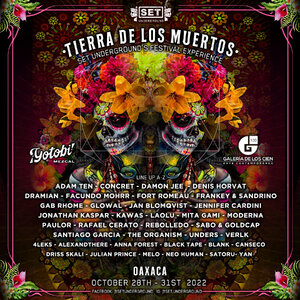
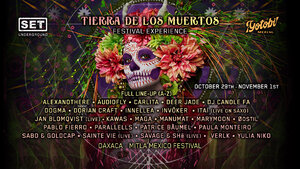
Guelaguetza Mágica de Mitla: An annual folk dance festival held each summer (usually late July) in the town plaza in front of the ancient palaces www.ticketfairy.com . Regional dance troupes in colorful Zapotec costume perform traditional dances (baile folklórico) under the hot midday sun. The day starts with a parade of delegated dancers, and local brass bands often march in a “cadena” (processional) to kick off the festivities .Tierra de los Muertos (Land of the Dead): A multi-day music and arts festival around Día de los Muertos (usually late October). Organizers bring in international and Mexican DJs, live bands, and visual artists to play on open-air stages in Mitla’s fields (for example, on the agave-covered “La Fortaleza” ranch land). Recent lineups have featured world-renowned electronic artists (Dixon, Lee Burridge, WhoMadeWho, etc.) jamming from sunset through sunrise www.ticketfairy.com . Between sets you might witness cacao ceremonies, sound baths, or mezcal tastings – the festival is designed as a modern ritual blending ancestral traditions with electronica .Villa Mágica de Mitla: A festive winter fair running from early December into January. The whole town is lit up with holiday decorations, and artisan markets pop up selling Christmas crafts, lights and food. There are often nativity displays, seasonal music, and family-friendly activities like ice rink or fireworks. Locals and visitors stroll the plaza enjoying hot chocolate and pan dulce under strings of lights.Other Local Fiestas: Mitla also hosts various smaller festivals and fairs year-round. A notable example is the January Patronal Fair (“Feria de Mitla”), a town fiesta including “calenda” parades (flower-and-band processions through streets), mariachi and brass concerts, bull-riding shows, fireworks and nighttime dancing . Flower festivals, craft expos, and special gastronomy events (like mole or mezcal tastings) occur in surrounding villages too. In short, every month has something going on: artisan markets, saints’ day celebrations, and communal dinners – the ancient Zapotec culture lives in its fiestas as much as in the ruins.
Overall, programming spans traditional Oaxacan culture and contemporary music. Visitors can expect folk concerts, DJ sets, dance troupes, wellness workshops (yoga, sound healing), art installations and culinary experiences. For example, recent Tierra de los Muertos events included a celebrity chef cooking a dinner banquet in the agave field and local shamans guiding cacao rituals during daylight hours . Festival lengths vary: single-day fiestas, two-day weekends, or even 8-day “All Access” passes have been sold. Ticket prices and schedules depend on each year’s edition, but organizers always aim to honor Mitla’s history while providing a cutting-edge show.
Tickets and Booking
Tickets for Mitla events must be purchased in advance, usually through the official festival website or an authorized ticketing vendor. There is typically no box office at the venue, and in-person or door sales are rare (big shows often sell out ahead of time). Sale dates are announced by the organizers – often a few months before each event – so watch the festival’s social media or local news. All ticket sales have traditionally been final (no refunds), so double-check the event dates before you buy.
Prices vary widely by event type. As of recent years, a multi-day general-admission pass might run around MXN3,000–3,500 (including fees), with VIP tickets around MXN4,000–4,500. Premium “all-access” packages (which might include extras like open bars or dinners) can reach MXN10,000–12,000 or more www.ticketfairy.com . A single-day ticket is usually cheaper (often in the MXN1,000–1,500 range). Organizers often offer group or early-bird discounts, but these sell out quickly. After purchase, print out your confirmation or keep the PDF handy on your phone. At entry you’ll turn in your ticket and show photo ID; keep both accessible once you arrive.
VIP and premium tickets usually include additional perks. For example, a VIP pass might grant a reserved viewing area near the stage, express entry, a private bar or lounge, and even backstage access www.ticketfairy.com . Some “VIP+” packages have included things like a private ferris wheel car, a bottle of top-shelf mezcal, or a guided mezcal tasting. Check the festival’s ticket details each year: VIP bundles sometimes add workshops, wellness sessions or special meals along with prime viewing. In any case, VIP tickets sell for significantly more than general admission, but they often come with tangible benefits (parking pass, private facilities, dedicated staff, etc.).
Seating and Layout
The Mitla festival area is entirely open-air and generally flat. Organizers erect portable stages (usually one main stage and sometimes a secondary tented “dome” stage) on dirt or grass fields. There are no permanent seats or stands. The audience area is mostly general admission: people stand, dance, or sit on blankets/low chairs. It’s a good idea to bring a light folding chair or ground mat if you want to sit – you’ll see many attendees perched on their blankets or using camping chairs. Some events provide minimal bleacher seating near the stage, but these fill up fast.
Most festivalgoers gravitate toward the stage: the closer you are, the better the sound and lights, and the stronger the energy. VIP ticket-holders typically have a fenced-off area or deck up front with some seating and shade. Sound is delivered through professional PA systems (large line-array speakers with subwoofers) so even those standing farther back can generally hear. Because the ground is flat, sightlines are good almost everywhere (you won’t have pillars blocking your view). At large shows the crowd density can be high near the front – if you prefer more personal space, try the side or back edges. Behind the main audience area you’ll find food and craft stalls, and portable restrooms are lined up at the rear.
Remember: this is a daytime-to-night event zone. There is no roof or cover, so festival parts in direct sun or rain are entirely up to the weather. Hats, sunscreen, or ponchos make a difference. In the evening, stage lights (moving heads, LED bars, lasers) and sometimes even video projections transform the archaeological backdrop into a vivid nightscape. In short, plan for crowd immersion – you and the stage become one with Mitla’s ruins and sky.
Getting There and Parking
Location: The festivals take place in San Pablo Villa de Mitla, Oaxaca (postal code 70439). On maps or GPS you can search for “Mitla Archaeological Site” or the town center. It’s about 42–45 km southeast of Oaxaca City, roughly a 1-hour drive via Federal Highway 190 (the Oaxaca–Tuxtepec road).By Car & Parking: Driving directly is simplest if you have a car, but parking is extremely limited in Mitla. The town’s narrow streets fill up quickly when a festival is on. Some events arrange paid parking lots or shuttles from outside town; otherwise most visitors park along the roads near the plaza or ruins. Aim to arrive well before showtime to claim a spot. (Note: If organizers have set up a big lot with shuttle service, it will be announced. Typically, expect to do a few-minute walk from where you leave your car.)Bus: Public buses run regularly from Oaxaca City to Mitla. From the Oaxaca bus station or city center, look for second-class or colectivo minibuses heading to Tlacolula/Mitla (often labeled “Tlacolula”). They leave about every 15–20 minutes, cost only MXN20–50, and take roughly an hour. These buses will drop you near Mitla’s main plaza. From there, the festival site is usually within easy walking distance (you can follow signs or ask locals for the event entrance).Taxi/Colectivo: Shared passenger vans (colectivos) also run many times a day from Oaxaca’s northern part of town to Mitla at rates similar to the bus. A private taxi one-way to Mitla is around MXN500–650 (cheaper if you negotiate round-trip or wait to come back). Remember there is no Uber in Oaxaca or Mitla, so plan your ride home in advance. If the event goes late, buses back to Oaxaca may stop running around midnight, so book return transport or share a taxi.Shuttles: For certain large festivals, organizers may offer ticketed shuttle buses from central locations in Oaxaca City. These fill up rapidly, so if a shuttle program is announced, purchase those seats as soon as possible. In any case, without official shuttles the most reliable strategy is to travel in one vehicle (carpool) or use public transit. Always confirm your return trip: taxis may be scarce late at night, and phone service can be patchy, so deciding on a pickup plan beforehand is wise.
Inside the Venue
Entry and Security: Security is relaxed but vigilant. Expect a ticket check and ID/wristband pickup on arrival. The crowd will be a friendly mix of festival-goers: some dress casually in t-shirts and jeans, others sport traditional Mexican outfits or Day-of-the-Dead costumes (especially in late October). Feel free to take photos; personal cameras and smartphones are fine. (Professional video gear or drones may require special permission.) Once inside, you’ll see festival staff and volunteers around to help if needed.Food & Drink: A highlight is the street-food selection. Permanent and temporary stands sell authentic Oaxacan cuisine: tlayudas (giant crunchy tortillas with cheese and toppings), tamales wrapped in banana leaves, mole negro plates, quesadillas, esquites (spicy corn salad) and more. Be sure to try local specialties like chapulines (grasshoppers) or quesillo (Oaxacan string cheese). Beverage stalls offer aguas frescas (fruit-flavored waters), coffee, hot chocolate and plenty of Mexican beer. Crucially, look for mezcal tents: vendors pour different aged mezcals straight from clay jugs, and some festivals include complimentary or paid mezcal tastings. Most vendors take cash only, and prices are very reasonable – around MXN30–100 per item, so carry plenty of bills. (Water is usually sold, but you’ll pay more than outside; some events provide water refill stations if you bring a bottle.)Artisans & Merch: Local culture surrounds you. You’ll find booths manned by Zapotec weavers, potters and artisans selling their crafts. Many display their process on the spot – for example, you might watch an elder weaving a rug by hand or a family crafting cochineal-red dyes from insects. Shop for handwoven textiles, wooden carvings, clay pottery or silver jewelry while you wander. Near the stage area there is often an official merchandise booth too, selling event T-shirts, posters and souvenirs. Supporting these stalls is a great way to bring home a piece of Oaxacan art (or fuel the community).Atmosphere & Extras: Besides the main music acts, planners add playful touches around the grounds. For Day of the Dead celebrations, there may be a giant altar or “ofrenda” where guests can leave photos of their loved ones (staff usually bring extra frames for this). You might pass face-painters doing sugar-skull makeup or see costumed dancers and acrobats performing near the food court . In some years a Ferris wheel or carnival rides have been installed on-site – rides on this are often included in VIP packages and are a fun break during long sets. Art installations (like painted alebrijes or multi-color lantern sculptures) and light projections on tent walls are common as the night deepens. Basically, there’s more to see here than just DJs: keep an eye out for impromptu cultural performances and colorful decorations holding to Mitla’s heritage.Facilities: Port-a-potties are placed at the back of the crowd area – they are basic but usually well-stocked. Hand-washing stations or sanitizer are often nearby. Lines can form at peak times, so use breaks in the music if you can. There is a simple first-aid post near the entrance, but if you have any serious medical needs, the nearest full clinic or hospital is in Oaxaca City. Connectivity inside the venue is limited – cell service works intermittently (Telcel often fares best), but don’t count on Wi-Fi or strong data. A minor tip: some organizers use clear–and sometimes branded–plastic bags at security; having one ready can speed up entry. Otherwise, remember that this is a rustic setting: there are no permanent lockers, coat check or ATMs, so carry what you’ll need in one small bag and keep it on you.
Nearby Amenities
Restaurants: Mitla has a handful of eateries around the plaza and along the road to the ruins. Two local institutions are Restaurante Mitla (attached to a hotel with a colonial courtyard) and El Arco de Piedra; both serve hearty Oaxacan classics like mole negro, tlayudas and regional moles. There are also modest taco stands and bakeries selling pan dulce. If you arrive a few hours early or stay overnight, consider dining in Oaxaca City instead – it’s only 45 minutes away and offers a much wider array of cuisine (everything from street food to fine dining). Many visitors pack a breakfast or lunch in Oaxaca or en route, just to be safe.Bars & Mezcaler\u00edas: A few cantinas and mezcal bars dot Mitla’s plaza. These cozy spots pour local mezcals, beer or hot chocolate, often with live flute music in the evenings. Note that most close by about 9–10pm. If you’re going out late, arrange transportation before they close. Also keep in mind: Oaxaca City’s nightlife is more extensive than Mitla’s. While festival crowds sometimes spill into a plaza bar, it’s wise to have a plan for returning to lodging (there’s no Uber and taxis may not circulate after midnight).Lodging: Accommodations in Mitla are modest but functional. Expected rates are typically under MXN$1,000 per night for a basic room. Options include small hotels like Hotel Pueblo Mitla and Hotel Plaza Mitla, as well as bungalow-style stays. A unique choice is the near-ruins glamping site Campamento Mitla, which offers cabin/glamping tents in a garden setting – it fills up quickly during events. Because rooms are limited, many guests instead stay in Oaxaca City or neighboring towns (Tlacolula, Zaachila) and drive or bus in for the day. If you do want to sleep in Mitla on festival dates, book as early as possible (weeks in advance) to ensure a spot.Other Services: Mitla has just one bank ATM (often unreliable) and no major shopping mall, so bring pesos with you. There are OXXO convenience stores and small tiendas for snacks, bottled water or medicine. Wifi is scarce – if you need to work, you may have to rely on your phone’s hotspot or head to Oaxaca City. For sightseeing, the Mitla archaeological complex is right next to the town (daytime entry is open to everyone), and the 16th-century church on the main plaza is a lovely short visit. Don’t underestimate the local Monday–Saturday morning market (tianguis) if your schedule allows: it’s famous for fresh tortillas, hot pan de yema, and coffee sold by local vendors. Finally, plan your arrival/departure carefully: during major festivals, highway 190 can be busy, so allow extra travel time.
What Makes This Venue Special
Mitla’s appeal is in its contrasts and authenticity. The town’s name literally means “Place of the Dead,” and its archaeological site was a necropolis for Zapotec kings www.ticketfairy.com . At the same time, Mitla is a living community where festivals are family affairs. Visiting or performing here feels like an event itself. Festival-goers often describe the experience as sacred or cinematic: dancers moving in feathered headdresses are framed by ancient fretted columns, and the music seems to echo off stone that’s been standing for a millennium www.ticketfairy.com . Organizers specifically chose Mitla for events like Tierra de los Muertos because it embodies Día de los Muertos lore – the entire landscape becomes an altar to the celebration. One writer even called the festival site “an altar mayor” for death and life to merge, where the sounds of the DJ mix with the lit candles and mountain breezes .
The community reveres its heritage, which makes visiting Mitla feel special beyond the music. The famed mosaic fretwork on Mitla’s temple walls – intricate patterns of diamonds and Greek keys carved in stone – is found nowhere else in the Americas . In fact, plans have been underway to subtly illuminate these mosaics at night, allowing future visitors to admire the stonework under gentle lighting . For now, festival lighting already plays dramatically across the archaeological ruins, creating a golden glow that emphasizes their geometry. The church tower, agave fields and cobblestone streets all become part of the visual show.
Finally, Mitla’s festivals have become expressions of local pride and sustainable tourism. The town’s 10-year anniversary as a Pueblo Mágico was celebrated with a multi-day cultural festival in the plaza, reaffirming Mitla’s “cultural heartbeat” . Locals note that weaving tradition and mezcal production – long staples of daily life here – are showcased during festival weekends, so tourism dollars flow directly into the community. As one Mitla weaver put it, “Mitla’s magic is not only in the stones – it’s in the hands and hearts of the people” . In short, there is a genuine warmth to this venue. Artists appreciate it for its authenticity (not a slick corporate arena), and audiences love that they’re not just watching a show but sharing in a town’s celebration. When you dance in Mitla, it feels like you’re dancing with history itself.
Visitor Tips and Information
Arrival & Timing: Aim to arrive a good 1–2 hours before the concert or parade start time, especially for parking and finding a good spot. Early arrival also lets you explore the vendor stalls and maybe visit the archaeological site while it’s still daylight. For multi-day events, note the daily schedule: often the evening party kicks off around sunset (4–5pm) and goes all night, whereas folkloric shows may begin at noon. Plan your departure too, as buses to Oaxaca may stop around midnight.Tickets & ID: Bring the exact ticket you purchased (printout or on your phone) plus a photo ID (passport or government ID). These are checked at the gate. If you bought a local discount ticket, carry that qualifying ID (for example, an Oaxaca ID card). Once inside, keep your wristband visible. Do not expect last-minute ticket sales; if you didn’t pre-buy, you may miss out. Double-check the festival’s age policy – many nighttime electronic events require attendees to be 18+.Cash is King: You will need Mexican pesos for almost everything. Food stalls, artisan booths, parking attendants and even some taxi drivers will not take cards. There is usually no working ATM near the festival, so plan ahead. Small bills (MXN50–200) are ideal, as vendors often can’t break large ones. Carry a little extra cash for tips or emergency items.What to Wear: Dress comfortably in layers. Daytime in the valley can reach 30°C or more (bring a hat, sunscreen and sunglasses), but the temperature can drop 10–15°C after dark. Closed-toe walking shoes are strongly recommended (the streets and grounds can be uneven or dusty). No one expects fancy attire – you’ll fit in fine with jeans, sneakers and a colorful shirt. If it rains, pull-on rain jackets or disposable ponchos will keep you dry. (Umbrellas might obstruct others, so a poncho is better.)Essentials to Pack: A small bag is fine (avoid large backpacks). Bring a reusable water bottle if you can – staying hydrated is a must. Sunglasses and earplugs can improve your comfort. If you’re visiting for a Day of the Dead festival, consider bringing a 4×6 photograph of a deceased loved one to add to the community altar www.ticketfairy.com (organizers often set up on-site altars and welcome these offerings). Also pack any necessary medication. Keep valuables on you at all times; Mitla is quite safe, but standard precautions for any festival are wise.Accessibility: Much of the festival area (the plaza and fields) is flat dirt or grass, which is generally manageable for wheelchairs and strollers. However, Mitla’s historic streets and the archaeological ruins are cobbled and may be tricky to navigate. There are no permanent ramps on the streets. If you require special assistance, it’s best to contact the event organizers before the festival – they sometimes can arrange smoother paths or assistance. There are typically ADA-accessible portable restrooms if you have mobility issues, but again, let the staff know if you need help.Etiquette: Remember you’re a guest in a small community. Show respect for local customs: don’t litter, and use trash bins (or better, pack out what you bring in) since sustainable tourism is often emphasized. Take care not to step on small street altars or sacred sites. Photography and videos for personal use are welcome, but refrain from climbing on the ruins or touching delicate architecture. Be polite if locals offer you something (like a sample of mezcal or a warm baked good) – it’s their hospitality. And have fun! Participate in dances if invited, and enjoy the blend of celebration and culture around you.Food/Drink Notes: Outside alcohol is almost always prohibited. (Festival organizers sell alcoholic drinks to support local vendors.) Non-alcoholic snacks and water are usually okay to bring. Buy meals and drinks on-site to support the community and enjoy the authentic flavors. Tip vendors a small amount if possible – they appreciate it.Photography: Doing video or professional photography may require permission. Cell phones and cameras for personal photos are fine. Out of respect, avoid using flash during solemn moments (like candlelight rituals) and be mindful if people are in costume or taking part in ceremonies.
How do I purchase tickets for Mitla festival events?
Tickets must be bought in advance online through the festival’s official channels or authorized sellers. There is typically no walk-up box office at the site, so plan ahead. Popular shows and passes often go on sale weeks or months in advance and can sell out quickly. After you buy, save the ticket PDF or confirmation, and bring it (printed or on your phone) for entry.
What is the typical ticket price range for Mitla events?
Prices vary by event and length. Generally, one-day tickets run about MXN₱1,000–1,500, while multi-day festival passes (e.g. 2–3 days) have been around MXN₱3,000–3,500. VIP or premium passes cost more (often an extra 30–50% or more). For example, recent 3-day general passes were ≈MXN₱3,300, while VIP three-day passes were ≈MXN₱4,400. All-inclusive “all access” passes (with open bars, etc.) can exceed MXN₱11,000. Check the specific event announcement for exact pricing each year.
Are VIP or special packages available?
Yes. Mitla festivals often sell VIP or all-access packages. A VIP ticket usually includes perks like a reserved viewing area near the stage, express entry, and extra amenities (private bar, restrooms, etc.). All-Access passes might include open bars, special dinners or workshops. These passes cost more but add value if you want those extras. Always read the ticket description carefully; each year’s package perks can differ.
How do I get to the Mitla festival from Oaxaca City?
Mitla is about 42–45 km southeast of Oaxaca City. Driving takes roughly 45–60 minutes via Highway 190. Alternatively, catch a local bus or colectivo (shared van) to Mitla. These depart frequently from Oaxaca’s bus stations or city streets heading to Tlacolula/Mitla (fare ~MXN₱20–50, travel time ~1 hour). The bus drops you near Mitla's main plaza, a short walk from the festival site. A one-way taxi is around MXN₱500–650 if you prefer private transport.
Is Uber or a rideshare service available to Mitla?
No. Uber and similar apps do not operate in Oaxaca or Mitla. You will need to use a regular taxi, bus/colectivo or event shuttle. On busy festival days, it’s wise to pre-arrange return transportation (for example, by calling a taxi company well before midnight) since last-minute cabs can be scarce after a show.
Are there parking options at the Mitla festival venue?
Parking in Mitla is extremely limited. There are no large official lots right at the main plaza, so most people either park on nearby side streets or fields (if organizers designate one). Some festivals offer paid parking areas outside town with shuttle service; if that’s available, it will be advertised. Otherwise arrive early to find street parking. As a tip, some locals park on the highway outskirts and walk or taxi in.
Are seats provided or is the venue general admission?
There are no fixed seats; nearly all viewing areas are general admission. People stand or sit on the ground (many bring portable chairs or blankets). Some events add a few temporary benches or a VIP seating area, but most of the crowd is unstructured. If you prefer a chair, either bring a small foldable chair or aim for VIP tickets which may include reserved seating or lounge access.
Can I bring my backpack, camera, or tripod into the festival?
Small backpacks or bags are usually allowed and will be searched at entrance. Professional tripods or large cameras may be restricted; if you plan serious photography, check with organizers ahead of time. For casual use, handheld cameras and smartphones are fine. Many attendees bring reusable water bottles and small personal items, but avoid bulky luggage since there’s no coat check.
Can I bring my own food or drinks to the festival?
Outside alcohol is generally prohibited. Bottled water and non-alcoholic snacks are often allowed, but the festival encourages you to buy food and drinks on-site to support local vendors. Most stalls are cash-only, so budget accordingly. As a rule, festival organizers sell all alcoholic beverages and many food items in order to help the community, so plan to dine within the venue.
What food and drink options are available inside the festival?
You’ll find lots of delicious local fare. Typical offerings include tlayudas (large crisp tortillas with beans, cheese and meat), tamales, tacos, mole dishes, esquites (spiced corn), fresh fruit cups and traditional Oaxacan sweets. Drink stands sell aguas frescas (fruit waters), hot chocolate, coffee and beer. Don’t miss tastings of regional mezcals or even pulque at specialty booths. Prices are usually modest (for example, small snacks can be 30–60 MXN), but it’s best to carry cash for these purchases.
What should I wear to the Mitla festival?
Dress comfortably and for the weather. Mitla’s valley is hot during the day, so light clothing, a hat and sunscreen are recommended. Footwear should be sturdy (the streets and fields can be uneven). Evenings get much cooler, so bring a sweater or light jacket. There is no formal dress code – you’ll see everything from traditional Oaxacan attire to casual jeans and T-shirts. If rain is in the forecast, carry a poncho. Overall, prioritize comfort and layers.
Is the festival held rain-or-shine?
Yes. All the Mitla festival events I know of have operated rain-or-shine
www.ticketfairy.com . The weather in the Oaxacan valley can be unpredictable (some years a passing shower or even a storm is possible in October), but the show usually goes on. It’s wise to be prepared: waterproof outerwear or ponchos can keep you comfortable if it sprinkles. In heavy weather some organizers may issue rain warnings, but typically their policy is that cancellation only happens for safety (rarely).
Are events at Mitla wheelchair accessible?
Partially. The festival grounds (the plaza or fields) are generally level dirt or grass, which a wheelchair can traverse, though the ground may be bumpy. The town’s streets and any stone steps in ruins are not wheelchair-friendly. There are no permanent ramps, although stage platforms may have temporary ramps. If you need special access, it’s best to contact the organizers beforehand. They may provide help or suggest the flattest paths. In practice, Mitla festivals do not have full ADA coverage, so mobility-challenged visitors should plan carefully.
Are minors or children allowed at Mitla events?
It depends on the event. Family-oriented cultural events (e.g. daytime folk dance festivals or holiday fairs) are open to all ages. However, the late-night electronic music parties (like the Tierra de los Muertos festivals) are usually age-restricted (often 18+ only)
www.ticketfairy.com . Always check the event details: if a concert has an age minimum, children will not be admitted. If traveling with kids, consider attending the daytime or earlier events (which can be great for introducing them to Oaxacan culture) and make sure overnight plans are settled since late-night festivities are not child-friendly.
Are pets allowed at the festival?
No. Pets (dogs, etc.) are not allowed inside the festival grounds. The events are in busy outdoor areas which is not safe or comfortable for animals. If you have a pet, make other arrangements or pet-sitting. Service animals aside, plan to leave pets at your hotel or home.
How far ahead should I arrive before showtime?
Aim to arrive at least 1–2 hours before the first performance or parade. Early arrival helps you beat parking bottlenecks and long security lines. It also gives you time to browse the food and craft stalls or grab a good spot. Big shows can draw crowds well in advance, so don’t wait until showtime to get there. For late-evening concerts, gates often open in the afternoon (sometimes as early as 3–4pm) to let people settle in before the music starts.
What does “Mitla” mean and why is it significant?
“Mitla” comes from the Nahuatl word for the Zapotec underworld (Mictlán), so it’s often translated as “Place of the Dead”
www.ticketfairy.com . The town was indeed a sacred burial site for Zapotec elites, famous for its elaborate tombs decorated in geometric mosaic (unlike any other in the Americas). This history gives Mitla deep cultural significance, especially for events like Día de los Muertos. In Mitla’s case, honoring the ancestors and celebrating the cycle of life are built into the very stones of the town, which is why so many festivals here focus on ritual as much as entertainment.
What is the Guelaguetza Mágica de Mitla event?
It’s an annual folkloric dance festival held in Mitla, typically in late July. It’s a smaller-scale version of Oaxaca’s famous Guelaguetza, but set in Mitla’s plaza by the ruins. Traditional Zapotec dance groups from around the state perform in colorful costumes, accompanied by local brass bands. The event usually features a morning parade and then an afternoon of performances under the sun. (For example, in 2025 this “Guelaguetza Mágica” took place on Sunday, July 27, starting at 12pm
www.ticketfairy.com .)
Is there a Christmas or New Year’s festival at Mitla?
Yes. The town hosts the “Villa Mágica de Mitla” during the holiday season (roughly December through early January). It’s a festive fair with lights, seasonal decorations, artisan markets and live music. Families stroll through the plaza together, enjoying holiday foods like tamales and hot chocolate. It’s very much a local community event – more fair than concert – but definitely worth seeing if you’re in the area around Christmas time.