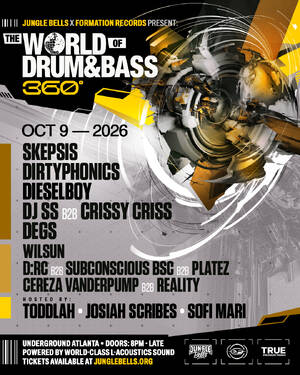
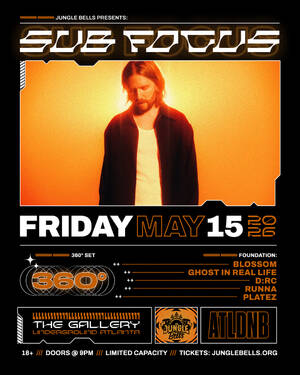
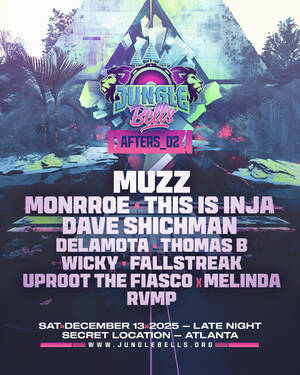
About Underground Atlanta
Underground Atlanta is a one-of-a-kind downtown entertainment district built beneath the city’s streets. Its construction in the 1920s raised part of the city up on concrete viaducts, leaving a hidden network of shops, clubs and passageways under roadway level. The complex spans roughly six city blocks (about 12 acres or 225,000 square feet) in the heart of Five Points, very near MARTA’s central hub . With a history stretching back to the Civil War era (a surviving 1856 gas lamp and the railroad era “Zero Milepost” marker still remain on site ), Underground Atlanta opened as an entertainment district in 1969 and later operated as a shopping mall in the 1980s. It is also on the National Register of Historic Places, reflecting its role as “the city beneath the streets.”
Today the venue is known for nightclubs, concert halls and cultural events, all housed amid exposed brick, original facades and industrial accents that recall old Atlanta architecture. Decorative historic elements – like the old Georgia Railroad Freight Depot walls and an antique streetlamp scarred by Civil War artillery – have been preserved to give the place a unique character. This fusion of vintage atmosphere with modern nightlife makes Underground Atlanta especially memorable. It serves as a long-standing hub in the local scene, drawing crowds downtown every night for live music, dancing and social gatherings. In recent years new ownership (Lalani Ventures, formerly known as Billionaires Funding Group) has invested heavily in reviving the complex, adding clubs, a restaurant row concept on Upper Alabama Street, and even plans for an apartment tower above the site .
What sets Underground apart is this blend of history and hedonism – it is literally the former street level of the city, now filled with performance stages and bars. Key signature features include the preserved Zero Milepost in the basement and the Victorian gas lamp at Peachtree/Lower Alabama. The multi-level layout means you can literally walk from street level down into cavernous dance floors and alley-like courtyards. It’s notable not just as a venue, but as a curious piece of Atlanta heritage known locally as the “City Beneath the Streets.”
Events and Programming
Almost any night you can find something going on at Underground Atlanta. The venue is home to dozens of weekly and monthly events across genres. Concert-wise, Underground’s main stage spaces (such as the Masquerade/Heaven concert hall and other clubs) host mostly rock, alternative and indie bands, plus pop and latino acts. For example, recent years have seen tours by artists ranging from Bruno Major and Little Simz to metalcore (Fit For A King) and punk bands . Hip-hop and R&B nights are common too, with acts like Lil Tracy and Earl Sweatshirt appearing. Electronic dance events – including big themed raves and DJ nights – pulse throughout the calendar. A notable example is the huge new “Ravine at Underground” project (coming in 2025) which will specialize in electronic/EDM concerts on two stages (one stage built for 6,000 people and another for 2,500) . Even before its full opening, that garage space in 2022 hosted global DJs like Diplo and Tiësto to crowds well over 5,000 people, showing the caliber of acts now attracted to the site .
Aside from club shows, Underground hosts many themed and specialty nights. There are regular food and cultural gatherings – for instance a weekly food-truck market operates here (Upper Alabama Street becomes a lunch/dinner park Tue–Sun with dozens of rotating trucks each week ). The district also throws monthly arts-and-music festivals on “First Fridays,” where you’ll find street performers, live mural painting, dance shows and dozens of food/drink pop-ups filling the alleys and open plazas. Seasonal events include holiday celebrations (Tuba Christmas in December) and the famous Peach Drop New Year’s Eve party. The Peach Drop – a 25-foot illuminated peach that descends in a midnight countdown – traditionally fills Underground with tens of thousands of revelers on NYE; recent years have featured headliners like Atlanta’s Big Boi on the main stage . In short, programming at Underground is very diverse and frequent: local club nights, touring band concerts, dance parties, art shows and large free events all share the calendar. In 2024 alone, the complex’s various venues combined to host roughly 3,000 shows and events, testimony to how active the scene has become .
Typical ticket prices vary widely. Many alternative/indie rock or EDM club shows at Masquerade or Heaven are in the $15–$30 range, while bigger-name concerts or special nights can run $40–$60. There are also free events (like sidewalk block parties) and inexpensive theme nights (sometimes $10–$20). Promotions vary – some shows have advance early-bird deals or multiple ticket tiers (general admission vs. VIP) – so it’s best to check individual show announcements for exact pricing. Overall, Underground’s programming caters to a broad audience, from college students and hip-hop fans to alternative music lovers, so expect a wide mix of artists and crowd vibes throughout the year.
Tickets and Booking
Most performances at Underground Atlanta require tickets, especially concert-style or club events. Tickets are generally sold in advance through authorized outlets (such as the venue’s official website or affiliated ticket partners) once shows are announced. Fan club or promoter presales may happen a few days early for popular shows. It’s wise to buy tickets early for major acts, as the smaller club spaces often sell out ahead of time. If tickets remain, a small number may be available at the door on the night of the event (typically at a box office or entrance window), but relying on “walk-up” tickets is risky for headliners. Larger downtown venues often close sales once capacity is reached, so plan ahead.
Ticket costs range from around $10–$20 for low-key dance or theme nights, up to $40–$60 for national touring bands. The venue offers general admission tickets (standing room on the floor) for most events; a few shows occasionally sell limited VIP or balcony passes (for example, special table areas or seated balconies at Masquerade/Heaven). In most cases your ticket permits entry into the venue only (the floors are mostly open-plan with no fixed seats). To score spots, it helps to arrive early on busy nights. Signing up for the venue’s mailing list or following Underground Atlanta’s social media can also give first notice of upcoming show sales and any special packages.
There is no single box-office for all Underground events; each club within the complex may handle its own tickets. Recently, certain venues like The Masquerade and the newly opened MJQ Concourse have set up small on-site ticket counters. The planned Ravine space will include its own box office as well . When buying tickets online, be wary of unauthorized resellers – use official channels tied to Underground or the specific club name (Heaven at the Masquerade, Future nightclub, etc.). Also note that age restrictions vary by event: day parties and New Year’s festivities are often all-ages, but most nighttime concert and dance events are 18+ or 21+. Check the event details if that matters to your group. Overall, the key booking strategy is to plan ahead for popular shows, and take advantage of any presales for fan clubs or credit-card partners if available.
Seating and Layout
Underground Atlanta isn’t a fixed-seat amphitheater – it’s a collection of clubs and open areas, so seating options depend on the specific venue. The most famous performance space is the Masquerade (now relocated to Underground), which has two levels: the main floor level (formerly “Hell/Purgatory”) and an upper balcony called “Heaven.” Both levels are generally standing-room, though patrons can stake out a spot on the elevated balcony for a better view of the stage. In these club areas you’ll find a few high-top ledges and a wide bar along one side, but most people stand or dance on the floor. Keep in mind the sound system and stage are set up for music – make sure to stand near the front center if you want the full concert experience. If you prefer some seating, the balcony and bar area of Masquerade/Heaven are better spots (away from the densest crowds on the floor).
The new Future nightclub is two stories as well: a large open dance floor on the lower level and an upstairs stage area. Both levels feature minimal permanent seating – mainly some lounge booths at the edges – so most guests stand or dance. There are small ledges and railing vantage points upstairs, though reaching them may require arriving early. Future’s sound system is specifically engineered by Pioneer Pro Audio to fill both levels with stereo sound , so even mid-floor you’ll get full audio. Other venues like the niche cat-cafe/music spot The Frisky Whisker have cozy couch seating mixed into the main rooms, so you can sit with a drink while a DJ plays behind glass walls. A large 10,000-sq-ft “Event Loft” space (on Upper Alabama Street) is used for big parties or corporate events; it has a built-in stage, two bars and some lounge seating around its dance floor .
General admission means “first come” for the best spots. Tip: at Masquerade/Heaven shows, speaking historically, being near the center front on either level offers the clearest view. If you want to chat or take a break, the raised balcony at the back of Heaven is good for an overview. Outdoor and loft spaces have small standing areas near the stage, and a few barrel tables scattered around, but expect to be on your feet as well. In short, there are no fixed theater-style seats, only casual lounge or bar seats at the periphery. The sound is lively and bass-heavy, so standing near the speakers gives the loudest experience. If you’re sensitive to volume, try to stay a little back or towards a side wall.
Avoid standing at the very back corners or behind large pillars, as those spots can block the view. Also note that any outdoor patios or upper walkways (like those on Upper Alabama Street) may offer a taste of the action but can be quite loud. The venue layout is intentionally open and industrial – think brick walls, exposed steel beams and trains overhead – so the acoustics can be echoey. But lighting is modern: Expect DMX-style color washes and strobes over the dance floors, with more ambient “street-light” fixtures in seating areas. In one example, Future Nightclub installed full video screens and club lighting on its upper stage to create an immersive experience .
Getting There and Parking
Location: Underground Atlanta sits at 50 Upper Alabama Street SW, intersecting Lower Alabama and Peachtree in downtown Atlanta. You’ll often see signs for “Underground” or “Peachtree St. side entrance” pointing to staircases leading down from street level. Because the site is below ground, many entrances are under cover; look for archways or glass doorways marked “Underground.” One main entrance is on Upper Alabama St (near Five Points), and another is on Pryor St (next to the old train tracks). A small broadwalk known as Kenny’s Alley also cuts through on Level 3 of the parking deck for quick access into the nightlife area .
By Public Transit: The closest MARTA station is Five Points, which is about a 5- to 10-minute walk from the Underground district. Take any train (North/South or East/West lines) to Five Points, exit on the East/Alabama Street side, and walk a few blocks south to Underground. You can also ride the Atlanta Streetcar (the red streetcar line from Centennial Olympic Park), getting off at Edgewood Ave and walking west a couple blocks to MLK then south. Multiple city bus lines stop near Five Points and Peachtree/MLK, and all of those let you off within easy walking distance of Underground. Essentially, downtown’s central transit hub makes getting there by rail/bus quite convenient.
Driving: From I-75/85 (Downtown Connector), take exit 248A for Martin Luther King Jr. Drive/State Capitol. Head east on MLK, then turn south on Central Avenue, and then immediately turn left onto Martin Luther King Jr. Drive. The Underground parking decks will be on your right after a block . (If coming from the west on I-20, you can exit onto Central Avenue and connect similarly.)Parking: Underground Atlanta operates two attached parking garages on Martin Luther King Jr. Drive (around 75 MLK Drive SW) . Daytime rates are a flat $8, with off-peak pricing dropping to $3 after 4 PM and on weekends . These garages connect directly to the club areas via bridges and elevators. Entrance to the Masquerade and concert level is on Level 3 of the east garage (look for signs for “Kenny’s Alley” entrance) . Weekend and evening parking rates are very affordable here compared to street lots. If on-site parking is full or you wish to save even more, there are public lots in nearby blocks (for instance, the Georgia State/GWCC decks or street lots near Alabama and Central), though prices vary.Rideshare/Taxi: Popular drop-off points include the corner of MLK and Central (closest to the main garage entry) and the Pryor Street entrance. An Uber/Lyft that drops you at MLK & Central lets you walk right in under cover. Alternatively, being dropped at Pryor Street and walking through the archway into Kenny’s Alley gives a slightly more direct route down into the heart of the venue . Late at night, ride-shares will circle back up to the street levels for pickups.
Inside the Venue
Upon entry, you’ll experience a distinct urban nightclub vibe mixed with historic industrial flair. Expect visible concrete, brick walls and ironwork overhead. Most nightclub doors will check ID, scan tickets, and have security: small bags may be allowed, but large backpacks are usually discouraged. Once inside, the atmosphere is largely dim and clubby, with colored spotlights, laser effects or theatrical up-lighting on textured walls. Many spaces deliberately highlight the old-city feel; for example, the Frisky Whisker sound gallery and speakeasy lounges each have completely different decor (one European-cabaret style, one modern and minimalist). Music is the focus – deep bass and live DJ mixing – so it’s typically loud throughout.
Food and drink service is plentiful. Every nightclub space has a full bar selling beer, wine and cocktails; in some venues you’ll find specialty cocktail lists or late-night drink deals. Notably, the Masquerade/Heaven venue continued a tradition of very low drink prices (students will recall $3 beers and cheap cocktails) . In addition to seated clubs, there are casual food options: a popular crepe counter and kettle corn cart near Masquerade, plus the full-service Utopia restaurant/bar on Upper Alabama (open 11 AM–2 AM daily, offering pizza, wraps and even hookah) . For daytime events, dozens of food trucks line Upper Alabama, selling everything from tacos to gourmet burgers. So depending on the event hour, you may find substantial dinner or bar food available on site, along with the usual club snacks.
Seating inside is limited to bar stools and a handful of lounge chairs in corners. You can usually find a bar-height table along the edge or some padded couch seating if you arrive early. Coat check is typically available during large concerts (for a small fee), but for normal club nights it may not be formally offered – hanging your jacket over a chair at the side often suffices. Likewise, merchandise tables frequently appear for concerts, selling band T-shirts and CDs near the stage area.
Restrooms are located in every venue – usually ground level near the bars – and they’re often well supplied (it’s downtown after all). Be prepared for lines when big concerts let out or during intermissions. One nice feature: some spaces have side lobbies with galleries or lounge areas, so even if it’s crowded on the floor, there are small nooks to relax. For instance, Future’s upstairs has an overlooking balcony bar with occasional seating and an LED video wall, so one can step off the dance floor and watch from above. Electrical outlets are scarce so bring a fully charged phone. (On a practical note, cell service is decent in most spots; the Historic Underground has thick stone, but AT&T and Verizon signals usually reach through.)
Overall, the internal feel is gritty but friendly – you might hear a live DJ set spilling onto Upper Alabama while around the corner a big metal poster advertises a theater show. The crowd moves fluidly between clubs and outdoor patios through open archways, which gives the place an open-air market vibe. Expect to see sharp dressers, creative costumes or casual clubwear mingling amid the old brick passageways underfoot and vintage street signs overhead. In short, once inside you should anticipate a lively, high-energy atmosphere with plenty to see (bars, dancers, art installations) even if you’re not near the stage.
Nearby Amenities
Underground Atlanta sits in the center of downtown, so you’re surrounded by ample dining, lodging and entertainment options. Within a few blocks, there are quick-service and sit-down restaurants of every kind. For example, the CNN Center (at Peachtree & Andrew Young) has chains like the food court, plus The Food Hall at Pemberton (off MLK). Restaurant Row on the south end (Peachtree near Courtland) offers upscale Southern cuisine and steakhouses. Classic local spots nearby include Mary Mac’s Tea Room (for Southern cooking) and Gus’s World Famous Fried Chicken, though those require a slightly longer walk. Many bars and breweries line Peachtree Street and Piedmont Avenue just north – grab an early drink at a Peachtree Tavern, or a beer at a local brewery taproom before your show.
If you need a hotel, several are within easy walking distance. The Marriott Marquis (with its famous atrium and rooftop bar) is only a block north. The Hilton Atlanta is two blocks away on Peachtree, and the Sheraton, Westin and Omni (Two Peachtree) are all four blocks north. Hotel W downtown (two blocks east) and the Hyatt Regency (at Peachtree & Andrew Young) are similarly close. Guests often stay at one of these for easy post-show access to Underground.
For attendees, it’s wise to arrive at least 30–45 minutes before a sold-out show to avoid lines. Many people like to dine or drink nearby beforehand. Bars like Six Feet Under (a rooftop dive), Twain’s Brewpub or The Rooftop at The Hub (all near the park across Peachtree) are popular pre-show hangouts. After a late concert, MARTA trains run into the night (Five Points station is your go-to), but ride-shares or taxis often fill up quickly. If departing after 11 PM, prepare for moderate wait or share a group ride. There is also a city streetcar shuttle deck at the Atlanta Streetcar (on MLK & Edgewood) that operates later on weekends, although its last stop is roughly a block north. In practice, the easiest exit is often to walk or grab Uber right from the MLK/Central area if the transit lines have slowed down.
What Makes This Venue Special
Underground Atlanta’s uniqueness comes from its blend of history and vibrant nightlife. Architecturally, it feels like nowhere else. The original street pavement and foundations are literally underfoot – in some alleyways you can even find old cobblestones and curbstones exposing 19th-century Atlanta. The district preserves facades and relics from the city’s railway era (the railroad depot walls form parts of the clubs, and the Zero Milepost stands in a basement corner ). Walkways are roofed by train tracks, so you can hear freight trains rumble overhead at times. This museum-like aspect gives the venue a character more akin to a historical theme park than a typical bar.
Culturally, Underground Atlanta has been a downtown anchor for decades (old-timers remember breakdancing battles and 90’s dance clubs here). It’s intertwined with Atlanta lore: the giant Peach Drop New Year’s tradition (the first peach was hoisted here in 1989) has become the city’s unofficial symbol of NYE celebration. Many local musicians got their start playing basement shows here. As the heart of downtown’s nightlife rebirth, it also symbolizes the city’s recent push to have a 24-hour core. One shop owner once said that the place “brings people and energy to downtown” unlike any other venue. Indeed, unlike cookie-cutter malls or new arenas, Underground’s character is handcrafted by its history – the spiral staircases, graffiti art, and lamp posts essentially make the venue itself a piece of art.
Famous moments adding to its mystique include headlining DJs in a parking garage and the return of long-lost nightclubs to a modern site. For example, after 30 years on the east side, the iconic MJQ Concourse dance club rebuilt itself under these streets in 2025 . Talented event-bookers see Underground as a creative incubator – it’s not just another concert hall, but a canvas for themed nights and immersive experiences (like an absinthe speakeasy “Pigalle” bringing Parisian theater to Georgia ). Fans love it because it feels like discovering a hidden party district; artists love it because the demand is high and the backdrop is cool. In essence, Underground Atlanta is special because it’s part historic site, part open-air nightclub and part living art project – and that eclectic mix makes it both a practical venue and a cherished Atlanta landmark.
Visitor Tips and Information
Accessibility: As an old multi-level complex, not every area is wheelchair-accessible. Some parts of Underground (like certain alley stairs) are steep. However, elevators at the parking garages lead down to major levels, and ramps have been added to a few entrances. Accessible bathrooms exist on lower levels (you can ask staff for locations). If mobility is a concern, check with the venue in advance: staff can guide you to an elevator entrance on Upper Alabama or MLK Drive. Service animals are generally allowed in common areas by law.
What to Bring: Always bring a photo ID – bartenders and bouncers will check for age. Use a small crossbody bag or wallet; large backpacks or oversized bags may be asked to check outside. Many attendees bring earplugs, since live shows and DJ sets can get very loud in these enclosed spaces. Your phone and standard concert cameras are fine (no flash photography during shows), but pro cameras or video cameras without press credentials may be prohibited. Also check the weather: some performance spaces are outdoors or partially open to the elements (Umbrellas and cool clothes for warm Georgia nights). Atlanta downtown can be warm in summer, chilly in winter, but Underground is indoors and climate-controlled in most main rooms.
Common Rules: Smoking is not allowed inside most indoor venues (by law), although there may be designated smoking areas outside. Outside food and drink generally aren’t permitted past security. Many clubs have a no-refunds policy, so once you buy a ticket it’s final. Dress codes are casual; some people dress trendy clubwear on Saturday nights, but sneakers and jeans are totally fine. The only real “dress code” to avoid is anything overly bulky or that can hide prohibited items. If in doubt, simpler is safer.
Age Restrictions: Most after-dark shows are 18+ (often 21+ if alcohol is served at all ages events). Family events like holiday festivals or NYE Peach Drop are usually open to all ages (kids are welcome at the Peach Drop, for example). Always check the event listing – it will clearly state if kids under 18 are allowed. On weekdays and early mornings, some businesses upstairs (like restaurants or lounges) may admit all ages until late night.
Arrival and Lines: Doors often open 30–60 minutes before show time. For clubs and small concerts, arriving early means an empty dance floor or a first-choice spot on stage. For big events, doors might flood at once; guards encourage patrons to line up along the entrance, so plan extra time. Close your line in at the gate if you’re with friends, since re-entry can be hard after doors open. Bring cash for a faster bar line (most bars also take cards, but change can speed things along).
Nearby Transit Aftershows: Late-night transit options include MARTA trains (Five Points station closes around 12–1 AM, so if your show ends after midnight, you’ll catch the last run or two), and the free City of Atlanta streetcar (limited late service). Ride-hail apps are widely used here but rates surge on big event nights. It’s a good idea to share a ride with friends or walk a block or two to the lighted streets of Peachtree or Peachtree Center after dark. Safety-wise, downtown Atlanta has security cameras and some police patrols, but always stay aware of your surroundings at night. With groups and planning, guests generally feel very safe at Underground, even after 11 PM.
Frequently Asked Questions
How do I buy tickets for shows at Underground Atlanta?
Tickets are usually sold online through the venue’s or promoter’s official channels, often weeks in advance. Many concerts and club events offer early-bird or presale tickets to fan clubs. Some venues have a box office at the door for unsold tickets, but popular shows often sell out early. Check each event’s details and buy as early as possible to guarantee entry.
What is the address of Underground Atlanta?
Underground Atlanta’s main location is 50 Upper Alabama Street SW in downtown Atlanta. The district spans a few blocks around that point, between Peachtree and Central avenues. Because it’s below street level, you’ll enter through entrances on Upper Alabama, Lower Alabama, Pryor or via the adjacent Martin Luther King Jr. Drive parking garage. Look for signs or stairways labeled “Underground Atlanta.”
How can I get to Underground Atlanta by public transit?
The nearest MARTA station is Five Points (where all train lines meet), about a 5–10 minute walk away. Exit at the East/Alabama Street side and head south one block. The Atlanta Streetcar (green line) stops on Edgewood and MLK, a short walk north of Underground. Several city buses also stop nearby on Alabama and Peachtree. In general, downtown Atlanta’s transit network makes Underground easily walkable from the transit center.
Is there parking at Underground Atlanta?
Yes. Underground has its own parking garages on Martin Luther King Jr. Drive (around 75 MLK Drive SW) which connect directly into the property . Rates are typically $8 per day (or just $3 after 4 PM and on weekends). Enter the garages from MLK Drive and ascend to Level 3 to enter the venue via Kenny’s Alley and The Masquerade breezeway . Downtown street parking also exists but fills up quickly on nightlife weekends.
Where is the best place to stand for a concert?
Most shows are general admission (standing only), so it depends on your preference. For the clearest view, stand on the main floor near the stage at floor level. If you prefer an overview, the raised balcony (Heaven) at the Masquerade/Heaven venue is great for watching from above. Arriving early lets you reserve a spot on the floor or grab a railing upstairs. Avoid standing all the way to the side corners or back walls, as those have obstructed sightlines.
Does Underground Atlanta have assigned seating or VIP areas?
No, there are generally no fixed seats. All the music venues (Masquerade, Future, etc.) are mostly open general admission. Some events might have limited VIP tables or booth areas (for example, in lounge sections or a small balcony), but most patrons stand or dance. If a booking page mentions “VIP” or “reserved” tickets, those usually just grant early entry or small designated spaces. Otherwise, seating means wherever you find at the edges of the floor or on balcony overlooks.
Is Underground Atlanta accessible by wheelchair?
Access is somewhat limited by the historic layout. The parking garages have elevators down to Levels 2 and 3, which grant entry to many venues; some ramps exist on Upper Alabama Street. However, there are still stairs to certain areas. Many performance spaces have ADA restrooms and an accessible way in (check with staff on entry via MLK Drive garage). It’s a good idea to contact the venue before your visit if you need detailed accessibility information.
What food and drink options are inside Underground Atlanta?
Every club inside has a full bar serving beer, wine and mixed drinks. Cocktail prices vary by venue, but many nights have specials (for example $3 beer nights). For food, there is a casual crepe and snack cart near The Masquerade, and Utopia Lounge (on Upper Alabama) offers sit-down food 11 AM–2 AM. Additionally, a rotating market of about 40 food trucks sets up on Upper Alabama from lunch until late every Tuesday through Sunday . So you can find everything from pizza and tacos to BBQ on-site.
Are outside food or drinks allowed?
Generally no. Like most concert clubs, outside alcohol is prohibited. A small non-alcoholic drink is usually fine, but large coolers or backpacks of food are not. It's best to eat & drink before event entry or use on-site vendors. Of course, if you arrive very early you could buy from the food trucks or lounge and bring that inside, since it’s served by the venue.
What are the bag and camera policies?
Small bags (like purses) are usually acceptable but may be inspected; don’t bring large backpacks. Security often enforces a clear-bag policy on busy nights. Photography for personal use (phones, point-and-shoot cameras) is generally allowed unless signposted otherwise. Professional cameras (with interchangeable lenses) or video cameras typically need a press pass or special permission. In any case, flash photography during live shows is discouraged as it can be disruptive.
What is the age policy at Underground Atlanta?
Most nighttime shows and club events at Underground are 18+ or 21+, depending on how alcohol is handled. There are no formal kid areas, so check the event’s age limit. Special events (like the Peach Drop New Year’s Eve) are often all-ages and advertise as such. Daytime or early evening concerts can sometimes allow teens with adult supervision. Always look at the ticket listing; it will explicitly say "all ages" if children are welcome.
What time do the shows and doors usually start?
Concerts and club nights typically start in the evening, around 8–9 PM. Doors often open 30–60 minutes before the advertised showtime. DJs and dance nights might start a bit later (e.g. 9 or 10 PM). Early shows or matinees are rare at Underground. If you’ve got a specific event time, plan to arrive at least 30 minutes early to get in and find your spot. For big gigs or festival events, later start-times are common and doors could open even an hour earlier.
What should I wear to a night out at Underground Atlanta?
The dress code is casual. You’ll see people in everything from jeans and sneakers to dressy club attire. Comfort is key since you’ll be moving around and dancing. There is no strict formal dress code, so shorts and a tee are fine for most nights. Some folks like to dress up on Saturday nights at main clubs. Just avoid anything too bulky (no large backpacks or costumes that could block staircases). Layering is smart: Underground can be chilly in the air-conditioned dance halls and warmer out in the patios or crowd.
Is Wi-Fi available at Underground Atlanta?
Underground does not offer free public Wi-Fi across the entire district. Your best bet is to rely on your cellular data. Signal can be spotty underground in certain pockets, but generally 4G/LTE works near the entrances or Gold/Verizon in most areas. If you need connectivity, getting near the street-level entrances (like upper Alabama) or bars tends to have better reception.
What historic features can I see at Underground Atlanta?
Several! As you explore, you’ll encounter original 19th-century architecture: walkways with old cast-iron columns, vintage lampposts and even cobblestone inlays in the floor. Notable artifacts include the Atlanta Zero Mile Marker (the city’s official railroad starting point) located in a basement area, and an eternal gas lamp that was part of the city’s first street lighting system. Displays explaining these pieces are posted around the site. Much of the Atlanta we see down here literally dates back to the Civil War and Reconstruction era, making it a living history tour as well as a fun venue.
Are children or family-friendly events held at Underground Atlanta?
Most events are adult-oriented, but some special occasions are family-friendly. The biggest example is the annual New Year’s Eve “Peach Drop,” which is free and attracts families with kids to see the giant illuminated peach descend at midnight. On the same token, Halloween-themed parties or daytime festivals (like Tuba Christmas or Farmers Markets in the warmer months) often welcome all ages. For any given day, check the event listing to see if it’s marked “all ages.” If it’s an 18+ dance club night, children won’t be allowed.
What local attractions are near Underground Atlanta?
Underground is adjacent to downtown Atlanta’s main attractions. Right next door is CNN Center, and the Georgia Aquarium, World of Coca-Cola and Centennial Olympic Park are just a few blocks north on Peachtree Street. The downtown BeltLine segment (Westside Trail) starts nearby at Magnolia Park, great for a walk if you have time. Within a few blocks you’ll also find Piedmont Park’s northern end. In terms of dining and shopping, you’re in the middle of it all: dozens of restaurants, bars and hotels line Peachtree, Auburn Avenue and the adjacent streets of downtown.
When is the Peach Drop at Underground Atlanta?
The Peach Drop is an annual New Year’s Eve celebration held each December 31 at Underground Atlanta. It features live performances on a main stage and culminates with a 35-foot illuminated peach lowered at midnight. The tradition is free to the public and tends to be very crowded. In recent years it has been produced in partnership with Live Nation and attracts tens of thousands of attendees. If you’re planning to go, arrive early (afternoon) to secure a good viewing spot and be ready for city road closures around MLK Drive starting late evening.