About Cabo San Lucas
Cabo San Lucas is a resort city at the southern tip of Mexico’s Baja California peninsula. It sits where the Sea of Cortez (Gulf of California) meets the Pacific Ocean, blending three distinct terrains – desert, mountain, and seaside – into a dramatic tropical setting (mexiconewsdaily.com ). The city’s signature landmark is the Land’s End headland: a half-mile promontory at the foot of El Arco, a famous granite rock arch rising from the ocean (mexiconewsdaily.com ). This natural arch and nearby Lover’s Beach and Divorce Beach are a defining image of Cabo’s unique geography. It’s no wonder Cabo San Lucas has become one of Mexico’s most visited destinations: Los Cabos, the tourism region that includes Cabo San Lucas and neighboring San José del Cabo, now draws nearly four million visitors a year (3.93 million in 2024 (mexiconewsdaily.com )), and the area is recognized as Mexico’s fastest-growing tourist hotspot (www.visitloscabos.travel ) (mexiconewsdaily.com ).
Originally a sleepy fishing village, Cabo San Lucas boomed into a world-class tourist center in just a few decades. Until the early 1970s the only roads were rough desert trails, but in 1973 the Transpeninsular Highway (Mexico Highway 1) finally reached Cabo, ending isolation and opening the town to visitors (mexiconewsdaily.com ). Since then, luxury resorts and hotels have sprung up along the twenty-mile Tourist Corridor between Cabo and San José del Cabo. Today Cabo San Lucas feels like a high-end getaway surrounded by wild Baja nature. The population of Los Cabos (including both cities) has jumped from about 44,000 people in 1990 to over 351,000 in 2020 (mexiconewsdaily.com ), reflecting the area’s rapid expansion. Upscale restaurants, beachfront bars, and vibrant nightlife have earned Cabo a reputation as Mexico’s most expensive vacation destination – as of early 2025 the average hotel room rate exceeded US$508 per night (mexiconewsdaily.com ) – though budget-friendly inns and hostels can still be found along the marina.
Despite its modern growth, Cabo retains a relaxed, tropical-mex vibe. Authentic elements like a small downtown plaza with an historic church, open-air fish markets, and local taco stands mix with international resorts. In winter, migrating gray whales frequently visit Baja’s calm bays, making whale-watching a hallmark activity each February and March. Boating and sportfishing are also part of the local lore: Cabo is often called the “Marlin Capital of the World” thanks to big-game fishing tournaments. All told, Cabo San Lucas stands out as a place where luxury hospitality meets untamed ocean and desert landscapes – a combination that keeps tourists coming back. (www.visitloscabos.travel ) (mexiconewsdaily.com )
Events and Programming
Cabo San Lucas hosts an eclectic mix of events, from world-class sports competitions to festive cultural gatherings. The marina becomes a hub each fall for big fishing tournaments – for example, the Offshore World Championship (Bisbee’s) and Los Cabos Billfish Tournament attract anglers from around the globe to chase marlin and tuna. Sports enthusiasts can also take part in or watch events like the Los Cabos Open (ATP 250 tennis tournament held in February), the Ironman 70.3 triathlon in late autumn, and various golf, volleyball and triathlon contests that run year-round. The city even hosts unique road races across the scenic desert.
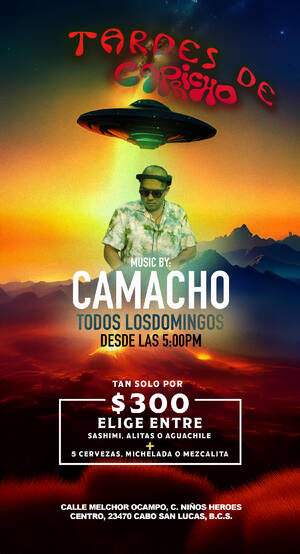
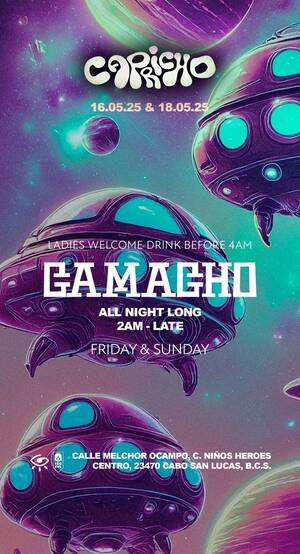
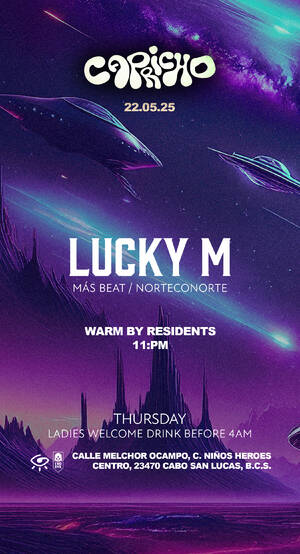
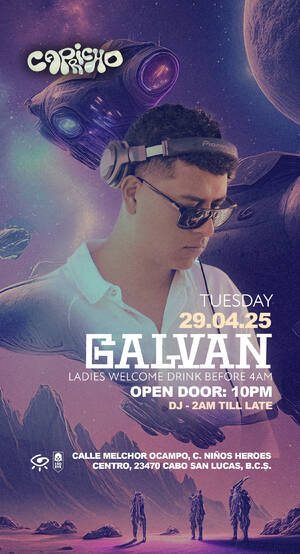
Music and nightlife events are the daily pulse of Cabo. Live concerts often occur at local venues and resorts: guest artists frequently play at beach clubs and hotel amphitheaters, and famous musicians have been known to do intimate shows at Cabo’s clubs. Nightlife staples such as the iconic Cabo Wabo Cantina (Sammy Hagar’s rock club) or the Squid Roe nightclub regularly feature live bands and DJs through the week. Seasonal festivals light up Cabo’s calendar: mexicAN holidays like Day of the Dead (Oct/Nov), Independence Day (Sept 16) and Christmas bring special celebrations, while international events like New Year’s Eve parties on Medano Beach or Baja Reggae/house beach festivals draw big crowds. Cruise ships dock often, adding impromptu street performances in town. In short, visitors to Cabo can expect something happening nearly every week – from casual sunset concerts on the pier to all-night dance parties under the stars.
Notable past performances illustrate Cabo’s star power. International bands and celebrity DJs occasionally tour through – for example, artists from Latin music and electronic dance scenes have headlined special events on the beach or at resorts. Upcoming shows and ticket information are usually announced on local event calendars. Pricing varies widely: casual bar gigs may be free or under $20, whereas big-name concerts and full-day festivals can cost a few hundred dollars per ticket. The busiest ticket sales often correspond to high season shows around December–March, so planning ahead (and watching for early announcements) is key for securing seats at major events.
Tickets and Booking
Whether you’re planning a resort stay, booking a tour, or snagging event tickets, early preparation pays off. The region’s popularity means flights and hotels can sell out, especially from December through April. Los Cabos International Airport (SJD) handles year-round flights from the U.S., Canada and Mexico, so compare fares across airlines and consider connecting through northern hubs. Hotels range from luxury all-inclusives (which often offer package deals that include meals and activities) to smaller inns. During peak travel season, it’s wise to reserve lodging and car rentals at least a few months in advance. For uninsured travelers, note that travel insurance (covering weather del ays, health, etc.) is common given hurricane season risks in late summer.
Tickets for special events are generally distributed through official sources: concert promoters, hotel concierge desks, or authorized online ticket agencies. Major festivals and sports events often have their own websites or box offices (for example, the tennis tournament sells passes months ahead). When tickets go on sale, they commonly appear via the event’s official channels; sign up for newsletters or follow venue social media to catch presales. Some high-demand shows may offer presale codes to fan club members or credit card holders, so check those options if you follow featured performers. Depending on the event, there may also be a limited number of tickets available at resort box offices or venue counters on the day of the show, but availability is never guaranteed after sellout.
Pricing tiers reflect location and amenities: VIP packages (often including meet-and-greets or lounge access) can run several hundred dollars, while general admission tickets might be more affordable. Always verify seating charts (for theater or stadium events) and terms (refunds, re-entry, etc.) before purchasing. For smaller gigs in bars or restaurants, tickets might simply be your cover charge at the door, with no advance option. In general, booking through recognized sources is safest; avoid purchasing from resellers or unverified sites. And if you’re planning local tours (whale-watching boat trips, snorkeling cruises, off-road adventures), online tour companies, hotel front desks or the official Los Cabos tourism office can help you book in advance to lock in better rates.
Districts and Layout
Cabo San Lucas is loosely organized into a few distinct areas. The heart of the city is the bustling Marina and Downtown (Centro) district: a harbor surrounded by palm-lined plazas, seafood restaurants and bars. Walkable streets connect the marina to landmark spots like the Church of San Lucas and the harbor’s famous Cabo San Lucas sign. Here you’ll find many eateries, souvenir shops, and popular nightlife venues all within a few blocks – but parking can be very limited, so many visitors park at a garage or walk from nearby hotels.
A short drive away is the famed Tourist Corridor (scenic Mexico Hwy 1), where most of Cabo’s resort hotels and golf courses hug the coastline. This 20-mile highway is the main artery connecting Cabo San Lucas to its sister city, San José del Cabo (mexiconewsdaily.com ). Most resorts line this road, often set back from the highway with their own entrances. While guests in the Corridor usually rely on taxi or rental car to reach downtown nightlife, it’s easy to park at large hotel lots and use shuttle services or Uber for day trips. The Corridor offers stunning ocean views and several pull-off scenic lookouts – it’s worthwhile to stop at viewpoints once you reach the half-way point between the cities.
To the south of downtown, the road ends at Medano Beach and Lover’s Beach (Playa del Amor) near the Arch. This area has no through-roads; access to Lover’s/Divorce Beach is by water taxi only, making it feel more remote («Land’s End»). Boats can beach you at the hidden Lover’s Beach on the Sea of Cortez side or on the rougher Divorce Beach on the Pacific side. The views along this headland are the city’s most iconic – early sunrise or sunset boating here provides unbeatable photo ops of El Arco and the sky-dipped horizon (mexiconewsdaily.com ). In contrast, sunset crowds often gather at the Playa Medano shoreline (the sailboat-lined beach in front of Medano Hotels) or on the many walkways above the marina, which both offer panoramic harbor views when the sun goes down.
Getting There and Parking
Cabo San Lucas’s address is simply the south end of Highway 1 – the city doesn’t have numbered streets. The nearest airport is Los Cabos International (SJD), located about 30 miles northeast (near San José del Cabo). From SJD you can rent a car, take a shuttle, Uber or taxi into Cabo San Lucas; taxi fares are typically fixed (around $60–$70 USD one-way) but Uber or shared shuttle services can be cheaper. The highway between SJD and Cabo is a safe, well-maintained two-lane road. Bus service runs frequently between the towns (first-class bus lines with air-conditioning), and there are also shuttle vans for smaller groups and cruise passengers.
If driving from farther away, Mexico Highway 1 is the main route. For example, coastal driving from Tijuana (Baja California) to Cabo is a long day trip (over 1,000 miles), but that route also takes you along the Tropic of Cancer marker just north of La Paz. Once in Cabo downtown, parking options will depend on location: many hotels and restaurants offer free lot parking for guests, but pay lots can be found near Medano Beach and around the marina (expect around $5–$10 USD per day for central lots). Metered street spots are rare. If your resort has ample parking (most big resorts and malls do), it’s easiest to park on your hotel site and use taxis or your feet to navigate downtown nightlife. Note that ride-share pickup/drop-off spots are available at the airport and major hotels, which is often convenient for airport transfers.
Inside Cabo San Lucas
Entering Cabo San Lucas as a visitor is straightforward: have a valid passport (tourists get a 180-day permitted entry) and a completed Mexican immigration form (often given on the flight or at the airport). Luggage and personal items go through standard security screening on arrival. Once in the city, you’ll find a vibrant, casual atmosphere. Most locals working in tourism speak English, but learning a few basic Spanish phrases earns smiles. The climate is sunny and warm year-round: daytime highs hit around 86–95°F (30–35°C) in summer, cooling to a comfortable 75–80°F (24–27°C) in winter. Always pack sunscreen, sunglasses and a hat for daytime; a light jacket or long sleeves can be useful once the ocean breeze picks up at night.
Currency is Mexican pesos and U.S. dollars (USD) is widely accepted in Cabo, but smaller vendors may give better change in pesos. Credit cards (Visa/Mastercard) work at most restaurants and shops, though it’s smart to carry cash for taxis, market stalls and any small purchases. ATMs are plentiful around town (in plazas and malls); just check if your bank charges withdrawal fees. Drinking water from the tap is not recommended – most hotels supply filtered water or you should drink bottled water (widely available at grocery stores and convenience kiosks). Food in Cabo is generally safe; you’ll enjoy local seafood tacos, ceviche and guacamole at casual stands or upscale “Baja Med” cuisine at fine restaurants.
Connectivity is easy here: cell service is good with local SIM cards (Telcel/Movistar) or roaming plans, and many public spaces and hotels offer Wi-Fi. Public restrooms can be scarce on the streets, so use facilities at restaurants or beach clubs. When walking around, watch for uneven cobblestone in parts of the old town. Cabo has taken steps toward inclusivity: many white-sand beaches have wooden ramps, and resorts often provide beach wheelchairs and accessible rooms (www.visitloscabos.travel ) (www.visitloscabos.travel ). Overall, expect a friendly, laid-back pace – the city truly feels like “vacation mode on” once you’re here.
Nearby Amenities and Accommodations
Cabo San Lucas is well-equipped for visitors. The downtown/Marina area alone hosts dozens of lodging options. Beachfront resorts of all levels line the Tourist Corridor a short drive away, from all-inclusive family hotels to adults-only boutique inns. If you’d prefer walking access to the Marina and nightlife, consider accommodations in the Centro area or just off the marina itself (for example, small condos and beachfront hotels along Medano Beach Road). Planning ahead is wise: popular holidays and conventions can push occupancy very high, so make reservations as early as possible for big events or holiday weekends.
The dining scene covers all tastes. By the marina and on the beach you’ll find cevicherias, taco stands and seafood grills. Fine diners include award-winning restaurants (think cliffside seafood at sunset or Baja-Med fusion farm-to-table eateries). For a casual pre-show meal, Mediterranian Baja taco bars, Mexican-styles grills and seafood markets are within easy walking distance of most event spots. After dark, rooftop lounges and breweries on the Marina offer nightlife with harbor views, and the beach “Mango Deck” party club at Medano is famous for daytime drinking and dancing. If arriving before an event, give yourself extra time: weekends often see traffic on narrow streets. It’s common to dine 1–2 hours before showtimes. Late night transport (after 10pm) relies on taxis/Uber (book ahead if you need multiple cars); some bars will call cabs for guests.
Shoppers will find local handicrafts – silver jewelry, textiles, souvenirs – in downtown boutiques and malls. Supermarkets and pharmacies are scattered around, as are convenience stores for snacks or sunblock. There’s no coat check requirement in Cabo’s casual venues, but nightclubs will check large bags for security. Port facilities have minimal services aside from shipping goods; travelers usually rely on town amenities. Internet cafes/phone SIM shops and currency exchange kiosks are available in town if needed. Overall, if the immediate neighborhood of your hotel or resort is sparse, just a 5–10 minute taxi into Baja’s city center brings a wealth of shops, clinics, and international ATM outlets.
What Makes Cabo San Lucas Unique
Cabo San Lucas stands apart for its dramatic natural beauty and cosmopolitan vibe. The juxtaposition of desert landscape falling into clear aquamarine seas is rare – you’ll see rugged cacti behind you as you swim under palm trees. The Land’s End granite rock formations and El Arco are legendary, having been featured on countless postcards and even travel magazine covers. At sunrise and sunset these arches glow gold, creating unforgettable photo backdrops (mexiconewsdaily.com ). In fact, Geologists estimate the Cretaceous rock of El Arco is some of the oldest of its kind (around 84 million years) (mexiconewsdaily.com ). Such scenic elements give Cabo a sense of timeless majesty that guests and even filmmakers love (several movies and TV commercials use Cabo’s iconic views).
Cabo also has a lively cultural and social scene. The blend of Mexican tradition with modern resort style makes for festive street life: mariachi bands might serenade besides English-speaking DJs at the same plaza. Annual cultural moments include the Day of the Dead parades and Independence Day fireworks, but even off-season there’s a party atmosphere among tourists and expats. The town is known to attract celebrities and business travelers for weddings, conventions, and retreats – it’s said musicians come here to relax or play surprise gigs, and pro athletes do spring training dips before games. On the arts side, Cabo hosts gallery nights and small theater productions, reflecting a growing local arts community.
Economically and socially, Cabo has transformed the community. Fishing gave way to five-star resorts, bringing jobs and modern infrastructure to what was once an isolated village. Local lore tells of pirates once hiding in these coves, and today’s storytellers (tour guides, museum docents) share those tales. The city has also become a standout in sports tourism – “Cabo Corrida” races, tennis championships, and golf tournaments draw international attention. Despite all the development, local traditions endure with festivals, regional cuisine and crafts. In short, visitors remember Cabo San Lucas for the combination of breathtaking landscapes, festive energy, and luxury amenities – it’s a place where natural wonder and human celebration meet in a uniquely Baja style (www.visitloscabos.travel ) (mexiconewsdaily.com ).
Visitor Tips and Information
Optimal Timing: The high season (November–April) offers sunny skies, warm days and whale sightings, but prices climb and crowds increase. Summers (June–August) are sultry and occasionally affected by Pacific storms, but deals are plentiful. If planning a winter visit for specific events, book at least 6 months ahead. Avoid travel during hurricane season without insurance.
What to Bring: Valid passport, sun protection (sunscreen, hat, UV sunglasses), and a swimsuit. Mexicans outlets use 110V like USA, so no adaptor needed. Pack cash (pesos or small USD bills) as some taxis and small shops don’t take cards. Comfortable walking shoes or sandals are essential on uneven sidewalks and resort gardens. If you plan water activities, bring reef-safe sunscreen, a rash guard or quick-dry cover-up. For wildlife tours, binoculars can enhance whale or bird watching. Also remember earplugs – nighttime clubs and even some beach bars can get loud.
Local Laws and Courtesy: The drinking age is 18, and clubs are strictly 21+. Mistakes like underestimating the sun (heat stroke) or forgetting an ID card are common; don’t get caught drinking street alcohol or swimming at unsupervised beaches. Smoking is banned in many indoor public places. Tipping is customary (15–20% at restaurants, a few dollars to hotel staff and tour guides). Water is potable only in hotels and filtered sources – take care to only drink bottled or purified water. Traffic can be busy; always use marked crosswalks in town. When boating, follow crew instructions for lifejackets and don’t stand in moving boats.
Accessibility: Cabo is increasingly ADA-friendly. Many boardwalks, restaurants and beaches have ramps for wheelchairs (www.visitloscabos.travel ) (www.visitloscabos.travel ). Resorts commonly offer roll-in showers and elevators, and you can rent beach wheelchairs for sand. If you have mobility limitations, it’s a good idea to arrange accessible transport in advance or choose accommodations known for ease of access.
Common Cautions: Petty theft (like pickpocketing) can happen, so keep valuables secure. Use only licensed taxis or ride-share apps, especially at night. Don’t carry large sums of cash around, and store passports in your hotel safe. If swimming, pay attention to lifeguard flags on beaches (some areas like Medano are calm, but others can have strong currents). Finally, respect wildlife rules – don’t feed or approach street animals or interrupt nesting sites (Cabo has sea turtles nesting seasonally). With these tips in mind, your time in Cabo San Lucas will be safe and enjoyable – a mix of adventure and relaxation in a truly one-of-a-kind setting.
Frequently Asked Questions
When is the best time to visit Cabo San Lucas?
The peak season is from late November through April when the weather is warm and dry (ideal for outdoor activities and whale watching). Avoid hurricane season (August–October) if possible. Summers can be very hot but offer lower rates. High season requires booking months in advance due to crowds.
How do I get from the airport to Cabo San Lucas?
Los Cabos International Airport (SJD) is about 45 minutes away. You can take an authorized airport shuttle, book an Uber or taxi at the official counter, or rent a car. Many hotels also offer private transfers. If you expect to arrive late, schedule a taxi or ride-share in advance for a smoother transfer.
What is the currency and can I use US dollars?
The Mexican Peso is the official currency. US dollars are widely accepted in shops, restaurants and taxi stands, but paying in pesos usually gives a better exchange rate. It’s a good idea to carry some cash in smaller denominations of either currency, especially for tips and small purchases.
Can I drink the tap water in Cabo San Lucas?
No, tap water is not recommended for drinking in Cabo San Lucas. Stick to bottled or purified drinking water, which is inexpensive and widely available. Use bottled water when brushing your teeth as well, to avoid any stomach discomfort during your stay.
Are credit cards accepted everywhere?
Most hotels, restaurants, and tour operators in Cabo San Lucas accept major credit cards (Visa, MasterCard, Amex). Small vendors, local markets, taxi cabs or street food stalls may only take cash (pesos or dollars). It’s wise to have some cash on hand or withdraw from an ATM for smaller purchases.
Do I need reservations for popular restaurants or attractions?
For upscale restaurants and indoor attractions, reservations are recommended, especially on weekends and high season. Beach clubs and open-air spots often take guests on a walk-in basis early in the day. Cruise or tour excursions should also be booked in advance if you have a tight schedule to ensure availability.
Is Cabo San Lucas safe for tourists?
Cabo San Lucas is generally safe for tourists, especially in busy resort areas (travelpander.com ). Use common sense: keep valuables secure, only use authorized taxis or ride-shares, and avoid less crowded areas at night. Petty crime can happen, so stay aware, but violent crime against tourists is rare in the main tourist districts.
What beaches are accessible in Cabo for people with disabilities?
Cabo San Lucas has made many beaches accessible. For example, Playa El Corsario (near the marina) has a wooden ramp and reserved accessible areas, and Medano Beach has paved walkways to the sand (www.visitloscabos.travel ). Several resorts also offer beach wheelchairs and accessible transport. Ask your hotel concierge for assistance if needed
Are there dress codes in Cabo San Lucas venues?
Cabo is generally relaxed beachside, but some upscale clubs and restaurants enforce smart casual dress: no swimwear, tank tops or flip-flops indoors. In casual beach bars or open-air venues, anything goes. It’s wise to check ahead (most places have websites or call lines) to know if a jacket or nicer shoes are needed for an evening out.
How strict are age restrictions for nightlife in Cabo?
The legal drinking age in Mexico is 18. In practice, many bars and clubs in Cabo San Lucas check IDs and only admit 18+ (some trend toward 21+ for busy nightclubs). Always carry a government-issued photo ID (passport or driver’s license). Beach parties during holiday weekends may be more loosely monitored, but do not assume young teens are allowed everywhere.
Can I rent a car in Cabo and should I?
Yes, car rental is popular for exploring Baja’s beaches and towns at your own pace. Many major agencies operate at the airport and in town. Driving yourself is recommended if you plan to visit remote beaches or do golfing. Be mindful: roads are generally good but often single-lane, and traffic on the Corridor can be heavy. If you stay at an all-inclusive, you may not need a car for your whole trip.
What transportation options are available within Cabo San Lucas?
Inside the city, buses run on fixed routes for a few pesos, but they are slow and mainly used by locals. Taxis (brightly colored with fixed-zone fares) and ride-share apps (Uber, Lyft) are more convenient for tourists. Many resorts provide shuttle vans to major attractions. The city is fairly compact so taxis and walking cover most short trips; just plan a bit of extra time for main thoroughfares at night.
Where can I find nightlife and dancing in Cabo?
Downtown and the Marina are nightlife hubs. Bars line the marina boardwalk and the lively Callejón del Pescador alley. Beachside clubs such as Mango Deck on Medano Beach host daytime parties. The famous Cabo Wabo Cantina and Squid Roe nightclub attract crowds for live rock and dance. For a more upscale scene, Whisky a Go Go in the Cabo neighborhood or resorts’ own nightclubs offer DJs and dance floors. On any given night, you’ll find live music or DJs playing salsa, reggaeton, EDM and more throughout the main party district.
Are there restrictions on snorkeling or kayaking?
Recreational snorkeling and kayaking are allowed in many areas, but not directly at the Arch (El Arco) or near some protected zones. Tours can take you to specific spots like Pelican Rock or Chileno Bay for snorkel. Always use reef-safe sunscreen to protect marine life, and follow guide instructions. If you rent equipment, inspect it first and be mindful of currents on the Pacific side; many operators offer life jackets and guidance.
Is there free Wi-Fi at restaurants and hotels?
Yes, most hotels and many restaurants/cafés provide free Wi-Fi for customers. Resorts have it included, and larger cafes or bars also usually broadcast a network. Public Wi-Fi in the plaza areas may be spotty, so your best bet is to use a restaurant’s network or get a local SIM card with data if you need reliable internet.
Are there any local customs I should know about in Cabo?
Mexican hospitality is warm and a simple “buenas días/tardes” greeting goes a long way. It’s polite to accept a handler’s guidance. Elders are addressed respectfully. Tipping is expected (15–20% is customary at restaurants and bars). If invited to a local home or event, it’s gracious to bring a small gift like wine or flowers. Most importantly, enjoy the leisurely pace here – Mexicans value relaxation over rushing.