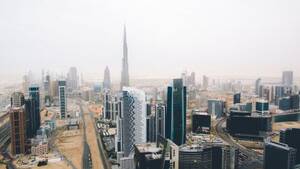
Welcome to Dubai: A City That Never Sleeps
Renowned for its towering skyscrapers, opulent lifestyle, and vibrant cultural tapestry, Dubai is a city that leaves an indelible mark on all who visit. It is a place where tradition meets modernity, creating an aura of excitement and novelty. For the enthusiastic tourist with a penchant for nightlife and music, Dubai offers a symphony of experiences that never fail to dazzle and intrigue the senses.
This guide takes you on a journey through Dubai's pulsating heart, where the rhythm of the night rules supreme. From the city's high-octane events, posh clubs, and electrifying raves, to enchanting concerts and festivals, the city is a cacophony of gleaming lights and euphonic sounds after sunset.
The Diverse Event Calendar of Dubai
No matter the time of year, Dubai boasts an eclectic mix of events that cater to the most diverse tastes. The heyday of this bustling metropolis's events calendar typically kicks off with the Dubai Shopping Festival, which aside from shopping deals includes live concerts and musical events.
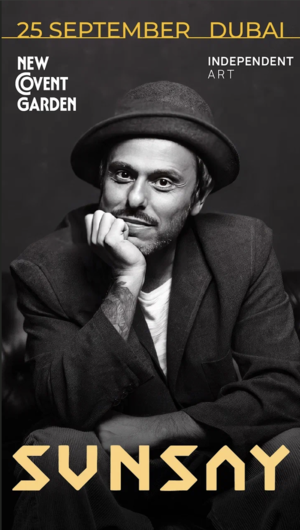
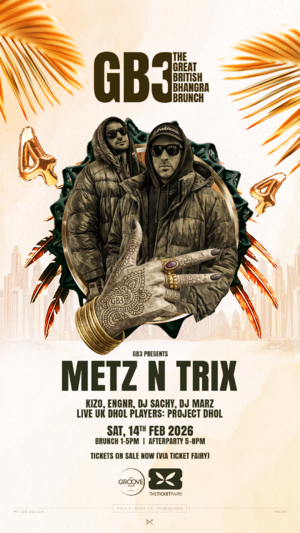
The beating heart of Dubai's vibrant music scene, however, could arguably be the Dubai Jazz Festival. Frequented by icons of the genre, as well as artists from overlapping music worlds, the festival creates an ambiance filled with soulful melodies. Meanwhile, for electronic music aficionados, there's always something resonating through Dubai's airwaves, with events like the Ultra Music Festival's arrival in Dubai serving as a testament to the city's love for thick beats and high-energy soundtracks.
Clubbing in Dubai: An Adventure for the Night Owls
When the sun goes down, Dubai metamorphoses into a glittering playground. Nightclubs like White Dubai, Soho Garden, and Drai's become the epicenters of hedonistic experiences. These venues are not just spaces to dance; they embody the city's love affair with luxury and the avant-garde.
WHITE Dubai, recognized as one of the top clubs in the world, offers an open-air rooftop experience that combines awe-inspiring views with an atmosphere filled to the brim with pulsating beats. At Soho Garden, club-goers enjoy a mixed indoor-outdoor setting that features multiple venues within one complex, blending deep house, R&B, and commercial hits from dusk until dawn.
Experiencing Raves and Concerts in Dubai
Raves in Dubai are as unique as they come, occurring in venues ranging from starlit deserts to swanky beach clubs. Regular events like the 'Sandance' capture the spirit of Dubai's rave culture with international DJs turning the Arabian sands into a vibrant dance floor.
For concert-goers, the Dubai Opera dishes out an array of cultural treats, transcending beyond traditional limits to incorporate pop and rock concerts. Big-name pop stars, classical performances, and theatre productions all set their stage here, providing something for every palette. Arenas such as Coca-Cola Arena and Dubai Media City Amphitheatre also regularly host international megastars and are go-to concert venues for a memorable night out.
The Festival Scene of Dubai
The city's calendar is peppered with festivity and fanfare, covering a broad spectrum of interests. Foodies savor the Taste of Dubai, a gastronomic extravaganza with chef showcases, while partygoers plunge into the thriving scene of music festivals covering genres from hip-hop to techno and beyond.
The yearly Dubai Music Week brings enthusiasts face-to-face with their idols in masterclasses and interactive sessions, sealed with grand performances. Be sure not to miss such defining festivals along with pop-up events that constantly refresh the city's entertainment scene.
Famous Venues to Note
The soundtrack of Dubai is played out in its diverse venues, catering to different moods and tastes. Zouk Club Dubai recently joined the fray, and other staples in the region like The Music Room have given way to thrilling incoming venues that add to the city's dynamic scene
Enhancing Dubai's portfolio is BASE Dubai, with its open-air space and Vegas-style performances guaranteed to give patrons a spectacular time. Not forgetting the BLU Sky Lounge, where the vibe is set by your favorite sports and the accompanying tunes from visiting DJs.
The Best Restaurants for a Feast After Dark
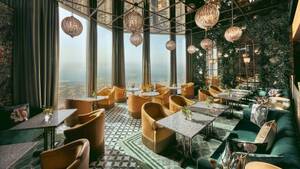
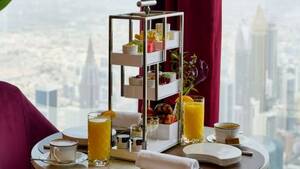
As melodies fill the air, so do the aromas of Dubai's finest cuisines. From the incredible culinary experiences at Atmosphere, perched high within the Burj Khalifa, to the seaside sophistication of Pierchic, the options are vast and varied.
Noire provides an eating experience shrouded in darkness, sharpening your senses for a more profound taste adventure, while Karma Kafé overlooks the Dubai Fountains, offering an Asian-inspired menu with innovative flair. If you fancy a Michelin-worthy meal post-concert, STAY by Yannick Alléno at One&Only The Palm provides a French gourmet escapade to round off the night.
Where to Stay: Top Areas in Dubai
Accommodations in Dubai cater to every comfort and convenience. The Dubai Marina is perfect for those seeking the quintessence of beachside and city life, combining urban splendor with serene waterside walks along JBR and immediate proximity to clubs such as Zero Gravity.
Downtown Dubai is ideal for the culturally curious and swank-set patrons with luxury preferences. Areas like Palm Jumeirah provide secluded opulence and direct access to exclusive beach clubs and high-profile events.
Exploring Different Suburbs and Popular Areas
Aside from the glitz of Dubai's main hubs, areas like Al Quoz are earning a reputation for their gritty artistic energy. The industrial spaces of Al Quoz have become unexpected incubators for fashion, contemporary art, and underground music.
Over at the Dubai Design District (d3), burgeoning creatives push boundaries making it a must-visit enclave of avant-garde culture. Barsha Heights, formerly Tecom, is another burgeoning neighborhood, balancing residential comfort with active nightlife spots appropriate for any traveler.
Famous Annual Events in Dubai
Apart from the already mentioned festivals, other annual events of note include the pulsating Dubai Desert Rave, a one-of-a-kind experience under the desert sky, and the Dubai International Film Festival which rolls out red carpets for a blend of glitz, cinema, and parties.
The Formula 1 Abu Dhabi Grand Prix, though a short drive from Dubai, is an event that most tourists couple with their Dubai itinerary—combining high-speed thrills with A-list musical performances.
Tourist Activities to Enhance the Dubai Experience
When taking a break from the nocturnal revelry, Dubai offers rich cultural excursions such as visits to the historic Al Fahidi neighborhood, abra boat rides along Dubai Creek, or a taste of Emirati culture and cuisine at the Sheikh Mohammed Centre for Cultural Understanding.
For an adrenaline rush during the day, the city has thrilling waterparks and indoor ski slopes. Self-pampering in Dubai is an art, so consider visiting one of its many sumptuous day spas like the Talise Ottoman Spa for an indulgent Hamman experience.
Accessible Dubai: Traveling with Ease
For international visitors, Dubai's popularity hinges not just on its entertainment options but also its accessibility. The city is well-connected by a state-of-the-art metro system and abundant taxi services. For those who dance till the wee hours, numerous ride-hailing apps make sure your journey back to your accommodation is smooth and safe.
Travelers with disabilities will find Dubai highly accommodating with its accessible transport options, hotels, and tourist attractions setting an exemplary standard for the Middle East.
Visa Information and Safety Measures
Before you embark on your Dubai escapade, remember to check visa requirements based on your nationality. Many travelers can take advantage of visa-on-arrival privileges, while others may need to apply beforehand.
Safety in Dubai is of the highest standards, and the vibrant nightlife is no exception. Advanced infrastructure, strong law enforcement, and pervasive CCTV make it one of the safest cities in the world for tourists.
Enjoying Dubai Sustainably and Responsibly
Being mindful of local customs is critical to enjoying Dubai while respecting its culture. Modest dress codes, especially during the day or when visiting more traditional neighborhoods, are appreciated. Alcohol consumption is permitted in licensed venues, but public drunkenness can lead to penalties.
Environmental responsibility is also paramount; tourists are encouraged to leverage the city's recycling facilities and use eco-friendly resources wisely.
Preparations: What to Pack and Expect Weather-Wise
Regardless of when you travel to Dubai, one constant is the heat. Lightweight summer attire is advisable, with an inclusion of warmer layers for generously air-conditioned indoor venues and cooler desert nights.
Additionally, high-quality sunglasses and sunblock are a must to protect against the relentless sun.
What are the best music events to attend in Dubai, UAE?
Dubai is home to an array of music events catering to a variety of tastes, including the Dubai Jazz Festival, Ultra Music Festival, and other pop-up music events in clubs like White Dubai and Soho Garden. Be sure to check the events calendar before traveling for the latest updates.
Are there any famous music festivals held in Dubai, UAE?
Yes, Dubai hosts a number of famous music festivals like the Dubai Jazz Festival, and electronic festivals like the post-Formula 1 concerts. These festivals are held annually and attract major international artists.
Where is the best nightlife in Dubai, UAE?
The best nightlife in Dubai can be found in the Dubai Marina, Downtown Dubai, and areas like Palm Jumeirah. Clubs such as White Dubai, Movida, and BASE offer unrivaled night experiences.
Can tourists buy alcohol in Dubai, UAE?
Tourists are allowed to buy and consume alcohol in licensed venues such as hotels, clubs, and restaurants. It is illegal to consume alcohol in public spaces or to be publicly drunk.
What are some recommended areas to stay for nightlife exploration in Dubai, UAE?
For a nightlife-centric stay in Dubai, consider areas like Dubai Marina, Downtown Dubai, and Palm Jumeirah. These areas are close to major clubs and late-night venues.
Are there any cultural customs visitors should be aware of when experiencing the nightlife in Dubai, UAE?
Visitors should dress modestly, especially when leaving club venues, and avoid public displays of affection. While alcohol consumption is allowed in licensed areas, public drunkenness is frowned upon and can result in legal consequences. Additionally, it's important to respect the local culture, traditions, and laws.
When is the best time of year to visit Dubai, UAE for music and nightlife?
The best time to visit Dubai for music and nightlife is from November to March, when the weather is cooler and a variety of outdoor events and music festivals take place.
How is the safety for tourists during the night in Dubai, UAE?
Dubai is known for its high safety standards, including during nighttime. With a strong police presence and widespread CCTV, tourists can feel secure while enjoying Dubai's nightlife.
Is public transportation in Dubai, UAE available throughout the night?
Dubai’s metro runs until midnight on weekdays and until 1 am on weekends. Taxis and ride-sharing services like Uber and Careem are readily available throughout the night, offering a reliable option for getting back to your accommodation.
Are there any sustainable travel options for getting around in Dubai, UAE?
Dubai is focusing on providing sustainable travel options with its electric taxi fleet and the Dubai Metro, which is a fully automated, energy-efficient rail system. Tourists are encouraged to make environmentally friendly choices while touring the city.
What should tourists pack for a trip to Dubai, UAE considering the nightlife and events?
Tourists should pack light, comfortable clothing suitable for warm weather, but also include an outfit for upscale venues which may require a more elegant dress code. Additionally, bring sunscreen, sunglasses, and a hat for daytime activities.
How can tourists respect the local culture when participating in nightlife in Dubai, UAE?
To respect the local culture in Dubai, tourists should maintain modesty in their attire, refrain from public displays of affection, and adhere to the local rules and laws regarding alcohol consumption and behavior in public spaces.
Are there any daytime activities in Dubai, UAE that blend well with a nightlife-focused itinerary?
Yes, tourists can enjoy a variety of daytime activities that allow relaxation and readiness for the night's events, such as beach lounging, spa visits, leisurely dhow cruises, and visits to art galleries and cultural sites like Al Fahidi Historical Neighbourhood.
What kind of music genres are predominantly featured in clubs in Dubai, UAE?
Clubs in Dubai feature a multitude of music genres to suit varied tastes, including electronic dance music (EDM), R&B, hip hop, house, techno, and pop music, among others.
Are there any beachside party venues in Dubai, UAE?
Yes, Dubai has several beachside venues for parties such as Zero Gravity, Nikki Beach Resort & Spa, and BLUE Marlin Ibiza UAE which provide a tropical atmosphere combined with lively music and dance opportunities.