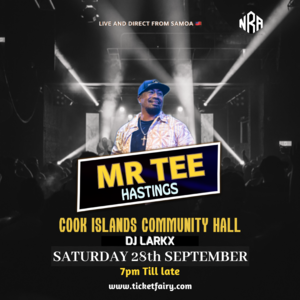
About Cook Island Community Hall
The Cook Island Community Hall is a large, purpose-built community centre in Flaxmere, on the outskirts of Hastings in the Hawke’s Bay region. It serves as the hub for the Cook Islands community in Hawke’s Bay, preserving Pasifika culture and hosting cultural, social and family events. Run by the Hawkes Bay Cook Islands Society, the hall reflects the vibrant traditions of Kuki Airani (Cook Islanders) and New Zealand’s multicultural heritage. It features a sizeable performance stage, a well-equipped kitchen (including a traditional umu earth oven and BBQ area), toilets and showers, and even on-site sleeping quarters. The centre can accommodate up to 500 people (hbcic.wordpress.com ), making it one of the largest community venues in Flaxmere. Its mirror-like polished floor and high ceilings are typical of a community hall, while colourful Cook Islands artwork and flags often adorn the walls during events. The hall’s location at 7 Swansea Road puts it in the heart of Flaxmere’s village-style shopping area, within walking distance of local shops and next to a small park. Performing arts, language classes, sports activities and feasts all find a home here.
More than just bricks and mortar, the hall is a symbol of identity for Hawke’s Bay’s Cook Islanders. It was built and is maintained by local families, who volunteer to keep it running. All rental income and fundraising proceeds are reinvested in upgrading the building and supporting community programmes (hbcic.wordpress.com ). The venue’s historic significance lies in its role uniting generations: elders pass on traditional dances and songs to children in these walls, refugees and migrants find a welcoming “home away from home,” and locals of all backgrounds come to enjoy Pacific hospitality. In practice, this means you’ll hear Cook Islands Māori and English side by side, see old-style woven mats (roimata) or tukutuku panels displayed, and smell the sweet smoke of freshly baked taro from the umu on festive evenings. Whether it’s a wedding, a cultural concert, or a community meeting, this hall breathes the lively character of the Cook Islands community in a suburban Kiwi setting.
Events and Programming
The Cook Island Community Hall hosts an eclectic calendar of events catering to all ages and interests. You’ll find regular cultural nights with traditional music, dance and food – for example, twice-yearly “Pona Pareu” evenings featuring live Cook Islands bands or DJs, buffet dinners, raffles, and midnight dancing into the night. Community fitness and wellness programs are held here too: the hall runs weekly “Pa Metua” exercise classes for older adults, as well as a “Kare Kidz” kids’ activity program with arts, crafts and games. A highlight for locals is the weekly “Kuki’s Breakfast” every Thursday morning, a social buffet breakfast where people of all ages gather for pancakes, tropical fruits and coffee alongside local elders. The hall also organises events for national observances – notably Cook Islands Constitution Day (August 4th), which brings music, speeches and kapa haka style performances. In the past few years the hall has hosted church services, Christian Youth conferences, and holiday celebrations like Christmas carols or Samoan cultural evenings, reflecting its role for multiple Pacific communities.
Cultural Festivals: Cook Islands dance and music shows, Pacific heritage celebrations (Pona Pareu, Constitution Day).
Private Functions: Weddings, 21st birthdays, family reunions, community fundraisers and baptisms.
Community Programs: Weekly elder fitness (Pa Metua), youth programmes (Aitutaki dance classes), children’s crafts (Kare Kidz).
Social Gatherings: Church socials, Polynesian language classes, quiz nights, and movie nights for all ages.
Performances can range from traditional dance troupes to local church choirs or bands. You might see local Cook Islands brass bands or Polynesian gospel singers on stage. Because the hall is a community space rather than a commercial theatre, ticket prices tend to be modest. Many cultural nights and family concerts charge a nominal entry fee or koha, often around NZ$5−$15. Larger electors or touring acts rarely visit, but when they do, tickets are usually $20−$50. For most events like the breakfast or exercise classes, fees (if any) are low or met by donations. There are no fixed ticket booths – fundraisers and show organizers typically sell tickets in advance through their networks or at the door. When big annual events happen (such as Cook Islands Independence Day celebrations), notice is given in the local Pacific radio, community newsletters or via church groups. Overall, events at the hall are frequent – there’s usually something happening almost every week – reflecting the hall’s role as a lively community hub.
Tickets and Booking
Since Cook Island Community Hall is community-run, tickets and bookings are handled in a grassroots way rather than through major ticketing platforms. For cultural nights or concerts, organizers typically sell tickets through personal networks, at church or village gatherings, or via word-of-mouth. If an event is advertised, you might be told to contact the Cook Islands Society (via phone at 06-879 6107 or email) to reserve tickets. Many events also allow payment at the door on the night.
For private hires like weddings or tuition, you would liaise directly with the Cook Islands Society. The hall is usually booked through the society’s committee – either by phone, email or in person – and bookings are confirmed once a deposit is paid. Rental fees and catering can be arranged as a package (prices are listed on the Society’s rate sheet), and that fee includes use of chairs, tables and kitchen facilities (hbcic.wordpress.com ). Because of this setup, there is no stand-alone box office at the venue; patrons should find ticket details on community notice boards or from event flyers. Popular cultural nights often sell out, so it’s wise to buy early through the organizer or book your spot with the society as soon as possible. Occasionally, you’ll see ticket sales at local convenience stores or Church offices, or the ticket master for a night might hand them out at preparatory dance rehearsals. In short, think community fundraiser style: talk to the people in charge early if you want to guarantee entry.
Seating and Layout
The hall’s interior is basically one big rectangular space with a raised stage at the front. Seating is flexible: for shows and dances there are rows of portable chairs (usually meeting room–style folding chairs) set up facing the stage. In that layout, the best views are up front and centre, right by the stage apron. There is no balcony, so every seat is on the same level. For general admission events, attendees choose their own seats, so arriving early secures the prime front spots. For dance-friendly events, the middle floor is often cleared as open space for dancing or mingling.
Acoustically, the hall has a typical community-left echo. Speeches and singing project clearly from the stage, though sound engineers usually use a simple PA system (speakers at stage corners) to avoid feedback. The room has high ceilings but tiled or wooden floors, so voices and music can reverberate a bit. Visitors note that central seats hear clearly, but seats at the back can sometimes be under a mezzanine-like overhang (where the lighting control and sound mixing boards sit). If you attend a concert or show, standing or sitting near the front-left side (looking from stage) often means direct line-of-sight with few obstructions. Avoid standing in the back against the wall where the mixer sits; that spot is loud but the speaker stacks are there. For a casual family gathering or wedding, chairs may be arranged with tables on the sides for buffet dinners, in which case the entire middle becomes open floor. There is no fixed “VIP” section – everyone uses the same open floor – but families often reserve the front rows for grandparents and guests of honour. Overall, the hall offers a friendly, communal feel: just cosy enough that you can see the performers well from anywhere, yet spacious enough not to feel cramped, especially when talent is booming or babies are crawling.
Getting There and Parking
Cook Island Community Hall sits at 7 Swansea Road, Flaxmere, Hastings (postcode 4120) . Flaxmere is a western suburb of Hastings, easily accessed from State Highway 2. From Hastings city centre, take Maraekakaho Road (SH2A) southwest towards Flaxmere; follow the signs for the Flaxmere Town Centre. The hall is part of the Flaxmere village area on Swansea Road, just a block away from the main Flaxmere Shopping Village (which is at 12 Swansea Road). You can drop drop visitors by the front door on Swansea, or park in the large free lot behind the hall. The hall has ample parking spaces on site – enough for over a hundred cars – as noted by hire rates (hbcic.wordpress.com ). Street parking is also possible on Swansea Road and nearby side streets, though those can fill up quickly on busy event nights. In a pinch you can use the adjacent mall’s parking (with respect, since that is public space, but stay out of any “No parking” zones).
By Car: From central Hastings, head west on Eastbourne Street/Trinity Street, cross the motorway, and follow signs to Flaxmere. Plug “7 Swansea Rd, Flaxmere” into your GPS – the hall is near the Flaxmere War Memorial and Consumer NZ building. If you’re coming from the expressway (SH2), take the Raureka/Flaxmere exits.
By Bus: Stagecoach operates urban bus routes that serve Flaxmere. Routes (e.g. the #7 or #20 line) run regularly from Hastings CBD out to Flaxmere. The nearest stop is at Flaxmere Town Centre (Corner of Swansea Road and Paki Paki Avenue); from there it’s a short 200 metre walk east along Swansea Road to reach the hall. Check current timetables online, but generally buses run hourly. There is also a school bus service along Swansea (for Flaxmere Schools) which may pass by, but public routes are better for the general public.
Taxi/Rideshare: There is no dedicated taxi rank, but any Hastings taxi company or Uber will drop you at the front entrance. It’s easiest if the driver stops on Swansea Road right outside. Make a plan for a pickup in advance, especially late at night – mobile phone service is good here, but coverage can be spotty in heavy rain.
On Foot or Bike: If you live nearby in Flaxmere, the area is pedestrian-friendly with sidewalks. There are bike racks by the entrance. A leisurely walk from the Flaxmere Community Centre (library/pool complex) to the Cook Island hall takes about 10 minutes along Swansea Road.
Inside the Venue
Upon entering the hall, you’ll step into a spacious foyer that also doubles as an exhibition or banqueting area. Staff or volunteers at the door greet you and check tickets (or take a donation). The atmosphere is homey and informal: visitors often comment on the friendly vibe, with Pasifika music sometimes playing in the background even before the event starts. Inside, the main hall is air-conditioned but can feel warm when packed. The walls are usually painted in light colours, and there are large ceiling fans and fluorescent lights – though these are often dimmed for shows in favour of coloured stage lights and spotlights. The stage at the front has heavy curtains and enough depth for full dance groups or bands, plus backstage wings for props.
Food & Drink: The venue has a full commercial kitchen. For catered events, you’ll see caterers or volunteers cooking and serving in the back kitchen – there’s an industrial chiller and ovens (hbcic.wordpress.com ). Many events serve traditional foods like seafood, salads and tropical fruit. There’s also a flat-roofed outdoor courtyard just off the hall where food stalls or umu ovens can be set up. You are permitted to bring your own food or snacks into the hall (many people munch on popcorn, sandwiches or fruit during shows). There is usually a kiosk or bar area for events, where you might buy soft drinks, coffee/tea or simple snacks. Alcoholic drinks depend on the event: if it’s a licensed function, then licensed bars will operate; otherwise, most community nights are BYO or non-alcoholic.
Restrooms and Facilities: The hall has multiple bathrooms down one hallway, including separate men’s, women’s and accessible toilets. You’ll also find a few shower cubicles in case overnight guests need them (for example, the hall is sometimes used as temporary lodging). All restrooms are standard regional facilities – clean but basic public ones. Baby-changing tables are usually available in the family/accessible stalls. Outside the main doors, there are coat hooks and a coat check area when needed, though many people simply hold onto theirs.
Coat and Bag Check: At large cultural nights, you might see a volunteer checking coats or bags at the entrance for a small fee (often a token donation to the community). Otherwise, people usually keep belongings at their seats. It’s safe to leave a sweater or bag on the back of your chair for a while.
Connectivity and Sound: The hall provides a decent PA sound system – enough for most events, though DJs or bands sometimes bring their own gear for extra bass. Microphones are plugged into audio jacks at the front. There is no public Wi-Fi provided to visitors (it’s usually only for office use), so plan to use your own data if needed. Cell reception is generally good for phone calls and mobile internet. The sound quality inside is quite clear by the stage; slightly echoey at the back but still lively. If you have sensitive hearing, bring earplugs for loud music nights.
Atmosphere: Expect a relaxed, community feel. The hall is not a luxurious auditorium – floors are wooden or tile, chairs are metal folding chairs – but it’s clean and well-kept. The decor often reflects Cook Islands culture: you might see large palm-tree props, woven mats on display, or a small stage shrine with coconut fronds during celebrations. Lighting is bright and white when the house lights are on; for performances, colourful gels and moving lights transform the hall into a dance floor vibe. If an event includes merchandise, look for tables along the side aisle selling CDs, clothing or crafts.
Nearby Amenities
Visitors to Cook Island Community Hall have a few handy amenities within easy reach. Since the hall is part of the Flaxmere village centre, you’ll find a small shopping zone right next door. Flaxmere Shopping Village (just a minute’s walk on Swansea Road) houses a supermarket, bakery, a fish-and-chip shop and an Indian/Pacific restaurant, among other stores. This is convenient for grabbing last-minute supplies, a quick meal or coffee before an event. On-site parking serves the village centre too, so families often combine a meal at a café or takeaway lunch (e.g. fish'n'chips or curry) with an event at the hall.
Within a 5-minute drive are more dining options and services. Hastings city centre (3 km away) offers full-scale cafes and restaurants – from classic Kiwi pubs and eateries (like the historic Hotelloyd or Inspirit Cafe in the art deco precinct) to Asian and Mediterranean cuisine. For a special overnight stay, try the waterfront hotels in nearby Havelock North (a 10-minute drive), which has boutique lodges and wine bar restaurants. Napier, 25 minutes north, has a world-class dining scene (must-visits: Mission Estate winery or the urban ‘Art Deco’ restaurants) if you arrive a day early.
For pre-show gatherings, many people head to a local Flaxmere café or meet in the hall’s foyer for a casual potluck. Note that after-hours dining in Flaxmere is limited; the small shops typically close by early evening. If an event runs late, consider booking a taxi from Hastings in advance, as public transport stops around 6–7pm. A handful of local accommodation (motels and B&Bs) exist in Hastings, but expect the most options in downtown Hastings or Napier. Late-night rides back to either city are usually available on request.
What Makes This Venue Special
Cook Island Community Hall has a soulful, genuine charm that comes from being wholly community-driven. Unlike commercial theatres, its design and atmosphere emphasize warmth and cultural pride. One unique feature is its large, well-equipped kitchen with a traditional umu (earth oven) (hbcic.wordpress.com ) – you won’t find that in many halls. This allows the society to bake whole pig and root crops the authentic way for big celebrations, filling the hall with the sweet scent of smoke. The hall also doubles as a hostel: it has enough bedding (mattresses, blankets and pillows) for guests to sleep over, and even showers available (hbcic.wordpress.com ). So on festival weekends you might wake up and have breakfast there, turning an event into a mini-retreat.
Architecturally, the building isn’t styled like Napier’s Art Deco landmarks; instead, it resembles a Pacific community centre with practical simplicity. It’s the way it’s used and decorated that stands out. Visitors often recall the sound of laughter and singing soaking the walls, especially during lucky prize draws or family reunions. The hall has hosted countless memorable moments: from local gospel choirs filling it with song to teenagers doing their first dance under tiki torches on the stage. In 2023, when Cyclone Gabrielle forced evacuations, this hall famously became a shelter for dozens of Samoan, Tongan and Cook Islands families in Hawke’s Bay – an unforgettable example of its role as a “home” for Pacific peoples during crisis. That story (of strangers singing together to stay strong) has become part of the hall’s modern folklore.
The cultural importance can’t be overstated: it keeps Cook Islands language and arts alive on the New Zealand mainland. Children learn to perform island dances and songs here before they might anywhere else. Every wall canvas or video recording made here contributes to preserving Kuki heritage. At the same time, because people of all backgrounds attend events freely, it also acts as a bridge between cultures. Locals talk about the hall as a place where everyone – whether Cook Islander, Māori, Pākehā, or other Pacific – is enveloped in “kia orāna” (hospitality). Artists love the venue because audiences come ready to dance; community members love knowing it’s their own space, free from formal theatre rules. These intangible qualities – the familial vibe, the shuffle of flip-flops on the hall floor, the collaborative spirit – make Cook Island Community Hall special beyond any technical specification.
Visitor Tips and Information
Arrival Time: Plan to arrive at least 15–30 minutes before showtime, especially for popular events or crowded family nights. Early arrival lets you choose seating (better front seats fill up fast) and catch any pre-show items like door prizes. The main hall doors usually open half an hour before events. If you come too late, parking spots may be scarce and you may miss introductions or warm-up acts.
Seating: The hall’s seating is general admission only. There are no assigned seats, so it’s first-come first-served. Front-center is ideal for viewing; the stage is eye-level so almost every angle is good. If you want to dance or move around, seats on the sides or rear keep an aisle clear. Wheelchair users will find level-floor access from the entrance; talk to the door staff if you need an accessible spot.
Accessibility: The venue is wheelchair-friendly. There are no steps to the main floor, and the bathrooms include one accessible stall. If you need help (wheelchair assistance, hearing loop for speeches, etc.), give the organizers a heads-up when you book; they’ll usually accommodate. Service animals accompanying disabled visitors are permitted, though it’s best to notify staff beforehand.
What to Bring: Always check the event notice. Generally, bring some cash (there may not be an ATM inside), since event stalls often sell snacks, CDs or raffle tickets. A light sweater might be handy in A/C. Dress is very casual – island-style shirts and sundresses are common at Cook Island events – but you may want shoes you can kick off if the dance floor is open. If you’re from outside, consider carrying a light rain jacket or umbrella, as Hawke’s Bay weather can change quickly (though the hall itself is fully indoor, so weather only matters for getting there).
Entry Rules: Standard theatre rules apply. Most events at this hall are family-friendly, so you’ll see children and grandparents among the audience. Feel free to bring toddlers and kids, but be prepared to step outside if they become restless (the foyer is a quick refuge). Large bags or outside food/snacks are usually okay – they’re often expected at community potlucks. Large professional cameras or streaming equipment are not allowed without prior permission (although casual photo-taking with smartphones is fine).
Food and Drink: Unlike commercial venues, you can often bring your own snacks and non-alcoholic drinks. However, if the event is hosted by the society or a church, there may be a suggestion to contribute a plate of food. Alcohol rules depend on the occasion: during open community nights it’s typically non-alcoholic (or BYO beer in some cases), while private weddings might have an alcohol license. Always respect the rules stated in the ticket information or at the door. If in doubt, ask a volunteer – they’re happy to guide you.
Parking and Safety: Free parking on-site is a perk, but always lock your car and don’t leave valuables in plain view. Have your car’s lock location noted (the parking lot is big) so you can find it later. The hall is generally a very safe place – locals leave keys on the dash in the daytime – but normal precautions apply. If it’s a late-night event, use the well-lit entrance and park in view of security lights. The venue’s own security (volunteers) will guide pedestrian traffic out safely at the end.
COVID-19 Policies (if applicable): Check current guidelines. By 2025, most events will not require masks or vaccine passes, but some trust-based measures (hand sanitizer stations, seating spacing) might still be in place during large gatherings. If you feel unwell, it’s better to rest at home as in any public event.
Local Customs: Do as the Cook Islanders do – before or after performances, it’s common to clap, snap fingers (in the Pacific, a “snap clap” is a polite applause), or even dance along if invited. Don’t be shy to say “Kia Orana” (hello) to greeters. Respect the island culture: observe any prayer or ceremony at the start of events. If in doubt, keep in step and honor those traditions – you’ll be welcomed like family.
Box Office & Refunds: There is no official box office at the hall. If you need to cancel or change tickets, contact the event organizer. Refund policies are informal (often none unless the event is cancelled, in which case they may offer a credit for a future event).
Frequently Asked Questions
What is the capacity of the Cook Island Community Hall?
The Cook Island Community Hall can hold around 500 people for events. For seated concerts with chairs and tables it’s comfortable up to a few hundred guests; it can fit about 500 in theatre-style seating or standing room. This large capacity is why it’s often chosen for major community gatherings and weddings.
How much do tickets cost and where can I buy them?
Ticket prices vary by event. Many cultural nights and classes are very affordable (often a small Koha or $10-20), while special concerts might be in the $20-50 range. Tickets aren’t sold on websites; instead, organizers sell them through local channels: for example, at church events, by calling the Cook Islands Society, or paying at the door. Look for announcements on community noticeboards or ask local Pasifika groups for ticket details. If it’s a well-publicised event, overhead announcements and word-of-mouth are common in Flaxmere and Hastings.
Where is Cook Island Community Hall and how do I get there?
The hall is at 7 Swansea Road, Flaxmere, Hastings (Hawke’s Bay) . From central Hastings, drive west via Maraekakaho Road into Flaxmere; Swansea Road is well signposted. There’s ample free parking onsite. If taking public transit, Stagecoach runs buses from Hastings to Flaxmere (the #8 or #20 routes, for example). Get off at Flaxmere Town Centre and walk a couple of minutes south on Swansea Road — it’s hard to miss. Bikes can be locked at the entrance ramp. Taxis and rideshares can drop off right outside the main door.
Is the venue wheelchair accessible? What about restrooms?
Yes, the Cook Island Hall is generally wheelchair-friendly. The entrance has a ramp and no steps onto the main hall floor, and wide aisles make navigation easy. There is an accessible bathroom stall (with handrails) in the restroom block. The seating area is all on one level, so wheeling around to any spot isn’t a problem. If you have special needs, it’s best to let the event organizer know in advance so they can reserve an appropriate space near the door or postpone row for you.
What are the seating arrangements? Are there reserved seats?
The hall does not have fixed seating – it uses portable chairs. All seating is general admission. For most performances, people can choose any open chair when they arrive. Families or groups often sit together, but there’s no formal reservation system except for special invited guests. If there is a “best seat,” it’s usually up front in the middle row. For casual events like bazaars or religious services, tables and chairs might be arranged banquet style instead. In other words, come early if you want prime seating, otherwise it’s a first-come, first-served arrangement.
What should I bring or not bring to an event at this hall?
You’re welcome to bring dress casually and bring small personal items (phones, cameras, jackets, snacks). Large backpacks or hazardous items are not allowed (standard safety rules). For food events, it’s common (and sometimes suggested) to bring a plate to share, but not obligatory unless announced. Drinking water is usually available inside, but feel free to bring your own bottle. Bring cash in case you want to buy refreshments or pay a door fee. Things like lasers, large tripods, or pet animals (unless service animals) should be left at home. Overall, treat it like a community gathering – nothing too formal.
Are cameras or video recording allowed at shows?
Generally, casual photography and video with your mobile phone is fine, especially at cultural and family events. The Cook Islands community encourages capturing moments. However, professional photography or video recording (using big cameras, tripods or drones) usually requires permission from the event organizer. If the event is ticketed, sometimes “no flash photography” is requested to protect performers’ night vision. Always check at the door or in the printed program – when in doubt, quietly take pictures from your seat or ask a volunteer.
Do events at the hall have an age restriction or dress code?
Most events are family-friendly and have no strict age restrictions, so people of all ages attend. If an event serves alcohol, it may be restricted to 18+ (this would be clearly noted in the event announcement). There is no formal dress code. Islanders often wear colourful Pacific attire (untees, dresses); others wear smart casual. Feel free to be comfortable – many houndees even go barefoot on the dance floor during ceili style dances. The only guideline is respectful attire: for example, avoid ripped work clothes or offensive slogans. It’s an informal community space, so an aloha shirt or blouse is as fancy as it gets.
Is there usually food for sale inside the hall?
Yes, many events feature food. The hall has a canteen area where meals or snacks are sold during charity dinners or festivals (imagine Pacific buffet fare or lunch plates). If it’s a community potluck or church event, volunteers might serve dishes from the kitchen. For concerts and dance nights, you’ll often find a refreshment stand selling soft drinks, popcorn or Samoan sweets. If you prefer your own snacks or have dietary needs, you’re also welcome to bring food; having a quick snack at your seat is acceptable. Just avoid any major catering conflict – usually it’s fine either way.
Can I hire the Cook Island Community Hall for a private event?
Yes, the hall is regularly hired out for private functions like weddings, birthday parties and corporate events. You would contact the Hawkes Bay Cook Islands Community Society to book. They provide a rate sheet (weekday, weekend rates) which covers hall, stage, chairs, tables, kitchen use and even bedding if needed (hbcic.wordpress.com ). Because it’s a community asset, the rental is competitively priced. Note that all proceeds go back to the community. In booking, ask about catering and cleanup (linen cleaning fees may apply) and any liquor policy if you plan to serve alcohol. For a small hall, it’s quite affordable, and you’ll get full use of their equipment (fish cookers/umu BBQ, projector screen, etc).
What transportation options are there for late-night returns?
Public buses stop running early (around 6–7pm) so for late-night events you’ll likely rely on car, taxi or rideshare. Hastings has a local taxi service (you can phone ahead), and Uber operates in the area. It’s wise to arrange a pickup time with friends or family if possible. If an event is very large (like a major cultural festival), sometimes the organizers will coordinate a shuttle bus back into town – check announcements. As always in rural NZ evening hours, plan ahead so you’re not stranded. The hall itself is safe for waiting a short time by the office or inside until a ride arrives.