Events and Programming
There are no current Supply & Demand events or tickets to buy. As of September 16, 2026, public venue listings show no upcoming concerts, while multiple business directories identify the 2500 E. Anaheim Street site as permanently closed. A precise closing date was not published in the sources reviewed, so the safest description is that Supply & Demand was a former Long Beach bar and music venue rather than an operating 2026 nightlife destination.
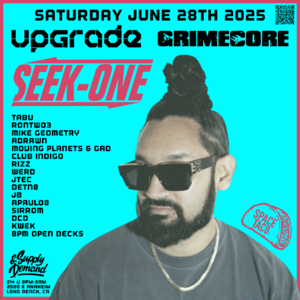
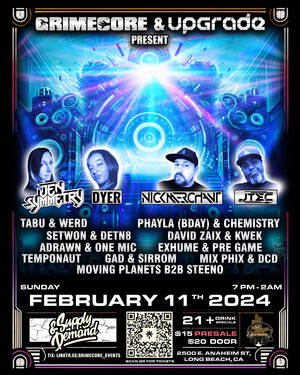
The venue’s final clearly documented period was concentrated in 2021-2025. Its programming favored compact, high-energy bills built around punk, hardcore, metal, death metal, alternative rock and adjacent scenes. It also hosted goth and emo DJ nights, record-release shows, local showcases, daytime concerts, community festivals, art events and occasional private-event activity. The booking pattern was notably independent and scene-driven rather than centered on mainstream touring acts.
The most complete year-by-year concert record publicly indexed for the venue identifies one show in 2021, four in 2022, three in 2023, seven in 2024 and three in 2025. The listed performances include Adema; Wayfarer; E.Town Concrete with Fury of Five, Lionheart, Desmadre, Hold My Own, Momentum and The World; Phobophilic; Dead Heat with Life’s Question, Gag and Stand Still; Jivebomb with Stateside, In Time, Expect the Worst and Big Infant; Black Tusk; Leftöver Crack; Abhoria; Maul; Vile Rites; Johnny Pandora; CHIEF; The Last of Lucy; Newharbor; Carsex; Leave It To Cleaver; Molly Vamp; Rising Elijah; JJ Braves; and Purusa.
A broader concert archive reports 209 past concerts in total and records additional 2024-2025 appearances, including Modern Color, Internal Bleeding, Scott H. Biram, Roddy Radiation & the Skabilly Rebels, The Peabrains, The Rocketz, Mike V and the Rats, Hickoids, Pat Todd & the Rankoutsiders, Conservative Military Image and Terrorizer LA Death Rites. The difference between the databases shows why individual event archives should be treated as incomplete historical records rather than a definitive official schedule.
Recurring or returning formats included Club Vampiros-style darkwave, post-punk and deathrock nights, goth-versus-emo DJ events, local punk and hardcore packages, record-release parties, and special daytime bills. The venue also participated in Long Beach’s Happy Sundays festival, which spread live music and community programming across the Zaferia corridor. During the pandemic, the room was used for weekly live-streamed music in partnership with local production interests before outdoor service resumed in October 2020.
Published ticket examples show how accessible the room’s normal pricing was. Standard multi-band bills were commonly advertised around $5-$15, with some 2025 shows listed at $10. A special October 2024 event carried a much higher $50 price, demonstrating that the range depended on the promoter, lineup and event format. These are historical examples only and should not be interpreted as current ticket prices.
A January 10, 2026 Long Beach miniFEST was advertised at the address with a 21-and-over entry policy and a published price of approximately $25 before additional charges. However, the current venue record shows no upcoming concerts and the property is now associated with vacancy and closure listings, so that announcement should not be treated as proof that the event ultimately took place at Supply & Demand. No verified 2026 or later programming was found.
Tickets and Booking
There is no current box office or active ticket inventory for Supply & Demand. Historically, tickets were promoted through individual event pages and by the show’s promoter. Some events stated that tickets were available at the door, while others encouraged advance purchase and early arrival. Because the room was small and most shows were standing-room events, popular weekend bills could reach capacity quickly.
Historical pricing generally favored low-cost general admission. A typical local or touring punk bill could be around $5-$15, while special showcases, festival-style programs or unusual bookings could cost more. The venue did not operate with a documented reserved-seat pricing structure, and no published seating chart or VIP ticket tier was found.
Promoter instructions commonly emphasized arriving early, particularly for 21-and-over club nights. A valid photo ID was required for events advertised as 21+, and the venue’s event pages frequently described the bar as fully stocked. Door sales were event-specific rather than guaranteed, so waiting until show night carried a risk of a sellout or a changed door price.
The venue also maintained a private-event inquiry page during its operating period. That indicates that private bookings were considered, although the public material does not establish a standard rental fee, private capacity, catering package or event-production rate. Those details should not be assumed for any future business occupying the address.
About Supply & Demand
Supply & Demand opened in late July 2019 at 2500 E. Anaheim Street in Long Beach’s Zaferia neighborhood. The business was created by Kevin and Erica Norton with Jair Aguirre after the former Black Light District bar and music venue left the site. The previous tenant was known for punk and metal shows and had appeared on reality television; the new owners substantially renovated the property and repositioned it as a more art-focused bar and live-music room.
The building itself was listed at approximately 2,376 square feet, with a one-story layout, an 84-foot frontage on Anaheim Street and a 1958 construction date. A commercial property listing described the interior as modern and industrial, with a bar, seating area and dance-floor or performance area. A separate venue description gave an approximate capacity of 150-200 people, but no official capacity certificate or authoritative public floor plan was found, so that number should be treated as an informed estimate rather than a confirmed maximum.
In January 2020, the Long Beach City Council approved an entertainment permit for Supply & Demand with conditions, categorized as entertainment without dancing. That permit was important because it formally recognized the venue’s live-performance role rather than treating the business only as a bar.
The pandemic interrupted the venue only months after opening. Its stage went dark for much of 2020, although the space supported weekly live music streams. In October 2020, the business reopened outdoors with a temporary parklet, spaced tables, food service and an LBC Tacos cart. The reopening reflected the venue’s effort to combine nightlife, food and neighborhood gathering during a period when indoor entertainment was restricted.
Seating and Layout
Supply & Demand was fundamentally a general-admission club. Visitor descriptions consistently portray a large standing area in front of a raised, approximately waist-high stage, with stools along the bar and only one or two tables. The practical result was a close audience-to-performer relationship rather than a theater-style seating experience.
The best viewing position was likely near the center of the room but far enough back to avoid the densest crowd immediately in front of the stage. Fans wanting the strongest sense of intimacy could stand close to the performers, while guests seeking a break from the volume could use the bar stools or the exterior smoking patio described in visitor reviews. No balcony, reserved seating section or documented VIP area was found.
Because the room was compact, sightlines depended more on crowd density than on formal seating design. Arriving early would have helped guests choose a comfortable position, particularly for shows with multiple bands or a strong local following. No official dimensions for the stage, dance floor, bar, aisles or restroom approach were published.
Sound, Lighting and Production
Detailed technical specifications were not publicly released. There is no verified equipment list naming the PA manufacturer, console, monitor wedges, microphones, lighting fixtures, stage dimensions, power distribution or house backline.
Audience and performer reviews were unusually consistent about the sound. They describe a clear, loud system, capable stage monitors and an experienced sound engineer who made it possible for bands to hear themselves. One performer characterized the stage as professional despite the venue’s intimate, dive-bar scale. These are user experiences rather than an official technical rider, but they help explain why touring and regional heavy-music acts continued to use the room.
The visual identity was more thoroughly documented than the production inventory. The space was described as a gallery-style bar with curated art walls and industrial-chic finishes. A large blue eye mural by CRASH for POW! WOW! Long Beach appeared on the exterior, giving the corner a recognizable visual marker.
Getting There and Parking
The former venue address was 2500 E. Anaheim Street, Long Beach, California 90804, at the corner of Anaheim Street and Stanley Avenue in Zaferia. There was no documented dedicated customer parking lot. Visitor reviews repeatedly described street parking as the main option and warned that spaces became harder to find later at night, sometimes requiring a walk of one or two blocks.
The nearest rail connection was the Metro A Line’s Anaheim Street Station on Long Beach Boulevard. From the station, the historic walk to the venue was east along Anaheim Street toward Stanley Avenue, roughly 10-15 minutes depending on pace and exact route. Long Beach Transit service on Anaheim Street included routes serving the Anaheim and Long Beach Boulevard area; current route patterns should not be assumed to apply to a future occupant of the address.
Rideshare vehicles could historically use the curb near the Anaheim Street and Stanley Avenue corner, but no official rideshare loading zone was published. The venue’s own coverage and local reporting repeatedly encouraged walking, biking, scooting or rideshare because of the parking pressure around the corridor. Since the business is closed, transportation planning now applies only to the property’s location or any future replacement venue.
Inside the Venue
The interior combined a full bar with live music, art and a compact performance floor. Public descriptions mention beer on tap, local and mainstream beer choices, cocktails, spirits and handcrafted bites. During the 2020 outdoor reopening, food was served through the LBC Tacos cart, including carne asada, pollo asado, al pastor and vegan picadillo tacos. Later public listings also mention tacos, sandwiches and other bar food, although menus varied over time.
The atmosphere was casual, dim and energetic, with most guests standing during shows. Reviews praised friendly bartenders, clean or serviceable facilities, the art on the walls and a welcoming local crowd. The main criticisms were practical: limited seating, tight space during busy shows and difficulty parking late at night. A small exterior smoking area provided a place to step away from the performance room.
Event pages regularly identified shows as 21-and-over. There is no verified permanent bag policy, coat-check policy, photography policy, dress code or published list of prohibited items. Visitors should not transfer generic club rules from other venues to this address or assume that any future operator will retain Supply & Demand’s former policies.
Accessibility and Inclusive Facilities
Some public business listings marked Supply & Demand as wheelchair accessible, but the available evidence does not provide a detailed ADA description. No authoritative public source confirms the exact entrance route, door width, accessible seating location, restroom layout, counter height, accessible parking arrangement or accommodation procedure.
The venue was on a one-story commercial site, and the compact general-admission layout could make crowd navigation difficult during a busy show even if the entrance itself was accessible. Because the business has closed, no current accessibility service can be promised. Anyone planning to visit a future business at 2500 E. Anaheim Street should request specific information about step-free entry, restroom access, seating, service animals, communication accommodations and emergency egress before purchasing admission.
Supply & Demand was also identified as a member of Long Beach’s Safe Spaces Alliance and was described as a welcoming venue for queer guests and the wider community. Its cultural value came partly from combining nightlife, local art and live music in a neighborhood setting rather than operating as a large commercial concert hall.
Nearby Amenities and Community Role
The venue sat on an active Anaheim Street nightlife corridor. Local reporting specifically connected its foot traffic with nearby legacy businesses including Joe Jost’s and Alex’s Bar, and residents told the City Council that the added nighttime activity made the corner feel safer. The venue’s approved parklet occupied two parking spaces but created additional outdoor seating and allowed alcohol service outside.
Supply & Demand’s economic effect was modest in scale but visible at street level. It employed hospitality and production workers, brought visiting bands and their audiences into Zaferia, supported local promoters and contributed to the corridor’s identity as a live-music district. During a parklet hearing, the owner said removing the temporary outdoor seating had caused a substantial business decline, while residents argued that the venue helped other nearby establishments attract customers.
Its cultural impact was similarly local rather than citywide. The room provided a reliable stage for punk, hardcore, metal, goth, alternative and experimental artists who might not fit larger Long Beach venues. Events such as Ink & Drink also connected visual artists, musicians and neighborhood patrons. The venue’s closure leaves a documented gap in the small-room ecosystem that supported these scenes.
What Made Supply & Demand Special
Supply & Demand was distinctive because it combined three identities in one small property: neighborhood bar, gallery-style art space and serious live-music room. Its programming was adventurous without requiring a large production budget, and its stage could accommodate touring heavy bands, developing local acts, DJs, record releases and community events.
The room’s strongest feature was proximity. Performers played only a short distance from the audience, and the relatively capable sound system gave the venue more musical credibility than its modest size might suggest. The art-covered walls, exterior mural, parklet and informal bar atmosphere made it feel rooted in Long Beach rather than interchangeable with a national club chain.
Its history also reflects the volatility of small independent venues. Supply & Demand opened in 2019, faced pandemic restrictions soon afterward, adapted with streaming and outdoor service, secured formal entertainment approval, built community support around a parklet and continued booking shows through at least 2025. By September 2026, however, the venue was listed as closed, with no confirmed future programming under the name.
Frequently Asked Questions
Is Supply & Demand in Long Beach open now?
No. As of September 16, 2026, public business listings identify Supply & Demand as permanently closed, and concert listings show zero upcoming events. The former address is associated with property-sale or vacancy information rather than an active venue schedule. The exact closing date was not confirmed in the sources reviewed, so visitors should not travel there expecting a bar, concert or ticketed event.
Are there Supply & Demand concerts in 2026?
No verified current concerts were found for the venue in 2026. A January 10, 2026 miniFEST was advertised at the address, but later venue listings show no upcoming concerts and the property is now associated with closure information. Because the event’s completion could not be independently confirmed, it should be treated as an old or possibly canceled listing rather than current programming.
What was the last documented Supply & Demand show?
Public concert archives record Supply & Demand performances in 2025, including a July 31 bill with Rising Elijah, JJ Braves and Purusa. Another concert database lists shows through November 1, 2025, including Ish D. The archives do not agree on every date, so no single final performance can be guaranteed without an official closing announcement or complete venue records.
What kind of music did Supply & Demand book?
The venue was especially associated with punk, hardcore, metal, death metal and alternative rock. Its historical listings also include goth, emo, darkwave, post-punk, hip-hop, DJs, psychobilly, roots-oriented performers and experimental acts. Most shows were multi-band bills featuring local, regional and touring artists, making the room particularly important for scenes that rely on small independent stages.
How much did Supply & Demand tickets cost?
Historical event prices commonly fell around $5-$15 for local or multi-band shows. Published examples include $5 goth or emo programming, $10 punk and hardcore bills, and a $50 special event. Prices varied by promoter, lineup and format, and some events added service charges. These figures describe the former venue’s historical pricing, not tickets currently available for purchase.
Could I buy tickets at the door?
Sometimes. Several historical event notices stated that door tickets were available, while others promoted advance admission and encouraged early arrival. Door availability depended on capacity and the promoter, so it was never safe to assume that a popular show would have tickets left. Since the venue is closed, there are no current door sales, box-office hours or official ticket-release policies.
Was Supply & Demand all ages?
Most documented nightlife and concert listings described the venue as 21-and-over, particularly when the bar was operating normally. A valid photo ID was required for those events. The sources reviewed do not establish a universal all-ages policy or reliable exceptions for daytime shows. Any future operator at the address could set different age restrictions.
What was the capacity of Supply & Demand?
The property measured approximately 2,376 square feet. A public venue description estimated that it held roughly 150-200 people, but no official certificate of occupancy or published maximum capacity was located. The room was primarily standing-room, with bar stools and very limited table seating. The estimated capacity should therefore be treated as approximate rather than an official figure.
Did Supply & Demand have reserved seats?
No reserved-seat layout was documented. Visitor descriptions portray a general-admission room with a raised stage, a standing audience area, bar stools and one or two tables. Guests who wanted a clear view or a place to sit generally needed to arrive early. There was no verified balcony, theater seating section, formal VIP zone or assigned seating map.
How was the sound at Supply & Demand?
Reviews from performers and guests were broadly positive. They described the system as loud but clear, with effective stage monitors and a sound engineer who helped bands hear themselves. No official technical rider identifies the PA brand, console, microphones or monitor inventory. The strongest evidence is therefore practical user experience rather than published production specifications.
Where was Supply & Demand located?
The venue was at 2500 E. Anaheim Street, Long Beach, California 90804, near the intersection with Stanley Avenue in the Zaferia neighborhood. It occupied a one-story commercial property with frontage on Anaheim Street. Because the business has closed, the address should be used only as a historical reference or when identifying the property’s future occupant.
Was there parking at Supply & Demand?
No dedicated customer parking lot was documented. Visitors generally used street parking, which reviews described as difficult to find late at night and sometimes one or two blocks away. The approved parklet occupied two spaces outside the venue, adding outdoor seating but reducing curbside parking. Anyone visiting a future business at the address should check current parking signs and restrictions.
How did people reach the venue without driving?
The closest rail connection was the Metro A Line’s Anaheim Street Station on Long Beach Boulevard. From there, visitors historically walked east along Anaheim Street toward Stanley Avenue, approximately 10-15 minutes depending on the route. Long Beach Transit buses also served Anaheim Street. Route numbers and schedules change, so current transit information should be checked for any future venue using the property.
Did Supply & Demand serve food?
Yes, historical descriptions mention handcrafted bites, bar food, sandwiches and tacos. During the 2020 outdoor reopening, the associated LBC Tacos cart served carne asada, pollo asado, al pastor and vegan picadillo tacos. Menus changed over time, and the available research does not establish a permanent kitchen menu, regular food hours or a continuing food operation after the venue’s closure.
Did Supply & Demand have outdoor seating?
Yes. The business used outdoor seating during its pandemic reopening and later received approval for a permanent parklet. The parklet took up two parking spaces, provided additional seating and allowed alcohol service outdoors. It became part of the venue’s neighborhood identity and was discussed publicly as a way to support business activity and improve nighttime foot traffic along Anaheim Street.
Was Supply & Demand wheelchair accessible?
Some public business listings marked the venue as wheelchair accessible, but no detailed ADA assessment was found. The sources do not verify step-free entrance dimensions, accessible seating, restroom access, counter height or parking arrangements. Since the business is closed, current accessibility cannot be confirmed. Visitors should request specific accommodation information from any future operator before attending an event.
Did Supply & Demand host private events?
Yes, the former venue maintained a private-event inquiry page, indicating that private bookings were considered. However, no verified public rate sheet, catering package, rental capacity or standard event contract was found. The business’s closure means that old private-event information is no longer a booking option unless a future operator independently revives the concept.
What was the venue’s connection to Long Beach’s arts scene?
Supply & Demand combined live music with curated art walls, an exterior mural and events such as Ink & Drink, where artists drew, socialized and listened to music. It also participated in community-wide programming in the Zaferia district. Its value was not only as a concert room but as a social meeting point connecting musicians, visual artists, promoters and local residents.
Why did Supply & Demand matter to Zaferia?
The venue brought regular nighttime activity to a corridor with several independent businesses and helped create a recognizable small-venue circuit. Residents told city officials that its presence increased foot traffic and made the corner feel safer after dark. Its shows also gave touring and local punk, hardcore, metal and alternative artists a room suited to audiences too small for major concert halls.
What replaced Supply & Demand?
No confirmed replacement name was found as of September 16, 2026. Public property information refers to the former bar site and describes the building in commercial real-estate terms, while business directories continue to identify the old venue as closed. A future tenant may change the property’s use, but no verified new venue or entertainment brand should be stated yet.