About SECRET DTLA WAREHOUSE
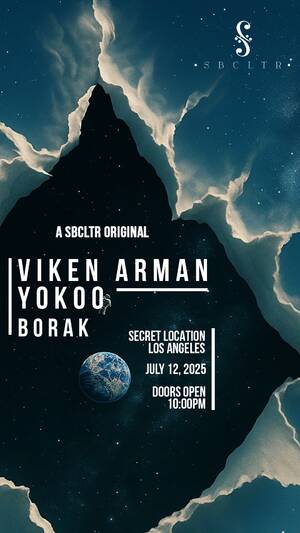
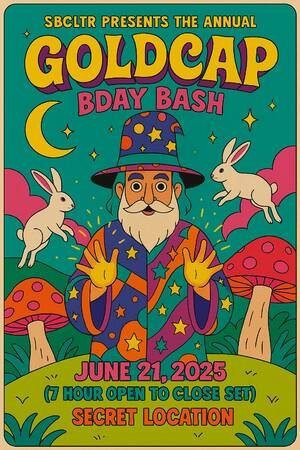
SECRET DTLA WAREHOUSE isn’t a traditional theater or arena at all but part of Los Angeles’s underground warehouse party scene. Rather than a fixed address, it operates as a “pop-up” event space in Los Angeles’s industrial Arts District or nearby Skid Row. The exact location is kept secret (often revealed only hours before the event), giving it a speakeasy allure. These parties turn old industrial lofts – typically sturdy brick-and-beam warehouses – into club venues. Observers describe them as raw, gritty spaces dripping with industrial character: one account notes neon strips wound around steel beams and art projections flickering on exposed brick walls (pm-mediaevents.com ). In short, SECRET DTLA WAREHOUSE delivers a back-to-basics, warehouse aesthetic that recalls early rave culture, which many find more **authentic and communal** than glitzy downtown clubs.
Capacity is never officially advertised, but these events are typically intimate by design – often a few hundred people maximum. There are no balconies or reserved sections, just an open hall and a dancefloor. Promoters often stress that this is a 21+ event in a DIY-like setting. Because it’s not a city-sanctioned nightclub, there’s no marquee or sign on the street. Instead, the vibe is of an exclusive underground gathering that only insiders know about. In fact, late-night lifestyle coverage of L.A. raves notes that these secret warehouse parties thrive by staying under the radar, with hosts sometimes even **referring to the locations without names** so as not to draw crowds early (lamag.com ). This sense of mystery and raw authenticity makes secret warehouse parties an important part of LA’s nightlife culture. They offer a stark contrast to polished clubs and festivals, featuring smaller lineups of passionate DJs and hosting a community of local ravers who value freedom from big-commercial nightlife.
In short, SECRET DTLA WAREHOUSE matters because it keeps alive L.A.’s underground party tradition. The movement has roots in the city’s early rave and bloghouse eras, and after a pandemic lull it’s surged anew in recent years (edm.com ). As one dance-culture writer notes, Los Angeles has “empty buildings and remote corners,” and rising festival costs have driven many fans back into these illicit warehouse spaces (lamag.com ). For locals, SECRET DTLA WAREHOUSE is memorable for its sense of rebellion and community – a place where up-and-coming DJs tribalistically suppress mainstream expectations. Partygoers participate in a sort of shared ritual: scrambling for tickets, hiking through an alley to enter, and dancing amid graffiti and low ceilings. These factors – its secrecy, DIY character, and rave pedigree – are what give SECRET DTLA WAREHOUSE its unique identity and significance in Los Angeles’s nightlife scene.
Events and Programming
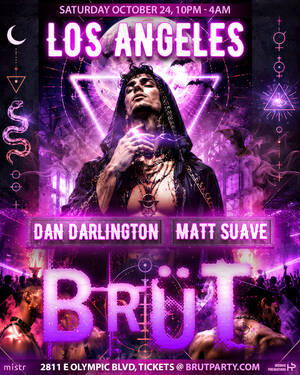
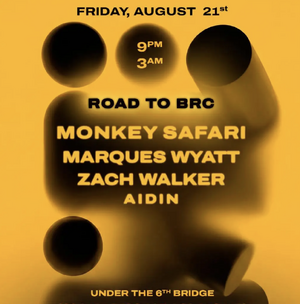
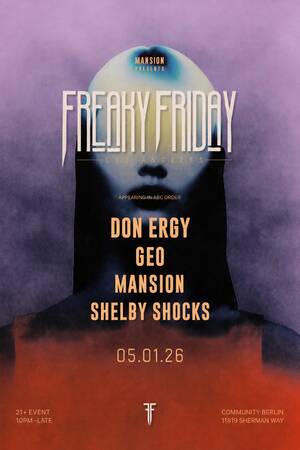
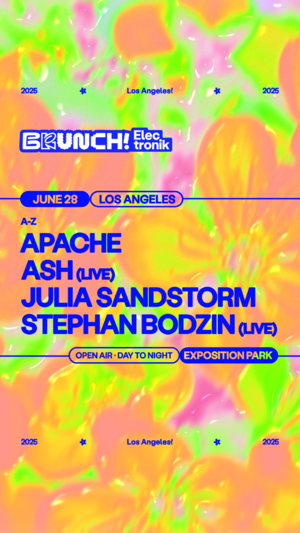
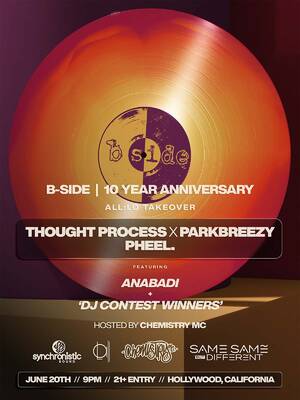
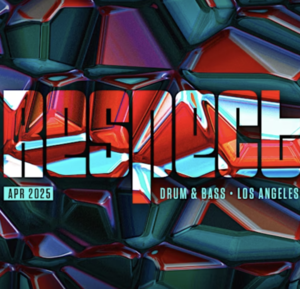
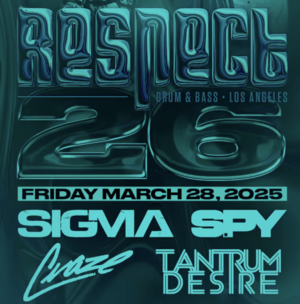
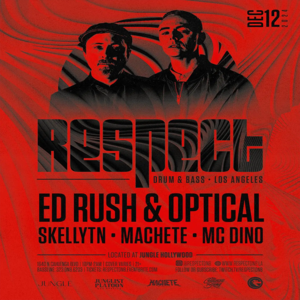
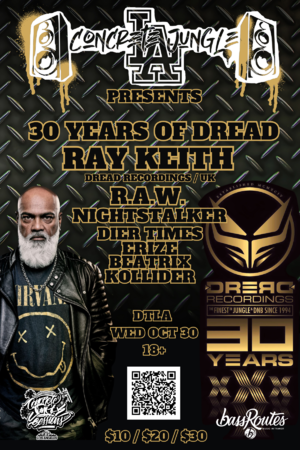
The programming at SECRET DTLA WAREHOUSE focuses on dance music and underground performances rather than concerts or sports. Most events are DJ-driven warehouse parties. Expect genres like house, techno, drum & bass and even experimental breaks – essentially anything electronic and dance-oriented that suits a rave vibe. Lineups often mix local underground talent with regional or even international names. For example, one recent event billed as a “DTLA Warehouse Experience” featured techno veterans like Carlo Lio alongside L.A. scene stars (with support from residents such as David Scuba and Tattoo Pudge) (ra.co ). In another instance, a surprise guest performance by local DJ Moxie Grey was a highlight late in the night (pm-mediaevents.com ). In short, the roster is eclectic but skews toward electronic genres – Deep House might kick off the night, then DJs typically dial it up through techno and bass-heavy sets as the early-morning hours approach (pm-mediaevents.com ).
These parties are not rare one-offs; SECRET DTLA WAREHOUSE has hosted multiple events each year, especially on weekends or holidays. Events often run late (sometimes past sunrise) and are announced only a week or two ahead of time. Because of the secretive nature, they usually aren’t listed openly on Eventbrite or major ticket sites – instead, announcements may drop in underground music communities or through promoters’ email/text lists. Ticket prices tend to be modest. According to scene reports, many L.A. warehouse raves are “often free or very affordable” as a way to stay inclusive (edm.com ). In practice, cover charges for Secret Warehouse nights can range from low-fee admission up to around \$20–\$30, depending on the headliners. (Sometimes early-bird tickets might cost under \$10, or organizers may let the first wave in at low cost.) In general, you won’t see the hundreds of dollars it costs to attend big club events – most capacity is General Admission, and promoters aim to make it accessible to their core community.
Notable recurring themes include “All Night Warehouse” series or labels like TechnoFam and Superfreq curating shows. For example, the Perfect Dark LA collective has thrown genre-defying warehouse nights in DTLA, and events are occasionally labeled as “RA Picks” on Resident Advisor, underscoring their underground acid/techno style (ra.co ). Even though these parties are secret, they can still develop a loyal following. In any given month there might be a handful of such events, sometimes on consecutive weekends. If an event has no big headliner, organizers might stitch in a surprise late-night drop, making the vibe democratic: everyone from the first person dancing to the DJs shares the floor. One outsider review calls it “LA’s underground nightlife beyond velvet ropes” – it’s raw and because every dancer is inches from the booth there’s an irresistible energy unlike ticketed club shows (pm-mediaevents.com ).
Tickets and Booking
Tickets for SECRET DTLA WAREHOUSE are usually not sold through conventional box offices or big-ticket websites due to the secret code of these events. Instead, you typically have to go through the event’s promoter or affiliated social networks. Most often, organizers run their own invite lists or email newsletters. To get tickets, the key strategy is to stay plugged into the underground scene: follow local techno and house blogs, sign up for collectives’ mailing lists, or keep an eye on platforms like Resident Advisor where some warehouse events are quietly posted. (For example, one RA listing had an upcoming DTLA warehouse night with lineup details but simply said “Tickets TBA” until closer to showtime.) In practice, tickets tend to sell out fast when they do go on sale. Crew members often drop a limited number of pre-sale codes or link invites to loyal fans first. If you see an official email or social post – say, “Pop-Up Party Tickets on Sale Friday!” – expect demand to be high and get your request in right away.
There is no standard box-office or will-call. Promoters might use online RSVP forms or their own websites. It’s rare to be able to just walk up and buy a ticket the night of; many events sell to capacity ahead of time. Because of this, some events may also keep a small “door list” for last-minute entries, but that’s never guaranteed. In short: check any official (but underground) channels where the organizers share info, and buy as soon as you get the chance. As for prices, expect tiered pricing simply by timing. Early-release tickets (if any) might be cheapest, with standard admission higher and possibly a few late-arrival tickets at peak price if any remain. But again, everything here is on a much smaller scale than a public nightclub – think \$10–\$30 depending on the headliner and how early you bought. The main point is to stay alert on socials or email for the announcement, because once tickets are out they typically vanish quickly given the limited venue size.
Seating and Layout
SECRET DTLA WAREHOUSE does not have reserved seats or VIP booths – it’s 100% general admission with standing room everywhere. The floorplan is usually a simple open hall. At one end there’s a DJ booth or stage area under gritty industrial ceilings. Attendees stand and dance with no fixed seating. This means every spot on the main floor has roughly the same experience: you can dance literally up next to the DJ because there are reportedly “no stage barricades” or cordoned-off VIP sections (pm-mediaevents.com ). Promoters emphasize this lack of hierarchy, so even cheap tickets feel like front-row access. Of course, that also means first-come gets the closest position to the booth, so if you want prime viewing (and sound) you’ll want to grab a spot sooner rather than later.
General Admission (GA): The floor is GA, so you can move freely. Pick your spot – if you like being in the thick of things, head center or front. If you prefer room to dance, the edges are slightly less crowded. In practice, wherever you stand you’ll be close to the action, since the venue is intentionally all-hands-on-deck.
Stage/DJ Booth: Expect the DJ area to be on a raised platform or at ground level at one side of the hall. Every angle in the room should have a view, as the space is usually just one big open loft. Audio/visual equipment (speakers, lights, lasers) are arranged to face the crowd directly.
Viewing and Sound: Since the room is industrial, there may be pillars or hanging trusses. In that case, avoid standing directly behind any columns if possible. Otherwise, nearly every position on the dance floor yields a good line of sight and fully blasted sound. The organizers often bring in high-quality sound systems, so even though it’s a raw space, the music is usually crisp and powerful (edm.com ).
Bar/Restroom Areas: If bars or bathrooms exist (often along back or side walls), keep in mind those spots have traffic. You might see a portable bar truck or a peppered food stall. (de.ra.co ) Many attendees cluster there to catch a break, so they aren’t ideal if you want uninterrupted dancing. In general the dance floor itself has the best vibes.
Because there is no seating, wear comfortable shoes and clothing (see Visitor Tips below). If you’re sensitive to sound, consider earplugs; these events can get LOUD. That said, the lack of a permanent roof or thick vaulted ceiling can actually make the sound more breathable compared to a cramped club. Overall, the layout is as minimal as it gets: imagine a painter’s loft turned nightclub. What you give up in luxury (no cushy chairs) you gain in community – everyone’s together on the same level dancing side-by-side (pm-mediaevents.com ).
Getting There and Parking
Because the venue’s exact address is kept secret until showtime, planning your route takes a bit of patience. Promoters usually send an SMS or email just a few hours before doors open with cross streets or sometimes a pin drop. Past parties have been in downtown’s industrial sections (typically Arts District or near Skid Row), so put “Downtown LA” or a known warehouse landmark as your initial target. Your driver or rideshare app may not know the final block until that address is given, so plan for a meet-up strategy. In one review of a recent event, attendees parked on a loading-dock street and entered through a gated alley off a sketchy arts-district block (pm-mediaevents.com ). It’s smart to arrive soon after the address lands, since parking right at the door is usually not possible.
Public Transit: If you prefer rail or bus, get as close in advance as possible. The nearest Metro rail stops will depend on exactly where the party is, but Union Station (Gold/Red Lines) or 7th St/Metro (Purple/Blue Lines) put you in downtown core. From there, take a quick rideshare or city bus east into the warehouse area. A few bus lines (for example, the westbound lines on 7th or 6th streets) run by portions of the Arts District. Note that after-midnight service is limited: the Metro Blue/Expo Lines have 24/7 service now, but some bus routes end early in DTLA. Even if you save on transit, be ready to pay for a late-night ride home. Many people find it safer and easier to Uber/Lyft or taxi all the way if they’re unfamiliar with the neighborhood late at night.
Driving and Parking: Managing a car is tricky around here. There’s generally no official lot or free parking reserved for attendees. Street parking exists but is scarce on weekend nights – meters fill up, and neighborhood permit zones may be in effect. Organizers often mitigate this by renting a remote lot (sometimes a few blocks away) and providing a shuttle. One article noted that warehouse parties will “utilize parking lots a mile or so away and shuttling attendants to the real venue” (lamag.com ). In practice, this means you might park on some side street or unused lot and then walk or ride a shuttle bus to the actual warehouse entrance. If that option isn’t offered, try paid parking garages a few blocks out – but plan extra time to walk. Finally, rideshare drop-offs are common; often the event will direct cars to a particular alley or loading dock entrance rather than letting people navigate on their own.
Rideshare Drop-off: Whether you drive or get dropped off, expect to be guided to an inconspicuous entry. In one described event, bouncers were positioned at a gated alley, checking wristbands at dim light (pm-mediaevents.com ). Look for string lights, graffiti on the walls, or a small LED light by the door – these are common clues. It helps to coordinate with your ride: sometimes promoters send a specific corner (like “6th and Santa Fe”.) Tell your driver to pause and let you out there. Keep your phone handy so they can text you any last-minute instructions.
In summary: treat SECRET DTLA WAREHOUSE more like a private pop-up than a listed address. Plan to be flexible. If in doubt, earlier arrival (short walk from a reasonable lot or Metro stop) is safer than rushing and risking a missed entry. And keep your camera or phone ready – sometimes a clue is literally posted on a billboard or graffiti wall at the last minute.
Inside the Venue
When you step inside the warehouse, expect a very different vibe than a glossy nightclub. First, ID and security: guards will almost certainly check your ID (usually 21+) and scan or check your wristband before entry. Because these events are all-age 21+, bring government ID even if it’s “just electronic dance music.” You may also experience a quick bag check. Once inside, your senses will be hit by pounding sound and vivid visuals. Organizers typically set up professional-grade equipment – expect a high-quality DJ mixer, club-sized speakers, and dynamic lighting or lasers. One writer’s account vividly described neon lights on steel supports and lasers piercing smoky air (pm-mediaevents.com ). Many events even include art installations or projections to give the concrete space more color and mood. The overall atmosphere is intense but friendly – you’ll see ravers in street-fashion, Y2K or gothic rave gear (pm-mediaevents.com ) (edm.com ), and plenty of smiles at the shared energy. It feels raw and industrial, but with a familiar rave-party heartbeat.
There is generally limited comfort amenities: don’t expect elaborate lounge furniture or fancy fixtures. Some organizers try to make it welcoming, though. One event flyer promised “places to sit… food to eat and share,” as part of making the environment comfortable (de.ra.co ). In practice, this might mean a few folding chairs, a picnic-type area, or a food truck in the yard (tacos and pizza trucks are common). Many parties do put out drink tables or set up a bar on one side of the warehouse floor. Often you’ll see a makeshift bar rail or booth selling beer, wine or cocktails. Note that bringing outside alcohol is usually not allowed – the hosts will either have a cash bar or some complementary water/soft drinks available. Occasionally a party will hand out snacks or even complimentary pizza slices, but always expect lines for those.
Restrooms are usually basic. In some cases there might be one or two old warehouse restrooms or converted porta-potties outside. Lines can form quickly in a packed crowd, so it’s wise to go early when you can. Sanitation tends to be rudimentary: don’t be surprised if it’s a single portable toilet or an old brick restroom room. Bring some tissues or sanitizer in case supplies run low.
As for tech, wifi and cell service can be spotty inside thick walls, so don’t rely on streaming or large uploads. Most people use their phones mainly for photos or coordinating with friends. The venue may or may not have its own Wi-Fi, but often it’s just as forgettable as a dim corner at a concert hall. You’ll likely see attendees tethering off their own data plans. Keep your phone charged or bring a portable battery if you plan to rely on camera use or ride-share apps later on.
In summary, inside SECRET DTLA WAREHOUSE you’ll find:
Entry & Security: ID check and wristbands are standard. Security is tight but friendly and focused on fun. If there’s a queue, smiles and patience go a long way – it’s usually orderly with people respecting the rules.
Music & Lighting: Expect an immersive audiovisual setup. House and techno are accompanied by heavy bass through a PA, with light shows, lasers or projections setting a moody scene. As one article noted, the goal is “professional grade production” to rival top clubs (edm.com ), so enjoy crisp sound and artful lighting effects.
Bar & Food: Typically a simple bar area sells drinks (cash or card). Some events bring street-food vendors or free communal snacks. The vibe is very communal: people often share pizza boxes or bottles of water with each other just as much as they crowd surf.
Atmosphere: No VIP rope, no reserved seating (pm-mediaevents.com ). Dance freely with everyone. The scene is inclusive and creative. Staff often encourage a respectful “PLUR” attitude (peace, love, unity, respect) among partygoers (lamag.com ).
By late night (often 1–4 AM), the party peaks. Since secret raves can run until sunrise, plan on an all-night affair. One attendee noted DJs playing “until sunrise” on the lineup (pm-mediaevents.com ) – so if you come early, be ready to dance late. After-hours, if you stay, you’ll find many of the crowd still hanging, possibly watching a final DJ set boosted by dawn’s early light seeping through garage doors. The energy usually stays high until closing, giving SECRET DTLA WAREHOUSE events a legendary all-night endurance as part of their character.
Nearby Amenities
Because the venue address changes each time, “nearby” depends on that night’s secret location. However, if the event is in the DTLA Arts District or eastern Downtown, there are plenty of places to eat, drink and stay within a few blocks (day or evening) of the area. For pre-show dining, the Arts District is known for its trendy restaurants. For example, Bestia (Italian) and Bavel (Middle Eastern) are landmark spots, though they tend to draw crowds. If you want something quicker, head one block south into the Fashion District for taco trucks and hole-in-the-wall taquerias that stay open late. The nearby Grand Central Market downtown (a short rideshare away) offers dozens of casual eats too.
For bars and nightlife, the Arts District itself has casual breweries and lounges. Angel City Brewery and Arts District Brewing Co. pour local beers, and The Varnish (by Cole’s) or Seven Grand (whiskey bar) are a couple classy cocktail spots if you want a sit-down drink before the show. If the event is closer to Little Tokyo or the Historic Core, good options include craft beer bars and coffee shops like Cafe Dulce or Blue Bottle Coffee to kill time early. A few high-end hotels are in the vicinity (Ace Hotel DTLA, The Standard, or Freehand LA) if you want to book a room. Otherwise, downtown Airbnbs are plentiful. Wherever you decide to eat or drink, give yourself extra travel time on a weekend night; traffic and parking can be tough, as L.A. writers note the Arts District often jams up by evening (www.timeout.com ).
After the event, rideshare and taxis will be your best bet. DTLA has reasonably reliable late-night cab service, but make sure your phone is charged so you can request a ride. Metro also runs trains late (the A and E Lines in downtown usually run well past midnight, though check the newer all-night schedules). If you’ve driven, use a flashlight or app map to find your car – street parking can look different after dark. And if you’re hungry post-rave, note that several downtown spots (especially in Little Tokyo or Main Street) serve very late or even 24/7 breakfasts. In short, enjoy the vibrant Arts District nightlife before and after the party – just plan for the unique timing and always lock your car late at night.
What Makes This Venue Special
secret secrets aside, SECRET DTLA WAREHOUSE stands out for several reasons beyond its address. Architecturally, the exposed brick, visible air ducts and the sheer openness give it a raw, industrial character that many fans find captivating. There is symbolic weight to partying in a space that once stored goods or housed factories – it connects LA’s past as a working city to its present as a creative cultural hub. That raw atmosphere draws artists as much as clubbers. DJs appreciate the freedom it offers: one promoter specifically mentioned raising production values to “set a standard of professional-grade production” in these warehouses (edm.com ), meaning performers know they’ll have great gear and visuals to support their set. And because there’s no VIP barrier, the crowd itself becomes the star of the show, which can be very appealing to both DJs and fans.
Culturally, SECRET DTLA WAREHOUSE is part of a famed L.A. warehouse rave history. It carries on traditions from the city’s earlier underground scenes (think early 2000s rave or “bloghouse” era). Its very emergence tells a story: as one writer puts it, rising mainstream festival costs have driven ravers “to the city’s darkest and most derelict corners,” making these hidden parties a crucial part of today’s scene (lamag.com ). This has made some of these warehouse nights legendary amongst fans. People talk about them like secret experiences – the adrenaline of finding the spot, and the novelty of dancing in a place that could almost be a movie set. One event recap even concluded that “LA’s underground is alive and well” precisely because of the raw, authentic nights at secret warehouses (pm-mediaevents.com ).
Another aspect that makes the warehouse special is the sense of community and safety many attendees describe. The scene often prides itself on embodying PLUR (Peace, Love, Unity, Respect). As one local DJ said of the experience: “As scary as it might seem to go down some crazy alley into some random warehouse… as soon as you get in there, it’s all about the music” (lamag.com ). That sentiment highlights how the party’s intimacy forces connection. Regulars know each other by face (or by heart), everyone shares the same dancefloor, and even strangers greet with hugs. This family-like energy – finding familiar faces in an unfamiliar venue – is frequently mentioned in rave coverage. Even after a tragic shooting at another underground venue, one organizer told the press he uses well-trained security guards and EMTs to make sure things stay safe (lamag.com ). In practice, that means staff look out for the crowd. Many participants report that they felt a strong “relay” of responsibility: you care for the person next to you as you blast tunes into the night. This intentional community focus sets SECRET DTLA WAREHOUSE apart from anonymous clubs or festivals; it’s about a shared adventure.
Lastly, the venue’s place in local culture is cemented by the fact that the organizers behind it aren’t in it for profit. According to one EDM.com profile, L.A. warehouse rave collectives admit they do these parties out of pure passion, not to make money (edm.com ). You can see that in the details: no extra charges for small things, no expensive bottle service, and often an emphasis on free or affordable music. That communal, do-it-for-love ethic resonates with patrons. In summary, SECRET DTLA WAREHOUSE is special because of its gritty backdrop, midnight-to-dawn creative spirit, and the tight-knit music community that electrifies it. For high-energy clubbers and techno heads alike, it’s a bucket-list experience – a place where the “underground” label really means something.
Visitor Tips and Information
Planning a visit to SECRET DTLA WAREHOUSE requires a bit more effort than a regular show. Here are some tips to make the night go smoothly:
Bring ID and Lumiere of Payment: This is almost certainly a 21+ event, so a valid government ID (driver’s license, passport, etc.) is mandatory at the door. Have it ready to show with your ticket confirmation. Also bring enough cash or a card for the cover fee, as well as for drinks. Some small vendors inside may only take cash, so \$20-40 in bills is wise. Carry your ticket (or e-ticket on your phone) and confirmation on your person – print out backup just in case.
Comfortable Dress: There’s no dress code, but wear something comfortable and expressive. Techno and rave culture often encourages creative outfits (think colorful rave gear, streetwear, or whatever you feel self-confident in). Importantly, wear good shoes – flip-flops or heavy boots are popular because you’ll be standing and dancing a long time on a concrete floor. Layers are good too, since warehouses can be chilly at 2 AM but may heat up on the dancefloor. One advantage of this DIY space is that you should avoid anything you’d hate to lose, as pockets are minimal. Also, since photos can happen, dress how you’d want to be captured in a concert snapshot!
What Not to Bring: Unlike clubs, you generally won’t find a coat check, so limit your belongings. A small daypack or fanny pack is fine; avoid large backpacks or anything bulky that might get in the way. Outside food, alcohol, or cannabis are almost surely disallowed – if you’d want those, wait for intermission or after-party outside. Some venues may allow a tiny snack, but when security is patting bags it’s best to simply enjoy what the bar/food serves. Professional cameras and big lenses are typically not permitted, so your phone camera is your safest bet if you want pictures. And since the location is uncover-ed and possibly odd, don’t lug unnecessary valuables in case the coatroom (if any) vs. floor is unsecured.
Arrival Timing: Once you get the secret address, don’t linger elsewhere first (unless you know a safe meeting spot). Plan to arrive at or shortly after doors open. The warehouse crowd generally forms a line outside, and arriving early gets you closer to the front. If an event is advertised as starting at 10 PM, for example, aim to be in line by then – shows often have tight door policies. However, because there are no assigned seats, being late is still ok as long as it’s before the set you want to see; many people arrive in waves after the headliner time. San Diego rave news quotes organizers urging guests to not be “the last ones there” when the lineup is announced, since space can fill up quickly in that industrial loft space (pm-mediaevents.com ) (edm.com ).
Common Pitfalls to Avoid: Don’t trust a rideshare to lead you to the door before the address is published – you might end up driving circles. Wait for the official drop-point instructions via text or on your email. Also, watch out for personal safety: stay with your group, use the standard buddy system, and keep your valuables secure. Even though these parties pride themselves on safety and respect, it’s a warehouse in a hard party zone – so stick towards crowd zones or staff if things get rowdy. Another tip: charge your phone fully before going out. With schedule-fluid events, your phone often becomes the gatekeeper (to get the address or coordinate). Also bring earplugs if you’re sensitive; many attendees stash them in case the bass is overwhelming. Finally, know the exit route ahead of time so you can get out quickly if needed – sometimes the best exit is the way you came in through the alley.
Accessibility: Be aware that ADA access at these pop-up venues is usually very limited. Warehouses often have uneven concrete floors, steps, and no elevators. If you use a wheelchair or have trouble with stairs, it’s wise to check with the organizers before buying a ticket. Some events might try to accommodate on a case-by-case basis, but generally this is a very DIY space. On the other hand, if you need any other assistance (meds, disability concerns, etc.), consider bringing a trusted friend or alerting staff when you arrive. Many veterans of the scene tout how caring the crowd can be, but it helps to plan ahead since there won’t be ADA signage or ramps like in a regular club.
In summary, treat SECRET DTLA WAREHOUSE like a mini-adventure: be prepared, stay comfortable, and roll with the underground ethos. Follow the golden rule of raves – respect others and you’ll likely be respected back. Everyone there is (usually) a music lover, not a show-off, so just enjoy the community and the beats. With the right prep and attitude, a night at this secret warehouse can become a highlight of your L.A. nightlife experience.
Frequently Asked Questions
How do I buy tickets for SECRET DTLA WAREHOUSE events?
Tickets aren’t sold at a regular box office. These are invite-only or limited-seat parties. The best strategy is to stay connected with the promoters or collectives hosting the event – for example by joining their email list or social channels. Watch for announcements a few days or weeks in advance. When tickets are released, they usually go quickly, so buy as soon as possible. Often tickets are digital; just have the confirmation email ready at the door.
What kind of music is played at SECRET DTLA WAREHOUSE?
Expect electronic dance music, mainly house, techno, drum & bass, and related underground genres. DJs often span multiple styles throughout the night – for example, a promoter described sets that started with deep house and then climbed “into darker techno and breakbeat” by early morning (pm-mediaevents.com ). Occasionally you might hear reggae, hip-hop or other crossover styles, but the focus is on danceable electronic beats. Local producers and surprise big-name DJ guests (like LA’s own Moxie Grey) have appeared in the past (pm-mediaevents.com ), so each event can have its own flavor.
Is SECRET DTLA WAREHOUSE always 21+?
Yes – these warehouse raves are almost always age 21 and over. Organizers typically enforce the 21+ rule at the door, checking IDs. (In one listing, for example, a similar event explicitly listed "Min. age 21+" in its details (ra.co ).) Just be sure to bring a valid photo ID when you go. If you’re under 21, this scene won’t admit you, even if you have tickets, so make alternate plans.
What happens if it rains? Are these shows indoors?
Secret warehouse parties are generally indoors (in warehouses or industrial buildings), so weather has little effect on the music or dancing. Sometimes there may be a small patio or parking-lot area used in fair weather (as one promoter noted “indoor/outdoor” options (de.ra.co )), but the main party is inside. That said, you might get wet walking between your car and the door if it’s pouring, so bring an umbrella or raincoat just in case.
Can I bring a camera or record video inside SECRET DTLA WAREHOUSE?
Cell phone photography is generally fine (many people snap selfies and videos), but professional camera setups are usually discouraged. The organizers want an intimate vibe, so large tripods or broadcasting equipment are likely to be asked to stay outside. If in doubt, a good-quality smartphone camera should be sufficient. Keep in mind that flash or bright lights can be dangerous in a dense crowd, and most people enjoy the spectacle with their own eyes, not through a lens.
Where should I park or get dropped off?
Parking at the venue itself is normally impossible. Event organizers sometimes arrange for a remote lot and shuttle guests over🌐 (lamag.com ). If there’s no shuttle, plan a nearby street or lot. In many cases you’ll be using rideshare anyway. The final address is sent out late, so coordinate a drop-off point with the driver (often an alley by the warehouse entrance). In short: don’t expect free parking at the door. Instead, look for meter spots, pay lots, or kick off from a well-known downtown location. Afterward, rideshares or cabs are usually the easiest way out.
Are there any good places to eat or drink near SECRET DTLA WAREHOUSE?
Yes – assuming the party is in DTLA’s Arts District or nearby. Before the show, you could try one of the Arts District’s famous restaurants (Bestia, Bavel, Zinc Cafe, etc.). There are also many taquerias and casual spots for a quick bite. For drinks, breweries like Angel City or bars like The Varnish are popular nearby. If the event is on the lower side of Arts District, spots like Blue Bottle Coffee or Grand Central Market (a bit farther downtown) are options. Many of these places are open relatively late. Afterward, downtown has plenty of 24-hour or late-night diner options. Overall, it pays to arrive a couple hours early if you want a sit-down meal; otherwise grab something quick and head over.
Is SECRET DTLA WAREHOUSE wheelchair accessible?
This is often a concern. Many warehouse venues are older buildings that may not have ramps, elevators, or smooth floors. Access can be limited (heavy doors, steps, uneven floors). If you have mobility needs, it’s safest to contact the event organizer beforehand to ask about the specific location’s access. Sometimes hosts can make accommodations, but by default assume low accessibility. If you plan to attend, bring any mobility aids you need, and consider having a friend help because staff and fellow ravers are usually cooperative and helpful.
Can I bring outside food or drinks to the party?
Generally, no. These events typically have a cash bar or provided refreshments, and they don’t allow outside alcohol. Bringing your own snacks or drinks may get them confiscated at the door. However, most parties try to make up for this by having on-site special offerings: for instance, some even feature food trucks or free communal snacks to share (de.ra.co ). If you’re hungry, plan to eat a good meal beforehand or grab a late-night bite in DTLA after the event. (A pocket snack in case of emergency won’t hurt, but think small.)
Is there any coat check or secure storage?
Usually not. Underground warehouse parties rarely have dedicated coat or bag check facilities. If the venue is big enough they might corner off a part for personal items, but don’t count on it. Best practice is to carry only what you need (ID, some cash, phone, easy drinks). Wear light clothing or clothing with pockets. Don’t bring valuables or anything you can’t afford to hold in a crowd. Keep belongings on you – a small crossbody bag or zippered pockets – rather than an unattended coat or backpack that could get lost in the crowd.
What should I know about lighting and visuals inside?
Expect a full-on rave visual experience. Organizers often deck the space with LED lights, strobes, lasers and smoke machines to create an immersive club-like atmosphere. One report specifically described “lasers that] cut through smoke” in the warehouse ([pm-mediaevents.com ). Sometimes there are art projections on the walls or neon installations glued to the ceiling beams. In short, the remaining raw character of the loft (exposed brick, columns, high ceiling) is typically decorated in bright club lighting. You might see light-up furniture or neon signs too. If you want to look good under these lighting conditions, wear something colorful or reflectant – just be mindful that lasers can be disorienting if you’re sensitive, so stay hydrated and take breaks if needed.
How early should I arrive for a show?
As soon as you can jog to the address after it’s released. Secret warehouse parties often have rolling arrivals: some guests pile in right at door time, while others come later. To guarantee a good spot on the dancefloor, aim to be there when the doors open. If the lineup is a mystery, a safe bet is to arrive by the advertised start time (often 10 or 11 PM). Note that after the big DJs finish (often in the early a.m.), many people leave, so late arrival is possible—but lines can form quickly at peak hours. Plan at least an hour window for arrival to account for parking or transit from your drop-off point. In short: don’t show up fashionably late, because every minute counts when space is limited.
Why is this venue called "Secret" and how do I find it?
The “secret” in the name reflects the location being kept confidential. Organizers intentionally withhold the exact address until the last moment to maintain an underground feel. Typically, attendees receive the location via email or text just a few hours before show time (pm-mediaevents.com ). It could be a posting of cross streets or a map pin. Until then, it remains a mystery. Once you get that message, you navigate to the drop-off point (often an alley or loading dock as described above). Essentially, you find it exactly the same way you’d find any speakeasy: by following the clues in the event update and enlisting the help of your GPS/directions or friends who have gone before. (pm-mediaevents.com ) (edm.com )
Are tickets transferable or refundable if I can't make the event?
Policies vary by organizer, but generally the practice in this scene is “no refunds” once tickets are sold, since capacity is tight. Check the exact event policy when you buy – some promoters might allow name changes or transfers within your network, but they often warn that unused tickets go to waste. If you absolutely cannot attend, try to give your ticket away to a friend or someone on the waiting list. Sometimes fans will post on the same channels asking for spare tickets. In any case, assume an underground vibe: tickets are a commitment. Always double-check any posted refund rules before you commit to the purchase.
How do I stay updated on future SECRET DTLA WAREHOUSE events?
Since there’s no public venue website, your best bet is community and word-of-mouth. Follow local electronic music blogs or collectives on social media, and maybe find friendly groups on messaging apps or Discord. Some events are quietly promoted on sites like Resident Advisor or EDM forums, but often they rely on private mailing lists. As one insider notes, these shows are primarily announced through personal networks (edm.com ). So mingle with fellow ravers and DJs, swap news, and keep an eye on scene-specific calendars (like local event newsletters or Secret-Party mailing lists) – that’s how most fans hear about the next warehouse party.