About Lake Merritt Dance at Veterans Memorial Building
Lake Merritt Dance is the community-run nonprofit that operates in Oakland’s historic Veterans Memorial Building at 200 Grand Ave. The Oaklandside reporter calls it “a home for [dance] communities” that continues the mission of the old Lake Merritt Dance Center . Set on the glistening shores of Lake Merritt, the venue features a large Art Deco ballroom with a polished hardwood dance floor . Architect Henry H. Meyers completed the hall in 1926 – it was one of ten Alameda County memorial buildings honoring World War I veterans . In fact the facility’s front lawn even displays an authentic USS Maine torpedo as part of the memorial setting . Today by day the building hosts the Downtown Oakland Senior Center, and by nights and weekends it is “Lake Merritt Dance” – a social dance hall. The nonprofit’s stated mission is to provide “affordable, beautiful dance space” to community dance groups . Because of this heritage and purpose, the venue has a unique character: it preserves its vintage styling (two floors of meeting and dance halls overlooking the lake ) while housing a lively mix of social dances and classes for all ages.
Events and Programming
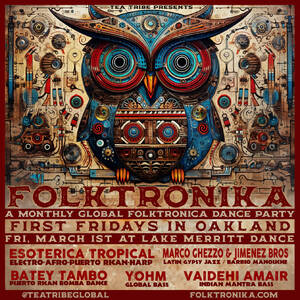
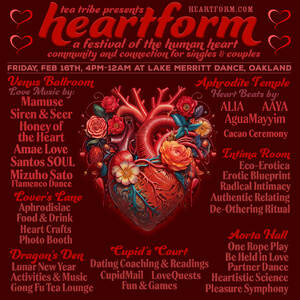
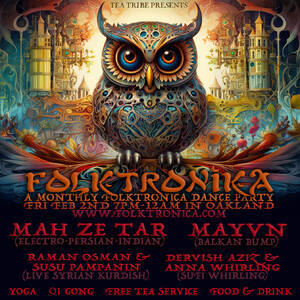
Lake Merritt Dance offers an eclectic weekly schedule of social dances, lessons and community events. Classes and open parties span many styles: West Coast Swing, Lindy Hop, Latin (salsa/bachata), country two-step, contra, square dancing, swing-era blues, Afro-Caribbean, ballroom waltz, and more. For example, on Mondays Oakland dancers gather for West Coast swing classes and social dancing (Explore WCS) or salsa lessons, while Wednesdays feature queer-friendly line and contra dances (Oakland Queer Dance Studio, Contra Circle) and square dance . Thursday nights often host Lindy Hop swing (Breakaway Swing) , and Saturdays include multiple events: first-Saturday Cuban salsa and contra parties, second-Saturday West Coast Swing (Lakeside Swing), third-Saturday LGBTQ swing (SwingOut) or blues dance, and fourth-Saturday queer country-western (Starlight Strut) . In short, nearly every week this hall is home to one or more dance socials from early evening through late night. Ticket prices are generally low – most classes and dances are donation-based or in the $5–15 range – reflecting LMD’s nonprofit mission to keep dancing affordable . In addition to weekly socials, the hall also hosts periodic big events and fundraisers. For example, community swing and country groups have staged major benefit dances (themed after famous songs) roughly every one to two years; by early 2024 they had already held six such halls, with alternating “swing” and LGBTQ-country party themes . Seasonal highlights have included gala swing parties on New Year’s Eve . Special festivals or concerts happen occasionally too – ticket sites list recent one-off events like “Folktronika” folk-fusion nights and community music gatherings in 2024. In all, visitors can expect something happening here most long weekends and many weekdays, so dancers of all skills have plenty of chances to participate.
Tickets and Booking
Lake Merritt Dance does not have a traditional box office; most events rely on community promoters and online sign-up. The first step is usually to consult the hosting group’s website or social channels. Many dance nights are organized by local clubs (e.g. Breakaway, Explore WCS, Starlight Strut, Queer Dance Studio, etc.), and they typically announce details and sell tickets through their own mailing lists or community ticketing pages. The Lake Merritt Dance website itself does not sell tickets but encourages people to join its email list for announcements . In practice, drop-in classes often take a small cash fee at the door, and larger dance parties usually offer early online sales (or even early-bird specials) because space is limited. Popular events can sell out, so it’s wise to buy in advance when possible. Box office tickets are rarely available same-day unless an event explicitly allows door sales. In all cases, follow the organizer’s instructions – for example, sign up for the Lake Merritt Dance mailing list or the specific dance group newsletter to get timely ticket info . Because the venue is intimate, many shows have modest prices (and some fundraisers are even pay-what-you-can), so fans often plan by checking calendars and reserving early.
Seating and Layout
The Veterans Memorial Building has several main rooms. The centerpiece is the large main ballroom (about 4,000 sq ft) which can hold roughly ~315 people . This high-ceilinged hall is a wide open wooden dance floor with pull-out seating along the edges (no fixed theater seats). Smaller spaces include Hall 1 (≈2,000 sq ft, ~200 person capacity), Hall 2 (≈1,000 sq ft, ~62 person capacity), Hall 3 (~53 capacity), plus a side lounge (≈1,680 sq ft, 120 capacity) and a multipurpose room (~900 sq ft, 62 capacity) . Because these are all flat, open rooms, seating is usually general admission. The best vantage depends on the event: for performances, front-center near the stage or DJ booth is ideal; for social dances, dancers often stand or sit at the sides so they can easily join the floor. There are no special VIP sections – even “front row” simply means a spot at the edge of the floor. The acoustics are warm but can be a bit live (the hall was once a gym-like auditorium ), so some early-arriving dancers prefer spots near the speakers for better sound, while others stay near walls for space. Importantly, some events require shoe removal to protect the floor – one recent flyer explicitly labels the Ballroom as “Shoe-Free (dance floor)” www.ticketfairy.com , meaning participants wore socks or dance slippers. In summary, visitors get a flexible open layout: you can set up chairs on the perimeter of any hall, and for dancing you should clear the center. You’ll always want a position with a good view of the instructor or bandstand, but otherwise just pick a comfortable spot. (For example, novice dancers often station at the rear during lessons, while veterans might take front-left.) Restroom exits and entrances see some traffic, so avoid standing right in front of doors when you want continuous dancing.
Getting There and Parking
Lake Merritt Dance is located at the Veterans Memorial Building, 200 Grand Ave, Oakland – the tip of the Lake Merritt shoreline near Adams Point. By car, the venue has a large parking lot accessible via Bay Place (enter at the corner of Montecito Ave and Bay Place) . Many visitors report this “big parking lot” is convenient for weekday evenings and weekend dance events . If that lot fills up, there is a fair amount of metered and street parking on nearby residential blocks (Grand Ave, Harrison St, 19th St, etc.). Note that downtown Oakland meters typically enforce shorter limits (often 2-hour max) during the day; in the evenings and weekends parking is usually easier and sometimes free. If you park on the street, do check all signage carefully – some streets are residential-only during weekday business hours. For rideshare, it’s easiest to drop off at the Montecito/Bay Place entrance (the door faces the lot) or on Grand Ave near Harrison.
Public transit options include BART and AC Transit buses. The nearest BART stations are 19th Street or 12th Street, both about 0.5–1 mile (10–20 minute walk) from the building. (Riders returning at night should travel in groups, as some locals recommend safe practice .) AC Transit bus service is available nearby – lines 12, 57 and 88 run along Grand/Harrison to the south, and east-west shuttles circle Lake Merritt. As of mid-2025, note that AC Transit temporarily closed the Grand Ave/Harrison St stop for construction , so buses may unload a block away. For example, Line 12 and the overnight bus NL normally serve Grand & Harrison, but are currently diverting due to roadwork . In practice, many riders take BART and walk, or catch a transbay bus (or the Emery-Go-Round shuttle) if coming from distant Bart stations. In summary, you can drive or Uber inside, but also easily access the hall via downtown bus routes or by walking from nearby BART with a short detour as noted.
Inside the Venue
Inside the building you’ll find a very open, old-school dance hall atmosphere. Enter through the front steps on Grand Ave or the side door by Bay Place (facing the parking lot). You’ll pass through a lobby into the main ballroom or halls. There is usually minimal security – you may be asked to present a ticket or pay at the door, but there is generally no bag check. Organized events often have a greeter or volunteer staff at the entrance. Once inside, the atmosphere is friendly and communal. A typical evening involves rooms lit generously with overhead lights and the sound system already warmed up. There is no on-site bar or restaurant; most audiences eat or drink off-site (or bring their own water/snacks). The hall’s lounge area has a few chairs and tables where people often leave water bottles or take short breaks between dances.
For amenities: restrooms are available on the main floor (and likely an upstairs restroom too). Because the building hosts the Senior Center, the restrooms include wheelchair-accessible facilities and amenities like changing tables. However, there is no on-site café or coat check. Bring any personal items (coats, snacks, shoes) with you when you enter. There is no public Wi-Fi listed for the hall, so plan on using cellular data. (Most dance instructors and promoters have their own phone hotspots if needed.) One tip: don’t leave valuables in your car in the lot – while the area is not dangerous during events, drivers have advised not storing electronics or bags in plain sight . Finally, note any event-specific rules: some parties enforce belts-on or shoe-free dance floors (see below). Overall, you’ll find the vibe to be casual and welcoming – a chance to mingle and dance to live or DJ’d music with a room full of community members. Like a community center more than a nightclub, it retains a homey feel where instructors point out one-on-one steps and friends chat in the lounge between dances.
Nearby Amenities
When it’s time to eat or grab a drink near Veterans Memorial, you have lots of choices within a few blocks. Directly across the street (Grand Ave) is a row of popular eateries: brunch spots like Grand Lake Kitchen, comfort mac’n’cheese at Homeroom, and famous ice cream at Fenton’s (great for post-dance treats). For dinner, the neighborhood is rich with casual to upscale dining. Bar Shiru and Sobre Mesa (small plates and cocktails) are nearby in Uptown Oakland, and the area is described as “walkable” and “welcoming” for foodies . Notable recommendations include Alma Bar Cocina (Cal-Mex) or Señor Sisig (Filipino fusion) just off 19th St, or the scenic Lake Chalet Seafood Bar & Grill overlooking the water . There are also a few brewery pubs (Maker or Woods Bar is a short ride away) if you want craft beer before or after dancing.
If you’re staying overnight, downtown Oakland has several hotels within easy reach. The Hilton Oakland City Center and Marriott City Center are both about a 10-minute walk south on Broadway. Smaller boutique inns like the Washington Inn sit on Grand Ave a mile east near Grand Lake. In any case, you won’t need to travel far – the venue is smack in the Lakeside/Oakland Museum neighborhood, with dozens of bars and restaurants within a mile radius. For late-night safety, BART and transit are available until midnight (later on weekends), but taxis and rideshares are plentiful after hours. If you walk to/from Bart at night, remember the building’s advice: travel in groups and stay on well-lit streets . But overall, dining options and transportation make it easy to plan a full evening of activities around Lake Merritt Dance’s events.
What Makes This Venue Special
The Veterans Memorial Building’s story and design give Lake Merritt Dance a unique charm. Architect Henry H. Meyers (who also designed Oakland’s Civic Auditorium) created this hall in a blend of Mission/Spanish Revival and Art Deco styles . Inside you can still see period details – vintage lighting, a high wooden ceiling, and a giant dance floor – connecting you to Oakland’s past. Local wikis note that the building originally had dance halls on multiple floors overlooking the lake . For dancers, the hall’s spacious, sprung wood floor is legendary. A local swing-dance blog gushes that the facility is “surrounded by parkland” with “an amazing floor and beautiful Art Deco ballroom” . In other words, you really feel the city’s history beneath your feet as you dance – a rare vibe in today’s modern venues.
Cultural significance adds to its draw. It is one of very few remaining historic civic dance halls in the East Bay still in public use. The Lake Merritt Dance nonprofit emphasizes inclusivity, so the venue has become known as a LGBTQ+-friendly dance hub . Groups like Starlight Strut and SwingOut use the hall as their home, offering queer country-western and LGBT swing nights. One journalist notes that the venue’s first priority is serving LGBTQ and dance communities, filling the role of a community center for many niche groups . This sense of community – where oddball dance styles all have a home – isn’t something you find at every venue.
Over the years it has witnessed famous local moments too. One rock history blog recounts that in 1966 this hall hosted Iron Butterfly’s first Oakland concert under that name . Even today, each generation of dancers adds new memories here. So a big reason people love the venue is its authentic, lived-in character: a historic dance pavilion that treats each visitor like family. Artists and audiences alike report feeling at home here. Whether you’re marveling at the vintage architecture, enjoying the lakeside views, or simply reveling in the friendly atmosphere, Lake Merritt Dance stands out as a special gathering place in Oakland’s dance scene.
Visitor Tips and Information
Accessibility: The Veterans Memorial Building is ADA-compliant. It has a wheelchair ramp at the entrance and an elevator accessing upper halls, since the Senior Center uses the facility by day. You’ll find an accessible restroom on the main floor. Patrons in wheelchairs can view and dance on the main ballroom floor with no issues.
What to Bring/Wear: Dress casually and comfortably – many dancers arrive in jeans or concert attire. If you have non-marking dance shoes, bring them (especially for swing or ballroom dances). In some events you may be asked to remove shoes altogether – one recent event listing actually notes “Shoe-Free” floor www.ticketfairy.com . Otherwise, water or a bottle of juice is wise (the hall usually has water fountains or you can keep a bottle at your table). Coat check is not provided, so carry a tote if you have jackets or personal gear. Avoid carrying loose valuables; as mentioned, it’s safer not to leave electronics in parked cars.
Timing and Entry: Doors often open 15–30 minutes before the advertised start time. Classes typically begin promptly (7pm for Monday swing , 6:30pm on other nights). It’s smart to arrive a few minutes early to get settled, especially for popular lessons. For big parties, arriving earlier helps you snag a good spot and lets you pay at the door without rushing. Check any tickets or event pages – some have specific late-entry policies.
Policies and Restrictions: Bag policies are minimal; small purses are fine but very large bags should be checked with staff. The venue is smoke-free. Alcohol is only allowed if an event has a licensed bar (some private dances do, but most social dance nights do not serve alcohol on-site). Outside food is generally discouraged (again, except light snacks or bottled water). Cameras are usually okay for personal photos, but be respectful and avoid flash during classes. No formal dress code – it’s a social hall, not a concert arena, so people wear anything from club-casual to vintage dance attire.
Age Restrictions: Most events are all-ages. Families sometimes bring kids to early lessons (parental supervision required), since it’s a public hall. However, check each event’s info: a few evening parties or fundraisers may be 18+ or 21+ due to alcohol or performance content.
Local Customs: Oakland dancers are part of the community, so don’t hesitate to introduce yourself on the floor! Neighborhood tradition highlights mutual respect – e.g. dance partners say “thank you” after a dance. If you’re new to any style, announce that to the instructor – the rowdy etiquette of “lead/follow rotation” in swing and salsa is explained at the start of each class.
By keeping these tips in mind, your visit to Lake Merritt Dance will be smooth and fun. Enjoy the vintage charm and spirited community that make this venue a Bay Area favorite!
Frequently Asked Questions
What is Lake Merritt Dance and who operates at the Veterans Memorial Building?
“Lake Merritt Dance” refers to the nonprofit organization that rents Oakland’s Veterans Memorial Building for dance events. It’s run by the Lake Merritt Dance Organizer’s Foundation, Inc., a local nonprofit dedicated to providing affordable dance space to community groups . In practice, the name also serves as shorthand for the series of dance classes and parties held in that historic building.
What is the capacity of the ballroom and other rooms at Lake Merritt Dance?
The main Art Deco ballroom is the largest space, roughly 4,000 sq ft and holding about 315 people . Hall 1 upstairs is about 2,000 sq ft (200 people) . Hall 2 and Hall 3 are much smaller (around 1,000 sq ft, 62 people, and 53 people, respectively) . The lounge can hold ~120 and the multi-purpose room ~62. All seating is general admission; think wide-open floors rather than fixed chairs.
What kinds of dance classes and events are held here?
This venue hosts a wide spectrum of social dances. Weekly classes include West Coast Swing on Mondays, Lindy Hop on Thursdays, salsa/Latin on select evenings, plus square and contra dances and queer-focused nights . It also holds specialty events like queer country-western dances (Starlight Strut), LGBT swing (SwingOut), and occasional blues dances. Many events are organized by local clubs (Breakaway Swing, Explore WCS, etc.), so you’ll find everything from beginner swing socials to annual themed parties. The Oaklandside news notes the groups cover swing, bachata, waltz, salsa, two-step and more . Check the website or sign up for the mailing list for specifics, since lineups change each month.
How do I buy tickets or find information about upcoming shows?
There is no box office at the hall. Ticketing is handled by each event’s organizers. The best approach is to follow the hosting dance group (on their websites or social media) for announcements and online sales. The Lake Merritt Dance website suggests signing up for its email list for updates . In practice, simple drop-in dances let you pay at the door, while bigger events will post a sale link. Because the venue is small, popular events sell out – so plan to register early or arrive early for door sales.
On what days and at what times do events typically take place?
Most programming happens Monday, Wednesday, Thursday and Saturday evenings. For example, Explore West Coast Swing runs Monday nights 7–11pm , Oakland Queer and square dances happen Wednesday 6:30–9pm , Breakaway Lindy on Thursdays (6:30–10:30pm) , and multiple parties occur Saturdays (ranging from early evening salsa/contra to late-night swing) . The venue is generally closed on Tuesdays, Fridays, and Sundays. Always check the specific event listing for exact start/end times, but most weekly dances begin around 6:30–7pm and run 3–4 hours.
Where can I park when attending Lake Merritt Dance events?
There is a large parking lot immediately south of the building, accessed off Bay Place/Montecito Ave . Locals describe it as a “big parking lot” at the corner of Montecito and Bay Place . This is usually the easiest spot for evenings. Street parking is also plentiful on nearby streets (Grand Ave, Harrison St, 19th St, etc.), with meters or resident permits applying during the day. Evening and weekend street parking is often free. Be sure to obey any posted time limits. If the lot fills, nearby pay garages on 21st Ave are just a couple blocks north. For drop-off (Uber/Lyft), the Bay Place entrance is also convenient.
What public transportation serves Lake Merritt Dance?
You can reach the hall by BART or bus. The closest BART station is 19th Street (Downtown Oakland) – it’s about a 0.5–1 mile walk up Grand Ave. MacArthur or 12th St BART are similar distance in other directions. For buses, AC Transit routes 12, 57 and 88 run along Grand/Harrison nearby. Note: as of 2025, the stop at Grand & Harrison is closed for construction , so buses may detour one block. The overnight bus NL (Night Line) and #12 typically serve the Lake Merritt station area. In practice, many dance-goers take BART to 19th St or nearby and then either walk or catch a short bus ride. Taxis and rideshares are also readily available downtown, and checking the agency’s website for any service changes (like the stop closure) is recommended .
Is the Lake Merritt Dance venue wheelchair accessible?
Yes. As a city-owned facility that houses a senior center by day, the Veterans Memorial Building is ADA-compliant. The main entrance has a ramp, and an elevator provides access to the upper halls. Wheelchair users can reach the main ballroom and adjacent rooms, and accessible restrooms are available. If you need assistance seating, just ask an usher or staff when you arrive.
Are children or families allowed at Lake Merritt Dance events?
Most classes and social dances are family-friendly and welcome dancers of all ages (children are typically free). Many younger kids join their parents for early-evening lessons. However, some late-night or private events may be restricted (18+ or 21+) – always check the specific event details. In general, if an event is advertised with a family or general audience focus, kids are welcome; if it’s labeled a nightclub or includes alcohol, an age limit likely applies.
What should I wear or bring to a dance night at Lake Merritt Dance?
Dress comfortably for the style of dance. Many dancers wear jeans or casual clothes. Bring a change of shoes or non-marking dance shoes if you have them (some events require dancers to remove street shoes) www.ticketfairy.com . In fact, one flyer explicitly calls the main floor “shoe-free,” meaning slippers or socks only www.ticketfairy.com . You’ll likely want to bring a water bottle, as dancing can be sweaty. There is no coat check, so carry personal items (purse or jacket) with you. An extra pair of socks and a light snack (in case you arrive hungry) are also good ideas. Overall, there is no formal dress code – people often wear what they feel comfortable dancing in.
What amenities does the venue provide (food, drink, restrooms, Wi-Fi, etc.)?
The building offers basic amenities. There are restrooms (including accessible stalls) inside the hall. There is no bar or restaurant, so events usually do not serve food – dancers typically eat before or after. (Some community dances may offer donated snacks or having a rotating potluck element.) Water fountains or coolers are generally available. There is no free public Wi-Fi listed, so plan on using your phone data. Coat check/lockers are not provided, so keep belongings with you. Most nights the lobby space or side lounge has some seating for breaks. If you need something not provided, note an event leader and they can best advise (for example, on whether food brought in is okay or where to find help).
Are photography or video recording allowed at events?
Casual photos and videos are usually fine for personal use, especially during open dancing (just be mindful not to intrude on others’ privacy). However, it’s polite to avoid flash photography during classes or performances. Some workshops or private events may ask you not to record, so when in doubt follow any posted rules. If you’re unsure, ask event staff or instructors – they’ll let you know if any sessions are off-limits. Generally though, bring your phone or camera if you want memories of your friends dancing.
Can I bring my own chair, food, or alcohol into the venue?
Because this is an indoor public hall, bringing outside food or alcoholic drinks is generally not allowed. Light snacks or water are usually fine, but leave major meals outside. Alcohol is only permitted if a specific event has arranged for it (most community dances do not). Bringing your own folding chair or stool is unnecessary – the facility does not have space for personal chairs on the dance floor. Just bring yourself and your dance shoes; the venue will provide all seating and tables needed.
What restaurants and bars are near the Veterans Memorial Building?
The Lake Merritt area is dining-rich. Nearby on Grand Ave you’ll find spots like Grand Lake Kitchen (casual American brunch), Homeroom (gourmet mac’n’cheese) and Fenton’s Creamery if you want dessert. Within walking distance are popular eateries: Alma Bar Cocina (Cal-Mex), Señor Sisig (Filipino fusion), and the waterfront Lake Chalet Restaurant . Cocktail lounges like Bar Shiru and the Bardo Lounge are a short walk away in the Uptown district. In summary, there are many pre- and post-dance dining options – everything from quick bites to sit-down restaurants, all within 5–10 minutes of the venue .
What hotels are near Lake Merritt Dance?
Downtown Oakland offers several hotels within easy reach. The Marriott City Center and Hilton Oakland City Center (both on Broadway near 12th St) are about a 10–15 minute walk from the venue. There are also boutique inns and guesthouses on Grand Ave near the lake (e.g. Washington Inn) roughly a mile away. If coming from afar, any hotel in the Broadway/Grand Lake area puts you close to the hall. Most visitors find these central hotels convenient since they are within 1–2 miles of Lake Merritt Dance.
Are there any safety tips for visitors (e.g., after-hours travel)?
Oakland is generally vibrant at night but still urban. For peace of mind, here are a few tips: Travel in groups if you’re walking to or from BART in the dark – riders going to 19th Street BART are advised to stick together after events . Don’t leave valuables in an unattended car; lock them in the trunk if needed. Keep an eye on your belongings in the lobby or on the dance floor. For late-night return, note that BART runs until late (around 12–1 AM on weekends); after that, AC Transit’s NL Night Owl buses and rideshares (Uber/Lyft) are options. In the venue itself, standard rules apply: watch your step on the dance floor, and always drink responsibly if alcohol is present. Otherwise, just enjoy the show – the community here looks out for one another and serious trouble at these events is very rare.
What is the history of the Veterans Memorial Building?
The Veterans Memorial Building was completed in 1926 . Its construction was funded as a World War I veterans memorial – it was one of ten such halls in Alameda County to honor returning soldiers . The land was donated as part of the park, and by designating it a “memorial” the city was able to build on the lakeshore parkland . For decades it hosted dances, meetings and even basketball in its auditorium . Today its historical status is still visible: outside lies a torpedo from the USS Maine (a 19th-century battleship) , and the building’s design has fine period details. In essence, the building connects Oakland’s civic history with its modern role as a community center.
Who was the architect and what styles influenced this building?
The hall was designed by Oakland architect Henry H. Meyers . His work here combines Mission/Spanish Revival elements with Art Deco touches, which was typical of public buildings in the 1920s. You can still see the graceful arched windows and classic ornamentation on the exterior. Inside, one dance blog specifically highlights the “Art Deco ballroom” and notes how it blends with the surrounding parkland . In short, skin has the vintage grace of 1920s memorial architecture, opposed to the generic style of modern meeting halls.