About Fat Cat Eats, Drinks & Music
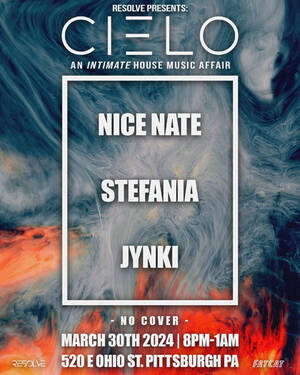
Fat Cat Eats, Drinks & Music was a retro-themed restaurant, bar and music venue in Pittsburgh’s North Side (Deutschtown) at 520 East Ohio Street. It opened quietly in late June 2023 under owners Cory Hughes and Alex Feltovich (also behind neighboring Fig & Ash), who converted the former JR’s Bar into a multi-level “rumpus room” with a 1970s- and ’80s-style décor . The interior featured orange-and-brown furnishings, vintage electronics (rotary phones, record players, old TVs), macramé and shag carpeting, giving it the feel of a retro basement or suburban living room . The first floor housed the bar and dining area (complete with gold-toned sofas and wallpaper), while a second-floor performance room (nicknamed the “Scratching Post” in event listings) provided a stage and an additional bar . (Fat Cat also offered an outdoor AstroTurf deck for games like cornhole.) Each evening’s final hour of service was famously set to the music of the Wu-Tang Clan , and daily “trophy” giveaways added to the fun vibe. Although widely praised for its nostalgia and community atmosphere, Fat Cat announced it would be closing permanently at the end of March 2024 .
Events and Programming
Fat Cat hosted a variety of events each week, blending restaurant dining with live entertainment. The second-floor “Fat Cat Music Hall” welcomed local bands, DJs and performers in genres ranging from rock and bluegrass to funk and hip-hop . Recurring themed nights were a big draw: for example, the venue ran a free comedy showcase on the last Friday of every month (ages 21+) , and advertised drag brunches and game nights on weekends. The agility of the space allowed for open-mic and bingo nights (its drink menu even included a “Bingo Night” mocktail ), seasonal karaoke parties, and occasional booking of regional touring acts. Tickets for special events were typically affordable (often free or under $10) and sold through the venue’s website or event listings, but many nights were open to walk-ins with no cover charge. Fat Cat often collaborated with local arts festivals – for example, it debuted its music hall during Pittsburgh’s Northside Music Festival in July 2023 – and hosted community benefit shows given its partnership with local charities. Patrons praised Fat Cat’s lively lineup of local musicians, drag performers and comedians, noting that it filled a gap left by earlier North Side venues (a fact even owners highlighted in press) .
Tickets and Booking
For most Fat Cat events no advance “box office” was needed – patrons could usually buy tickets online (when applicable) or simply show up before the doors opened. Small community venues often charge at-the-door, and Fat Cat’s staff indicated on social media that popular shows had tickets available through their website (or printed at the bar) . There was no formal box-office office on site; instead, guests paid or picked up tickets at the front counter. Visiting fatcatpgh.com or following Fat Cat’s social channels was the best way to see an event calendar and get presale information. For well-known acts, tickets tended to sell out quickly, so advance signup or arriving early was recommended. (Many events, like the monthly Free Comedy Night, remained free-of-charge – even though it required an RSVP on event pages .) General pricing for paid shows ranged modestly, often in the $10–20 range depending on the performer. On show nights the “door” usually opened an hour or two before start time, and emails or social-media posts reminded fans to arrive early for the best seats.
Seating and Layout
Fat Cat’s interior was small and intimate. Guests entered into a single open dining/bar room filled with mid-century furniture and low-slung couches . Seating was a mix of padded booth-style benches, vintage couches under wall-mounted TVs (playing cartoons or games), and high-top tables near the circular bar. The stage and balcony facility were upstairs; this level was an open hall with a main floor of standing-room (for shows) plus a perimeter bar and a handful of high tables. There were no fixed “VIP” sections – most music events were general admission, so early arrival gave the best vantage points. Acoustically, Fat Cat had installed sound-proofing between floors , and house speakers covered the second-floor stage. Drink service upstairs from the bar was slower, so many music fans tended to bring cocktails up before a show. In terms of sight lines: the stage was raised but the headroom upstairs was low, so tall patrons might mildly obscure view from the center. The best views for dancing or crowd energy were near the front of the stage; those wanting to hang back could perch at high tables along the edges. (Large pillars were minimal; the space felt open on both floors.) The ground floor’s lounge seating made it a cozy spot for dinner and casual hangs when no show was on. Because Fat Cat was quite casual, even seated guests could easily stand or move around during music. Overall, patrons found some of the lounge sofas and booths to be the comfiest places to sit for dinner, while the stage area was best enjoyed by standing closer to hear and see performers.
Getting There and Parking
Fat Cat was located at 520 E. Ohio Street in the Deutschtown area of the North Side. It sat a few blocks north of the Allegheny River and downtown, right by the local community center. Public transit was readily available: Port Authority buses serve East Ohio Street via routes 1, 4, 6, 7 and 54 . In particular, the eastbound 4 and 7 buses stop on East Ohio just a block away, while the T light-rail’s Allegheny Station (North Shore) is a 10-minute walk to the south. Riders could take the Yellow or Blue Line to Allegheny Station and then walk or grab a connecting bus (e.g. the 4 to East Ohio at Middle St.) to reach Fat Cat. City bikeshare stations were also nearby at the Northside institutions, and rideshare drop-offs (Uber/Lyft) at the corner of East Ohio & Middle Streets were common.
Parking was primarily on-street. City metered parking lined East Ohio and adjacent blocks; ParkPGH meters typically ran about $1–$2 per hour (enforced 8am–6pm Mon–Sat) with credit card/cash options. A small paid lot (the “East Ohio St Lot,” with roughly 84 spaces) sat just east of the restaurant; it charged about $3 for 2 hours . For longer events visitors often opted for that lot (reserveable via apps) or nearby open lots in Deutschtown. On-street free parking was scarce in the immediate area, but a short block south were a few residential meters. Attendees often arrived 30–60 minutes early to snag open curb spots. As usual in Pittsburgh, watch out for 2-hour and overnight restrictions. Exit traffic after shows usually funneled back onto East Ohio or into nearby streets; some drivers preferred circling onto Middle or Cedar to avoid congested downtown-bound routes.
Inside the Venue
Upon arriving, guests would queue at the front door where staff checked IDs (Fat Cat was strictly 21+ for most events) and provided wristbands if needed. There was no formal coat check desk (the space was too small), so visitors typically stowed coats on free hooks or the backs of chairs. Inside, the atmosphere was playful and nostalgic – from the vintage sofas and peg-board walls to cartoon shorts on retro TVs . Lighting was kept fairly bright (to show off the décor) that dimmed slightly for shows; colorful string lights and neon signs added to the diner/bar feel. The server concept was counter service: guests placed food or drink orders at the bar or a front lunch counter and received a numbered table marker . House cocktails had punny names like “Bingo Night” (a hibiscus-and-tonic mocktail) and “The Dude’s Breakfast” (creamsicle-bourbon coffee) . Craft beers (including local Pittsburgh and Pittsburgh-area brews) were available on tap and in cans; typical pub beers (e.g. Lagers, Lights, IPAs) were stocked at the second bar as well. The kitchen served comfort-focused snacks and sandwiches – items like a “My Crispy Bologna” sandwich and loaded waffle fries – so the smell of frying onions and grilled cheese often filled the air. A retro popcorn machine provided free salted snacks in the lounge area. The restrooms were clean and located on the ground floor (shared, single-occupancy men’s and women’s). Wi-Fi was not advertised, so cell service was assumed; most patrons reported strong 4G signals throughout. Overall, the vibe inside was casual, friendly, and party-ready – exactly the crew building the “Fat Cat culture” had intended .
Nearby Amenities
Deutschtown has become a lively neighborhood, so Fat Cat sat near many convenient amenities. Across the street (520 E. Ohio’s corner) is Allegheny City Brewing Company, a popular Belgian-style brewpub and taproom serving creative beers and pub fare – a great spot for a pre- or post-show pint. A half-block south is Priory Fine Pastries (artisan donuts and coffee), and a boutique coffee shop/tea house (Arnold’s Tea House) is just down the block . The gourmet restaurant Fig & Ash (opened by the same owners) was literally next door and often drew diners before Fat Cat events. For more casual fare, East Ohio Street offers a variety of takeout and counter spots (sandwich shops, Asian cuisine, etc.), plus a weekly farmers market seasonally in nearby Deutschtown Center. Downtown Pittsburgh is just a 10-minute drive or a 20-minute Uber ride away, with far more hotel and dining options if needed. En route home, visitors often found open bars like Lizard Lounge (a few blocks off) or could hop on the North Shore Light Rail from Allegheny Station. Late-night snack stops (most eateries close by 11pm) might be as simple as the donut shop or food trucks often parked on the weekends. Nearby parking garages and rideshare pick-up points ensured the fun continued, day or night.
What Makes This Venue Special
Fat Cat stood out for its unique blend of retro charm and live entertainment in a neighborhood where few such spots exist. Its 1970s/80s “grandma’s basement” theme, with garish colors and vintage memorabilia, created an instantly fun, nostalgic vibe . Patrons and press noted that the owners invested in an immersive atmosphere – fog machines for stage shows, basement couches, even a trophy giveaway tradition – giving Fat Cat a personality rather than it feeling like a typical bar. Culturally, Fat Cat mattered because it revived Deutschtown’s music scene (something the owners explicitly set out to do after an earlier local pub’s closure) . It drew in diverse crowds – from Gen Xers loving the throwback to younger folks looking for local art – and showcased Pittsburgh’s creative community (e.g. hosting drag performers, local bluegrass bands and crafty comedians). Notable “all-time” moments included its Northside Music Festival debut and the countless Wu-Tang finale hours, which became a beloved talking point. The venue also earned goodwill by partnering with a local nonprofit (Light of Life) to train unhoused residents in restaurant jobs – a mission that reflected its “big heart”. In short, Fat Cat was cherished as a grassroots, one-of-a-kind nightspot: both a quirky diner experience and genuine community hangout. Even the farewell message thanked “neighbors, friends (old and new), artists and performers who helped build the Fat Cat culture,” recognizing its place in Pittsburgh’s bar and music lore .
Visitor Tips and Information
Accessibility: The main entrance to Fat Cat had a small step up from street level. Once inside, the ground floor and restrooms were standard-access. However, the music hall was on the second floor reached by stairs, so it was not wheelchair accessible (no elevator). Patrons needing step-free access could still enjoy the bar and dining on the first floor, but all upstairs events were up a flight of stairs.
Age and Dress: Fat Cat was a 21+ establishment (no minors) for all shows and even general hours, as it held a liquor-focused bar license . There was no formal dress code – most guests wore casual attire (Jeans, T-shirts, or ’70s/’80s fun clothes were welcome!). The key requirement was a valid photo ID for ages 21 and older.
What to Bring: Bring your ID and a way to pay (cash or card). The bar accepted credit cards but cash tips were appreciated by bartenders. Coats or bags could be placed on available hooks or shelves by the bar. Personal cameras or phones were allowed – the venue encouraged social sharing – but large tripods were not practical in the small space. It was recommended to bring ear protection if you’re sensitive, as live music even in a small club can be loud.
Tickets and Arrival: For popular acts, buy tickets ahead online. Otherwise, walk-ins were welcome as long as capacity allowed. On sold-out nights, early arrival (30+ minutes before showtime) helped ensure entry. If you had purchased tickets, you could usually pick them up at the door with a name.
Food and Drink: Fat Cat served full table service (you ordered at the counter and food was brought to you). Menu highlights included towering sandwiches, loaded fries, and shareable snacks, with vegan options like a Buffalo Seitan Nugz Wrap . The drink menu featured clever cocktails (try the “Dude’s Breakfast” or house mocktails), beers on draft, and wine by the glass. All beverages were served at the bar or delivered to your table no later than 11pm (bar closed at midnight except weekends). You could expect a 10–15 minute wait for food and drinks during busy nights.
Common Mistakes to Avoid: Don’t assume cash-only – cards worked everywhere. The venue’s online information was the best source for current hours and events (though it closed in 2024, historically the site and social media would have updates). Because it had many stairs, try not to attend if mobility is a concern for the upper-floor acts. Also, Sundays might have only brunch or special events (since Magazine mentions Sunday noon-close, but generally Wed–Sat were prime). Finally, be sure to tip servers – bartenders and waitstaff made the retro experience smooth.
Other Tips: The last trains (the “T”) from North Side back to downtown run around midnight on weekends and earlier on weekdays, so plan accordingly or have rideshares in mind. Check the North Side’s event calendar (like Deutschtown Music Festival) for special Fat Cat events not widely advertised. And don’t worry – even if Fat Cat is closed now, its legacy lives on among Pittsburghers who still share their favorite “fat cat” stories!
Frequently Asked Questions
Is Fat Cat Eats, Drinks & Music still open?
No. Fat Cat announced that it would close at the end of March 2024. Its last day of service was March 30, 2024 . Since then the venue has been permanently closed, and it no longer hosts events or serves food.
What was the address of Fat Cat Eats, Drinks & Music?
Fat Cat was located at 520 East Ohio Street, Pittsburgh, PA 15212 , in the Deutschtown area of the North Side. It was just north of the North Shore and a few blocks from West North Avenue. (It shared the block with Fig & Ash and the Deutschtown Community Center.)
What days and hours was Fat Cat open?
When operating, Fat Cat’s typical schedule was Wednesday through Sunday evenings. The kitchen and bar ran roughly 11 am–11 pm those days, with last food orders around 10 pm . (Do note: it was closed on Mondays and Tuesdays.) However, since the venue closed in 2024, these hours are historical only.
How do I buy tickets or make reservations for events?
Fat Cat mostly operated on a first-come basis. For special performances, tickets were typically sold online through the venue’s website or social media pages. In some cases small events had a box-office at the door on show nights. For free or regular shows (like monthly comedy night), no reservation was needed – just arrive early or RSVP on the event page. In short, there was no permanent box office; check announcements and show up at open time.
What is the venue capacity, and is seating assigned?
Fat Cat was an intimate multi-level venue. The first floor had about a couple dozen seats and lounge spots, with a bar area and some booths , while the second-floor music hall had mostly open standing space (and a limited number of high-top tables along the sides). There was no reserved seating or VIP section. Most shows were general admission standing-room (or stools). Capacity wasn’t officially listed, but it felt like a small club – typically hosting crowds under a hundred. For big acts, arriving early ensured a spot; otherwise expect a casual mix of seated and standing areas.
What kind of events did Fat Cat host?
Fat Cat featured a wide range of events. Regular programming included live music nights (local rock, bluegrass or DJ sets), drag shows/brunch, comedy nights (the last Friday each month was a free comedy showcase ), open-mic or karaoke, and themed parties (e.g. trivia or bingo nights). It also supported community events like the Northside Music Festival . Special headliner gigs or ticketed concerts were occasional, but often its halls were used by Pittsburgh’s homegrown talent and variety acts. In short, if it involved fun (and often a bit of nostalgia), Fat Cat probably hosted it.
How do I get to Fat Cat by public transportation?
Several bus lines serve East Ohio Street. Notably, Port Authority routes #1, #4, #6, #7, and #54 make stops near 520 East Ohio . The closest light-rail (T) station was Allegheny on the North Shore; from there one could transfer to a bus or enjoy a 10–15 minute walk east along East Ohio. Rideshares (Uber/Lyft) and city taxis commonly drop off at East Ohio & Middle or directly in front. If driving in, the neighborhood streets can be busy on weekend nights, so allow a few extra minutes for traffic.
Where can I park if I visit Fat Cat?
Street parking was the norm. East Ohio Street has metered curb spaces (roughly $1–$2/hr) which filled up quickly on Friday/Saturday nights. However, just east of Fat Cat sat a small municipal lot (“East Ohio St Lot”) with about 84 spaces; Parkopedia and local guides indicate it charged about $3 for 2 hours . A meter might be paid via credit card. Off-street public lots existed a couple blocks away in Deutschtown, but walking in is easiest. In summary, try the lot if it’s open, or snag an on-street meter space (be mindful of 2-hour limits). Many visitors also carpooled or took transit to avoid hassle.
Is the venue wheelchair accessible?
Partially. The ground floor entry, dining area and restrooms were at street level (with a small step) and generally wheelchair-accessible once inside. However, the upstairs music hall was only reachable by stairs – there was no elevator. Therefore, guests in wheelchairs could enjoy the downstairs bar and seating, but would not be able to join the upper-floor stage area or bar. (For any access needs, it was best to call the venue in advance.)
What is the age restriction, and IDs needed?
Fat Cat was strictly an 21 and over venue for all operating hours: no minors were allowed, even during early hours. This applied whether you were ordering food or attending a show . Guests were required to show a valid government ID (driver’s license, passport, etc.) upon entry. Expect to be carded at the door; there were no exceptions or separate family areas.
Is there a dress code?
No formal dress code was enforced. Dress was very casual – jeans, T-shirts, sneakers or even retro attire fit right in. Many patrons dressed up a bit for themed nights (like funky ’80s outfits for music sets), but the bar did not require suits, heels, or anything fancier than everyday wear. The vibe was laid-back, so comfort and a sense of fun (“wear your best retro gear!”) were what most people chose.
What food and drink options were available?
Fat Cat’s menu was fast-casual comfort food with creative twists. Signature items included nostalgic sandwiches like a mortadella-cheddar “My Crispy Bologna” on sourdough , hearty loaded waffle fries and onion rings, and wings with unique miso mustard glaze. Vegans were not forgotten – the “Buffalo Seitan Nugz” wrap was a popular plant-based Sandwich . For drinks, the bar served classic beers (Bud Light, I.C. Light, Modelo, plus local craft taps) and house cocktails. Two hitters were the “Bingo Night” mocktail (pineapple-hibiscus tonic) and “The Dude’s Breakfast” bourbon-coffee cocktail . Food orders were placed at the counter, and drink order at the bar – service was casual but quick.
Was there a coat check or locker service?
No, Fat Cat did not have a formal coat-check desk or lockers. On busy nights you could hang coats on free wall hooks or leave small bags at your table. In practice, since the venue was small, most people kept their belongings with them (jacket over a chair or on a stool). Handbags and small backpacks were generally okay; large luggage or coolers were not allowed. If you had a bulky coat, best to plan to hold it or share a hook with a friend.
Is smoking or vaping allowed inside?
No. Pittsburgh law prohibits indoor smoking of tobacco or vaping in restaurants and bars. Fat Cat complied with this and maintained a smoke-free interior. There was no outdoor patio seating for smoking, either. (Any smoking had to be done outside on the public sidewalk, away from the entrance.)
Can I bring outside food or drinks?
No. Outside food and beverages were not allowed. As a licensed restaurant and bar, Fat Cat prepared all food orders in-house and sold all alcoholic drinks. Patrons were welcome to enjoy what the menu offered, but bringing in pizzas, beer kegs or coolers of soda was not permitted. (Flavorful exceptions: friends often bought cake or dessert treats internally, not outside.)
Are there any famous traditions or quirks (like the “Wu-Tang hour”)?
Yes – Fat Cat was known for its quirky traditions. Most famously, the final hour of business every night was a dedicated “Wu-Tang Clan Hour,” where the DJ played only Wu-Tang music to send everyone home with a bang . It also ran fun contests: for a time each day they gave a random “Fat Cat Trophy” to the customer who consumed the most calories (a lighthearted nod to their theme). Bingo games, themed costumes and the give-away mocktail (“Bingo Night”) were other local favorites. These touches set Fat Cat apart from ordinary bars and made each visit memorable.
Is there a merchandise shop or souvenirs?
Fat Cat did not maintain a gift shop or formal merchandise booth. It occasionally sold branded T-shirts and hats in limited runs (online or at events), but there was no dedicated merch counter. If fans wanted a souvenir, special edition items were announced on social media and usually sold out quickly. Otherwise, the main “souvenir” was the unique experience and any photos guests took in the vintage-themed space.