About The Merrow
The Merrow was a small, 21-and-over nightclub and live music venue tucked into Hillcrest in San Diego at 1271 University Avenue. It opened in July 2013 when owner Paul Smith relaunched what had been the Ruby Room under a new nautical theme (www.sandiegoreader.com ). (In fact, “merrow” is the Irish-Gaelic word for mermaid/merman (www.sandiegoreader.com ).) The club’s decor combined dive-bar charm with quirky art – red velvet curtains, local artwork, and even the rear end of a vintage Cadillac protruding from the ceiling (www.sandiegoreader.com ) – evoking a retro, nautical feel. The intimate venue held about 181 people (artistandfan.com ) and quickly earned a reputation as a “hidden gem” or “best-kept secret” in Hillcrest (www.themerrow.com ). It featured a state-of-the-art sound system (dual JBL speaker towers with a digital mixer) (www.themerrow.com ) tuned to deliver deep club bass and clear audio, along with dynamic, multi-colored lighting on the dance floor. In short, The Merrow was known for its high-quality audio-visual production and its support for local art and music. Longtime audio engineer Shiloh Nabors-Bloxton even vowed to continue the Ruby Room’s legacy of backing live music and community art events at the venue (www.sandiegoreader.com ).
Events and Programming
The Merrow hosted a very wide variety of entertainment. The lineup was heavy on local San Diego acts – over 90% of the bands and artists booked were from the local scene (www.sandiegoreader.com ) – but it also featured occasional national or international acts. Musically, it ran everything from indie rock and punk to electronic dance, hip-hop, reggae and world music. Recurring weekly events provided clubgoers with rotation: Monday nights were “Blue Monday” dance parties with resident DJs spinning ’80s goth, new wave and post-punk tunes (www.themerrow.com ). Thursday evenings often became “Ultraviolet” electronic dance nights with house and techno (typically an $8 cover charge) (www.themerrow.com ) (www.themerrow.com ). Tuesday and Sunday were karaoke nights (each free to join) (www.themerrow.com ) (www.themerrow.com ). The Merrow also earned a following with themed LGBTQ+-friendly nights: for example, it regularly hosted a monthly Bear Night (for the gay bear community) and a San Diego Golden Girls drag revue, both with modest cover charges (around $7–$8) (www.themerrow.com ). Other specialty events included lesbian “T-Dance” parties (usually in the afternoons, with covers around $8–$10) (www.themerrow.com ), monthly Nerdcore hip-hop shows, reggae and drum-&-bass showcases, and an array of community art nights. Concerts ranged from DIY punk and metal shows to touring retro acts – typical ticket prices were usually in the $5–$15 range depending on the lineup (www.themerrow.com ). For example, a local indie band might draw a $5–$8 entry fee, while bigger names could be $10–$15. Many of the club’s special events (like its monthly variety shows and drag extravaganzas) sold out early, so popular shows often had presale tickets and sold especially fast.
Tickets and Booking
Tickets for Merrow shows were generally sold through the venue’s box office or authorized online outlets. For bigger concerts or DJ nights, advance sale tickets usually went on sale several weeks beforehand and could sell out. It was common to buy online or by phone (via the venue’s box office) in advance, with any remaining tickets available at the door (if the show wasn’t a sellout). Cover charges varied by event: free entry was normal for karaoke and many early-week parties, while headliner concerts and theme nights typically ranged from about $5 to $15. There were no mandatory “VIP” seating tiers – nearly all events were general admission. For top ticketed shows, it paid to arrive early or get tickets ahead of time, as the Merrow’s small capacity and loyal fanbase could lead to sold-out doors.
Seating and Layout
The Merrow’s layout was typical of a small club. There was a low-rise stage at one end of the room and a bar along one side of the floor. The main area was an open dance floor/standing space, with no permanent assigned seating. Along the edges there were a few high-top tables and a cozy raised booth area overlooking the floor. (In fact, regulars noted an “off-red pleather booth” on an elevated platform – a leftover from the Ruby Room – though it wasn’t a formal VIP section (www.sandiegoreader.com ).) The best viewing spots depended on the event: up front by the stage was lively but very loud; near the soundboard or bar was easier on the ears but farther from the stage. In practice, almost everyone stood or danced. The acoustics were generally praised – patrons reported the echo-free JBL sound system hit hard with clear bass and vocals on the floor. Because the room is small, sound pressure is high; front-row spots will feel the music physically. For concert/homey evenings, people often preferred sides or back corners to chat while still hearing the music clearly. Overall, no seat is truly “bad” (since it was mostly standing room), but fans who wanted to see the performers up close aimed for the center front of the dance floor.
Getting There and Parking
The Merrow’s exact address was 1271 University Avenue in Hillcrest, San Diego. It’s on the north side of University, between the intersections with Normal Street and Fourth Street. By car, it’s a few minutes north of Highway 163 via Washington Street or Fifth Avenue. There was no formal public parking garage, but there was a small pay lot behind the venue (often used for customers or turned into an outdoor patio area on big event nights) (www.sandiegoreader.com ). Otherwise patrons relied on street parking: metered parking spaces on University Ave and side streets (which could be hard to find on weekend nights) or nearby free spots farther east. Rideshares (Uber/Lyft) and cabs commonly dropped off at the front entrance on University Avenue. For public transit, The Merrow was well served by San Diego MTS buses. The Rapid 215 bus and local routes 10 and 11 run along University Ave in Hillcrest, with stops only a block or two from the club (www.sdmts.com ). (Route 10 connects to Old Town and Mission Valley, and Route 11 runs downtown through University Heights and Hillcrest.) The Route 3 bus to UCSD/Hospital also runs nearby. In short, you could take MTS buses to U of U. The nearest trolley (light rail) is downtown or at Old Town, requiring a short bus transfer.) If driving, remember to leave extra time: on busy nights Hillcrest parking gets packed, and The Merrow’s own spots would fill early.
Inside the Venue
Upon arrival, expect a typical nightclub entry procedure: 21+ with valid photo ID required (no minors) and likely a quick ID or faint barrier check. The atmosphere inside was informal – people dressed casually, often in club attire or even themed costumes on fancy nights (one recurring theme noted “drunken sailor” costumes (www.sandiegoreader.com )). The polished wooden bar served a wide range of beverages: many of San Diego’s local craft beers on tap (often offered as $5 flights to sample (www.sandiegoreader.com )), a selection of well drinks and cocktails, and wine. There was no kitchen or full menu food service – instead the venue allowed patrons to bring in pizza or snacks from neighboring eateries (in particular, the pub next door, Commonwealth, was popular for pizza) (www.sandiegoreader.com ). In short, if you’re hungry, order takeout and bring it along. There was likely no coat check, so guests typically kept belongings with them (bags were allowed, but oversized luggage might be checked at security or discouraged). Restrooms were shared unisex facilities off the main floor (often one larger restroom rather than separate men’s/women’s rooms). Connectivity was minimal – don’t expect public Wi-Fi, and cell service can be spotty in the club; some patrons recommended “airplane mode” to save battery since music and lighting can drain phones quickly. Merchandise tables (for bands or theme-night swag) would appear near the entrance on concert nights. Overall the vibe inside was energetic and community-oriented: expect to mingle, dance, and enjoy sound-heavy nights with very high-quality production. Remember that on busy nights it could be crowded and loud, so bring earplugs if you’re sensitive to volume, and wear sturdy shoes if you plan to dance all night.
Nearby Amenities
The Merrow sat in the heart of the Hillcrest neighborhood, a few blocks from the main 5th Avenue dining and nightlife strip. For pre-show dining or drinks, there were many options within a short walk. Right next door (just steps away) was Commonwealth, a pub known for its pizza and craft beer – patrons often grabbed pies there to eat at The Merrow (www.sandiegoreader.com ). A few minutes’ walk west on University Avenue are casual bars like The Tipsy Crow and Sushi Lounge Neko, as well as restaurants serving Mexican, Italian, and American fare (such as Hudson Haus or Bo-Beau Kitchen + Garden on 5th Avenue). If you want a meal before the show, consider arriving early at one of these popular spots. After the show, the area stays active until late; Uptown Hillcrest has neighborhood bars and cafes open into the early morning. For overnight stays, there aren’t major hotels right in Hillcrest – the closest full hotels are a few miles away (University Town Center or downtown San Diego). One could stay along Mission Valley or Bankers Hill and take a short ride. Taxis and rideshare cars usually queue along 5th Ave, so you can walk from The Merrow (on University) to catch a ride back to downtown. In summary, The Merrow’s location let fans easily grab food or drinks before a show and rely on car or carservice after – just be aware that late-night parking in Hillcrest is limited, so plan accordingly (and consider using rideshare on Friday/Saturday nights).
What Makes This Venue Special
The Merrow’s charm came from its blend of clubhouse intimacy, top-notch production, and local personality. Architecturally, the venue had a secretive, speakeasy feel – it’s tucked down an alley entrance and not visibly marked, so finding its red-lit sign feels like discovering a local hideaway. The quirky interior (such as the Cadillac positing) and the Gaelic mermaid theme gave it character that stands out from generic clubs. It was also significant as a grassroots music venue for the community: by committing almost exclusively to local artists (over 90% local bands) (www.sandiegoreader.com ), The Merrow served as a proving ground for San Diego talent. Culturally, it embraced Hillcrest’s LGBT-friendly spirit – hosting events like Bear Night, drag show jams, and art fundraisers – which made it more than just a bar, but a hub for creative subcultures. Fans and artists alike loved The Merrow because it felt genuine and inclusive, something rare in big corporate clubs. Its reputation for stellar sound and lighting meant that even small gigs sounded amazing. In short, The Merrow mattered because it mixed dive-bar warmness (“neighborhood bar by day, entertainment venue by night” (www.themerrow.com )) with a world-class nightlife experience, carving out a unique spot in San Diego’s live music scene.
Visitor Tips and Information
Before you go, remember The Merrow was strictly 21+ (no children allowed) and you needed a valid photo ID to enter (artistandfan.com ). The venue had a casual atmosphere, but arriving in smart-casual or fun club attire is recommended (if there’s a theme night, checking the schedule ahead is wise – for example, one event once encouraged “drunken sailor” costumes (www.sandiegoreader.com )). Security typically searched small bags, so it’s best to bring only essentials. Photography is generally OK with smartphones (non-commercial use only), but flash photography and video recording of performances may be discouraged. The Merrow did not have a coat check or phone-charging stations, so carry what you need. We strongly suggest ear protection (musicians sometimes gave out free foam earplugs) because the club’s sound system was very powerful. Always keep water handy, too – they do serve bottled water at the bar, but space can be lost standing around. If you’re attending a popular show, plan to arrive 30–45 minutes before doors; while there were no inline seats, a good viewing spot was important. Lastly, the venue (now under new branding as EQ) often ran late-night hours on weekends, so safe travel home (rideshare or taxi) should be arranged in advance if possible.
Frequently Asked Questions
How much do tickets for The Merrow cost?
Ticket prices varied by event. Free or very low cover ($0–$5) was common for weekly club nights like karaoke or genre nights. Concerts and special events usually cost $8–$15, depending on the artist’s draw (www.themerrow.com ). For example, indie band shows were often around $10, while themed parties sometimes ran $8–$10 (www.themerrow.com ). Always check the event listing – if it’s a headliner or special party, expect a moderate cover charge.
Where can I buy tickets for The Merrow?
Tickets were typically available through the venue’s official channels. Major events often went on sale via the club’s website or partner ticketing outlets a few weeks in advance. If you can’t buy ahead, many tickets were available at the door on the night of the show (cash or credit card). For popular shows, it’s best to get tickets early since the venue is small. Smaller weekly events often had no advance ticket sales and simply charged cover at the entrance.
What is The Merrow’s address and how do I get there?
The Merrow was located at 1271 University Ave, San Diego, CA 92103 , on the north side of University Ave in the Hillcrest neighborhood. By car, it’s just off Highway 163 (Baltimore Drive exit) and a short drive east on University. There is a small parking lot behind the building, but street parking on University Ave and nearby side streets is more common (be aware meters may be enforced evenings). For public transit, local MTS buses serve the area: Routes 10 and 11 run along University Ave through Hillcrest, and the Rapid 215 bus also stops nearby (www.sdmts.com ). Whatever mode of travel, plan to arrive a bit early on busy nights, as finding parking in Hillcrest can be tough.
Is there parking at The Merrow?
Onsite parking was very limited. The Merrow had a small lot at the back, but it often served as outdoor patio space during events (www.sandiegoreader.com ). Visitors typically used street parking on University Avenue or nearby, which can be scarce on weekend nights. If you drive, allow extra time to find a curb spot or consider a rideshare or taxi to avoid parking stress in Hillcrest.
Which public transit lines stop near The Merrow?
Several MTS bus routes stop within blocks of the venue. Notably, the Rapid 215 (Mid-City Rapid) runs along University Avenue near Hillcrest. City buses #10 and #11 also run on University Ave, connecting Hillcrest with downtown and other neighborhoods (www.sdmts.com ). These drops are just a block or two from the club entrance. The Route 3 bus (UCSD–Hillcrest) is also close. There’s no light-rail stop in Hillcrest, so bus service is the main public transit option.
How many people can The Merrow hold?
The Merrow’s capacity was about 181 people (artistandfan.com ). Seating was mostly on a general-admission basis, so that number includes everyone on the dance floor, bar area, and any standing spaces. Because the club was fairly small, it often sold out for well-known events.
Is The Merrow all general admission, or does it have seats?
There were no reserved seats in The Merrow – it was essentially a standing-room venue. The dance floor in front of the stage had open space for standing and dancing. Along the sides and back you would find a few high tables or benches, but these were communal, not assigned. In practice you could sit at the bar stools or stand at tall tables, but most people were on their feet. Best viewing spots could be claimed by arriving early: front-center was close to the act (and speakers), while back or side areas were easier on the ears and still on the dance floor.
What is the age requirement at The Merrow?
The Merrow was strictly a 21-and-over nightspot. You needed valid photo ID proving you were at least 21 to get in (artistandfan.com ). There were no exceptions – no minors were allowed into shows or events.
Is there a dress code & should I dress up?
The dress code at The Merrow was casual clubwear. You should be neat and dressed for a nightclub, but there was no formal or upscale requirement. One of the novelty nights even advertised a “drunken sailor” theme attire (www.sandiegoreader.com ). In general, come in the style you’d wear to any dance club – comfortable enough to move in, but dressy enough for bar seating. On themed nights (like Halloween or Pride events), people often wore costumes or accessories accordingly.
Can I bring a backpack or bag inside The Merrow?
Small bags and personal items were generally permitted, but size matters: large backpacks or suitcases were not allowed. Security might check or ask you to leave bulky items at the door. As with most clubs, it’s best to bring only a small purse or satchel. However, since The Merrow was a relaxed venue, everyday daypacks and shoulder bags were rarely an issue. Just note that there was no secure coat/bag check, so keep valuables with you.
Can I bring outside food or drink into The Merrow?
Outside drinks were not allowed, but the venue did allow outside food. In fact, The Merrow didn’t serve its own meals – it encouraged patrons to order takeout from the next-door pub (Commonwealth) or other local eateries and bring it in (www.sandiegoreader.com ). You could not bring your own alcohol, but bringing in a pizza or snacks was fine (many people did this). For drinks, you had to buy at the bar inside.
What kinds of drinks does The Merrow serve?
The bar at The Merrow focused on craft and local beers plus standard cocktails. They often had dozens of local craft brews on tap – flights were even offered so you could sample multiple beers (www.sandiegoreader.com ). You could order bottled water, wine, or well drinks as well. In short, expect a typical bar selection plus a strong emphasis on regional craft beer (San Diego is famous for its breweries). No food kitchen means full drink selection was really the main service at the bar.
Are there restrooms at The Merrow, and what are they like?
Yes, there were restrooms on-site. The Merrow had a gender-neutral (single) restroom facility rather than separate men’s/women’s rooms. Reports describe it as a unisex bathroom shared by all guests (www.sandiegoreader.com ). It was usually a single-stall or small multi-stall arrangement. As a small venue, it could get busy during peak times, so be prepared for short waits. It was fully indoors and reasonably clean, but not large. (Access is flat-floor, so there were no stairs to the restroom, though it might not have had full handicap-modified fixtures.)
Is The Merrow wheelchair accessible?
The venue was on a single level with no steps inside, so wheelchair access to the floor and bar was generally possible. However, keep in mind the restroom was a single-stall unisex bathroom, which may or may not have been wheelchair-sized. There was no dedicated “accessible entrance” sign or anything like that in available info. If you need accommodations, it’s safest to contact the club directly ahead of your visit. In practice, many people noted there were no interior stairs, but space could be tight if crowded.
What does the name "The Merrow" mean?
“Merrow” is a reference to mermaids in Irish folklore. In fact, the owners chose the name because “merrow” is the Irish-Gaelic word for mermaid or merman (www.sandiegoreader.com ). This nautical theme inspired the club’s decor (like fishnet lighting or oceanic accents). It’s a playful nod to the venue’s ocean-side locale of San Diego and gives the bar its distinctive identity.
Why is there a Cadillac hanging from the ceiling?
The Cadillac tailfin is an art installation left over from the Ruby Room days (its predecessor). When The Merrow took over the space, they kept this quirky feature as part of the decor. It’s essentially a piece of the rear end of a 1950s Cadillac protruding from the ceiling (www.sandiegoreader.com ). It serves no function beyond being memorable decor – a tongue-in-cheek homage to the bar’s rock ‘n’ roll past and a fun photo spot for patrons.
Is The Merrow still open?
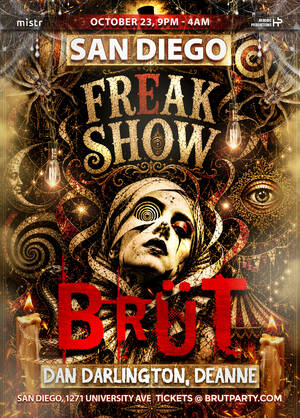
As of late 2023, The Merrow brand was retired and the venue was rebranded as a new nightclub called EQ San Diego (Electronic Q) at the same address. Many elements (location, stage, and sound system) remained, but the name and programming focus shifted. So if you see events for EQ at 1271 University, that is the former Merrow space. The information above describes The Merrow’s features during its run up through 2022.