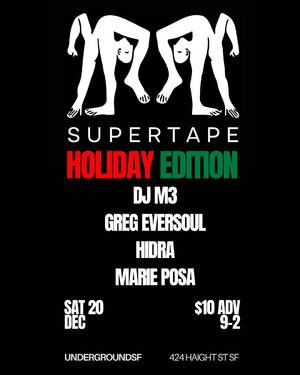
About Underground SF
Underground SF is a small, gritty nightclub and dance venue in the Lower Haight (San Francisco’s “Western Addition”) known for its eclectic music lineup and inclusive vibe (joynight.com ) (undergroundsf.com ). It occupies the site of the former The Top (a legendary Lower Haight DJ bar active 1991–2004) (hoodline.com ). Today it carries on that legacy with a heavy rotation of house, techno, garage, drum & bass and disco nights. Fans praise its “good sound and good vibes” in a safe, judgment-free atmosphere (undergroundsf.com ). The space is very intimate (only a few hundred people), largely standing room around a central dance floor and bar. Its signature features include a powerful new sound system (installed when current owner Steve Johnson took over) (hoodline.com ) and even an in-house coffee bar (Bassline Coffee) for daytime hours (undergroundsf.com ). Underground SF is a true local mainstay – the Lower Haight’s only bona fide nightclub (sfist.com ) – and attracts a diverse crowd (including long-time scene regulars and LGBTQ+ partygoers) for its weekly themed nights and dancing.
Events and Programming
Virtually every night at Underground SF features a different local party or guest DJ. Weekly residencies and recurring series include late-night disco and house (“Viennetta” with 60s/70s grooves on Mondays), an ’80s throwback dance party (“Hella Tight” with pop classics), plus the club’s famous Drum & Bass night – Shelter – on weeknights (it’s one of SF’s longest-running DnB parties and has hosted top UK acts) (joynight.com ) (undergroundsf.com ). Other promoters bring in techno, garage, reggae/dancehall, hip-hop and world dance nights, often with free or low cover charge. Special one-off events (e.g. anniversary bashes, holiday parties or tour showcases) happen regularly. Most events start around 9 or 10 PM and run until 2 AM, and as one observer noted, the music spans from vintage disco to current underground club styles (joynight.com ) (undergroundsf.com ). Ticket prices vary with the event: many nights are free or have a modest $5–$15 cover (As of 2024–25, special guest DJs typically charge around $10–$20 (undergroundsf.com ) (es.ra.co )). It’s a 21+ venue, so all paid events require adult tickets (see below).
Tickets and Booking
Tickets for Underground SF events can be purchased through the venue’s official channels or the promoter’s outlets. Popular shows (especially big-name DJ nights) often have advance tickets that sell out fast, so check the club’s online calendar or local listings and buy early if possible. Advance prices are typically in the $10–$20 range (undergroundsf.com ) (es.ra.co ). If an event is not sold out, you can usually buy at the door on the event night (cover charges are often collected at the entrance). Box office hours aren’t fixed, since Underground SF doubles as a cafe during the day; it’s safest to plan on getting tickets ahead of time for busy shows. Many promoters also announce presales or guest list spots via social media or email. For last-minute plans, arrive early on event night to avoid long lines; for example, a 21+ techno night in summer 2025 charged $15 at the door (es.ra.co ). During daytime cafe hours (before 1 PM) no entry fee applies – you can just grab coffee at Bassline Coffee inside.
Seating and Layout
Underground SF is basically a ground-floor club room (inside a 1900-era building) with a bar along one side and a large open dance floor. There are very few formal seats or tables – aside from some stools at the bar and a few small lounge spots, it’s mostly standing/dancing space. This means “best seats” are just being on the dance floor or leaning against the wall near the DJ booth and speakers. The club has no dedicated VIP balcony or box–it’s all one room, so responsiveness is immediate anywhere on the floor. Acoustically, the upgraded PA delivers punchy bass and clear vocals (patrons note the club has “good sound” for its size (undergroundsf.com )). Because of the closely packed layout, popular nights can feel very packed – expect an energetic, sweaty scene where the crowd is close to the DJ. There is a small covered patio out back designated for smoking (www.sfstation.com ) (and a bit of standing room), but no outdoor seating beyond that. Avoid standing too close to the speakers for hearing comfort; many guests recommend earplugs for very loud drum & bass shows.
Getting There and Parking
Location: Underground SF’s address is 424 Haight Street (between Fillmore and Webster) in the Lower Haight. It’s a short block west of Pierce St. (the core of Haight Street commercial strip). The entrance is at street level on Haight, and once inside you typically head down a short flight of stairs to the main club room. Public transit: Several convenient Muni stops are just a few minutes’ walk away (moovitapp.com ). The #7 Haight–Noriega and #22 Short lines both stop at Haight/Pierce (about 1 block west) and Haight/Fillmore (about 2 blocks east) (moovitapp.com ). The #6 (Hayes) bus stops nearby on Hayes/Pierce. At night, the N-Judah streetcar (on Market St) and the N-OWL bus (which replaces N-Judah overnight) serve Church/Market (about a 0.3-mile walk south). If coming by BART, the nearest stations are Civic Center/UN Plaza (take Muni buses or a 10-min Lyft north) or 16th St Mission (then N-Judah inbound + short walk). Parking: Street parking in the Lower Haight is very limited and metered (typically a 2-hr limit on side streets). Paid lots and garages are a few blocks away – for example, Kezar Stadium parking at 18th/Market (~$8 for the evening) and the lower Fillmore garage near Hayes/Fillmore. Rideshare/drop-off is popular; a convenient drop-off spot is at Haight & Fillmore or Haight & Pierce. Taxis and Ubers can usually find curb space on surrounding streets late at night.
Inside the Venue
When you enter Underground SF for a show, expect a thorough ID check (21+ only) and a security pat-down or bag scan at the door. The vibe inside is very clubby and low-light – walls painted dark, mirrorball or colored club lighting, and music blasting. The bar serves a full range of spirits and beers; nightly drink specials and cocktails are common (www.sfstation.com ). (One patron review noted the prices are cheap by SF standards (undergroundsf.com ).) You order at the bar window and can stand or lean while you sip. There is no full sit-down dining; only the adjacent coffee bar (open daytimes) serves food/snacks. The restroom is one (combined) stall near the back. Coat check is hit-or-miss in small clubs – bring only what you need. Dress is casual/club – no special requirements, just avoid bulky jackets or large bags. On busy nights it’ll be crowded and warm (hence the “sweaty dance floor”); on quieter nights it feels like a cozy neighborhood dive. Check the schedule for theme nights since the atmosphere changes (e.g. disco decor or techno strobe at different events). Be prepared to dance or mingle – there are no reserved seats and late entry often means standing room only. The venue does not advertise Wi-Fi; cell service is generally usable inside.
Nearby Amenities
The Lower Haight neighborhood has plenty of options for pre- or post-show dining and drinks. On Haight Street itself (blocks away) you’ll find casual food spots (sandwich shops, pizza, Thai, etc.) and sit-down pubs. Fillmore Street (just one block north) has more bars and restaurants – for example, the craft-beer bar The Page and cocktail lounge The Alembic are within 5 minutes’ walk. Pacific Heights and Hayes Valley are a few blocks in other directions with cafes and bars (if you plan to continue the night). Notable nearby eateries include Alice’s Restaurant (comfort food diner, open late, about 0.3 mi east) and Humphry Slocombe ice cream (at Fillmore/Haight). For coffee or brunch before a late show, the Bassline Coffee café is inside the club during mornings. Lodging is sparse in the immediate Lower Haight; the closest hotels are in Hayes Valley or Western Addition (a short cab ride away). If arriving early, consider grabbing a bite around Fillmore/Haight or Hayes/Pierce and then heading to the show. Public parking is rare, so plan to use transit or a paid garage.
What Makes This Venue Special
Underground SF stands out for its history and community role. It carries on the legacy of San Francisco’s ’90s house scene – one promotions blurb called the space “a place that the scene can call home” (hoodline.com ). The club has always championed local dance music culture; its Shelter drum & bass night has been running for decades, and promoters regularly bring in bay-area favorites and even international DJs. Fans appreciate that it’s one of the few places in the city where underground electronic and disco music regularly happens in a no-frills, dive-bar setting. The exterior marquee even retains the original “The Top” sign from yesteryear (hoodline.com ), a nod to those decades of history. Another unique feature is the daytime music cafe idea – the space has its own coffee bar stepping straight into the venue (so you could start your day with coffee and later stay into a party). Owners and staff are involved in the local scene (the proprietor lives upstairs and often DJs himself), giving it a tight-knit family vibe. In short, both locals and touring DJs love Underground SF because it feels like a real neighborhood club that never lost its edge (hoodline.com ) (undergroundsf.com ).
Visitor Tips and Information
Accessibility: This venue is in an old building with a few steps at the entrance and no elevator. It is not fully wheelchair accessible. If mobility is a concern, contact the club ahead to ask about arrangements. What to bring: Always carry a valid photo ID (21+ only). Bring cash as backup (bar is likely card-friendly but some promos use cash only). A light jacket or sweater may be useful for lining up or when leaving late (it can be chilly outside). What not to bring: Large bags or backpacks are typically not allowed, and everything is searched at the door. Outside food and drinks are prohibited, and proper attire (no athletic jerseys or overly casual gear) is expected. Photography: General point-and-shoot photography is not strictly prohibited, but professional camera rigs or tripod setups usually aren’t allowed. Expect staff to ask you to stop if they do. No smoking is allowed inside – use the patio. Don’t miss shows: For better odds on big events, arrive early or get on a guest list any way you can. Lineups often sell out fast (remember $5 nights can still pack in folks). Late entry (after midnight) may not be permitted if capacity is reached. Insider tip: The club is most lively on late weekend nights, and many regulars treat it like a home base. If you’re curious about drag, disco, or D&B, ask around – the local promoters usually have the scoop. The affordable drinks and friendly bartenders make the experience more about the music than your wallet. Finally, plan ahead for your ride home: BART/Muni trains stop around midnight, so Uber/Lyft or a taxi may be needed after shows end at 2am.
Frequently Asked Questions
How much do tickets cost and where do I buy them?
Ticket prices vary by event. Most nights are inexpensive – often free or just a few dollars ($5–$10), while special DJ shows typically charge $10–$20 (undergroundsf.com ). You can buy tickets online through the venue’s official site or the show’s promoter. For popular shows, buy early; at the door prices are usually the same or slightly higher than advance. Always check the event listing ahead of time.
Can I buy tickets at the door?
Yes, if the show isn’t sold out, you can pay at the door. Most events allow walk-up entry with cash or card (be sure to arrive earlier on very busy nights). However, some sold-out or special events may be entry-by-ticket only, so it’s safest to purchase in advance for in-demand shows. Door sales often open around 9–10 PM when the party starts.
What are the age and ID requirements?
Underground SF is strictly 21+ due to its full bar. You must show a valid government-issued photo ID (driver’s license or passport) to enter (es.ra.co ). No underage entry is allowed. One ID per person is usually sufficient. Even if an event is free, Ontario will still check IDs at the door, so plan accordingly.
What is the dress code?
There is no strict dress code – most patrons wear casual club attire. Avoid large jackets or backpacks (they’ll slow you at security) and overly formal outfits (it’s a divey club, not upscale lounge). Comfortable shoes are recommended since you’ll likely be standing or dancing. Costume or themed attire may be welcome on special event nights, but plain street clothes are fine on any regular night.
Are cameras or filming allowed?
Because Underground SF is small, staff generally discourage professional cameras or tripods. Simple phone photos are usually tolerated, but be discrete – no flashes. If you record video or take many pictures, security might ask you to stop. Use of cameras during the show is at the door’s discretion. It’s safest to assume this is a no-flash, nightclub environment.
Can I bring a bag or coat?
Large bags and backpacks are discouraged and may be searched. Small purses or fanny packs are usually okay. There is no formal coat check (space is tight), so it’s best not to carry bulky coats or luggage. On a crowded night, you might be asked to keep your jacket with you. Pack only essentials to move easily on the dance floor.
Is there parking nearby?
Street parking on Haight or side streets is scarce and metered (usually a 2-hour limit). If you drive, arrive early to hunt for a spot or use one of the paid garages a few blocks away (for example, the Kezar Stadium lot near 18th/Market). Many people prefer rideshare or transit. For drop-off, suitable spots include Haight & Fillmore or Haight & Pierce, both within a minute’s walk of the club.
What transit options serve Underground SF?
Several Muni bus lines run right by Underground SF. The #7 and #22 buses stop at Haight/Pierce (2-minute walk) and Haight/Fillmore (4-minute walk) (moovitapp.com ). The #6 Fulton bus stops a few blocks away on Hayes/Pierce. At night, the N-Judah streetcar and the overnight N bus run along Market Street (a 5–10 minute walk south). There is no nearby BART station, but you can transfer from Civic Center BART or 16th/Mission BART via Muni.
Does Underground SF have seats or VIP areas?
No – this is primarily a standing-room dance club. Aside from a few bar stools and ledges to sit, there are no fixed seats or VIP sections. The floor is fully open for dancing. On busy nights, the crowd will fill the whole room, so pick a spot near the DJ booth or bar for the clearest sound (and get there early if you want front-row space). There are no raised balconies.
Is Underground SF wheelchair accessible?
Unfortunately not fully. The club is in an old building with a few steps at the entrance and no elevator to the main floor. Wheelchair access would be difficult. If accessibility is a concern, contact the venue ahead of time to discuss any accommodations. Note that restrooms are small and not wheelchair-accessible.
Does Underground SF serve food?
No, Underground SF itself doesn’t serve food. They have a full bar for drinks only. (However, Bassline Coffee operates on site as a cafe in the morning/afternoon if you arrive early.) For food, attend a show after eating nearby – there are plenty of options on Haight and Fillmore before closing time. Late-night meals may require a short trip to nearby neighborhoods since the club’s immediate area doesn’t have a kitchen.
Does Underground SF have a coat check?
Usually not – as a small club, Underground SF typically does not offer full coatcheck or locker service. Guests usually keep their jackets and bags with them or drape them over a chair. In cooler weather, wearing a lightweight sweater or jacket that you don’t mind carrying is best.
What kind of music and events happen here?
Underground SF focuses on underground electronic dance music and retro dance themes. Expect genre nights like drum-and-bass (jungle), house, techno, deep disco and retro pop, as well as special curated sets by local collectives. Promoters often host mashups (e.g. global beat mixes, happy hour sets) and inclusive queer/DJ nights. Basically, anything from classic club cuts to hard grooves can turn up on the sound system.
What’s the capacity of the venue?
The club holds roughly a few hundred people. It’s an intimate space (typically under 300 max) so it fills up quickly on busy nights. Once it’s at capacity, staff will not admit additional people until others leave.
When did Underground SF open?
The venue was originally “The Top,” a house-music club that occupied 424 Haight from 1991 until 2004 (hoodline.com ). In 2004 it reopened as Underground SF under new management. The current owner, Steve Johnson, purchased the building and business in 2011 (www.redfin.com ) (hoodline.com ) and has operated it (with some renovations like sound upgrades and the addition of the coffee bar) since then.
Is Underground SF indoor or outdoor?
The party is entirely indoors (inside a converted storefront and basement level). There is no outdoor event area except for the small smoking patio out back. All dancing and music occur inside.