About Papaya Playa Project
Papaya Playa Project is a unique beachfront resort and events venue on Tulum’s famed Caribbean shore. Founded by Mexican hotelier Emilio Heredia, it began as a simple jungle-side beach camp and in 2011 teamed up with Design Hotels®, adding “Project” to its name (magazine.tablethotels.com ). Today PPP spans about 900 yards of private beach with roughly 85–99 rustic cabanas and casitas built from local materials (www.findinginfinity.com ) (www.revistaad.es ). Its design is deliberately simple and sustainable: thatched palapa roofs, bamboo framing and organic linens create a “barefoot luxury” vibe that blends into the jungle (www.revistaad.es ) (www.papayaplayaproject.com ). Papaya Playa helped define early Tulum tourism as a bohemian, eco-conscious destination. In the resort’s early decade it had no electricity or Wi-Fi, just sun, sand, firepits and cenotes – the ideal escape from city life (magazine.tablethotels.com ). The owner’s vision remains rooted in respectful coexistence with nature: the property recycles its wastewater, grows much of its own food in on-site gardens, and uses traditional Mayan techniques to preserve the environment (www.papayaplayaproject.com ) (www.revistaad.es ). This commitment to “sustainable luxury” and placemaking has made Papaya Playa a landmark of Tulum’s creative scene. Its rustic beach amphitheater (built into the dunes) is a signature feature, offering a natural setting for performances. In short, Papaya Playa Project is notable as one of Tulum’s original boutique resorts – a “living project” where party culture, wellness, art and eco-design intersect (magazine.tablethotels.com ) (www.revistaad.es ).
Events and Programming
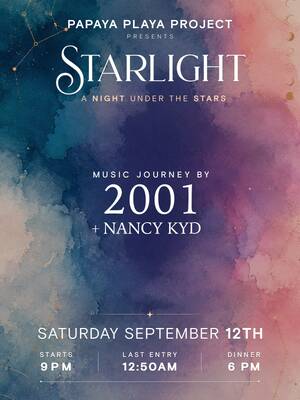
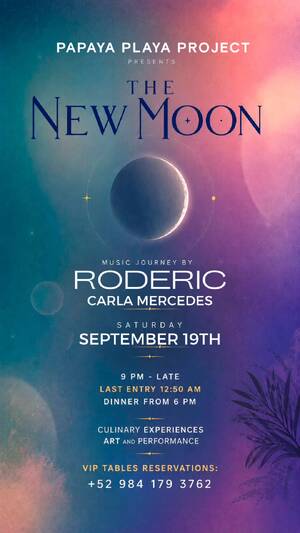
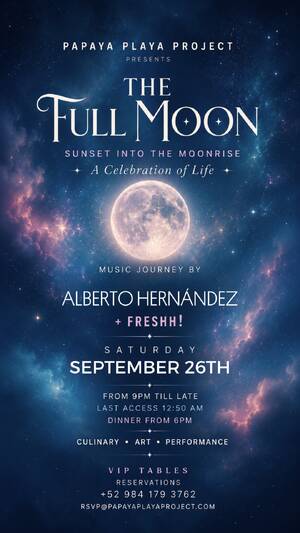
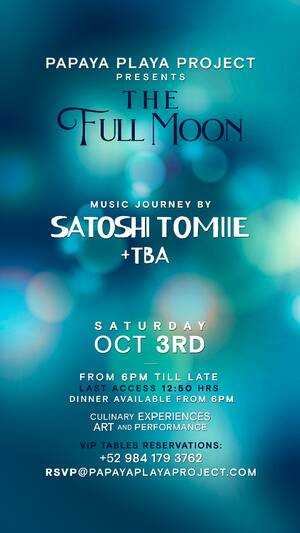
Papaya Playa Project is best known for its eclectic schedule of music and cultural events. During high season (roughly October through April) the beach club hosts nightly parties, live shows and DJ lineups. The emphasis is on electronic and world music – house, techno, world-beats and tribal rhythms – often mixed with spiritual or artful themes. Signature recurring events include **WooMoon** (the monthly full-moon beach party), **Storyteller** (an immersive, performance-driven twilight experience with costumes and art installations) and **Saturday Celebrations** that run into late night. The resort also occasionally hosts one-off performances by notable DJs and musicians from around the world. For example, international acts like Hugel, Amine K, Lovebirds and other House/Techno artists have played at Papaya Playa in recent seasons. Many events follow astronomical or natural cycles: beyond full moons, there are “New Moon” or Eclipse parties, and even a **Mayan Warrior** festival in January (a Burning Man–style community gathering) (www.digital-nomad-couple.com ) (www.digital-nomad-couple.com ). Daytime programming can include yoga & meditation sessions, temazcal ceremonies and art-related workshops (the resort has its own “Art Walk” installations throughout the property (www.livelikeitstheweekend.com )). In short, PPP offers a blend of beach club dancing, live performances and well-being gatherings that reflect its jungle setting and creative ethos. Parties typically start at sunset and run into the early hours (often until around midnight), following a relaxed Tulum rhythm. (www.ticketfairy.com ) (www.ticketfairy.com ) Nights are age-restricted (18+ events), and themes range from full moon celebrations to summer solstice gatherings, keeping a sense of ritual and community in the schedule.
Tickets and Booking
Tickets for Papaya Playa Project events are generally sold online and through associated promoters rather than an on-site box office. Most headline parties go on sale 1–3 months in advance, with **tiered pricing**. Early-bird General Admission tickets might start around MXN 2,000–2,500 (roughly USD $100–120) per person (www.ticketfairy.com ). As the event date nears, prices typically rise in stages (Tier 2, Tier 3, etc.) up to maybe MXN 3,000–4,000 (about $150–200) per ticket. There’s often a special “Local Early Bird” rate reserved for Tulum residents with local ID, which is discounted (www.ticketfairy.com ). VIP packages and reserved tables are also offered – these include premium seating or beachfront palapa tables with bottle service (note that VIP tables usually carry a surcharge on top of the general ticket price (www.ticketfairy.com )). Tickets usually include entry, live music and sometimes a welcome drink, but **not** food or dinner (these are separate). Doors for evening events usually open around 7–8 PM, and last entry is often around 12:30–1:00 AM (www.ticketfairy.com ) (www.ticketfairy.com ). For popular dates or special acts (especially in December/January), tickets can sell out quickly. The best strategy is to watch PPP’s official channels or authorized presale listings, subscribe to newsletters, and buy early. Box offices at the resort are rarely open to general walk-up sales – most sales are handled digitally. Refunds and transfers are typically not available, so it’s wise to double-check dates when booking.
Seating and Layout
As an outdoor beach venue, Papaya Playa Project is largely **open and general-admission** rather than having fixed seating. The main dancefloor is usually on flat sand with the DJ stage at one end, overlooking the sea. Natural elevation (small dunes or platforms) creates an amphitheater-like effect, so you can often stand or relax on raised wooden decks or steps for better sightlines. There are scattered lounge areas with hammocks, sunbeds and fire pits off to the sides, plus a few shaded lounges near the bars. Early arrivals will generally stake out a spot closer to the stage or on the beach to the DJ’s right (the sun sets to the west, providing a dramatic backdrop). In general, there are **no reserved seats** – everyone mingles on the sand. For those seeking a more comfortable or private experience, VIP areas are available: these typically include reserved palapa cabanas or beach beds that can be booked with table service (see the tickets section). Acoustically, the sound system is oriented toward the dancefloor, which is usually clear of major obstructions. Because events are casual, it’s common and acceptable to move around: you can dance by the stage, chill on the beach, or rest in quieter zones by the bar. Just remember that the soft sand floor means there is **no stadium seating** – at a busy party, front-row views are first-come-first-served. If a show has assigned “seats,” it will be clearly advertised (some table packages may note seating). The main takeaway: expect a barefoot, beach-club layout. Arriving early (before sunset) is advised to find your favorite spot, and keep in mind that latecomers can usually still enter until midnight but may have to settle farther back on sand.
Getting There and Parking
Papaya Playa Project is located on the Tulum beach strip, at **Km 4.5 on the Carretera Tulum-Boca Paila** (the coastal hotel highway) (papayaplayaproject.therivieramayahotels.com ). The precise address is “Km 4.5, Zona Hotelera, 77780 Tulum, Q.R., Mexico.” This is about 4–5 kilometers south of the main town of Tulum. The route is straight: from Tulum centro or the ADO bus station, head south on Route 307 toward the beach. Look for a sign marking Km 4.5 or the Papaya Playa entrance on your right (heading south) or left (coming north from Sian Ka’an direction).
By Car or Taxi: Driving is the easiest option. Most visitors take a taxi or rideshare from Tulum town (a short 10–15 minute ride). Fares are reasonable (around MXN $150–200 for a one-way taxi). If you rent a car, you can park on-site – Papaya Playa has its own parking lot (papayaplayaproject.therivieramayahotels.com ). Note that parking may be limited during big events, and there may be a small parking fee per vehicle on event nights (confirm ahead or with the staff). When attending a performance, allow extra time to find parking; slots fill up first for guests or VIPs, so regular event-goers may need to park farther down the road.
By Bus or Colectivo: Public transit to the beach is more limited. Colectivo vans do run along Route 307 between Tulum town and the beach hotels (they generally go as far as Xcacel or Punta Allen). To use a colectivo, take one heading south on the highway and ask the driver to stop at Km 4 or thereabouts; you can then walk or flag down the resort entrance. However, these vans are infrequent and may not drop you exactly at the hotel entrance, so most international visitors prefer a taxi for convenience. There is no subway or train to Playa; note the nearest ADO bus stop is in Tulum town, not on the beach road.
Rideshare & Shuttle: Uber and Didi sometimes operate here, though their availability can vary. Some hotels and tour operators also offer private shuttles to and from Papaya Playa, especially for events. If organizing transport for a group, pre-writing down contact info of local taxi services is wise.
Walking/Biking: For active travelers, it’s possible to bike or even walk along the beach to reach Papaya Playa from adjacent hotels (there are bike rental shops along the Tulum strip). However, keep in mind the road can be busy after dark, so walking long distances alone at night isn’t recommended.
Inside the Venue
Papaya Playa Project’s beach club is open-air and spread out. Upon entry, expect a laid-back jungle-meets-ocean atmosphere. Facilities include a sandy beach lined with palapas, wooden decks, and the central stage area. There are multiple bars scattered around: a beachside bar serving cocktails and beers, a snack bar or cafe for light bites/coffee, and often a “mixology” bar with craft cocktails perched on a mezzanine or elevated platform overlooking the scene (www.livelikeitstheweekend.com ). Menus focus on seafood, fresh ceviches, salads and vegetarian bowls; one on-site eatery (“Roca”) specializes in raw/vegan dishes (www.livelikeitstheweekend.com ). All are casual – dress is beach-chic, so swimsuit cover-ups, shorts, sundresses or boho attire are standard.
Entry & Security: Typical door policies apply. For concerts and parties, expect ID checks (carry a valid photo ID if the event is 18+) and possibly bag searches for safety. Papaya Playa leans laid-back, but inside the club area there may be security guards, especially after dark. Metal detectors are not standard, but avoid bringing glass bottles or prohibited items (outside alcohol, large professional cameras or drones, and illegal substances are usually barred). Small clear bags or fanny packs are OK. Everyone must present their ticket or wristband; re-entry is generally not allowed once you leave (so plan ahead if you need a break).
Food & Drink: Several options exist. There is a full-service restaurant facing the beach, and food trucks or snack huts for quick bites. The raw/vegan restaurant “Roca” and a 24-hour cafe brews coffee all day (www.livelikeitstheweekend.com ). While dancing and clubbing, there are portable or permanent bars on the beach serving cocktails, beer, tequila and snacks. Drinks are moderately priced for a resort – cocktails might run MXN $150–250. It’s wise to stay hydrated (drinking water is available onsite, sometimes complimentary or for sale). Outside food and drink are not allowed, so enjoy the in-house options or eat beforehand at a nearby restaurant.
Assistance & Facilities: Restrooms (usually simple flush toilets and sinks) are distributed near the stage and behind the beach. They are clean but may lack big mirrors or amenities – bring hand sanitizer, tissues and cash just in case. Coat checks are not typical; you won’t need heavy outerwear, but a light wrap or hoodie is advised after sunset (evenings can get cool Ga). There is often a small shop or kiosk selling event merchandise, T-shirts, or beachwear. Wi-Fi is generally unreliable or nonexistent outdoors, so plan to have mobile data or enjoy a digital detox.
Special Features: The venue’s centerpiece is the **beach amphitheater** under the stars, complete with hanging lanterns and tribal decor. There’s usually an on-site DJ booth and sometimes a tree-house deck for live instrumentation. Art installations and bonfires around the beach create the famous “tribal” vibe. A popular ritual is to arrive before sunset, meditate or do yoga on the sand (the property often hosts sunset yoga classes), then watch the sky change while music plays. At midnight or the climax of the show, it’s not uncommon for guests to light candles or sparklers on the beach (country by country).
Nearby Amenities
Papaya Playa is relatively remote, so nearby amenities are limited compared to Tulum town. Immediately adjacent, the beach is mostly undeveloped except for a few boutique hotels. The closest eating options outside PPP itself include some beachside restaurants and boutique bars a couple kilometers south (for example, Casa Violeta or La Loona around Km 7 on the beach road). On the highway side, a handful of taco stands and cenote tour huts might serve basic snacks. For a wider selection, most visitors head back to Tulum’s town center (~10–15min north) or further down the beach strip. In Centro (the pueblo) you’ll find dozens of restaurants (Mexican, pizza, sushi, modern Mexican) and bars. When planning a night out at PPP, consider dining either on-site before the show or in town beforehand, since options right next door are sparse after dark.
Hotels & Lodging: Many event-goers combine the club with an overnight at Papaya Playa itself (stay in one of the beachfront cabanas, some with private plunge pools) or nearby hotels. If staying off-site, note that taxi service remains available late but can surge after popular events. Some travelers book one of the trendy Tulum beach hotels (Casa Malca, Nomade, etc.) and taxi over to PPP. For budget stays, the town limits have hostels and mid-range hotels, but those guests typically must arrange transport each night.
Transportation & Timing: If you plan to party late, arrange your return trip in advance. Taxis are plentiful in Tulum but share-ride apps may be scarce late, so it’s smart to have a local taxi number or use radio dispatch. There is no designated shuttle after midnight; alternatively, some groups rent party buses or use evening tour shuttles that stop by Papaya Playa. Biking after dark is **not** recommended due to limited lighting on the road. If you walk away from the beach towards town, there is no sidewalk on Carr. 307, so your safe walking route is back towards the village or to neighboring resorts only.
What Makes This Venue Special
Papaya Playa Project stands out in Tulum for its **authentic boho charm and creative ethos**. Architecturally, it feels more like a village than a hotel: open-air cabanas built with local wood, thatch and sand fuse with the jungle instead of overshadowing it. The beach amphitheater and thatch-rooftop pools are Instagram-famous, giving the place a storybook quality. Over the years it has hosted legendary sunrise sets and avant-garde events – think drum circles at dawn, or Maya-inspired rituals at dusk – that give PPP a mystical reputation. (magazine.tablethotels.com ) (www.digital-nomad-couple.com ).
Cultural significance is also key. Papaya Playa is one of the original architects of Tulum’s “eco-chic” image. In the early 2010s it held gatherings where world-renowned DJs would play under the stars around bonfires – a stark contrast to conventional nightclubs elsewhere. It even partnered with Burning Man arts (Mayan Warrior event) and became a canvas for local artists (sculptures and murals dot the grounds). The focus on sustainability and Mayan wellness (on-site temazcal baths, herbal mixes, vegetarian menus) connects visitors to Riviera Maya traditions. In short, it’s more than a party spot – it’s a **creative commune**.
Famous performances have taken place here too. For example, the international DJ Kohri of Solid Grooves once played a full moon set right on the sand, and Flume reportedly headlined one of the “WooMoon” celebrations. Meanwhile, famous guests often remark on simple pleasures: the sunrise yoga by the sea, the open-air mixology bar overlooking candlelit waves, and the sense of community among revelers who dance barefoot on the beach. PPP even won sustainability and traveler awards, highlighting its role as a trendsetter. For locals, the venue has been a major employer and a showcase for Yucatán cuisine and art. All these legendary moments – tribal-drum performance one night, a drone-lit cerulean sky the next – contribute to Papaya Playa’s story and why artists and audiences both love it.
Visitor Tips and Information
Accessibility: Papaya Playa’s design is mostly low-ground and natural. Gravel paths, wooden walkways and sandy floors are common. While some main areas are wheelchair-accessible, many smaller cabanas and event zones have steps or uneven ground. There are no elevators (rooms are single-storey). Wheelchair users should request assistance ahead of time; the resort can sometimes offer alternative cabanas or temporary ramps. The yoga shala and main restaurant have flat access, and bathrooms may include at least one accessible stall, but facilities are limited. Overall, this is a rustic jungle resort, so mobility can be challenging. Hearing accessibility (e.g. sign language) is typically not provided at events, and visual guides may be informal.
What to Bring / Not Bring: Essentials are ID (passport or license), your ticket (print or digital) and cash (some vendors only take pesos). Dress comfortably for beach weather – lightweight layers, swimsuits, hats and sunglasses for the day, and a warm layer for after sunset. Shoes are optional at the beach club, but bring flip-flops or sandals for the walk. Insect repellent is a must, especially for early evenings, since jungle bugs can bite at dusk. Sunblock and a reusable water bottle are recommended. For the parties, a small flashlight or headlamp can help in the dark sand, and a cover for rain (a cheap raincoat or poncho) because tropical showers can happen.
Common Mistakes / Advice: Many first-timers underestimate how remote the venue is. Don’t rely on public transport after midnight; either arrange a taxi or confirm a pickup time well in advance. Also, be mindful that events often start **after** sunset – arriving at 6pm for a 7/8pm doors open is wise, so you can enjoy sunset and secure a spot. Tickets sell out more in high season; if you’re going during December/January, buy tickets early (often months ahead). Dress code is casual beachwear – avoid over-dressing or wearing shoes on the sand. And remember to tip your bartenders and servers in pesos (10–15% is customary).
Age and Policies: The nightlife events are strictly 18+. Underage children are not allowed at evening parties or concerts. During daytime (beach club hours), it’s family-friendly, but at night expect a club atmosphere. No outside food or drinks are permitted in the event area, and large backpacks may be asked to go back to your car. Photography with phones is fine, but professional cameras or video equipment usually require press permits (so ask ahead if in doubt). Smoking is permitted outside but not indoors (there are designated smoking areas or you can step onto the beach).
Connectivity: Expect spotty cell service (confirm with your carrier coverage map) and limited Wi-Fi in public areas. Much of Papaya Playa’s magic comes from disconnecting anyway – many guests leave their devices in pockets or rooms to soak in the wilderness vibe. If you need to stay online, get a local SIM or ask about the one Wi-Fi hotspot by reception.
Local Etiquette: Papaya Playa prides itself on a friendly, respectful crowd. The culture is tolerant and open— you’ll see a diverse mix of people. A “no shoes, no stress” attitude prevails. Feel free to dance with strangers, join communal drumming circles, or make art with glow paint if it’s offered – that’s part of the fun. But also respect the Mayan surroundings: don’t trespass into the jungle, leave no litter (recycling bins are provided), and follow any guidelines during rituals (like silence when entering a temazcal).
Frequently Asked Questions
How much do events at Papaya Playa Project typically cost?
Ticket prices vary by event and season. Major parties often start around MXN 2,000–2,500 (about USD $100–120) for early-bird general admission (www.ticketfairy.com ). Later tiers rise to MXN 3,000–4,000 (≈$150). Locals can get discounted "Local Early Bird" tickets if they show a valid Tulum ID (www.ticketfairy.com ). VIP packages (reserved tables/cabanas) cost extra. Always check the specific event listing for exact pricing, as DJ lineups and holiday dates can push prices higher. Each ticket generally covers entry, music and a welcome drink; food and premium tables are add-ons.
Where is Papaya Playa Project located, and how do I get there?
Papaya Playa Project sits at Km 4.5 Carretera Tulum-Boca Paila , in Tulum’s beach hotel zone (papayaplayaproject.therivieramayahotels.com ). It’s about 4–5 km south of the main town. From town, you can take a taxi or Uber (approx. 10–15 min, ~MXN $150–$200). The resort has its own parking lot on-site (papayaplayaproject.therivieramayahotels.com ). Alternatively, you can ride the shared “colectivo” vans that travel along the highway, but they might not stop right at KM 4.5 – if you use them, ask to get off near Papaya Playa and walk. Taxis or private shuttles are the most reliable late at night after events. Driving yourself is also fine (there is parking for guests and eventgoers), but note the road can be busy and sandy.
Is there parking available at Papaya Playa Project, and is it free?
Yes, Papaya Playa Project has an on-site parking area (papayaplayaproject.therivieramayahotels.com ). Parking is typically available for guests, although spaces can fill up for large events. During parties or festivals, they may charge a small fee (usually a few hundred MXN) for event parking per vehicle – this depends on the promoter or night. If parking fills, cars often line up along the highway edge. Because of this, many visitors arrive by taxi or rideshare to avoid the hassle. Always arrive a bit early if you plan to park (especially on weekends), to secure a spot.
What is the seating & viewing situation at events? Are there reserved seats?
Papaya Playa’s event areas are mostly general admission. There are no fixed “seats” in the dance area – people stand or sit on the sand and wooden decks. To watch a performance, you usually spread out your own seating (blankets or towels) near the stage on the beach. Best viewing spots are closest to the DJ/platform; these fill up quickly. Latecomers often stay at the back or by the bars. If you want something more official, VIP options (for a higher ticket price) include reserved cabanas or tables under shaded palapas (www.ticketfairy.com ). These VIP areas have service and guarantee a specific spot, but expect extra costs. In short: for regular GA tickets, expect an open beach layout – arrive early to claim a front spot. If you have a VIP table, you’ll have seating provided.
What should I wear to Papaya Playa Project events?
There’s no formal dress code, but the vibe is upscale beach/bohemian. Think airy resort wear: linen shorts or flowy pants, tropical prints, swimsuits with cover-ups, or casual summer dresses. Shoes are optional on the beach; most people wear flip-flops or pretty sandals (you can go barefoot at the dancefloor). At night, it can cool down, so bring a light sweater or shawl. Costumes or festival attire are welcome at themed events (face paint, glowing accessories, etc.). Avoid athletic wear like jerseys or sneakers unless you’re performing—Tulum fashion leans toward relaxed, natural clothes. Remember: sand, ocean spray and dancing are likely, so dress comfortably and consider that anything white or silky might get sandy.
What items am I allowed or not allowed to bring?
Allowed items include personal essentials: ID, wallet, sunscreen, phone, small camera, hat, and lightweight layers. Small clear bags or fanny packs are fine. Prohibited items usually include: outside food or alcohol, glass bottles, large backpacks, professional cameras (without media pass), video cameras, fireworks, or drones. Many parties also forbid illegal drugs – though this goes without saying. If in doubt, check the event’s specific rules. Flashlights might be handy in the dark, though there are usually ambient lights. You will be subject to a quick security check upon entry.
Are events at Papaya Playa Project only for adults? Can kids attend?
Nighttime concerts and dance events at Papaya Playa Project are strictly **18 and over** (www.ticketfairy.com ). IDs are checked at the door. The beach resort itself is technically family-friendly by day, but keep in mind activities (yoga, spa, etc.) may not be very engaging for young children. For dinners or brunches (non-event times), families sometimes stay on the property, but once a live music party starts after sunset, it becomes an adults-only environment. If you have kids, plan your visit with this in mind: either come during daytime hours or go to an event with a babysitter/companion.
What dining options exist on-site?
Papaya Playa offers several on-site eateries. There’s a main **Beach Club & Restaurant** overlooking the ocean, serving international cuisine with some Mayan/Mexican influence. Menus often feature fresh seafood, ceviches, salads and grilled dishes. In addition, there’s Roca , a dedicated raw/vegan/seafood restaurant open for lunch and dinner (www.livelikeitstheweekend.com ). For quick bites or breakfast, a 24-hour cafe/coffee bar operates near reception (www.livelikeitstheweekend.com ). All venues focus on organic and local ingredients. Bars around the beach serve cocktails and drinks all night. If attending an event, light snacks and street food carts may also be available at the venue. For more variety, there are few external restaurants very nearby, so many travelers eat at Papaya Playa before a show or in town.
Is Papaya Playa Project accessible for people with disabilities?
Accessibility is somewhat limited because the resort is built on sand and wood. Paths are sandy or wooden, and many areas (like the beach and cabanas) are at ground level, but some lounge areas require a few steps. The yoga temple and main restaurant are mostly flat and have at least ramp access. Wheelchair users can navigate to some parts, but should know most cabanas and bars have thresholds. There is no elevator (rooms are single-level). Bathrooms may not have full ADA features except perhaps one in the spa. If you have mobility challenges, contact PPP in advance – they can sometimes make accommodations (clear a path, assign certain rooms, etc.). Assistance animals are generally allowed, but best to notify the venue beforehand.
Can I purchase tickets at the door?
It depends on the event. For smaller or less-busy nights, there may be limited tickets at the door, but popular shows often sell out in advance. If a door sale is available, it is usually cash-only and subject to availability after the online presale lists are exhausted. We recommend buying tickets online ahead of time, as official sources will notify you when presales start. If you do arrive without a ticket, check with the staff early in the evening – sometimes a few last-minute tickets become available (for example, if sponsors or VIPs don’t use all theirs).
What is the capacity of Papaya Playa Project?
The resort has about 85–99 rooms (cabañas/casitas), but for events the capacity is determined by the beach area. While no official number is published, the open beach club can comfortably hold several hundred people. The crowd size varies: a typical weekly party might see 500–1,000 attendees, while signature festivals (full-moon or special weekends) could fill up to a few thousand on the sand (www.findinginfinity.com ). Because it’s outdoors, capacity is fluid, but they do limit tickets in advance to avoid overcrowding. If an event sells out or reaches an advertised limit, the only way to enter is with a pre-purchased ticket.
Does Papaya Playa Project host events year-round?
Yes, the venue is open year-round as a resort and beach club. However, the **party season** is typically from late October through April, aligning with Tulum’s peak tourism. During these months, you’ll find events almost nightly (especially Thursday–Sunday). In the low season (May–September, rainy season), the schedule thins out: there are fewer large parties, but some DJs or smaller gatherings may continue, especially on weekends. The beach club and restaurant operate every day, so you can still visit even if no concerts are on. Check the event calendar on PPP’s official site or social media to see exact dates – they often have at least a weekend event each month even in summer.
Are electronic or service payments accepted inside?
The venue generally accepts both cash (Mexican pesos) and major credit cards (Visa, Mastercard). Bars and restaurants will take cards, but smaller vendors or late-night food carts might be cash-only. ATMs are usually available on-site or nearby, but they can charge high fees – it’s wise to carry some pesos before you arrive. Tipping is common in pesos (10–15% for tables service). Some ticket booths and promotions may accept cash only, but most online ticket platforms take credit cards.