About Frank Kitts Park
Frank Kitts Park is a vibrant inner-city waterfront park in central Wellington, New Zealand. An open green space with terraced amphitheatre seating, it provides harbourfront views and is uniquely landscaped on reclaimed land. The park was created in the late 1970s on former port land and was named “Marine Park,” then renamed Frank Kitts Park in May 1979 in honour of Sir Frank Kitts (Wellington’s mayor from 1956–1974) (nzhistory.govt.nz ). It was redeveloped in 1990, marked by a sundial anniversary, and a prominent memorial – the mast of the ill-fated TEV Wahine ferry, now standing on the park’s seaward side to honour the 1968 disaster (nzhistory.govt.nz ).
The park’s design reflects Wellington’s maritime and historical heritage. Tiered stone seating (an amphitheatre facing the water) provides informal picnic spots and event viewing (wellington.govt.nz ). The waterfront promenade has a tall safety wall (a remnant of the old city car race start grid) on the city side (wellington.govt.nz ), a unique architectural feature from its racing era. Within the park are several notable artworks: Tanya Ashken’s Albatross fountain sculpture, Paul Dibble’s “Fruits of the Garden,” Len Lye’s “Water Whirler,” and a Charles Stone sundial (wellington.govt.nz ). The green lawns are dotted with pohutukawa trees and lined by memorial plaques along the Quay, making this both a leisure space and a living memorial. The park is flanked by two major museums (the National Museum Te Papa and the Wellington Museum/City & Sea) (www.tripadvisor.com ), and it sits adjacent to Queens Wharf, offering sweeping harbour views. In all, Frank Kitts Park is notable for its combination of playground, public art, and memorial elements, making it a special Wellington landmark blending recreation with heritage.
Events and Programming
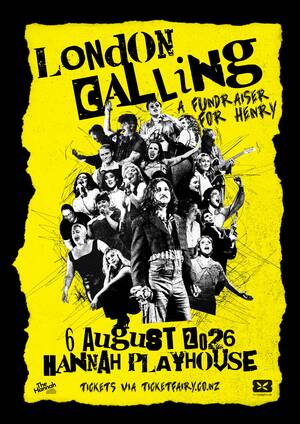
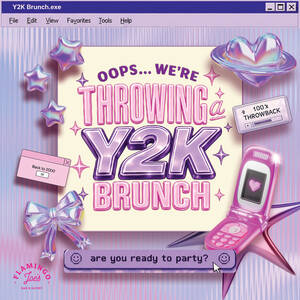
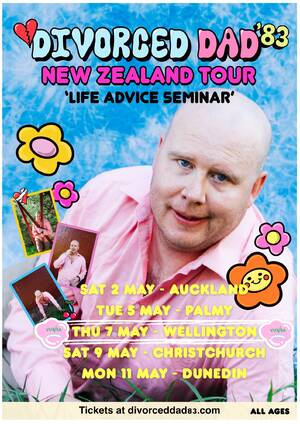
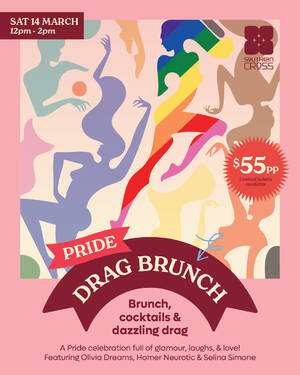
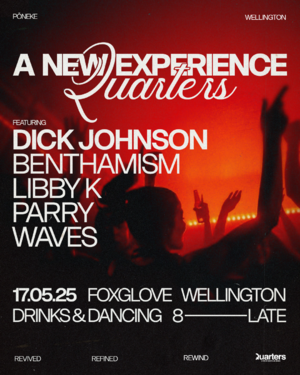
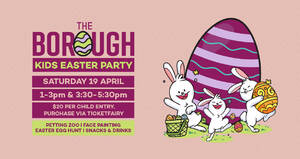
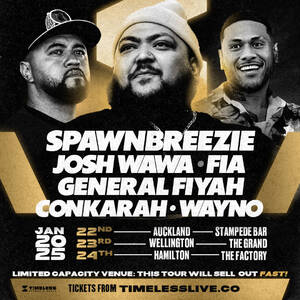
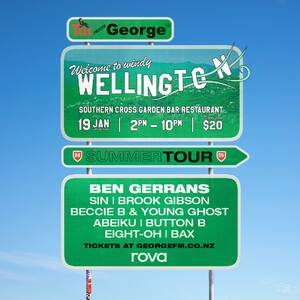
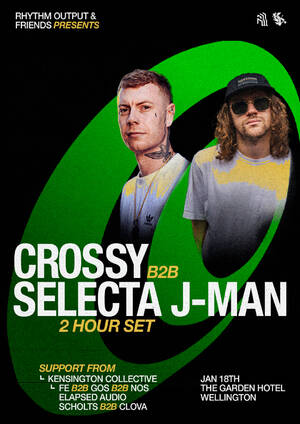
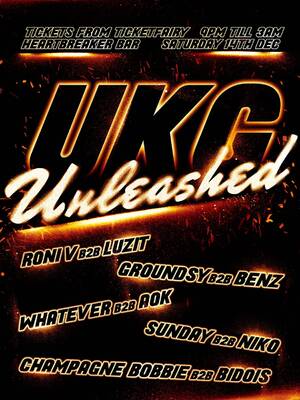
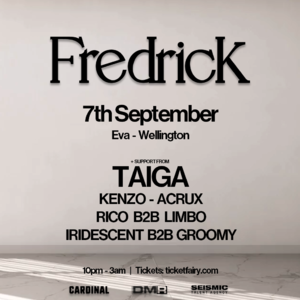
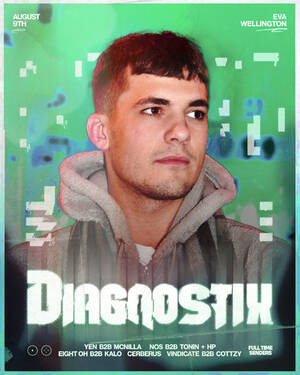
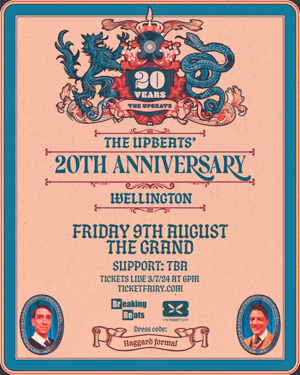
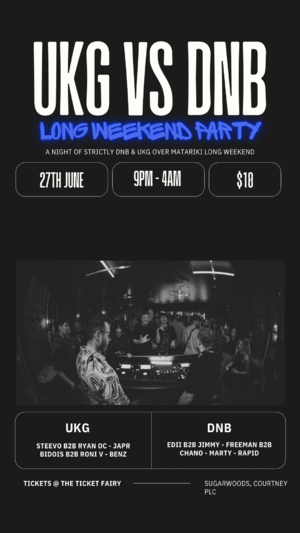
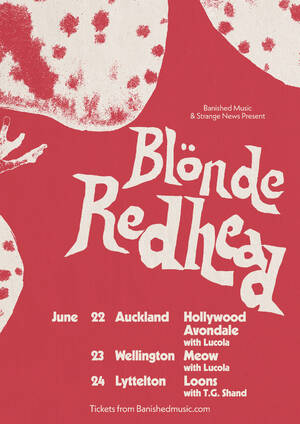
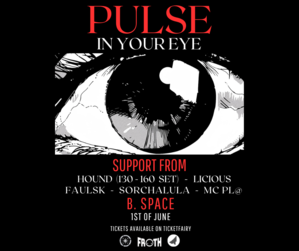
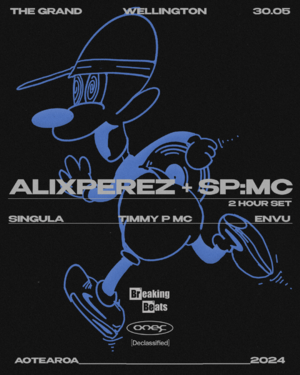
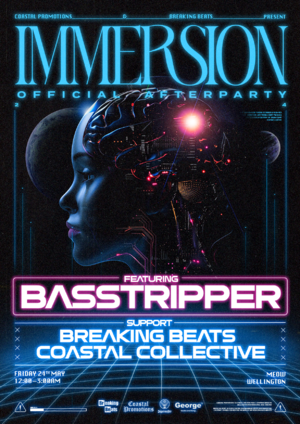
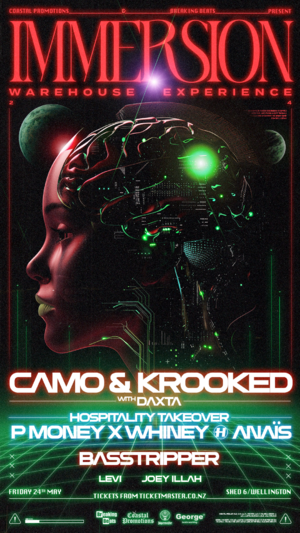
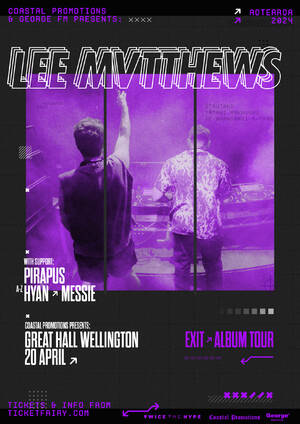
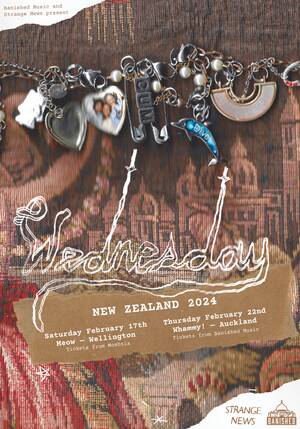
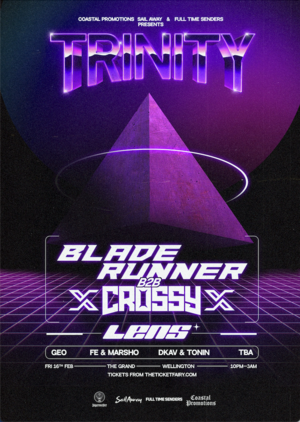
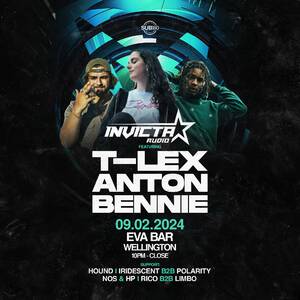
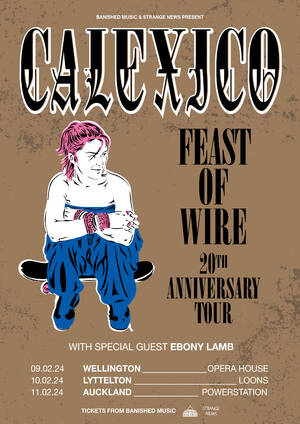
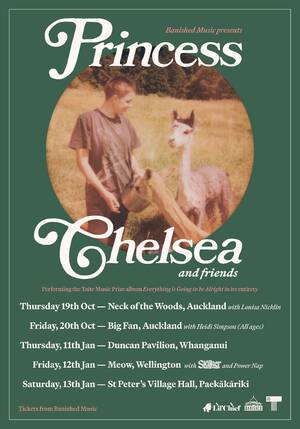
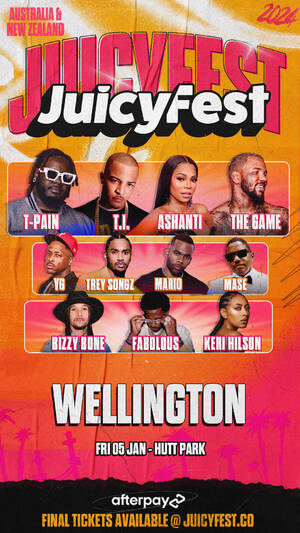
Frank Kitts Park is a hub for outdoor events and community programmes, especially during Wellington’s warmer months. It hosts a wide range of activities: free family concerts, cultural festivals, food and craft markets, and recreational gatherings. Each summer the city runs a “Summer Sampler” on the waterfront (December–February), and Frank Kitts Park often features in these with local bands and performers attracting crowds. For example, since 2021 the Wellington Fried Chicken Festival has been held annually in late February at Frank Kitts Park (concreteplayground.com ) (concreteplayground.com ), bringing together food trucks and brewery stalls. The boutique Gindulgence gin festival was held at Frank Kitts Park on 29–30 January 2022 as “a celebration of all things gin” (wellington.govt.nz ). The park is also chosen for cultural events: Lunar New Year celebrations (e.g. Feb 16, 2025’s “Fun in the Park” event with dragon dancing and music on the grass (lunarnewyearfestival.co.nz )), Matariki gatherings, and community arts expos. Playground-related events (like dawn blessings and Children’s Day festivities) occur at the renovations of the playspace (wellington.govt.nz ).
Aside from festivals, smaller-scale programming happens regularly. Weekend music sessions or dance workshops often pop up here in summer; occasionally local orchestras or theatre groups use the amphitheatre setting for an open-air show. Most events are family-friendly and casual. Admission policies vary: many are free (e.g. community open days, children’s activities, and charity fundraisers), while ticketed events are usually modestly priced. For instance, Fried Chicken Fest tickets were limited to NZ$10 and under, with children under 12 free (concreteplayground.com ), making it an affordable outing. Wellington City Council and organisers typically announce event dates in advance. In summary, Frank Kitts Park’s programming blends cultural celebration, live music, and community gatherings, reflecting Wellington’s creative waterfront culture.
Tickets and Booking
Because Frank Kitts Park is a public space, it has no on-site box office or permanent ticket windows. Entry to the park itself is always free. When events are ticketed (usually through independent promoters), tickets are sold online via the event’s website or authorized sellers—often months in advance. For large festivals (like food or music events), it’s wise to book early since popular shows can sell out. Typical pricing ranges from free (for public and charity events) to modest festival fees; for example, Fried Chicken Fest sessions were around NZ$10 each (concreteplayground.com ).
Most events at Frank Kitts Park have either free admission or a simple ticketing structure. There are usually no elaborate seating tiers or expensive VIP packages. If you plan to attend a high-profile weekend festival or concert, look for “early bird” options when offered. Family-friendly events often allow free entry for kids and charge per adult. There is no standing box office at the park – all entry is managed at each event’s entrance (if any). In short, check the event promoters’ announcements for release dates and ticket tiers. Many musicians and organizers partner with local ticketing platforms, so purchasing must happen through those channels. For casual visitors, just showing up is fine for general park access or free community shows.
Seating and Layout
Frank Kitts Park is primarily an open lawn park with a built-in amphitheatre. The main viewing area is a broad set of tiered stone steps that face toward the harbour (the promenade side) (wellington.govt.nz ). This amphitheatre can seat a few hundred people for performances or picnic-style gatherings – bring a cushion or blanket for comfort. Beyond the steps is flat grass on which events may set up temporary stages. There is no fixed seating beyond these terraces, so if an event is popular consider arriving early to claim spots on the upper tiers. For smaller shows, people often sit or stand closer to the stage area on the lawn.
The park’s layout is essentially two levels: the lower terraced amphitheatre and an upper flat walking area behind it. These are connected by gentle ramps and stairs (wellington.govt.nz ), making it accessible as a viewing venue. Scenic spots along the waterfront wall also offer a different perspective of events (with the harbour behind the stage). Acoustically, the open-air environment means that sound carries easily but can sometimes be diffused by wind—sit closer to the speakers or stage for clearer audio. There are no obstructed-view seats, since all seating is general admission on grass or steps. VIP or reserved areas are uncommon; any “VIP” would be arranged by a private event (for example, a fenced-off deck erected by an organizer). In practice, visitors choose front-row terrace seating for the best sightlines, especially for kid-friendly or musical programs. Because it’s an outdoor venue, adverse weather can affect comfort: if it’s sunny, use shade near nearby pohutukawa trees or bring an umbrella; if windy or cool, plan with jackets.
Getting There and Parking
Location: Frank Kitts Park sits on Jervois Quay at Wellington’s waterfront (postal code 6011), adjacent to Queens Wharf. The main entrance is off Jervois Quay near the Fulborough Street junction. The park is just east of Te Papa Tongarewa (National Museum) and southwest of the Cable Car top station area, making it very central.
By Car: The nearby Frank Kitts Car Park (council-operated) has its entrance on Jervois Quay. As of 2025, parking is metered: Mon–Fri $5 per hour (up to $20 daily max) and weekends $3 per hour (up to $12 max) (wellington.govt.nz ). The lot closes overnight (no re-entry after 11:30pm). Street parking on Jervois Quay/Customhouse Quay is also metered (typically 1–2 hour limits). Additional public car parks are within a few blocks (e.g., Barnett Street or Queens Wharf lots). Note: congestion can build on event days, so allow extra time to park and walk in. Rideshare passengers can be dropped off on Jervois Quay near the park entrance.
By Public Transport: The park is easily accessible via Wellington’s bus network. Multiple routes stop on Jervois Quay at or near Frank Kitts Park, including Nos. 1, 3, 4, 29, 83 and others (moovitapp.com ). These connect to Wellington Railway Station and the central bus interchange. The free city loop buses and Waterloo/Cable Car top stop are a short (5-minute) walk. The Wellington Cable Car’s upper terminus (on Lambton Quay above Te Aro Park) is about 8 minutes’ walk up a hill. Ferries from Picton arrive at the Queens Wharf ferry terminal right next door (2–3 minutes’ walk to the park). There is also a Victoria Street to Oriental Parade shuttle (Route 1 and 2) that comes along Customhouse Quay on event days.
Inside the Venue
As an outdoor park, Frank Kitts has an open-entry policy year-round. For regular visitors, there are no gates or turnstiles – you simply walk in and find your spot. When events are on, organizers may erect temporary gates, install signage, or check tickets at the pavilion or stage area. Event security (if any) is typically light, focused on bag checks for large festivals.
Atmosphere: The park atmosphere is laid-back. Families picnic on the grass, kids play on the equipment, and people stroll the promenade for view. During events it becomes festive, but you won’t see formal rows of seats or ushers. For comfort bring a blanket or camp chair if you want to sit on the grass.
Amenities: There is no permanent café or food stand inside Frank Kitts Park itself. (The “café” noted on some site descriptions refers to nearby eateries on Jervois Quay or food trucks at events.) For refreshments, visitors usually bring their own snacks or buy from event vendors during festivals. Wellington Waterfront traditional favourites (like ice cream or fish & chips) are sold from stalls on Queens Wharf just around the corner.
Restrooms: Permanent toilets are not in the park lawns, but public restrooms are available in adjacent facilities. The Frank Kitts Car Park building (on Jervois Quay) includes restrooms. In a pinch, Te Papa’s museum facilities (a short walk) are also used by park visitors. For event days, portable toilets are often provided when necessary.
Other Services: There is no coat check, cloakroom or luggage service (this is an unfenced public park). Lost items found in the park, if turned in, would go to Wellington City Council’s lost property. Cellphone reception is generally good (petrol towers and waterfront give strong coverage), but there is no dedicated Wi-Fi in the park. No smoking is allowed in the children’s play area (per council park rules). Electricity hookups and stage lighting are not built-in: show organizers must bring their own power sources and lighting rigs. Finally, remember to take your rubbish with you or use bins; the park is maintained by Council so please keep it clean.
Nearby Amenities
Frank Kitts Park is bordered by a lively precinct with shops, eateries, and attractions, making it easy to fill a full-day itinerary. Directly adjacent stands the Museum of Wellington (City & Sea), and a short walk west leads to Te Papa Tongarewa (National Museum). Both offer handy cafes and indoor experiences. Across Jervois Quay you’ll find several bars and restaurants – popular spots include seafood eateries (e.g., Lukes Lobster Shack), fish & chip shops, Asian restaurants, and the yacht club bistros. If you’re hungry before an event, on-the-go options like cafés or takeaway shops are within 5–10 minutes’ walk.
Hotels are plentiful nearby: the InterContinental Hotel sits on the corner of Jervois and Cable Street, a quick walk east, and several long-stay apartments and motels line Lambton Quay and Whitmore Street. For late-night transport, the Wellington Railway Station (Lambton Quay) is about a 10–15 minute walk uphill. After dark, city buses (and night buses) run along Lambton Quay back toward central suburbs. Ferry cruises (Cook Strait ferries, cruise boats) all depart from Queens Wharf just around the corner.
If you have extra time, neighbouring spots abound. The waterfront promenade extends both ways – walk north to Oriental Bay (with cafes and the Yacht Club), or south to the harbour mouth and Matiu/Somes Island boats. For pre-show drinks or dinner, consider the nearby Cable Car Quarter (cottages and brewpubs) or Cuba Street (bohemian shops & bars) – both a 10-minute walk inland. After events, many visitors stroll up to the hill for a panoramic night view of the park and harbour lights. Overall, Frank Kitts Park is well-served by public facilities, making both arrival and departure hassle-free.
What Makes This Venue Special
Frank Kitts Park stands out for its mix of family fun, public art and poignant history. The iconic lighthouse-shaped slide (part of the old playground) was a beloved city symbol for years. Today the rebuilt playground (opened 2024 as Te Aro Mahana) revives that charm with a safe modern slide and interactive waka, preserving a unique waterfront play experience (wellington.govt.nz ) (wellington.govt.nz ). This blend of childhood nostalgia and new Māori heritage elements (the “Whetuu Māramatanga” canoe, meaning “Bright Star,” was added in 2024 (wellington.govt.nz )) gives the park a distinctive character.
Architecturally, the park’s tiered seating facing the water creates a natural amphitheatre not often seen in downtown settings. Event-wise, it feels more intimate than large stadium venues – for example, local jazz bands, dance troupes or acoustic singers often perform in the open air, drawing appreciative crowds of neighbours. Wellington’s military history is also honored here: the Wahine mast and memorial wall (with plaques to WWII and Korean War soldiers) lend solemnity and community spirit to what is otherwise a recreational spot (nzhistory.govt.nz ).
Visitors and performers often cite the relaxed Wellington vibe: musicians enjoy playing with the ocean as a backdrop, and families love picnicking between acts. The park’s waterfront location means on a sunny day it has one of the city’s best atmospheres – people report that even just sitting on the grass watching the harbour activities can be magical. The Council itself notes it as a “popular inner-city park” that “blends historical charm with modern design” (wellington.govt.nz ). In short, Frank Kitts Park’s special sauce is its combination of open-air fun, cultural events, and scenery: it feels like a community living room on Wellington’s beloved waterfront.
Visitor Tips and Information
Accessibility: The park is mostly flat, with gentle ramps linking levels (wellington.govt.nz ). Wheelchair users and strollers can access the terraced seating and playground area. Council reports say the new playground includes accessible equipment, pathways and picnic spots (wellington.govt.nz ). However, if in doubt, the main flat lawns on the waterfront edge are easiest to navigate.
What to Bring: There are no seat backs or shade structures in the amphitheatre, so bring a picnic blanket or portable chair for comfort. Wellington weather is famously changeable – even in summer, carry sun protection and a windbreaker or light jacket. For daytime events, sunscreen and sunglasses are wise; for evening shows, a small umbrella and warm layers will help. Since this is a public park, you may bring food, non-alcoholic beverages and picnic snacks (glass containers are discouraged at kids events for safety). Also pack water (unless you buy drinks at an event booth).
Rules and Tips: Dogs are allowed but must stay on leash, and are not permitted in the playground area (wellington.govt.nz ). Smoking is generally banned in Wellington playgrounds – best to assume “smoke-free” in the play zones. If attending a family event, note that alcohol is only allowed if the event is licensed (private festival areas serve alcohol under permit; otherwise the park is alcohol-free). Do not fly drones or ride motorised scooters here without permission. Always clean up after yourself (rubbish bins are around) and be mindful of others – for example, don’t shout between performances.
Arrival Advice: Aim to arrive at least 30 minutes early for popular events to find parking and a good spot on the grass. The terraced seats can fill up fast. On weekdays the park is quiet, but weekends and summer evenings are busy. Since there’s no entry fee, people often come and go – if space is limited, 1–2 hours before showtime is a safe bet. If visiting on your own outside of events, the park is a perfect daytime stroll destination.
Other Info: The park is open year-round to the public, though official “open” hours follow sunrise–sunset (in practice it’s accessible earlier/later too). No special dress code is required – think casual outdoors. Photography and video are fine for personal use (no flash required for memorial plaques). In case of rain, events may be postponed or go on under tents; check event announcements. Nighttime is generally safe (urban park, busy during events). For emergencies, the Wellington Hospital and major clinics are a 5–10 minute drive away.
By considering these tips – layers for weather, navigating parking, and event logistics – you’ll be well-equipped to enjoy all that Frank Kitts Park has to offer. With its unique blend of views, history and family fun, it’s a consistently highly-rated visitor spot (TripAdvisor calls it a warm “rest stop” between the seaport museums (www.tripadvisor.com )). Whether you’re planning to catch a concert, let the kids play, or simply picnic by the water, Frank Kitts Park delivers a memorable Wellington experience.
Frequently Asked Questions
Do I need to pay to enter Frank Kitts Park?
No, entry to Frank Kitts Park is free. The park is a public open space. The only time tickets are needed is if you attend a special event or festival held there, in which case you would pay the event’s admission fee (often modest). Otherwise just show up and enjoy the park at no charge.
How can I purchase tickets for events at Frank Kitts Park?
There is no on-site box office at the park. Ticketed events (for example, festivals or concerts) require buying online through the organizer or partner outlet. Check event webpages or city listings for sales dates. Early booking is recommended for popular events. Children’s or community events may be free; otherwise adults often pay a nominal fee (around $10–$20) (concreteplayground.com ).
What kind of seating does Frank Kitts Park have?
The park has a built-in amphitheatre of tiered stone steps facing the harbour, which seats a few hundred people (wellington.govt.nz ). Beyond that, the rest of the park is open lawn. There are no fixed chairs, so bring a blanket or foldable beach chair for the grass. The stepped seats are perfect for stage views, but they offer no back support. For crowded events, arriving early helps claim front spots.
Is Frank Kitts Park wheelchair-accessible?
Yes, the park is mostly flat and accessible. Ramps link the lowered seating to the upper level (wellington.govt.nz ). The recently rebuilt playground and picnic areas include accessible equipment and paved paths (wellington.govt.nz ). Wheelchairs and strollers can easily reach the waterfront promenade and grassy areas. (Note: the grassy ground is mostly even, but it’s an open park – park your wheelchair on solid ground for comfort.) Amsterdam
Where is the nearest parking for Frank Kitts Park?
The closest parking is the Council-run Frank Kitts Car Park off Jervois Quay. Rates are about NZ$5/hour (max $20 day) Mon–Fri and $3/hour (max $12) on weekends (wellington.govt.nz ). This building has no overnight parking. Limited metered street parking is also on Jervois and Customhouse Quay. Nearby lots include the Queens Wharf and Barnett St car parks.
How do I get to Frank Kitts Park by bus or train?
Several city buses stop along Jervois Quay at Frank Kitts Park. Routes such as 1, 3, 4, 29 and others serve that stop (moovitapp.com ), connecting from the railway station and suburbs. The free City Loop and the waterfront shuttle also run nearby. The Wellington train station is about a 10-minute walk via Lambton Quay. The Wellington Cable Car upper terminal (near Lambton Quay) is a short walk uphill. Ferry terminals (Queens Wharf) are adjacent to the park.
Are dogs allowed in Frank Kitts Park?
Yes, dogs are allowed but must be kept on a leash throughout the park. Note: the children’s play area (Te Aro Mahana playground) is dog-free for safety (wellington.govt.nz ). Always clean up after your pet. Wellington’s waterfront parks focus on family use, so leashing and care are required.
Is the Frank Kitts Park playground open?
Yes, the playground reopened in early 2024 after a major upgrade (wellington.govt.nz ). Named Te Aro Mahana, it features a nautical-themed play deck (including a lighthouse slide and interactive waka). The design is modern and considerably safer than the old slide. It is open daily for families, though ages should use it appropriately.
Can I buy food or drinks inside the park?
Frank Kitts Park itself has no permanent food or drink outlets. For refreshments, visitors bring their own picnic baskets or buy from nearby vendors. On event days, food trucks and stalls are typically brought in by organizers. Outside of special events, the closest eateries are on Jervois Quay, Queens Wharf, or inside Te Papa. You may bring in coolers or sandwiches, but alcoholic beverages are only permitted if the event is licensed.
Where are the restrooms at Frank Kitts Park?
Public toilets are not inside the open lawns, but facilities are nearby. The Frank Kitts Car Park building on Jervois Quay has public restrooms. When the waterfront museums (like Te Papa) are open, their restrooms can also be used. During events, portable toilets are often provided. If you can’t find a restroom within the park itself, the hotel and mall back-of-house restrooms on nearby streets could be asked for as a last resort.
Can we have a picnic or barbecue at Frank Kitts Park?
Picnics are welcome – the lawns and amphitheatre are often used for family picnics. However, open fires and charcoal barbecues are not allowed in city parks. You can bring a portable gas burner or barbecue if it’s enclosed and safe, but be careful with wind and capsizing. Always clean up afterwards. Alcohol is not permitted unless at a licensed event area. There are no fixed picnic tables except near the playground, so bring a blanket or fold-up table/chairs for comfort.
What does “Te Aro Mahana” mean?
“Te Aro Mahana” means “warm front” in te reo Māori. It’s the name gifted by mana whenua to the renovated playground at Frank Kitts Park. It acknowledges the historic Te Aro Pā (settlement) that once stood there, and symbolizes warmth and welcome for whānau and visitors (wellington.govt.nz ).
What is the Whetū Māramatanga (waka) feature?
Whetū Māramatanga (“Bright Star”) is an interactive play waka (canoe) at the heart of the new Te Aro Mahana playground. It was designed by artist Matthew McIntyre-Wilson and serves as a play structure and cultural symbol, connecting children to seafaring traditions and storytelling (wellington.govt.nz ). It’s more than decoration – kids can climb on it and families often gather around it during events.
Why is there a is a ship’s mast in Frank Kitts Park?
The tall mast at Frank Kitts Park is the mainmast from the inter-island ferry TEV Wahine. It was installed in 1990 as a memorial to the Wahine disaster of 1968, when the ship foundered at Wellington Harbour entrance, ending with 51 lives lost (nzhistory.govt.nz ). The mast stands on a plinth by the water, with plaques commemorating that event and the heroic rescue efforts.
Who was Sir Frank Kitts?
Sir Frank Kitts (1912–1979) was a long-serving Mayor of Wellington (1956–1974) and member of the Wellington Harbour Board. The park is named in his honor. He oversaw many civic projects and strongly supported the development of the Wellington waterfront. In 1979, Marine Park was officially renamed “Frank Kitts Park” to commemorate his contribution to the city (nzhistory.govt.nz ).
What are the park’s opening hours?
Frank Kitts Park is a public space and is generally open all day every day. There is no gate; you can visit by daylight hours. The official city waterfront park hours are roughly dawn-to-dusk. At night it’s accessible but less busy. Event hours are set by organizers. If a festival or concert is scheduled, check the times on your ticket (or announcement), as sound restrictions apply after 10pm in central Wellington.
Can I swim or kayak at Frank Kitts Park’s beach?
There is no formal swim beach at Frank Kitts Park. The park’s edge is a concrete quay and steps into the harbour, not a sand beach. The water is deep and busy with boats, so it’s not suited for swimming or casual wading. Kayaking, SUP or swimming are best done at nearby Oriental Bay (a safe swim beach) instead. Frank Kitts is primarily for land-based activities.
Is Frank Kitts Park safe at night?
Frank Kitts Park is in the heart of the central city along a well-lit waterfront. It is generally considered safe, especially during the day or when events are running. At night the area has fewer people but remains part of a busy ferry port neighborhood. As usual, keep personal belongings secure. The park is open, so leave no valuables visible in cars if parked nearby. Emergency services and well-traveled routes are close by (Tattersall), which helps in case assistance is needed.