About Beer and Loathing
Beer & Loathing is an American-style craft beer pub and live music venue in central Whangārei (at 7 Vine Street) that quickly became a local favourite. It bills itself as “an American style bar in the heart of Whangarei” where “drinks flow, the wings are hot and live music creates a hearty buzz” . The décor leans into an irreverent, slightly edgy vibe – even the name is a playful nod to Hunter S. Thompson’s Fear and Loathing – and the interior feels casual and welcoming. Owners James Sinclair, Sam Tarrant and Tim Bell (operating as Libation Lads Ltd) opened the bar recently despite economic headwinds , tapping into Whangārei’s growing appetite for craft beer and pub grub. By mid-2024 it was already known for a rotating lineup of New Zealand craft beers (12 keg taps, plus ciders and wines) and hearty “flavour-packed” pub fare .
Patrons note that Beer & Loathing’s atmosphere is defined by its laid-back, good-times ethos. A local listing describes it as a “local favourite for craft beer lovers” with “bold, flavour-packed food” and “generous portions” of classic bar dishes (smash burgers, loaded fries, wings, tacos, etc.) served with plenty of personality . The overall feel is intentional casual and “unpretentious” – it’s exactly the kind of place where “everyone feels welcome” . From day one the venue made space for music and events: the official website advertises daily happy-hour specials and weekly theme nights (open mic, karaoke, live bands, board games, etc.), and reviewers highlight the friendly service and community vibe. In short, Beer & Loathing matters because it injects new life into Whangārei’s nightlife and supports local artists and brewers, blending the city’s craft beer culture with a fun social spot.
Events and Programming
Beer & Loathing’s calendar is packed with live entertainment. On weekdays and weekends alike you’ll find music, games and themed evenings rather than just a quiet pub. For example, regular “weekly rituals” (as advertised by the venue) include a Thursday open-mic/jam night, Wednesday karaoke, Saturday and Friday live music sets, and Sunday games or trivia sessions. The official listings mention “4PM Happy Hours – EVERYDAY” and a rotating schedule of events, and staff emphasize after-work crowds and group gatherings . In practice, that means pint nights on Fridays and Saturdays often feature Whangārei or national touring bands, while midweek might see local solo acts or DJ sets. The emphasis is on live music, but trivia and even casual board games keep locals coming back .
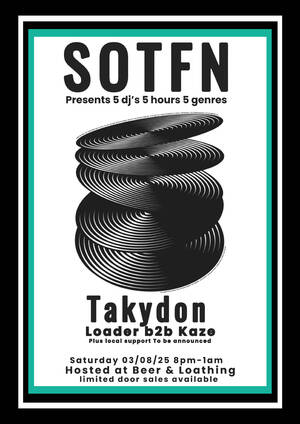
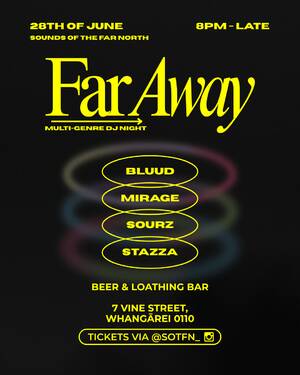
Recent lineups have run the gamut from reggae/rock fusion to electronic dance. For example, Mangawhai band SOJØURN brought their surf-rock/reggae act to Beer & Loathing in June 2025 as part of their “Love in the Way” tour . UnderTheRadar promoted that show by calling Beer & Loathing “Whangarei’s finest live music establishment”, noting that the band promises “high-energy performances and good vibes” under its surf-reggae grooves . On the club side, dance events have also been held – one ticketing page advertises a “Far-Away” night (garage/UKG/DnB DJs) and another lists a multi-DJ event called “555” in 2025. Many nights are labeled R18 (18-plus) with a cover charge: for instance, a November 2025 singer-songwriter concert had a $25 ticket . Ticket prices vary by act – smaller local shows might be free or under $20, while bigger touring acts often run $20–$30NZD in advance (cover fees not counting any booking fees). In all cases, you typically need to RSVP/book or buy tickets online through local ticket sellers in advance of those nights that charge versus the free-entry evenings.
Special events pop up too. Beer & Loathing collaborates on local festivals (any Oktoberfest or beer festivals in Whangārei summer tours often use its space or support teams) and launches occasional theme nights (e.g. costume parties or guest brewery takeovers). They do promote things via social media and local event calendars, and visitors frequently rely on Facebook or local gig guides to catch the latest shows. The bottom line: you can expect live bands or DJs most Friday and Saturday nights, shorter performances through the week, plus open-mic or karaoke sessions regularly (virtually a certainty on Thursdays or Wednesdays). The vibe is communal, with artsy NZ indie, reggae, roots and rock bands being common, interspersed with dance music nights featuring local DJs.
Tickets and Booking
Tickets for most Beer & Loathing events can usually be purchased online in advance, through New Zealand ticket platforms (often linked from UnderTheRadar or local event listings). The venue doesn’t typically have its own box office for advance sales, so finding gigs via a local events site (Eventfinda, TicketFairy, or gig guides) and then following their ticket links is the usual strategy. Box office sales at the door are possible only on nights that aren’t sold out (usually 30–60 minutes before showtime). For popular shows, it’s wise to grab tickets when they first go on sale – touring act gigs might sell out fast.
Pricing ranges by performer: in mid-2025, an example solo-act cover was $25 , while local open-mic and DJ nights are often free or held by a small koha donation. There are sometimes tiered pricing levels (general admission vs. VIP), but usually it’s simple GA standing-room. Checks on event pages will say “Entry R18” and a cover charge (if any) . When you book, you’ll either pay via credit card or (for local platforms) sometimes invoice or bank deposit. Upon arrival the venue scans or verifies your ticket/ID, and then an entry wristband or stamp is applied (if there’s a cover). Note younger patrons should carry photo ID – everyone looks to be 18+ after 8pm, since the license is R18 for most gigs. For free-door nights, generally no booking is needed (just arrive and sign in if asked). Where there is a cover charge, arriving early avoids missing out: latecomers are often refused if capacity is reached.
Ticket Tips: Sign up to the venue’s social media or mailing list (if available) for presale notifications. Many hard-ticket gigs have an energy fee or booking fee on top of the $ entry, so the door price will be a bit higher at checkout . Keep an eye on announcements – Beer & Loathing may run promotions like “early bird” discounts or special passes for an entire series of shows. If a show isn’t sold through ticketing, cash at the door is common (have ready), and EFTPOS is usually accepted at the bar (for drinks/food).
Seating and Layout
The venue’s layout is straightforward. It’s primarily a bar with a raised stage (or DJ booth area) at one end of the main room. Most nights are general admission: guests stand or squeeze around high tables and bar stools facing the stage. There are no assigned seats, so the “best” spot depends on your preference. Front-of-stage is great for an up-close view of performers, but it’s crowded and loud. If you want easier conversation, stand a bit back or off to the sides near the bar. There may be a small balcony or mezzanine area (not typically listed, but some similarly sized bars have a half-level) or a raised platform by the sound desk; these can offer a perch above the crowd if filling up.
Overall, Beer & Loathing is more of a standing-room bar than a seated theatre. There are a few bar stools and high tables, but they fill quickly. On quieter nights, you may grab a stool; for busy gigs, most people simply mingle by the stage or sit on the steps. Acoustically, the room is fairly narrow and low-ceiling (typical of a central-city pub), so sound carries well. Audio-mixing is usually clear near the front; if you’re tall or want to hear vocals clearly, being closer helps. On the flip side, the bar area itself tends to have more ambient chatter, so if you want quieter company, pick a spot toward the edge of the room. There’s often little barrier between audience and performers, so shows are intimate (bands sometimes step down into the crowd or high-five audience members!). Because there’s no pit, people with mobility impairment could roll in fairly close by the stage as needed (space permitting).
Acoustics & Production: The house sound system is PA-grade (drivers in the front and fills) so you’ll hear bass and vocals well on block. At very loud shows it can be boomy up front, so earplugs are a good idea if you’re sensitive. There’s a basic stage lighting rig (colored spots/LEDs) that turns the area into a club-like scene when shows begin. The “sweet spot” for sound is often just a few metres back from the stage, mid-room; if it’s empty, that’s frequently the best audio balance. Avoid standing directly behind big speakers along the bar wall – the sound can be one-sided there. Generally all viewing angles are fine, though corners or the very back (near restrooms) have a less direct view of the musicians. Take advantage of staggered peaks during gigs to grab a seat or make a quick exit to the bar.
Getting There and Parking
Address & Map: Beer & Loathing is located at 7 Vine Street, Whangārei 0110, just on the edge of the downtown core. Vine Street runs north-south parallel to Rust Avenue (State Highway 14). It’s a short block behind the new Rose Street bus hub (now on Vine Street) and right uphill of the eastern portion of the city centre. If you pull up on Vine Street near Station or Dent Street, you’ll spot the bar’s entrance. Many taxi apps and GPS units know “Beer & Loathing” by name as well.
Public Transport: The town’s CityLink buses serve central Whangārei from the main hub. As of 2025, the Rose Street bus station relocated around the corner onto Vine Street, putting Beer & Loathing basically adjacent to the “stand.” According to the council’s roadworks notices, buses now “come and go from Vine Street, just a few metres away” from the venue . In practice this means any CityLink route that stops on Vine or Rust Ave gets you within a 2-minute walk. If coming from out of town, regional bus routes for Northland drop riders at Whangārei’s depot (near Okara Park sports complex on Port Road), from which a local bus or taxi can take over. There is no train service in Whangārei.
Driving & Parking: By car, we recommend using electronic maps since city-centre streets are one-way and can be confusing. From the motorway (SH1), follow signs into Whangārei city. Vine Street is well signposted once in the CBD. Limited metered street parking is available directly on Vine and adjacent side-streets. The nearby multi-storey Vine Street carpark (the old Rose St station site) is usually a safe bet for longer stays – according to council updates “the (Vine Street) carpark will remain open” during hub construction , so it serves patrons all hours. Another large public carpark is off Cameron/Dent Street (just uphill), about a 5-minute walk. Check parking signs for rates (typically ~$2–3 per hour on the street, with cheap daily max). On busy nights (Friday/Saturday), plan to arrive early or use nearby lots – demand can be high.
Rideshare & Taxis: Uber and local taxi companies operate in Whangārei. Rideshare drop-offs are easy on the one-way Vine Street (enter via Dent). Outside the bar, there’s room to safely load/unload guests without blocking traffic. A fresh wave of new taxi stands is being installed near the new bus hub, too. If you plan a late-night (post-midnight) return, definitely book ahead or have a local taxi number handy; public buses typically stop running by 10pm.
Airport: Whangārei Airport (WRE) is only a few kilometres north on Riverside Drive. There are shuttles and taxis from there into town (an 8–10 minute ride). While at the airport, you can grab rental cars to drive straight to the bar if you prefer driving yourself.
Inside the Venue
Upon entering Beer & Loathing, expect a friendly but firm door policy especially for sold-out shows. Staff will check IDs (under-25 may be asked for a valid photo ID to prove age) and for cover-tickets if required. Bag checks (quick pat-down) are routine when events draw a crowd, so plan to carry minimal personal items. The foyer opens into the main bar area; it’s usually dimly lit by neon signs, hanging bulbs or stage lights once an event begins. The overall atmosphere is casual – at most you’ll see patrons in jeans and tees, even on gig nights. No strict dress code is posted, but remove any offensive or gang-style insignia and show courtesy; normally no hats-on indoors once the music starts.
The bar counter typically runs along one side wall and serves drinks throughout the venue. With 12 rotating beer taps and multiple hand-pulls, staff can pour local ales and ciders quickly even when busy. There is also a selection of wines, spirits, and house cocktails (often with quirky names) on offer. Non-alcoholic drinks (sodas, iced teas, bottled craft sodas) are well stocked too. On food, you can order most of the pub-menu from while standing at the bar or from servers with pads. Popular items include buffalo chicken wings, loaded beer fries, and smash burgers – as advertised, the portions are generous . Simple sides (sauce, pickles, salads) come with sandwiches/tacos. Expect fast-paced service during peak dinner times; it’s best to line up at the bar or find a waiting staff with a tablet to order food.
Restrooms & Amenities: Restrooms are typically located toward the back or side. One set will be labeled “Ladies” (or Unisex) and another “Gents”. They are cleaned regularly but can be busy. Accessibility restrooms should be available on the main level, as required by building codes (however, if in doubt email/call ahead to confirm ramp access or toilets). Coat check or cloakroom services are usually not provided – patrons often simply hang jackets on spare chairs or squeeze them under tables. If you bring a large bag, be aware space is limited; small cross-body bags or pockets are easiest. Depending on the night, a merchandise table may be set up near the stage for bands to sell CDs or shirts – local artists frequently do this, and it’s a nice touch to support them.
Atmosphere & Connections: The vibe inside shifts with the programming. During the day or early evening, it feels like a bright, sports-bar style hangout (some TVs may pump on background channels or games). Once music starts, lights dim and it turns into a mini club. Because it’s popular with locals, there’s a friendly crowd of Whangārei people – don’t be shy about joining in conversation. Connectivity (cell service) is good – most phones have 4G reception listed as “City Centre” on top. Free Wi-Fi may or may not be offered; if needed, ask staff at the bar. Otherwise do expect decent mobile data coverage (especially Spark or 2Degrees networks). Sound can be loud, so having a charged phone or earplugs may help; announcements or bartenders sometimes shout out drinks specials or the next act, which can be the only way to hear over a live set.
Nearby Amenities
The neighborhood around Beer & Loathing is lively and walkable. For a meal before a show, there are lots of options within a few blocks. Straight down Vine Street is a takeaway burger joint and a pizza deli; one block over on Rust Avenue you’ll find Asian eateries (charcoal barbeque and noodle houses) and a Greek gyro shop. Two minutes south on Dent Street brings you to Choice Bar & Restaurant (casual Kiwi pub fare) and the popular Split Bar & Restaurant by the Town Basin, which serves pizzas and seafood. For something quick, the local dairy/convenience shops carry snacks and sandwiches. If you’d prefer a sit-down meal, try the House of Grape wine bar (fine dining by riverfront), or La Kupa (Argentinian parrilla) – both are 7–10 minute walks in the precinct. Coffee shops, bakeries and fish-and-chip stands along Kamo Road/Port Road are also an easy stroll for a pre-show bite.
As for nightlife, other bars are nearby if you want to start or end your night around beer & loathing’s hours. The Butter Factory (craft beer+music) is a few blocks away on Bank Street, and in the opposite direction on Cameron Street you’ll find a courtyard of bars (Barnie’s, The Green Bar) that stay open late too. These are popular late-night hangouts; queueing can form outside on busy weekend nights. Remember that local bars rarely stay open past 1–2am, as per liquor laws, so plan your post-show bar crawl accordingly.
Hotels: There are several lodging options in and near the CBD. The four-star Kingsgate Hotel (Rathbone Street) and Settlers Hotel (next to Museum/Library) are downtown and within a 5-minute drive. Budget motels and friendly B&Bs (e.g. Rose Court, Voyager Inn) are slightly farther but still town-centre-close. Many groups prefer self-contained apartments like Quest Whangarei or the Travelodge on Kamo, both about a 2–3km drive. If you’re arriving by flight, Whangārei Airport has a handful of taxi shuttle services and is a short 10-minute ride to central hotels. Horse-drawn carriage tours and ferry rides aren’t typical here, but Uber and local taxi services operate 24/7 in case you need a ride home late-night. (One insider tip: on busy nights, rideshare pickup points may be a couple of blocks away on a less crowded street.)
In terms of scheduling your visit, it’s wise to arrive an hour or more before showtime on weekends to enjoy dinner or the early bar crowd. Doors for music events typically open around 8pm (with performances starting 30–60 minutes later) . If you turn up super early (say 4–6pm), you can still get drinks at happy hour prices (the bar often runs “4PM Happy Hour every day” specials) . For late-night fans, note that last buses leave by about 10pm at latest, so after-midnight you should have a plan for taxis or ride-sharing home. Stick around if a DJ or late set is scheduled, because the venue really comes alive after midnight (the liquor license allows service until 3:00am on weekends ), and lots of locals keep dancing well past midnight.
What Makes This Venue Special
Beer & Loathing has carved a niche thanks to its distinct personality. It isn’t a quiet wine bar or upscale cocktail lounge; rather it thrives on a youthful, slightly rowdy energy. The amalgam of “American-style bar” amenities (BBQ wings, burgers, sports TV) with Kiwi craft culture (12 rotating taps, local craft beers on tap) gives it a dual appeal – it feels both familiar and fresh. The founders capitalised on Whangārei’s love for social drinking by combining it with live music every night of the week. This mix of bar and mini-venue is still relatively rare here, which makes Beer & Loathing stand out.
One of the venue’s cultural highlights is how it supports local music talent. Regional bands, singer-songwriters and DJs see it as a trusted launch pad. For example, when SOJØURN toured their debut album, they chose Beer & Loathing for a hometown-show, and gig promoters referred to it as Whangarei’s premier live music space . The space has also been part of Northland beer events and band tours for the same reason. By backing local acts (and occasionally bringing in national or international names), Beer & Loathing ties Whangārei’s bar scene to its growing arts scene. In that sense, it has a cultural impact indistinguishable from older venues like The Butter Factory or smaller taverns, but with an added twist of burger-and-beer fun.
Architecturally, it’s not a historic building, but the owners have given it an edgy charm – exposed brick walls, neon signs, and rock-or-motorcycle-themed art. One memorable feature is their neon “Beer & Loathing” sign by the entry, which has become a photo spot for visitors. Moments become legends there: local press noted that opening during a tough economy (“cost-of-living crisis”) took guts , and the venue has already won over many skeptics. To locals, it’s a place where you can catch surprise performances (a house band might break into an unexpected cover during an open mic), or share pitchers of new craft brew releases on the big screens. In short, both Whangārei audiences and touring musicians affectionately think of Beer & Loathing as a “must-play” venue: its combination of killer wings, full tap walls, and enthusiastic crowds make shows here special.
Visitor Tips and Information
Accessibility: Beer & Loathing is mostly on one level. The front entrance is flat from the sidewalk, and there are no interior steps between the entrance, bar area and stage. The restrooms should be wheelchair-accessible (they follow NZ regulations). However, if you have specific mobility needs, it’s safest to contact ahead or arrive when the staff can guide you (since stage pit and crowding can make certain spots harder to reach during a packed show). If you need parking closer in, consider using the Vine Street carpark – there are accessible bays there, and a ramp leading down to Vine Street itself.
What to Bring: Always carry ID (photo ID or passport) to prove you’re 18 or older for entry to any 18+ event. Small backpacks or bags are okay but staff may inspect them on busy nights. Bring some cash – even though the bar takes cards, smaller gig cover fees or tips for staff sometimes work best in cash. For camera gear: personal phone cameras are fine, but professional DSLRs or video cameras usually require permission. As for dress, think “smart casual”: jeans, a t-shirt or hoodie is perfectly acceptable. Don’t wear anything you’d mind maybe spilling beer on. A light sweater or jacket is handy on colder nights since the outside area (if any) can be chilly, but once music starts it’s often warm inside.
Common Mistakes to Avoid: If you’re not familiar with central Whangārei, don’t rely solely on GPS – Vine Street is a short one-way, and there’s a short pedestrian half-block (Rose St) on the corner that is easy to miss. Also, avoid expecting midday lunchtime service – Beer & Loathing mainly opens in the late afternoon. Another tip: don’t show up too late for a live show, as doors often close at capacity (especially on Friday/Saturday). And please, don’t bring outside drinks or large unapproved bags – these are flatly refused for licensing reasons.
Age and ID: By law, once the bar’s open after 11pm (and for ticketed gigs) everyone is 18+ only. If you’re under 18, you’ll typically only get in on Sunday daytime or special family-friendly events (not common). The last thing you want is to be turned away at the door, so the rule of thumb is: assume it’s 18+ unless a specific daytime gig is advertised as “all ages.” Proper ID is mandatory after 8pm for staff to check (NZ driver’s license, passport, or Kiwi 18+ card).
Food & Drink: The menu is bar-food focused. Wings are a highlight (try them with house hot sauce), and burgers here are often praised as “smash” style (flat-pressed). Portion sizes are large – sometimes more than one person can finish. There’s also a BYO-sauce vibe: they keep sauces and dips well stocked on the tables. Any student or frugal visitor should note the happy hour – daily specials from 4–6pm slash drink prices significantly, which is great if you get there early. If you want a guaranteed meal slot, consider calling in or messaging ahead for a table on big nights; otherwise it’s a casual walk-up eating (bar tables). The bar staff are generally fast and friendly even when busy (the crowd is often relaxed and patient), but during peak live music they can’t promise immediate refills – grab a stool nearby if you need to re-order.
Connectivity: The venue’s interior decor has cellular signal boosters, but if at peak capacity all phone networks can slow down. You can usually tether via Wi-Fi if you ask the bartender; otherwise, do have some offline chatter or music during waiting times. Ask the bartenders if you need special accommodations – they’re known to help coordinate picks-ups (a quick walk can often get you at a better rideshare spot). Lastly, respect others: shooting a quick Insta story of the band is fine, but avoid filming an entire set without permission. People come here to have fun, so picture-taking is casual and non-commercial.
Final Thoughts: Beer & Loathing thrives on an easygoing, communal spirit. Whether you’re a local who loves live ska or a first-time visitor looking for something beyond a standard pub, you’ll find staff happy to chat. Tips from regulars: arrive about 15–30 minutes before a show to grab a spot and beat the rush, and consider hanging around for the late-night dance set (many swear the DJs there can turn any night into a mini-rave). Keep your phone handy – the lineup is always updating, and following Beer & Loathing on social media or even artist pages on Facebook/UnderTheRadar will ensure you don’t miss a great gig. Above all, come ready to try a local brew and enjoy good company in what many Whangārei residents already consider one of their favourite hangouts.
What is the capacity of Beer & Loathing?
Beer & Loathing is a mid-size live music bar. While an official capacity isn’t published, it typically hosts around 100–150 people. For major gigs, the crowd may fill the standing area close to the stage. It’s not a huge auditorium; think a busy club space. When it reaches capacity, door staff will hold entry for safety.
Is Beer & Loathing accessible for people with disabilities?
The venue is mostly on one level and should have at least one wheelchair-friendly entrance and restroom (as required by NZ building code for such an establishment). The main floor has flat entry from the street. If you have specific mobility needs, it’s best to contact the bar ahead. For example, let them know if you need extra space for a wheelchair near the stage. The staff are generally accommodating.
What are the opening hours of Beer & Loathing?
By law, Beer & Loathing’s liquor licence allows sales Sunday–Tuesday from 11am to midnight, and Wednesday–Saturday from 11am until 3am . In practice, the bar usually opens in the late afternoon on Wednesday and Thursday (for example karaoke night from 4pm or 6pm), and from about 4pm on Fridays/Saturdays (for live shows). It stays open into the late-night on weekends. It’s closed Monday–Tuesday except as needed for private events. Always check social media or their website for exact times before heading out.
Can I bring my children under 18 to Beer & Loathing?
Beer & Loathing is generally an 18+ venue in the evenings due to the late-night events and liquor licence (most gigs are R18, see ticket listing). On rare afternoons or designated family trivia days, minors with parents might be allowed, but this is the exception. If in doubt, assume it’s adult-only after 6pm. Always carry photo ID for any guests aged 18–25 for age verification at the door.
How do I buy tickets for a show?
Most shows sell tickets online through NZ ticketing sites linked via the artist or venue announcements. Look for Beer & Loathing event pages on sites like UnderTheRadar or Eventfinda. You can usually buy with a credit card. If a show isn’t sold out, you can also pay cash at the door when it opens (typically 30–60 minutes before showtime). For the best seats/entry, it’s wise to book early as weekend gigs may sell out.
Are there table reservations or VIP areas?
Beer & Loathing doesn’t have formal reserved tables like a restaurant; it’s mostly standing-room. There are a few stools and high tables which work on a first-come basis. For bigger gigs, the rule is “first in, best spot.” Occasionally they may provide a small roped-off area or premium space for VIP ticket holders just in front of the sound desk, but this is rare. If you have a large group, try arriving early together to claim space, or split up between the bar and front.
What is the seating like?
There is no formal seating plan. Most visitors stand by the stage or along the bar. A handful of bar stools and high-top tables line the edges, so if you want a seat (especially on quieter nights) move quickly. You can step up onto any available platform or stair by the stage for a higher perspective. It’s very much general-admission; treat it like a club where everyone finds their own spot.
Where is the best place to stand for good sound and view?
For the best audio, aim to be a few metres back from the stage (not pressed right against the speakers or bar). Sound engineers usually mix for the middle of the dance floor so that’s where music balances out. If you’re there early, find a spot off to the side near the stage – it’s quieter (less bass thump) and you can still see well. Avoid standing directly behind the main speakers by the bar corner, as that area can be bass-heavy and muffled.
Do they have good beer selection?
Yes. Their tagline mentions 12 rotating taps, plus ciders and wines . In practice, that means they change the keg list often with New Zealand craft beers. You’ll find IPAs, pilsners, stouts and more – all poured fresh. They also keep two hand-pulled ales (usually NZ microbrews) and a nitro tap. Additionally, bottles from local wineries and non-alcoholic choices are available. It’s a very drink-friendly bar if you like trying new brews.
Are there any food or drink deals?
Beer & Loathing runs daily happy-hour deals from about 4pm (the website boasts “4PM Happy Hours – every day”). These usually discount pints and select cocktails, making pre-show drinks cheap and popular. When there are theme nights (like trivia or sports), they often feature specials (for example, wing bundles on wing night or beer towers for groups). It never hurts to ask the bartender if there’s a special running that day – they frequently highlight deals on the chalkboard behind the bar.
Where can I park and what does it cost?
Street parking on Vine Street is metered and limited. More reliable is the nearby Vine Street multi-storey carpark (behind the building) or the Bank Street lot – typically $2–3 per hour. On weekends after 6pm some city parking has free after-hours signage, but double-check the signs. Note that some nearby lots charge a daily max (around $10–12). If you see space on a side street a few blocks away (e.g. Dent or Cameron Streets), those are also metered but a bit more available. In summer months parking is in high demand, so allow a few extra minutes for it.
Is it walk-in only or can I make reservations?
There is no reservation system for tables – it’s first-come, first-served. The venue operates like a pub/club, so all seating is informal. For large groups heading to a show, best practice is to come early together to claim floor space. (If you just want the bar without a show, you can always walk in – there’s no cover fee until a ticketed event starts.)
What security or bag policies are in place?
On busy nights, staff may quickly check bags at the door for safety. Large backpacks or outside alcohol won’t be allowed. Small bags or purses are usually fine. As for attire, there’s no formal dress code beyond reasonable streetwear. The bartenders expect ID checks (especially after 10pm) for anyone who looks under 25. Aside from age, the main rule is respect – Rowdy behaviour or arguments can get you asked to leave, same as any public venue.
Are there age restrictions on certain nights?
Yes. Almost every night after 8pm is 18+ due to licensing. Gig listings and door staff will mark those events fully R18 . If an event is a private party or a youth-oriented night (rare), they will note it in ads. Otherwise assume under-18s cannot enter during evenings or weekends. On Sunday afternoons “games” or special community events, kids are occasionally allowed with guardians, but again check announcements first.
When should I arrive for a concert or event?
If you have tickets, arriving 15–30 minutes before doors open is wise – this ensures you won’t miss the start of a sold-out headliner. For example, a typical show’s doors open at 8pm and music starts ~8:30pm . Arriving early also lets you grab food/drinks at happy-hour prices. If you’re hoping for a prime spot near the stage, come as soon as the venue opens to let in ticket-holders. Lastly, for late-night purchases (last drinks), aim to wrap up bar orders 15 minutes before last call (often at 1am on Friday/Saturday).