The process of planning a music event or festival requires that every step your team takes is intentional and well-executed. A combination of strategic marketing, intelligent social media outreach, and ground-level campaigning will bring the exposure and attention you want for your event. In fact, spreading the word is critical – often the last 5–10% of ticket sales can mean the difference between profit and loss, which is why harnessing street teams and fan ambassadors is often a crucial strategy.
But marketing alone isn’t enough; one of the most important elements of your event is the artist and the venue that you choose. Picking the right artist for the right venue ensures your event will draw an enthusiastic, positive response from attendees. When selecting venues for your artists, distinguish what spaces will complement and enhance each artist’s style, and vice versa. The perfect combination of artist and venue creates an unforgettable vibe for your audience.
So, as event planners, you have to consider the logistics and vibes behind each venue to determine the best performance setting for your artist. The wrong artist at the wrong venue can create a confusing or disappointing experience for attendees. There’s a big difference between artists who thrive on massive festival stages and those who shine in intimate clubs. Taking the time to scout a list of potential artists and evaluate their fit for each venue is a worthwhile effort, and knowing how to negotiate with agents when booking talent will further streamline the process. Careful deliberation now will pay off in a smoother show later. Here are a few key factors to keep in mind as you book artists for specific venues and communities.
Understanding the types of music venues before you book
Before diving into the logistics of how to book an artist at a venue, you must first evaluate the landscape of available spaces in your market. The live events ecosystem relies on various types of music venues, each serving a distinct purpose in a performer’s touring cycle. From intimate 100-capacity listening rooms and gritty underground basement clubs to mid-sized black box theaters, sprawling outdoor amphitheaters, and massive arenas, the physical space dictates the financial and production terms of your offer. Securing talent isn’t just about sending an email to an agent; it involves presenting a comprehensive vision that proves your chosen room is the exact right stepping stone for that act’s current trajectory.
Automated Waiting Lists for Sold-Out Events
Capture demand when tickets sell out and automatically notify waitlisted buyers when tickets become available through cancellations or resale.
Operational differences across venue categories
Different types of music venues require entirely different operational approaches from a promoter’s perspective. A DIY warehouse space might offer a blank canvas for underground electronic acts but demands heavy investment in temporary infrastructure, portable restrooms, and rented sound systems. Conversely, a turnkey mid-sized theater provides built-in ticketing infrastructure, dedicated front-of-house staff, and professional lighting rigs, making it ideal for indie bands or acoustic tours. Understanding these structural differences ensures you accurately forecast your production budget before submitting an offer.
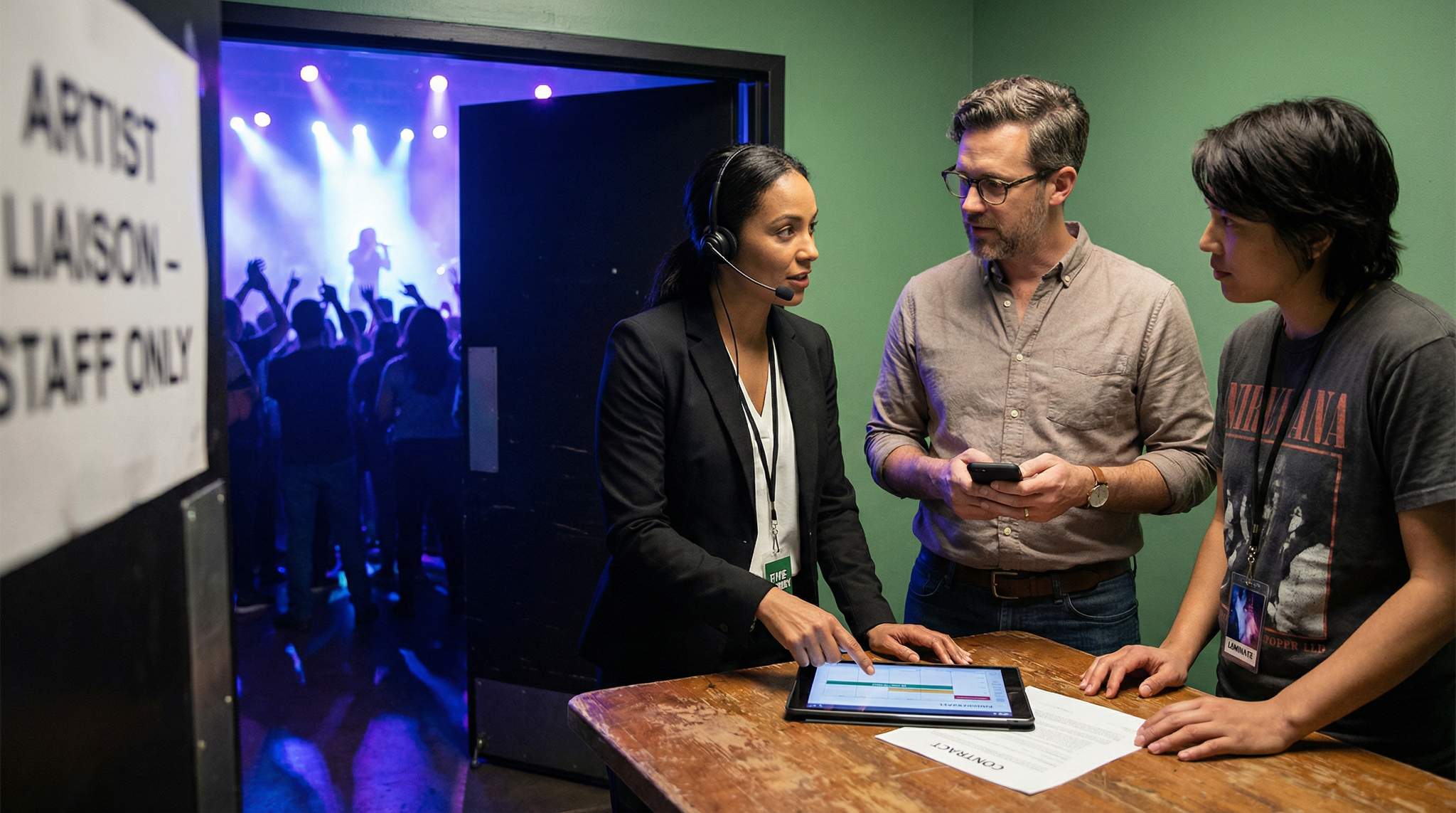
Once you have identified the ideal room, the next hurdle is navigating talent representation. If you are targeting rising stars, you might find yourself wondering how to get a music agent to respond to your initial inquiry—or if the act is even represented yet. Establishing a solid reputation as a reliable promoter who understands different venue capacities makes agencies much more likely to route their touring rosters through your events. For independent acts without representation, dealing directly with their management requires the same level of professionalism.
Ready to Sell Tickets?
Create professional event pages with built-in payment processing, marketing tools, and real-time analytics.
Think about the artist and their music
When you’re brainstorming artists, make a list or diagram and identify each artist’s genre, performance style, brand image, and anything else that helps you decide if they’re a good match. Some key considerations when matching artists to venues include:
-
Consider the venue’s size and energy. Does the artist fit a vibrant, high-capacity festival stage or a low-key, smaller club? What works for one venue might not work for another because of their inherent atmospheres and scale. A festival or large hall is meant to be full of spirited energy – an artist known for explosive, high-energy performances will match that vibrancy. On the other hand, a smaller venue such as a boutique club or listening room creates a relaxed, intimate vibe, so an acoustic singer-songwriter might shine there more than a pyrotechnics-filled rock band. Also think about technical needs: a bass-heavy EDM act might overwhelm a tiny bar’s sound system, while a solo folk artist could get lost on a giant outdoor stage. Gauge what size venue you need by setting up event pre-registration to measure fan interest. You can easily gauge demand by using Ticket Fairy for event pre-registration – early RSVPs can reveal if you should secure a bigger space or if a cozy venue will suffice. (By using pre-registration to estimate demand, you can even decide whether to add more artists or stages to meet audience interest.)
-
Think about brand image and theme. Book an artist that echoes not only your venue’s ambiance but also your event’s brand and mission. Aligning the talent with your brand identity makes it easier to promote the show and ensures a cohesive experience. For example, if your festival brand prides itself on underground music credibility, an edgy up-and-coming techno DJ might be more fitting than a top-40 pop act. Conversely, a family-friendly community festival would lean toward artists with clean, upbeat repertoires. The artist you choose should reflect your event’s goals and values so that everything – from the lineup to the decor and marketing – feels unified. An act that fits both your venue and your brand will help you achieve your event goals more naturally. (If your event has a social or cultural theme, consider artists who share those values, as it resonates strongly with audiences.)
-
Center on your target audience’s tastes. Will your target attendees be excited about this artist performing at the venue? Always keep your audience demographics in mind when choosing talent, because ultimately these are your ticket buyers. Use data to understand what your audience listens to – for example, what artists and genres are most popular among 20–35-year-olds this year? Researching your target audience’s preferences will help you tailor both your bookings and your marketing. Collect data through website pixels and ticketing analytics to see who’s engaging with your event page. Modern event tools allow you to segment audiences by age, location, and interests – analyzing your attendee data can reveal, for instance, if your followers stream a lot of EDM or prefer indie rock. Social media polls and past event surveys are useful too. If you discover that a majority of your audience loves a certain genre or artist, booking a performer in that realm will generate genuine excitement. For instance, a recent survey in the UK revealed that 65% of festival-goers prioritize music lineup quality above all else when deciding to attend – meaning fans care deeply about who’s on stage. By understanding what motivates your crowd, you can avoid common mistakes festivals make regarding audience targeting and craft marketing messages that speak their language.
Data-Driven Event Marketing
Track ticket sales, demographics, marketing ROI, and social reach in real time. Exportable reports give you the insights to make smarter decisions.
-
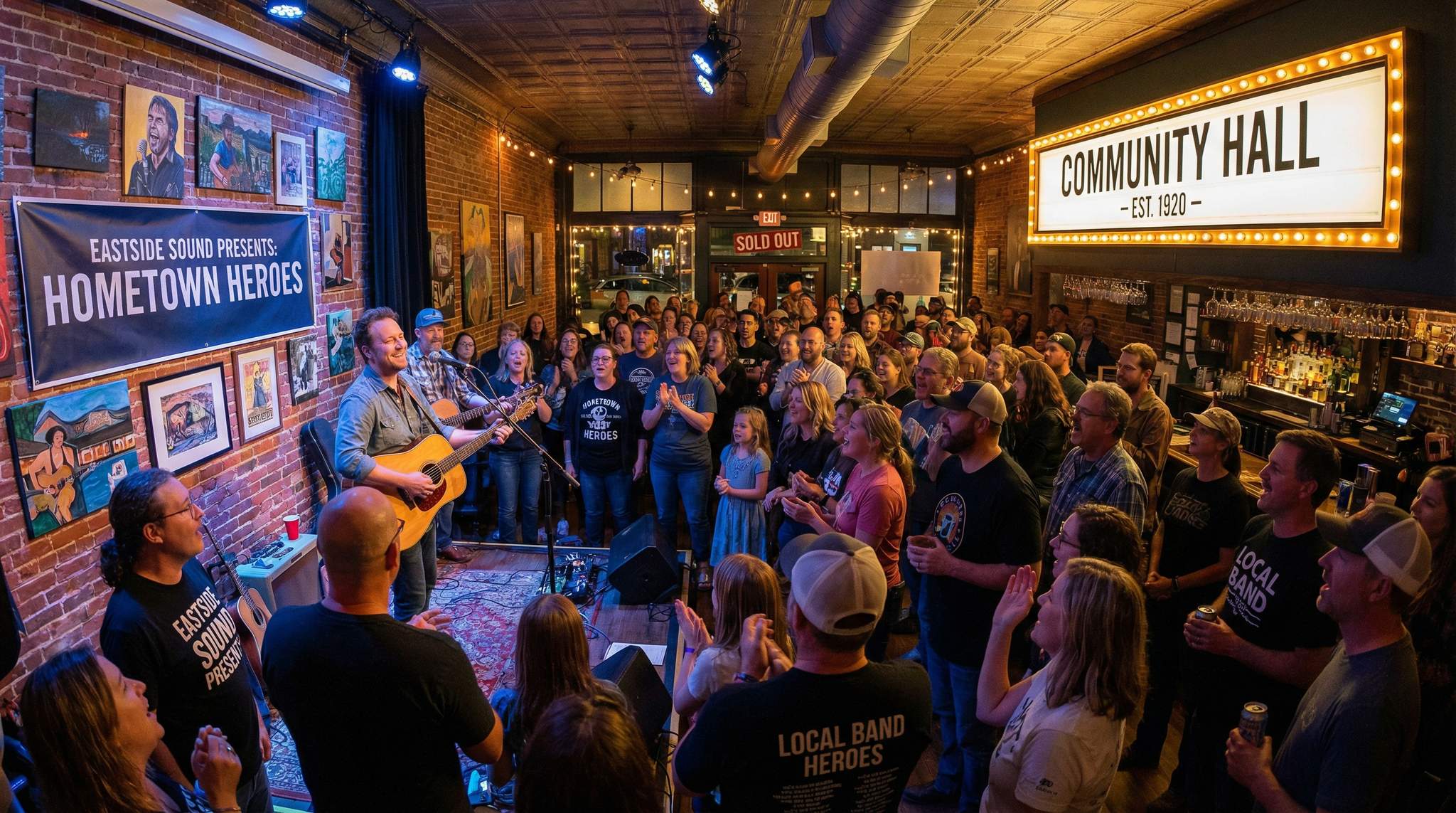
Factor in the artist’s history with the community. An often-overlooked nuance of venue booking is the artist’s relationship with the local market. Has this artist performed in the city or venue before, and if so, how was the turnout and fan response? An artist with deep community ties or a loyal local fanbase can significantly boost an event’s success – their followers will be eager to see them at a hometown show or an iconic local venue. On the flip side, if an artist is making their first appearance in a region where they have little exposure, you may need a smaller venue or a stronger support act to ensure a good draw. Research the artist’s track record in that community: for example, did they sell out a similar venue nearby last year, or do they have a history of underwhelming ticket sales in the area? Also consider timing – if they played that city two months ago, fans might not rush out again, whereas an artist returning after years can create pent-up demand. Community perception matters as well. If an artist has a great reputation locally – say they grew up in the area or frequently shout out the city – that goodwill will translate to higher interest and positive buzz. However, if they’ve had a misstep (like a show cancellation or a controversial incident in the past), be prepared to address fan concerns in your marketing or even reconsider the booking. Successful event organizers often coordinate with local promoters or fan groups to gauge sentiment about potential acts. In recent industry insights, top festival agents have noted that promoters now carefully evaluate an artist’s streaming numbers, brand alignment, and the date of their last performance in the market before booking. According to Pollstar’s 2025 music agent survey, many professionals even favor domestic acts if they fit better with the community. The lesson: know an artist’s standing with your crowd and city. Booking talent who already have roots in the community can turn your event into a homecoming celebration, whereas ignoring local context might mean an uphill battle to sell tickets.
Pro Tip: If you’re unsure about an artist’s drawing power in a particular city, set up a pre-registration or RSVP campaign to gauge interest before you lock in the venue. Early sign-ups can reveal whether you’ll have a modest crowd or a packed house. Armed with that data, you can upgrade to a larger venue or add local support acts if demand is high – or opt for a more intimate show if interest seems lukewarm. This way, you won’t overshoot (or undershoot) the venue size, and you’ll avoid disappointing either the fans or your finance team.
Warning: Avoid extreme mismatches between artist and venue. Booking a hugely popular artist in a tiny 200-capacity club may leave thousands of fans frustrated (and create safety issues with overcrowding), while placing a niche or emerging artist on a massive arena stage can result in a half-empty venue with a dampened atmosphere. Either scenario can hurt your brand’s reputation. Always balance an artist’s expected draw with the venue’s capacity – and have a backup plan if ticket demand surges or lags.
The benefits of pairing the right artist with the right venue
Having the right artist perform at the right venue will elevate the overall mood and ambiance of your event, giving attendees the experience they came for. When the performer and setting are in sync, the crowd can sense it – energy flows better, and the event vibe becomes electric. This positive atmosphere means your attendees are more engaged and leave happier. And when your attendees are happy, everything runs smoother: the bar staff and security deal with fewer complaints, social media feedback is glowing, and you as the organizer meet your event goals. As an event planner, picking venues and artists that complement each other takes careful deliberation, but when it all comes together it results in a memorable night for the audience, the performers, and your team alike. You’re not just hosting an event – you’re orchestrating a moment that people will talk about long after.
Another big advantage of a well-matched artist-venue combo is easier marketing and promotion. When the act and the venue align, it’s much simpler to tell a compelling story about your event. You can build more enthusiasm in marketing campaigns because the pairing “makes sense” to fans. For example, if you’re hosting a large multi-stage festival with themed stages or sessions, booking artists whose genre and vibe match each stage’s theme creates a seamless experience. A high-energy pop or EDM act will feel natural on the main stage on a summer night, just as an underground house DJ fits perfectly in a basement club setting at 2 AM. This approach of pairing headliners with complementary local support creates a coherent musical journey where the audience stays in the groove.
This coherence means your social media marketing can lean into the narrative (“Experience an intimate acoustic set in the historic Uptown Theater with X artist” or “Get ready for a night of pounding bass at Club Y with the legendary DJ Z”). It practically markets itself. When fans see their favorite type of artist in a venue known for that vibe, they are more likely to share the event, tag their friends, and generate organic buzz. The momentum leading up to the show stays strong and ticket sales often reflect that. In contrast, if the combo feels off (“Why is this mellow indie band playing at a massive EDM dome?”), you’ll spend more effort convincing people to give it a chance. This coherence is especially vital when booking underground music at clubs, where balancing profits and artistic integrity is key.
The right artist at the right venue affects almost every aspect of your event’s success. Your attendees will be more excited, leading to higher advance ticket sales and a lively crowd on event day. The performer, in turn, often delivers a better show because they feed off a great atmosphere – an artist who feels out of place might hold back, but one who feels the crowd’s love is likely to give an encore-worthy performance. Even your internal team benefits: your marketing team finds it easier to create content, your production crew can prepare appropriate sound and lighting (since they know the artist’s needs match the venue’s capabilities), and you’re less likely to run into last-minute surprises. Keep in mind that artists should always reflect the venue and vice versa. These two elements need to work hand-in-hand to create an unforgettable experience for everyone involved.
As one veteran festival promoter put it, successful events require balance between star power and homegrown talent – spotlighting emerging local artists alongside big names can lift the entire event. In practical terms, that might mean if you have a superstar headliner at a festival, you also book popular regional acts for that stage to keep the community vibe strong. Integrating local talent with international headliners ensures the community vibe remains strong. Those local artists will bring their own followers and eagerly promote the show, effectively amplifying your reach. The result is a win-win: the headliner gets a warmed-up, enthusiastic crowd, and the local scene grows alongside the event.
Grow Your Events
Leverage referral marketing, social sharing incentives, and audience insights to sell more tickets.
Beyond just selling tickets, these regional openers play a vital logistical role on the ground. Often, they help out a touring act by sharing backline equipment like drum shells or bass cabs, which significantly reduces the headliner’s travel freight. Furthermore, a strong regional support roster provides immediate grassroots marketing muscle, ensuring the room feels full and energetic from the moment doors open, setting a welcoming tone for the out-of-town headliner.
Choosing artists who resonate with the venue and the community creates a positive feedback loop. Your eventgoers feel understood and catered to, the performers feel welcomed and energised, and your brand builds trust for delivering authentic experiences. Over time, consistently nailing this artist-venue alignment can even enhance your reputation in the industry – agents and artists will know you book smartly, and fans will start buying tickets on the strength of your curation alone. In 2025’s competitive live events landscape, that kind of loyalty is gold.
Whether you are focused on effective marketing strategies for nightclubs or following the essential steps for creating a festival lineup, consistent alignment is key. This attention to detail helps in achieving profitability and sustainability for organizers in a competitive landscape. So remember: do the homework, know your audience and your artist’s background, and place them on the perfect stage. Your attendees will thank you with raucous applause and maybe even a sold-out show!
Frequently Asked Questions
How do you choose the right venue for a specific music artist?
Select venues that complement the artist’s genre, energy level, and technical needs. High-energy acts often suit vibrant festival stages, while acoustic performers thrive in intimate clubs. Evaluate the venue’s capacity against the artist’s expected draw to avoid overcrowding or empty rooms, ensuring the space enhances the performance rather than hindering it.
Why is an artist’s community history important when booking events?
An artist’s relationship with the local market significantly impacts ticket sales and event success. Performers with deep community ties or a loyal local fanbase can boost attendance through hometown excitement. Conversely, artists with little regional exposure or past negative incidents may require smaller venues or strong support acts to ensure a profitable turnout.
How can event planners gauge ticket demand before booking a venue?
Event organizers can measure fan interest by setting up pre-registration or RSVP campaigns before locking in a space. Tools like Ticket Fairy allow planners to track early sign-ups, revealing whether to secure a larger venue for high demand or a more intimate setting for lukewarm interest, preventing financial losses from mismatched capacity.
How should audience demographics influence artist booking decisions?
Analyzing attendee data, such as age, location, and streaming preferences, ensures bookings align with ticket buyers’ tastes. Using website pixels and ticketing analytics helps segment audiences to discover if they prefer specific genres like EDM or indie rock. Booking talent based on verified audience preferences generates genuine excitement and drives stronger ticket sales.
What are the marketing benefits of aligning artists with the right venue?
Aligning the act with the venue creates a coherent narrative that simplifies promotion and boosts organic buzz. When fans see a logical pairing, such as an underground DJ in a basement club, they are more likely to share the event. This synergy allows marketing teams to build enthusiasm easily and drives stronger advance ticket sales.
Why should festivals pair international headliners with local support acts?
Integrating local talent alongside big names maintains a strong community vibe and amplifies reach through the local artists’ followers. This strategy warms up the crowd for the headliner while growing the local music scene. It creates a win-win scenario where the audience enjoys a seamless musical journey and promoters benefit from increased local engagement.
What are the basic steps for how to book an artist at a venue?
Booking an artist involves researching their current touring capacity, selecting an appropriately sized room, and submitting a formal offer to their booking agent. This offer should outline the financial guarantee, ticket scaling, production capabilities of the space, and a clear marketing plan that proves you understand their target demographic.
How do local support bands help out a touring act?
Local openers provide immense value by drawing their established regional fanbase to ensure early room attendance. Additionally, they help out a touring act logistically by sharing backline equipment, offering local market insights, and generating grassroots promotional buzz that an out-of-town headliner might struggle to achieve alone.
How do promoters contact a music agent to book an artist?
Promoters typically reach out to an agency via email with a formal offer that includes the venue details, date, financial guarantee, and a brief overview of the event’s promotional strategy. Building a track record of successful, well-organized shows makes it much easier to get a music agent to respond and trust you with their roster.