Ticket bots, fraudsters, and fake ticket scams have become global headaches for festival organizers. Whether it’s a massive electronic music festival in Las Vegas or a boutique event on a European beach, scammers are finding ways to exploit high demand and limited ticket supplies. The result? Genuine fans get locked out while scalpers and fraudsters profit, damaging trust in the event and leaving would-be attendees frustrated. From the United States to India, no region is immune – in 2025, one major UK bank estimated that fans lost over £2 million to ticket scams in a single incident involving a rumored Oasis reunion tour. To protect both fans and the festival experience, festival organizers need a rock-solid defense plan against bots, fraud, and counterfeit tickets.
Implement KYC Verification and Device Fingerprinting to Block Bots
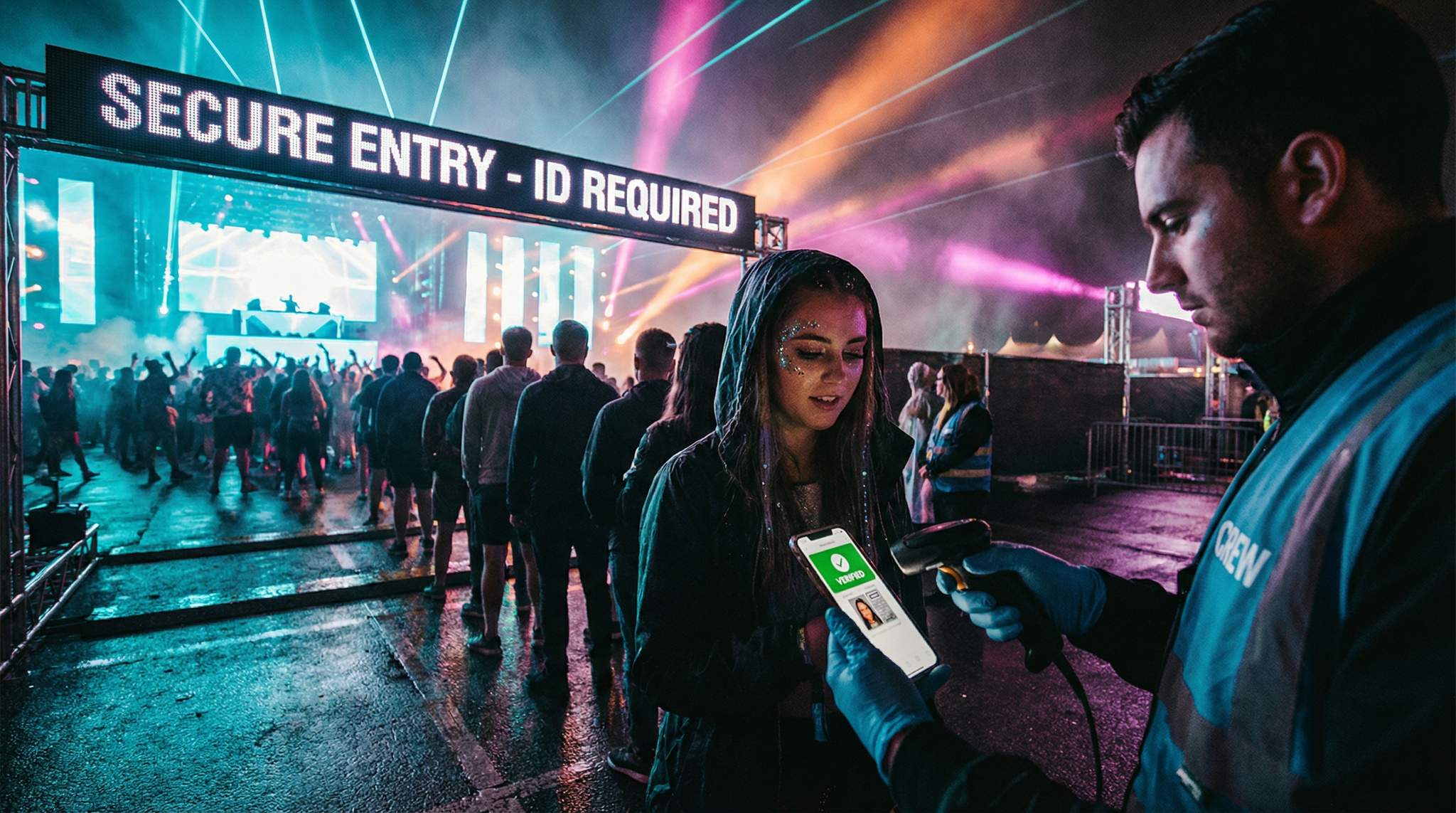
One of the first lines of defense is verifying who is buying your tickets. Know Your Customer (KYC) verification requires buyers to provide identifying information – like a government ID, phone number, or social media profile – before purchasing. By doing so, you discourage bot operators and fraudsters who thrive on anonymity. For example, major festivals in the UK such as Glastonbury require photo registration and personal details before tickets are sold. This means every ticket is tied to a real identity, making it much harder for scalpers to create dozens of fake accounts or for one person to hoard tickets.
In tandem with KYC, deploying device fingerprinting technology helps catch automated purchasing programs (bots) in the act. Device fingerprinting tracks technical clues from a buyer’s browser or device – things like IP address, browser configuration, and behavior patterns – to identify suspicious activity. If one machine is trying to purchase hundreds of tickets using multiple accounts, advanced systems will flag and block it. Many modern ticketing platforms (including Ticket Fairy’s platform) analyze factors like mouse movements and keystrokes to distinguish humans from bots. In regions such as North America, popular ticketing providers have also introduced “Verified Fan” programs that use pre-registration and algorithms to ensure a real fan – not a script – is behind each purchase request.
These measures do add some friction to the buying process, so it’s important to implement them thoughtfully. Consider applying KYC and extra verification steps primarily for high-demand onsales or VIP tickets. The added security is worth it when it prevents thousands of bot purchases. By confirming buyer identities and using behind-the-scenes bot detection, festival organizers can dramatically reduce automated ticket hoarding and keep sales fair.
Keep Tickets in Fans' Hands
Our secure resale marketplace lets attendees exchange tickets at face value, eliminating scalping while keeping you in control of the secondary market.
Cap Ticket Transfers to Thwart Scalpers
Limiting how tickets are transferred or resold after the initial purchase is another powerful strategy to derail scalpers. Capping ticket transfers means placing restrictions on if, when, and how a ticket can change hands. Scalpers rely on being able to quickly flip tickets to anonymous buyers; by cutting off that avenue, you shrink their market.
There are a few ways to implement transfer caps:
– Allow each ticket to be transferred only once, or only to a verified friend or family member. This prevents a chain of resales and makes it impossible for a single ticket to be passed around multiple times for profit.
– Set a deadline for transfers (e.g., no transfers allowed in the 7 days leading up to the festival). This undermines last-minute scalping when prices are highest.
– Require that any transfer or name change be done through the official festival ticketing system (with approval). That way you maintain oversight and can reject suspicious requests.
Planning a Festival?
Ticket Fairy's festival ticketing platform handles multi-day passes, RFID wristbands, and complex festival operations.
Some festivals have gone so far as to make tickets entirely non-transferable – often by printing the buyer’s name on the ticket and checking ID at the gate. For instance, a number of European events tie each ticket to an ID, ensuring only the original purchaser or an approved transferee can use it. However, a balance is crucial: genuine fans occasionally can’t attend and need to pass their ticket on legitimately. Instead of a blanket ban on transfers (which can punish honest fans), a capped or controlled transfer policy lets real attendees make legitimate swaps while blocking bulk resales by scalpers. By curbing unlimited ticket exchanges, you take away a scalper’s ability to treat your tickets like stock in a marketplace.
Offer a Verified Resale Platform for Fans
Even with transfer limits, some fans will inevitably need to sell their tickets – and providing a verified resale platform is the best way to accommodate them without opening the door to fraud. An official resale or fan exchange channel allows ticket holders who can’t attend to resell to other fans, under your watchful eye.
A well-designed resale platform (often integrated into your ticketing system) verifies each listing and transaction. The festival organizer can cap the resale price (for example, at face value or a small percentage above) to prevent price gouging. When a resale is approved, the original ticket is typically canceled and a new ticket is issued to the buyer, ensuring the ticket’s barcode or RFID is unique and valid. This guarantees the buyer isn’t getting a duplicate or fake. Ticket Fairy’s platform, for instance, has an inbuilt resale system that safely handles fan-to-fan transfers within set price limits. Glastonbury Festival also famously allows ticket returns and resales only through its own system, virtually eliminating scams – fans know that if they didn’t get a ticket initially, the official resale is their only safe shot.
Providing an official resale outlet yields multiple benefits:
– Protects fans from fraud: Buyers don’t have to gamble on sketchy secondary sites or social media sellers when an authorized option is available.
– Undercuts the black market: If flippers know that unwanted tickets will be redistributed fairly or refunded, there’s less incentive for them to buy up inventory in the first place.
– Builds goodwill: Fans appreciate when you look out for them. A transparent resale or return policy shows that the festival cares more about genuine attendance than sold-out signs.
Easy Ticket Transfers & Name Changes
Let buyers transfer tickets to friends or update attendee names with one click. New QR codes generated automatically, originals invalidated.
In countries like Australia and New Zealand, many event promoters partner with verified resale marketplaces to ensure tickets can change hands safely. By embracing a controlled resale channel, you keep transactions in-house (or with trusted partners) and greatly reduce the circulation of fake tickets.
Looking at industry leaders provides a clear blueprint for success. For example, when attendees wonder how to resell EDC tickets or passes to similar massive electronic dance music events, they are directed exclusively to official, organizer-sanctioned exchanges. By studying these large-scale models, independent promoters can implement their own strict policies protecting buyers from fake resale tickets. These frameworks ensure that any secondary transaction is authenticated by the primary ticketing provider, completely neutralizing the threat of counterfeit barcodes.
Need Festival Funding?
Get the capital you need to book headliners, secure venues, and scale your festival production.
Communicate Policies Clearly – Don’t Punish Honest Fans
All the anti-fraud policies in the world won’t help if your fans don’t know about them. Clear communication is key to ensuring honest attendees aren’t caught off guard or inconvenienced by your security measures. From the moment tickets go on sale, make your rules and processes transparent:
- During the ticket sale: If buyers need to create an account and verify their identity (KYC), explain why. A simple note like “We verify identities to ensure tickets go to real fans, not bots” can turn a hassle into a point of trust. Also clarify purchase limits per customer (e.g., “max 4 tickets per person”) upfront.
- On the ticket or confirmation email: State the transfer policy clearly. For example: “Tickets are non-transferable except through the official resale platform” or “Name on ticket must match ID at entry.” This warns anyone tempted to buy from a third party that they might be denied entry.
- On your website/FAQs: Have a dedicated section about ticket authenticity and resale. Include tips for fans on how to avoid scams, and list the only authorized sales channels. Let them know that if they see tickets on an unofficial site, those might be void or fraudulent.
By communicating proactively, you avoid punishing honest fans who might otherwise unknowingly violate a rule. For example, if you forbade transfers without telling anyone, a well-meaning fan who bought a spare ticket from a friend could be turned away at the door – a terrible experience for them and bad PR for you. Instead, when fans understand the proper way to sell or gift a ticket (and the risks of doing it improperly), they’re far more likely to comply. Some festivals send regular email updates reminding purchasers about these policies as the event approaches, which can be very effective.
Finally, make sure your staff and customer support teams are well-briefed on the policies and empowered to help. Genuine fans with emergencies (like a lost ID or a sudden illness in the family) should have a way to reach out and get assistance within your framework. Flexibility and compassion, applied case-by-case, go a long way. The goal is to crack down on bad actors – not to make attending a festival feel like navigating a minefield for your loyal supporters.
Monitor Secondary Markets and Move Fast on Takedowns
Even with strong preventive measures on the primary sales side, constant vigilance on secondary markets is necessary. Scalpers and scammers often try to operate in the shadows – on resale websites, online forums, and social media – to offload tickets (real or fake) to unsuspecting fans. Festival organizers should actively monitor these channels and act fast to shut down illicit sales:
- Keep an eye on resale platforms: Regularly search popular resale sites (StubHub, Viagogo, TicketSwap, etc.) for your event name. If you find tickets being sold far above face value or in violation of your terms, reach out to those platforms. Many countries have consumer protection laws you can lean on, and some resale sites will cooperate in removing listings for events that prohibit unofficial resale.
- Scan social media and fan communities: Scammers often prey on fan excitement by posting in Facebook groups or replying to tweets with offers of tickets. Assign someone on your team to watch your festival’s social media mentions and fan pages. If you see suspicious activity (“Selling 4 VIP passes, message me!” from a brand-new account), issue a warning to your community and report the scammer. Quick public communication (“Beware of fake ticket offers on Facebook – only trust our official resale page”) can prevent fans from falling victim.
- Invalidate and pursue if necessary: If your system allows, immediately invalidate tickets that are found to be sold fraudulently or in bulk on unauthorized platforms. This makes those tickets worthless to resellers. Some advanced ticketing services can even automatically detect and void tickets listed at egregious prices on secondary markets. In flagrant cases of fraud, don’t hesitate to involve legal action or law enforcement. Large-scale ticket fraud is taken seriously by authorities. In the U.S., the BOTS Act makes it illegal to use automated bots for ticket buying, and in the UK officials are considering new laws to cap resale prices and fine professional ticket touts.
To effectively police these channels, your team must learn to identify the early warning signs of fraudulent activity. Common scammers ticket buying signs at sports events and music festivals include rapid, high-volume purchases from single IP addresses, the use of sequential credit card numbers, and immediate listing on secondary sites at highly inflated prices. Recognizing these sports and music festival ticket scams before the inventory is fully depleted allows organizers to cancel the fraudulent orders and return the passes to genuine fans.
Speed is essential. The longer a fake ticket listing stays up, the more chances scammers have to trick fans. In 2022, a high-profile tour saw hundreds of fake tickets circulating on resale sites within hours of the general sale – underscoring how crucial it is to respond the same day. By actively policing the secondary market and swiftly taking down counterfeit or exploitative listings, you not only protect fans, but also send a clear message to would-be scammers: this festival won’t tolerate fraud.
Stay Ahead of Scammers with a Layered Approach
Defending your festival against bots, fraud, and fake tickets isn’t a one-time task – it’s an ongoing commitment. The most successful festival producers employ a multi-layered approach: combining cutting-edge technology, sensible policies, and vigilant human oversight. It’s about plugging the holes at every step of the ticket’s journey, from initial sale to the moment the attendee scans in at the gate.
Because ticket scalping is a borderless issue, international promoters frequently look for localized solutions—such as European organizers asking, “hoe voorkom je fraude en bots bij ticketing voor events” (how do you prevent fraud and bots in event ticketing). Regardless of the market, the core defense remains consistent: a unified strategy combining identity checks, secure payment gateways, and strict transfer limits is the most effective way to protect your inventory globally.
The good news is that fans will notice and appreciate these efforts. When true music lovers have a fair chance to buy tickets at a fair price, it builds goodwill that money can’t buy. On the flip side, taking a hard stance against scalpers and scammers helps preserve the festival’s reputation and long-term viability – attendees will remember that your event is one that looks out for them.
From Los Angeles to Singapore, festival organizers around the world are innovating to stay one step ahead of fraudsters. By adding KYC verification, using tools like device fingerprinting, capping ticket transfers, offering verified resale options, and clearly communicating with your audience, you create a nearly airtight defense plan. While no system is foolproof, these measures drastically reduce the risks. And if challenges do arise, you’ll be prepared to respond quickly before small issues turn into big problems.
In the end, protecting your tickets means protecting your fans and the spirit of your festival. With preparation, technology, and transparency on your side, you can ensure that the only people enjoying your event are the ones who are meant to be there – the real fans on the dancefloor, not fraudsters looking for a payout.
Frequently Asked Questions
What is KYC verification for festival tickets?
Know Your Customer (KYC) verification requires ticket buyers to provide identifying information, such as a government ID, phone number, or social media profile, before purchasing. This process discourages bot operators and fraudsters by tying every ticket to a real identity, making it difficult for scalpers to create fake accounts or hoard inventory.
How does device fingerprinting detect ticket bots?
Device fingerprinting tracks technical clues from a buyer’s browser, including IP addresses, browser configurations, and behavior patterns like mouse movements and keystrokes. Ticketing platforms use this data to identify and block automated programs attempting to purchase hundreds of tickets via multiple accounts, ensuring sales remain accessible to human fans.
How can capping ticket transfers prevent scalping?
Capping transfers limits if, when, and how a ticket changes hands, such as allowing only one transfer per ticket or enforcing a transfer deadline before the event. These restrictions prevent scalpers from flipping tickets repeatedly for profit and ensure that any necessary name changes occur through the official festival ticketing system.
Why should festivals offer a verified resale platform?
Verified resale platforms protect fans from fraud by ensuring tickets are authentic and sold at fair prices, often capped at face value. When a resale occurs, the original ticket is canceled and a new unique barcode is issued to the buyer, eliminating duplicate tickets and undercutting the unauthorized secondary market.
How should festival organizers respond to fake ticket listings?
Organizers must actively monitor secondary markets and social media for suspicious activity, such as brand-new accounts selling bulk tickets. Teams should issue public warnings to fans, report scammers to platforms, and immediately invalidate tickets found to be sold fraudulently to prevent attendees from purchasing void or counterfeit passes.
What is the best defense against ticket fraud for festivals?
A multi-layered defense approach combines KYC identity verification, anti-bot technology like device fingerprinting, and strict transfer limits. By integrating these technical measures with a verified resale platform and clear communication policies, organizers can effectively block bots, reduce scalping, and ensure tickets end up in the hands of genuine fans.
What policies protect buyers from fake resale tickets?
The most effective policies protecting buyers from fake resale tickets involve mandating that all secondary market transactions occur through an official, organizer-verified exchange. By capping resale prices and reissuing new, unique barcodes to the buyer, event producers can guarantee ticket authenticity and eliminate the risk of counterfeit passes.
What are common signs of ticket scammers at sports events and music festivals?
Common signs of ticket scammers at sports events and music festivals include automated bot purchasing patterns, rapid bulk buying from single IP addresses, and the immediate appearance of those tickets on unauthorized secondary platforms at heavily inflated prices. Organizers should monitor for these red flags to quickly invalidate fraudulent orders.
How do international organizers prevent fraud and bots in event ticketing?
Whether operating in North America or Europe (where promoters often ask “hoe voorkom je fraude en bots bij ticketing voor events”), the best prevention strategy involves a multi-layered approach. Event producers should implement Know Your Customer (KYC) identity verification, utilize device fingerprinting to block automated purchasing scripts, and restrict unauthorized ticket transfers. Partnering with a secure ticketing platform ensures these anti-fraud measures are enforced automatically during high-demand onsales.