Introduction: The Upsell Opportunity in 2026
The New Revenue Frontier at Live Events
Every ticket sold is just the beginning of an attendee’s spending potential. In 2026, upselling and cross-selling have become pivotal for event revenue growth. From VIP upgrades to merchandise bundles, fans are eager to enhance their experience when it’s on their terms. Industry data shows organizers now generate an average of $26.62 additional revenue per attendee beyond the base ticket. And the opportunities are growing – on-site spending per fan soared past $40 at large concerts in 2023. This trend underscores a new frontier: attendees will spend more if you offer genuine value. Seasoned promoters recognize that tapping into this extra spend can mean the difference between breaking even and turning a healthy profit.
Fans Ready to Pay for Premium Experiences
Today’s audiences have high expectations. Nearly 46% of consumers are willing to pay extra for superior entertainment experiences when they feel optional and enjoyable. This means many of your attendees want those VIP lounges, fast-pass entries, exclusive merch items, and other upgrades – as long as they see real value. It’s no coincidence that many festivals report their VIP and platinum tickets are the first to sell out despite high prices. Even in smaller venues, a segment of die-hard fans is eager to splurge on meet-and-greets or table service. In short, fans worldwide – from the US to Europe, Asia to Latin America – will gladly spend more on add-ons if it enhances their experience. The key is to make these upgrades feel like special perks rather than nickel-and-diming.
Upsells vs. Hidden Fees: Keeping Trust Intact
It’s crucial to distinguish optional upgrades from dreaded hidden fees. Upselling works best when attendees feel in control: they choose to buy a premium beer package or a parking pass because it adds convenience or excitement, not because it’s forced. The moment an upgrade feels like a sneaky extra charge, you risk losing trust. With regulators cracking down on opaque pricing in ticketing, transparency matters more than ever. Ethical upselling means clearly communicating what each add-on includes and pricing it fairly. Many veteran event organizers avoid tactics like surprise “VIP access fees” or last-minute add-ons that aren’t optional – those practices can backfire and draw ire. Instead, focus on voluntary enhancements that make attendees say “that’s worth it!” and you’ll boost revenue and goodwill. Experienced promoters know that a happy customer offered an upgrade is far more likely to buy than one who feels nickel-and-dimed.
Why Upselling Matters More Than Ever
Boosting Per-Attendee Revenue (Without Raising Ticket Prices)
When margins are tight, upsells are a lifeline. Rather than inflating base ticket prices (or resorting to controversial surge pricing), upselling lets you increase the revenue per attendee in a fan-friendly way. For example, premium seating and VIP sections now often make up under 20% of venue capacity yet can drive roughly 50% of total ticketing income at modern arenas. That means a small fraction of superfans are contributing outsized revenue in exchange for better experiences. Similarly, fans at festivals routinely spend on extras like merch and food. Live Nation reports double-digit growth in on-site per-fan spending in recent years. Upsells capture this willingness to spend. According to industry surveys, the average attendee drops an additional ~$25-30 on upgrades – money that would be left on the table without a strategy to earn it. By thoughtfully offering add-ons, you unlock new income streams without pricing out the general audience.
Enhancing Fan Satisfaction and Loyalty
Done right, upselling doesn’t just pad profits – it can boost attendee satisfaction. The goal is to make fans feel they’re getting more out of the event. A well-designed VIP upgrade, for instance, doesn’t detract from standard ticket holders; it creates a special experience for those who opt in. Attendees who indulge in upgrades often report higher enjoyment because they’ve tailored the event to their tastes (be it comfort, convenience, or exclusivity). Those happy VIP customers frequently become your event’s vocal ambassadors, eager to return next time. Meanwhile, general admission attendees benefit when upsells are handled smartly – for example, VIPs using separate entrances or bathrooms can actually ease lines for everyone else. Case in point: Australia’s Splendour in the Grass festival frames VIP as purely optional luxury and ensures the core experience remains fantastic for GA fans. As a result, VIP buyers rave about perks while GA attendees don’t feel second-class. When upgrades deliver real value, all guests leave satisfied and your event’s reputation soars.
Offsetting Rising Costs and Risks
In 2026, rising artist fees, production costs, and inflation are squeezing event budgets. Upsells can help bridge that gap. Rather than passing all new costs onto the base ticket price (which can trigger sticker shock), promoters are augmenting income with creative add-ons. This not only keeps the base event more affordable, but also diversifies revenue. If a show under-sells tickets, robust merchandise and F&B (food & beverage) sales can rescue the bottom line. Upsells also offer insurance against no-shows and drop-offs – a prepaid parking pass or merch bundle means revenue banked in advance. Many experienced organizers therefore treat upsells as a financial safety net as much as a profit center. For example, a music venue might make modest profit on ticket sales but find its bar packages and VIP tables are what really drive the night’s earnings. By maximizing ancillary sales, events of all sizes stay financially resilient even when challenges arise.
Ready to Sell Tickets?
Create professional event pages with built-in payment processing, marketing tools, and real-time analytics.
Upsell Revenue: An Example Breakdown
To visualize the impact, consider a hypothetical 10,000-attendee festival and how upsells can stack up:
| Upsell Option | Price (each) | Volume Sold | Extra Revenue |
|---|---|---|---|
| VIP Upgrade Ticket | $200 | 500 attendees (5%) | $100,000 |
| VIP Parking Pass | $100 | 500 vehicles | $50,000 |
| Prepaid Shuttle Pass (weekend) | $15 | 2,000 attendees (20%) | $30,000 |
| Camping/RV Upgrade | $100 | 200 spots | $20,000 |
| Merch Bundle Pre-order | $40 | 1,000 buyers (10%) | $40,000 |
| Total Additional Revenue | – | $240,000 |
In this scenario, upsells bring in $240,000 on top of base ticket revenue. That’s like selling the equivalent of 2,400 extra GA tickets at $100 each – without increasing attendance. The VIP upgrades alone generated six figures. Parking, transport, camping, and merch add tens of thousands more. This illustrates why upselling is so powerful: it monetizes demand that already exists. Fans who want these extras are happy to buy them – and the event dramatically increases its profitability. Many real-world events see similar results, with add-ons contributing 15-30% or more of total revenue. Upselling has truly become an engine for growth in the live events business.
Crafting Your Upsell Strategy
Align Add-Ons with Your Audience
Not every event needs every type of upsell – the best strategies are tailored to what your attendees value. Start by understanding your audience demographics and psychographics. Who are your most enthusiastic spenders, and what do they want? For instance, a VIP meet-and-greet with the DJ might sell out instantly at an EDM club night, while a backstage brewery tour could be a hit upsell at a beer & music festival. Family-oriented events might upsell kid-friendly merchandise or photo ops with characters, whereas an affluent gala might focus on luxury hospitality packages. Seasoned event marketers often survey past attendees or analyze data (age, travel distance, prior purchases) to gauge interest in various upgrades. The key is to offer enhancements that truly resonate with your crowd. When the add-on aligns with attendees’ interests – whether that’s prime viewing spots, convenient transport, or exclusive swag – it practically sells itself.
Timing is Everything: Pre-Sale to On-Site
Plan when and how you’ll promote upsells across the event timeline. The upselling journey typically starts early: as soon as tickets go on sale, you can present add-on options in the checkout flow. Many savvy promoters bundle offers right on the ticketing page – for example, bundling merchandise with the ticket purchase as a one-click upsell. If someone is already pulling out their wallet for a ticket, that’s a perfect moment to suggest a T-shirt or VIP upgrade. As the event approaches, use email and social media to remind ticket holders of any add-ons they might want (“Have you reserved parking yet? Limited spots left!”). In the final weeks, urgency can drive last-minute upsells (e.g. “Only 10 VIP upgrades remaining”). On event day, don’t forget on-site upselling: train staff to offer seat upgrades or merch at the door, and use signage or push notifications for things like “Upgrade to VIP here” or “Visit the merch tent before 8pm for an exclusive item”. By mapping upsell offers to each phase – initial purchase, pre-event prep, and the live event – you capture revenue at every step of the attendee journey.
Boost Revenue With Smart Upsells
Sell merchandise, VIP upgrades, parking passes, and add-ons during checkout and via post-purchase emails. Increase average order value by up to 220%.
Packaging and Pricing Add-Ons Smartly
How you price and package upsells will greatly affect uptake. Clear, enticing value propositions are a must. That means spelling out exactly what the attendee gets and ensuring the price feels like a good deal for that value. For example, instead of simply “VIP Ticket – $250,” detail it as “VIP Package – $250 (includes fast-track entry, access to VIP lounge with free cocktails, front-row viewing area, and exclusive merch item).” By articulating the perks, you justify the price. Experienced promoters also price upsells strategically relative to GA tickets. A common sweet spot for VIP is around 2× to 5× the GA price, depending on how much you’re offering. If GA is $50, a VIP at $150 (3×) might feel reasonable for many fans if it delivers a lot more comfort and access. Always keep quantities limited – part of the appeal of an upgrade is exclusivity. Selling 5% of tickets as VIP (or a few hundred VIP parking passes) can create scarcity that drives demand. Conversely, if you make every seat a “premium” seat, the upgrade loses its allure. Bundle discounts can also work: for instance, a merch package at a slight discount if bought with a ticket encourages higher take-up. Test different configurations if possible – perhaps a VIP+Merch combo vs. VIP alone – to see what your audience prefers. The goal is to hit the pricing sweet spot where the upgrade feels like a worthwhile enhancement for the fan and a profitable upsell for you.
Choosing the Right Channels and Tech Tools
Upselling isn’t just a tactic – it needs to be baked into your ticketing and marketing systems. Leverage your ticketing platform and tech stack to streamline add-on sales. Many modern ticketing systems (including platforms like Ticket Fairy) support integrated add-ons in the checkout flow, so buyers can easily opt into extras with one click. Make sure you enable these features – it’s basically free money when a fan decides to add a $30 T-shirt to their cart at checkout. Use your email marketing and CRM tools to segment ticket buyers and target them with relevant upsell offers (for example, send an automated email about VIP upgrades only to those who bought GA tickets, or promote camping packages to out-of-town attendees). On the analytics side, track which upsell offers are getting clicks and conversions. If you see that lots of people are viewing the VIP info page but not purchasing, maybe your messaging needs tweaking or the value isn’t clear. Additionally, prepare your on-site tech: equip your merch booths with contactless payment systems and train staff to upsell (“Would you like the show poster for $10 with that T-shirt?”). Some events even use in-app push notifications or RFID wristbands to suggest upgrades in real time (“Tap here to load $20 drink credit and skip the ATM line!”). By using the right tools – from ticketing software to cashless payment tech – you make buying add-ons seamless, which directly boosts your uptake rates.
Grow Your Events
Leverage referral marketing, social sharing incentives, and audience insights to sell more tickets.
When evaluating platforms, organizers frequently ask which providers support upsells like parking and merch during ticket checkout. Advanced ticketing partners, such as Ticket Fairy, natively integrate these features into the buyer journey. For international promoters exploring the ventajas de usar ticketfairy.com para eventos (advantages of using Ticket Fairy for events), the platform’s ability to seamlessly bundle exclusive add-ons, automate targeted marketing, and provide robust demographic analytics stands out as a major driver for maximizing ancillary revenue.
Building on these capabilities, organizers evaluating which providers support upsells like parking and merch during ticket checkout should prioritize systems that maintain a frictionless conversion funnel. The ultimate ventajas de usar ticketfairy.com para eventos extend into post-purchase data analysis, enabling venue operators to refine their tiered ticketing structures and forecast inventory needs with precision.
Embracing Payment Plans for Big-Ticket Upsells
A major development by 2026 is the rise of “Buy Now, Pay Later” (BNPL) and installment options for event purchases. Offering payment plans can dramatically increase uptake of higher-priced upgrades. Many fans might hesitate at a $300 VIP add-on, but paying $75 per month for 4 months feels more feasible. In fact, event organizers find that when payment plans are available, a noticeable portion of attendees “trade up” to pricier options – VIP packages, multi-day passes, or bigger bundles – instead of settling for basic tickets. BNPL users often choose VIP upgrades or multi-day VIP bundles, driving up average order value by 20–50% in some cases. The psychology is simple: breaking an upgrade into smaller chunks lowers the upfront barrier. If you haven’t already, consider integrating a service like Affirm, Klarna, or Afterpay into your ticketing checkout for large upsells. Promote the installment option in your marketing (“VIP upgrade for just $50/month”) to catch the eye of price-sensitive fans. This technique has proven especially effective for younger audiences and in markets where credit cards are less common. Just be sure to communicate the terms clearly (how many payments, any fees or interest) to keep the process transparent. By making premium experiences financially accessible, you not only increase your upsell conversion, you also broaden your event’s appeal. Many promoters report that payment plans brought in a new slice of attendees who otherwise would have skipped the VIP experience. It’s a classic win-win: fans get the upgrade they want in a budget-friendly way, and you get a higher overall spend per attendee.
VIP Upgrades and Premium Experiences
Crafting VIP Packages with Irresistible Value
VIP packages are often the crown jewel of an upsell strategy. To succeed, they must truly feel VIP – offering perks that a fan couldn’t get with a regular ticket. Experienced promoters stress the importance of packing real value into VIP tiers. This usually means a combination of comfort, convenience, and exclusivity. Think fast-track entry (skip the general admission lines), private viewing areas (so VIPs aren’t shoulder-to-shoulder in the crowd), upgraded facilities like nicer bathrooms or a chill-out lounge, and often some free goodies (open bar hours, complimentary snacks, or exclusive merch). For example, Coachella’s VIP pass grants access to spacious areas adjacent to the main stages with shade, seating, upscale food vendors and separate bathrooms – an oasis of comfort amid the festival chaos. Those perks justify the premium price because they significantly enhance the experience, especially when standard entry might involve taking 45 minutes to get in. When designing your VIP offering, list out every inclusion and ensure each one is something fans actually care about. Free parking or a dedicated shuttle for VIPs might be a big draw at a rural festival; at a comic-con, priority seating at panels and a backstage meet-and-greet with talent could be the clincher. Communicate these perks clearly in marketing (“VIP includes X, Y, Z”) so buyers know exactly what they’re getting. When fans can envision how much better their day will be as a VIP, the upgrade sells itself.
Turn Fans Into Your Marketing Team
Ticket Fairy's built-in referral rewards system incentivizes attendees to share your event, delivering 15-25% sales boosts and 30x ROI vs paid ads.
Avoiding a “Two-Class” Experience
One of the biggest pitfalls with VIP upsells is creating a divided event – VIP vs. everyone else. Veterans in the industry have learned the hard way that VIP must feel like a bonus without making general attendees feel like second-class citizens. If a VIP package is implemented poorly – say, by fencing off the best areas and leaving GA folks with worse views or longer waits – you’ll spark resentment that can hurt your brand. The mantra is add value for VIP without subtracting it from GA. Practically, this means ensuring all attendees still have a great experience. For instance, if VIPs get an exclusive viewing platform, make sure general admission still has ample great sightlines and maybe even a smaller free viewing platform farther back so they don’t feel cheated. If VIP has a luxe air-conditioned lounge, GA at least gets basic shade tents or cooling stations. Fairness and optics are crucial: it is critical that VIP packages are designed carefully so you never want photos circulating of half-empty VIP sections hogging prime space while GA is packed to the rafters. To avoid that, many festivals purposely cap VIP areas modestly and never let VIP arrangements block the main view. Communication helps too – position VIP as an optional luxury for those who want it, not something that takes anything away from standard tickets. By emphasizing that everyone still gets the core experience (same headline performers, same main attractions), you maintain goodwill. As festival consultant Steven Adelman advises, “Give VIP nice things, but don’t take things away from GA to do it.” The best compliment is when GA attendees barely notice the VIP frills, except maybe to say “maybe I’ll treat myself to that next time!” Achieve that balance, and you’ll boost revenue and fan loyalty in tandem.
Tiered VIP Levels for Different Budgets
In 2026, many events are moving beyond a one-size-fits-all VIP and introducing multiple tiers of premium experience. This tiered approach lets you capture various segments of spenders: from the fan who can only splurge a bit extra, to the high-roller who wants the ultra-luxe treatment. For example, a large festival might offer VIP vs. Platinum vs. Super-VIP packages. Belgium’s Tomorrowland is a masterclass in this multi-tier strategy. Its ticket menu ranges from a basic comfort upgrade (a few hundred euros for nicer viewing areas and bathrooms) all the way to extravagant packages that include mansion lodging, private chefs, and other perks running into the thousands. They even famously offered a once-in-a-lifetime “Ultimate Party Package” priced around $1 million – a publicity-grabbing extreme, but it illustrates the concept that there is almost no ceiling if you craft something truly special. Closer to earth, plenty of festivals now have a mid-tier VIP and a super-VIP for those who want all-access or backstage experiences. When implementing tiers, be careful to differentiate the levels clearly. You might have:
– Standard VIP – Fast entry, nicer amenities, VIP viewing areas.
– Premium VIP/Platinum – All Standard VIP perks plus meet-and-greets, dedicated concierge, free drinks, side-stage access, etc.
– Ultra/All-Access – All perks above plus backstage tours, on-stage viewing for one set, exclusive afterparty, luxury transport, or other “money can’t normally buy” extras.
By structuring multiple levels, you let attendees self-select how much to invest. Many festivals find that their limited ultra-premium tier (perhaps 50 or 100 packages) will sell out even at 5–10× the GA ticket price, because there’s always a handful of superfans or VIP corporate clients willing to pay for the top-end. Meanwhile, the existence of a super-premium tier can make the mid-tier VIP look more reasonable by comparison (classic price anchoring). Just ensure that even the entry-level VIP is still special – if “VIP Basic” feels disappointing, it can actually hurt your relationship with those buyers. Get the tiering right, and you maximize revenue by capturing every wallet size without alienating anyone. Tomorrowland’s success shows a tiered approach can massively boost income per attendee while keeping broad satisfaction, rating Tomorrowland highly due to the comprehensive packages.
If you are wondering how to create a tiered ticketing structure with upsells effectively, the process starts with mapping your audience’s willingness to pay against your available inventory. Begin by establishing a baseline general admission ticket, then build two to three premium tiers above it. Attach specific, escalating add-ons to each level—such as bundling a merch pre-order with a mid-level ticket and adding backstage access to the highest tier. Implementing robust VIP status benefits models not only drives higher earnings through exclusive features, but also offers increased visibility for high-end brand sponsors who want to activate within those premium spaces.
Furthermore, deploying sophisticated VIP status benefits models does more than just please attendees; it creates lucrative opportunities for B2B partnerships. By offering exclusive features—such as branded luxury lounges, sponsored fast-track lanes, or artist meet-and-greets—organizers achieve increased visibility for corporate partners. This dual-pronged approach guarantees higher earnings, as you are monetizing the premium space through both high-tier ticket sales and high-value sponsorships.
Real-World VIP Upsell Successes and Cautionary Tales
Around the world, events have transformed their finances through smart VIP programs. In the U.S., Coachella’s VIP passes (priced roughly 2× general admission) have become so popular they typically sell out before GA tickets – showing high demand for a premium experience at a music festival. Lollapalooza in Chicago expanded from VIP to Platinum tickets at nearly 10× the GA price, and those still find takers. Australia’s Splendour in the Grass introduced a VIP Village at about A$599 (roughly 3× the GA pass) and later an ultra-platinum “Rockstar” tier costing thousands; both tiers succeeded because they were limited in number and delivered exactly what was promised. Splendour cleverly ensured the VIP area didn’t disrupt GA – Splendour framed VIP as an optional luxury, so regular attendees still had great views and a great time. This led to minimal backlash; in fact, many GA attendees appreciated that some fans upgraded, because it slightly eased crowding in general areas, enhancing the VIP experience but not disrupting the main event. Since tickets are optional and capped, the balance is maintained. On the flip side, cautionary tales exist. The infamous Fyre Festival in 2017 serves as what not to do – it sold pricey VIP packages and luxury addons that were never delivered, leading to outrage and legal trouble. The lesson: never over-promise and under-deliver on VIP. If you advertise gourmet catering or a meet-and-greet, you must execute it flawlessly. Fans are quick to share negative experiences if an expensive upgrade disappoints. Transparency is vital too – a few events have drawn criticism for VIP perks that encroached on the regular experience (for example, a VIP-only viewing area that took up the entire front-of-stage). Social media backlash can be fierce in those cases. Veteran promoters recommend doing a gut check: if you read your VIP offer from a regular fan’s perspective, does it feel fair? If yes, you’re likely in safe territory.
The success stories all have a common thread: VIP buyers felt they got more than their money’s worth. When you nail that, those attendees often become repeat VIP purchasers and even ambassadors, since the premium experience was so memorable. They’ll tell friends about the amazing time they had, driving word-of-mouth that can boost future sales. And if some of those friends can’t afford VIP, no matter – the buzz still benefits your event as a whole. The goal is a scenario where VIPs are thrilled, GA attendees still had an awesome time, and your revenue gets a hefty lift.
Merchandise, Bundles, and Collectibles
Pre-Selling Merchandise Before the Event
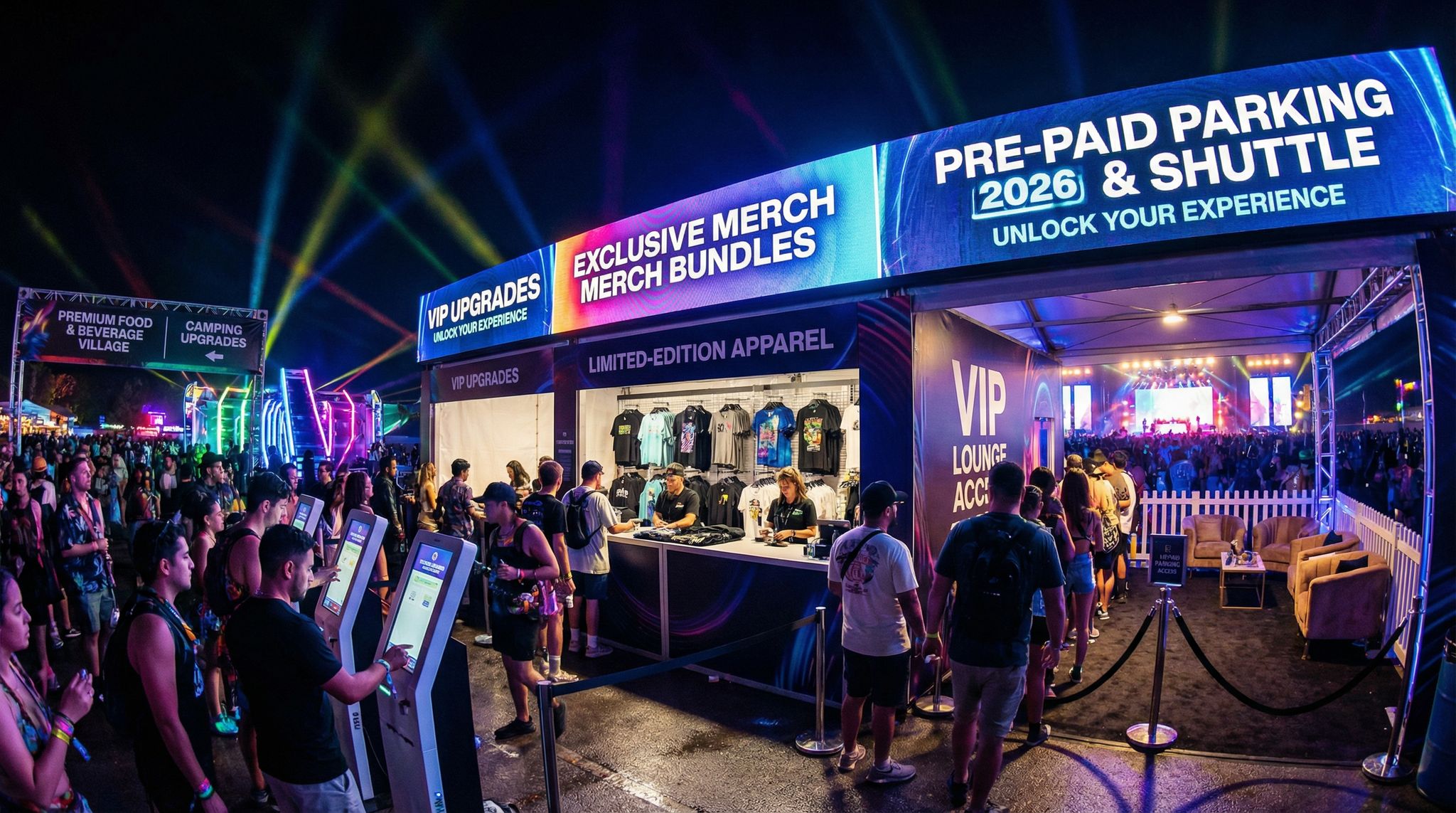
Merchandise is one of the easiest upsells because fans already want mementos and gear – it’s just about timing and convenience. Why wait until show day to sell merch when you can start at the moment of ticket purchase? Leading venues and festivals now offer merchandise add-ons during the online checkout process. For example, as someone buys a ticket, a prompt might say: “Add the official T-shirt for $25” with a single click. This approach taps into impulse buying and guarantees revenue before the attendee even arrives. Promoters have found that a decent percentage of buyers will happily pre-order merch if it’s presented seamlessly – especially if you sweeten the deal with an exclusive design or a slight discount for bundling. One real-world tactic is selling a merch bundle (e.g. T-shirt + poster) as a special pre-sale offer. Ticket Fairy’s ticketing system, for instance, can automatically suggest relevant merchandise during checkout based on the event. The fan benefits by securing limited-edition items in their size (no worrying about it selling out at the show), and you benefit by locking in revenue early. If you go this route, be sure to plan the logistics: have a dedicated merch pickup booth or will-call window on-site for those who bought in advance. Make it clearly known what the pickup process is (“Pick up your pre-order at the VIP tent between 2-6pm with ID”). Pre-show merch sales can significantly boost per-capita spending with minimal extra effort – you’re just moving the point of sale to when fans are already in buying mode.
Limited Editions and Event-Exclusive Items
Merch upsells work best when they tap into fans’ FOMO and desire for unique stuff. That’s why limited-edition and event-exclusive items are like magic words. If attendees believe “I can only get this at the event (or by pre-ordering now)”, they rush to buy. Consider creating a special commemorative item for your event – it could be a poster with the full lineup and date, a pin or badge, a variant t-shirt design, or a piece of memorabilia. You can bundle this item with a higher-tier ticket or sell it as an add-on. For example, some festivals include a collectible laminate or limited-run art print when you buy a VIP package, creating an item not available to the masses. This not only justifies the VIP price, it gives hardcore fans a reason to upgrade. Another tactic: offer merchandise that only VIPs or upgrade buyers have access to. According to luxury event marketing experts, providing VIP-only merch or memorabilia (like a deluxe photo book or exclusive vinyl record) can drive extra spending from your top tier attendees. Those VIPs feel special owning something normal attendees can’t get, and you earn more revenue. It’s important that these limited items are high-quality – the goal is a cherished keepsake that fans value. Also, clearly communicate the limited nature (“Only 200 available!”, “Exclusive to this show”). Scarcity and exclusivity are powerful motivators. When people believe an item might sell out or never be available again, they’re far more likely to hit the “buy” button immediately. This principle holds globally – whether it’s a concert in London or a festival in Tokyo, fans love exclusives that celebrate the event.
On-Site Merch Upselling Tactics
When the event is live, merchandise sales can skyrocket – if you approach it right. A well-run merch operation can be a revenue powerhouse on the day of the show. The first step is visibility: make sure your merch booth is prominently located and easy to access. Long lines can deter sales, so consider multiple points of sale or a queue system (even better, cashless payments to speed things up). Many venues find success by offering limited-time deals or drops during the event. For example, announce that a certain hoodie colorway will be available only after the headliner’s set, or offer a discount in the first hour after doors open to encourage early buys (which also helps avoid the end-of-night rush). Another clever upsell tactic on-site is bundling: train staff to suggest additional items. If a fan comes to buy a t-shirt, the seller might say “Would you like to add the poster for just £10? It’s a great keepsake.” Often, a significant percentage will say yes when prompted politely. Inventory strategy matters too – display your most eye-catching (and high-margin) items front and center. Fans can’t crave what they don’t see. Some festivals even set up mobile merch sellers (staff roaming with popular items or signs) in VIP areas or closer to stages to capture sales without requiring a trip to the booth. And don’t forget payment flexibility: accept cards, mobile pay, maybe even crypto if your crowd skews techy – anything to remove friction. The easier and more exciting you make it to buy merch on-site, the higher your per-capita merch revenue will climb. Real examples abound: major arena tours routinely see merchandise per caps of $15-$20+, and top festivals often do over $40 per attendee in merch and F&B sales. Those numbers are no accident – they’re the result of robust on-site upselling strategy and flawless execution.
Case Study: Merchandise Upsell Success
To put theory into practice, let’s look at a real-world example of merchandise upselling done right. Imagine an indie rock band on a 2,000-capacity venue tour. The promoters noticed that the band has a dedicated following likely to buy merch. They set up a system where during ticket checkout, fans could pre-order an exclusive tour t-shirt for 10% off the show-night price. About 15% of ticket buyers added it to their cart – that’s 300 shirts sold before the tour even began, generating, say, $7,500 in revenue. Come showtime, the venue had those pre-order shirts bagged and ready at a fast pickup counter, which delighted fans (no waiting in the main merch line). During the concert, the merch team offered a deal: buy any two items, get a free signed poster. This bundle encouraged plenty of fans who bought a tee to also grab a hoodie or hat. By the end of the night, the average merch spend per head was $12, rather than the $5-7 typical for similar shows without these tactics. In interviews, fans said they loved the unique tour shirt (which was only available via pre-order or at the show, not online later) and appreciated the value of the bundle. The band moved an impressive volume of merchandise, and the promoter significantly boosted the event’s profitability. This case underscores how combining pre-sales, on-site bundles, and exclusive items can substantially lift revenue. Whether you’re running a small club gig or a stadium show, a smart merch strategy upsell can transform your merch table from an afterthought into a serious profit center. You can also leverage Pre-order strategies to ensure demand is met.
Parking, Transport & Hospitality Add-Ons
Parking Passes and Priority Entry
Parking might not be glamorous, but it’s a high-demand upsell for many events. If attendees are driving, many will pay extra for convenience and peace of mind. Offering pre-paid parking passes not only brings in revenue, it also helps you manage traffic flow on event day. Successful festivals and venues turn parking into a well-oiled operation by selling passes in advance and even creating tiers of parking. For instance, some festivals have VIP or “premier” parking lots closest to the entrance that they sell at a premium. Coachella, for example, has charged around $150 per day for VIP parking and still often sells out those passes – plenty of fans are happy to pay for a guaranteed easy spot and shorter walk compared to the general parking distance. The key is communicating the clear value: reserved space, quicker entry, maybe even a separate exit route to beat post-show traffic. Fans who splurge on preferred parking should feel it was absolutely worth it (no mud, no mile-long walk, perhaps even a dedicated lot staff and security). Meanwhile, always maintain a reasonable free or standard parking option so that those who don’t upgrade still have a safe, if less convenient, place to park. The lesson from Coachella is that convenience sells. Another idea is tying parking to ticket tiers – e.g. include a parking pass with each VIP ticket purchase, or offer a discount on parking for carpoolers to encourage eco-friendly behavior. Don’t forget ride-share and drop-off lanes as part of your transport plan; while not a direct upsell, smooth Uber/Lyft zones improve the overall experience (and you might partner with a rideshare for a promo code kickback). Lastly, if your venue or festival is in a transit-friendly city, you can upsell transit passes or shuttle bus tickets. Many events provide private shuttle services from city centers or park-and-ride lots and sell those passes in advance. Not only is this a revenue stream, it’s a crowd management tool – every person on a shuttle is one less car in your congestion. In summary, don’t sleep on parking and transport; these “nuts and bolts” conveniences are often the first add-ons to sell out because they solve real attendee pain points.
Hospitality Upgrades: Food, Drink & Lounge Packages
Food and beverage are another fertile ground for upselling – and one that can greatly enhance the attendee experience when done right. The days of a basic beer-ticket are giving way to more creative F&B offerings. Consider offering pre-paid drink packages or vouchers. For example, a guest could buy a 5-drink package in advance at a slight discount versus buying individually on-site; they redeem it via a punch card or RFID wristband at the event. This locks in spend early and often encourages attendees to arrive and start spending (they’ve pre-bought drinks, after all). Alternatively, for a high-end touch, sell an open bar upgrade or a drink token bundle to VIPs. Many VIP tickets now include a certain number of free drinks or a dedicated VIP bar with specialty cocktails – worked into the ticket price. You can also upsell dining experiences: some music festivals partner with local chefs to create a pop-up restaurant on-site, selling a limited number of reservations as an upgrade. At a conference or expo, you might have an exclusive lounge where upgrade holders get catered meals, snacks, and a quiet place to sit. These hospitality extras not only bring in revenue, they solve problems (nobody likes waiting 40 minutes in line for a burger). One strategy is offering a meal deal voucher – pay $20 in advance for a meal+drink combo that would cost $25 on-site. A chunk of attendees will bite, which guarantees you F&B sales and helps plan inventory. Just be careful to deliver on quality: if someone prepays for food and finds only soggy pizza available, that’s a bad look. Strive to make the upgraded food/drink experience truly better – shorter lines, better options, maybe table seating in a cordoned area. A great example is how some sporting events offer an all-inclusive ticket for certain sections: fans pay more upfront, but then all their hot dogs, sodas, and popcorn are included – they love the convenience and often rave about the value, while the venue actually makes out well if they manage portions. Ultimately, people will spend a lot on eating and drinking at events (often rivaling the ticket price), so packaging it into an upsell can both increase their spend and make their lives easier. That’s the kind of win-win upsell that builds goodwill and return customers.
Accommodation and Travel Add-Ons
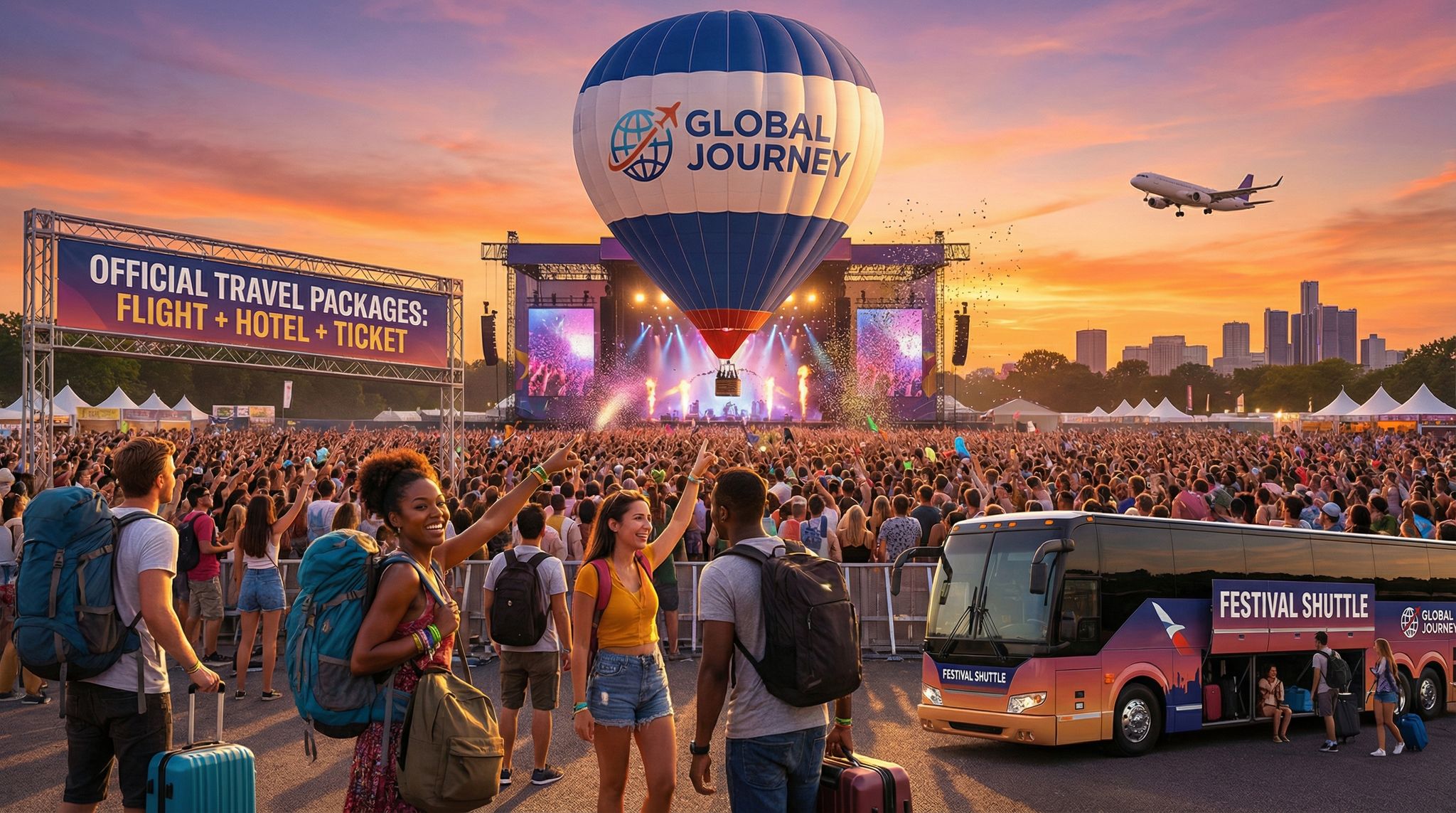
For multi-day events like festivals, or events drawing travelers, accommodation and travel packages are prime upsell territory. Festivals in particular have embraced glamping (glamorous camping) and VIP lodging upgrades. Instead of just selling a camping pass for your festival, why not offer a limited number of pre-set up tents, yurts, or RV rentals on-site for those willing to pay? Many festivals partner with boutique camping providers to set up comfy tents with beds, electricity, and other perks – fans pay a premium for the convenience of showing up to a ready-made camp. These can range from a few hundred dollars to lavish high-end tents with concierge service that cost thousands. For example, at Glastonbury in the UK, pre-pitched tipis and “luxury bell tents” are offered in separate areas and often sell out within minutes despite hefty price tags (some deluxe packages run into the thousands of pounds). Why? Because for a segment of attendees – especially older festival-goers or those with expendable income – not having to haul camping gear and having a real mattress is worth every penny. When crafting lodging upsells, tier them if possible: perhaps a basic tent package, a deluxe tent, and an RV spot with hookups. Hotel packages are another angle – conferences and destination festivals often cut deals with local hotels and then resell rooms or hotel+ticket bundles. If you know many attendees are flying in or driving long-distance, consider offering an official hotel block and shuttle combo as an upgrade. It streamlines their planning and you can earn a margin or commission. Even transportation can be upsold: Coachella famously offers an add-on for an airport shuttle or even private helicopter rides (for the ultra VIP) from Los Angeles. While helicopter transport is extreme, it demonstrates that some fans will spend on anything if it improves their experience! More practically, you might offer a bus transport package from major cities in your region – attendees pay $X for a round-trip charter bus, which saves them the hassle of driving. This is both a service (reducing DUIs, parking needs, etc.) and a revenue source if priced right. The bottom line is, think about the attendee’s entire journey to and from your event. Every element – parking, transit, lodging, breakfast – is a chance to provide a value-add service for a fee. If you don’t offer it, that money goes to someone else (hotels, 3rd-party shuttles, etc.). By curating travel and accommodation upsells, you not only keep more revenue in-house, you also ensure a smoother, more turnkey experience for your guests, which they will appreciate.
Upselling Without Upsetting Your Audience
Always Put Value First, Revenue Second
The golden rule of upselling (especially in events) is simple: if the upgrade doesn’t clearly benefit the attendee, don’t push it. Fans can smell a cash-grab a mile away. The moment they feel you’re just squeezing dollars out of them without enhancing their experience, the goodwill is lost. So when brainstorming upsells, gut-check each one: will the buyer genuinely feel it was worth the money? For example, selling a “VIP bathroom access” pass for $100 without actually providing cleaner, better bathrooms would rightfully anger people. On the other hand, a $20 “fast pass” that truly cuts their wait time in half at a busy attraction might be welcomed. Experienced promoters advise focusing on solving pain points or adding joy with every upsell. Upsells should never undercut the base experience; they should augment it. If you find you’re considering charging for something that really should be standard (like basic restroom access or customer service), it’s a sign to rethink. In practice, this means sometimes saying no to potential revenue because it’s not in the attendee’s best interest long-term. That discipline builds trust. Promoters who play the long game know a fan who feels taken care of will not only come back, they’ll often spend more over time. A quick buck that leaves a bad taste isn’t worth it. Always prioritize delivering value, and the revenue will follow as happy attendees opt into upgrades year after year.
Transparency and Communication
Nothing will sour an upsell faster than a customer feeling misled. To keep upselling effective and ethical, be utterly transparent about what each add-on includes, what it costs, and how to use it. If a VIP ticket promises a “private lounge and free drinks,” specify the details – how many drink vouchers, what hours the lounge is open, etc. Set correct expectations from the start. When upsell buyers know exactly what they’re getting, they’re more likely to be satisfied (and not flood your customer service later). It’s also important to communicate to everyone which parts of the event are premium vs. standard, so GA attendees aren’t caught off guard. For instance, clearly mark on the website map which viewing areas are VIP-only, and mention in the FAQ that “All attendees have access to XYZ, while VIP ticket holders also get ABC.” This openness removes any mystique or feeling of exclusion – people understand the setup and can make an informed choice. Avoid hard-sell or bait-and-switch tactics at all costs. A common mistake would be advertising an upgrade as “limited” to pressure sales, when in fact it’s not limited – if fans figure that out, trust evaporates. Similarly, if you tout a benefit that doesn’t materialize (e.g., “free parking” but then the lot fills and VIPs have to park elsewhere), you’ll face anger and refund requests. Many veteran event marketers even include testimonials or examples in their upsell promo materials (“Last year 95% of our VIP guests gave the experience 5 stars – here’s why…”) to give credibility. And remember, with new transparency rules in places like the US, you should disclose total prices upfront. Don’t hide additional fees for upgrades until checkout – show the full cost so buyers aren’t surprised. Transparency isn’t just ethical, it’s strategic: informed customers are happier customers, and happier customers spend more freely.
Don’t Overwhelm with Options
While it’s great to have multiple upsells, there is a point of diminishing returns. Too many choices can paralyze customers or come across as overkill. If your ticketing page has 15 add-on options, from VIP to parking to merch to meal vouchers to golden toilets, people may just glaze over and select none. The upsell menu should be curated and intentional. Focus on a few high-impact upgrades that compliment your event’s theme and audience needs. You can always present additional offers later via email or on-site once someone has committed to attending. The initial purchase path should feel streamlined: ticket selected, maybe 2-3 suggested add-ons max (e.g., parking and merch bundle). Also consider bundling multiple extras into one premium package to reduce clutter. For example, instead of offering separate add-ons for a T-shirt, a poster, early entry, and a VIP lounge pass – combine them into one “VIP Experience Bundle” add-on. This way the guest makes one decision and gets multiple benefits. Keep an eye on attachment rates (the percentage of buyers who add an upsell). If an offer isn’t gaining traction, it might be unnecessary or not compelling enough. Don’t be afraid to trim the fat. Quality over quantity is a good mantra; a few well-crafted upsells will usually outperform a smorgasbord of mediocre ones. Plus, a shorter list of options is easier to market effectively. Streamlining options also extends on-site – at the event, don’t push every upgrade under the sun via constant announcements. Be selective and targeted (for instance, have roaming staff quietly offering VIP day-of upgrades to GA attendees near the VIP entrance, rather than loudspeaker announcements that make GA feel second-rate). By keeping your upsell program focused, you ensure that each offer gets the attention it deserves and doesn’t detract from the overall fan experience.
Listen and Learn from Your Attendees
Upselling is not a set-it-and-forget-it game – you should actively seek feedback from your attendees and adjust accordingly. After all, they’re the ones voting with their wallets (and opinions) on what’s working. Post-event surveys and social media listening are gold mines for understanding sentiment around your upgrades. Ask questions like “If you purchased any add-ons, how was your experience?” or “What additional options would you be interested in for the future?” You might discover, for example, that many GA attendees actually would pay for a particular perk if it were offered, or conversely that some VIP perk wasn’t used or valued. Pay attention not just to the sales numbers, but the qualitative feedback. Perhaps your merch bundle sold well but people complained the pickup line was confusing – that’s fixable operationally. Or maybe few people bought the meal voucher; could be the food options weren’t appealing enough, or perhaps your audience just isn’t interested in pre-paying for food. Use data wherever possible. Track the redemption of upsells (did those VIP early entry buyers actually show up early?). Study your event app or RFID data if you have it – if VIP lounge check-ins were low, maybe the lounge location wasn’t convenient. Sometimes, fan behavior post-upsell reveals whether they truly valued it. Also, look at repeat purchase rates: do the same folks keep buying VIP each year? That’s a sign you’re delivering well. If not, you may have a one-and-done situation which might indicate they didn’t feel it was worth repeating. By treating your upsell program as an evolving offering and inviting attendee input, you demonstrate that you’re building the experience with their interests in mind – which, in turn, builds trust and future sales. Continuous improvement is the name of the game. The best event marketers in 2026 are agile, tweaking their upgrade packages year to year (or show to show) based on what fans respond to. This iterative approach ensures your upsells stay relevant, valuable, and profitable.
Upselling Strategies for Events of All Sizes
Small Venues & Club Shows
Upselling isn’t just for giant festivals – intimate events can leverage it too, albeit with a personal touch. At small venues (say 100-500 capacity clubs or theaters), the scope of upsells is narrower but still impactful. VIP experiences here might mean a meet-and-greet with the artist, a reserved table, or bottle service for groups. For example, a 200-capacity nightclub could offer a limited number of VIP table packages that include a reserved booth near the stage and a bottle of top-shelf liquor with mixers. While only a few groups can buy that, it might add a few thousand dollars in revenue and create a luxe vibe that rubs off on the whole event. Meet-and-greets or photo ops are popular in small concert settings – fans might pay an extra $50 for a quick hello and photo with the band after the show, which costs the promoter almost nothing except coordination. Merch bundles can also be pre-sold for club shows: an indie band might sell a $40 bundle that includes a ticket, t-shirt, and album download. All of these need to be handled carefully due to the size – the meet-and-greet should be orderly and not interfere with the venue’s flow, and VIP tables shouldn’t block general viewing. But when done right, upsells at small events can boost earnings by 10-20% or more and foster a tight-knit community vibe (the fans who do the meet-and-greet often become evangelists). The approach is typically very personable and limited – you might only have 10 meet-and-greet passes or 5 VIP tables – which maintains exclusivity. Small event promoters often know regulars by name, so they can even target offers directly (“Hey, we’ve got a new VIP section option, thought you and your friends might enjoy it”). This high-touch approach can make upsell buyers feel like true insiders. Even something as simple as a “skip the line” early entry pass for $10 can work at a popular club night – it costs nothing to offer and some fans will gladly pay to snag their favorite spot inside. The lesson: scale-appropriate upsells, delivered with a personal touch, can meaningfully boost revenue for micro-events without alienating loyal patrons.
Mid-Sized Events & Concerts
For mid-sized concerts, theaters, or one-day festivals (think 500 to 5,000 attendees), upselling usually takes a more structured form – you have enough audience to segment into tiers, but still need to keep things simple. VIP tickets in this range often mean a nicer seating area or standing section, plus a dedicated bar or restroom. For instance, a 2,000-capacity theater show might convert the front orchestra section into VIP tickets at a higher price, which include access to a lounge with a welcome drink. Many mid-sized events also jump on the parking pass upsell – if parking is even remotely scarce, sell that convenience. At this scale, merchandise pre-orders and bundles make a lot of sense too. You can fairly easily manage handing out 200 pre-ordered shirts at the door, and it guarantees you sales. Food and drink packages can be introduced here as well (“$30 for 4 drink tokens + a snack voucher”). The communications for mid-sized event upsells should be very clear and professional, as you’re often dealing with a broader audience (not just local die-hards). It helps to dedicate a section of your event website or ticketing page to “Upgrade Your Experience” detailing these options. You might also work with sponsors to enhance upsells – e.g., a local brewery might sponsor a VIP beer garden area, underwriting some cost while you charge attendees for access. Case in point: many 1-3k attendee music festivals offer a VIP upgrade for around $100-150 on a $40 base ticket, limited to perhaps 5-10% of tickets. Those VIP passes typically include a tented chill zone, upgraded bathrooms, and a free merchandise item. If you sell even 100 VIP passes at $100 extra, that’s $10k more revenue – often covering the talent’s fee or your venue rental. Mid-sized organizers also start to analyze data more: you can identify that say 8% of your crowd consistently buys merch, or 20% drives and will buy parking. That allows you to forecast and optimize inventory. The mid-tier is all about offering tasteful improvements to an already good experience – not an entirely separate world like big VIP sections, but nice perks that many will find worth the price. Handle it well, and your mid-sized event can see major boosts in profit without a huge jump in attendance numbers.
Major Festivals & Large-Scale Events
At the big leagues – events with 10,000, 50,000, even 100,000+ attendees – upselling becomes an art and science of its own. Here, you’re often building a whole ecosystem of tiers and add-ons. Large music festivals typically offer multi-tier VIP programs (VIP, Super VIP, maybe even platinum) as discussed, along with a buffet of add-ons: official shuttle passes, camping upgrades, locker rentals, fast-track entry bands, special tours, you name it. The scale is so great that even a small percentage uptake means thousands of sales. The organizational challenge is ensuring all these moving parts deliver as promised. For example, if you sold 5,000 shuttle tickets, you better have enough buses and clear info so those 5,000 people have a smooth ride. The reward for doing it right is huge revenue upside. Tomorrowland in Belgium provides a model case: by layering VIP tiers, travel packages, and exclusive experiences, they dramatically increase income per attendee and have built an almost “luxury resort” around the core festival. Many major festivals report that while VIP/premium tickets might be <10% of attendees, they can account for 20-30% of ticket revenue (some of that due to packages that include hotels or extras). And that’s before counting other upsells like merch and F&B. One key at this scale is to use technology for efficiency: RFID wristbands for cashless payments can enable VIPs to have a separate fast line at vendors; mobile apps can send push notifications to upsell “last few spots at the afterparty – buy now.” Also, dedicated staff and infrastructure for VIPs and add-ons is critical. Large events often have an entire VIP management team to handle premium guest check-in, lounges, and customer service, precisely because those high spenders expect white-glove treatment. The last thing you want is a VIP paying $500 extra only to feel like they’re lost in the masses. Data analytics also shine at scale – with tens of thousands of attendees, you can really segment your marketing. You might find international attendees are likely to buy merch (since it’s a rare trip), so you target them with pre-sale merch offers. Or that locals are more likely to spring for VIP (since it’s a drive-in crowd vs. travelers who already spent on flights). Use those insights to refine your upsell promotions each year. And absolutely gather feedback from your premium customers – one angry high-roller with a huge social media following can do outsized damage if something goes wrong, but one delighted VIP can become an incredible ambassador. In summary, big events require big planning for upsells, but the payoff is equally big. When 5% of 80,000 attendees buy a $300 upgrade, do the math – that’s $1.2 million in the bag. Major festivals that master upselling have effectively created tiered products that monetize both the masses and the affluent, all while delivering an unforgettable experience at every level.
Frequently Asked Questions
What is event upselling and why is it important?
Event upselling involves offering premium add-ons like VIP upgrades, merchandise, or parking to ticket holders to enhance their experience. This strategy increases revenue per attendee without raising base ticket prices, with data showing organizers generate an average of $26.62 in additional revenue per person beyond the initial ticket cost.
How do you create valuable VIP packages for events?
Create VIP packages by bundling exclusive perks such as fast-track entry, private viewing areas, and luxury amenities that standard ticket holders cannot access. Successful packages offer genuine convenience and comfort, often priced 2x to 5x higher than general admission, while ensuring the core event experience remains enjoyable for all attendees.
How can event organizers increase merchandise sales?
Organizers boost merchandise sales by integrating pre-orders directly into the online ticketing checkout flow and offering exclusive bundles. Strategies include selling limited-edition items available only to pre-buyers or VIPs and using on-site tactics like mobile sellers and cashless payments to capture impulse buys and reduce wait times at booths.
When is the best time to promote event upsells?
The optimal time to promote upsells spans the entire attendee journey, starting immediately during the initial ticket purchase checkout. Organizers should continue marketing add-ons via email leading up to the event to drive urgency and utilize on-site signage or push notifications to capture last-minute upgrades like seat improvements or merchandise.
How much additional revenue can event upselling generate?
Event upselling generates significant income, with industry data indicating organizers earn an average of $26.62 in additional revenue per attendee beyond the base ticket. At large concerts and festivals, on-site spending on upgrades, food, and merchandise often exceeds $40 per fan, contributing 15-30% or more to total event revenue.
How do payment plans increase event upsell conversions?
Payment plans and “Buy Now, Pay Later” options increase conversions by breaking high-priced upgrades into manageable installments. This financial flexibility encourages attendees to trade up to VIP packages or multi-day passes, often driving average order values up by 20–50% and attracting younger audiences who might otherwise skip premium experiences.
How do you balance VIP perks with general admission experiences?
Balancing VIP and general admission requires adding value to premium tiers without subtracting from the standard experience. Organizers should ensure VIP areas do not obstruct main stage views for general attendees and frame upgrades as optional luxuries. This approach prevents resentment and maintains high satisfaction levels across all ticket types.
What are the most popular types of event upsells?
Popular event upsells include VIP ticket upgrades, pre-paid parking passes, and exclusive merchandise bundles. Other high-demand options involve hospitality packages like open bars or food vouchers, transportation shuttles, and accommodation add-ons such as glamping or camping spots, all designed to solve attendee pain points or enhance comfort.
How can I create a tiered ticketing structure with upsells?
To create a tiered ticketing structure with upsells, start by defining a standard general admission base. Next, design two or three premium levels (e.g., VIP and Platinum) that progressively include higher-value perks. Use your ticketing platform to attach specific add-ons—like fast-track entry, exclusive merchandise, or dedicated parking—directly to these higher tiers during the checkout process.
Which providers support upsells like parking and merch during ticket checkout?
Leading event technology platforms, including Ticket Fairy, fully support integrated upsells like parking and merch during the ticket checkout flow. These providers allow organizers to present targeted add-ons right when the buyer is most engaged, significantly increasing conversion rates and overall per-attendee revenue.
How do VIP status benefits models drive higher earnings for festivals?
Implementing structured VIP status benefits models drives higher earnings by combining premium ticket sales with lucrative sponsorship opportunities. Exclusive features like branded lounges or dedicated viewing areas offer increased visibility for corporate partners, allowing organizers to monetize the premium experience twice—once through the attendee and again through the sponsor.