Triage the Crisis: Assessing Delays and Priorities
When you realize your festival planning is behind schedule, the first step is to triage the situation. This means getting a clear, honest picture of what’s delayed, how critical each missed deadline is, and what the ripple effects are. Treat this phase like an emergency room for your project – quick assessment and prioritization can prevent a bad situation from becoming catastrophic.
Identify Critical Missed Milestones
Start by listing which key milestones or tasks have been missed or are at risk. Is the site lease still unsigned? Did the production vendor push back the stage delivery? Is your lineup announcement late, affecting ticket sales? For each missed deadline, map out the consequences. Some delays are inconvenient but tolerable, while others are truly mission-critical. For example:
- Permit Approvals – If a government permit or license deadline slips, your entire event is in jeopardy. Delaying permit applications or safety certifications can result in authorities shutting down the event, a common pitfall when avoiding early mistakes for first-time planners. These tasks are top priority; without them, nothing else matters.
- Infrastructure & Site Build – Late delivery of stages, tents, power generators, or fencing directly threatens opening day. If the main stage isn’t built, you quite literally can’t open (as New York’s Electric Zoo festival learned in 2023 when it had to cancel opening day hours before gates due to supply chain disruptions affecting the main stage). Infrastructure delays demand immediate intervention.
- Talent Booking & Visas – If artist contracts aren’t finalized or visas not secured, you risk cancellations. A headliner caught in red tape could leave you scrambling. These are high priority but might have workarounds (backup acts or expedited visa services) if acted on fast.
- Marketing & Ticket Sales – Falling behind on marketing timelines (late lineup announcement, delayed ticket launch) means fewer tickets sold by now. While this won’t stop the festival from opening, it will hurt revenue and vibe if not addressed. These are critical to financial success, though slightly less urgent than permits or infrastructure in terms of show stoppage.
- Vendors & Supplies – Perhaps your staging vendor slipped their delivery date, or the RFID wristbands are stuck in customs. Operational delays vary in severity: no wristbands might be managed by switching to printed tickets, but no stage or no toilets is a show-stopper. Identify which supplier delays are show-critical versus inconvenient.
- Staffing & Training – Maybe you’re behind on hiring security staff or volunteers. Too few staff can impact safety and guest experience, but you often can solve this last-minute by paying for extra personnel from agencies (at a premium). It’s critical, but solutions exist if budget allows.
By categorizing delays this way, you can see the hierarchy of urgency. A useful approach is applying triage categories to each issue:
- Red (Must-Fix Immediately) – Items that will cancel or significantly derail the festival if not fixed (e.g., permits, primary stages, insurance, critical safety infrastructure).
- Yellow (Can Work Around Temporarily) – Important but with fallback options or a short grace period (e.g., secondary vendor delays, minor stage decor not installed, some artists missing promo materials). These can be managed in parallel with Reds or given slightly more time.
- Green (Adjustable) – Tasks that can be trimmed, postponed, or done last-minute without major harm (e.g., non-essential decorative elements, nice-to-have extras, minor aesthetic improvements). These go to the bottom of the list or might be cut if necessary.
Gather your core team leads (production, operations, marketing, etc.) and rapidly audit the status of all major workstreams. This is essentially a project “code blue” – get everyone on the same page about what’s behind schedule. Often, creating a simple table or dashboard of missed vs. upcoming deadlines helps visualize the problem:
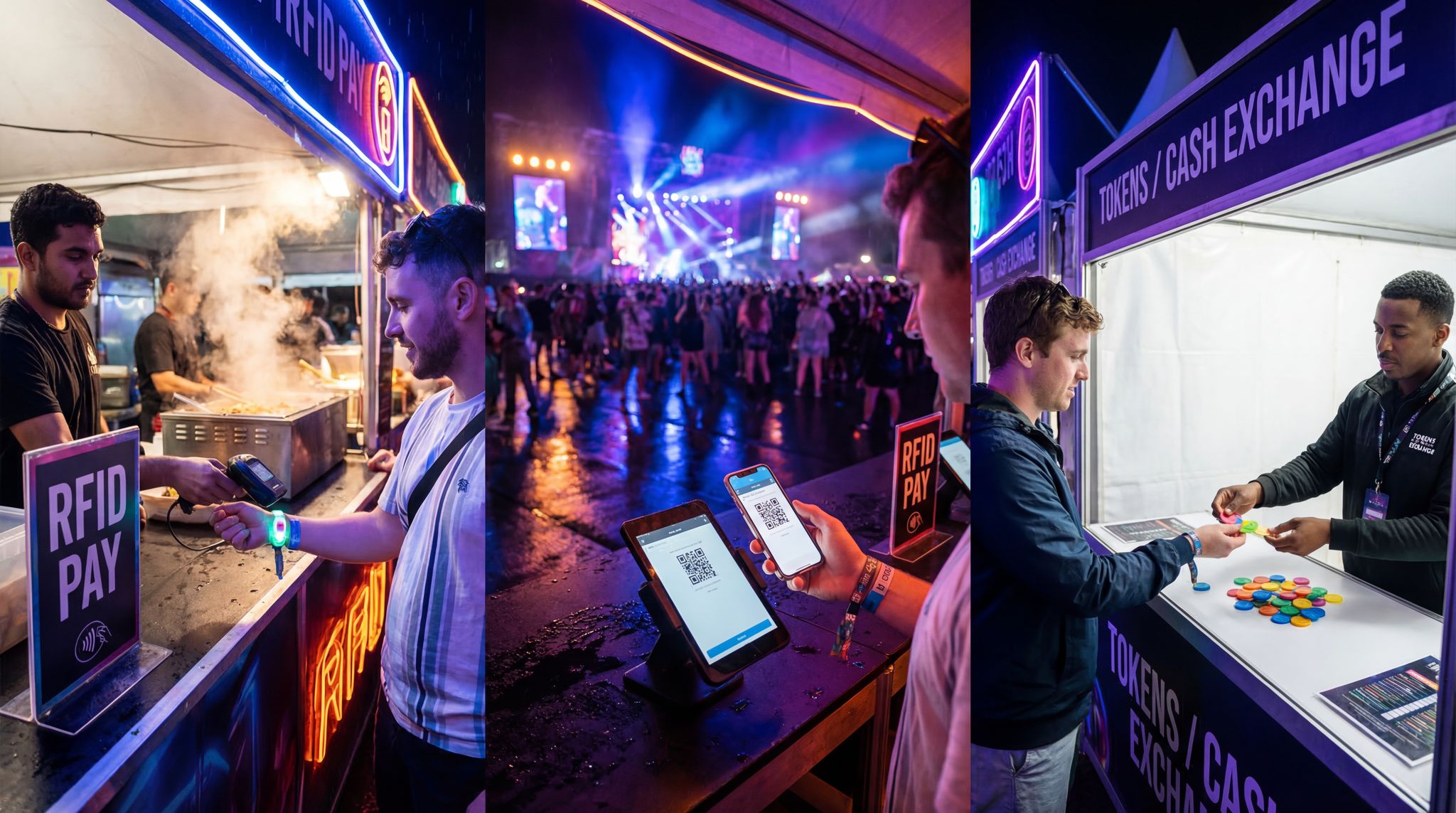
Go Cashless With RFID Technology
Enable contactless payments, faster entry, and real-time spending analytics with RFID wristbands and NFC-enabled ticketing for your events.
| Workstream | Missed/Missing Deadline | Impact | Action Required |
|---|---|---|---|
| Permits & Compliance | Safety plan submission to city was due last week | Cannot proceed without approval – threatens cancellation as seen in lessons for first-time festival planners | Escalate with authorities, request expedited review |
| Main Stage Build | Stage roof delivery delayed 5 days | No main stage = cannot open Day 1 (show-stopper) | Source alternate stage or add overnight build shifts |
| Artist Relations | Headliner contract not finalized | Risk headliner pull-out (major impact on lineup/marketing) | Negotiate contract this week, secure backup artist option |
| Marketing & Ticketing | Lineup announcement 3 weeks late | Slower ticket sales, public concern | Launch aggressive promo now, leverage artist marketing support |
| F&B Vendors | Two food vendors unconfirmed | Fewer food options (manageable) | Continue outreach, have on-site plan B (food trucks) |
The idea is to see everything in one place. Once you identify the critical red issues, you can move to the next step: making a recovery plan focusing on those items first.
Focus on the Critical Path
In project management, the critical path is the sequence of tasks that directly determines the event date – any delay on those tasks pushes the whole timeline. When behind schedule, refocus on your critical path like a laser. As one veteran producer put it, “we go into tunnel vision on the must-haves.” Review which remaining tasks have zero float (i.e. no wiggle room) before opening day. For example, if stage construction, electrical inspections, and sound checks are critical path in the final week, then delays in any of those will delay opening. Those tasks need resources and attention above all else.
Planning a Festival?
Ticket Fairy's festival ticketing platform handles multi-day passes, RFID wristbands, and complex festival operations.
If you haven’t mapped your critical path before, do it now in brief. Work backward from your opening date and identify each predecessor task that must happen on time for the festival to open. This backward planning method is a lifesaver – top festival organizers always “plan from the fixed opening day in reverse” to establish an 18-month critical path or manage the 120-day timeline for boutique festivals. Knowing these critical milestones (permits issued, stages built, power on, etc.) lets you zero in on the bottlenecks. For instance, if your stage build is 3 days late, all subsequent tasks (audio testing, lighting focus, artist rehearsals) are now sliding too. Immediately re-sequence and compress those downstream tasks (more on that in the next section) once you identify the logjam.
Equally important, pinpoint tasks not on the critical path that can be delayed or even dropped. This is the time to exercise ruthless prioritization: nice-to-have elements might need to be sacrificed to free up time and resources for must-have elements. Many festivals add extras (art installations, elaborate entrances, secondary stages, etc.) that are fantastic when time allows, but if you’re behind schedule, consider scaling back. It’s better to deliver the core festival well than to fail because you stretched too thin. For example, if a planned interactive art exhibit isn’t fully built, you might decide to cut it and reallocate those crew members to help finish the main stage. Seasoned producers keep a short list of “nice but not necessary” items that can be trimmed if timing or budget get tight. In technical terms, tasks not on the critical path have float, a concept essential for planning backwards for festival success – use that flexibility to your advantage now.
Key point: Address the causes of delay too. Was a deadline missed due to an overly optimistic timeline, a vendor failure, or unforeseen issues like weather? Knowing why helps you fix the right problem. If it’s simply too much work and not enough hands, you’ll need to add resources. If it’s procedural (e.g., waiting on a permit approval), you might need to personally intervene with officials. If bad weather set back your build by several days, plan how to recover those days with longer hours or alternate equipment once weather clears. Understanding the root cause ensures your next moves actually solve the delay instead of just papering over it.
Revise the Timeline and Compress the Schedule
With critical tasks identified, it’s time to rework your festival timeline. This revised plan should realistically account for the delays and outline how to catch up. Think of it as creating a new roadmap from today to opening day, one that gets you to the destination on time by taking some faster (if bumpier) routes.
Smooth Entry With Mobile Check-In
Scan tickets and manage entry with our mobile check-in app. Supports photo ID verification, real-time capacity tracking, and multi-gate coordination.
Fast-Track and Parallelize Tasks
One of the most effective recovery techniques is fast-tracking – performing tasks in parallel that would normally be done sequentially. Review your schedule for any activities that could overlap if you throw more coordination at them. For example:
- If stage construction is behind, can you begin running power cabling to areas of the site that are already secure, before the entire stage is finished? Perhaps the lighting team can start prepping trusses on the ground while the stage deck is still being completed.
- Overlap site build with decor and art installation crews. Instead of waiting for all infrastructure to be 100% done, assign teams to start on sections of decor or signage in areas that are ready. This requires communication so they don’t get in the way of heavy machinery, but it can claw back time.
- Start training staff or volunteers online (via webinars or training videos) while on-site setup is still ongoing, if in-person orientations had to be postponed. Parallel preparation beats idle waiting.
- Begin marketing pushes (e.g., releasing part of the lineup or activating street teams) even if your full marketing materials aren’t perfect yet. Don’t let the perfect announcement video or final poster delay you – get some news out to keep momentum.
In normal times, a festival project plan might space these tasks out for efficiency, but in a crunch you embrace concurrency. World-class venues do this routinely for tight turnarounds – they’ll tear down one show and load in another at the same time by dividing the venue into zones and parallelizing workflows to execute rapid event changeovers at multi-use venues. Festivals can do the same on a larger scale: while one crew finishes laying power lines on one end of the site, another crew can begin assembling vendor booths on the other end. The key is communication – use radios or a central task dashboard to ensure teams don’t conflict and to adjust operations on the fly.
Another fast-tracking tactic is revisiting dependencies. Ask yourself, “Does Task B truly require Task A to be 100% finished, or can some of Task B start earlier?” Maybe your volunteer schedule can be drafted before you finalize the last few staff hires. Or the site plan for food trucks can be marked out on the ground even if fencing installation is still finishing in a neighboring area. Challenge assumptions about sequence – you’ll find opportunities to start sooner.
Be mindful: fast-tracking can introduce risks. Overlapping work means more chances for mix-ups or needing rework if something changes. So deploy this carefully on tasks where the risk is manageable and ensure someone (e.g., a project manager or site manager) is actively coordinating the parallel efforts. Daily morning briefings with all crew leads can synchronize the day’s plan so everyone knows what’s happening simultaneously and where any “crunch points” might be.
Crash the Schedule (Add Resources)
“Crashing” the schedule is project-management speak for adding extra resources to speed up tasks. In a festival context, that often means bringing in more manpower, equipment, or money to get back on track. This is where your budget may take a hit – but it’s better to incur some overtime or rush costs than to have an unready festival or a last-minute cancellation.
Areas where adding resources can help:
- Labor and Crew – Hire additional crew members for site build, or authorize overtime for existing crews to work longer days (keeping safety in mind – rotating shifts to avoid exhaustion). Big festivals often have “bling teams” or extra hands on standby for final weeks. If you’re behind, call them in. For example, if stage build is lagging, doubling the crew size or running two shifts (day and night) for a few days can compress a 5-day job into 2-3 days. The Glastonbury Festival famously has a small army of local workers and volunteers ready to lay down temporary roads or wood chips overnight when rain and mud threaten delays – a strategy that has saved the festival in bad weather years.
- Equipment and Machinery – If a delay is due to limited gear (say you only had one forklift and it broke down or can’t cover the whole site in time), renting an extra forklift or crane can speed up logistics. Similarly, if generators or lights aren’t installed, get more technicians or tools on site. At one 40,000-capacity festival in Europe, when the stage roof shipment was stuck in transit, the producers scrambled and rented local stage scaffolding and cranes on short notice to assemble a basic roof structure, incurring high costs but still enabling the show to go on.
- Technical and Planning Support – Sometimes bringing in a specialist or additional project manager for the crunch period pays off. An experienced production manager who can triage problems on the fly, or a safety consultant to fast-track your compliance paperwork, might make a huge difference when your team is stretched thin. It’s like calling in a veteran firefighter to help douse the flames – worth it for a rescue.
- Budget Infusions – Delays often come with unplanned expenses (overtime pay, rush shipping, last-minute rentals). Ensure you have a contingency fund in your budget for this reason. Industry veterans recommend a contingency of around 10-15% of the budget for emergencies, vital for adapting festival operations to local constraints and handling infrastructure surprises and contingency funds. If you didn’t, you may need to tap sponsors for an advance or find other funding. Some event ticketing platforms even offer financing to organizers – for instance, Ticket Fairy’s Capital program can advance funds (ranging from $10,000 up to $3M) to cover production costs when cash flow is tight. Securing an emergency budget injection can enable you to buy your way out of a jam (e.g., paying a vendor extra for expedited delivery or adding paid staff). The crucial thing is not to be too cash-poor to implement the fixes you need.
Crashing must be done smartly – throwing people or money at a problem in an uncoordinated way can be wasteful. Identify exactly which tasks will benefit from more resources and allocate there. Also, keep morale in mind: your team might already be strained from the delays, so bringing in reinforcements can boost spirits if handled tactfully (position it as “extra help” not “you’re failing”). Conversely, asking the same exhausted team to just “work 24/7” could backfire with mistakes or burnout. Balance fresh resources with respect for human limits.
Now that you’ve adjusted the plan and lined up ways to execute it faster, it’s time to tackle the external pieces – vendors, partners, and stakeholders – who are part of this picture.
Need Festival Funding?
Get the capital you need to book headliners, secure venues, and scale your festival production.
Rally Vendors and Partners for Last-Minute Solutions
Vendors, sponsors, and other partners are critical allies when timelines slip. They often have the means to help you recover ground – but you need to communicate and negotiate effectively. Here’s how to engage them when you’re in crunch mode:
Negotiate Extensions and Expedited Services
Contact each key vendor immediately to discuss the situation and explore solutions. If your staging company is running late, speak to their project manager about options: can they allocate a second crew to your job, work around the clock, or provide a temporary stage piece until the full setup is done? Sometimes vendors can rearrange their priorities if they understand how critical your need is (and if you’re willing to pay overtime). Build a sense of shared mission – “We all need that stage up by Wednesday, what can we do together to achieve it?” If extra fees are required for rush service, try to negotiate a fair rate or split cost, but be prepared that emergency help isn’t free.
For suppliers of equipment (e.g., lights, sound, fencing) that haven’t arrived on time, ask about expedited shipping or alternative stock. For instance, if a shipment of festival wristbands is delayed in transit, your ticketing provider might have an alternate batch they can overnight to you, or they can issue temporary e-tickets as a stopgap. If your intended fancy entry gate won’t be finished, perhaps the fabricator can provide a simpler prefab gate in the interim. Always inquire about partial deliveries: maybe not all 100 portable toilets arrived, but 60 can arrive on time and the remaining 40 a day later – you might reallocate those 60 to critical areas at first. Creative adjustments like this can ensure you meet minimum requirements to open the gates, with less crucial elements coming in later.
Leverage your network and backup vendors. Experienced festival producers maintain relationships with multiple vendors for each need – if Plan A falls through, they call Plan B. If you don’t have those relationships yet, consider reaching out to peers or even competitors for referrals. The festival industry, though competitive, is also a community – there are cases where a nearby event lends staging or fencing to a festival in a bind (especially if they’ve finished their event just prior). Don’t hesitate to call in favors. One mid-size UK festival producer recalls when their main generator supplier went down days before the event, a friendly contact at another festival 100 miles away arranged to loan them spare generators and cabling, preventing a power crisis. Such goodwill happens more often than you’d think, but you only get it if you ask.
Another negotiation angle: renegotiate timing and contracts where possible. If a particular deliverable can’t be met, see if the vendor can provide something else of equal value. For example, if your tent supplier can’t deliver the giant VIP tent in time, can they set up a smaller tent plus some pop-up canopies as an interim VIP area? Work out credits or partial refunds later – the focus now is on getting functional solutions in place for Day 1. Many vendors would rather help you find a workaround than face a public relations issue of a festival failing (it reflects on them too if their component is blamed). So align incentives by saying, “We’re in this together – how can we make sure we have something to serve the need, even if it’s not exactly what was originally planned?”
Scale Back Commitments (If Needed) – With Transparency
If there’s a deliverable that simply cannot be salvaged in time (for instance, a sponsor’s elaborate branded stage that won’t be ready), it’s better to confront that early and adjust the plan than to pretend everything’s fine. This might mean scaling back what you promised to a stakeholder – and doing so diplomatically. For sponsors, propose alternative activations: “Your stage build ran late, but we can move your sponsored acts to the second stage and brand that stage with your signage, plus we’ll offer you an extra on-site banner and dedicated social media shoutouts to make up for it.” Most sponsors prefer a modified plan over a failed delivery or a surprise on event day.
For ticket buyers, if a certain offering won’t be ready (say you had advertised a dazzling art installation that isn’t done), you might not need to announce it proactively (especially if it’s an enhancement rather than a core promise). But if it’s something like a whole day of programming being cut or a headline artist cancelling due to these issues, you must communicate (more on communication in the next section). Some festivals have offered small compensation – like a free merchandise item or drink voucher – to attendees when a notable advertised element wasn’t ready or had to be cancelled. The goodwill from a gesture can stave off backlash.
The overarching principle is to preserve the essential festival experience. Attendees expect certain basics: the show goes on as scheduled, it’s safe, and they get what they paid for in terms of artists and amenities. If you ensure those core elements happen, many won’t notice if some secondary features are missing or late. It’s internal teams and stakeholders (like sponsors or VIP customers) who will notice more – so handle those relationships with transparency, humility, and solutions. A real example: At a California food & music festival, a planned craft beer village area was still being finished when gates opened due to an construction delay. The organizers roped it off for the first two hours and gave affected vendors extra support once opened; they also announced a 1-hour “happy hour” with discounted drinks once the area opened to draw attendees in and smooth over the delay. By the end, the crowd was happy and few complaints lingered.
Lastly, consider financial incentives if a partner’s failure put you in this position. You might negotiate a discount or future credit from a vendor who was late. But avoid playing the blame game publicly – focus on fixing now, settle up later discreetly. The goal is to open successfully; you can hash out liability or concessions after the event when everyone’s less frantic.
Don’t Compromise on Safety and Quality
When time is short, the instinct might be to cut corners – skip a safety check, gloss over a quality issue – but safety and essential quality controls are absolutely non-negotiable. The worst outcome of all would be to open on time but have a serious injury, crowd disaster, or infrastructural collapse because something critical was rushed or omitted. As the saying goes in live events: “The show must go on – but not at the cost of lives or lasting damage.” Here’s how to maintain your standards under pressure:
Uphold Safety Protocols, Even if It Slows You Down
No matter how behind you are, do not skip safety inspections and tests. If the stage needs an inspection after setup, that inspection must happen even if it means some overnight work or a slight delay in another task. If your crowd management plan hasn’t been reviewed by an expert, bring one in now (many crowd safety consultants can do a rapid assessment in a few hours). History has shown that festivals which ignored warning signs in the rush of the moment faced tragedy. From crowd crush incidents to structural failures, the root cause is often corners cut under time pressure. Don’t join that list.
For example, ensure your crowd safety measures are solid: barriers in place, emergency exits clear, security briefing done. As one safety article notes, crowd management planning starts early, but it’s never too late to review layouts and staffing against safety guidelines like managing festival crowd density surges. If you realize you’re short on trained security personnel, immediately contract additional qualified staff (yes, at premium rates) or reallocate staff from less critical roles to crowd monitoring roles. It might hurt your budget, but nothing will hurt more than a disaster. A delayed or rushed build is no excuse for unsafe conditions – if anything, the risk is higher during a rushed setup, so double down on vigilance. Conduct a quick safety audit of your site a day or two before opening: have independent eyes (someone not mired in the chaos) walk the grounds to spot hazards you might overlook.
Also, loop in local authorities and emergency services as partners in safety. If your timeline slip affected something like the placement of fire lanes or medics, inform the officials and collaboratively ensure compliance. It’s better to humbly admit you’re double-checking everything than to hide an issue. Authorities appreciate proactive communication – it builds trust that you’re still prioritizing safety despite setbacks. In some cases, fire marshals or inspectors can even suggest simple fixes if they spot a problem, as long as you give them the chance before it becomes an incident.
One more thing: plan for the “what ifs” even more rigorously now. When a project is behind, Murphy’s Law likes to strike – e.g. last-minute heavy rain or an artist no-show can pile on. Have contingency plans ready for the most feasible risks (extreme weather, critical supplier no-show, etc.). If you haven’t already, create an Emergency Action Plan for scenarios like severe weather or crowd evacuation. Know who on your team has the authority to pause the festival if a safety issue emerges and make sure they will do it if needed to keep crowds safe during surges. Empowering your staff to make a stop-call, as discussed in stopping the show for safety guides, can save lives by practicing evacuation routes and scripts – timing issues notwithstanding, safety always comes first.
Preserve the Attendee Experience (Core Quality)
While some non-critical frills can be cut, maintaining a quality attendee experience for the core elements is crucial. That means your stages should look and sound good, your scheduled show times should be as close to on-time as humanly possible, and basic attendee services (water, toilets, information, medical) should be fully functional. Rushing can lead to sloppy execution – e.g. a sound system improperly tuned or insufficient lighting in the parking area – which can tarnish an otherwise great event.
Aim to finish critical setup with a small buffer before gates for a final quality check. Even if it’s just an hour of buffer, take that time to walk the main areas as if you were a guest: Is everything safe, clean, and ready? Test the audio at each stage, do a radio check with all staff, flush some toilets and check water stations. A compressed schedule often means less rehearsal or testing time, so be intentional about squeezing in at least a mini-run-through. It’s better to delay opening the gates by 30 minutes (with communication) to fix a serious issue than to open on time and have it blow up later.
If you simply cannot address a quality gap due to time, mitigate it. For instance, if an LED screen isn’t fully assembled yet on one stage, have a scenic backdrop you can hang instead so it doesn’t look like a construction zone – the show on that stage can still proceed with lighting effects only. If an area of the site is messy from rushed setup (spare gear lying around), cordon it off from public access or quickly tidy it during the final moments. Appearance and organization contribute to safety too (reducing tripping hazards, etc.), so instill a sense of pride in the team to present a polished product even if they know what chaos went on behind the scenes. Many festival-goers won’t know how close to the wire things were if you make the front-of-house presentation smooth.
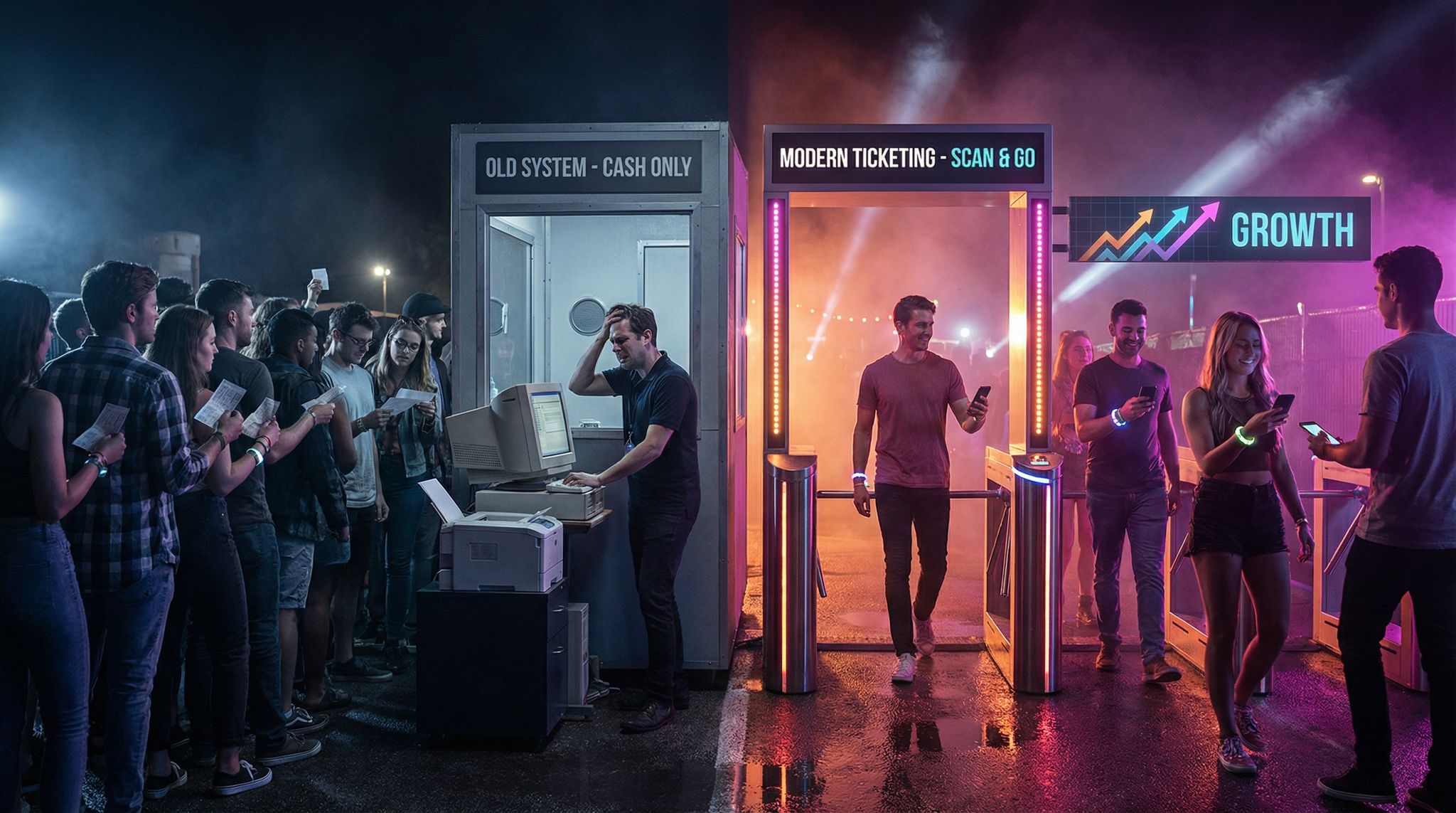
A note on technology and new features: If you were planning to deploy some complex new event tech (like a new cashless payment system or an augmented reality phone app) but it’s not working perfectly and time is nearly up, consider rolling back to the proven option. In crisis mode, simplicity and reliability win. As an example, if your new fancy access control scanners aren’t consistently scanning tickets and you’re days away, dust off the old barcode scanners as a backup. It’s far better to have a slower, old system that works than a high-tech system that crashes and causes 3-hour entry lines. As one guide on avoiding tech overload states, sometimes less technology is more – especially when under extreme time pressure, a key principle in avoiding event tech overload. Focus on executing the basics flawlessly rather than stretching into new tech territory when you’re already in a bind.
Communicate Transparently with Teams and Attendees
In a behind-schedule scenario, communication is your best ally and silence is your enemy. Everyone involved – your internal team, vendors, artists, sponsors, and even ticket holders – needs to have clear and timely information to maintain trust and cooperation. Here’s how to manage communications when time is short:
Internal Team “War Room” Approach
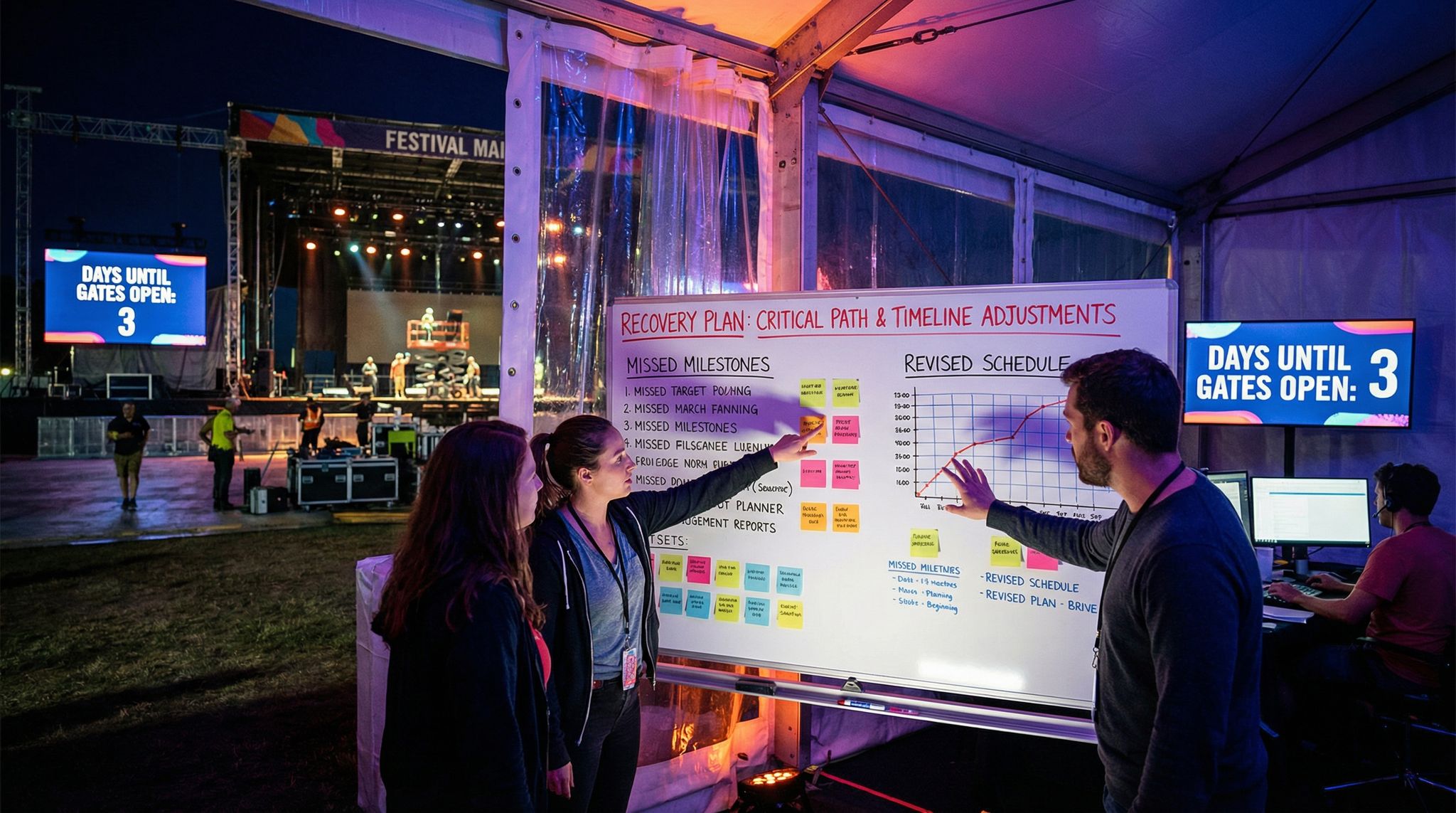
Within your production and operations team, shift into a crisis communications mode. This often means more frequent updates and clarity of roles. Daily (or twice-daily) briefings with department heads can align everyone on the recovery plan. A technique used by many festival teams is setting up a physical or virtual “war room” – a centralized command center where the latest schedules, task lists, and problem logs are maintained in real time. For example, use a shared digital project board (like Trello, Asana, or even a Google Sheet) that’s updated hourly, so anyone can see which tasks are pending or completed. Have a visible countdown to opening time and make sure every team member knows exactly how their current tasks feed into the revised schedule.
Encourage a culture of open reporting of issues. In stressful situations, some staff may be tempted to cover up a delay in their area, hoping to fix it quietly. Emphasize that it’s far better to speak up early – “If you hide it, we can’t help you fix it.” When something new goes wrong (because inevitably, there may be other setbacks), gather the key folks immediately to problem-solve and adjust. One experienced festival project manager recounts implementing an hourly 10-minute stand-up meeting during the final 48 hours of a delayed build: each team lead stated their top challenge and needs; this quick cadence surfaced issues in real time and allowed rapid redeployment of people or gear to address them.
Remember to boost morale amid the chaos. Rally the team with the mindset that pulling off this festival despite the odds will be a proud accomplishment. A bit of humor or a shared meal during overnight work can keep spirits up. Also make sure to acknowledge the extra effort people are giving – sometimes a simple “thank you, we see you going above and beyond” from the festival director can energize a tired crew at 3 AM. Leadership in this moment is about being present, decisive, and appreciative.
Messaging to Attendees and Stakeholders
What do you tell ticket buyers if your timeline woes are public (or threaten to become public)? The answer depends on the severity and visibility of the issue. As a rule, if attendees will experience a change, you must inform them proactively. If gates will now open later than advertised, or a day of the festival is shortened or cancelled (worst-case scenario), communicate it as early as possible. Use all channels: email ticket holders, post on social media, update your website and event app. Be honest (to a point) about why, focusing on attendee safety or experience – e.g., “Due to unforeseen production delays, we are opening gates 2 hours later on Friday to ensure all stages are fully ready and safe. We’re working around the clock to deliver the festival you deserve.” Attendees appreciate transparency and will be more forgiving if you demonstrate responsibility and urgency in fixing the issue.
In 2023, when Electric Zoo’s organizers had to cancel the first day just hours before opening, many attendees were already en route or on-site – the backlash was severe because the communication came so late when Electric Zoo canceled the first day. The lesson is to avoid last-minute surprises. If you even suspect you might have to alter some aspect of the event, give people as much heads-up as you can. It’s a hard call – you don’t want to alarm ticket holders unnecessarily – but err on the side of fairness to your customers. They’ve entrusted you with their time and money; keeping them informed shows respect and maintains trust.
For issues that don’t directly touch the attendee experience (say you’re just frantically finishing construction but plan to open on time), you don’t need to broadcast your internal drama. Most big festivals have had behind-the-scenes scrambles that fans never know about. In those cases, focus communications on your team and stakeholders. However, monitor social media chatter – if rumors start (e.g., “I heard the festival might not happen, the stage isn’t even up!” from an early arriving fan or a staff leak), be ready to put out a quick reassuring statement to squash misinformation. Utilizing social listening can help catch these conversations, a tactic used in festival season exit strategies. A simple post like, “We’re busy building an amazing festival and can’t wait to open on Day X as planned! (Yes, the main stage is almost ready – it’s huge!)” can counteract speculation. Of course, only say this if true; don’t lie, but a little positive PR can steady nerves.
For sponsors, artists, and other partners, reach out individually to manage expectations. Artists should hear from you if their soundcheck is rescheduled or if the stage setup will be different than promised. Sponsors should be briefed on any activation changes. They will appreciate being kept in the loop rather than discovering changes on show day. Plus, they might offer help – a sponsor with ties to local authorities might help expedite a permit, or an artist might be flexible to accommodate a new schedule if they understand the challenge. Essentially, treat your partners as part of the solution: bring them into the circle of trust.
And if the worst happens – you realize you cannot in good conscience open as planned – then initiating a crisis communication plan is crucial. This could mean postponing the event by a day or cancelling a portion. In such a scenario, communicate the decision clearly and empathetically. Emphasize that safety or quality is the reason. It helps to offer something to soften the blow: refunds options, a gesture like a free add-on at the rescheduled event, etc. Many festivals have survived such setbacks by handling the messaging gracefully and honoring their commitments to fans. Quick example: One Love Asia Festival in Hong Kong decided to postpone due to an impending typhoon, eating a cost of HK$15 million in refunds and mitigation after delaying the event due to weather concerns. They communicated that weather was the only reason and took the financial hit to do right by their patrons. In the long run, that kind of integrity protects your brand.
Last Resorts: Partial Openings or Postponements
What if your catch-up efforts aren’t enough and it becomes clear that you simply can’t finish everything in time? The decision then is whether to open the festival in a limited capacity or to postpone/cancel. This is the scenario every organizer dreads, but handling it wisely can be the difference between salvaging something versus a total loss.
Partial or Staggered Opening: If most, but not all, elements will be ready, you might opt to go ahead and open as scheduled but with modifications. For example, you could open the festival grounds but keep one stage or area closed until later once it’s finished. Some multi-day festivals have opened Day 1 with only the main arena active and brought additional stages online on Day 2 when they were completed. If you do this, plan the programming accordingly – concentrate artists and entertainment on the parts that are ready so attendees still have a great experience. Clearly communicate any changes in set times or venue areas to the audience. Offer a perk – perhaps an unannounced special performance on the functioning main stage to make up for a closed secondary stage. Attendees will forgive a lot if they feel they’re still getting value and fun.
Another tactic is a delayed daily start. You might decide to open gates a few hours late each day to allow morning work to finish. We saw an example of this at a European festival where extreme overnight winds forced crews to repair fencing in the morning – they delayed gate opening by 2 hours and worked efficiently in daylight to fix the site. Fans were informed early that day via push notification and most understood since safety was cited. Use your event app or mass notification tech to instantly inform attendees of such day-of adjustments, a level of communication vital when helping your festival team and community heal after a tragedy or major disruption. Modern mass notification systems can broadcast texts/app alerts to all ticket holders so nobody is left in the dark if schedules shift last-minute.
Postponement: The nuclear option is moving the event date (or canceling outright). Postponing a festival is costly and logistically complex – artists may not be available, vendors might have conflicts, and refunds have to be managed – but it is preferable to a dangerous or disastrously half-baked event. If critical factors (like permits or major infrastructure) just cannot be ready, then postponement might be the responsible call. When COVID-19 struck in 2020, we saw entire festival tours pushed by months or a year. Even outside of a global pandemic, there have been instances of festivals delaying by a day or two due to production issues or weather. The key is to decide early and communicate clearly. It’s far worse to drag everyone along and cancel last-second (Fyre Festival infamously flew people to the island before admitting the event was a chaotic failure in the Bahamas). Don’t be Fyre. If you must delay, apologize sincerely and give people a clear path forward (new date, or refunds if they can’t make the new date). Surprisingly, many fans will stick with you if they sense transparency and competence in how you handle a postponement.
Before postponing, consider if a scaled-down version of the event on the original date could work. For instance, if one weekend is impossible, could you run a one-day concert instead and then issue partial refunds or free entry to a future event to compensate? Some organizers choose a middle ground to avoid a total cancellation – it won’t please everyone, but it might preserve your company’s finances and reputation better than a full wipeout. This only works if what you can deliver is still safe and decent quality, so evaluate that honestly.
Ultimately, protecting your attendees and your long-term reputation is more important than salvaging one scheduled date. A failed or unsafe festival will haunt you far worse than a well-managed delay. Each scenario is unique, so involve your team, advisors, and perhaps key stakeholders in such a critical decision. If you have event cancellation insurance, consult with them as well (sometimes the insurer needs to approve certain decisions to claim coverage). It’s a hard choice, but making it beats having the choice made for you by circumstances.
Frequently Asked Questions
What is the first step when festival planning falls behind schedule?
The immediate first step is to triage the situation by auditing all workstreams to identify critical missed milestones. Organizers must categorize delays into red (must-fix), yellow (workaround), and green (adjustable) priorities to focus strictly on issues that threaten the event’s opening, such as permits and infrastructure.
How does the critical path method help in festival timeline management?
The critical path method identifies the specific sequence of tasks that have zero flexibility and directly determine the opening date. By working backward from the event day, organizers can pinpoint bottlenecks like stage construction or inspections, ensuring resources are concentrated on these essential tasks to prevent total project delay.
What strategies can speed up a delayed festival site build?
Organizers can recover time by fast-tracking, which involves performing normally sequential tasks in parallel, such as installing decor while infrastructure is still being built. Additionally, crashing the schedule allows for faster completion by adding resources, such as hiring extra crew for overnight shifts or renting additional heavy machinery.
Which festival planning tasks are considered mission-critical?
Mission-critical tasks are those that will cause the event to be cancelled or shut down if missed. These include securing government permits and safety certifications, completing primary stage infrastructure, and finalizing insurance. Unlike marketing or aesthetic elements, these “red” category items have no workaround and require immediate intervention.
What does “crashing the schedule” mean in event project management?
Crashing the schedule refers to the technique of adding extra resources to shorten the duration of critical tasks. In festival planning, this often means spending contingency budget on overtime labor, expedited shipping for equipment, or hiring specialist consultants to resolve bottlenecks and ensure the event opens on time.
How should organizers handle vendor delays before a festival?
Organizers should immediately negotiate with vendors for solutions like expedited shipping, partial deliveries, or temporary substitutions to meet minimum requirements. If a primary supplier fails, leveraging industry relationships to secure backup equipment or asking partners for alternative activations can ensure the core festival experience remains intact despite the delay.
Why are safety inspections non-negotiable during rushed festival setups?
Safety inspections must never be skipped because rushing increases the risk of structural failures and crowd hazards. Regardless of timeline pressures, protocols like fire safety checks and crowd management planning are essential to prevent accidents, avoid liability, and ensure authorities do not shut down the event for non-compliance.
When should festival organizers communicate delays to ticket holders?
Organizers must communicate delays proactively if the issue directly affects the attendee experience, such as a later gate opening time or a cancelled performance. Early, transparent messaging via email and social media helps manage expectations and maintain trust, whereas internal production delays that do not impact the public can remain private.