The Leap from One to Many: Embracing Multi-Venue Management
Expanding from a single beloved venue to managing multiple venues is an exciting yet daunting leap for any owner. What worked when you could be everywhere at once now needs replication across sites – often in different cities or even countries. This shift demands a new mindset and playbook. Operators must balance consistency and control with flexibility and local autonomy. Importantly, growth should never come at the cost of each venue’s unique character or quality.
Why Expand? Multi-location venue management offers big upsides: a larger footprint can draw more artists and sponsors, diversify revenue streams, and increase negotiating power with suppliers and talent agencies. For example, many indie venue owners form small chains to reach new markets without ceding their independence to corporate promoters, a strategy that helps independent music venues survive and thrive in a changing industry. However, expansion also raises challenges. Maintaining service quality across locations, coordinating bookings to avoid self-competition, and keeping finances in check require careful strategy. And as venues multiply, so do regulatory headaches – from different liquor licensing and safety codes in each city to varied union rules for crew. Seasoned venue managers emphasize going into multi-venue operations with eyes wide open to these complexities.
Yet 2026 also offers advantages that weren’t available to past generations. Today’s venue owners can leverage technology, data, and industry partnerships to ease the growing pains. Modern all-in-one ticketing and venue management platforms (with features like referral marketing, real-time analytics, and integrated anti-scalping resale controls) help centralize oversight even when you can’t be on-site everywhere at once. As we’ll explore, tools like these – alongside solid leadership practices – allow multi-location operators to scale up without losing grip on the guest experience or the bottom line. The following strategies, drawn from real-world successes (and a few cautionary tales), will guide you in how to run multiple venues effectively while preserving what made each special in the first place.
Standardizing Operations Without Sacrificing Soul
One key to multi-location success is standardizing core operations so that each venue delivers a consistent, quality experience. Standardization doesn’t mean turning your unique indie club into a cookie-cutter chain; it means identifying the processes that must be uniform (for safety, efficiency, and brand reputation) and implementing them across all sites.
Data-Driven Event Marketing
Track ticket sales, demographics, marketing ROI, and social reach in real time. Exportable reports give you the insights to make smarter decisions.
Create Living SOPs: Develop detailed Standard Operating Procedures (SOPs) for all critical aspects of your venue operations – from opening/closing checklists and soundcheck protocols to cash handling and cleaning standards. Document these procedures and train every new venue team on them. Many experienced operators create an “operations bible” that each location manager can reference. For instance, an SOP might dictate that stage setup and soundcheck start exactly X hours before doors, or that the same ID verification process is used at every entry point. Uniform SOPs ensure that a touring artist walking into your 500-capacity club in London or your 1,500-cap venue in Sydney encounters the same professionalism backstage. They also reassure owners that even when they can’t personally oversee every show, nothing critical falls through the cracks. As one veteran puts it, “systems, not superstition” keep multi-venue businesses running smoothly.
Consistent Guest Experience: Think about what defines your venue brand and make that consistent. It could be friendly, efficient service at the bar, excellent acoustics, or sparkling clean restrooms – those should be non-negotiable at every location. Many successful venue chains achieve this by cross-training staff on the core service principles that matter most. Some create a central “guest experience playbook” covering everything from how bartenders greet patrons to the volume levels maintained in the lobby. Consistency pays off because fans will trust that a sister venue in the next city will be just as good as the original. On the flip side, inconsistency can hurt: it only takes one poorly run branch to tarnish a brand’s reputation. Track customer feedback and key service metrics at each venue (e.g. average bar queue times, post-show survey scores) to ensure standards hold up. If one location is underperforming on a KPI like bar sales per head or Net Promoter Score, investigate and address it quickly by implementing unconventional tips for managing multiple venues and choosing the right ticketing platform for your venue.
Ready to Sell Tickets?
Create professional event pages with built-in payment processing, marketing tools, and real-time analytics.
That said, avoid the trap of over-standardization. The goal isn’t to strip away everything unique. Local flavor and autonomy have their place – more on that in later sections. As an owner, focus on standardizing the invisible infrastructure of quality (safety rules, financial controls, tech systems, basic service behaviors) while allowing each venue’s personality to shine in its programming and decor. Striking this balance keeps operations tight without turning vibrant venues into sterile clones.
Case in Point: House of Blues – Common Threads in Every City
For an example of standardizing successfully, consider the House of Blues. This famous chain grew from a single club in 1992 to a network of venues across the US by carefully cloning its operational DNA. Each HOB location has its own quirks, but the brand’s core atmosphere and service model remain constant. As a trade publication noted, all eight original House of Blues venues followed a “common thread” in their design and vibe – part juke-joint museum, part theatre, part roadhouse – with eclectic folk art on the walls and a Southern-inspired menu, a design choice that created a common thread across all locations. This deliberate consistency in decor and hospitality made every HOB instantly familiar to artists and fans, building trust in the chain’s quality. At the same time, HOB empowered local GMs and talent buyers to book acts reflecting each city’s music scene. Aron Levine, a HOB executive, explained that their local talent buyers are “totally tuned in to their local scenes, as well as to the bigger picture” of the brand’s music curation, a philosophy that empowers local talent buyers to build stronger artist relationships. House of Blues standardized the how of the experience (service, production, look-and-feel) while localizing the what (the actual music and community engagement). The result was a scalable model that preserved authenticity – a formula any growing venue brand can learn from.
To emulate this, define the few signature elements that make your venue your venue. Is it the immersive sound quality? A certain food offering? A style of customer service? Lock those in as you expand. Everything else, you have room to flex per location. This way, you’re building a reliable brand without losing each venue’s soul.
Central Procurement and Bulk Savings
Another operational area to standardize is procurement and inventory management. Running multiple venues means you can leverage economies of scale. Consider consolidating suppliers and bulk-buying across locations to save on costs for beverages, merch, light & sound equipment, and even toilet paper. For example, an independent venue group in the UK found that centralizing their bar inventory ordering reduced overall beverage costs by 15% and minimized stockouts. A chain-wide inventory system can also track usage patterns at each site, helping you optimize ordering and reduce waste – no more pouring profits down the drain due to poor stock control at one club. Standardize what products you can (using the same beer or soda provider across all venues to negotiate a better rate), while allowing local managers a bit of flexibility for regionally popular items. The goal is smarter inventory management that boosts your margins group-wide.
Below is an example of how a multi-venue operation might standardize certain processes while localizing others:
| Operation Aspect | Standardised Chain-wide | Tailored Locally |
|---|---|---|
| Bar & F&B Inventory | Central supplier contracts, bulk purchasing for all venues (save 10-20%) Unified POS system to track sales and stock |
Signature local craft beers or menu items based on regional tastes Pricing adjusted to local market economy |
| Safety Protocols | One safety manual: emergency evacuation, first aid, equipment checks standardized at every site Annual safety audits by head office |
Coordination with local fire marshal or council rules Drills tailored to venue layout and local emergency services |
| Ticketing & Entry | Same integrated ticketing platform across all venues for consistency by choosing the right ticketing platform Chain-wide anti-fraud and anti-scalping measures Unified membership or loyalty program |
Venue-specific promotions or discounts (e.g. locals’ night deals) Door policies reflecting local regulations (age limits, ID requirements) |
| Customer Service | Staff training program emphasising chain’s core service values Standard customer feedback survey and KPI tracking based on unconventional tips for managing multiple venues |
Local guest perks (e.g. free coat check in colder cities) Community engagement style (tone of social media, etc. matching local culture) |
| Branding & Decor | Key brand elements consistent (logo usage, quality of sound & lighting rigs, cleanliness standards) | Unique interior design touches reflecting city/scene Wall of fame featuring artists relevant to the local venue history |
By formalizing chain-wide standards in these areas, you create a baseline of quality that every location must uphold. Publish these expectations in an internal operations manual accessible to all site managers. Combined with regular training refreshers and surprise audits from the head office, standardization will greatly reduce variability. Just remember to allow some local adaptability as indicated – one-size-fits-all only works up to a point, especially in a culturally diverse venue portfolio.
Grow Your Events
Leverage referral marketing, social sharing incentives, and audience insights to sell more tickets.
Building a Multi-Venue Team You Can Trust
When you’re expanding to multiple venues, you simply can’t be everywhere at once. This makes delegating to strong local managers not just a convenience, but a necessity. Many owner-operators struggle with this transition – you go from personally handling everything at your flagship venue to relying on others to uphold your standards at each location. Success lies in hiring the right people, giving them the tools to succeed, and establishing a healthy balance of autonomy and accountability.
Structure Your Organisation: Start by defining a clear management structure for your multi-venue operation. A common model is to have a Group Operations Director or general manager overseeing the entire portfolio, with individual Venue Managers (or GMs) running each site day-to-day. Each venue might further have department heads (for example, an F&B manager, a technical production lead, a security supervisor) mirroring the structure of the flagship. The group-level director sets policies, budgets, and coordinates big-picture strategy, while venue-level managers handle on-site execution and staff supervision. This hierarchy ensures decisions are made at the right level – local managers can react quickly to on-the-ground issues, but major policy shifts or investments run through central leadership. It also creates a peer network where, say, all your venue GMs can communicate and share best practices with each other under the guidance of central ops. Experienced operators highly recommend regular leadership meetings (monthly or quarterly) to keep everyone aligned. These can be virtual check-ins or in-person summits where managers from all locations convene to discuss wins, challenges, and upcoming plans.
Hire (or Train) Great Local Managers: The venue industry is ultimately a people business, so investing in talent at the management level pays off hugely. Look for venue managers who are not only operationally savvy but also deeply understand the local market and culture of their venue’s city. For example, when an iconic Brooklyn club expanded to Nashville, they tapped one of their New York talent bookers to relocate and head up the new location, as seen when Brooklyn Bowl expanded its operations to Nashville. This ensured the venue’s booking philosophy and brand values carried over, while the manager could still hire Nashville locals and adapt to that city’s music scene. In other cases, you might recruit externally – perhaps a respected manager from another local venue who brings regional expertise. Training and onboarding are critical: immerse new managers in the ethos of your flagship location for a few weeks. Some chains run a “manager in training” program at the original site, so the new venue’s leader has firsthand experience with how things are done at the mother ship.
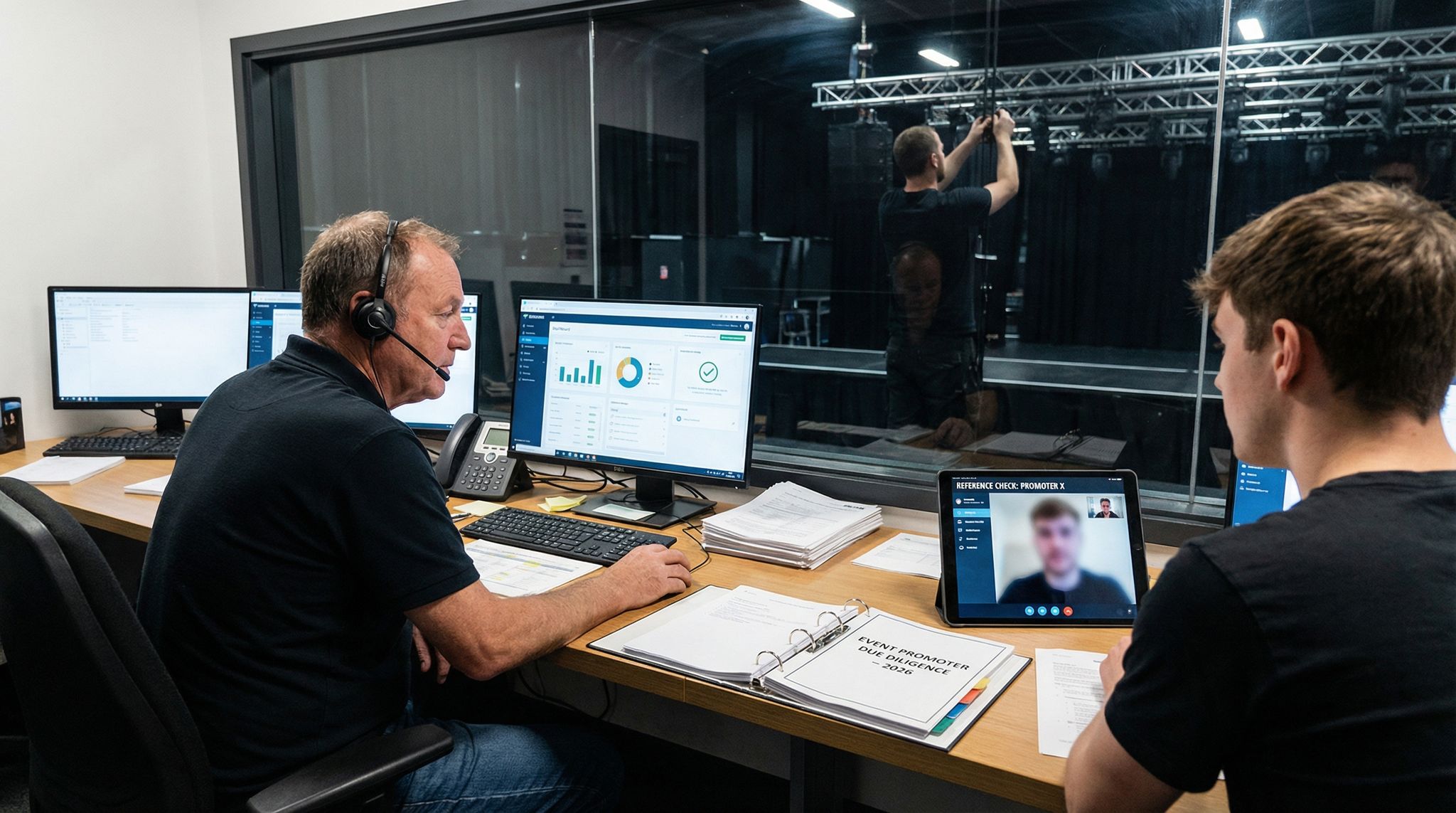
Once in the role, empower local GMs to make decisions for their venue but provide clear boundaries. They should feel ownership – after all, nobody knows the quirks of their venue or the tastes of their neighbourhood better than the on-site team – yet they must also uphold the chain’s standards and financial targets. Set KPIs for each venue manager (covering metrics like ticket sales, event count, bar revenue, customer satisfaction, staff turnover, etc. in their venue) that ladder up to your overall business goals, a crucial step when launching a new venue from dream to opening night. Review these regularly so under-performance is spotted early. A useful approach is the trust but verify mindset: give managers room to operate independently, but also implement reporting systems and audits to catch any problems. For instance, require weekly sales and incident reports from each venue, and have a senior ops person occasionally attend events unannounced to observe service quality. Just as you would vet outside promoters and clients carefully before letting them use your space, a best practice for expanding your venue and adding new locations, you need to vet and then continuously evaluate your own managers. Protecting your venues’ reputation is paramount, so don’t tolerate negligence or misconduct at any branch – one manager’s poor decisions (like lax safety or shady booking deals) can damage the whole brand. Background checks, reference calls, and even trial periods can help ensure you’ve got trustworthy people in each location.
Turn Fans Into Your Marketing Team
Ticket Fairy's built-in referral rewards system incentivizes attendees to share your event, delivering 15-25% sales boosts and 30x ROI vs paid ads.
Communication & Culture: Maintaining a unified company culture across multiple venues requires great communication. Ensure your local teams aren’t operating in silos. Encourage managers to share information – a WhatsApp or Slack channel for all venue GMs is a simple way to trade tips (like “Hey, did anyone else have issues with the new ticket scanner update?” or “We had a great result with a salsa night on off-peak Wednesday – worth trying if it fits your market”). Some multi-venue groups pair up sister venues for staff exchange programs: bartenders or techs from one site spend a week working at another site to cross-pollinate skills and foster a sense of being part of one larger family. Even a small-scale exchange can break down the “us vs them” feeling and spread best practices. When staff feel connected to the broader organisation, they’re more likely to uphold its values consistently. As a leader, be deliberate in instilling the company mission and ethos across all teams – whether that’s through regular all-hands video calls, a company newsletter recognizing star employees at different venues, or annual meet-ups for training and team building.
Lastly, don’t forget to adjust your management approach as you grow. What worked with two venues might strain at five. Many owners find they need to formalise processes as they scale – for example, introducing an HR system for hiring and scheduling, or a centralized accounting department – so local managers aren’t overwhelmed and the owner isn’t mired in day-to-day minutiae. Delegation is a continuous learning process. As one veteran venue operator advises, “the goal is to work on the business, not just in the business.” By building a capable team and strong communication channels, you free yourself to focus on higher-level strategy for your expanding venue empire.
Coordinating Booking and Calendars Across Venues
Booking concerts and events becomes a whole new puzzle when you operate multiple venues. Without coordination, you risk double-booking artists, fragmenting your marketing, or even cannibalising your own audience by scheduling similar shows head-to-head. A smart multi-venue booking strategy will maximise the benefits of your expanded footprint while avoiding internal conflicts.
Centralised Booking Oversight: It’s wise to have a head of booking or programming director who has visibility over all calendars. This doesn’t mean one person books every show – local talent buyers should still source acts that resonate with their venue’s crowd – but a central eye ensures strategic alignment. For instance, your booking lead can prevent two venues in the same region from hosting competing shows on the same night that split the potential audience. They can also identify routing opportunities: if an artist is touring through one of your cities, could they add a gig at your other venue a few nights later? Many multi-venue operators leverage this for block booking deals. By offering an artist or promoter a mini-tour across your venues, you might negotiate a better rate or secure the booking over a competitor. (In an era of soaring artist fees, routing multiple shows within one ownership group can be a win-win – artists get convenience, you get cost efficiency, a strategy that ensures talent buyers are aligned with the bigger picture). Just be mindful of each venue’s size and profile; an act that sells out your 300-cap room might not draw enough for your 1000-cap hall, and vice versa.
To coordinate effectively, invest in a shared calendar system accessible by all booking staff. Cloud-based event management software can allow each venue booker to input holds, confirmed dates, and blackout periods, with a color-coded view to spot conflicts or gaps. Weekly booking meetings via Zoom or in person can also sync the team on upcoming shows, tour offers, and avails. Some chains formalise this into a booking committee that reviews major offers together. The goal is to have the left hand know what the right is doing across your stages.
Optimize Programming Across Venues: Use your multi-venue portfolio to diversify and complement your content. Rather than all locations vying for the same top-40 touring acts, consider differentiating by genre or format at each site to broaden your overall reach. For example, if you run two clubs in one city, you might position one as an electronic music hub and the other for rock and indie shows, rather than both chasing every genre. This way you cater to distinct communities and give artists tailored homes, while cross-promoting between them. Independent venue networks often trade artists: a buzzing local band that’s graduated beyond a small club may “move up” to your larger venue on their next tour instead of losing them to a rival. By coordinating calendars, you can intentionally nurture talent through your ecosystem – much like House of Blues did by helping artists grow from their club stages to eventually arena shows, proving that empowering local talent buyers builds stronger artist relationships.
Also plan bookings holistically with timing in mind. Avoid overloading the same week with too many events across venues that target the same demographic, or you’ll stretch your audience (and marketing) thin. It might be better to stagger similar genre events across weeks or months. Look at the city-wide events calendar too; if your downtown theatre is hosting a huge mainstream artist on Friday, maybe your smaller venue across town focuses on an underground event that appeals to a different crowd that night, rather than a “lite” version of the same thing. Coordinated programming ensures each venue can shine without one cannibalising another’s sales.
Unified Promotion and Cross-Marketing: Running multiple venues gives you powerful cross-promotional opportunities. Make sure your marketing efforts work in concert. Shared email lists and social media can broadcast all your locations’ events to fans – segment the list by location or preferences, but do cross-promote big shows at other venues with a note like “Travelling to LA soon? Catch our sister club’s upcoming shows.” Many multi-venue operators establish a central marketing team or at least a shared marketer to coordinate campaigns across social, email, and advertising, ensuring consistent branding and economies of scale in ad buys. You might negotiate group advertising deals with local media or bulk rates for printing posters that cover all your venues’ events in one go.
Don’t overlook the value of a combined customer database. If you use a single ticketing system for all your venues, you can identify fan overlap and purchasing trends across locations by choosing the right ticketing platform for your venue. For example, data might show that 30% of attendees at your new venue were already customers at your original site – a sign that your brand has loyal followers willing to check out the other locations. With that insight, you could initiate a loyalty program valid at all venues, or run a promotion like “Attend a show at Venue A and get 10% off your next ticket at Venue B.” Modern platforms make it easier to track such multi-venue customer behavior and reward it. (We’ll dive into tech solutions in the next section.) The bottom line is that 1+1 can equal 3 when venues coordinate: the network effect can amplify your reach, fill more show nights, and build a regional presence that’s greater than the sum of its parts.
Preventing Internal Competition
A cautionary note: avoid turning your venues into competitors. This can happen unwittingly if internal communication breaks down. Imagine two of your local bookers both end up bidding on the same tour because neither knew the other was pursuing it – it not only makes your company look disorganised to the talent agent, but could drive up the price if you’re essentially outbidding yourself. Clear policies can prevent such scenarios. For instance, some multi-venue companies designate certain talent exclusively to one venue based on capacity or vibe; others have the rule that any booking inquiry that could potentially fit multiple venues gets immediately flagged to the central Booker or entered in a shared system for evaluation. Transparency is key. Reinforce that all team members are ultimately on one team, working for the collective success of the business. Friendly rivalry (e.g. which venue sells out fastest this quarter) can be motivating, but destructive competition (stealing shows, undercutting on rental deals) must be nipped in the bud through strong leadership and incentives aligned to overall performance, not just individual venue P&Ls.
Harnessing Technology and Systems for Oversight
Modern challenges call for modern solutions. In 2026, running multiple venues efficiently is greatly aided by integrated technology systems that give owners real-time oversight and control. The days of juggling separate spreadsheets, calendars, and ticketing outlets for each venue are (or should be) over. By choosing the right tech stack, you not only streamline operations but also gain valuable data insights across your entire venue portfolio.
Unified Ticketing and CRM: One of the most impactful moves is to adopt a centralized event ticketing platform to manage all your venues’ ticket sales and audience data together. With a platform built for multi-venue needs – such as an all-in-one system that handles online sales, door scanning, seat mapping for different layouts, and even fan marketing tools – you can administer every show across all locations from one dashboard. For example, using an integrated live music venue ticketing system that syncs recurring shows and seating configurations means you’re not logging into different ticketing accounts for each venue or wrestling with manual spreadsheets to track attendance. Instead, you see ticket counts, revenue, and customer info for every venue in one place. This not only saves time but helps you make data-driven decisions: you might spot that Venue X consistently sells VIP packages better than Venue Y (prompting you to adjust your approach there), or that 70% of fans who bought presale tickets for a new venue were previous customers from your original site – a sign your brand carryover is strong.
Equally important is what a unified ticketing/CRM system does for your marketing. When all attendee emails and purchase history flow into one database, you effectively own a multi-venue CRM. You can segment communications by city or interest, cross-promote shows to fans of similar artists across locations, and reward loyal multi-venue attendees. Platforms that offer built-in referral marketing and ambassador programs can multiply the impact across venues – for instance, a fan in one city might refer friends in another city when they hear your brand is opening a new location, driving word-of-mouth buzz. In fact, venues that enabled referral programs have seen ticket sales boosts of 15–25% through fan referrals, demonstrating the value of gamified ticketing features for growing venues. These are the kind of scalable marketing wins that technology unlocks for multi-location operations.
When evaluating solutions, look for fan-first features that solve real problems at scale. For example, a major pain for growing venues is ticket scalping and price gouging – as your venues attract bigger acts, you may see more brokers trying to grab tickets. Using a platform with an anti-scalping resale system (where tickets can only be resold at face value on a secure exchange) helps protect fans and your reputation across all your venues. Likewise, transparent pricing is crucial for trust – if one of your venues uses a ticketing system with surprise fees or surge pricing while another doesn’t, it creates inconsistent fan experiences. Many top independent promoters are now ditching systems with dynamic pricing in favor of fan-first ticketing platforms to keep pricing fair and win customer goodwill. The takeaway: choose tech that treats your fans well and gives you full control of data, because those benefits only amplify as you scale up.
Integrated Operations Systems: Beyond ticketing, consider all the other tech tools that keep your venues running and see if you can unify or integrate them across locations. Examples:
– Point of Sale (POS) and Inventory: Implement a chain-wide POS that links all venue bars/merch stands to one system. This way you can monitor nightly sales at each site remotely and even drill down to product-level performance. If pints of Lager sell twice as fast at Venue A than B, you’ll know. Inventory levels can be managed centrally with alerts when any location needs restocking. Some modern POS solutions also tie into procurement platforms to auto-reorder across multiple venues, which can save staff time and prevent stockouts or overstock.
– Staff Scheduling and Payroll: Managing workforce across venues can be a nightmare if done ad hoc. Scheduling software allows you to coordinate staffing, especially if you have flex staff who sometimes shift between your locations. You can also track labor costs as a percentage of revenue per venue in a unified interface. Integrated HR systems ensure, for example, that a casual technician who worked at two of your venues in the same pay period gets one combined paycheck instead of making accounting chase their hours across sites.
– Security and Surveillance: Many multi-venue owners install connected security camera systems that can be monitored from a single app. You could be sitting at Venue A’s office and still peek at the front-of-house cameras at Venue B or C in real-time. Access control systems can be standardized too – e.g. the same keycard system or biometric entry for staff areas, all centrally administrable if a staff member leaves and needs to have access revoked chain-wide.
– Communication Tools: Use a unified communication platform for your team. Apps like Slack, Microsoft Teams, or specialized venue management apps create a virtual office that spans all venues. You might have channels for each venue’s internal team plus company-wide channels. This not only helps in daily ops but is a lifesaver in emergencies – if one venue has to close suddenly (say, a power outage), you can broadcast a message to all managers instantly.
The overarching principle is integration. Venues that expanded in the past often ended up with a patchwork of disconnected systems at each site, leading to inefficiency and blind spots. In 2026, there’s little excuse for that. Many all-in-one event management platforms now unify ticketing, marketing, CRM, and even on-site operations in one ecosystem, or allow easy integrations via API if you prefer a best-of-breed approach, similar to how operators manage multiple restaurant locations effectively and evaluate standout features in ticketing platforms. The key is to choose a stack that scales with you. If you plan to add more venues, ensure your systems can handle multi-venue management– ask vendors about multi-location reporting features, user permission controls (e.g. each venue manager only sees their data, while you see everything), and support for different venue configurations. The right technology will act like an extra set of eyes and arms, helping you maintain control and insight across all venues without having to physically be in each place every night.
Real-Time Analytics for Informed Decisions
One huge upside of integrating your systems is data centralization. With all your key metrics flowing into unified dashboards, you as the owner or GM can spot trends and make decisions that benefit the entire business. For instance, if you see that one venue consistently lags in bar sales per head compared to the others, you can investigate – maybe its drink menu pricing is off for the local demographic, or service speed is an issue. If one venue’s attendance is strong but merchandise sales are weak relative to similar shows elsewhere, you might identify a missed revenue opportunity (perhaps the merch stand is in a poor location at that site, or staff aren’t effectively upselling). Data can also highlight positive outliers to replicate: your analytics might reveal that shows announced with longer lead times tend to perform better across the board, so you standardize a practice of booking a minimum X weeks out whenever possible. In short, KPIs and benchmarks become easier to track in a multi-venue environment when you have side-by-side comparisons. Industry experts advise identifying 5-10 core KPIs for venue performance and monitoring them across locations, a fundamental practice when launching a new venue from dream to opening night. Common ones include: average ticket yield, attendance rate vs. capacity, bar spend per head, gross margin per event, and staff cost ratio. You might create a simple dashboard or weekly report where each venue’s numbers are lined up for quick review. Some venue owners even institute friendly competition – sharing those stats with all venue managers to spark continuous improvement (nobody wants to be the lowest performer on the chart for too long!).
Remember, though, that context matters. One venue might have a lower attendance rate because it deliberately books niche experimental artists to maintain an image, while another is booking crowd-pleasers – their goals differ. Use data to ask the right questions, not just to enforce uniform outcomes. As the saying goes, measure what matters. By leveraging tech for real-time insights, you equip yourself to steer a growing multi-venue ship with much more precision than gut feeling alone would allow.
Preserving Each Venue’s Unique Character
A major fear for owners expanding to multiple locations is losing the magic that made the original venue great. It’s a valid concern – we’ve all seen cases where a venue chain grows and some locations feel watered-down or overly corporate, driving away the loyal community. How do you avoid that? The answer is to maintain the unique character of each venue even as you impose some uniform standards. In practice, this means empowering local identity and listening to local audiences.
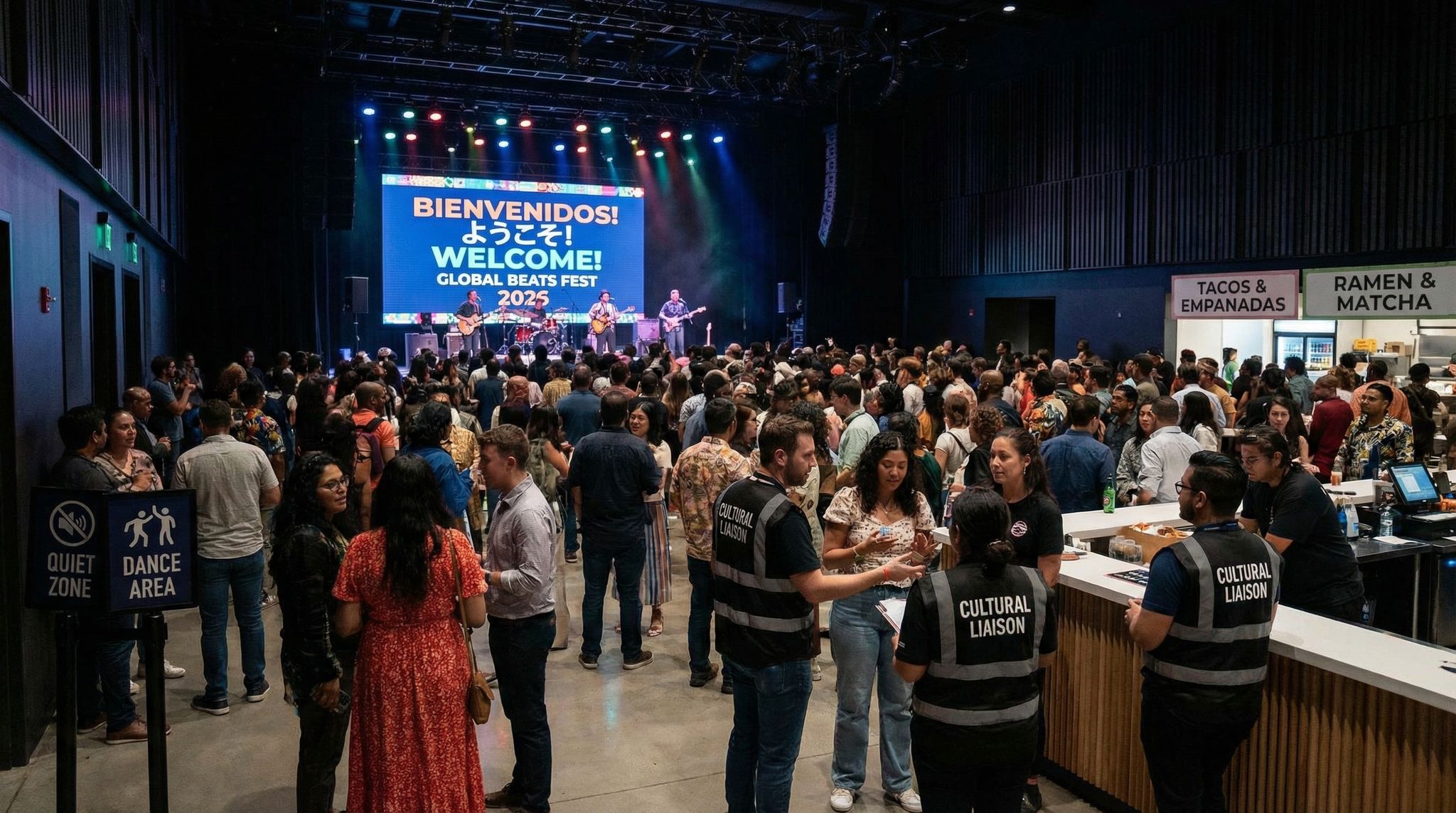
Local Customization: Ensure that each of your venues has the freedom to develop its own identity within your broader brand umbrella. This often comes down to the booking and community engagement. Encourage your local talent buyers to tailor their programming to what fits the venue’s neighborhood and scene. For example, your downtown urban venue might thrive on edgy up-and-coming artists, while your venue in a college town leans into theme nights and popular touring indies, and another venue in a different country might mix in local-language acts. It’s okay if their calendars look quite different – as long as each aligns with your overall quality standards and brand values (e.g. cutting-edge music, or genre diversity, etc., whatever your mission states). This localized approach extends beyond music. It could mean adjusting drink menus to include regional favorites, or decorating the space with murals by local artists to give it a distinct sense of place. When moving into a new city, do your homework: understand the local culture, and even engage the community on what they want from a new venue. By adapting your venue operations to cultural differences and local insights, you demonstrate respect for the community and avoid a “one-size-fits-none” pitfall. This is especially critical if you expand internationally – what flies in a Los Angeles venue might need tweaking in Tokyo or Berlin in terms of patron expectations, etiquette, and regulatory norms.
Keep the Human Touch: One reason independent venues build passionate followings is the personal touch – the owner who greets regulars at the door, or the quirky decor and vibe born of a small team’s creativity rather than a corporate design manual. As you expand, find ways to preserve that spirit. Maybe you as the owner can’t chat with every guest anymore, but you can still foster a friendly, intimate atmosphere by training staff to interact warmly with fans (no sterile “ticket scanner only” approach) and by being present at each venue’s major events now and then. Some multi-venue owners make it a point to rotate through their locations regularly – showing face at a couple of shows per month at each site, for instance – so local staff and regulars remember that the people at the top are still passionate music lovers, not faceless executives. You might also create continuity by transferring some of your original venue’s quirky traditions to new ones (for instance, if the first club always closes the night by playing a particular song, do it at the others), or by physically bringing elements of the original to new sites (like framing a poster of the inaugural show at Venue A on the wall of Venue B as a “family” connection). These touches remind everyone that the venues share DNA.
However, avoid imposing an identity that doesn’t fit. If your original spot is a gritty rock club with graffiti on the walls and you open a new location in a polished, upscale development, the same look and feel might seem forced. It might be better for the new venue to embrace a sleeker aesthetic but still channel the underlying ethos (e.g. passion for live rock music) in a way that suits its environment. In other words, translate your brand, don’t copy-paste it. Fans can detect authenticity – if each venue clearly has its own story and connection to its locale, they won’t see you as a soulless chain, but rather a collection of sister venues each contributing to the scene.
Community and Scene Involvement: Another strategy to keep local character is embedding each venue in its local scene beyond just the shows. Support local initiatives and engage with neighboring businesses and artists. For example, your venue could host an annual community showcase night for local bands, or partner with nearby restaurants for pre-show discounts, establishing itself as a community hub rather than an island. If you expanded into a city with a strong existing music community, work with that community: hire local photographers to adorn your walls with concert shots from the city’s history, or collaborate with the city’s music festival rather than compete. These moves show that your venue is of the place, not just plopped into it. A well-known case is City Winery, which started in New York and then expanded to cities like Nashville, Chicago, and Boston. City Winery managed to scale by bringing its core concept (intimate concerts combined with wine and dining) to new markets, but always hiring local chefs, booking local musicians alongside national acts, and engaging with each city’s cultural fabric – in essence, growing into a chain without losing the neighbourhood vibe, much like Brooklyn Bowl’s expansion while keeping its core identity. Similarly, Brooklyn Bowl’s founder Peter Shapiro insisted that when they opened new Brooklyn Bowl locations (Las Vegas, then Philadelphia), each had to capture the spirit of the city – the Las Vegas one, for instance, features local craft beers and a design honoring Vegas’s entertainment roots, along with the signature bowling lanes and rock shows that define the brand.
Finally, listen to feedback keenly at the local level. Encourage your venue managers to cultivate advisory relationships with key community members (promoters, artists, even city officials or nearby residents). If a new policy coming from central HQ isn’t playing well with the local crowd, be agile enough to adjust it for that venue. For example, maybe your chain decides to go cashless for efficiency, but one venue finds their audience still heavily prefers cash at the door – rather than rigidly enforce the policy, you might allow that location to keep a cash box option a bit longer or educate the audience more gradually. Flexibility in non-critical areas can greatly help preserve goodwill.
The best multi-location venues end up being cherished local institutions in each city they reside, not just outposts of a central brand. That happens by earning trust locally – through consistent quality and genuine local engagement. If you can achieve that, your expansion will be viewed not as a loss of authenticity but as a positive growth of your venue’s mission to spread great live experiences.
Real-World Lessons: Successes and Cautionary Tales
The live entertainment world is full of stories of venues that scaled up – some brilliantly, some less so. Let’s look at a few to crystallize the do’s and don’ts of multi-location management.
Success – House of Blues & Live Nation: Earlier we highlighted House of Blues for standardizing operations and fostering local music. Another facet of HOB’s story is how it navigated growth financially. By the mid-2000s, House of Blues had expanded to about a dozen locations but found that staying profitable at scale was challenging – the costs of opening massive new venues and the occasional underperforming site put strain on the company. In 2006, HOB agreed to be acquired by Live Nation, which provided the capital and infrastructure to keep growing, eventually integrating HOB venues into LN’s global network. The lesson here is that scaling up is capital-intensive – you need deep pockets or partners for the ride. If you’re expanding and feeling the cash crunch (e.g. struggling to pay multiple rents, or to finance major renovations), consider your financing options carefully. Some venue owners take strategic investors or partners; others utilize financial programs (for instance, there are ticketing companies that offer advance funding against future ticket sales). For example, Ticket Fairy’s event capital program can advance funds to cover venue improvements or artist guarantees, repaid from ticket earnings – a modern option to inject cash without selling equity. Whether via partnership or innovative financing, ensuring you have enough capital cushion is vital so that new venues don’t jeopardize the whole business.
Success – Brooklyn Bowl & City Winery: Brooklyn Bowl is a standout example of an independent venue concept that successfully replicated itself. Starting from one quirky music club with bowling lanes in Brooklyn, they expanded to Las Vegas in 2014 and later to Nashville and Philadelphia. Owner Peter Shapiro credits obsessive quality control and hiring for their success. He would fly in to personally oversee new venue launches, bringing key staff from the Brooklyn location to train the new crew, and making sure the signature elements (high-quality sound, great comfort food, laid-back vibe) were fully in place from day one. At the same time, each Brooklyn Bowl adjusted to its market – the Las Vegas location embraced the tourist traffic and even daytime bowling events, while Nashville’s tied into the local music community and history. Similarly, City Winery grew from one location to many by maintaining its core formula (wine + intimate concerts) but giving the local GMs leeway to adapt the menu, wine selection, and booking to local tastes. Both chains also leveraged centralised systems – they use unified ticketing and reservation platforms, and cross-promote to their customer databases across cities. And both have kept their expansion measured – adding one venue at a time once the last one is stable, not doing a reckless sprint. The takeaway: a strong concept can scale, but do it deliberately and keep a founder’s eye on execution, especially at the outset of each new venue.
Cautionary Tale – Fabric’s “Matter” Expansion: Even well-established venues can stumble when expanding. London’s legendary club Fabric opened a second superclub called Matter in 2008, aiming to capitalize on its brand. Matter was a 2,600-capacity venue at the O2 Arena complex – a bold leap from Fabric’s 1,500-cap underground space. Despite state-of-the-art production (including a famed “body kinetic” dancefloor), Matter struggled to draw Fabric’s crowd out to the new location, which was less central and lacked the gritty charm of the original. After only two years, financial troubles forced Matter to shut down, as reported in Resident Advisor’s coverage of the closure, a sobering reminder that bigger isn’t always better. Industry observers noted that Fabric’s team may have overextended, opening a huge venue during a tough economic time (and shortly before a recession and changes in nightlife trends). The lesson: do thorough market research and risk analysis before adding a new venue that significantly differs in size or concept from your base. A venue’s brand might not automatically transfer to a very different context – consider location convenience, audience crossover, and operational bandwidth. Matter’s closure didn’t kill Fabric, but it was an expensive misstep. Expanding venue operators should take such cautionary tales to heart: just because you’re successful in one space doesn’t guarantee success in another without the same conditions. Grow ambitiously, but plan conservatively – stress-test your assumptions about demand and have a contingency plan if projections fall short.
Cautionary Tale – Rapid Overexpansion: Another pitfall is expanding too quickly without solid foundations. There have been cases of indie venue owners opening multiple locations in quick succession, only to find themselves unable to maintain standards or financial stability. For instance, a midwestern U.S. promoter who owned a successful 500-cap club took on two additional venues (one in a neighboring city and one a state over) within a year. Lacking seasoned managers and with the owner stretched thin traveling between sites, the new venues hit problems – maintenance issues went unnoticed, a couple of bad promotion deals led to no-show crowds, and soon the reputation of all three venues suffered. Within two years, they had to pull back and sell off one venue to keep the others afloat. The moral: pace your growth. Expand one venue at a time, get it running smoothly under competent management, and only then consider the next. It’s better to have a small number of excellently run venues than a large number of mediocre ones. Your brand reputation and relationships with artists and fans are hard-earned and easily lost if one part of your chain falters.
Frequently Asked Questions
Why do independent music venues expand to multiple locations?
Expanding to multiple locations offers venue owners a larger footprint to draw bigger artists and sponsors, diversify revenue streams, and increase negotiating power with suppliers. Forming small venue chains helps independent operators reach new markets without surrendering their independence to corporate promoters.
How do you manage staff across multiple venue locations?
Managing staff across multiple venues requires establishing a clear hierarchy with a Group Operations Director overseeing local Venue Managers. Owners should set specific KPIs for each location, utilize scheduling software to coordinate flexible staff, and implement standardized operating procedures to ensure consistent service quality chain-wide.
What is a centralized booking strategy for music venues?
A centralized booking strategy involves a head programmer overseeing all venue calendars using shared event management software. This approach prevents double-booking, avoids cannibalizing local audiences, and enables operators to negotiate block-booking deals by offering artists a mini-tour across their various venue locations.
How does unified ticketing software help multi-venue operators?
Unified ticketing software centralizes ticket sales, audience data, and marketing across all venue locations into a single dashboard. This technology allows operators to track multi-venue customer behavior, run cross-promotional campaigns, implement chain-wide anti-scalping controls, and make data-driven decisions without managing separate accounts.
How can venue owners prevent internal competition between their locations?
Venue owners prevent internal competition by implementing transparent booking policies and using shared calendar systems. Designating specific talent to certain venues based on capacity or genre, and flagging all booking inquiries to a central programmer, ensures different locations complement rather than undercut each other.
How do growing entertainment venues fund expansion to new locations?
Growing venues fund expansion through strategic investors, partnerships, or specialized event capital programs. Many operators utilize advance funding against future ticket sales to cover new infrastructure costs, renovations, or artist guarantees, providing necessary cash flow without forcing owners to sell equity in their business.
What venue operations should be standardized across multiple locations?
Multi-location venues should standardize core invisible infrastructure, including safety protocols, financial controls, ticketing systems, and central procurement. Creating detailed standard operating procedures for opening checklists, soundchecks, and cash handling ensures consistent quality and brand reputation while allowing local managers flexibility in programming.
How do chain venues maintain their unique local character?
Chain venues maintain local character by empowering local talent buyers to tailor programming to their specific neighborhood and scene. Operators preserve authenticity by adjusting drink menus to regional tastes, hiring local artists for decor, and hosting community showcase nights rather than imposing a cookie-cutter corporate aesthetic.