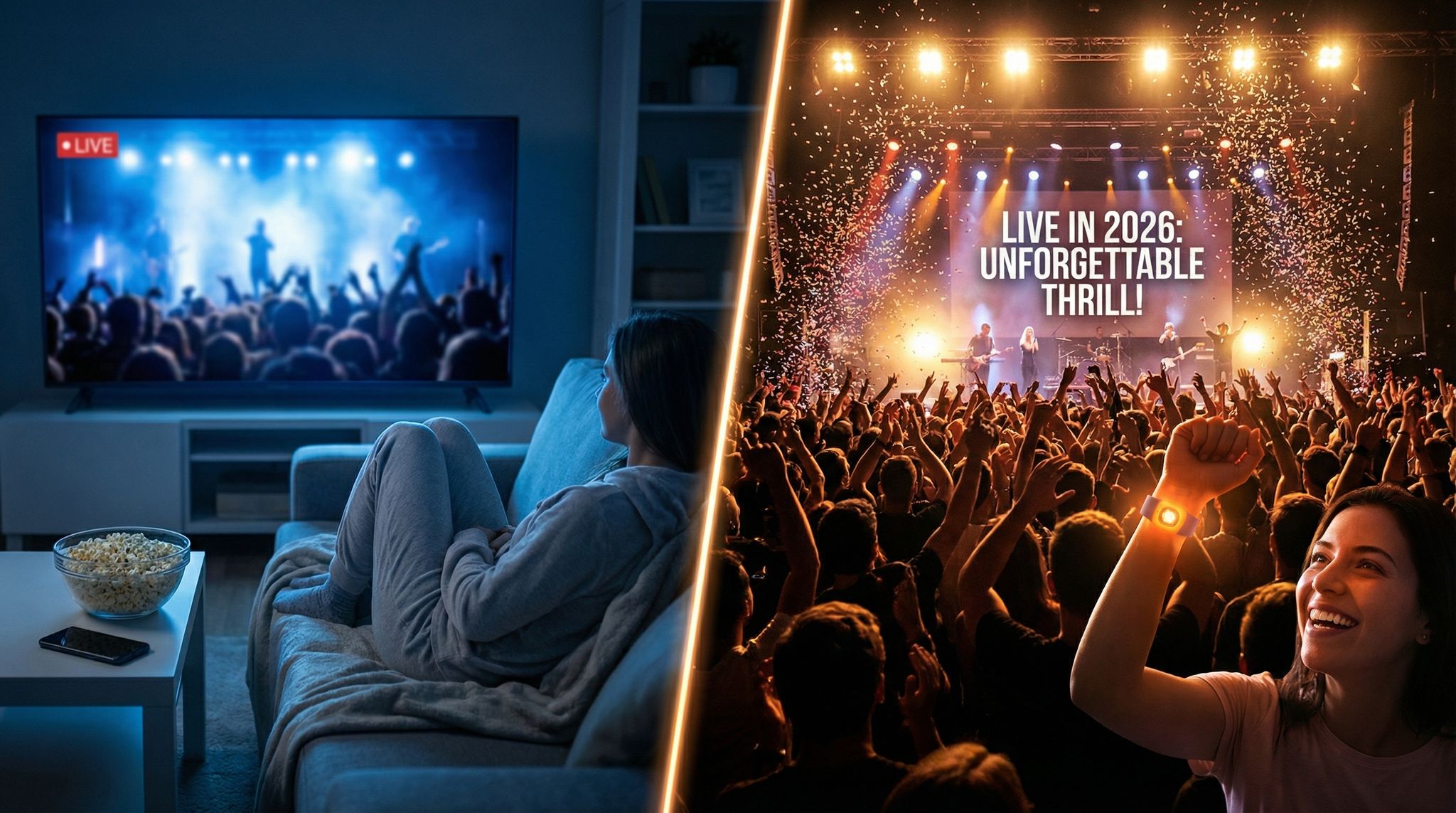
Electronic music has long been associated with escape—losing yourself in rhythm, lights, and collective energy. But as of 2026, an equally powerful movement is unfolding at the heart of the rave: a growing emphasis on wellness, mindfulness, and self-care within the festival experience. Fast-forward to 2026, and wellness has moved front-and-center in festival planning. Major events from California to Singapore are weaving mental health and mindfulness into the core fabric of the attendee experience. Whether it’s breathwork workshops beside the bass stage, kombucha bars alongside beer tents, or sober dance collectives taking off, the fusion of electronic music and wellness reflects a deeper shift in how people party, connect, and take care of themselves.
Far from conflicting with the high-energy ethos of dance music, wellness culture is becoming a core part of the electronic music experience—especially at festivals. The numbers back it up: The global wellness industry is now valued at $7.3 trillion and projected to exceed $10 trillion by 2029, according to Marie Claire’s analysis of wellness trends, and its influence is reaching the dance floor. Festival-goers today don’t just want big drops and lasers; they also crave balance, safety, and meaning. This evolution isn’t a passing fad—it’s a cultural response to new audience values, and it’s changing the dance floor for the better.
For EDM festival organizers, this shift represents a massive opportunity to rethink site design and programming. The rise of dedicated wellness raves and the integration of therapeutic spaces into mainstream events prove that prioritizing attendee well-being is now a competitive advantage. By transforming a standard weekend party into a holistic mental health music festival experience, promoters can build deeper brand loyalty, reduce medical incidents, and attract a broader, more health-conscious demographic.
A Generation Rethinking the Party
Today’s festival-goers are more mindful than ever. With increased awareness around mental health, substance use, and burnout, a new wave of attendees is looking for balance – not just stimulation – to enhance their enjoyment of the festival experience. Surveys show that especially Gen Z and young Millennials embrace mindfulness and mental health in daily life, and they expect the same at events. They’re practicing yoga, using meditation apps, and seeking out festivals that offer healthier food and chill-out zones, or even substance-free spaces. In the post-pandemic era, fans are also more open about anxiety and burnout, making self-care and recovery spaces at festivals a priority rather than an afterthought.
Grow Your Social Following With Every Sale
Require social media follows, shares, or playlist adds to unlock presale access or special pricing. Turn every ticket purchase into audience growth.
Importantly, this doesn’t mean the energy is gone from events – it means people are thinking critically about how they party and why. Instead of all-out hedonism, many now aim for a sustainable rhythm: dance hard, but also rest and recharge. As one attendee put it, “I want to feel as good on Day 3 as I did on Day 1.” Festival organizers have taken note. Many events now include dedicated wellness areas where attendees can rest, meditate, recharge, or simply breathe in peace between sets. These zones are more than feel-good add-ons; they signal a changing mindset among both organizers and audiences. Everyone understands that longevity on the dance floor means taking care of your body and mind throughout the event.
Common wellness features at festivals today include:
Ready to Sell Tickets?
Create professional event pages with built-in payment processing, marketing tools, and real-time analytics.
- Yoga and stretching sessions to ease travel and camping fatigue (e.g. Bonnaroo in Tennessee famously offers morning “Yoga-Roo” classes, a prime example of how wellness sessions have become a staple)
- Guided meditation and sound baths for mental clarity amid the sensory overload
- Cold plunges and saunas for physical recovery and rejuvenation (some boutique festivals set up mobile saunas or ice-bath tubs on site)
- Herbal elixirs, kombucha bars, tea lounges, and health-forward food options as alternatives to typical beer and fried festival fare
The party hasn’t ended – it’s just grown up. Festivals are responding to fans’ healthier habits with options that let people reset and keep dancing. It’s now common to find fresh fruit smoothies and vegan bowls alongside the pizza slices. According to industry analysis, attendees actively seek diverse, diet-friendly food choices at events. By meeting these needs – whether through free water stations or organic food vendors – festivals show they care, and fans notice. The result? People can party longer and feel better doing it.
The Intersection of Electronic Music and Mental Health
Electronic music itself has a profound impact on mental well-being. The repetitive beats and hypnotic rhythms common in genres like house, trance, and techno can induce a meditative state, helping listeners focus and unwind. In fact, science is starting to validate what rave communities have long suspected: certain sound frequencies and rhythms can reduce stress. A 2018 study in Japan found that listening to music tuned to 528 Hz (often called the “love frequency”) significantly lowered cortisol (a stress hormone) and even increased oxytocin (a hormone linked to feelings of trust and bonding), according to a study on stress reduction. This suggests that some electronic music, with its purposeful use of soothing frequencies and steady beats, may literally help calm the body’s stress response.
Beyond the lab, festival-goers regularly speak of electronic music as a form of therapy. It’s not just anecdote – data backs it up. In the UK, a 2024 report by the Night Time Industries Association found 80% of people experience mental health benefits when attending electronic music events. Another study published in 2025 surveyed over 100 EDM festival attendees and found significant positive links between event experiences and psychological well-being. The strongest predictor of improved wellness was social connection – feeling part of a community on the dance floor. This underscores that the sense of belonging electronic music events foster can be as healing as the music itself. Being surrounded by thousands of people moving to the same beat creates a powerful feeling of unity that’s hard to replicate elsewhere.
Understanding the neurological and psychological appeal of these genres is crucial for event producers. When analyzing why people like techno or asking is techno music good for the brain, researchers point to the genre’s predictable, driving tempo, which can induce a state of flow and cognitive relaxation. Furthermore, electronic dance music fosters a sense of freedom by providing a non-judgmental, immersive environment where attendees can shed their daily stressors. For promoters, designing stages with immersive, high-fidelity audio and ample space to move directly supports this psychological release, turning a simple DJ set into a transformative, liberating experience.
Smooth Entry With Mobile Check-In
Scan tickets and manage entry with our mobile check-in app. Supports photo ID verification, real-time capacity tracking, and multi-gate coordination.
Electronic music can also be a tool for easing anxiety and improving sleep. Many fans use ambient and downtempo electronic playlists at home to help drift into restful sleep, treating the music almost like a lullaby. The soothing soundscapes of ambient producers or lo-fi DJs create a tranquil atmosphere conducive to relaxation. Meanwhile, on the opposite end of the spectrum, upbeat electronic tracks can lift mood and motivate. The physical response to dancing – raised heart rate, endorphin release, the “natural high” – provides a mood boost that can last hours after the music stops. Dancing with others is literally good for you: a meta-analysis of 218 trials (14,000+ participants) found that group dance can reduce depression symptoms more effectively than typical exercise or even some standard treatments. Therapists are increasingly acknowledging what ravers have known: moving your body to music, especially in a supportive crowd, is a potent stress-reliever.
Crucially, the social aspect of raving plays a big role in mental health. Festivals and clubs provide a space for individuals to connect, share experiences, and feel a sense of belonging. That communal joy when a DJ drops a favorite track or the hugs exchanged after an especially moving set – these build real human connection in an age where digital isolation is common. According to a 2025 academic study, feeling part of the EDM community was the number-one factor linked to attendees’ reported happiness post-festival. In other words, the dance floor can be therapeutic not just because of the music, but because of the people and positive energy that you find there.
Grow Your Events
Leverage referral marketing, social sharing incentives, and audience insights to sell more tickets.
It’s no surprise, then, that music therapy programs are even using electronic music to help patients. From reducing perception of chronic pain to alleviating anxiety, rhythmic sound can serve as a healthy distraction and emotional outlet. And at festivals, the presence of community support – from friends or even kind strangers – amplifies these benefits. The bottom line: the intersection of electronic music and mental health is powerful and largely positive. As this genre’s festival culture evolves, its potential for promoting mental wellness becomes increasingly evident to researchers and industry leaders alike. Little wonder some refer to these events not just as parties, but as “group therapy with a dance beat.”
Mindfulness on the Dance Floor
The dance floor has always been a space of emotional release and connection. It naturally evokes deep feelings of joy and unity among participants. Now, it’s increasingly becoming a place for intentional presence as well. In mindfulness terms, dancing can be a form of moving meditation: the beat becomes your anchor, the crowd your support system, and the music a reminder to stay present in the moment. Instead of dancing to escape life, many festival-goers today dance to embrace it – fully, consciously, and gratefully.
Festival organizers are encouraging this awareness directly. You’ll find signs around venues reminding people to “Drink Water. Dance Barefoot. Check in with Yourself.” Some events post gentle prompts at stage exits like “Take a breath. Smile at a stranger. You’re here.” It’s not just signage, either – it comes from the artists and MCs too. Increasingly, DJs will give shoutouts from the stage about self-care: urging the crowd to grab water, respect their limits, get consent before interactions, and practice gratitude for the moment. These small reminders woven into the hype help attendees periodically check in with themselves amidst hours of stimulation.
Free Tool: Model Promoter Payouts
Flat-percentage, flat-per-ticket, or tiered-bonus commission structures — get per-promoter payouts and total commission as % of gross. Free calculator.
Some festivals even open with group mindfulness moments. It’s not uncommon now for a day’s programming to start with a collective grounding exercise or intention-setting circle before the first DJ starts their set. For example, at certain sunrise sets, organizers have led thousands of people in a one-minute eyes-closed breathing exercise to center everyone’s energy. What used to be fringe (“hippie stuff” in the eyes of old-school ravers) is now embraced by the broader community.
Pro Tip: Festival producers find that framing wellness activities as fun and optional – say, a DJ-led meditation with chill music – can entice even skeptics to join in. Creating a playful, inclusive vibe around mindfulness (rather than making it feel like a strict class) often leads to dozens or hundreds giving it a try.
This shift is more than just a nice gesture – it’s harm reduction in action. Encouraging mindfulness and self-awareness on the dance floor helps people stay connected to themselves, recognize their limits, and look out for one another in an environment that can easily become overwhelming. When you’re present, you’re more likely to notice “I need a break” or “That person looks like they need help.” Festivals report that nurturing this kind of conscious atmosphere makes the event safer and more enjoyable for everyone. Attendees who might otherwise push themselves to exhaustion now feel permission to pause and recharge. In a very real sense, mindfulness is saving parties by preventing burnouts and bad trips before they happen.
Real-world examples abound. Lane 8, a popular DJ, launched his “This Never Happened” concert series that requires attendees to put away their phones entirely – essentially turning the club into a phone-free, mindful zone where everyone is fully engaged in the music. At Burning Man, it’s tradition for many camps to offer evening meditation or sound healing sessions amid the week-long revelry, blending reflection with celebration. And mainstream festivals are catching on: Belgium’s massive Tomorrowland now includes a “Secret Forest” yoga session and a designated Chill Out zone in its DreamVille camping area, giving tens of thousands of ravers an easy way to recharge. The message is clear: being present and taking care of yourself is just as integral to the festival experience as dancing until dawn.
The Rise of Sober and Conscious Clubbing in Electronic Music
As wellness culture has grown, so has interest in sober or substance-free partying. Contrary to old stereotypes, these events are anything but boring – and their rise is global. Across major cities and festival circuits alike, conscious clubbing movements are on the rise. These are parties where people come together to dance wildly and freely without the expectation of alcohol or drugs. Often scheduled in the morning or daytime (so-called “dry raves” or even “coffee raves”), they may incorporate yoga, aerobics, or cacao ceremonies before the dancing kicks off. The vibe is all about community, presence, and connecting on a deeper level – proving that you don’t need a chemical buzz to feel a natural high from the music.
Why are people flocking to substance-free dancefloors? For many, it’s about the freedom to enjoy music with full clarity and no hangover. They want to dance without the aftereffects of alcohol or other substances. Others are exploring new ways of socializing and expressing themselves beyond the typical bar scene, which often revolves around drinking. Mental health plays a role too – some choose sober raving to avoid triggering anxiety or to maintain better bodily awareness. And a lot of fans simply crave experiencing the music with all senses fully present, not dulled. It’s about choice – giving attendees more ways to show up as themselves, and more spaces where they feel safe and supported doing so. The result is a flourishing subculture of alcohol-free club nights and festival stages that are just as packed and joyous as their beer-fueled counterparts.
For instance, the Morning Gloryville parties that started in London a decade ago pioneered the concept of 6 AM sober raves complete with green smoothies and yoga to kick things off. Now, collectives around the world host similar events. The Daybreaker movement has brought early-morning dance parties (fueled by coffee and superfood smoothies) to over 25 cities worldwide. And even traditional nightclubs are hosting “zero-proof” events. In 2025, Axios reported a 478% jump in so-called coffee raves, daytime dance parties centered on coffee and espresso shots instead of booze. From New York to New Delhi, you can find events where the energy is high but the bar is serving cold brew and kombucha instead of cocktails.
Far from being niche, alcohol-free clubbing is entering the mainstream. Major festivals now accommodate sober attendees by designating alcohol-free zones or “chill bars” serving craft mocktails. Organizers have learned that an alcohol-free hangout needs to be just as fun and inviting as a beer garden, with artisanal drinks and great music – and many are rising to the challenge of designing alcohol-free festival hangouts. Data reflects this cultural shift: U.S. weekly alcohol consumption hit its lowest level since 2000, allowing zero-proof festival models to flourish, and about 31% of Australians reported actively reducing their drinking habits. Little wonder that sober-curious festivals are gaining momentum, from the Mindful Drinking Festival in the UK to alcohol-free editions of dance events in the U.S. and Australia. These gatherings aren’t about moralizing or “anti” anything – they’re about inclusivity. They create spaces where nondrinkers (for whatever reason) can feel 100% part of the party rather than an outsider. And interestingly, plenty of people who do drink still attend these events, simply to enjoy a different flavor of fun.
What’s driving the success of sober and conscious clubbing is that the quality of the experience remains sky-high. The music is just as incredible, the production and sound just as immersive. You might find extras like breathwork sessions mid-party or a cacao (raw chocolate) ceremony to open the night – all aimed at naturally boosting endorphins and fostering heart-opening group vibes. Participants often report feeling even more connected and euphoric, because the experience is so present and lucid. As one organizer put it, “The loudest person on our dance floor is the music – not the drunk guy shouting at the bar.” It’s a different kind of high, one that leaves people uplifted rather than depleted.
Also Read: 25 Eco-Friendly Themes For Your Next Music Event
How Festivals Are Reimagining Wellness Support
Forward-thinking festivals aren’t just tacking on a yoga session or two – they’re integrating wellness and harm reduction into the entire ecosystem of the event. This means expanding access to mental health resources, deploying peer support teams, and offering education around substance use and consent. The goal is to bake wellness into the festival infrastructure so thoroughly that taking care of yourself becomes as easy as buying a drink or finding a bathroom. The payoff is huge: attendees feel safer and more valued, which leads to a better overall atmosphere and fewer emergencies.
A few years ago, you’d be hard-pressed to find onsite counseling at a music festival. Now, it’s becoming more common for larger events to have mental health professionals or trained counselors available in calm “sanctuary” tents for those in distress. Festivals are partnering with non-profits and health organizations to provide these services. For example, some UK festivals collaborate with groups like Festival Welfare Services or PsyCare UK, who bring volunteers skilled in supporting anyone having a rough time (due to substances, anxiety, or any reason). In Portugal, the famed Boom Festival has long run a Kosmicare tent staffed with therapists to assist attendees undergoing difficult psychedelic experiences – a model now inspiring other large-scale events to offer emotional support.
Innovation in harm reduction is also on the rise. Many festivals now offer free drug checking services so attendees can test substances for dangerous adulterants – a practice that has undoubtedly saved lives. Organizations such as The Loop in Europe or DanceSafe in the U.S. set up booths or roving teams to secretly test samples and provide judgement-free safety info. Some events even partner with community groups to hand out free naloxone (an overdose-reversing nasal spray) to staff and attendees. In fact, one prominent U.S. festival worked with a harm reduction group to distribute free naloxone kits to departing attendees in 2025. It was a forward-thinking gesture acknowledging that saving a life matters more than avoiding tough conversations. Festival medical teams are also stocking up on naloxone and fentanyl test strips for overdose preparedness, given the realities of the opioid crisis. These tools aren’t about encouraging drug use; they’re about keeping people alive and well.
New wellness initiatives we’re seeing include:
- Chill-out tents and decompression zones: Low-sensory, quiet spaces where overstimulated guests can relax on pillows or hammocks. These provide refuge for anyone feeling overwhelmed by noise or crowds – even 15 minutes there can prevent a full panic attack. Some festivals design these spaces with soft lighting, calming visuals, and ambient soundscapes specifically to soothe frazzled nerves.
- Peer support crews on patrol: Trained volunteers who walk the grounds checking in on people. For example, Insomniac Events (producers of EDC) deploy the renowned Ground Control team in bright purple shirts to roam festivals and aid anyone in need. These peers offer water, earplugs, a helping hand, or just a friendly chat, and Insomniac credits Ground Control with a marked decrease in serious incidents at their events. In the UK and Europe, volunteer teams like PsyCare or Festival Angels play a similar role. Fans often say just knowing these “festival guardians” are around makes them feel more secure.
- Designated safe spaces: Areas (often tents or cordoned zones) where those feeling uncomfortable – due to bad interactions, harassment, or emotional overload – can find refuge and an understanding staff member to assist. These are especially important to support women and vulnerable attendees. Festivals have begun advertising these safe spaces in advance so people know help is available if needed.
- Educational workshops and resources: Sessions on everything from mindfulness and breathwork to practical skills like “how to test your substances” or “consent and first aid 101.” By offering education, festivals empower attendees to take care of themselves and each other. Some events hand out booklets at entry with tips on staying healthy (stay hydrated, wear earplugs, look out for friends) alongside the set times.
Notably, festival organizers are approaching these measures not just as reactive services, but as proactive enhancements to the experience. A safer party is a more enjoyable one. Attendees who feel cared for are able to relax more deeply into the event, which only amplifies the positive energy. Organizers have observed that when you provide, say, a comfy decompression lounge, it doesn’t sit empty – it gets steady use by grateful festival-goers who then return to the dancefloor recharged and appreciative. Even if only a fraction of attendees use the counseling or overdose prevention resources, those interventions can be life-savers for the few who need them. And their presence radiates trust: it shows that the festival truly has attendees’ backs.
Of course, integrating wellness support hasn’t been without challenges. Early on, some festival directors feared that if they “build it, and no one comes” – for example, scheduling a meditation class that ends up empty – it could be a waste or even look embarrassing for the organizers. Others worried that emphasizing rest and safety might dampen the wild party atmosphere. However, experience has shown that when done right, these programs do get uptake, and they don’t kill the vibe – if anything, they often enhance it. Using creative approaches (like a meditation session led by a DJ mixing soothing beats) can entice even skeptics to join in. And even seemingly underused resources (like a half-full wellness tent at 2 AM) can be absolutely critical for those who seek them. The key is placement, promotion, and a genuine cultural buy-in that taking a breather is 100% okay. Over time, festival communities have started to embrace a mantra that self-care isn’t selfish – it’s part of the culture.
DJs, Artists, and the Language of Self-Care
The wellness movement within electronic music isn’t just happening among the organizers or fans – it’s being championed by the artists themselves. More and more DJs and producers are speaking openly about topics like burnout, sobriety, and mental health. This transparency from the stage is helping to shift norms in the scene. When a world-famous DJ steps off tour for a month and tells fans it’s to focus on their mental health, it sends a powerful message that even the party leaders need rest and care.
Over the past few years, several high-profile electronic artists have paused touring or canceled shows due to mental health concerns – and largely, fans have been supportive and appreciative of their honesty. For example, superstar DJ Hardwell took an extended hiatus a few years back, citing the need to rebalance after years of intense schedules. Similarly, artists like Alison Wonderland and Bassnectar (before his retirement) have spoken out about battling depression or anxiety on the road. These candid revelations break the stigma and make it more acceptable for both artists and fans to prioritize well-being.
Some DJs are even incorporating wellness into their musical projects. Trance group Above & Beyond, known for their emotional songwriting, released an ambient album called Flow State in 2019 specifically designed for yoga and meditation; they’ve since hosted live yoga sessions at their shows, marrying their music with mindfulness practice. Techno artist HAAi has curated sound baths at festivals, blending electronic drones with meditative intent. And festival lineups are evolving to include more ambient, downtempo, and healing music sets in addition to peak-hour dance acts. Stages dedicated to chillout and recovery – once found only at the fringes of events – are moving toward the spotlight with bigger crowds seeking those reflective moments.
The language of self-care is becoming natural in EDM culture. It’s now common to hear artists using their social media and stage time to remind fans to look after themselves. DJs might pause during a set to lead a short mindful breathing exercise or simply encourage everyone to “take this moment to appreciate the person dancing next to you.” Artists are also forming collectives and initiatives around wellness: for instance, a group of drum & bass DJs launched a “Healthy Raver” campaign in late 2025 to promote earplug use, hydration, and mental health resources among fans and colleagues. The point is, the people behind the music are embracing the idea that you can rave and be well – it’s not an either/or.
Even behind the scenes, in the green rooms and studios, there’s a shift. The industry is taking mental health more seriously. Conferences like the International Music Summit have panels on artist well-being; organizations such as AFEM (Association for Electronic Music) have published mental health guides for industry professionals. This trickles down to the audience: when fans see their favorite DJ live a balanced lifestyle and still throw down an amazing set, it challenges the old myth that you have to live recklessly to embody the spirit of electronic music. Instead, a new ethos is emerging: party smart, live well, share good vibes.
A New Kind of High
What’s happening in electronic music festival culture is part of a larger conversation: people everywhere are searching for sustainable joy. They want connection without burnout, movement without self-neglect, and euphoria without the crash. The integration of wellness into raves and festivals signals that the community is evolving to value how we feel the next morning as much as how wild the night was. In practical terms, this means a festival might boast about its meditation garden just as much as its mainstage production. And attendees are here for it. In an oversaturated festival market, offering meaningful wellness elements can actually help an event stand out in an oversaturated season and build loyalty. Fans remember that festival where they watched the sunrise during a yoga class or the club night that left them feeling invigorated rather than drained.
At their best, music festivals have always been places of transformation. Now that transformation includes healing, growth, and inner peace right alongside the booming basslines. We’re witnessing a cultural recalibration: the future of raving isn’t about choosing between having fun and being healthy – it’s about fusing the two. The most memorable parties can be the ones that leave you feeling more whole, not less. Festival-goers are starting to boast, “I came home recharged and inspired,” rather than just hungover and sunburnt.
This shift also fosters a stronger sense of community. When a festival provides tools for wellness, it implicitly encourages attendees to care for themselves and each other. The dancefloor becomes a space where it’s normal to offer a stranger water or a snack, to check in if someone looks unwell, or to share a quiet moment of gratitude with friends. These little acts of kindness accumulate, creating what veteran ravers describe as “the vibe” – that almost-tangible atmosphere of collective positivity. Industry veterans note that festivals integrating wellness see boosts in attendee satisfaction and loyalty. People want to return to places where they felt both ecstasy and safety.
In essence, electronic music culture is growing wiser without losing its soul. The neon-lit nights and marathon DJ sets aren’t going anywhere – but around the edges, or even at the center, you might find a meditation dome, a tea lounge, or a group of people doing sun salutations at noon. And far from detracting, these additions amplify the magic. They remind us that the dancefloor is sacred space – a place not just to escape life, but to celebrate life in all its facets. As one festival organizer aptly said in 2025, “Wellness at festivals isn’t about dampening the party – it’s about prolonging the party, so we can all keep dancing together for years to come.” That’s a future every raver can raise a (kombucha) toast to.
You May Also Like:
- Sober Nights, Electric Vibes: 2024’s Hottest Alcohol-Free Festival Trends
- 5 Key Tips for Organizing an Environmentally Sustainable Music Festival
- The Rise of Niche Conventions: How Specialized Audiences Are Shaping Industry Events
Frequently Asked Questions
How does electronic music impact mental health?
Electronic music positively impacts mental health by inducing meditative states through repetitive beats and frequencies like 528 Hz, which can lower cortisol levels. Studies indicate that 80% of attendees experience psychological benefits, largely driven by the strong sense of community and social connection found on the dance floor, alongside the endorphin release from dancing.
What are common wellness features at modern music festivals?
Modern festivals increasingly feature dedicated wellness zones offering yoga and stretching sessions to ease fatigue, alongside guided meditation and sound baths for mental clarity. Physical recovery options often include cold plunges and saunas, while food vendors now provide health-forward choices like kombucha bars, herbal elixirs, and fresh fruit smoothies instead of traditional fried fare.
What is conscious clubbing in the electronic music scene?
Conscious clubbing refers to substance-free dance events where attendees prioritize connection and clarity over alcohol or drugs. These gatherings, such as morning “coffee raves” or events with cacao ceremonies, focus on natural highs and community. They offer a safe, inclusive environment for people to enjoy the music and production without the aftereffects of intoxication.
Why are festivals integrating mindfulness and self-care into events?
Festivals integrate mindfulness to meet the demands of Gen Z and Millennial attendees who prioritize balance, mental health, and safety alongside entertainment. By offering chill-out zones and recovery spaces, organizers help prevent burnout and enhance the overall experience. This shift allows fans to sustain their energy and enjoy the event without exhausting their physical or mental resources.
How do festivals support harm reduction and attendee safety?
Festivals support safety by deploying trained peer support teams, such as Insomniac’s Ground Control, to check on attendees and offering onsite counseling in quiet sanctuary tents. Many events now provide proactive harm reduction resources, including free drug checking services, naloxone distribution, and educational workshops on consent and substance use to ensure a safer environment for everyone.
Can dancing at festivals be considered a form of meditation?
Dancing at festivals serves as a form of moving meditation where the repetitive beat acts as an anchor for presence and emotional release. This practice allows attendees to embrace the moment fully rather than escaping it. Organizers encourage this intentionality through reminders to check in with oneself, fostering a mindset of conscious celebration and grounding.
How are EDM festival organizers adapting to the wellness trend?
EDM festival organizers are adapting by integrating harm reduction, mental health resources, and dedicated recovery zones into their site plans. By offering amenities like sober lounges, yoga sessions, and professional counseling, promoters can improve attendee safety, reduce medical emergencies, and build stronger brand loyalty among health-conscious audiences.
How does electronic dance music foster a sense of freedom?
Electronic dance music fosters a sense of freedom by creating an immersive, non-judgmental environment where repetitive beats and driving tempos help attendees enter a state of flow. This psychological release allows festival-goers to disconnect from daily stressors and connect deeply with the community around them.