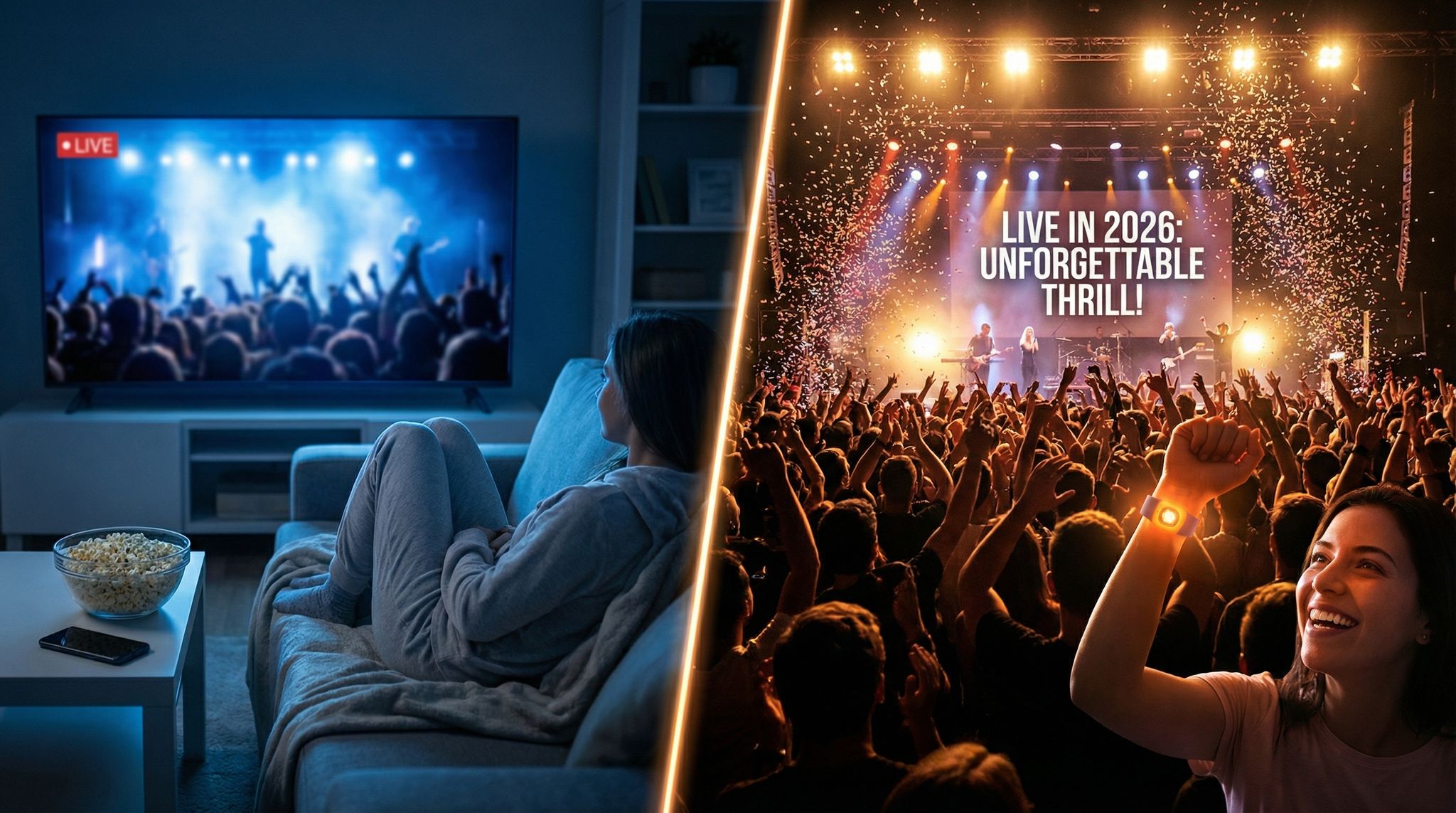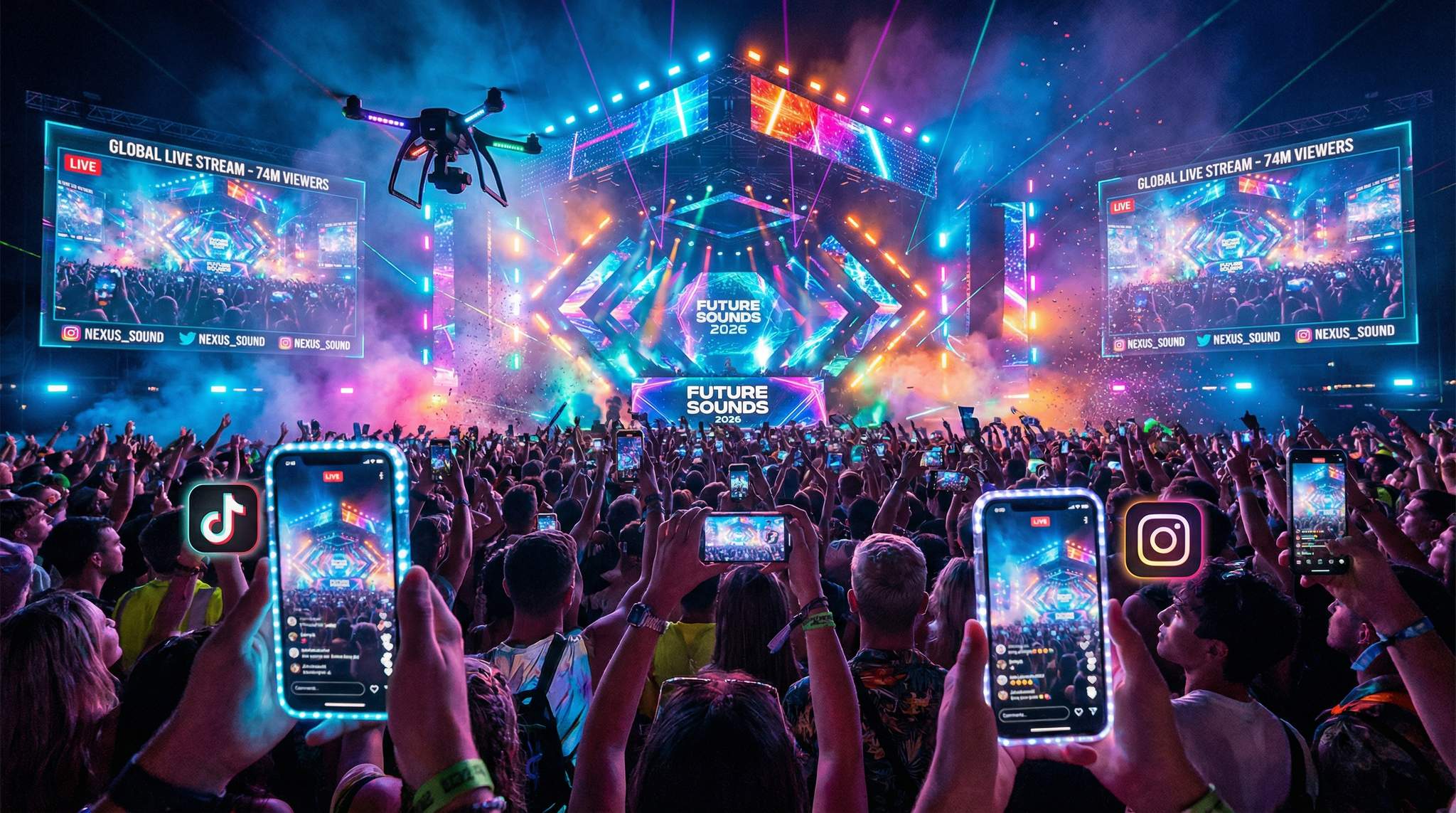
The intersection of social media and the electronic music scene has radically transformed the way events are promoted, experienced, and shared. In 2026, social media platforms continue to play a pivotal role in shaping the electronic music event landscape, influencing everything from audience engagement to event planning. With billions of active users on platforms like Instagram, TikTok, YouTube, and X (formerly Twitter), these channels have become essential for both fans and event organizers. Major platforms are larger than ever – Instagram now has 3 billion monthly active users and TikTok boasts around 1.59 billion monthly users as of 2025 – making them powerful tools to reach global audiences. In this article, we explore how social media is driving the future of electronic music events and highlight the key audience trends emerging as of 2026. We also discuss how exclusive fan clubs and superfan communities are enhancing engagement and creating deeper connections in the electronic music world.
1. The Power of Real-Time Sharing and Live Streams
Social media has become indispensable for sharing live event experiences in real time. The ability to instantly broadcast concerts, DJ sets, and festival moments via live streams has revolutionized how fans engage with electronic music events. Platforms like Instagram Live, TikTok Live, Twitch, and YouTube enable partygoers on the ground to stream their experience to friends and followers worldwide as it happens. For fans at home, this means they can virtually attend marquee festivals or club sets from thousands of miles away – getting a taste of the energy and spectacle in real time.
For event organizers, live streaming provides an invaluable promotional and engagement tool. Many festivals now treat their live stream production almost as an event of its own, with multiple camera angles, hosted segments, and interactive elements. This extends the festival’s reach far beyond the venue gates. For example, the legendary Tomorrowland festival’s 2025 livestream on TikTok set a record with over 74 million unique viewers tuning in across two weekends, and festival-related content amassed 2.4 billion views in-app. Likewise, over 70% of festival planners now incorporate live video streaming into their promotional campaigns, knowing it builds buzz and FOMO for future events. By showcasing performances and crowd reactions online, festivals can entice international audiences who may not be able to attend in person, turning them into eager ticket buyers for the next edition.
Real-time sharing also creates a virtual community in the moment. Fans watching a stream often comment and react together, bringing a sense of collective experience online. When a headliner drops a new track or a surprise guest appears on stage, viewers flood social feeds with excitement, amplifying the moment. As a festival social media coordinator, I’ve seen firsthand how a quick backstage Instagram Live or a tweeted video clip can ignite thousands of fans online within minutes. This kind of instant global exposure was unheard of a decade ago – now it’s a core part of the electronic music event experience.
Grow Your Social Following With Every Sale
Require social media follows, shares, or playlist adds to unlock presale access or special pricing. Turn every ticket purchase into audience growth.
Pro Tip: Before going live, ensure you have a stable internet connection on-site (consider dedicated Wi-Fi or bonded cellular hotspots). A choppy stream can frustrate viewers, so test your setup in advance. Also, secure any necessary artist permissions – some DJs have restrictions on broadcasting their sets.
Warning: Always obtain streaming rights and artist consent for live broadcasts. Many artists have clauses about live recordings; an unauthorized stream could be cut off mid-set or lead to takedown notices, disappointing online fans. Clear this ahead of time to avoid any last-minute surprises.
Social media integration with live events is likely to deepen. We’re seeing experiments with 360° live stream cameras and VR set-ups, where online viewers can virtually “stand” on stage or in the crowd. While in-person attendance remains the ultimate immersive experience, these real-time digital extensions are now vital in capturing global attention and enhancing the overall reach of an event.
2. Instagram and TikTok: The Visual Powerhouses of Electronic Music Culture
Instagram and TikTok are essential platforms for electronic music fans in 2026 – both for consuming content and creating it. With their focus on visual storytelling, these apps let fans relive and share the most epic moments of an event. Instagram’s photos, Stories, and Reels allow attendees to post snapshots from the dance floor, short video clips of jaw-dropping stage production, and behind-the-scenes glimpses with artists. This fan-generated content not only immortalizes individual experiences, but also organically promotes the event to each user’s followers. A single panoramic shot of a festival fireworks finale or a viral Reel of a DJ dropping a classic track can reach tens of thousands of people overnight, bolstering the event’s visibility well beyond those who were there in person.
TikTok, in particular, has become a driving force in music discovery and viral event trends. The platform’s short-form video feed is tailor-made for capturing the vibe of raves and festivals. Users post 15-60 second clips of crowd sing-alongs, bass drops, or dance challenges – often set to the breakout songs of the event. These snippets can rapidly go viral thanks to TikTok’s algorithm, spreading event hype to millions. Electronic music festivals are increasingly leveraging TikTok challenges and memes to engage younger, trend-conscious audiences. For example, a popular TikTok dance set to a headliner’s track can inspire thousands of users to mimic it, effectively acting as fan-driven promotion for the artist and the event. In fact, TikTok’s role in music discovery is now so pronounced that 45% of Gen Z listeners (ages 18–24) use TikTok as their primary platform to find new music, making it a must-watch channel for festival marketers looking to showcase trending artists.
To maximize this organic reach, promoters must understand the anatomy of a successful post. When implementing electronic music festival social media marketing best practices, one of the most effective tactics is mastering the viral EDM event promotion video structure for TikTok and Instagram. A high-converting short-form video typically hooks the viewer within the first three seconds using a massive bass drop or a visually stunning stage reveal, followed by rapid-fire crowd reaction shots, and ends with a clear call-to-action for ticket sales. By standardizing this format, marketing teams can consistently turn raw event footage into highly engaging promotional assets.
Turn Fans Into Your Marketing Team
Ticket Fairy's built-in referral rewards system incentivizes attendees to share your event, helping events sell 20% more tickets and 30x ROI vs paid ads.
For festival marketers looking to replicate this success, breaking down the ideal short-form video framework is essential. A proven template for these platforms involves a four-part sequence: the visual hook (e.g., a POV shot walking through the festival gates or a sudden laser drop), the vibe check (quick cuts of attendees dancing, unique fashion, and immersive art installations to establish the atmosphere), the social proof (text overlays highlighting sold-out tiers or massive crowd singalongs), and the conversion trigger (a clear, urgent call-to-action directing viewers to the link in bio for remaining passes). By utilizing trending audio tracks—often a sped-up or remixed version of a headliner’s hit—and keeping the total duration under 15 seconds, event producers can maximize loop rates and algorithmic reach, turning casual scrollers into confirmed ticket holders.
These visual platforms also fuel FOMO (fear of missing out) and inspire future attendance. When fans see their peers posting unbelievable festival moments – like massive crowd camaraderie during a drop or the stunning stages and decor – it creates a desire to be part of that experience. According to recent industry stats, nearly 70% of festival attendees engage with official event hashtags online, and 56% actively share their festival experiences on social media during or after the show. That means more than half of the crowd is effectively acting as micro-influencers, broadcasting the festival to friends. Organizers encourage this by creating branded photo ops on-site (interactive art installations, step-and-repeat backdrops, etc.) that are tailor-made for Instagram shots, and by launching TikTok hashtag challenges tied to the event’s theme. The result is a flood of visual content that amplifies the festival’s reach.
Ready to Sell Tickets?
Create professional event pages with built-in payment processing, marketing tools, and real-time analytics.
From an artist’s perspective, Instagram and TikTok are crucial for promotion as well as creative expression. DJs and producers often share teaser clips of new songs or behind-the-scenes tour life on these platforms to build hype ahead of a festival appearance. Many artists will post an Instagram carousel of their favorite crowd photos the day after a show, tagging the festival and keeping the conversation going. Up-and-coming electronic musicians, in particular, rely on these channels to grow their fanbases. TikTok has become a modern-day hit machine – an unknown producer can have a beat go viral as a challenge and suddenly find themselves on the lineup for a major event. The democratization of music promotion through visual social media means that in 2026, the electronic music culture isn’t just shaped by the big players, but also by countless fans and creators collectively curating the scene’s aesthetic online.
3. Audience Interaction and Community Building
Social media platforms aren’t just megaphones for promotion – they are now vital hubs for audience interaction and community building around electronic music events. In 2026, electronic music audiences are more engaged and interconnected than ever. Fans use social channels to connect with their favorite DJs, bond with fellow attendees, and even influence the direction of events. This two-way interaction fosters a deeper sense of community that extends well before and long after the actual event dates.
One key trend is the rise of fan communities and group engagement. Platforms like Facebook Groups, Discord servers, and Reddit threads have thriving sub-communities dedicated to festivals, club brands, and genres. For instance, large festivals often spawn official or fan-run Facebook groups where tens of thousands of members discuss lineup rumors, share survival tips, and plan meetups. Niche subreddits allow die-hards to swap setlists and live recordings. Discord, originally popular with gamers, has been embraced by music fans for real-time chat; some event brands and artists have launched official Discord servers to facilitate direct fan interaction. These online communities make fans feel like they are part of something bigger – a family united by music. By the time attendees arrive on site, many have already made friends online and are coordinating to link up in person, which enhances the on-ground experience.
Event organizers are wisely embracing this trend. Savvy festivals monitor and participate in these forums to gather real-time feedback and ideas from their most engaged audience members. It’s now common for organizers to conduct post-event AMA (Ask Me Anything) sessions on Reddit or interactive Instagram Q&As to show transparency and learn what fans loved or hated. This direct dialogue builds trust and loyalty; fans appreciate feeling heard. Organizers can then implement popular suggestions (like improving water stations or adding a particular subgenre stage) in future editions, essentially co-creating the event with their community. By listening and responding via social media, electronic music event producers create a more personalized and interactive experience that keeps fans invested.
Data-Driven Event Marketing
Track ticket sales, demographics, marketing ROI, and social reach in real time. Exportable reports give you the insights to make smarter decisions.
This community-first approach also answers a pressing industry question: how can electronic music venues thrive despite growth challenges? With rising operational costs and saturated local markets, brick-and-mortar clubs and independent event spaces must pivot from purely transactional ticket sales to relationship-driven models. By cultivating dedicated online groups and leveraging user-generated content, venue operators can maintain a loyal, recurring attendee base that sustains the business even when broader economic conditions tighten.
User-generated content (UGC) is another cornerstone of community building. Attendees now actively shape event narratives by sharing their own videos, photos, and stories. This organic, fan-driven content serves as powerful social proof. A prospective attendee scrolling through TikTok might stumble on dozens of euphoric clips from last night’s show, essentially peer-to-peer advertising that no traditional campaign can replicate. Organizers often reshare the best fan content on official channels (with credit), further validating the fans’ role in the story. In fact, more than half of festival-goers (56%) turn their experiences into online posts, which exponentially increases an event’s online footprint without a single marketing dollar spent. By encouraging attendees to post with official hashtags or run contests for the best festival photos, promoters tap into this free amplification and make ticket holders feel like ambassadors.
Grow Your Events
Leverage referral marketing, social sharing incentives, and audience insights to sell more tickets.
To maximize this organic reach on-site, many top-tier producers are now integrating a live social media wall for music festivals and concerts directly into their stage design or VIP areas. By displaying real-time, moderated feeds of attendees’ Instagram photos, TikToks, and X posts using the official event hashtag, you create an immediate incentive for fans to post. When a raver sees their own content flash across a massive LED screen next to the main stage, it validates their experience and encourages thousands of others to pull out their phones and join the conversation. From a production standpoint, these interactive digital displays serve a dual purpose: they act as dynamic, crowd-sourced visual art while simultaneously driving your trending metrics through the roof. Just ensure your production team uses a robust moderation tool to filter out inappropriate content before it hits the big screen.
Exclusive Fan Clubs for Superfans
Beyond general community chatter, a growing trend is the creation of exclusive fan clubs or membership communities for an event’s most dedicated supporters. Many festivals and artists are launching invite-only groups, VIP clubs, or subscription-based platforms that offer deeper engagement for superfans. For example, some festival brands have started “ambassador programs” where hardcore fans can earn rewards (like merch or free tickets) by promoting the event on social media and recruiting friends. Others have Patreon-style memberships that grant access to behind-the-scenes content, early lineup leaks, or priority ticket sales. On the artist side, DJs might have private fan club pages or Discord channels for their top fans, where they drop unreleased tracks or do intimate live chats. These exclusive communities make fans feel like insiders with a direct line to the event or artist.
Social media facilitates these groups by providing the infrastructure for direct communication and content drops. A superfan club might exist as a secret Facebook Group or a Discord with special role badges for members. During events, organizers can cater to this cohort by, say, hosting a members-only Instagram Live from backstage or a meet-and-greet announced through the fan club channels. The payoff is a fiercely loyal core audience that not only attends religiously but also evangelizes the event to others. By nurturing these smaller tight-knit communities, events deepen their engagement beyond the general public, creating an army of advocates who drive word-of-mouth hype.
In short, social platforms have transformed audience engagement from a one-way broadcast into a multi-directional conversation. The electronic music scene – with its passionate, tech-savvy fanbase – is at the forefront of this shift. By actively building community online, event organizers can cultivate year-round engagement, not just a one-weekend affair. And by empowering fans to participate and create content, the audience becomes an integral part of the event’s identity, reinforcing loyalty and excitement for whatever comes next.
Run Your Events From Your AI Assistant
Ticket Fairy exposes a Model Context Protocol server, so the assistant you already work in can read your events, orders and check-in numbers and act on them. By default a refund or a deletion stops and asks you to approve it first.
4. Influencers and Artist-Fan Connections
In 2026, influencers continue to play a prominent role in shaping the electronic music event experience. Social media influencers – especially those who live and breathe festival culture or the EDM lifestyle – often serve as key intermediaries between events and fans. A single popular YouTuber or TikTok creator attending a festival and vlogging their experience can expose that event to hundreds of thousands of viewers, many of whom might be potential attendees next year. Festival organizers frequently partner with influencers for event promotion, knowing that a trusted voice can lend authenticity that traditional ads sometimes lack. In fact, about 87% of festivals use influencer partnerships to boost their visibility. These collaborations can range from paid posts showing off festival fashion and stages, to hosting takeovers of the event’s official Instagram account, or giveaway contests for free passes. The key is that influencers bring an authentic and personal touch – their audiences feel like they’re getting a friend’s recommendation, not a corporate pitch.
Beyond third-party influencers, artists and DJs themselves are leveraging social media to deepen connections with their audience. Today’s electronic music stars are often extremely active on Instagram, TikTok, and Twitter, sharing slices of their life and creative process. They’ll post updates from the studio, drop tour announcements on Twitter/X, or do casual TikTok lives to chat with fans. This ongoing dialogue blurs the line between artist and audience – fans feel a closer bond because they get to see the human side of their idols. For example, an emerging DJ might document their journey to a festival gig via Instagram Stories (the airport hustles, soundcheck, backstage nerves, etc.), and fans watching that story then feel personally invested in seeing them succeed on stage. When those fans catch the actual set – in-person or via live stream – it’s a more meaningful experience because of that social media narrative.
Some artists also take fan engagement to the next level by creating interactive social media moments during events. We’ve seen DJs pull fan tweets or Instagram posts up on video screens during sets, give shout-outs to fans watching live online, or even take real-time song requests through Twitter polls. This kind of integration makes fans feel like active participants. It’s not just the artist on a pedestal and the crowd below; through social media, there’s a feedback loop. The artist-fan relationship becomes a community in itself, often referred to as a “fam” (as in “Trance Family” or “Bass Head family”), with its own identity on social platforms.
Technology is further enhancing these connections. Some festivals now use festival mobile apps with built-in social feeds or chat functions, where fans and artists can share updates directly. We’re also seeing the early stages of AI-driven personalization in fan engagement. For instance, AI chatbots on event pages can answer fan questions 24/7, and some artists use AI to sift through social comments and craft tailored responses or content. On the creative side, emerging AI tools are influencing music production and performance, which indirectly impacts fans. Production software enhancements and even AI-generated visuals at shows mean artists have new ways to dazzle their audience. In a groundbreaking example, techno artist Reinier Zonneveld performed a 10-hour live set in 2025 alongside an AI-driven clone of his musical brain – an AI he trained on his music to improvise with him on stage. This kind of experiment shows how the cutting edge of tech might give fans unique experiences (imagine a DJ battling their AI counterpart!) and plenty of buzz on social media as people share their disbelief and excitement.
Despite all the high-tech evolution, authenticity remains the cornerstone of influencer and artist-fan dynamics. Experienced promoters caution that any influencer partnership must feel genuine – festival-goers can sniff out a disingenuous promo in seconds and will call it out. Likewise, artists who authentically engage (rather than have a manager ghost-posting bland content) tend to cultivate far more loyalty. Social media can be a double-edged sword for artists: it amplifies love and criticism. In 2026, many DJs proactively address fan concerns or admit mistakes on social channels, which helps maintain trust. The public nature of these platforms means that the artist-fan relationship is on display, and those who navigate it with real passion and transparency often reap the rewards of a devoted, engaged following that shows up both online and in person.
Warning: When partnering with social media influencers, ensure their personal brand and audience align with your event’s image. A mismatched partnership can come off as tone-deaf or inauthentic. It’s better to work with micro-influencers who genuinely love your music scene than a big name who isn’t truly into electronic music – fans can tell the difference, and authenticity wins long-term.
5. Virtual and Hybrid Events: The Digital Integration of Physical Experiences
The rise of virtual and hybrid events remains a notable trend through 2025 and into 2026. Even as in-person electronic music festivals are back in full force, organizers have learned from the pandemic-era experimentation with virtual event platforms. Now, many events are embracing a hybrid model – blending the physical and digital worlds – to maximize reach and inclusivity. What does this look like in practice? A hybrid electronic music event might have a live audience of tens of thousands dancing at a venue and a concurrent online experience accessible via live stream, VR, or interactive platform for fans globally.
Despite all the high-tech evolution, authenticity remains the cornerstone of influencer and artist-fan dynamics. Experienced promoters caution that any influencer partnership must feel genuine – festival-goers can sniff out a disingenuous promo in seconds and will call it out. Likewise, artists who authentically engage (rather than have a manager ghost-posting bland content) tend to cultivate far more loyalty. Social media can be a double-edged sword for artists: it amplifies love and criticism. In 2026, many DJs proactively address fan concerns or admit mistakes on social channels, which helps maintain trust. The public nature of these platforms means that the artist-fan relationship is on display, and those who navigate it with real passion and transparency often reap the rewards of a devoted, engaged following that shows up both online and in person.
Warning: When partnering with social media influencers, ensure their personal brand and audience align with your event’s image. A mismatched partnership can come off as tone-deaf or inauthentic. It’s better to work with micro-influencers who genuinely love your music scene than a big name who isn’t truly into electronic music – fans can tell the difference, and authenticity wins long-term.
5. Virtual and Hybrid Events: The Digital Integration of Physical Experiences
The rise of virtual and hybrid events remains a notable trend through 2025 and into 2026. Even as in-person electronic music festivals are back in full force, organizers have learned from the pandemic-era experimentation with virtual platforms. Now, many events are embracing a hybrid model – blending the physical and digital worlds – to maximize reach and inclusivity. What does this look like in practice? A hybrid electronic music event might have a live audience of tens of thousands dancing at a venue and a concurrent online experience accessible via live stream, VR, or interactive platform for fans globally.
Social media plays a crucial role in amplifying these virtual components. Leading up to events, promoters use Instagram, Twitter/X, and Facebook to announce live stream schedules, VR stage access, or exclusive online-afterparty details. They’ll create countdown posts, artist takeovers, and behind-the-scenes peeks to drive interest in the digital experience. Once the show is on, event pages often share live clips and highlight reels in near real-time, keeping the online audience engaged and feeling like they’re part of the action. On Twitter, official accounts might live-tweet key moments (“DJ ____ just dropped an unreleased track and the crowd is ?!”) sparking conversation between those on-site and those tuning in remotely.
The virtual attendees themselves aren’t passive viewers anymore – they form their own community. During major festival live streams on YouTube or TikTok, hundreds of thousands of people might be watching simultaneously. These platforms’ comment sections and reaction features let fans discuss the sets as they happen. In 2025, TikTok’s Tomorrowland live stream not only drew record viewers, it also turned the comment feed into a massive global rave chat. Users were sending waves of emojis and coordinating virtual “light shows” with smart bulbs at home while watching the DJ sets. This interactive element is key: successful hybrid events find ways to make remote fans feel involved. Some festivals run contests where online viewers can vote via social media for the encore song or contribute to a live mosaic wall streamed on the main stage screens.
Boost Revenue With Smart Upsells
Sell merchandise, VIP upgrades, parking passes, and add-ons during checkout and via post-purchase emails. Increase average order value by up to 220%.
To truly elevate the music festival digital experience, forward-thinking producers are moving beyond passive broadcasting. We are now integrating gamified elements, such as interactive digital maps, exclusive AR filters for at-home viewers, and real-time artist Q&As hosted on parallel digital stages. By treating the online component as a bespoke, standalone journey rather than just a camera pointed at a DJ, organizers can monetize these digital festivals through premium access tiers, digital merchandise, and targeted brand sponsorships that cater specifically to the remote audience.
For organizers, virtual and hybrid formats open up new revenue streams and engagement opportunities. Selling digital tickets or “online passes” to a festival live stream has become more common – fans might pay a smaller fee to access multi-cam, high-definition streams of all stages plus exclusive interviews. These online attendees might get special perks like access to a recording of the set afterward, or a dedicated Discord channel to chat with artists after their performance. Virtual experiences can also be sponsored; for example, a brand might host a “virtual stage” and integrate its messaging into the stream or AR effects. All of this is promoted and facilitated through social media – it’s where you find your online audience, and where they share their experiences. A major music festival’s live stream can attract millions of viewers globally, as one famous event did by logging nearly 4 million live stream views over a single weekend, creating a truly worldwide community.
Hybrid events also mean inclusivity and flexibility. Fans who are unable to travel or afford a full festival can still join the experience online, which fosters goodwill and keeps them connected for future in-person attendance. Many in the industry see hybrid models as insurance against unforeseen disruptions too – if, for instance, extreme weather shuts down a festival day, having a robust virtual platform means the show could go on for ticket-holders at home. In 2026, we’re seeing festivals invest in better infrastructure for these integrations: more robust streaming setups, VR lounges on-site where physical attendees can interact with virtual avatars, and even NFT-based “digital collectibles” that commemorate attending the event online.
While virtual experiences will never fully replicate the feeling of dancing in a crowd under the lasers, they have become a powerful complement to the live music experience. Going forward, expect electronic music events to continue exploring this space, using social media as the connective tissue between the real and digital realms. The goal is to ensure that whether you’re on the ground at the festival or jamming in your living room, you’re part of the same shared moment.
6. Event Discovery and Personalization
One of the great advantages of social media in the events world is how it helps fans discover new gatherings tailored to their tastes. In 2026, the process of finding electronic music events has become increasingly personalized, thanks to the sophisticated algorithms and data-driven targeting used by platforms. Social media and associated apps actively recommend events to users based on their interests, past attendance, and online behavior – sometimes even before the user starts looking themselves.
For fans, this can feel almost serendipitous. You might be scrolling your Instagram feed and see a sponsored post for an upcoming techno warehouse party in your city, perfectly aligned with the DJs you’ve been listening to on Spotify. Or TikTok might show you a recap video of a trance festival, knowing that videos with the #trancefamily hashtag always grab your attention. These aren’t random coincidences; they’re carefully targeted suggestions. In fact, around 72% of festival attendees now report that they discover events through social media ads and recommendations. The platforms’ algorithms take into account the artists you follow, the event pages you’ve clicked “interested” on, your location, and even friend activity, to surface events you’re likely to love. This means fans no longer have to actively hunt for the next rave or festival – often, the events find them.
Accept Payments Across 13 Countries
Local currency processing via Stripe, Razorpay, Xendit, Paystack, and OXXO across 13 countries with region-specific payment methods.
Event organizers are leveraging these tools by investing heavily in social media advertising and analytics. Through Facebook and Instagram’s ad managers (under the Meta umbrella), promoters can target very specific demographics – for example, 18-34 year-olds within 50 miles of Los Angeles who like “electronic music” and have engaged with festival content. They can also use tracking pixels and lookalike audiences to reach people similar to their current attendees. The result is highly efficient marketing that ensures the right people see the right events. If you loved last summer’s EDM festival, chances are you’ll see an ad for its 2026 dates as soon as they’re announced, or a suggestion to check out a new similar festival in a nearby state. Platforms even enable geo-targeting – during Miami Music Week, for example, travelers in the city might get bombarded on social with last-minute show invites, knowing they’re in town for music events.
Personalization goes beyond advertising. Music streaming services and event platforms are also integrating social discovery. Spotify and SoundCloud now can notify users of nearby concerts and festivals featuring artists on their playlists. Ticketing platforms and apps often have a social component where you can follow friends or artists and see what events they’re attending, creating a social referral effect. There are even AI-driven concierge bots that can DM you suggestions (“Hey, we noticed you attended two drum & bass events last fall. There’s a big DnB night coming up next weekend – here’s the info.”). All of this makes event discovery more efficient and exciting than ever.
Another aspect of personalization is how social media data helps tailor the event experience itself to audience preferences. If an organizer sees that a large segment of their RSVPs are fans of a particular subgenre (say, synthwave) based on their online interactions, they might add a synthwave artist to the lineup or theme one of the stages accordingly. Real-time social media polls can even personalize aspects of the event on the fly – for example, letting fans vote via Twitter on which classic track the DJ should close with, or using Instagram Story polls to choose a special encore. In essence, social media not only introduces events to fans, but introduces fans to events, creating a matchmaking of interests that elevates satisfaction on both sides.
From the fan perspective, the days of scouring random flyers or generic event listings are fading. Instead, you can open your social apps and often find a curated feed of upcoming shows that feel hand-picked for you. This is especially beneficial in the sprawling electronic music scene, where countless niche events coexist. A hardcore techno fan can get alerts for underground warehouse raves, while a fan of melodic house might discover a day party on a rooftop – each catered to their vibe. The more fans engage with these tools, the more the algorithms learn and refine what they suggest. Just as streaming services revolutionized music discovery, social media is revolutionizing event discovery, ensuring that no beat enthusiast has to miss out on their next potentially life-changing night out.
(On a related note, the evolution of virtual concerts and streaming has also expanded event discovery. A curious fan might stumble upon a live-streamed DJ set on YouTube or Twitch, fall in love with the artist’s style, and then seek out an in-person show by that artist the next time they tour. The fluid blending of online and offline discovery means geography is less of a barrier to finding your new favorite event.)
Beyond the walled gardens of major social networks, broader electronic music festival trends are reshaping how promoters approach digital marketing across the open web. We are seeing a significant shift toward utilizing electronic music in advertising through programmatic display networks, connected TV (CTV), and niche music blogs. By syncing high-energy festival anthems with dynamic video ads on independent websites and streaming platforms, organizers can capture the attention of fans who are actively browsing outside of their main social feeds. Tracking these future trends in electronic music requires promoters to diversify their ad spend, ensuring their event discovery strategies aren’t solely reliant on a single algorithm.
7. The Rise of Electronic Music Among Gen Z Audiences
In recent years, electronic music has seen a remarkable surge in popularity among Gen Z audiences – those roughly born between the late 1990s and early 2010s. This generation, now in their late teens and 20s, is fueling growth in festival attendance and redefining what the electronic music scene looks like. Understanding Gen Z’s relationship with electronic music is key to understanding the future of the industry, as they represent a rapidly growing consumer base with rising influence. Representing roughly 25% of the global population and on track to become the largest and wealthiest generation by 2030, Gen Z’s tastes and values are impacting everything from festival lineups to how events are run on the ground.
Gen Z is often cited as valuing experiences over material possessions, and electronic music events hit the sweet spot for providing immersive, shareable experiences. This cohort has grown up in an era of social connectivity and creativity, so the communal, all-consuming nature of a rave or festival appeals strongly to them. They aren’t just attending for the music; they’re there for the vibe, the memories, and the social capital of being part of something special. A packed EDM festival with its euphoric crowd energy, interactive art installations, and sense of freedom aligns perfectly with Gen Z’s desire for meaningful, memorable moments. Many Gen Zers describe festivals as a place where they can truly be themselves and connect with others, transcending day-to-day life – which is a powerful draw for a generation often facing economic and social pressures in other areas of life.
Social media and streaming platforms have also played a crucial role in making electronic music accessible to Gen Z. Unlike older generations who might have discovered dance music in clubs or record stores, Gen Z discovered it on TikTok, SoundCloud, YouTube, and Spotify. A viral TikTok trend can turn a 90s trance anthem into the hottest new thing for millions of teens (just think of how older tracks like “Dreams” by Fleetwood Mac went viral – the same can happen with classic EDM). Meanwhile, streaming services recommend new DJs and genres to curious young listeners, creating an environment where Gen Z’s musical taste is extremely diverse and exploratory. This democratization of discovery means a high schooler in a small town can become a superfan of a Berlin techno DJ just through online exposure, where in the past geography might have limited that. The result is electronic music transcending cultural and geographical boundaries more than ever, cementing its popularity among young listeners worldwide.
Moreover, electronic music’s emphasis on creativity, inclusivity, and self-expression aligns with Gen Z values. This generation prizes individuality and authenticity. In the EDM scene, they find a welcoming space: you can don outrageous outfits or glow-in-the-dark everything, dance however you like, and it’s all part of the culture. The electronic music community often carries messages of unity (think “PLUR” – Peace, Love, Unity, Respect – which resonates with many young ravers). Gen Z’s socially conscious mindset also sees appeal in how festivals are increasingly promoting sustainability and social good, issues they care deeply about (as we’ll explore later). Even on the music production side, Gen Z is drawn to the DIY ethos – many have access to software and are producing beats in their bedrooms, further connecting them to the music they hear at events.
The numbers reflect this surge. Large-scale surveys have noted Gen Z’s growing presence at live music events – for example, in the UK, despite rising ticket costs, a majority of Gen Z respondents still planned to attend music festivals, showing higher intent than some older groups. And globally, electronic genres feature heavily in the top music preferences of Gen Z in multiple regions. We’re also seeing Gen Z-driven shifts in on-site behavior: this is a generation that, for instance, drinks less alcohol at events (about 25% less than Millennials and older cohorts) in favor of staying present and opting for alcohol-free choices. That means festivals are adapting by offering more mocktail bars and chill-out wellness zones, creating environments that suit changing preferences. Gen Z ravers are also a digitally native bunch; they are the ones most likely to be posting live from the event, using the festival’s AR effects on Snapchat, and finding each other through event apps.
As Gen Z continues to pour into the scene, they are shaping the future of dance events. This generation’s influence is pushing festivals to evolve – expect to see more diverse lineups that span genres and include gender-balanced artists (diversity and representation are important to Gen Z), more experiential elements like interactive art and gaming tie-ins, and a continued blend of the online-offline experience (since Gen Z lives seamlessly in both). Festival organizers know that courting Gen Z isn’t just about today’s ticket sales, but about nurturing the next 10–20 years of their event’s community. And from all indications, Gen Z’s passion for electronic music is only growing stronger, promising a bright future for the genre’s events – as long as those events keep evolving to meet this new generation’s expectations.
8. Music Discovery and Emerging Genres
Gen Z’s influence on electronic music goes hand-in-hand with their voracious appetite for discovering new sounds. This generation has grown up with limitless music at their fingertips, and they are driving the evolution of electronic music by eagerly embracing new genres, subgenres, and underground scenes. Their curiosity and openness to experimentation have led to the rise of innovative sounds and creative genre-blends that might have stayed niche in earlier eras but now can explode in popularity overnight.
Thanks to platforms like Spotify, SoundCloud, YouTube, and TikTok, it’s easier than ever for a curious listener to tumble down a rabbit hole into a new corner of music. A Gen Z fan might start with a mainstream EDM artist, then get algorithmic suggestions for a future bass remix, which leads them to discover a chillwave producer’s channel, and before they know it, they’re deep into a niche microgenre like phonk house or melodic techno. The streaming era rewards exploration – and Gen Z is all about it. They often pride themselves on finding the “next big thing” early and sharing it with friends on social media. In fact, one study in 2023 found that social media and user-generated content are among the main drivers for music discovery for Gen Z, with TikTok being the single most popular platform for finding new music among young people. (TikTok’s short clips are perfect for sampling songs, and its community loves to elevate catchy, novel sounds.)
This culture of discovery means that the boundaries between genres are blurring. Gen Z listeners are typically less rigid about genre labels – in their playlists, you might find a trap EDM banger next to a K-pop electronica track, followed by a lo-fi house tune. As a result, artists are feeling freer to experiment and cross-pollinate styles. We’re seeing EDM beats in pop and hip-hop, techno elements in Latin music, and cross-cultural collaborations yielding hybrid genres (for instance, South Asian-inspired dubstep tracks or Afro-house remixes of European trance). The love for genre-mashing among Gen Z is pushing the evolution of electronic music to be more diverse and inclusive of different musical influences.
At festivals and clubs, these emerging genres are making their way into the spotlight. A style that blew up on SoundCloud among a small community can quickly end up on a festival stage if it gains traction online. For example, the recent resurgence of hardstyle and gabber (very fast, hard electronic genres) among youth in some regions is attributable largely to viral social clips and a certain nostalgia aesthetic that Gen Z picked up on – and now major festivals have incorporated hardstyle stages due to that demand. Another example is the rise of the hyper-pop and rave-pop aesthetic: artists combining sugary pop melodies with ravey electronic production, which found an eager audience in Gen Z via platforms like TikTok, leading to these artists getting booked at electronic music events where traditionally pure EDM acts reigned.
For talent buyers and promoters, knowing how to follow electro music trends is no longer just about visiting local clubs; it requires deep digital listening. Organizers must monitor algorithmic shifts and platform-specific search behaviors to identify what will sell tickets next season. For instance, analyzing synthwave YouTube SEO trends for 2025 and 2026 reveals a massive spike in users searching for retro-futuristic live sets and cinematic electronic performances. By tracking these search volumes—alongside the crossover appeal of trending film music on social media, where epic, synth-heavy cinematic scores are being remixed into peak-time club tracks—promoters can book niche acts right as they hit the mainstream tipping point, securing highly engaged crowds for their next rave or boutique festival.
Emerging artists today often build their initial fanbases on social media and platforms like SoundCloud, bypassing the old gatekeepers. A producer can release a track independently, have it featured in a popular YouTube mix or TikTok dance, and suddenly there’s a clamor for them to perform live. Festival talent bookers now keep a close eye on streaming stats and social buzz to identify the next breakout stars beloved by Gen Z. The constant turnover of “what’s hot” is faster than ever, which keeps the electronic music scene dynamic and sometimes unpredictable. It’s a far cry from the days when a few subgenres dominated for years at a time – now the trend cycle is hyper-accelerated. But this ensures the music landscape remains vibrant.
Ultimately, Gen Z’s relentless search for fresh sounds ensures that the electronic music scene never gets stale. For fans, this is an exciting era – there’s always a new style to uncover or a rising artist dropping something cutting-edge. And for event organizers, catering to this craving for newness means curating diverse lineups and perhaps even dedicating stages to burgeoning scenes (like an “Emerging Artists” stage powered by a label or a collective that’s big online). As these younger fans continue to explore and champion new sounds, they are effectively setting the stage for the next wave of electronic music trends. It’s a cycle of discovery that keeps re-inventing the scene, ensuring electronic music remains one of the most innovative and adaptable genres in the world. Organizers and artists who listen to this generation’s pulse – through streaming data, social media chatter, and cultural cues – will be well-positioned to ride the wave of whatever genre-bending surprise comes next.
9. Cross-Cultural Collaborations and Global Trends
Music is a universal language, and in 2026, cross-cultural collaborations are unlocking entirely new markets and enriching the electronic music sound. Artists, DJs, and festival organizers are increasingly blending global influences and teaming up across borders, creating music and event experiences that resonate worldwide. This trend not only broadens the audience but also reflects the interconnected world Gen Z and Millennials live in, where a hit song from one country can instantly blow up on the other side of the globe via social media.
In the electronic music scene, cross-cultural collaboration can mean a lot of things. Producers from different countries might co-create a track that fuses their styles – think a UK drum & bass producer working with a Japanese vocalist, or a South African gqom music artist teaming up with a French house DJ. These unique fusions often catch fire online because they offer something fresh and culturally interesting. We’ve seen tracks mixing languages and musical motifs become viral hits, supported by fans who love hearing their own culture represented or are simply excited by the new sound. Social media encourages this cross-pollination: an artist can discover a folk melody from another country on YouTube and decide to sample it in a club track, or two DJs might meet on Instagram and decide to swap remixing each other’s work.
Festivals are also riding the global wave. Major festival brands are expanding into new regions, bringing their style while also integrating local culture. For example, when a renowned European festival launches an edition in Asia or Africa, they often collaborate with local promoters and feature regional artists to authentically connect with the audience there. We’ve seen festivals like Ultra and Electric Daisy Carnival set up international editions, and in 2023 even the iconic Lollapalooza landed in India with a mix of international EDM stars and popular Indian electronic acts on the bill. These events not only export the festival experience to new places but import local fans and flavors into the global dialogue. The cross-cultural exchange is two-way: local fans get exposure to global artists, and international attendees (or online viewers) get exposure to homegrown talent from that region.
To successfully navigate these collaborations, doing homework on the target region’s scene is crucial. Organizers and artists are spending more time on researching local trends – understanding what genres, venues, and even social media platforms are popular in a region. For instance, an artist planning a tour in Latin America will note the popularity of Latin house and reggaeton-influenced EDM there and might prepare special edits of their set with those flavors. Working with local artists is often the bridge; by co-creating songs or inviting local DJs to perform together, artists ensure the music resonates more deeply with the audience. A great example is how some Western DJs collaborate with K-pop or J-pop stars to create crossover tracks, knowing the massive appeal these pop idols have in their markets. The resulting song might blend language and style, and when performed live (or streamed), it draws fans from both worlds.
Social media again acts as the amplifier and connector. Tailoring promotions to cultural preferences can make a big difference. This could be as simple as translating event announcements and subtitles on videos to the local language, or as nuanced as incorporating local cultural references and humor into social content. In regions where certain apps are more prevalent (for example, WhatsApp or WeChat for sharing info, or region-specific networks), promoters will use those to spread the word. Fans appreciate when international artists make the effort – like a famous DJ greeting the crowd in their local language in a viral clip, or referencing a local classic song during a set (sparking a flurry of appreciative posts from attendees). Such moments often end up trending on social media in that country, further boosting the event’s profile.
Ultimately, the fusion of different cultural elements is expanding the artistry of electronic music and the appeal of events. We’re moving past an era where a festival in one country had a totally different lineup from another – now there’s a sense of a global festival circuit, but one that celebrates local uniqueness too. Cross-cultural collaborations in music production and event production make the scene more inclusive and representative of our diverse world. By embracing these global trends, electronic music events ensure they remain vibrant and relevant. An organizer might discover their next big ticket-selling act via a cross-border collab that went viral, or an artist might find newfound inspiration and audience by stepping outside their cultural comfort zone. The world of electronic music in 2026 is essentially a big melting pot, and those who stir that pot with creativity and respect for different cultures are creating some of the most exciting experiences for fans today.
(If you’re looking to expand your festival to new regions or tap into international audiences, check out our guide on emerging festival markets in 2026 for strategies on thriving in new locales.)
10. Sustainability and Social Responsibility Through Social Media
Today’s electronic music audience isn’t just passionate about music – they also care deeply about the values that festivals and events stand for. Sustainability and social responsibility have become important considerations for modern festival-goers, and social media is playing a major role in driving these conversations and holding event organizers accountable. In 2026, many electronic music events are utilizing their social platforms not only to hype lineups, but to broadcast their eco-friendly initiatives, community projects, and ethical practices. This aligns events with the values of an audience that is increasingly eco-conscious and socially aware.
Fans, especially younger ones like Gen Z, are paying attention to how events address issues like waste reduction, carbon footprint, inclusion, and community impact. Consider this: over half of event-goers (around 52%) say that a festival’s sustainability efforts influence their decision to attend. Even more striking, a recent survey shows 73% of Gen Z would boycott events that have poor environmental practices – a clear sign that festivals ignore sustainability at their peril. Social media is where these triumphs or shortcomings are showcased and scrutinized. When a festival implements a new recycling program or renewable energy source, you can bet they’ll be posting eye-catching stats and photos (“We turned 10,000 plastic bottles into this stage design!”) on Instagram and Twitter. This not only spreads awareness, but it appeals to fans’ desire to support events that align with their values. Conversely, if a festival is seen as greenwashing or is caught leaving a venue trashed, attendees (and even artists) will call them out publicly online, which can damage the brand quickly. No organizer wants a viral tweet showing heaps of garbage left behind and the caption “Do better, [Festival Name]!” making the rounds.
The good news is that many electronic music events are genuinely stepping up, and social media helps them share their progress and educate their audience. For instance, it’s common now to see festivals run social campaigns ahead of the event about carpooling or using public transit, often with catchy hashtags like #GoGreenToFest or #LeaveNoTrace. They might create influencer-style content with tips on being an eco-conscious raver (BYO water bottle, biodegradables-only glitter, etc.). During the event, live updates might show the on-site solar panels powering a stage or volunteers in action at recycling stations. After the event, organizers often publish sustainability reports and thank the community on Facebook or their blog for helping achieve goals like “95% of waste diverted from landfill” or “X tons of CO2 offset via our tree-planting partnership,” ready for sharing. All these efforts feed into a positive feedback loop: fans see that the festival cares, they share those posts or at least feel good about attending, and it builds brand loyalty. In our Ticket Fairy promoter community, we’ve discussed how building a sustainable festival brand can actually drive audience growth – fans rally behind events that do good, and sponsors also prefer to back events with a strong sustainability story.
Social responsibility extends beyond just “green” initiatives. Festivals are using social media to highlight initiatives like charitable partnerships (e.g., donating a portion of proceeds to local causes, or hosting donation drives) and to promote inclusivity and safety. It’s not unusual now to see festival social feeds celebrate diversity among their attendees, push messages about consent and safe spaces at events, or spotlight collaborations with local cultural groups. All of this is part of connecting with the community and demonstrating that the festival is more than just about profit. A great example recently was a festival that partnered with a mental health organization to set up a “cool down” tent on-site; they did an Instagram Reel before the event touring the tent and explaining the resources available, which fans reacted to very positively. That clip was shared widely as an example of festivals caring for attendee well-being.
Social media also empowers fans to drive change from the bottom up. If attendees start a hashtag about making an event greener or more accessible, organizers are likely watching. We’ve seen instances of collective fan voices on Twitter leading to festivals banning single-use plastics or adding free water stations – changes that were then proudly communicated by the festival on their official channels once implemented. In essence, social media keeps the dialogue open and transparent. It allows festivals to broadcast their commitments and progress, and it allows fans to voice expectations. When both sides engage constructively, it leads to a better event and a more loyal following.
Warning: Fans will call out “greenwashing” in a heartbeat on social media. Avoid making hollow eco-claims. If you tout sustainability, be ready to back it up with real action and data. Modern audiences, especially younger ones, are very savvy – they’ll ask tough questions online (like “Great that you’re going solar – what percent of your energy is actually solar?”). Honesty and transparency go a long way in building trust.
By championing sustainability and social responsibility in genuine ways, electronic music events not only help important causes but also strengthen their brand in the eyes of fans. Social media is the megaphone for this – a platform to inspire positive action and show that rave culture can be conscientious. As one recent article put it, the future of festivals is authentic, sustainable, and Gen Z-driven. Those events that live up to that through their deeds and messaging will continue to thrive in the coming years, earning the support of a passionate, principled audience.
(For more on the growing demand for eco-conscious events, read our piece on sustainable practices at electronic music events, which explores how festivals are going green and why it matters to fans.)
Conclusion
Social media has become a cornerstone of the electronic music event experience as we move through 2026, driving engagement, community-building, and even shaping the direction of festivals themselves. Platforms like Instagram, TikTok, YouTube, and Twitter/X enable fans and organizers alike to create a deeper connection around events – from the way live streams and real-time posts turn distant viewers into part of the crowd, to how online communities and influencer content build year-round excitement. Audience expectations are evolving with these trends, and the industry is evolving in response. We’re seeing events become more interactive (with fans influencing content), more immersive (integrating virtual experiences), and more personalized (targeting niche interests and values) than ever before.
As we look toward the events of the future, the integration of advanced digital marketing strategies will only deepen. Promoters who continuously refine their digital outreach and adapt to shifting platform algorithms will maintain a distinct competitive edge, ensuring their festivals remain culturally relevant and financially successful.
Yet, amid all the high-tech innovation and social media buzz, the core appeal of electronic music events remains the same: the human experience. The joy of dancing with thousands of others to a beat that resonates through your chest, the shared smiles and high-fives with strangers who feel like friends, the goosebumps when the DJ drops that perfect track – these are irreplaceable. Social media should enhance, not replace, that magic. Savvy festival producers recognize this balance. As one organizer aptly noted, technology should have a high-tech, human-touch approach – use tools like cashless payments, apps, or AR effects to complement the experience, but never lose the festival’s soul in the process. In practice, that means embracing the efficiency and creative potential of digital trends while still prioritizing safety, atmosphere, and genuine connections on-site.
Looking ahead, we can anticipate even more convergence of social media and live events. New platforms may emerge, existing ones will add features (imagine TikTok or Instagram enabling direct ticket sales or VR backstage tours soon), and data will further tailor experiences to each fan. But some things won’t change: fans will continue to crave authenticity and community. They’ll reward events that listen to them, whether that’s through Twitter feedback or by curating lineups that reflect their diverse tastes. They’ll gravitate toward festivals that not only deliver spectacular moments worth sharing online but also meet their expectations in values and quality. For event organizers, staying ahead of social media trends and digital innovation is now part of the job description. Those who do will find it easier to captivate audiences and create unforgettable experiences, both in-person and online, that keep fans coming back year after year.
In summary, social media isn’t just an add-on to electronic music events – it’s woven into the fabric of how we celebrate, discover, and remember these experiences. By leveraging its power while maintaining the human element at the center, the electronic music scene will continue to thrive in this era of connectivity. The beat goes on, and it’s being shared live on your feed.
You May Also Like:
* Sustainable Practices at Electronic Music Events: The Growing Demand Among Eco-Conscious Festival-Goers
* Gen Z and Electronic Music: How the New Generation is Shaping the Future of Dance Events
* The Evolution of EDM Festivals: How Audience Expectations Are Changing Over Time
Frequently Asked Questions
How do live streams benefit electronic music festivals?
Live streams extend a festival’s reach beyond the venue, allowing fans to virtually attend from anywhere. They build buzz and FOMO for future events, with over 70% of planners using them for promotion. For example, Tomorrowland’s 2025 stream attracted over 74 million unique viewers, turning online engagement into potential ticket sales.
How is Gen Z using TikTok for music discovery?
Gen Z listeners, specifically 45% of those aged 18–24, use TikTok as their primary platform to find new music. Short-form video clips of crowd sing-alongs or dance challenges allow viral trends to spread rapidly. This behavior drives festival lineups, as organizers book trending artists that gain traction through these algorithmic recommendations.
Why is sustainability important for electronic music events in 2026?
Sustainability directly influences attendance, as 52% of event-goers consider eco-friendly efforts when deciding to buy tickets. Social media amplifies this accountability, with 73% of Gen Z willing to boycott events with poor environmental practices. Festivals now use platforms to showcase initiatives like recycling programs and renewable energy to build brand loyalty.
What are hybrid electronic music events?
Hybrid events blend physical attendance with digital experiences, allowing global fans to join via live streams, VR lounges, or interactive platforms. This model increases inclusivity and opens new revenue streams through digital ticket sales. Organizers often provide remote attendees with exclusive perks like multi-cam views or backstage Discord chats to maintain engagement.
How do festivals use influencer marketing effectively?
Approximately 87% of festivals leverage influencer partnerships to boost visibility and authenticity. Organizers collaborate with creators who genuinely align with the electronic music culture to host account takeovers, share festival fashion, or run giveaways. These personal recommendations from trusted voices help reach potential attendees more effectively than traditional corporate advertising.
How does social media personalize event discovery for fans?
Social media algorithms analyze user interests, location, and past interactions to recommend specific electronic music events. About 72% of attendees discover festivals through these targeted ads and recommendations. Platforms use data like Spotify listening habits or friend activity to surface relevant shows, ensuring fans see events tailored to their specific musical tastes.
How can organizers enhance the music festival digital experience?
Promoters can elevate the music festival digital experience by moving beyond passive live streams. Integrating gamification, exclusive AR filters, digital twins of the festival grounds, and interactive chat rooms creates a standalone journey for remote attendees. This approach allows digital festivals to be monetized through premium access tiers and targeted virtual sponsorships.
How can a live social media wall enhance a music festival?
Integrating a live social media wall for music festivals and concerts encourages attendees to generate organic content by displaying their real-time posts on large LED screens. This interactive feature boosts on-site engagement, drives hashtag usage, and provides dynamic, crowd-sourced visuals for the event, provided the feed is properly moderated by the production team.
What are the defining electronic music festival trends for 2026?
The leading electronic music trends in 2026 revolve around hybrid event models, hyper-personalized discovery algorithms, and the integration of AI in both music production and fan engagement. Additionally, promoters are diversifying their marketing by leveraging electronic music in advertising across programmatic networks and connected TV, moving beyond reliance on traditional social media platforms to reach broader audiences.
How can promoters capitalize on future trends in electronic music?
To stay ahead of future trends in electronic music, organizers should monitor emerging subgenres on niche streaming platforms, engage with superfan communities on Discord or Telegram, and adopt sustainable event practices. Tracking these shifts allows talent buyers to book rising artists early and helps marketers tailor their campaigns to the evolving values of Gen Z attendees.
What are the best practices for electronic music festival social media marketing?
Effective electronic music festival social media marketing best practices include leveraging user-generated content, partnering with authentic niche influencers, and utilizing short-form video formats on platforms like TikTok and Instagram. Promoters should also focus on building dedicated online communities and using data-driven personalization to target specific audience segments.
How can electronic music venues thrive despite growth challenges?
Electronic music venues can thrive despite growth challenges by shifting focus toward community building and hybrid event models. By cultivating loyal local fanbases through exclusive online groups, leveraging user-generated content for organic promotion, and hosting live-streamed sets to reach global audiences, venue operators can create sustainable, recurring revenue streams.
What is the ideal viral EDM event promotion video structure for TikTok and Instagram?
The most effective short-form video framework for electronic music events consists of a strong three-second visual hook (like a massive stage reveal or bass drop), followed by rapid-fire “vibe” shots of crowd reactions and immersive production. It should conclude with a clear, urgent call-to-action for ticket sales. Keeping the video under 15 seconds and using trending audio maximizes loop rates and algorithmic reach.