The Rise of Eco-Conscious Event Attendees in 2026
Sustainability as a Marketing Advantage
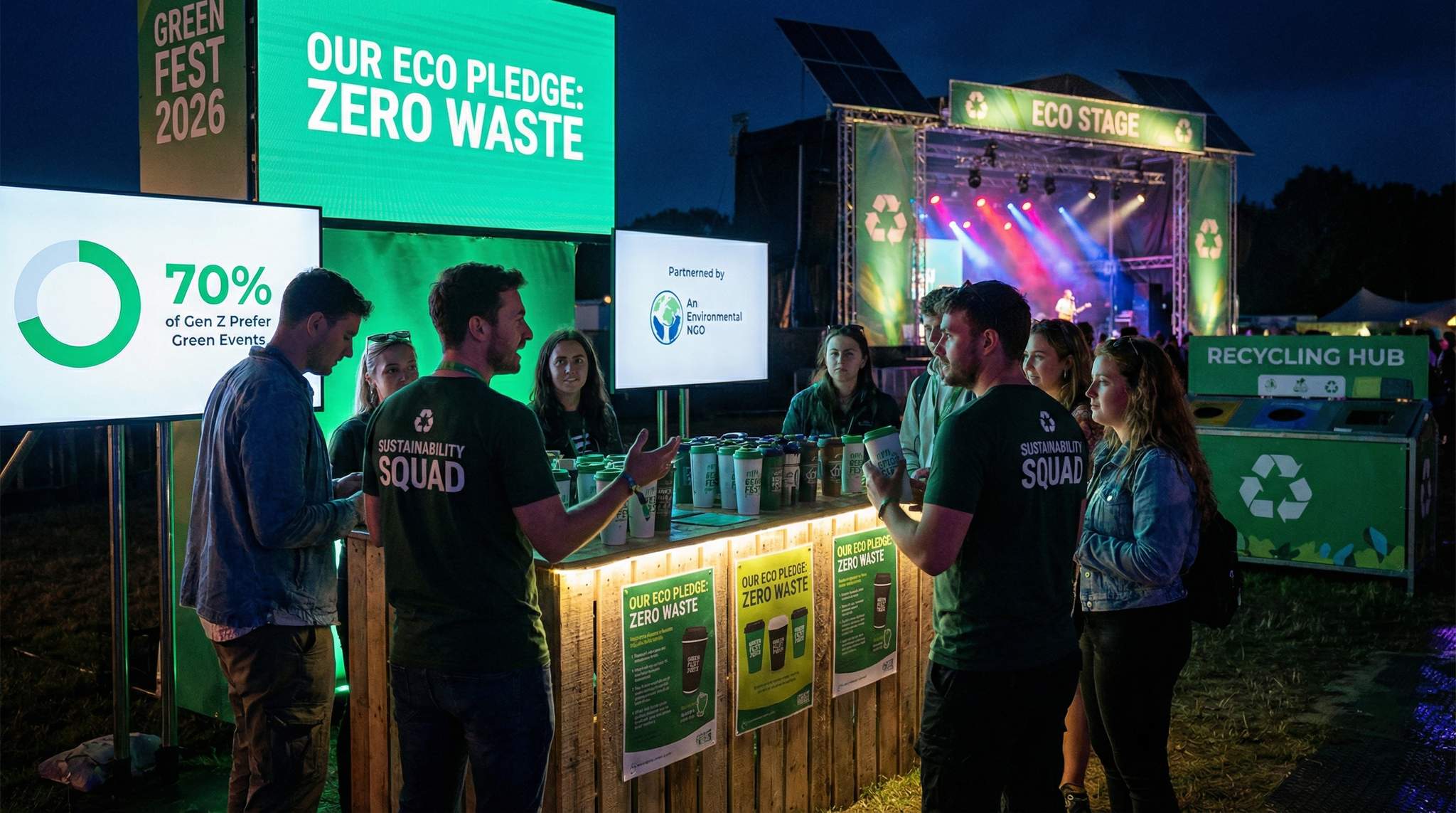
The demand for sustainable, values-driven events has never been higher. Studies show that younger audiences prioritize eco-friendly experiences when choosing where to spend their money. In fact, a 2025 study found that over 70% of Gen Z and 65% of Millennials are willing to pay more for events that prioritize sustainability, and more than half would choose one festival over another specifically because of its green efforts. This represents a massive shift – sustainability isn’t just good ethics, it’s smart marketing. Event promoters who embrace environmental practices gain a clear competitive edge. One of the key event marketing trends for 2026 is exactly this: incorporating sustainability messaging as a core part of campaign strategy to ensure your festival delivers value. In a crowded events marketplace, highlighting your eco-credentials can set your event apart and magnetize a fast-growing segment of eco-conscious fans.
A New Generation of Values-Driven Fans
Today’s ticket buyers – especially Gen Z and young Millennials – have grown up amidst climate activism and socially conscious movements. They care deeply about issues like climate change, plastic waste, and conservation. These values directly influence their entertainment choices. Experienced event marketers know that tapping into these beliefs can create incredibly loyal audiences. For example, many festival attendees now actively seek out events known for sustainable practices (like zero-waste policies or carbon-neutral operations) and will even travel farther or spend more to support them. According to industry surveys in Europe, 88% of event organizers believe incorporating sustainability boosts the attendee experience – which reflects what fans themselves feel. An event that “does good” makes attendees feel good about being there, increasing their emotional connection and likelihood to spread positive word-of-mouth.
Global Momentum for Green Events
This isn’t just a Western trend – it’s global. Across the US, UK, Europe, Asia and beyond, festivals and venues are adopting green initiatives because audiences are demanding it. Major festivals have made headlines by banning single-use plastics or running on renewable energy, and attendees have responded with enthusiasm and support. Glastonbury Festival in the UK, for instance, stopped selling single-use plastic bottles and provided free water stations; as a result 1.7 million bottles were avoided and the move received widespread media praise, with fans embracing “bring-your-own” bottles. In California, Coachella banned plastic straws and saw its eco-minded policies become part of its brand story. Over 60 independent festivals in the UK pledged to phase out single-use plastic by 2021, a clear sign that sustainability has become a mainstream expectation. Around the world, regulators are also introducing environmental guidelines for events, and attendees are aware of this momentum. In 2026, going green isn’t just a nice idea – it’s increasingly a mandate from audiences and the industry regarding sustainable event technology. The takeaway is clear: events that lead on sustainability are being rewarded with fan loyalty and positive press, while those that lag behind risk looking outdated.
Top Festival Sustainability Trends for 2026
As the industry evolves, staying ahead of the curve requires understanding the specific festival sustainability trends 2026 will bring to the forefront. For music festival organizers and large-scale event producers, the focus is shifting from basic recycling to comprehensive circular economy models. Key music festival sustainability trends include the widespread adoption of grid-tied renewable energy to replace diesel generators, mandatory zero-waste vendor agreements, and the integration of carbon-tracking software directly into ticketing platforms. Promoters are also prioritizing localized supply chains to drastically reduce the emissions associated with stage builds and food and beverage logistics. By adopting these advanced operational frameworks, organizers not only future-proof their events against tightening environmental regulations but also create highly marketable proof points that resonate with eco-conscious ticket buyers.
Turn Fans Into Your Marketing Team
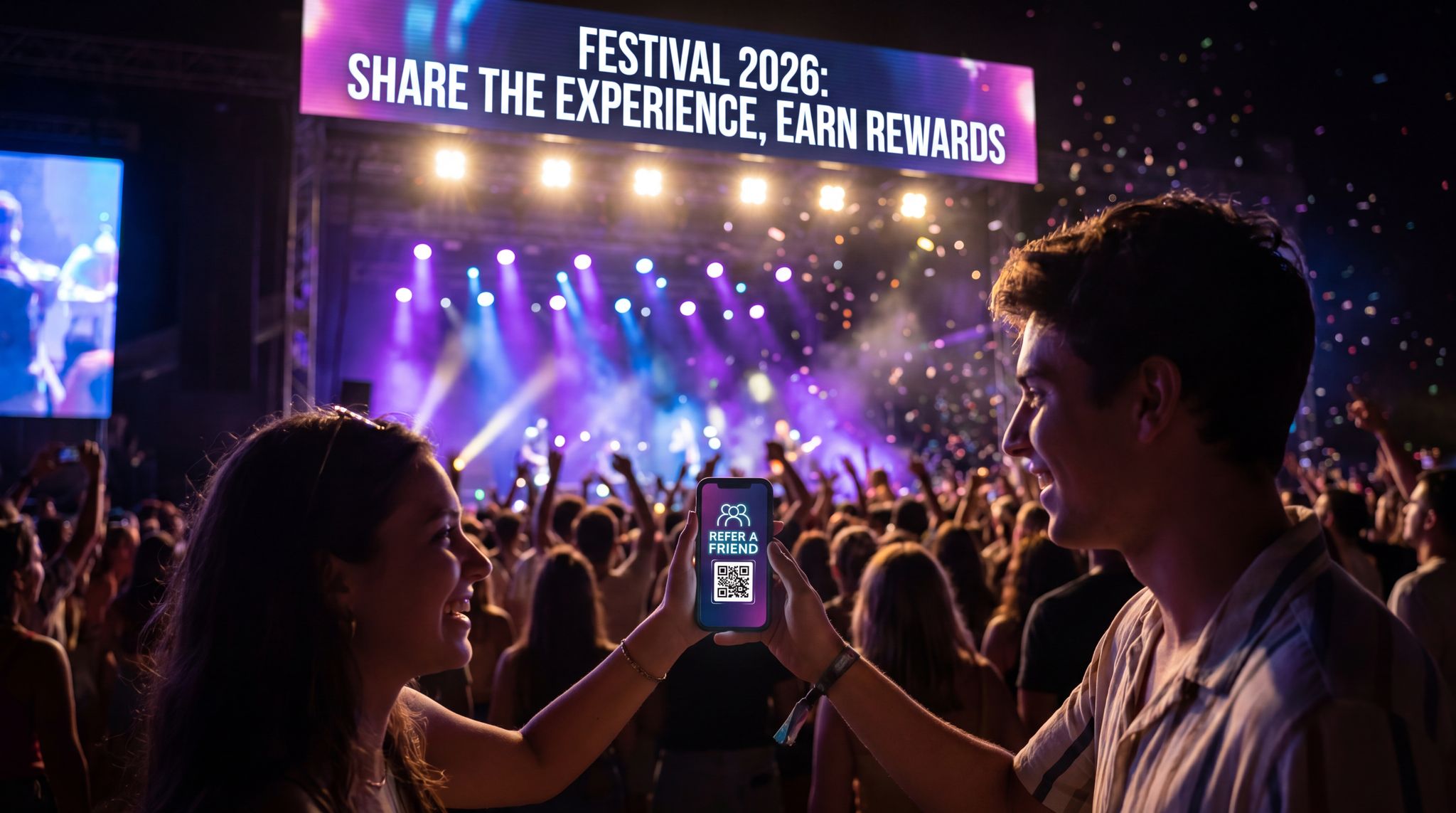
Ticket Fairy's built-in referral rewards system incentivizes attendees to share your event, delivering 15-25% sales boosts and 30x ROI vs paid ads.
Making Sustainability a Core Part of Your Event’s Brand
Defining Your Eco-Mission and Values
To successfully market a green event, sustainability must be more than a token gesture – it should be woven into your event’s brand DNA. Start by defining a clear eco-mission statement for your event or festival. What exactly are you committing to? For example, is your focus on reducing waste, cutting carbon emissions, supporting a local environmental cause, or all of the above? Identify 2-3 core sustainability objectives that align with your event’s identity. Having a defined mission will guide all your communications and give credibility to your marketing. Align your brand values with sustainability efforts from the outset – experienced promoters find that when your environmental goals connect naturally to your event’s theme or ethos, it resonates more authentically. For instance, an outdoor music festival might center its mission on protecting nature and “leaving no trace”, while a tech conference might focus on being carbon-neutral and showcasing green innovation.
Integrating Green Initiatives into Your Story
Once you have clear sustainability goals, integrate them into your brand story and narrative. Every event has a story it tells to fans – make sustainability a prominent chapter in that story. This could mean creating a dedicated section on your event website about your environmental initiatives, sharing the inspiration behind going green, or even giving your event a tagline that reflects its eco-commitment. For example, Shambala Festival in the UK built a reputation as “the UK’s greenest festival” by making bold moves (like going 100% meat-free and renewable-powered) and talking about their journey toward a zero-waste, carbon-neutral event in all their marketing. When fans hear a consistent message – in press releases, on social media, in email newsletters – that your event stands for something bigger (like sustainability), it builds an emotional connection. It’s not just a concert or conference anymore; it’s an experience with purpose. Authentic storytelling around your eco efforts can inspire attendees and give them another reason to get excited about attending. Consider creating content like a short video or blog post that “tells the story” of how your team is preparing a greener event (such as sourcing eco-friendly materials or setting up recycling stations) – this humanizes your efforts and reinforces your brand’s values.
Ready to Sell Tickets?
Create professional event pages with built-in payment processing, marketing tools, and real-time analytics.
Corporate Events: Enhancing the Attendee Experience
For B2B organizers, a frequent consideration is how companies use sustainability to enhance the attendee experience for corporate events. Unlike consumer festivals, corporate summits and industry conferences cater to professionals who increasingly expect their partners to uphold strict ESG (Environmental, Social, and Governance) standards. You can elevate the corporate event experience by offering plant-forward, locally sourced catering menus that feel premium while reducing food miles, or by designing wellness-focused networking lounges built entirely from upcycled materials. When companies market their sustainability efforts at large-scale events, they often spotlight these high-end, eco-conscious touchpoints. This approach proves to stakeholders that environmental responsibility seamlessly aligns with a modern, sophisticated conference environment.
Internal Buy-In and Culture
Remember that a sustainable brand ethos has to be backed up behind the scenes. Internal buy-in is key – when your staff, vendors, and partners understand why you’re championing eco-friendly practices, they become ambassadors for your mission. Make sustainability a core part of your planning process and company culture. This might involve setting up a “green team” on your staff to ensure initiatives are implemented (e.g. a committee focused on waste reduction, energy sourcing, etc.), or including sustainability targets in everyone’s objectives. The benefit from a marketing perspective is that when your whole team believes in the mission, they’ll naturally communicate it in an authentic way during interactions with attendees, sponsors, and media. Consistency is crucial – if your marketing claims your festival is “green and clean,” but attendees on-site see crew members tossing recyclables in the trash or sponsors using excessive plastic, the credibility of your brand can take a hit. By fostering a culture of sustainability internally, you ensure that the experience matches the marketing, which in turn yields positive reviews and word-of-mouth. Seasoned promoters recommend training your frontline staff on your eco-initiatives so they can talk about them knowledgeably – for instance, your ticketing staff or volunteers should be able to explain the recycling system or water refill program to curious attendees. This level of consistency strengthens the overall brand message that your event is truly walking the talk.
Communicating Your Commitment Authentically (Avoiding Greenwashing)
Transparency Builds Trust
Eco-conscious audiences are also highly savvy – they can spot greenwashing from a mile away. Greenwashing refers to making deceptive or exaggerated claims about sustainability that aren’t backed up by real action. In 2026, avoiding this is absolutely critical. The first rule for authentic green marketing is radical transparency. Be honest and forthcoming about what your event is doing – and even what it’s not doing yet. Instead of vague slogans (“this will be the greenest event ever!”), share concrete facts and plans (“we’ve eliminated single-use plastics from all vendor stalls, and will recycle or compost 80% of waste”). Provide real examples of progress: for instance, if you’re introducing solar-powered stages or recycled stage materials, communicate those specifics. Audiences respond well to data-backed claims – you might say “Our goal is to run 50% of the event on renewable energy this year” or “we’ve sourced 75% local, organic food vendors to cut down transport emissions.” By quantifying your initiatives, you not only sound more credible, you also give fans tangible figures to get excited about. And if you have areas where you’re still improving, it’s okay to mention those too. Being open about your journey (e.g. “we’re aiming for 90% waste diversion, up from 70% last year, and here’s how we plan to get there…”) shows authenticity. Fans prefer a sincere work-in-progress over perfunctory green platitudes.
Back Up Marketing with Action
Make sure every green claim can be backed up by visible action or evidence. Nothing will turn eco-minded attendees off faster than discovering an event’s sustainable image is just for show. Avoid what marketing pros call “green sheen” – for example, simply slapping a leaf logo on your poster or using buzzwords like “eco-friendly” without substance. Attendees will look for proof: recycling bins on-site, organic food options, biodegradable confetti, etc. If you tout a “carbon-neutral festival”, be ready to explain how (perhaps you’re investing in verifiable carbon offsets or powering stages with solar panels). One effective tactic is to pursue credible certifications or awards that validate your sustainability efforts. Programs like A Greener Festival Award, ISO 20121 sustainable event certification, or local environmental awards provide third-party endorsement that you’re genuinely meeting certain standards. These certifications can then be proudly mentioned in your marketing (“Awarded the A Greener Festival Outstanding rating for 2025”) to boost trust. Additionally, consider partnering with a respected environmental organization as an advisor or beneficiary – their involvement can lend credibility (we’ll discuss partnerships more later). The bottom line: substance over spin. Every promise in your marketing materials should correspond to something attendees will experience or an outcome you can report. Not only does this authenticity prevent backlash, it actively builds trust and goodwill that translates into stronger loyalty and positive PR.
Smart Promo Codes & Presale Access
Create percentage or flat-rate discount codes with usage limits, date ranges, and ticket type restrictions. Plus unlock codes for private presales.
Honest Messaging and Tone
When promoting your green initiatives, maintain an honest and inclusive tone. Avoid coming off as holier-than-thou or guilt-tripping your audience – you want to inspire attendees, not lecture them. Frame sustainability in terms of collective action and benefits. For example, instead of saying “Attendees must do X or else it hurts the environment,” use messaging like “Join us in this effort – together we can reduce waste and make a positive impact while having an amazing time.” This kind of invitational language brings fans on board as partners in your mission. Also, be careful with superlatives. Don’t claim your event is “100% sustainable” or “the greenest ever” unless it’s objectively true (which is unlikely and okay!). Overpromising can backfire – experienced marketers have seen cases where events bragged about being completely green, only to be criticized by attendees on social media when any imperfection was spotted. It’s far better to use phrasing like “sustainability is at the heart of our event” and then list specific initiatives, or “we’re on a journey toward becoming a zero-waste festival, here’s our progress so far.” Fans appreciate humility and acknowledgment of areas for improvement. In fact, admitting challenges can enhance credibility: “Last year we fell short of our recycling goal, but this year we’ve invested in better sorting stations to do better.” By openly discussing efforts and setbacks, you show that your commitment is sincere and not just marketing fluff, which is crucial when building a sustainable festival brand. This honesty encourages fans and media to root for your success, rather than scrutinize for faults.
Avoiding Common Greenwashing Pitfalls
It’s useful to know some common greenwashing pitfalls so you can steer clear of them in your campaigns. One is the use of vague terms without clarification – words like “eco-friendly”, “green”, or “sustainable” mean little on their own. Always explain why something is eco-friendly (e.g. “our merchandise t-shirts are made from 100% organic cotton and recycled polyester”). Another pitfall is highlighting a minor green effort while ignoring bigger impacts – for example, boasting about using recycled paper tickets (a small win) while ignoring that your event’s diesel generators spew tons of CO2 (a major impact). By all means promote the small wins, but address the big ones too. Also, avoid misleading imagery – don’t use green-colored branding or nature images to imply sustainability if your practices don’t back it up. Everything in your marketing should align with truth. Remember that regulators are watching as well; many countries have advertising standards for environmental claims (for instance, the FTC Green Guides in the US or ASA rules in the UK) and violating truth-in-advertising can lead to penalties. But beyond legalities, the court of public opinion is what matters for ticket sales. Trust is hard to earn and easy to lose, and greenwashing erodes consumer and stakeholder trust, so guard it carefully. A genuine, humble approach will win far more fans in the long run than any exaggerated claim. As you craft your green messages, a good test is: would a skeptical attendee find this believable and see it backed up in person? If yes, you’re on the right track.
Grow Your Events
Leverage referral marketing, social sharing incentives, and audience insights to sell more tickets.
Environmental Campaign Messaging Best Practices for 2026
To effectively translate your operational efforts into ticket sales, promoters must adopt the latest environmental campaign messaging best practices for 2026. The most successful marketing strategies now rely on “show, don’t tell” frameworks. Instead of relying on broad claims about being eco-friendly, leading event marketers are publishing interactive sustainability reports, sharing real-time carbon offset dashboards, and utilizing user-generated content to validate their green initiatives. Another critical best practice is segmenting your messaging: tailor highly detailed, data-rich communications for your most passionate eco-advocates, while keeping top-of-funnel ad copy focused on the overarching positive community impact. By grounding your promotional campaigns in verifiable data and community-centric storytelling, you build an impenetrable layer of brand trust that drives long-term attendee loyalty.
Social Media & Content: Showcasing Your Green Initiatives
Storytelling on Social Platforms
Social media is one of your most powerful tools for spreading the word about your sustainability efforts. Go beyond static announcements – use storytelling to bring your green initiatives to life. For example, create behind-the-scenes content that shows your team in action: setting up compost bins, installing solar lights, sourcing local materials, etc. A short Instagram Story or TikTok video of staff assembling a stage from reclaimed wood can be both entertaining and informative. You could film a quick interview with your sustainability coordinator about the cool eco-friendly tech being used at the event (like portable solar panels or energy-efficient LED lights). These kinds of authentic, boots-on-the-ground stories give fans insight into your values in practice. They also provide shareable moments that fans might repost, amplifying your reach. Short-form videos and Reels are especially effective – for instance, a 30-second time-lapse of volunteers cleaning up a beach or park during a pre-event community clean-up can inspire and excite attendees about the positive impact of your event. When sharing such content, use engaging captions that highlight the narrative (e.g., “Our crew spent the weekend planting 500 trees at the festival site – all part of our mission to give back to the local environment!”). By consistently weaving sustainability into your social storytelling, you reinforce that it’s a core part of your event experience. This not only attracts eco-conscious followers, but also educates and possibly converts more casual fans who might not have considered the environmental angle before.
Visualizing Impact with Infographics
They say a picture is worth a thousand words – and when it comes to sustainability, a data-driven infographic can be worth a thousand tickets. Eco-conscious fans love to see the impact of their involvement quantified. Consider creating simple infographics or visual posts that showcase key metrics and goals for your event’s green initiatives. For example, you might design a graphic showing “Projected Environmental Impact of Festival 2026” with stats like “XX kg of waste to be recycled”, “XX tons CO2 offset”, “XX% energy from renewables” and so on. If your event has past data, share those results: “Last year you helped us recycle 5 tons of waste – this year our goal is 8 tons!” Share the results post-event as well: posting a wrap-up graphic with “What We Achieved Together – 85% waste diverted from landfill, 1200 meals donated, 10,000 plastic bottles saved” gives attendees a sense of pride and helps build a sustainable festival brand that can educate and impress your audience. These facts often generate great engagement – people will like, comment, and repost when they see tangible outcomes. It makes them feel that by attending, they were part of something meaningful. Additionally, such content is highly shareable for media; local news or industry blogs might pick up impressive stats you publish (free PR!). Make sure the design is clean and on-brand – maybe incorporate your event’s colors/logo along with universally understood icons (recycle symbol, green leaves, globe, etc.) so it’s instantly recognizable and attractive in feeds. Charting your progress visually not only keeps fans informed, it also holds your event accountable in a very public way – which further boosts trust that you take your commitments seriously.
Driving Engagement and Conversation
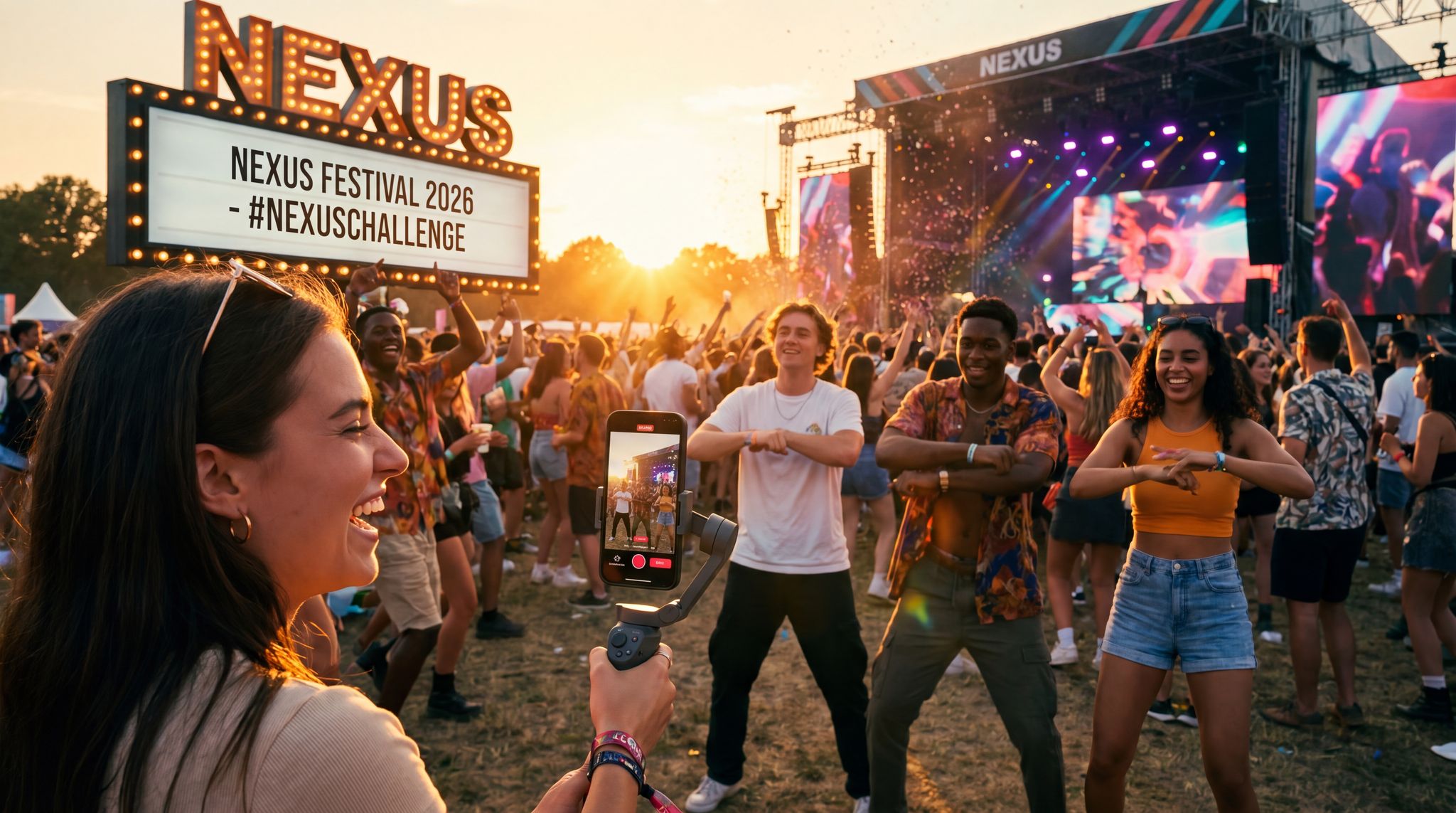
Social media shouldn’t be a one-way broadcast. Use it to engage attendees in your sustainability mission. Encourage user-generated content and discussions around your eco-initiatives. You could start a hashtag challenge – for example, #EcoReadyFor[EventName], asking attendees to post how they’re preparing to attend sustainably (like packing a reusable water bottle or biking to the venue). Offer to repost the most creative entries, or even run a contest where submissions can win merch or upgrades (this not only spreads the word, but also gives you a library of authentic fan content to share). Another idea: host a live Q&A session on Instagram or Twitter focused on sustainability at your event. Invite your environmental partners or operations manager to answer fan questions about what you’re doing to be green. Fans might ask questions like “Are you doing anything about plastic cups?” or “How can I offset my travel to the festival?” – and you’ll have a chance to highlight your efforts (e.g. “Yes, we have a reusable cup system and water refill stations – bring your favorite bottle!”). Engaging in these conversations shows that you take attendee input seriously, which strengthens community loyalty. It can also surface great ideas; many events have implemented fan suggestions like composting options or vegetarian food vendors. By making fans feel involved in the sustainability journey, you turn them into advocates. They’ll be more likely to champion your event to friends, share your posts, and generate positive buzz. As a bonus, social platform algorithms tend to reward content that gets high engagement (comments, shares), meaning your message about going green will reach even more people organically.
Grow Your Social Following With Every Sale
Require social media follows, shares, or playlist adds to unlock presale access or special pricing. Turn every ticket purchase into audience growth.
Influencers and Ambassadors Amplifying Your Message
Leverage the reach of influencers and passionate community members to amplify your green marketing. Seek out influencers or artists who are aligned with environmental causes to collaborate with. This could range from local eco-bloggers and Instagram activists to globally known musicians who are vocal about sustainability. For example, if a popular DJ playing at your festival is known for advocating climate action, work with them to create content – perhaps a short video of them talking about why they’re excited to play a “waste-free festival” or them participating in one of your green initiatives. These authentic endorsements can carry a lot of weight with fans. Micro-influencers (like a popular yoga instructor or vegan foodie in your city) can also be great allies; their smaller but dedicated followings often trust their recommendations deeply. Invite a few of these influencers to be “green ambassadors” for your event: maybe they get a behind-the-scenes tour of your sustainability setups and then share that experience on their channels. Ensure any partnership is authentic and not overly scripted – let their genuine enthusiasm shine through, even if it means the message is a bit informal. The key is that they communicate the “why” – why your event’s eco-focus matters. Influencer marketing for events is most effective when the partnerships feel natural, which is vital when deciding your festival’s future. A word of caution: vet your influencers – they should ideally practice what they preach (e.g., someone who promotes sustainability in their own content), otherwise fans might call out any perceived hypocrisy. When done right, having respected voices in the community champion your event’s green efforts significantly extends your reach and builds trust with audiences who value those voices. It’s like getting a stamp of approval from a friend.
Paid Advertising with a Green Message
Crafting Ad Copy that Showcases Sustainability
Paid advertising – whether on Meta (Facebook/Instagram), Google, TikTok, or other platforms – can also benefit from highlighting your event’s sustainability angle. The key is to incorporate eco-friendly selling points into your ad copy and creatives in a genuine, attention-grabbing way. Rather than a generic “Don’t miss this event!” approach, try leading with a value-driven hook. For example: “Join us for an unforgettable (and carbon-neutral) festival experience” or “Party with a purpose – our concert is going 100% plastic-free!”. These kinds of headlines not only pique interest but also differentiate your event from others at first glance. In the body text, mention 1-2 of your most compelling green initiatives: “Featuring solar-powered stages, free water refill stations, and a tree planted for every ticket sold.” Keep the tone positive and inspiring, focusing on the experience (e.g., “dance the night away guilt-free” or “be part of our green revolution in live events”). Be careful not to make the ad sound like an environmental lecture – it still needs to sell the fun and excitement of the event, with sustainability as a bonus benefit. Visually, you might include imagery that subtly reinforces the eco theme: shots of a joyful crowd in a natural setting, or graphics with green color accents and nature motifs (without overdoing cliché images of Earth unless directly relevant). Many events create a special green version of their logo or poster that they use in such ads (e.g., a festival logo with a leaf or globe incorporated) to signal the theme at a glance.
Targeting the Eco-Conscious Audience
One of the advantages of digital advertising is the ability to target niche interests. Take advantage of this by aiming your ads at users who are likely to care about sustainability. On platforms like Facebook and Instagram, you can target interests such as “environmentalism,” “sustainability,” “climate change,” “vegan/vegetarian lifestyle,” and so on – which often correlate with people who would value a green event. Likewise, you might target fans of certain eco-minded public figures or organizations (for example, followers of Greenpeace or Greta Thunberg’s page might be prime candidates). This ensures your ads reach an audience more likely to click when they see a message about an eco-friendly event. Additionally, consider geo-targeting regions or cities known to have strong green cultures (for instance, cities that passed plastic bans or have high recycling rates). If you have data from your ticketing platform or past campaigns, you could even create Custom Audiences of previous attendees or website visitors and then layer on filters for eco-engagement (e.g. people who clicked on your sustainability blog content). Another clever tactic is using lookalike audiences based on your known eco-conscious segment – if you have an email list of attendees who gave positive feedback about your event’s green efforts, upload that and let the ad platform find similar users. On search ads (Google), you can bid on keywords that combine event-type + sustainability (e.g. “sustainable music festival” or “eco-friendly conference”). These may be lower-volume keywords, but they can deliver very high-intent traffic. The overarching idea is to align your message with the right people. A well-targeted, sustainability-focused ad can achieve a higher relevance score and click-through rate than a generic one, because it strongly resonates with the values of the viewer. This aligns with ensuring your 2026 festival delivers value by being socially responsible. In short, let the algorithms know who your ideal eco-conscious attendee is, and your budget will work more efficiently by finding those true fans.
A/B Testing Your Green Messaging
As with any marketing, testing is crucial. You may be confident that emphasizing sustainability will boost response – but it’s wise to A/B test different ad messages to see what actually performs. Try running one ad variant that highlights your lineup or main draw, and another that highlights the sustainability angle, to compare the results. For example, Ad A could lead with the headliner band and mention eco-initiatives in a secondary line, while Ad B leads with the eco-friendly angle in the headline. Monitor metrics like click-through rate (CTR) and conversion rate (ticket purchases or sign-ups) for each variant. You might discover insights such as: the green-focused ad gets a slightly lower CTR from the general audience, but a much higher conversion rate among those who click (because it pre-selects interested folks). Or perhaps certain wording works better – maybe “carbon-neutral festival” outperforms “sustainable festival” or vice versa. One real-world example: a mid-sized EDM festival tested ads with the phrase “party with a purpose – go green with us!” against their standard “biggest party of the year” copy. The “green purpose” ad saw a 15% higher CTR among 18–34 year-olds and a notable uptick in shares, as people tagged friends saying “this is cool!” Meanwhile, the standard ad still appealed more to those less concerned about the eco angle. The lesson is to segment and tailor your approach. Use ad platform analytics and Facebook Ad Manager’s breakdowns to see how different demographics respond. If you find that environmentally themed ads perform best with a certain group (say, college-educated urbanites or Gen Z females), you can allocate more budget and creative effort toward that segment. Continual testing and optimization – hallmarks of any advanced Facebook/Instagram ad strategy – will help you fine-tune the balance of promoting your event’s excitement and its ethics in the most compelling way.
Highlighting Value: “Feel-Good” ROI for Attendees
In your advertising and promotions, subtly remind potential attendees that buying a ticket to your event is not just about personal enjoyment, but also about supporting a good cause or positive movement. This can be a powerful motivator. Phrases like “Your ticket helps build a greener future” or “Party responsibly – support eco-conscious events” can instill a sense of purpose in the purchase. Many fans will justify spending money on an experience if they believe it aligns with their values. Experienced promoters attest that highlighting sustainability can boost the perceived value of a ticket – attendees feel they’re getting more than just a good time, ensuring your festival delivers value. Use this to your advantage especially if you have higher ticket prices to cover eco measures. For instance, if you needed to add $2 per ticket to pay for carbon offsets or sustainable materials, explicitly communicate that: “(Event) is investing in sustainability (solar power, waste-free systems, etc.). A small portion of each ticket goes directly to these planet-saving efforts, making your experience guilt-free.” This framing helps attendees feel they are part of the solution by attending, rather than contributing to a problem. According to industry research, many fans – particularly Gen Z – are willing to pay a bit more knowing an event is environmentally responsible. The key is to make the value proposition clear: by choosing your event, they’re voting with their wallet for sustainability, and will get an experience aligned with their ethics. This can increase conversion rates and even encourage attendees to spread the word (“I’m going to X festival because they actually care about the environment”). Just ensure when the attendee shows up, they see those initiatives in action; the promise and the delivery must match to keep that feel-good factor alive.
Partnerships & Collaborations for a Sustainable Image
Partnering with Environmental Organizations
One highly effective way to bolster your event’s green credibility and reach new eco-conscious audiences is through strategic partnerships with environmental organizations or nonprofits. Identify groups that align with your mission – these could be local chapters of well-known organizations (like Surfrider Foundation if your event is beachside, or a rainforest conservation charity if you’re focusing on carbon offsets) or smaller grassroots orgs in your community. By collaborating with them, you send a strong signal that your commitment is genuine. There are various forms this can take. For example, you might pledge to donate a portion of ticket revenue to the partner NGO (e.g., “$1 from each ticket supports ocean cleanup efforts”). The NGO in turn may promote your event to their supporter base, which extends your marketing reach to a highly relevant audience. Another approach is to give the organization a presence at your event – perhaps a booth or activation where they can engage with attendees. We’ve seen festivals host a “Eco-Village” or non-profit corner where groups like Greenpeace, WWF, or local sustainability startups showcase their work. This becomes a feature of the event that you can promote: “Visit our Eco-Village to meet inspiring organizations and learn how you can help the planet.” It adds content to your event and demonstrates that you walk the talk by providing educational opportunities. Co-branding opportunities can also arise: maybe you co-host a beach cleanup day with a local environmental group as a pre-event promotion (fans who participate could earn a discount code or merch for the upcoming event). Such partnerships generate positive PR and community goodwill – local media are often keen to cover feel-good stories like an event teaming up with volunteers to plant trees or clean streets. Just be sure to choose partners carefully: their values and reputation will reflect on yours. A genuine, active organization that engages youth or local volunteers can lend your event both authenticity and a direct channel to passionate eco-warriors who might turn into ticket buyers.
Data-Driven Event Marketing
Track ticket sales, demographics, marketing ROI, and social reach in real time. Exportable reports give you the insights to make smarter decisions.
Aligning with Eco-Conscious Sponsors
Sponsors are a crucial part of event marketing, and in 2026 many brands are also keen to show their sustainability credentials. Use this trend to craft sponsorships that reinforce your green message. First, seek out sponsors whose products or values align with sustainability. This might include companies that make environmentally friendly products (e.g. an electric vehicle company, a plant-based food brand, a reusable bottle manufacturer) or brands that have strong corporate social responsibility (CSR) programs. When a sponsor’s image fits your eco-theme, any co-marketing you do together will feel coherent and convincing. For instance, if a solar energy company sponsors your event and provides portable solar stations for attendees to charge their phones, you can promote that partnership as a perk (“Recharge at the SolarZone courtesy of SolarCo – 100% clean energy for your devices!”). It’s both a marketing point and a practical service. Another example: a sustainable fashion brand might sponsor your staff uniforms or merch made of organic/recycled materials, and you can highlight “See our eco-cool merch collab with EcoBrand – available at the merch stand, made with low-impact dyes and zero plastic packaging!” These integrations show that not only are you trying to be sustainable, but you’re also leveraging the resources of sponsors to do even more. It creates a unified narrative that everyone involved in the event is pushing towards the same green goals. Also, don’t underestimate the sponsor’s own marketing clout: when you secure a partner who’s proud to associate with a sustainable event, they will amplify the message too. Many companies will feature the sponsorship in their press releases, on their social media, or even in ads (e.g. “Proud partner of XYZ Festival – working together to go carbon-neutral”). This brings your event to new audiences. Importantly, make sure to deliver on promises to sponsors by creating meaningful activations that deliver ROI and sustainability value – for example, a water filtration sponsor could host a free water bar, reducing plastic bottle use (tangible impact) while getting brand exposure. Such memorable, values-aligned activations ensure sponsors get the value they seek and want to return, as well as enhancing the attendee experience in line with your sustainability theme.
Engaging Local Communities and Officials
Community relations are another facet of green event marketing that can yield strong benefits. Large events especially can cause concern among local residents and officials about environmental impact (noise, litter, traffic, etc.). By proactively working with the community on sustainability, you not only create goodwill (which can ease permits and approvals) but also generate positive stories to tell. Engage local community groups – perhaps a neighborhood association or city council environmental committee – early in your planning. Let them know you want to be a model event when it comes to eco-friendly practices. You might invite community representatives to advise on issues like minimizing noise or waste that affect local life. Taking their input and publicizing that collaboration shows you care about being a good neighbor. Additionally, consider hosting or participating in a community environmental project as part of your event build-up. Something as simple as a public park cleanup, tree planting day, or school recycling drive – done in partnership with city officials or community volunteers – can earn you significant local media coverage (e.g., a headline like “Festival Organizers Join Residents to Plant 100 Trees Ahead of Concert”). Local press loves these tie-ins, and it casts your event as a positive force in the area rather than just a commercial venture. It also appeals to potential attendees in the region who value community engagement. Another idea is to offer local residents perks for supporting your sustainability efforts: for example, free entry (or a discount) to a residents-only sustainability workshop during the event, or free tickets raffled to those who participated in eco initiatives. When community stakeholders feel involved and see direct benefits, they often become champions of the event, helping promote it by word-of-mouth. Moreover, local government or tourism boards might then cite your event as an example of responsible event management, further boosting your reputation. In summary, turning community members and officials into partners in your sustainability game plan not only mitigates risk but becomes a valuable part of your marketing narrative – demonstrating that your event is rooted in caring for its environment and community.
Influencers, Artists, and Speakers as Sustainability Champions
We touched on digital influencers earlier, but your on-stage talent can also play a big role in marketing your event’s values. Many artists, speakers, or performers are passionate about causes – if any on your lineup are known to be environmentally conscious, collaborate with them to be sustainability champions. For instance, perhaps one of your headline artists has spoken about climate change or supports eco-charities. You could ask them (well in advance, via their management) if they’d be willing to make a brief statement during the event about the sustainability initiative (“I love that this festival is doing X, Y, Z – let’s all do our part here and keep it green!”). Even a 30-second shout-out from the stage can leave an impression on the crowd and reinforce your message in a very authentic way. Some festivals have gone further, integrating environmental themes into artists’ performances or stage designs – e.g., visuals about nature, or dancers in recycled costumes – but that depends on the nature of your event and artist buy-in. Another angle is inviting guest speakers or workshops focused on sustainability as part of your event programming. A music festival might have a daytime workshop on permaculture or a talk by an environmental activist on site; a conference could have a panel on sustainable innovation in the industry. By featuring this content, you create additional marketing material (“Special Guest Panel: The Future of Green Tech, included with your conference pass”) that can attract attendees interested in those topics. It shows that your event isn’t just entertainment – it’s contributing knowledge and fostering dialogue on important issues. When promoting these elements, highlight the personalities involved: “Don’t miss our sunset talk with [Local Climate Activist] on how festivals can fight climate change!” Fans who admire those individuals will take notice. Overall, using respected voices – whether musical, entrepreneurial, or academic – to champion your sustainability efforts can lend credibility and create buzz. It signals that the movers and shakers in the scene support what your event is doing, nudging fans to support it too.
Engaging Attendees in Your Sustainability Mission
Pre-Event Education and Excitement
Your sustainability marketing shouldn’t start when people arrive at the gate – it begins long before, in your communications leading up to the event. Educate and excite attendees in advance about how they can participate in your eco-friendly mission. This can be done through pre-event emails, blog posts, and social media. For example, send out a “Green Attendee Guide” email to ticket-holders a week or two before the show. In it, outline what you’re doing (so they appreciate the efforts) and what they can do to help. Include practical tips: “Bring a refillable water bottle (no single-use plastics on site), use the free shuttle or bike parking instead of driving (to cut carbon emissions), pack a pair of eco-friendly glitter or biodegradable facepaint if you’re dressing up,” etc. Tone is important – keep it friendly and encouraging: “Together we can make this the most sustainable [Event Name] ever! Here are a few easy ways to join in…”. You can also tease the cool green features they’ll find: “We’ll have water refill stations courtesy of XYZ – find them on the event map – and a Recycling Redemption tent where you can swap a bag of recyclables for a merch discount.” This gets people anticipating these elements as part of the fun. Some events even create checklists or challenges (e.g., “complete at least 3 of these 5 eco-actions during the event”) that they share beforehand to gamify the experience. By setting expectations early, attendees will come mentally prepared – for instance, if they know single-use plastics are banned, they’ll pack accordingly, which ensures your initiative’s success. Pre-event content that highlights sustainability also serves as marketing materials in their own right: a blog post about “10 Ways We’re Making This Event Green” can be shared around, potentially attracting last-minute ticket buyers who are impressed by your efforts. It’s also a great piece for local media or bloggers to reference if they write about your event’s uniqueness.
On-Site Eco-Friendly Experiences
When the event is live, it’s time to deliver on all those promises and further engage attendees on-site. The goal is to make sustainable behavior a seamless (and even enjoyable) part of the event experience. Design interactive, eco-friendly experiences that attendees will remember and talk about. For example, implement a deposit-refund system for cups and bottles: attendees pay a small deposit for a reusable cup and get it back when they return the cup – this dramatically cuts down litter and gets attendees directly involved in waste reduction. Many European festivals do this and you’ll hear attendees proudly clinking their reusable cups – it becomes a bit of a badge of honor. You can take it up a notch by creating a fun “Recycling Rewards” program: if someone brings a full bag of recyclables to the recycling center, they get a token or voucher for a discount on merch or a chance to win VIP upgrades. Shambala Festival did something similar with a recycling deposit scheme and saw extremely high fan participation in clean-up efforts, helping in building a sustainable festival brand. The key is to make it engaging – perhaps have staff or volunteers at eco-stations cheer and celebrate attendees who are helping out. Another idea: set up a “Sustainability Trail” or scavenger hunt around the venue. Attendees could pick up a special card and collect stamps by visiting different green features (solar-powered stage, water station, NGO booth, etc.), and if they complete it, they earn a prize (even a simple one like a commemorative pin or social media shoutout). This encourages them to explore all the sustainable elements you’ve set up, turning learning into a game. You can bet they’ll snap photos at each stop (“here I am riding the energy-generating bicycle charger!”) and share them, which amplifies your marketing. Importantly, ensure that practical amenities are fully functional: adequate water refill points with clear signage, clearly marked recycling/compost bins with staff guiding proper use, shuttle schedules posted, and so on. If you make it easy for attendees to do the right thing and add a layer of fun or reward, they’ll embrace your sustainability initiatives gladly. The result? A cleaner event, engaged attendees, and tons of organic social media posts showing off how green your event is.
Incentivizing Eco-Friendly Choices
Never underestimate the power of incentives to nudge attendee behavior. Consider offering green incentives that both encourage sustainable choices and serve as marketing talking points. For example, reward attendees who take public transport or carpool to the event – perhaps “show your train ticket or carpool receipt at the info booth to get a free merch sticker or a drink coupon.” Some events partner with rideshare or transit companies to provide discount codes for public transport or shuttles for ticket holders, emphasizing it in promotions (“All ticket holders get 50% off the festival train – save money and the planet!”). If you have the ability through your ticketing platform, you could even implement a small discount on ticket price for those who opt-in to a “green pledge” (like agreeing to bike or take transit, offset travel, etc.) – when framing this in marketing, it shows you’re willing to put your money where your mouth is. Inside the event, use your announcements and display screens (if you have them) to reinforce incentives: “Recycle your waste and you might get ‘caught green-handed’ – our roaming Green Team is randomly handing out drink vouchers to people doing the right thing!” This kind of surprise-and-delight tactic gets people talking (“I saw someone get free swag for using the correct bin – how cool!”). For multi-day events, you can encourage sustained engagement by updating fans on progress: “By Day 2, we’ve composted 2,000 kg of food waste – if we hit 5,000 kg by end of festival, we’ll unlock a special encore performance!” (If appropriate with your artists.) That creates a shared goal and sense of community accomplishment. The idea is to make sustainable actions not just the right choice, but the fun and rewarding choice. When attendees feel their good behavior is recognized (even just with a thank-you or shoutout), it reinforces a positive feedback loop. In turn, you reduce your environmental impact and create more compelling content and stories to share during and after the event, showing how engaged your audience was in the mission.
Built-In Email Marketing for Events
Send targeted campaigns, automated purchase confirmations, and post-event follow-ups directly from your ticketing dashboard.
Scaling Zero-Waste Initiatives for Large Conventions
When managing massive trade shows or expos, promoters must carefully plan how attendees participate in zero-waste initiatives at large conventions without causing logistical bottlenecks. The secret lies in frictionless, intuitive design. At these massive gatherings, organizers successfully drive participation by replacing traditional trash bins with highly visible, color-coded resource recovery stations, often staffed by “green ambassadors” who assist delegates with proper sorting. Furthermore, transitioning to digital-first ticketing, app-based schedules, and smart RFID badges eliminates thousands of pounds of printed waste. By gamifying these sustainable actions—such as awarding digital app points for utilizing water refill stations or returning reusable catering containers—you transform passive corporate visitors into active champions of your large-scale environmental goals.
Post-Event Follow-Through and Community Building
The event might be over, but your sustainability marketing shouldn’t stop at tear-down. After the event, leverage the momentum and goodwill you’ve built to further strengthen loyalty and advocacy among attendees. A few days after your event, send a “Thank You for Making a Difference” email or social post. In it, report back on the key achievements: e.g., “Together, we diverted 85% of event waste from landfill, recycled 10,000 bottles, and donated 1,200 meals to charity with leftover food. Thank you for being part of this!” Sharing these results not only gives closure and satisfaction to attendees, it’s also great content for the public and media, helping to share the results post-event and build a positive image of your festival. Attendees may forward that email or share the recap post with pride, effectively becoming ambassadors who tout your event’s values. Additionally, consider showcasing attendee contributions – maybe feature photos of participants who went above and beyond (with permission, or ask them to tag you on social media). For example, if someone dressed in eco-themed costume or helped your team in cleanup, highlight that with a caption like “Our attendees are amazing – shoutout to X for helping make the venue spotless at the end!” This further personalizes the community. Many successful green events also keep the conversation going year-round: you might start a Facebook Group or forum for fans of the event to discuss sustainability tips and memories, or align with a global movement (like Earth Day) to re-engage past attendees (“It’s Earth Day – we’re remembering how awesome you all were at keeping [Event] green last year. Here are 5 tips from our team you can use at home…”). This positions your event brand as an ongoing advocate for the cause, not just a once-a-year party. When the next edition of your event comes around, this community and content groundwork will pay off. You can bet those who were part of the previous sustainability successes will be the first to buy tickets and will eagerly help spread the word about your event, thanks to the sense of shared accomplishment you’ve cultivated, creating funding opportunities for the events. In essence, by treating attendees as partners in a mission and following through on communication, you turn one-time ticket buyers into a loyal green community that grows with each event.
Measuring the ROI of Green Event Marketing
Tracking the Financial Impact of Eco-Friendly Promotion
For seasoned promoters and festival organizers, adopting sustainable practices isn’t just an ethical choice—it must also make financial sense. Measuring the return on investment (ROI) of your green event marketing efforts is essential for justifying eco-budgets to stakeholders. Start by tracking specific conversion metrics tied to your environmental messaging. If you run targeted ad campaigns highlighting your zero-waste initiatives or carbon-neutral status, compare their cost-per-acquisition (CPA) against your standard promotional ads. Often, eco-friendly event promotion yields a higher click-through rate among Gen Z and Millennial demographics, effectively lowering your overall marketing spend. Additionally, monitor the PR value generated by your sustainability efforts. Earned media from local news outlets, industry blogs, and environmental influencers who amplify your green initiatives can offset traditional PR costs, delivering substantial organic reach.
Leveraging Sustainability for Sponsorship Revenue
Another critical component of green event marketing ROI is the ability to unlock new sponsorship tiers. Brands with strict ESG (Environmental, Social, and Governance) mandates are actively seeking sustainable festivals and eco-conscious conferences to partner with. By packaging your environmental initiatives into premium sponsorship assets—such as naming rights for a solar-powered main stage or branding on reusable cup return stations—you can attract higher-paying corporate partners. When evaluating the success of your sustainable event advertising, factor in this increased B2B revenue. Ultimately, a well-executed environmental branding strategy pays for itself by driving both ticket sales and lucrative, values-aligned brand partnerships.
Marketing Sustainability Without Sacrificing Ticket Sales
A common concern among promoters is how to market sustainability without losing ticket sales, especially if eco-friendly operational changes require a slight increase in ticket prices. The key is framing environmental initiatives as premium value-adds rather than restrictive rules or added burdens. If you must raise prices to cover carbon offsets or biodegradable materials, transparently communicate this as an investment in the attendee experience and the event’s legacy. Avoid preachy or guilt-inducing language in your checkout flow; instead, focus on the collective positive impact. By segmenting your audience and ensuring that your core entertainment value (lineup, production, networking) remains the primary focus of top-of-funnel ads, you can introduce green messaging as a powerful secondary hook that drives conversions rather than deterring them.
Real-World Examples: Sustainable Events Winning Fans Over
One of the best ways to understand the marketing power of sustainability is to look at events that have successfully turned eco-initiatives into selling points. Below are several notable examples from around the world, each illustrating how green practices attracted attendees, generated positive press, and created a unique brand identity:
Recover Lost Ticket Sales
Automated abandoned cart emails re-engage potential buyers at the optimal time, recovering lost sales and boosting your conversion rate.
| Event (Location) | Key Sustainability Initiatives | Impact & Marketing Wins |
|---|---|---|
| Glastonbury (UK) | Banned single-use plastic bottles; installed free water refill stations for attendees. Partnered with NGOs for recycling and waste campaigns. | 1.7 million plastic bottles avoided, drastically reducing litter. Move received widespread media praise (Guardian, BBC). Fans embraced “bring-your-own bottle,” boosting Glasto’s image as an industry leader in festival sustainability. |
| Shambala Festival (UK) | “Zero Waste” policy – no disposable plastics; implemented a deposit-return scheme for cups & recycling; 100% renewable energy powered. | Achieved >90% waste diversion (virtually zero waste to landfill) as part of building a sustainable festival brand. Waste per person fell under 0.8kg/day, earning Shambala multiple green awards. Attendees participated enthusiastically in cleanup (the deposit system turned cleanup into a fun challenge), building fan pride and countless positive social media mentions. |
| DGTL Festival (Netherlands) | 100% vegan food vendors; powered by renewable energy from the city grid augmented with onsite solar; extensive recycling and even circular resource use. | Became one of the world’s first fully circular festivals – meaning virtually no waste left after the event. Huge cuts in CO2 emissions were documented and shared. Won an International Greener Festival Award. DGTL’s sustainability leadership attracted eco-conscious artists and sponsors, and has become a major marketing hook in promotions (“Join Europe’s most sustainable electronic music festival”). |
| We Love Green (France) | Strictly vegetarian food menu (no meat sold); 75% of energy from renewable sources; piloted innovative power solutions like solar and hydrogen generators. | Seven-fold reduction in the carbon footprint of food at the festival after going meat-free. Often cited in press as a “pioneer” of festival sustainability in Europe. The unique food experience and visible green tech (solar panels on-site) became a draw for attendees—We Love Green is seen not just as a music fest, but as a statement event for eco-conscious living, which has attracted high-profile partnerships (e.g., luxury group Kering supporting it for its sustainability focus). |
| Lightning in a Bottle (USA) | “Leave No Trace” ethos embedded in festival culture; comprehensive on-site composting and recycling; built stages partially powered by solar installations. | Consistently achieves >80% waste diversion each year and proudly advertises this stat. Won A Greener Festival Award for its efforts. Developed a strong eco-community vibe – attendees actively partake in “MOOP” (Matter Out Of Place) patrols to pick up litter, often sharing their experiences on social media. LIB’s green reputation differentiates it in the crowded US festival market, helping to attract a dedicated fanbase that often sells out the event. |
These cases illustrate how sustainability can boost an event’s profile and success. In many instances above, the events reported increased ticket demand after implementing green initiatives, as eco-conscious fans spread the word to like-minded friends, creating funding opportunities for the events. By marketing their eco-forward policies, these events also garnered extensive media coverage – not just in music press but in general news outlets interested in the environmental angle. That’s essentially free advertising born from good deeds. Additionally, such events tend to attract sponsors that want to be associated with positive environmental efforts, further enhancing funding opportunities for the events, creating new funding and co-promotion opportunities. The takeaway for any event marketer is clear: when done authentically, going green isn’t a cost or burden – it’s a marketing asset that drives fan engagement, loyalty, and broader visibility.
Frequently Asked Questions About Green Event Marketing
How do companies use sustainability to enhance the attendee experience for corporate events?
B2B organizers elevate the corporate event experience by integrating premium, eco-conscious touchpoints. This includes offering plant-forward, locally sourced catering, utilizing digital-first ticketing and smart badges to reduce friction, and designing wellness-focused networking lounges built from upcycled materials. These initiatives demonstrate strong ESG commitments while providing a sophisticated, modern environment for professionals.
How do companies market their sustainability efforts at large-scale events?
Promoters and brands market their green initiatives by weaving them into the core event narrative. At massive trade shows and festivals, this involves radical transparency—sharing concrete data on carbon offsets, waste diversion rates, and renewable energy usage. Organizers also leverage strategic partnerships with environmental NGOs, utilize data-driven infographics on social media, and highlight eco-friendly sponsor activations to build a credible, values-driven brand story.
How do attendees participate in zero-waste initiatives at large conventions?
At large-scale expos and conventions, participation is driven by frictionless design and gamification. Organizers replace traditional trash cans with highly visible, color-coded resource recovery stations staffed by “green ambassadors.” Attendees are encouraged to engage through app-based rewards for using water refill stations, returning reusable catering containers, and opting for digital schedules, transforming passive visitors into active participants in the event’s environmental goals.
What are the leading music festival sustainability trends for 2026?
For 2026, the leading trends in music festival sustainability include transitioning from diesel generators to grid-tied renewable energy, implementing strict circular economy models with zero-waste vendor mandates, and utilizing carbon-tracking software integrated with ticketing platforms. Promoters are also focusing heavily on localized supply chains to reduce logistical emissions, turning these operational upgrades into core marketing assets.
How can promoters market sustainability without losing ticket sales?
To market environmental initiatives without negatively impacting ticket sales, organizers should frame sustainability as a premium enhancement to the event experience rather than a restrictive mandate. Avoid guilt-driven messaging; instead, highlight the collective positive impact. If ticket prices must increase to cover green operations, communicate this transparently as a shared investment in the community. Always ensure that the core value proposition—such as the lineup or networking opportunities—remains the primary focus of your top-of-funnel marketing.