The High Stakes of Backstage Misconduct
One Rogue Staffer Away from Disaster
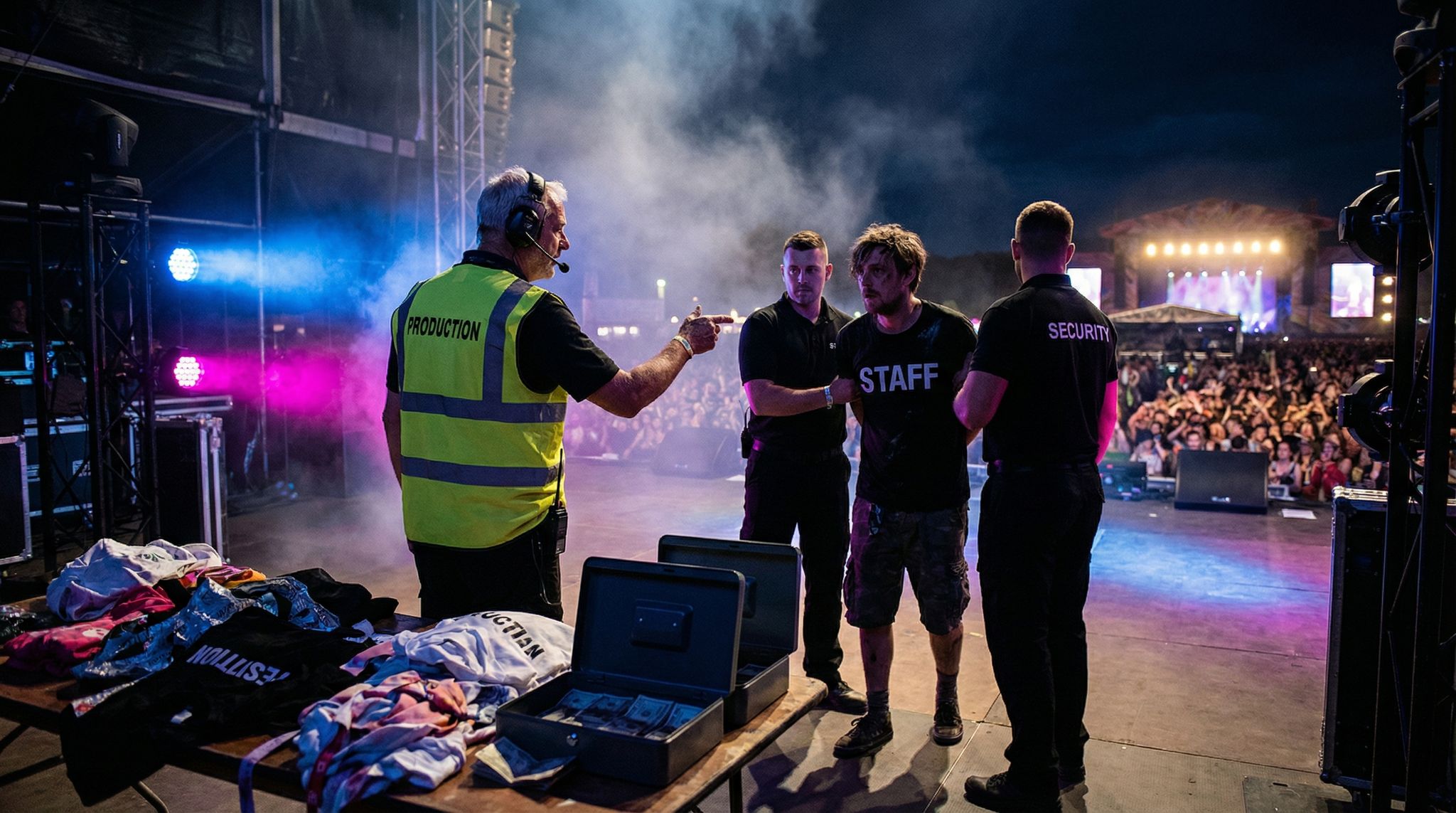
It only takes one crew member’s bad decision to throw an entire festival into chaos. Festivals pour immense effort into attendee management – preventing dangerous attendee behavior at festivals – but internal crew misconduct can be just as damaging behind the scenes. Imagine a volunteer caught stealing cash from the merch tent, or a drunken forklift driver careening behind stage barriers. In the smartphone era, a single backstage incident can go viral within minutes, putting your event’s safety and reputation on the line. Seasoned festival producers have learned the hard way that even one “rogue” staffer can spark a crisis that jeopardizes months of planning and the trust of fans and sponsors.
Real-World Wake-Up Calls
This isn’t just a hypothetical threat – real festivals have faced crew misconduct with serious consequences. At India’s massive Sunburn festival in 2023, five box office employees were caught stealing and reselling tickets – over 600 passes worth ?82 lakh (? $100,000) – before police arrested them. In South Korea, a film festival employee secretly filmed colleagues and was later convicted, while critics blasted the festival’s slow response to such harassment. And consider crew negligence: veteran production managers recall incidents like an intoxicated stage rigger nearly causing a collapse, or an unsanctioned tech “quick fix” knocking out the main stage power mid-show. (In one case, a 40,000-capacity festival plunged into silence when a generator failed – thankfully a prepared manager had a backup plan ready in minutes.) These examples underscore a blunt truth: whether it’s theft, harassment, or unsafe behavior, internal misconduct can derail your festival just as quickly as any headline-grabbing artist scandal.
Insight: High-profile performer incidents tend to grab headlines – for example, when artists go rogue on stage – but behind the curtain, crew misbehavior can quietly incubate disasters. A festival is only as strong as its weakest link, and sometimes that weak link is wearing a staff wristband.
Setting Clear Conduct Expectations Before Day One
Establish a Crew Code of Conduct
The best defense against crew misconduct is prevention through clear expectations. Well before gates open, define a comprehensive Crew Code of Conduct that every staff member and volunteer must agree to. This code should spell out non-negotiable rules: zero tolerance for theft or fraud, no harassment or discrimination of any kind, no intoxication on duty, adherence to safety protocols, and respect for chain of command. Leading festivals bake these rules into staff contracts and volunteer agreements – often mirroring the tone of their attendee codes. The goal is to eliminate any ambiguity about what behavior is acceptable. If you’re drafting your first code of conduct, look at examples from established events and industry groups. For instance, many UK festivals explicitly state that any form of harassment or assault will result in immediate removal, and that crew are representatives of the event whose behavior reflects on the festival’s image, noting how behavior could be interpreted by attendees. By making the standards crystal clear upfront, you reduce the chance of “I didn’t know” excuses later.
To ensure your code isn’t just a document in a drawer, communicate it repeatedly. Cover key points during onboarding sessions, training workshops, and in written handbooks. Require volunteers to attend a briefing where conduct rules are reviewed with real-world examples. Some events even have crew sign an acknowledgment that they understand the consequences (e.g. immediate dismissal) for serious violations. The tone should be professional but positive – emphasize that these rules protect everyone’s safety and create a better festival for the team as well as attendees.
Vet and Train Your Team
Misconduct prevention also starts with hiring and training the right people. Put effort into vetting staff, especially in sensitive roles like cash handling, access control, or artist liaison. Conduct reference checks and seek crew who have a track record of reliability. For volunteer programs, ask returning volunteers to vouch for newcomers or implement background checks for roles involving money or safety-critical tasks. It’s often better to turn away a candidate with red flags than to deal with a backstage thief or a toxic personality on show day.
Planning a Festival?
Ticket Fairy's festival ticketing platform handles multi-day passes, RFID wristbands, and complex festival operations.
Once hired, invest in comprehensive training and orientation. Training isn’t just about job duties – it’s about reinforcing culture and expected behavior. Make it clear who crew report to and how to get help. As one guide on festival team management notes, establishing a clear chain-of-command within your crew is one of the best preventive tools for avoiding chaos. In the middle of a hectic event, crew members must know exactly who to turn to if something goes wrong. When roles and hierarchy are understood, there’s less temptation for individuals to take matters into their own hands inappropriately. Pair new volunteers with veteran crew mentors to instill norms (“this is how we do things safely here”). Scenario-based training can be especially powerful: walk teams through “what if” situations like “What would you do if you saw another crew member pocketing merchandise?” or “How do we respond if a staff member is behaving erratically?”. Some forward-thinking festivals are even adopting VR simulation drills to prepare crew for any scenario, letting staff practice handling emergencies and rule-breaking in a lifelike virtual setting. This builds muscle memory so they react decisively and correctly when real issues arise.
Example Crew Code of Conduct Elements
| Policy & Rule | Purpose and Impact |
|---|---|
| No Theft or Fraudulent Activity | Protects festival assets and revenue. Even one incident of crew theft – like the box office staff selling fake passes at Sunburn – can cost huge sums and break attendee trust. Violations lead to immediate removal and possible legal action. |
| Zero Tolerance for Harassment | Ensures a safe, inclusive workplace for all. Any form of harassment or discrimination (verbal, physical, sexual) is forbidden. Clear policies (widely published to staff) state that offenders will be ejected and reported. This protects crew, artists, and fans alike. |
| Drug & Alcohol Restraint | Prevents impaired judgment that could endanger people. Crew must remain sober on duty – especially those operating vehicles, heavy equipment, or in safety roles. Intoxication at work is grounds for removal to keep everyone safe. |
| Safety Protocol Compliance | Mandates use of required safety gear and adherence to procedures. Ignoring safety rules (e.g. not wearing harnesses, bypassing electrical guidelines) can be life-threatening. Crew are expected to follow all safety training; willful violation is gross misconduct. |
| Respect and Professionalism | Sets expectation for treating attendees, artists, and fellow staff with courtesy. Crew in uniform are representatives of the festival and must behave accordingly. This includes language use, conflict handling, and general helpfulness – even when under stress. |
| Confidentiality & Social Media | Protects the festival’s reputation and privacy. Crew should not share confidential info, complain about internal problems publicly, or post sensitive behind-the-scenes content. For example, staff are advised not to broadcast things going wrong on social media, as it can fuel public panic or bad press. Breaches may result in termination. |
The table above highlights some foundational elements. It’s wise to tailor your code to your event’s specific context (for instance, a family-focused festival might include stricter language on appropriate behavior around children, etc.). The key is to be explicit about rules and consequences. Make sure every crew member knows: if you go rogue, here’s what will happen. This clarity itself can deter would-be misconduct.
Spotting and Addressing Problems Early
Encourage a Speak-Up Culture
Even with great hiring and training, issues can still arise. The difference between a small incident and a festival-threatening debacle often comes down to early detection. Cultivate a culture where crew are encouraged to speak up at the first sign of a problem – whether it’s reporting a teammate’s concerning behavior or admitting their own mistake. Frontline staff are your eyes and ears; empower them to flag issues without fear. Make it clear through training and leadership example that reporting misconduct or safety hazards is a duty, not snitching. For instance, a volunteer who notices a fellow volunteer sneaking merchandise out of the merch booth should know exactly who to inform (e.g. the vendor manager or security supervisor) and trust that management will handle it fairly. Implement multiple channels for reporting: in-person to a supervisor, via radio, or through an anonymous tip line/text if practical. Some festivals even assign crew welfare officers or HR liaisons on-site whom staff can approach with concerns privately.
When considering how large-scale concerts handle anonymous tips, the most effective approach involves a structured, multi-channel triage system. Modern festival operations often deploy dedicated SMS shortcodes or QR codes posted inside crew catering tents and backstage restrooms, linking directly to a secure, third-party whistleblowing form. This ensures that when a staff member witnesses a safety violation or theft, they can report it without fear of their phone number or identity being exposed to their immediate supervisor. Once a tip is received, event control or the designated HR liaison must evaluate the claim’s credibility, cross-reference it with CCTV or radio logs, and dispatch a plainclothes security manager or welfare officer to observe the situation discreetly before taking overt action.
Encouraging reporting goes hand-in-hand with protecting whistleblowers. Ensure that anyone who raises a red flag in good faith is not punished or ostracized. Thank people for alerting you – it’s far better to pause and investigate a rumor of misconduct than to ignore it until it explodes. Veteran organizers know that problems like theft or harassment rarely happen in a vacuum; often, other crew have observed sketchy behavior leading up to it. Maybe multiple staff noticed that a particular runner kept veering off with extra drink tokens, or heard a stagehand making lewd comments. By fostering a climate of openness, you create many opportunities to catch and correct a situation before it escalates or becomes public.
Need Festival Funding?
Get the capital you need to book headliners, secure venues, and scale your festival production.
Early Warning Signs of Trouble
What does “going rogue” look like in its early stages? Crew misconduct often starts with small rule-bending or red-flag behaviors. Experienced production teams learn to watch for these signals:
- Disregard for Protocol: A crew member repeatedly bypasses minor rules (skips safety meetings, neglects radio check-ins, “freelances” fixes without approval). This casual rule-flouting can precede bigger violations.
- Unusual Possessiveness or Presence in Sensitive Areas: Someone hanging around cash boxes, wristband stock, or VIP areas without reason. For example, a volunteer who has no cash-handling role yet loiters near the cash office could be a theft risk.
- Attitude Changes or Conflicts: Sudden aggression, secrecy, or disengagement. A normally reliable staffer who becomes hostile to authority or isolates themselves might be struggling (burnout, substance issues) or violating rules on the side.
- Reports from Peers: Pay attention if multiple crew quietly mention “something’s off” with a colleague. Where there’s smoke, there’s often fire. A pattern of lateness, smelling of alcohol, or inappropriate jokes noted by peers can indicate a looming problem that warrants a closer look.
- Visible Intoxication or Fatigue: Bloodshot eyes, slurred speech, unsteady movement from a crew member on duty is an urgent red flag. Extreme exhaustion can also lead to mistakes that mimic misconduct (like ignoring safety steps), so intervene either way.
Managing unpaid staff requires a slightly different approach. When volunteers go rogue, it often stems from a lack of clear boundaries rather than malicious intent—such as a fan trading their shift for festival access and then abandoning their post to watch a headliner. However, the consequences of an unvetted helper wandering into restricted zones or mishandling assets are just as severe. Knowing exactly what to do when someone goes rogue in a volunteer capacity means having a zero-tolerance policy for credential abuse, ensuring team leads are actively monitoring shift attendance, and being ready to clip a wristband the moment trust is broken.
Train team leads and area managers to monitor their crew for these signs. It can be as simple as doing quick check-ins: Are volunteers at the gates alert and acting professionally? Is the stage crew following the safety checklist, or taking “shortcuts”? The earlier you spot a deviation, the more quietly and smoothly you can deal with it – ideally before any harm is done.
Real-Time Response: Handling Misconduct On-Site
Even with all precautions, you may face that dreaded moment: a crew member has crossed the line on-site. Whether it’s theft, harassment, or dangerous behavior, how you respond in the moment is critical. The guiding principles are act quickly, decisively, and fairly – all while keeping the show running and everyone safe. Here’s a step-by-step game plan used by veteran festival directors and security chiefs when crew misconduct rears its head:
Smooth Entry With Mobile Check-In
Scan tickets and manage entry with our mobile check-in app. Supports photo ID verification, real-time capacity tracking, and multi-gate coordination.
- Ensure Safety First: Immediately neutralize any threat to safety or operations. If the person is engaged in an unsafe act (e.g. an intoxicated crew driving a golf cart or a lighting tech doing something dangerous at height), stop the activity at once. This might mean discretely cutting power to equipment, having security gently but firmly escort the person away from the crowd, or reassigning their task to someone else on the spot. The priority is preventing an incident from causing injury or a serious service outage.
- Involve the Right Authority: Alert the appropriate managerial and security personnel without delay. For a volunteer issue, get the volunteer coordinator and security lead involved. For a paid staff issue, involve their department head and perhaps an HR representative if on-site. Having a clear chain-of-command pays off now – your team should know exactly who needs to be in that loop. Keep radio chatter factual and minimal to avoid gossip; use code words if necessary (“Can Blue Team lead come to the admin office?”) to summon help without broadcasting details to everyone on the network.
- Gather Facts Quickly and Discreetly: Separate the individual in question from their work area to a private location (production office, security tent). If there are witnesses, speak to them individually and calmly. Check any hard evidence available – for example, CCTV footage if theft is suspected, or perform a breathalyzer test if that’s part of your medical protocols for intoxication cases. The goal isn’t a full investigation on the spot, but you do need a basic understanding of what happened (and confirmation if the misconduct is real) to decide next steps. Keep this process low-key – the last thing you want is a loud confrontation backstage or gossip spreading among crew or, worse, attendees.
- Remove or Suspend the Individual: If the allegation is credible, it’s usually wise to remove the crew member from duty immediately while you determine final disciplinary actions. In most festivals, certain offenses warrant instant ejection (theft, violence, harassment) – as your code of conduct should outline. For example, if a staff member is caught in the act of stealing or is confirmed to be harassing someone, you will likely revoke their staff pass on the spot and have security escort them off-premises. (Modern festival credential systems make this easy – with a platform like Ticket Fairy, organizers can immediately deactivate a staff wristband or pass in the system so it won’t grant access anywhere). In less clear situations (say, a minor rule break or an accusation needing verification), you might suspend them for the rest of the day pending review. Always have a plan for covering their role once removed – whether that’s activating a standby crew member, asking a team to double up on tasks, or even in a pinch, a manager filling in. The show must go on, and the audience should never feel a hiccup because a crew member was pulled.
- Documentation and Incident Reporting: As soon as practicable, document what happened. Have supervisors write an incident report including time, location, parties involved, witness names, and a factual account of the misconduct. This creates an official record that will be vital later for any investigations, insurance or legal needs, and debriefs. If any physical evidence exists (confiscated items, video clips), secure it properly.
- Decide on Consequences Fairly: With the individual removed from the immediate picture, festival leadership can convene (even if by quick phone call) to decide the formal disciplinary action. Align with your pre-set policies: Was this a fireable offense per your code of conduct? Most likely yes if it’s serious (theft, harassment, safety endangerment typically mean immediate termination or volunteer dismissal). Verify any legal requirements – for example, if a crime occurred, do you need to press charges or file a police report? At Sunburn, organizers rightly involved law enforcement and had the thieving staff arrested. Also consider if the person is part of a union or employment contract that dictates a specific process for termination; follow any required steps to avoid a later wrongful termination claim. Aim to be decisive but consistent – similar issues should yield similar outcomes so that your team sees the integrity in your decisions.
- Internal Communication and Morale: Once the dust has settled on the immediate action, plan what (if anything) to communicate to the rest of the crew during the event. In many cases, less is more – you might simply notify relevant department members that “John is no longer with the team as of today, please direct any questions about XYZ area to Jane, who will cover the role.” Avoid naming and shaming the individual in mass communications; the focus is on ensuring operations continue smoothly. However, do address any practical ripple effects (“the crew catering shed is now off-limits to volunteers unless authorized, effective immediately” if that’s related to the incident, for example). The goal is to reassure the team that the situation is handled, without sparking gossip or anxiety. Your crew still on the job need to stay focused, so quell rumors with a brief, factual note if needed.
- Public Relations Contingencies: Ideally, a crew misconduct incident stays internal. But what if it spills into public view – say an attendee witnessed a staff altercation, or the individual blasts the festival on social media after being kicked out? Be prepared with a PR response just as you would for other crises. Designate a spokesperson (often the festival director or comms manager) to handle any media inquiries. Keep statements short and confident: e.g. “We are aware of an incident involving a staff member. We have taken swift action to resolve it and ensure our festival remains safe and enjoyable for everyone. We have no further comment on personnel matters.” If the incident is already somewhat public (e.g., a crew member’s misbehavior is caught on video), transparency can help – acknowledge it and emphasize your commitment to attendee safety and crew professionalism, noting the person was removed. The key is to prevent a narrative that the festival tolerates misconduct. Show that you take it seriously and handled it decisively. Never disclose more than necessary (no need to detail someone was drunk or stole etc., in public statements – that can invite liability or defamation issues). In most cases, media interest will be fleeting if they see it was an isolated issue swiftly addressed.
Responding in real-time to crew issues is undoubtedly stressful. But having a predetermined action plan like the steps above turns a potential nightmare into a manageable issue. As one festival safety director put it, “Plan for the worst – that way when it happens, it’s not chaos, it’s just protocol.” Empower your stage managers, volunteer coordinators, and security team with the authority to pause operations or pull a credential if that’s what it takes to keep people safe. (Better to hold up a show for five minutes to replace a sound tech who’s gone AWOL than risk a serious mistake on stage.) With a solid framework in place, you can handle most incidents quietly in the background while the audience remains none the wiser, thanks to seamless coordination between stage crew and security.
Protecting Your Festival’s Safety and Reputation
Contain the Fallout and Learn from It
Once the immediate incident is dealt with, festival leadership must think about broader protection – namely, ensuring one person’s misconduct doesn’t have wider ripple effects. Safety-wise, do a quick scan for any damage or gaps the rogue crew might have caused: Did their action compromise a security perimeter (e.g., someone propped open a gate allowing breach)? Did they tamper with equipment or data? For instance, if a disgruntled staff member had admin access to your ticketing or cashless payment system, immediately revoke their credentials and audit any recent activity. Work with your tech teams to lock down systems if needed. The same goes for physical keys or radios – collect any company property from the person and change locks/passwords if you suspect any might be unaccounted for.
Next, consider the morale and trust within your team. Crew misconduct can be demoralizing for those who take pride in their work. It may raise concerns (“How did he get hired in the first place?” or “Are we all under suspicion now?”). To maintain crew confidence, acknowledge the issue in a post-event debrief or internal memo. Emphasize that the vast majority of the team did the right thing and contributed positively – one bad apple doesn’t define the group. If the incident affected certain departments more (say, a volunteer in the camping team was found dealing drugs on-site), meet with that team after the festival to thank them for their hard work and address any feelings about the situation. Ask for their input on how to prevent such incidents; this turns a negative into an opportunity to strengthen procedures together. Experienced producers note that being transparent but constructive with your crew post-incident actually boosts trust – it shows you won’t sweep problems under the rug, and you value everyone’s commitment to doing better.
From an external reputation standpoint, monitor attendee feedback in the days after the festival. If rumors or stories of the crew issue are cropping up on social media or forums, you may choose to post a short note clarifying that “an internal issue was handled swiftly during the event” and that at no time was attendee safety at risk (if true). Often, proactive communication quells speculation. However, if the incident never surfaced publicly, there’s no need to drag it out into view – you can keep this in-house.
One more aspect of protection is legal and contractual follow-through. If the crew member’s actions violated any laws (theft, assault, vandalism), work with legal counsel to determine if the festival should press charges or formally report the incident to authorities (if not already involved). Also inform your insurance provider if there was any harm or loss; for example, theft of cash or equipment likely requires an insurance notification and police report for a claim. If the person was employed via a temp staffing agency or contractor, notify their employer of the behavior (they may be terminated from the agency as well). Document all correspondence around this for your records.
Reinforce the Lessons Learned
Every incident – no matter how unwelcome – is a learning opportunity to make your festival crew management better. In the aftermath, conduct a thorough review with your senior team and ask tough questions: Did we miss early warning signs? How did our response protocol hold up – were supervisors empowered and prepared? Was there any gap in our code of conduct or training that allowed this to happen?
For instance, after a case of crew theft or bribery, some festivals have tightened up controls: implementing dual-signature requirements on cash drops, switching to RFID systems for staff meals instead of physical tokens (so it’s traceable), or using staff photos on IDs to prevent pass-sharing. If harassment occurred, maybe it’s time to institute mandatory bystander intervention training for all staff and appoint a dedicated safety officer to handle such complaints going forward. One UK festival organizer, after dealing with a rash of crew issues, began scheduling “integrity briefings” – short talks at all-hands meetings reinforcing the festival’s core values and why policies exist, to really drive the message home. Importantly, check if crew working conditions played a role. The stress of brutal 18-hour shifts and poor camp conditions found in UK festivals can contribute to mistakes or lapses in judgment. Ensuring your crew have reasonable breaks, support, and a decent environment isn’t just good ethics – it also makes them less likely to behave recklessly out of fatigue or frustration.
For future editions of your event, consider tightening your crew selection and oversight if needed. You might introduce a probation period for new volunteers where team leads keep a closer eye on them. Or increase the ratio of experienced supervisors to junior staff in critical areas. Some major events have turned to technology solutions: background-check services, inventory systems that alert if too many comps are issued under a staff login, or sign-in/out systems that track if a crew member wanders into unauthorized zones. The cost of these measures is often trivial compared to the potential cost of not catching an issue.
Finally, celebrate your crew’s successes and positive behavior publicly to reset the tone. Did someone on the team speak up early about the problem? Praise them (with discretion) and perhaps reward them with a gift card or future staff privilege. Show the whole crew that integrity is noticed and valued just as much as hours clocked or tasks completed. This reinforces a culture where going rogue is the rare exception, and teamwork and trust are the rule.
Frequently Asked Questions
How can crew misconduct damage a music festival?
Internal crew misconduct jeopardizes safety, finances, and reputation just as severely as artist scandals. Incidents like theft, harassment, or negligence can go viral instantly, causing financial loss and breaking attendee trust. Real-world examples include box office staff stealing tickets or intoxicated riggers endangering stage structures, potentially derailing months of planning.
What should be included in a festival crew code of conduct?
A comprehensive crew code of conduct must explicitly ban theft, harassment, intoxication, and safety violations while defining clear consequences like immediate removal. It should outline professional expectations, chain of command, and social media policies. Leading festivals require staff to sign these agreements during onboarding to eliminate ambiguity regarding acceptable behavior.
What are the early warning signs of festival staff misconduct?
Early indicators of rogue behavior include casual disregard for protocols, unexplained presence in sensitive areas like cash offices, and sudden attitude changes. Supervisors should monitor for visible intoxication, fatigue, or reports from peers about suspicious actions. Detecting these red flags early allows for intervention before serious incidents occur.
How should organizers handle festival crew caught stealing or breaking rules?
Immediate response requires prioritizing safety by stopping the activity and involving security or management. Organizers must discreetly gather facts, remove the individual from duty, and revoke credentials using systems like Ticket Fairy. Afterward, document the incident formally and determine disciplinary actions, such as termination or legal involvement.
How does staff training prevent backstage problems at events?
Comprehensive training prevents misconduct by reinforcing culture, safety protocols, and the chain of command before the event starts. Effective programs include scenario-based drills and VR simulations to prepare staff for emergencies. Vetting candidates through reference checks and background screenings further reduces the risk of hiring unreliable or dangerous personnel.
How can festivals encourage crew to report internal misconduct?
Cultivating a speak-up culture empowers frontline staff to flag issues without fear of retaliation. Organizers should establish clear reporting channels, such as anonymous tip lines or designated welfare officers, and protect whistleblowers. Encouraging early reporting helps management catch problems like theft or harassment before they escalate into disasters.
What are the legal steps for removing a festival crew member?
Removing a crew member involves immediate credential deactivation and escorting them off-site for serious offenses like theft or violence. Management must document the incident for insurance and legal purposes, ensuring consistency with pre-set policies. If criminal acts occur, organizers should involve law enforcement and notify relevant staffing agencies.
How do festivals protect their reputation after a staff incident?
Protecting a festival’s reputation requires swift internal resolution and controlled public communication. Organizers should designate a spokesperson to handle inquiries with short, factual statements that emphasize safety and decisive action. Monitoring social media for rumors and being transparent about the resolution helps maintain attendee trust and prevents speculation.
How should festival organizers handle it when volunteers go rogue?
When volunteers go rogue—whether by abandoning their posts to watch a set, sharing credentials, or accessing restricted areas—organizers must act swiftly. Because unpaid helpers might not feel the same professional obligations as hired crew, it is crucial to enforce strict boundaries. If someone goes rogue, supervisors should immediately revoke their festival access, clip their wristband, and escort them off-site to prevent any security or operational breaches.
How do concerts and festivals handle anonymous tips regarding staff misconduct?
Large-scale concerts and festivals handle anonymous tips by utilizing secure reporting channels, such as dedicated SMS lines, third-party whistleblowing apps, or QR codes placed in restricted crew areas. Once a tip is submitted, event control or a designated HR liaison triages the information, cross-references it with security logs or CCTV, and discreetly investigates the claim before taking formal disciplinary action.