About Diya Experience
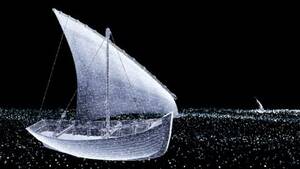
Diya – A Universe of Light is a permanent immersive installation inside the Peace Dome at Sheikh Zayed Grand Mosque Centre in Abu Dhabi. It is not a concert hall, theatre or conventional events venue. Instead, visitors enter a circular multimedia environment where projected imagery, sound, moving air and subtle vibration create an approximately eight-minute journey through the natural and cultural landscape of the United Arab Emirates.
The sequence begins beneath a field of stars before travelling through green oases, mountains, coastlines and desert. It concludes with the minarets, domes and architectural detail of Sheikh Zayed Grand Mosque. Light functions both as the artistic medium and as a symbol of faith, knowledge, tolerance and shared humanity.
As of 13 August 2026, Diya remains open and bookable under its original name. The venue has not published a room capacity, floor dimensions or maximum group size, so figures appearing elsewhere should not be treated as verified specifications.
History and Development
The installation forms part of the Light & Peace Museum project, developed between 2019 and 2024 within the newly established Peace Dome. Sheikh Mansour bin Zayed Al Nahyan inaugurated the museum on 22 November 2024, and it opened to the public on 18 December 2024 with Diya included among its principal experiences.
An official announcement on 20 October 2025 presented Diya under the full title Diya – A Universe of Light and highlighted its circular projection and detailed visual production. Available sources do not establish that this represented a renovation or replacement of the 2024 installation. No subsequent refurbishment has been publicly documented.
The wider museum project covers approximately 2,000 square metres, with about 1,700 square metres described as exhibition space. Diya occupies an adjacent dedicated room rather than one of the museum’s five main galleries.
Events and Programming
Diya does not book touring musicians, comedians, plays or one-night performances. Its programming is the continuously repeated immersive film and sensory sequence. Consequently, there is no artist history from 2021 to 2023: the public attraction did not yet exist. The significant 2024 events were the museum’s inauguration and public opening, followed by wider promotion of Diya in 2025.
During 2025 and 2026, Diya was incorporated into the mosque centre’s educational workshops, school programmes, Eid visitor experiences and broader cultural itineraries. It remained the same permanent experience rather than becoming a venue for changing shows. In 2025, it received 45,699 visitors, compared with 47,266 visitors to the adjoining museum.
No replacement production, touring programme or new Diya edition for late 2026 or beyond had been announced by 13 August 2026. Seasonal celebrations may take place elsewhere in the Peace Dome or mosque complex, but these should not be confused with performances inside the Diya room.
Tickets and Booking
Standard Diya admission is AED 25. A combined ticket covering the Light & Peace Museum and Diya has generally been offered for around AED 40. Published ticket inventories show complimentary admission for visitors aged 18 and under and senior visitors aged 60 or above, although exemptions are applied during the booking process.
Timed reservations can normally be made up to one month before the visit. Tickets may also be available from the Visitor Centre, but advance booking is the safer option during weekends, public holidays and school breaks. Arrive at the reserved time because admission is organised by time slot and late entry cannot be assumed.
There is no traditional box office, presale club, VIP package or premium seating tier. Refund and amendment conditions can vary according to the ticket arrangement selected when booking.
Seating and Layout
Diya has no published seat map, numbered seating, balcony, VIP section or general-admission pit. It is designed as a 360-degree room, with imagery extending around the audience and sound filling the space. Visitors should follow staff instructions on where to stand or position mobility equipment.
A central position should provide the most balanced view of the surrounding projections, while remaining nearer the perimeter may suit visitors who want easier access to an exit or less intense visual motion. There are no documented obstructed-view areas. The venue has not disclosed its internal dimensions, ceiling height or simultaneous audience capacity.
The adjoining museum uses intersecting circles, curved partitions and thematic spaces inspired by Islamic geometry and the architecture of Sheikh Zayed Grand Mosque. This creates a deliberate visual relationship between the museum galleries, the circular Diya room and the domed forms above.
Sound, Lighting and Production
Diya combines full-circle projection with an immersive soundtrack, moving air and subtle vibration. Official descriptions refer to more than 1.5 billion digital light units used in producing the visuals. The animated mosque scene accounts for 1,483,815,000 units, while the ghaf tree scene uses 166,315,000. These are production units within the digital imagery, not a count of physical lamps.
The ghaf tree is more than a technical showpiece: as the UAE’s national tree and a traditional source of shade and gathering in the desert, it represents resilience, community and tolerance. The production team for the broader museum included specialist exhibition designers, curators, lighting designers and audiovisual integrators.
Projector models, screen resolution, loudspeaker configuration, control systems, lighting-console details and acoustic measurements have not been published. Diya should therefore not be described using unverified cinema, Dolby or concert-audio specifications.
Getting There and Parking
Diya is in the Peace Dome and Visitor Centre at Sheikh Zayed Grand Mosque Centre, Al Rawdah, W54, Abu Dhabi. Drivers should follow signs for the mosque’s visitor facilities and Souq Al Jami’. Visitor routes enter through Al Salam Gate and lead towards the Visitor Centre or souq parking areas. Parking is free and no standard hourly charge is published.
Taxis and ride-hailing vehicles can use the mosque’s designated pick-up and drop-off area. The destination is well known to local drivers, but it is useful to specify “Visitor Centre” or “Peace Dome” because the complex contains separate worshipper and visitor entrances. Club cars and internal transport assist with movement between parking areas and visitor facilities.
Published public-bus timetables include stops at or near Sheikh Zayed Grand Mosque on routes 24, 94 and 103. Routes can be revised, so allow extra time for the walk from the stop and for security screening. There is no metro station at the complex. A separate shuttle between the mosque and Wahat Al Karama has operated every 30 minutes from 10:00 am to 7:15 pm.
Inside the Venue
Visitors enter through the mosque complex’s security arrangements, which include inspection and managed visitor routes. Allow 20 to 30 minutes before the booked slot if you need to park, find the Peace Dome, store belongings or request assistance. Large crowds during Eid, Ramadan evenings and public holidays can lengthen the journey through the complex.
Photography is permitted for personal use, but flash should not be used in the exhibition. Professional equipment and commercial or media photography require prior authorisation. Food and beverages are not permitted inside Diya or the museum, and cloakrooms are available for personal belongings. No fixed public bag-size limit has been published, but all items remain subject to security screening.
Restrooms, children’s changing facilities, prayer areas, an exhibition shop, cafés and restaurants are available within the Visitor Centre and Souq Al Jami’. There is no bar, coat-service counter or dedicated Diya merchandise stand documented inside the projection room.
Accessibility and Inclusive Facilities
The exhibition is designed to accommodate wheelchair users, with wheelchairs and special assistance available on request. The wider centre provides paved accessible routes, lifts, reserved parking, club-car transport and wheelchairs for senior visitors and people of determination. Assistance should be requested at the information or security desk on arrival.
“ADA compliance” is not the applicable legal classification in the UAE, since the Americans with Disabilities Act is United States legislation. The appropriate question is whether the attraction provides accessible facilities under local requirements. The centre documents physical access and assistance, but has not published Diya-specific information about hearing loops, captions, audio description or sensory-relaxed performances.
The wider mosque offers sign-language tours and multimedia guidance designed for visually and hearing-impaired visitors. These services should not automatically be assumed to form part of the eight-minute Diya presentation.
Nearby Amenities
Souq Al Jami’ is the most convenient place for food before or after Diya. By 2026, the complex contained more than 68 retail, restaurant, café and family-entertainment outlets, including casual meals, coffee, desserts and Emirati or Middle Eastern dining. It is connected to the visitor journey, avoiding the need to move the car.
Nearby accommodation includes Erth Abu Dhabi and The Ritz-Carlton Abu Dhabi, Grand Canal. Fairmont Bab Al Bahr and Shangri-La Qaryat Al Beri sit across the Khor Al Maqta area and offer views towards the mosque, but require a taxi or car rather than a simple pedestrian crossing.
For late visits, taxis are generally more practical than waiting for a limited bus connection. Arrange pick-up from the designated taxi area rather than attempting to meet a driver on the surrounding high-speed roads.
Recent Visitor Experiences
Public feedback remains limited because Diya is a relatively new attraction. A current set of 14 verified ticket-holder ratings averaged 4.6 out of 5. Reviewers repeatedly described the light display as peaceful, soothing and visually spectacular, while praising the adjoining museum’s scientific, historical and spiritual detail.
The main practical observation is that Diya itself is brief. Visitors who expect a full-length digital-art exhibition may find eight minutes short, while those who combine it with the five museum galleries can spend approximately an hour or longer in the Peace Dome. Reviews also suggest that the museum gives the visual production greater historical context.
What Makes Diya Special
Diya’s distinction comes from its setting. Rather than placing digital spectacle in a shopping centre or entertainment district, it uses contemporary projection technology within the cultural environment of one of the UAE’s most important religious landmarks. Its final image of Sheikh Zayed Grand Mosque connects natural landscape, national identity and the founding vision of Sheikh Zayed bin Sultan Al Nahyan.
The attraction also contributes to Abu Dhabi’s expansion of museum-based, immersive storytelling. Sheikh Zayed Grand Mosque Centre welcomed 6,846,723 guests in 2025, and Diya attracted more than 45,000 visits during that year. No independent study has isolated Diya’s employment, tourism revenue or neighbourhood spending, so broader economic claims would be speculative.
Visitor Tips and Information
Although some admission information distinguishes between the museum and mosque dress requirements, the simplest approach is to arrive in clothing suitable for the mosque complex. Women visiting the mosque should wear loose clothing covering wrists and ankles and cover their hair; men should avoid sleeveless, transparent or tight clothing and preferably cover their legs.
Do not bring electronic cigarettes, lighters, fireworks, sharp objects, weapons, laser devices or loudspeakers. Personal photography must remain respectful, and tripods or professional camera equipment should not be used without permission. Cars cannot remain parked at mosque facilities between 11:00 pm and 4:00 am.
Official exhibition hours are currently listed as 9:00 am to 9:00 pm daily, including during Friday prayers. Early morning and late afternoon are recommended for a calmer visit. Because mosque, Ramadan and public-holiday operations can differ, leave flexibility around religious observances and major celebrations.
Visitors sensitive to enclosed projection, moving imagery, surround sound, vibration or bursts of air should speak with staff before entering. No public strobe-frequency or sensory-warning specification has been issued.
Frequently Asked Questions
How long does the Diya Experience last?
The principal Diya presentation lasts approximately eight minutes. Allow additional time for security, walking through the Visitor Centre and waiting for the reserved admission slot. A Diya-only visit may take 30 to 45 minutes overall, while combining it with the Light & Peace Museum and mosque can create a visit of two hours or more.
Is Diya inside Sheikh Zayed Grand Mosque?
Diya is within Sheikh Zayed Grand Mosque Centre, specifically in the Peace Dome beside the Light & Peace Museum. It is part of the visitor and cultural complex rather than the main prayer hall. Follow signs for the Visitor Centre, Peace Dome or museum after arriving at the mosque complex.
Do I need a separate mosque reservation?
Diya uses its own timed museum booking process. A general mosque visit and a paid Diya reservation are distinct services, even when completed on the same day. If you intend to see the prayer halls as well, plan enough time to complete the mosque’s visitor entry requirements before or after the Diya slot.
Can I visit Diya during Friday prayers?
The current official exhibition schedule states that Diya and the Light & Peace Museum remain open during Friday prayers. Access routes to other areas of the mosque may be managed differently during congregational prayer, so use the Visitor Centre entrance and follow staff directions rather than assuming the normal mosque sightseeing route will be available.
Is Diya suitable for young children?
Diya is presented as an all-ages experience, and the neighbouring museum has a dedicated family and children’s area. Parents should consider whether a child is comfortable with darkness, large moving images, immersive sound, vibration and air effects. Children must remain supervised, and prams or mobility equipment may need to follow staff positioning instructions.
Can I buy Diya tickets at the door?
Tickets are available through the Visitor Centre when capacity remains, but timed advance booking is recommended. Reservations normally open no more than one month before the visit. On busy weekends and holidays, arriving without a reservation may mean waiting for a later session or finding that the preferred time is unavailable.
Is there seating during the show?
No public seating plan or numbered-seat system exists, and Diya is not sold as a seated theatre performance. The room is organised for 360-degree viewing, with staff controlling audience placement. Visitors who cannot stand comfortably should request a wheelchair or other assistance before entry rather than relying on fixed seating inside the projection space.
What is the capacity of Diya?
The operator has not published the Diya room’s legal capacity, normal session size or dimensions. Timed admission is used to regulate entry. The 1,700- to 2,000-square-metre figures associated with the project describe the wider museum or exhibition development, not the capacity or floor area of the separate Diya room.
Can wheelchair users enter Diya?
Yes. The exhibition is described as accessible, with wheelchairs and special assistance available upon request. The mosque complex also has paved routes, lifts, accessible parking and club cars. Ask at the information or security desk before the booked time so staff can arrange the smoothest route and suitable positioning inside the experience.
Does Diya contain flashing lights?
Diya uses changing projected light, large-scale moving imagery and surrounding visual effects. However, no official strobe-frequency data or photosensitivity warning has been published. Anyone affected by flashing imagery, motion, strong sound or enclosed immersive environments should describe their needs to staff before entering and remain where an exit can be reached easily.
Can I take photographs and video?
Personal photography is permitted, but flash should not be used. Photography must remain respectful and should not obstruct other visitors. Commercial filming, media work and professional equipment require authorisation. The mosque’s wider code also limits photography to appropriate areas and prohibits poses or behaviour that conflict with the dignity of the religious setting.
Is there luggage storage?
Cloakrooms are available for personal belongings, but no guaranteed maximum suitcase dimensions or advance luggage-storage service has been published. Travellers with airline-sized bags should allow extra time for screening and be prepared for security staff to refuse unusually large items. Keeping major luggage at a hotel or transport facility remains the less complicated option.
What should I wear if I am only visiting Diya?
Some admission information states that the strict mosque dress code applies specifically when entering the mosque. Nevertheless, Diya is within the Sheikh Zayed Grand Mosque Centre and shares its visitor environment. Modest clothing is therefore the most practical choice, particularly if there is any possibility that you will also visit the prayer halls.
Which buses stop near Diya?
Published Abu Dhabi bus timetables have listed routes 24, 94 and 103 at stops serving Sheikh Zayed Grand Mosque. From the stop, follow signs towards the visitor entrance rather than the worshipper gates. Route numbers and frequencies can change, and evening services may be less frequent, making a taxi preferable after a late session.
Can I leave my car in the mosque parking overnight?
No. Visitor parking is free during the visit, but the mosque’s code of conduct prohibits vehicles from remaining in its parking facilities between 11:00 pm and 4:00 am. If you are taking a late-night mosque tour or dining after Diya, confirm that you can return to the vehicle and leave before the restricted period begins.
Is the combined museum and Diya ticket worthwhile?
The combined option provides substantially more context than Diya alone. The five museum galleries examine tolerance, sacred architecture, Islamic science and creativity, Sheikh Zayed Grand Mosque and coexistence before or after the short projection. Visitors interested only in visual spectacle may choose Diya alone; those interested in history should allow at least an hour for both.