About East St Hall
East St Hall is a bar, club and flexible event venue at 5 East Street, Newton, immediately off Karangahape Road in central Auckland. Verified event activity and licensing records confirm that it was still open and trading under the East Street Hall name in August 2026. A current venue-hire listing gives a maximum capacity of 250 people, although the usable capacity is lower when tables, staging or production equipment occupy the floor.
The venue occupies what was once the community or dining hall associated with the Samoan church on the corner of East and Galatos Streets. It is generally described as a mid-century modernist building, distinguished by a high ceiling, large windows, an open rectangular room and a sizeable courtyard behind the hall. The hospitality fit-out was designed by Katie Lockhart, whose dark periwinkle, lavender and peach palette gives the otherwise utilitarian hall a playful identity.
The wider site has a much longer religious and community history. An Auckland Methodist Mission Hall opened in East Street in February 1909, with architect Alex Wiseman’s original building capable of seating more than 1,200 people. The East Street complex was later used for Methodist community theatre and worship, and the Congregational Church of Jesus occupied the property for approximately 25 years before offering it for sale in 2017. The present 250-person hospitality venue should not be confused with the original 1,200-seat auditorium; it uses the smaller former community-hall portion of the complex.
East St Hall’s current incarnation opened in October 2020 as a collaboration involving hospitality operators Emma Ogilvie, Nick Landsman and Henry Mitchell Temple. Its founding idea was broader than a conventional nightclub: food, organic wine, art, markets and music were intended to share the same neighbourhood-focused room. Public licensing records indicate a change in licensed operator between 2024 and 2025, but the East Street Hall trading name and mixed cultural programme continued.
Events and Programming
Programming is led by DJs, dance parties and community events rather than conventional seated concerts. House, disco, techno, UK garage, drum and bass, hip-hop, R&B, Afrobeats, dancehall, pop edits and Latin music have all appeared. The room has also hosted live bands, jazz nights, cultural festivals, Pride programming, design-industry functions, fundraisers, markets, food residencies and festival afterparties.
Notable programming since 2021 has included Pacific market activity, East Street Market during Matariki celebrations, local DJ showcases, the Auckland Zinefest closing party and The Others Way festival’s late-night stage. International and visiting selectors have included CHKLTE, Cassette, Marlie and Jossy Mitsu, while local line-ups regularly foreground Māori, Pasifika, BIPOC and queer performers.
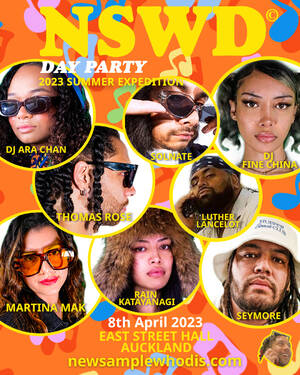
The 2025–2026 programme demonstrated the venue’s breadth: multi-stage emerging-DJ showcases, Afrobeats gatherings, a daytime summer dance event, an Auckland Pride day party, Latin programming shared with neighbouring venues, Korean club-culture nights and an independent-film fundraiser. Monthly-style local club concepts have also used the hall repeatedly. No dependable public programme for 2027 or later was found during research, so visitors should treat individual announcements as event-specific rather than evidence of a permanent residency.
Tickets and Booking
Tickets are normally released by the individual promoter rather than through a permanent venue box office. Local club nights commonly start around NZ$10–$20, with later releases and door entry often reaching NZ$20–$30. A visiting international DJ or larger special event may sit around NZ$25–$35, while fundraisers and industry functions can use different pricing. Booking charges may be additional.
For a popular night, buy during the early release and check whether the ticket requires entry before a stated time. Door sales are not guaranteed and may stop when the safe capacity is reached. Refund and transfer rules belong to the promoter, so read the event terms before paying. East St Hall does not publish a permanent walk-up box-office schedule.
Seating and Layout
There is no fixed theatre-style seating plan. The principal room is a flat-floor hall that can switch between dining, standing club, cocktail and private-event layouts. Earlier hospitality configurations used high tables and stools inside, with built-in seating also visible around the dancefloor. The rear courtyard has been furnished with communal tables, benches and low stools.
For dancing and close engagement with the DJ, the centre and front of the floor provide the most energy. Standing towards the sides or near the rear gives more breathing room and quicker access to the bar and courtyard. There are no permanently advertised VIP boxes or reserved balconies. Because room dimensions, stage measurements and formal seated capacities have not been publicly released, private-event organisers should not design a floor plan around the 250-person maximum without a measured site plan.
Sound, Lighting and Production
East St Hall clearly supports amplified DJs, live performers, multi-stage festivals and late-night club production, but no reliable public technical rider lists permanent speaker models, mixer inventory, lighting fixtures, rigging points, power distribution or stage dimensions. Promoters have sometimes advertised specially augmented sound systems, suggesting that production can vary substantially between events. Do not assume that every night uses the same PA or lighting package.
The high ceiling and hard, open surfaces help create a lively club atmosphere, although the room can become loud and conversation may be difficult when full. People sensitive to volume should bring musician-grade earplugs. Event producers requiring particular DJ equipment, microphones, projection, live-band inputs or accessibility lighting should obtain a written production specification before confirming a booking.
Getting There and Parking
The address is 5 East Street, Newton, Auckland 1010. From Karangahape Road, turn into East Street near the Pitt Street and Galatos Street end of the precinct; the venue is only a short walk from K Road’s restaurants, bars and bus stops. East Street is comparatively quiet and can feel less brightly lit than the main strip, so groups leaving late may prefer to walk back to K Road together.
Frequent buses travel along Karangahape Road and nearby Upper Queen Street, providing connections with the city centre, Ponsonby, Newmarket and surrounding suburbs. Stop locations and late-night frequencies change, so check real-time service information before leaving. Walking from the central Queen Street area is possible but involves a sustained uphill section on the way to K Road.
No dedicated East St Hall patron car park is publicly advertised. Limited kerbside spaces may be available on East, Galatos, Day and surrounding streets, with restrictions shown on local signs. Commercial parking buildings operate around the K Road and Upper Queen Street area, but closing times and overnight access vary. Never assume a building remains open after a 2am or 4am event. For rideshare collection, nominate a well-lit point and move away from any queue blocking the venue entrance.
Inside the Venue
On club nights, expect a security and ID check before entering. Most advertised dance events are R18, and promoters commonly require an accepted current photo ID. Entry can be refused for intoxication, illicit-drug use, aggressive conduct or failure to follow security instructions. Individual events may impose last-entry times or restrictions on pass-outs.
The atmosphere changes across the evening. Early sessions can feel like a relaxed bar or neighbourhood gathering, particularly when the courtyard is open; after 10pm, furniture may be reduced and the hall becomes a compact, energetic dancefloor. Visitor accounts praise the DJs, cocktails, friendly staff, food and outdoor area. Recurring criticisms include loud acoustics, slower service at peak times, cold or windy courtyard conditions and toilet queues when the room is packed.
East St Hall originally served Tel Aviv-inspired pitas, hummus, labneh, falafel and shared plates. Its food identity later shifted through pizza menus, taco pop-ups and an Italian residency, so visitors should not assume that an old menu remains available. Some club events bring in their own food partner, while others focus almost entirely on the bar. Organic or natural wine, beer and cocktails have been central to the venue’s hospitality identity.
Nearby Amenities
K Road provides plenty of pre-event options within a short walk. Gemmayze Street offers Lebanese-inspired dining in St Kevin’s Arcade, Coco’s Cantina is a longstanding Italian choice, and Bar Magda specialises in Filipino-influenced food and drinks. Allow 60–90 minutes for dinner on Friday or Saturday, as the precinct becomes busy before major events.
Nearby accommodation ranges from hostels and modest hotels to full-service properties. Haka House Auckland K’ Road, Abstract Hotel, Kiwi International Hotel and Mercure Auckland Queen Street are among the close options, while Cordis Auckland is farther east near Symonds Street. Staying near K Road is particularly useful after events finishing beyond normal public-transport hours.
What Makes East St Hall Special
East St Hall retains the social logic of a community hall. It is large enough to hold a convincing party but small enough for performers, organisers and audiences to share the same room. Its open floor, vivid colours and courtyard allow it to move between restaurant, market, cultural gathering and club without losing its informal character.
Its cultural importance comes from the communities using it rather than one famous headline concert. Polynesian DJ line-ups, queer day parties, Afrobeats gatherings, Korean and Latin events, emerging-artist showcases and independent fundraisers all sit naturally within the programme. Local accounts describe packed, diverse dancefloors and an audience that follows carefully curated DJs rather than attending simply because a nightclub is open.
No independent study has quantified East St Hall’s economic impact. Its practical contribution is nevertheless visible: it hires hospitality and security staff, supports promoters and artists, attracts people to surrounding K Road businesses and provides a flexible mid-sized room for communities that may not suit a conventional concert theatre.
Visitor Tips and Information
Arrive near opening time if you want a seat, food or a relaxed courtyard drink. For a ticketed club night, arriving 30–45 minutes after doors usually avoids the earliest lull without risking a late-entry restriction. Bring accepted photo ID, a payment card, earplugs and a light layer that can be carried easily. There is no consistently advertised public coat check or detailed bag policy.
The principal floor is reported as level, with a ground-floor entrance, but third-party information conflicts over the exact standard of the toilets. East St Hall has not published a detailed venue-issued access guide. New Zealand venues are not governed by the United States’ ADA legislation; visitors needing wheelchair turning space, an accessible loo, reserved seating or a quiet waiting area should seek written confirmation for their particular event before purchasing.
There is no general dress code beyond footwear and reasonable standards of behaviour, although themed parties may encourage a particular look. Personal phone photography is usually less restricted than professional recording, but performer and promoter rules take precedence. Avoid bringing large bags, outside alcohol or anything that could delay security screening.
Frequently Asked Questions
Is East St Hall still open?
Yes. East St Hall was verified as trading under that name in August 2026, with recent events and a current tavern on-licence associated with 5 East Street. Like many independent nightlife venues, its public opening times depend heavily on scheduled events. Do not assume that the hall operates as a walk-in bar every day simply because a late-night licence exists.
What is the capacity of East St Hall?
A 2026 venue-hire listing states a maximum capacity of 250 people. That figure is most relevant to an open or cocktail-style layout. Dining tables, a larger stage, production desks, art installations or extra equipment will reduce the available audience capacity. No separate official seated, classroom or banquet capacities have been publicly confirmed.
Is East St Hall seated or standing?
Most ticketed music and club events use general-admission standing space. Seating is usually informal and limited to stools, built-in areas or courtyard furniture rather than numbered chairs. A private dinner or daytime function may use a different layout. If sitting is essential for medical or access reasons, request an arranged seat before the event rather than relying on finding one after doors open.
Is East St Hall indoors?
The main hall, bar and dancefloor are indoors. A large rear courtyard provides outdoor or semi-sheltered social space and may be used for afternoon events, dining or an additional performance area. The courtyard’s availability depends on weather, noise controls and the organiser’s layout. Bring a layer in cooler weather, as visitors have described the outdoor area as breezy.
Are East St Hall events R18?
Most publicly advertised club nights are R18 and require valid accepted photo ID. However, age conditions belong to the individual event, not necessarily the building at all times; markets, private functions and some daytime community activities may use different rules. Read the age statement printed with your ticket and do not assume an accompanied minor will be admitted to an R18 event.
How much are tickets?
Many local DJ nights use early releases around NZ$10–$20, with final releases or door sales around NZ$20–$30. Selected international DJs and specially produced events can reach approximately NZ$25–$35 before or including booking charges. Fundraisers may offer several contribution levels. Prices are set by promoters and are not standardised across the venue.
Can I buy tickets at the door?
Some events offer door sales, but they may cost more than advance tickets and are subject to remaining capacity. A promoter may also stop sales after a stated entry time. If an event is important to you, advance purchase is safer. Having a ticket does not override ID, intoxication, safety or conduct requirements at the entrance.
When should I arrive?
For dining or courtyard time, arrive at doors or shortly afterwards. For a club event, arriving within the first hour gives the best chance of quick entry, room to choose a position and access to any remaining seating. Check whether your ticket has a “before” time: cheaper releases sometimes require entry before 11pm or 11.30pm. ticketfairy.com
Where is the best place to stand?
The centre-front area is best for high energy and close engagement with the DJ, but it becomes crowded and loud. The room’s edges offer easier access to the bar, courtyard and exits. For a live performance, avoid standing immediately behind tall groups or production equipment. There is no raised auditorium seating, so sightlines depend on the event’s stage arrangement and crowd.
Is East St Hall wheelchair accessible?
Available information indicates a ground-level entrance and predominantly flat main floor. However, East St Hall has not published a comprehensive access guide confirming doorway widths, turning circles, viewing areas or every internal threshold. A wheelchair user should request event-specific confirmation, particularly when temporary staging, crowd barriers or dining furniture may alter the normal route through the hall.
Does East St Hall have an accessible toilet?
Public sources conflict on whether the current toilet provision meets full accessible standards, so it would be unsafe to promise a compliant facility. Ask the event organiser to confirm the toilet’s location, doorway, grab rails and transfer space. “ADA compliant” is not the appropriate New Zealand designation because the ADA is United States legislation; local building and accessibility requirements apply instead.
Is there parking at East St Hall?
No dedicated customer car park is advertised. Look for legal kerbside spaces on East, Galatos, Day and surrounding streets, carefully checking time limits, loading zones and paid-parking hours. Commercial parking is available elsewhere around K Road and Upper Queen Street. Check its closing time before entering, especially for a show expected to finish after midnight.
What public transport serves the venue?
Buses using Karangahape Road and Upper Queen Street place passengers within a short walk of East Street. Services connect the precinct with the central city, Ponsonby, Newmarket and other Auckland suburbs, but routes and late-night frequencies can change. Plan the return journey before entering the venue, particularly on Sundays, public holidays and nights when an event finishes around 3am or 4am.
Is food always available?
No. East St Hall has operated substantial food programmes, including Tel Aviv-inspired shared plates, pizza, tacos and Italian residencies, but the kitchen offer has changed repeatedly. Some dance events use an outside food partner, while others may have limited snacks or no meaningful late-night menu. Eat beforehand if the event description does not specifically advertise food service.
Does East St Hall have a coat check?
A permanent public coat-check service is not reliably advertised. Travel light and wear a layer you can tie around your waist or keep safely with you. Do not leave valuables unattended on courtyard benches or under communal tables. A private function or larger festival may arrange temporary cloakroom facilities, but that should be stated in the individual event information.
What is the bag policy?
No detailed universal bag-size rule has been published. Security may inspect bags and refuse outside alcohol, illegal substances, weapons or objects considered unsafe. A compact shoulder bag is more practical than a backpack on the busy dancefloor. Special festivals and private promoters can introduce stricter conditions, so check your event instructions rather than relying on the rules from a previous visit.
Can I take photographs?
Casual phone photography is generally associated with club events, but professional cameras, flashes, tripods and commercial filming may require permission. Some performers or community events may request limited photography for privacy or cultural reasons. Follow signage and staff instructions, avoid obstructing the dancefloor, and ask before taking close photographs of other guests.
Can East St Hall be hired privately?
The venue has been promoted for product launches, corporate functions, dinners and celebrations as well as music events. Its 250-person maximum, bar, courtyard and adaptable flat floor provide useful flexibility. Detailed dimensions and permanent technical specifications are not publicly available, so organisers should request a measured plan, confirmed capacity for their layout and a complete production inventory before committing.





![Neptuno presents Mihai Pol [Romania]](/uploaded/thumbnails/db_file_img_69992_300xauto.jpg)