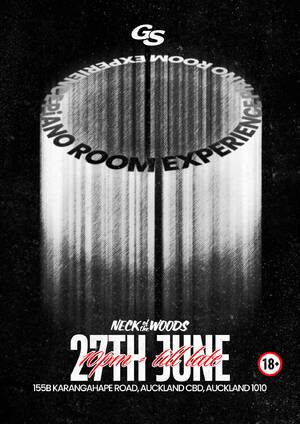
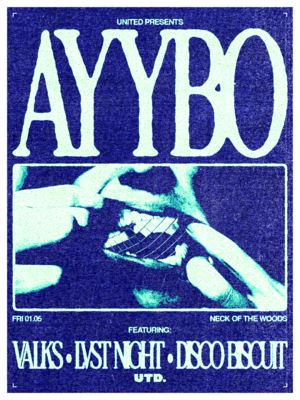
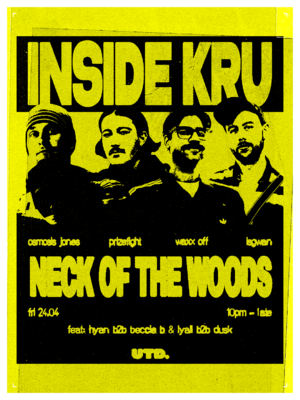
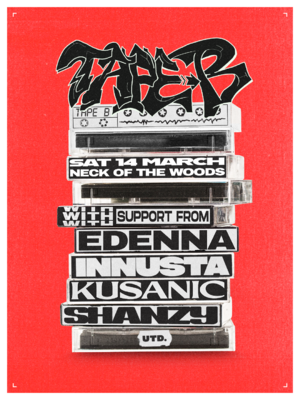
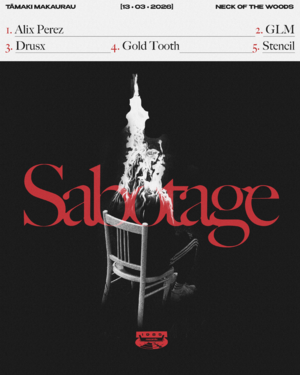
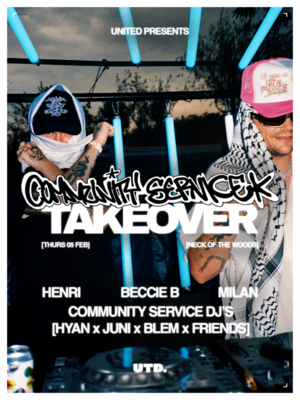
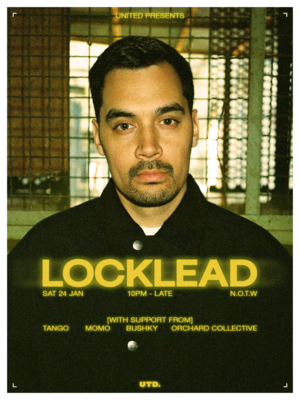
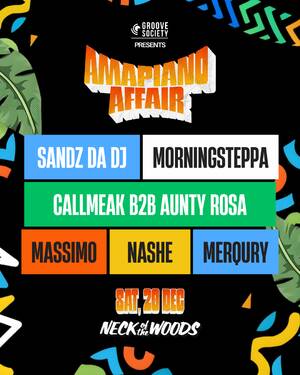
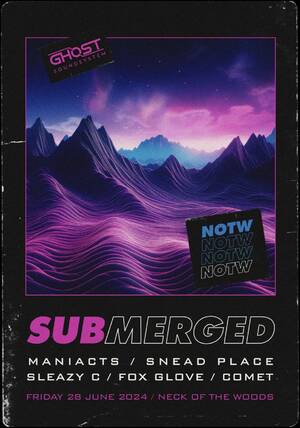
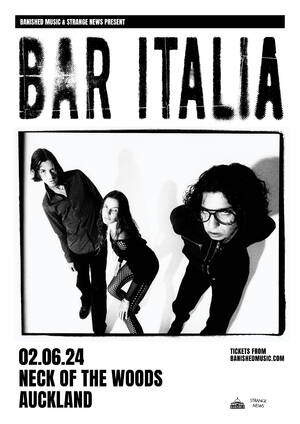
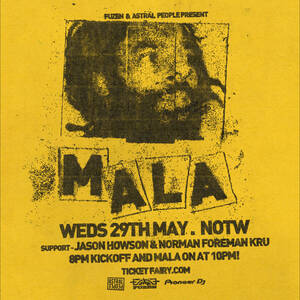
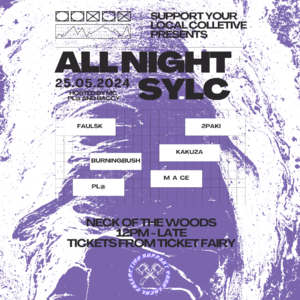
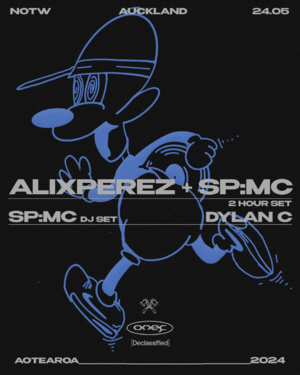
About Neck of the Woods
Neck of the Woods is an independent basement music venue and nightclub at 155B Karangahape Road, Auckland 1010. It remains open and trading under that name as at 23 August 2026, following a dramatic closure announcement, community fundraiser and reopening earlier in the year. The flexible room holds up to 350 people standing, while movable walls can reduce it to an approximately 150-person lounge configuration.
The story began before the venue’s formal 2015 opening. In 2012, the team behind a nearby collaborative workspace leased a basement formerly occupied by a troubled nightclub. The room was converted into a creative makerspace called Co.Space, but frequent requests to hold events encouraged the operators to try a pop-up venue. Its success led Jonah Merchant and Josh Moore to establish Neck of the Woods permanently, with Auckland’s influential Calibre club among their inspirations.
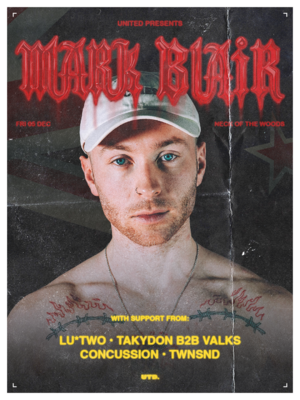
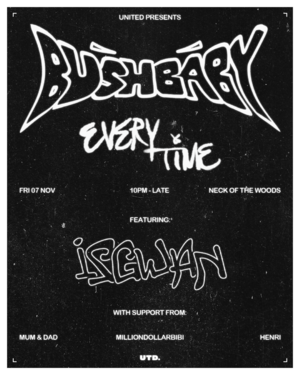
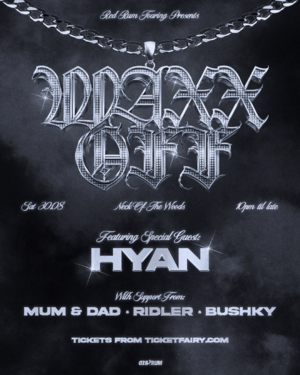
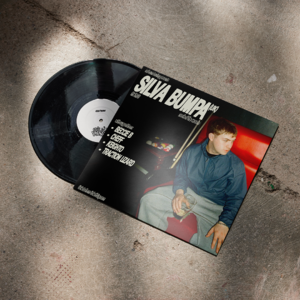
From the outset, the venue resisted being tied to one scene. Electronic music and bass-heavy club nights became central, but the calendar also embraced indie bands, hip-hop, punk, hardcore, metal, jazz, soul, reggae and experimental performance. Early milestones included shows by Bicep, Sons of Zion and The Beths, while BENEE played her first live show here in August 2018. That ability to host emerging local artists one night and an international touring act the next remains its defining trait.
The COVID-19 period brought long closures and uncertainty. A 2021 retrospective described the venue being unable to operate under Auckland’s higher alert levels, while national music-sector reports recorded it among venues receiving infrastructure support. Regular touring returned from 2022, but accumulated debt, rising costs and weaker bar sales continued to affect the business.
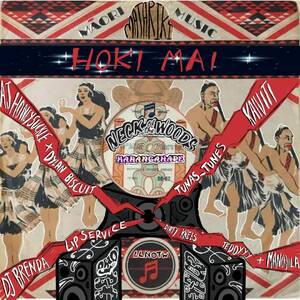
On 18 June 2026, the venue announced that it would close after 11 years, citing worsening economic conditions, post-pandemic debt and declining alcohol revenue. A grassroots campaign launched shortly afterwards and passed its NZ$150,000 target on 25 June, eventually raising nearly NZ$160,000. Neck of the Woods reopened on 10 July with Hoki Mai, a Matariki-season celebration led by Māori and Pasifika DJs. Community hui have since explored membership, participation and operating models less dependent on bar sales.
Events and Programming
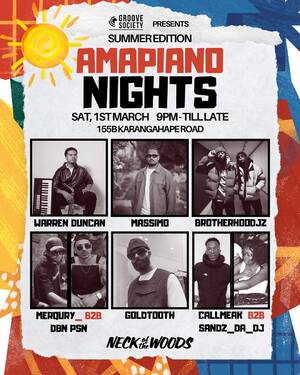
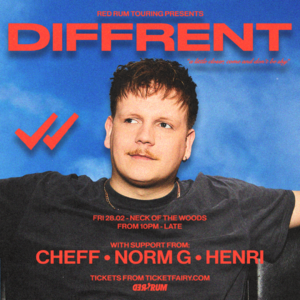
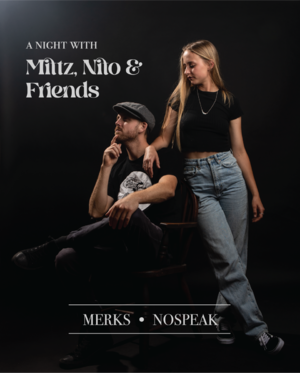
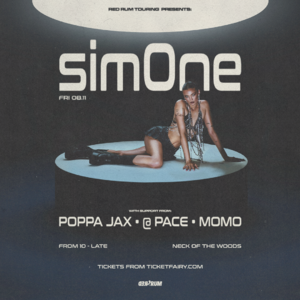
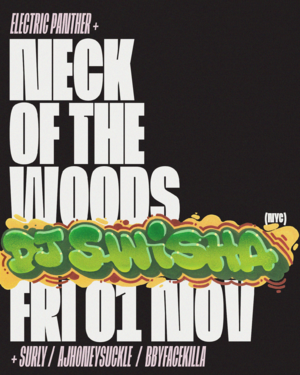
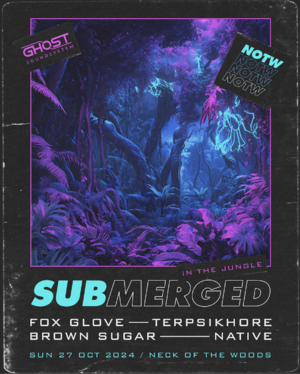
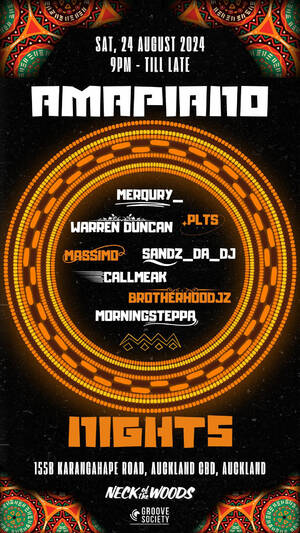
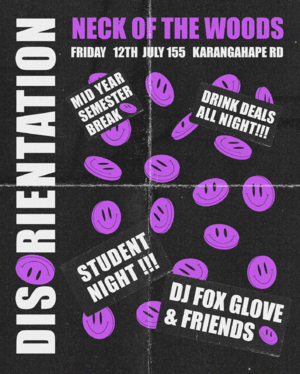
Programming normally concentrates on Thursday to Saturday nights. Live concerts often begin between 7.30pm and 9pm, while club events commonly open around 9pm or 10pm and run until 3am or 4am. Promoters frequently build bills around several local DJs or support acts, making the venue as much a platform for Tāmaki Makaurau talent as a stop for touring performers.
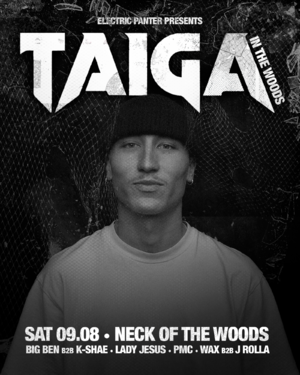
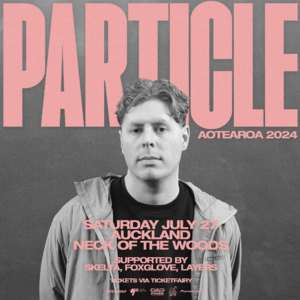
The breadth of bookings since 2021 illustrates that approach. The pandemic-affected 2021 programme prioritised domestic shows and club nights. In 2022, the room welcomed acts spanning Machine Girl, OPIUO, KI/KI, Technimatic, Onyx, Show Me the Body, salute and Princess Chelsea. The 2023 calendar included Ross From Friends, Souls of Mischief, Eartheater, King Woman, George Clanton, Princess Chelsea, Sorry, Yoko-Zuna and underground electronic, rap and rave events.
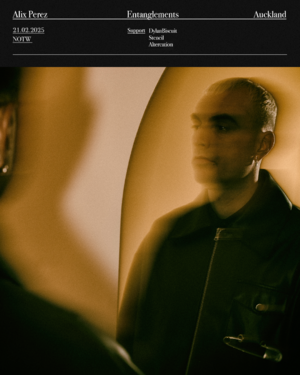
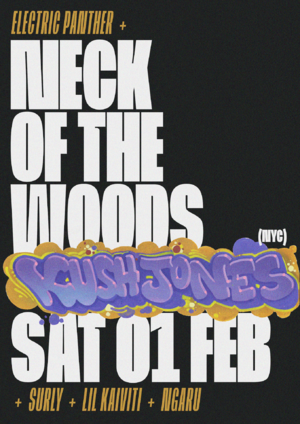
During 2024, Mala, Raf Saperra, bar italia, Ninajirachi, Doss, Dayseeker, JMSN, The Upbeats, DJ Travella, Phoebe Rings, Telenova, Peter Cat Recording Co. and numerous local album-release and club bills appeared. The 2025 programme moved just as freely between Kush Jones, 4am Kru, Isabella Lovestory, Drain, One Step Closer, Pitch Black, Tom Lark, HNTR, hard-techno events and experimental dance collectives.
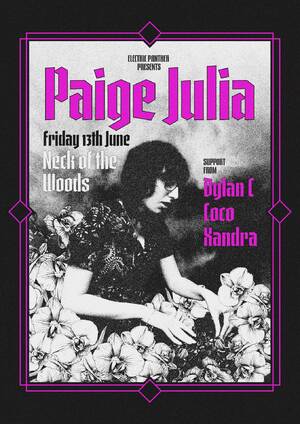
Bookings in 2026 have included Anberlin, Tape B, Charlotte Plank, Cam Stockman, drum-and-bass showcases, all-local underground rap bills and community-led club series. Following the reopening, the calendar quickly returned to Afro sounds, house, techno, global club, bass music and experimental production. The announced remainder of 2026 extends into spring with artists and events including O’Flynn, GENA, Delusional Dreamland, FUZZ and Paige Julia. No verified post-2026 programme was available at the time of research.
Entry prices vary significantly. Small local nights, supporter offers and early releases can start around NZ$10–$20. Established club events commonly fall near NZ$20–$35, while international concerts and limited-capacity touring shows may reach NZ$40–$60 or more. Booking fees and door prices can add to the advertised amount.
Tickets and Booking
Tickets are normally sold online through the authorised seller selected by each promoter. There is no single permanent ticket provider, so use the seller specified in the event announcement rather than buying from an unsolicited reseller. Touring concerts may be announced several months ahead, while local club nights can appear only a few weeks before the event.
For an international artist, reunion show or established dance collective, buying during an early release is the safest strategy. Some events hold limited door sales, but a sold-out notice can mean only a very small allocation remains. Promotional tiers are usually cheaper and offer the same general-admission access. Check whether the event is transferring tickets through a waiting list or approved resale process before paying another person directly.
Door and performance times are not interchangeable. A concert advertised for 8pm may have the first support act soon afterwards, whereas a club headliner may not appear until well after midnight. Save the ticket to your phone before descending into the basement and bring accepted photographic evidence of age.
Seating and Layout
Neck of the Woods is primarily a standing, general-admission venue rather than a seated theatre. The main configuration has a stage and dancefloor, twin bars, lounge areas and an outdoor deck. Movable walls allow the room to feel appropriately full for audiences ranging from about 150 to 350. A separate area with a dedicated bar can accommodate private groups of up to 50, but there is no permanently advertised public VIP section.
For live bands, the centre of the floor several rows back generally gives the most balanced sightline and sound. Standing immediately at the stage is more physical and substantially louder. For electronic events, the centre of the dancefloor provides the fullest impression of the sound system; the edges and lounge corners are better for taking a breather. Avoid stopping in the traffic routes between the stairs, toilets and bars.
No verified public floor dimensions, formal seated capacity or detailed seating chart have been published. Occasional functions may add furniture, but patrons should not expect an allocated seat. Anyone who needs seating for medical or access reasons should arrange this with the venue before purchasing.
Sound, Lighting and Design
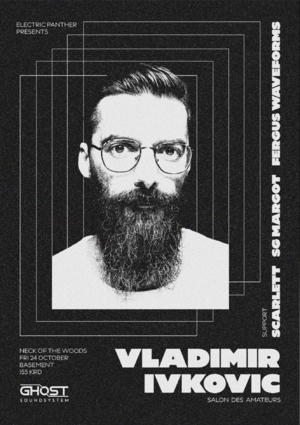
The venue’s signature technical feature is the Ghost Soundsystem. It is a custom five-way, all-horn-loaded point-source system rated at 12,000 watts and requiring 15kVA for continuous operation. Its design emphasises clarity, controlled projection and exceptionally deep but articulate bass, explaining why promoters repeatedly build dubstep, drum-and-bass, techno, house and experimental club nights around it.
For bands and corporate events, the room also has a front-of-house system, digital mixing capability, fills, microphones and projection options. An infinity wall supports large-format HD projection, while overhead scaffolding bars and cable trays make it easier to install event-specific lighting, sound and visual equipment. Exact current inventories for microphones, monitors, consoles and lighting fixtures are not publicly confirmed and should not be assumed by touring crews.
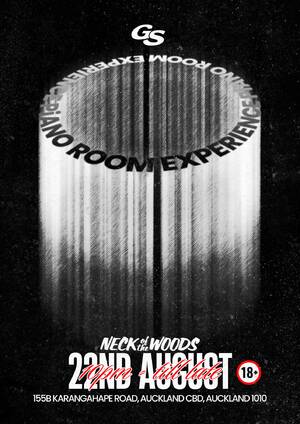
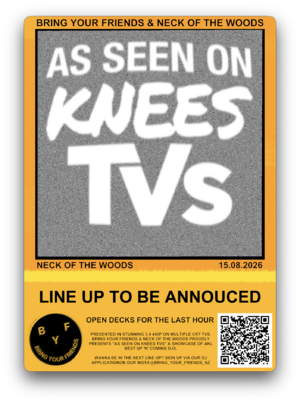
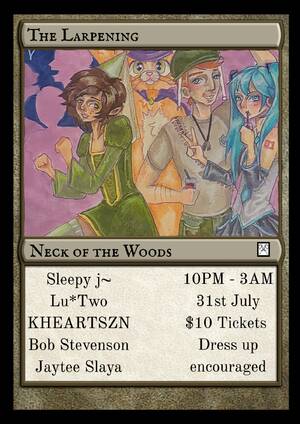
The basement’s character comes from adaptive reuse rather than grand architecture. Local artwork, dark finishes, exposed production infrastructure and a low-lit club atmosphere give it an intentionally underground feel. The unexpected outdoor deck has a green wall and an illuminated Paris Kirby artwork, providing a quieter contrast to the dancefloor. Monthly artist collaborations have also produced posters and visual identities for the venue.
Getting There and Parking
The entrance is at 155B Karangahape Road, close to the Queen Street end of K’ Road. Frequent buses operate along or near Karangahape Road, including central-city loop services, and connections are available from Queen Street, Symonds Street and the western suburbs. Services vary late at night, so check the final departure before entering an event that finishes at 4am.
Karanga-a-Hape Station has entrances at Mercury Lane and Beresford Square, both within easy walking distance. However, as at 23 August 2026, the station had hosted a public preview but passenger services had not been confirmed as operational. Until the City Rail Link formally opens, visitors should plan around buses, a connecting walk from an operating station, or a taxi or rideshare.
Protected cycle lanes run in both directions along K’ Road, with cycle parking distributed through the precinct. Drivers should expect limited on-street spaces and changing restrictions. There is no dedicated venue car park. Nearby commercial parking includes a 24-hour facility at 75 Karangahape Road, where night or weekend maximums have recently been around NZ$16–$19; central on-street and off-street rates commonly range from roughly NZ$4–$8 an hour. Always read the signs and closing conditions before leaving the car.
For rideshare pickup, nominate a legal side-street or loading location rather than asking a driver to stop in the K’ Road cycleway or bus lane. After a sold-out event, walking a block away from the entrance can make collection faster. Anyone drinking should plan the return journey before arriving, particularly when the event runs later than regular bus services.
Inside the Venue
Expect a ticket and ID check at street level before descending to the main room. Most advertised concerts and club nights are R18. Security can refuse admission where entry would conflict with licensing requirements or the venue’s Safe & Sound policy, even when a person holds a ticket.
There are two full-service bars with beer, wine, spirits and cocktails. A full kitchen is available for functions and external catering, but this does not mean food is served at every public show. Eat beforehand unless the event specifically advertises kai or food vendors. Artist merchandise is often sold at touring concerts, although the position and payment method vary.
Recent visitor feedback frequently praises the strong sound, intimate atmosphere, eclectic bookings and helpful bar staff. Repeated practical criticisms include the steep entrance stairs, heat during packed shows, queues near the toilets and occasional negative interactions with security. Dress lightly for a busy dance event, use hearing protection and allow extra time for entry.
Accessibility and Inclusive Facilities
ADA is a United States standard and does not apply in New Zealand. More importantly, no fully step-free public route into Neck of the Woods has been verified. The main entrance involves steep basement stairs. Rear production access from Poynton Terrace has four steps to deck level, followed by rolling access through double doors, so it should not be described as wheelchair accessible without a specific arrangement. No accessible toilet or hearing loop was confirmed in the available venue information.
The venue does publish a detailed Safe & Sound policy. Racist, transphobic, homophobic, sexist, ableist, fatphobic and ageist abuse, sexual harassment and behaviour that makes others feel unsafe are not tolerated. Patrons are encouraged to approach bar staff or security if they experience or witness a problem. The policy is presented in both English and te reo Māori.
Nearby Amenities
K’ Road is one of Auckland’s best areas for pre-show dining. Within a short walk are Pici and Otto for pasta, Lebanese Grocer for shawarma, Uncle Man’s for Malaysian dishes, Tempero for Brazilian-influenced plates, Apéro for French-inspired food and wine, and the restaurants inside St Kevin’s Arcade. White Lady and Open are established options for a late-night feed. Opening hours vary, and reservations are sensible on Friday and Saturday evenings.
Nearby accommodation ranges from backpacker rooms to apartment-style and full-service hotels. Convenient choices include Abstract Hotel near Upper Queen Street, Haka House on K’ Road, Kiwi International Hotel on Queen Street and Parkside Hotel & Apartments near Myers Park. These locations remove the need to drive after a late event.
What Makes This Venue Special
Neck of the Woods matters because it fills the gap between tiny bar stages and Auckland’s larger concert rooms. It gives developing artists, first-time promoters and specialist communities a credible 150–350-capacity platform with serious production. Queer and Pasifika-led nights, experimental club collectives, local album launches and international tours can all occupy the same basement without the venue losing its identity.
The 2026 rescue demonstrated that cultural importance in measurable terms. Close to 3,000 donations supported the campaign, with artists, staff, promoters and regular patrons organising merchandise, music, fundraisers and other contributions. The response cleared immediate debt and preserved jobs, bookings and a key part of K’ Road’s night-time economy, although the venue has acknowledged that the long-term business model still requires work.
That tension is part of the venue’s character: Neck of the Woods is not a polished corporate room but a community-built basement where Auckland artists can take risks. Its survival reflects both the loyalty surrounding independent music and the economic pressures facing small venues throughout Aotearoa.
Visitor Tips and Information
Arrive 30–45 minutes before a touring concert if you want a central position, or 15–30 minutes before a club event unless the first DJ matters to you. Bring accepted photo ID, a saved copy of your ticket and high-fidelity earplugs. Wear comfortable shoes and removable layers; busy events can become warm even on a cold Auckland night.
No stable, venue-wide bag-size, professional-camera, coat-check or dress-code policy was confirmed. Take only a small bag, leave outside alcohol and bulky items at home, and follow any event-specific conditions. Smart-casual clothing is unnecessary for most nights: practical dancewear, band shirts, streetwear and expressive club fashion are all normal.
Frequently Asked Questions
Is Neck of the Woods still open?
Yes. The venue announced its closure on 18 June 2026 but was saved after a community campaign raised more than its NZ$150,000 target. It reopened on 10 July 2026 and had an active calendar extending through spring when researched on 23 August 2026. The team is continuing to explore a more sustainable operating model.
What is the capacity of Neck of the Woods?
The maximum published capacity is 350 people. Movable walls can create a smaller room for approximately 150, helping less crowded shows retain an intimate atmosphere. Private functions can range from roughly 20 to 350 guests, while a separate area with its own bar is available for groups of up to 50.
Does Neck of the Woods have allocated seating?
No regular seating plan is advertised. Concerts and club nights are generally standing and general admission, with limited lounge furniture around the edges rather than theatre-style seats. If you cannot stand for a full show, arrange assistance before buying because neither an allocated accessible area nor a standard seated capacity has been publicly confirmed.
Are events at Neck of the Woods R18?
Nearly all public concerts and late-night events reviewed were advertised as R18. Bring an accepted physical photo ID even if you look older than 18. A ticket does not override age, intoxication or safety requirements, and security may refuse entry where necessary to meet licensing conditions or enforce the venue’s conduct policy.
Is Neck of the Woods wheelchair accessible?
Do not assume step-free access. Visitors describe steep stairs from K’ Road, and the documented rear production route still has four steps before a level path through double doors. No public lift, wheelchair-accessible toilet or permanent wheelchair viewing area was verified. Anyone with mobility requirements should obtain a specific access arrangement before committing to a ticket.
How loud is the venue?
Very loud, particularly during bass, drum-and-bass, dubstep and techno events. The 12,000-watt Ghost Soundsystem is designed for substantial low-frequency output as well as clarity. Bring proper music earplugs rather than relying on improvised protection. Standing away from the main stacks or using the lounge and deck for breaks can reduce listening fatigue.
Where is the best place to stand?
For a live band, try the middle of the floor several rows behind the front crowd. This usually balances stage visibility with the front-of-house mix. Electronic-music fans seeking the full system experience should use the central dancefloor. The room edges are less intense but may have bar traffic, conversation and more restricted sightlines.
Can I buy a ticket at the door?
Sometimes, but it is never guaranteed. Local events may keep a door allocation, while touring concerts and established club nights can sell out in advance. Door entry also tends to cost more than early releases. If an announcement says “limited door sales”, arrive at opening rather than expecting availability near the headline set.
What happens if an event is postponed?
The promoter or authorised ticket seller normally handles refunds, credits and revised dates. Keep the original confirmation and wait for formal instructions rather than assuming the ticket is invalid. Some independent promoters offer a refund or allow the ticket to carry forward, but terms differ. Avoid transferring it until the event’s status and refund deadline are clear.
Does the venue serve food?
Neck of the Woods has a kitchen that can support catered private events, but regular public gigs should be treated as bar-focused unless food is specifically advertised. Have dinner before entering a long concert or club night. K’ Road has plentiful casual, sit-down and late-night kai within a five- to fifteen-minute walk.
Is there a cloakroom?
A permanent, event-wide cloakroom service could not be verified. Some promoted nights may provide one, but visitors should not rely on it. Bring a compact jacket and small bag that you can comfortably keep with you. This is especially important on a crowded dancefloor, where bulky backpacks obstruct movement and become uncomfortable in the heat.
Can I take photographs?
Casual phone photography is generally less intrusive than professional equipment, but permission can vary by artist and promoter. Do not use flash repeatedly or block the view while filming. Professional cameras, detachable lenses and recording equipment should be treated as requiring prior approval. Follow any notices at entry, particularly for community events with privacy-conscious audiences.
Is there parking at Neck of the Woods?
There is no dedicated venue car park. Paid street spaces and commercial facilities are available around K’ Road, Liverpool Street, Upper Queen Street and Cross Street, but restrictions and late-night access vary. A 24-hour car park at 75 Karangahape Road is one practical option. Allow time to park and photograph the applicable signs.
What is the best public transport option?
Buses along or near Karangahape Road are currently the most direct established option. The new Karanga-a-Hape rail station is close by, but it had not been confirmed as carrying regular passengers by 23 August 2026. For a 4am finish, check the final bus before the show and keep funds available for a taxi or rideshare.
What should I wear?
There is no verified formal dress code. Comfortable shoes are more useful than dressed-up footwear, particularly for events running until 4am. Wear light layers because the basement can become hot when full, even during winter. The crowd ranges from band shirts and casual streetwear to expressive club fashion, depending on the promoter and music.
Can Neck of the Woods be hired privately?
Yes. The venue advertises full hire for functions of up to 350, including both bars, stage, sound system and deck. Smaller groups can book a private area with a dedicated bar for up to 50. The kitchen, projection wall and adaptable production infrastructure make the room suitable for launches, staff parties, screenings and performances.