Events and Programming
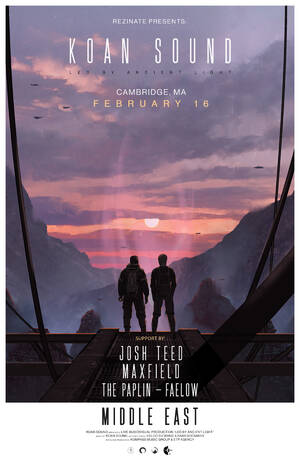
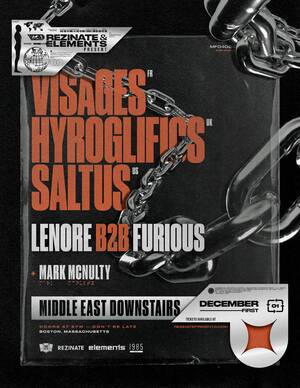
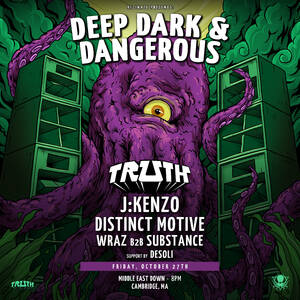
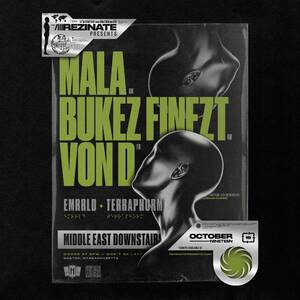
The Middle East is one of Cambridge’s most varied live-entertainment complexes. Its programming ranges from touring rock, indie, punk, hardcore, metal, hip-hop, pop, reggae, funk and electronic artists to local showcases, DJ nights, comedy, karaoke, dance parties and cultural events. The main concert rooms are Middle East Upstairs, Middle East Downstairs and Sonia, while Zuzu and The Corner/Bakery add smaller-scale music, DJs and nightlife programming.
The current 2026 pattern shows how widely the rooms are used. Recent and announced bills include alternative and indie artists, metal and industrial acts, hip-hop and rap performers, Latin and international groups, K-pop nights, electronic dance events, school showcases, private cultural programs and comedy. The smaller rooms frequently host multi-act local bills, while Downstairs is used for larger touring packages and club nights. The venue’s calendar also includes recurring formats such as comedy programs, karaoke, DJ parties and genre-specific nights.
Sonia has developed a particularly strong identity for electronic, alternative and late-night programming. One recurring example is Elysium, an 18-plus industrial and hard-electronic night advertised for the third Saturday of each month, with industrial, rhythmic-noise, dark-electro, techno and hardcore sounds. Zuzu and The Corner/Bakery are more flexible, accommodating dinner, drinks, live music, DJs, comedy and informal nightlife.
The recent booking history confirms that the venue is not limited to one scene. The Downstairs archive records approximately 13 concerts in 2022, 70 in 2023, 47 in 2024 and 40 in 2025, with genres including indie, rock, hardcore, electronic and related styles. Those figures come from a third-party concert archive rather than the venue, so they should be read as a guide to scale, not an official attendance or booking report.
Notable historical performers include The Flaming Lips, Modest Mouse, Jonas Brothers, Joe Strummer, Dropkick Murphys, Mighty Mighty Bosstones, Peter Wolf, Rancid, Public Enemy, TV on the Radio, The Hives, The Misfits, Elliott Smith, Mr. Lif, Jedi Mind Tricks and many other national, international and emerging acts. The venue has also been important for Boston-area punk, hardcore, indie rock and hip-hop, giving developing artists a room where they can appear alongside established touring performers.
As of September 16, 2026, the published schedule extends through the rest of 2026 and into 2027. Announced future programming includes additional touring concerts, repeat club nights and a March 2027 Matrix Rave, while an Upstairs date for January 2027 illustrates the continuing use of the smaller room for developing touring acts.
Tickets and Booking
Tickets are sold through the venue’s event calendar, with a physical box office at 10 Brookline Street. The current venue information lists box-office hours as Tuesday through Sunday from 3 p.m. to 8 p.m. Advance purchase is the safest approach for well-known touring acts, reunion shows, popular genre nights and artist appearances in the 194-capacity Upstairs room.
Door sales are available when a show has not sold out and begin when doors open. A show may therefore have advance tickets available but no remaining inventory at the door, so arriving without a ticket is a risk for high-demand events. Some listings are marked as box-office-only or show multiple pricing tiers, so the final amount varies by artist, room, age restriction, presale status and fees.
Recent 2026 listings show a useful general price guide: many standard concerts fall in roughly the $18-$55 range before any additional charges, while premium packages, special events and limited inventory have appeared in ranges reaching approximately $80-$150. This is not a fixed venue tariff. Ticket prices can change substantially between local multi-band bills, touring headliners and special experiences.
For a popular show, buy as soon as the event is announced, check the age restriction before paying, and confirm whether the ticket is for Upstairs, Downstairs, Sonia, Zuzu or The Corner/Bakery. The rooms are separate, and a ticket for one space does not establish access to every other room in the complex.
About Middle East Restaurant and Club
The Middle East is a Lebanese restaurant, bar and live-music complex at 472-480 Massachusetts Avenue in Cambridge’s Central Square. The principal rooms are grouped around the original restaurant and adjacent storefronts, with Sonia located around the corner at 10 Brookline Street. The venue is notable because it developed gradually rather than being built as a single-purpose concert hall.
The building itself dates from 1929. Cambridge’s historical record describes it as a one-story masonry commercial block designed in a simplified Tudor or English Revival style, with brick construction, stone and concrete facing, original storefronts and a stepped parapet that has since been substantially altered. The building is a contributing resource in the Central Square National Register District.
The Sater family had acquired the Middle East Lebanese restaurant by the mid-1970s. At that stage, the business featured Arabic-language bands, music and belly dancers. Its transition into a major live-music institution accelerated in 1987, when promoter Billy Ruane used the restaurant to accommodate overflow from a birthday event at T.T. the Bear’s Place. That connection helped turn the restaurant into a destination for Boston’s emerging rock scene.
The complex then expanded in stages. In 1988, a former bakery storefront became The Corner/Bakery, a bar and restaurant with a small stage. In 1993, a former ten-lane bowling alley was converted into the Downstairs concert room. In 2001, the family took over the last remaining portion of the complex and opened Zuzu. Sonia opened in March 2017 in the former T.T. the Bear’s location, adding another dedicated performance room.
Seating and Layout
Most events are general admission and standing-room only unless the individual ticket specifically states otherwise. The venue does not publish a standard seated chart, permanent VIP section or universal table layout. Seating, if offered, can therefore vary by event and room. For a clear view, arrive early and move toward the centerline of the stage; for easier exits or a less crowded experience, stand toward the rear or along the side.
The published room capacities are 575 for Downstairs, 350 for Sonia, 194 for Upstairs and approximately 50-100 for the combined Zuzu and Corner spaces. These are room capacities rather than guaranteed ticket counts, and sellable inventory can be reduced by production equipment, guest lists, barriers or event-specific layouts.
Downstairs is the largest of the principal concert rooms and is the logical choice for touring packages and higher-energy shows. Upstairs is smaller and more intimate, making it attractive for emerging bands, local bills and close-range viewing. Sonia occupies a separate nearby room and has its own identity for club nights and live performances. Sightlines and sound can differ depending on the crowd, stage setup and where the production position is placed.
Getting There and Parking
The main complex is at 472-480 Massachusetts Avenue in Central Square. Sonia is at 10 Brookline Street, around the corner. The closest subway stop is Central Square on the MBTA Red Line. From the station, follow Massachusetts Avenue toward Brookline Street; the main entrance is a short walk through the Central Square restaurant and nightlife district. Common bus connections in the area include routes 1, 47, 64, 70, 83 and 91.
The venue does not have its own parking lot. Street parking, municipal lots and commercial garages serve Central Square, but availability is difficult on busy concert nights. The city-operated Green Street Garage at 260 Green Street is open 24 hours. Current posted rates include $4 for up to one hour, $18 for five to eight hours, $22 for nine to twelve hours and a $30 maximum for twelve to twenty-four hours. An evening rate applies when entering after 6 p.m. and leaving by 7 a.m.: $2 per hour for up to four hours or $9 for longer stays. Weekend parking is capped at $13 for six to twenty-four hours.
Cambridge’s parking rules are sign-controlled. The venue’s visitor information says many meters are free after 6 p.m. on weekdays, on Sundays and on legal holidays, but posted restrictions still control. Do not assume a nearby residential space is available to visitors, and pay special attention to taxi stands, loading zones, permit spaces and tow-away signs.
For rideshare, enter the address for the specific room rather than simply saying “Middle East.” Use 472 Massachusetts Avenue for the main complex and 10 Brookline Street for Sonia. There is no published dedicated rideshare bay, so drivers should use legal curb space and avoid blocking Green Street, Brookline Street or emergency access.
Inside the Venue
Expect a compact, old-school club environment rather than a formal theater. Entry normally involves ticket scanning, age verification where required and security screening. The venue operates a full bar with liquor, beer, wine, water, soda and juices. The Middle East restaurant, Zuzu and the smaller dining areas provide food options either before a show or as part of a broader night out.
The historic Downstairs room retains the character of its former bowling-alley footprint, while the complex as a whole feels like a series of adapted commercial spaces rather than a polished modern arena. That irregularity is part of the appeal for many concertgoers, although recent reviews also describe crowding, variable sound, mixed experiences with door security and limited comfort during busy nights. Other visitors praise the intimate atmosphere, friendly staff, clear vocal mixing and the chance to see smaller touring bands at close range.
Merchandise may be available at individual shows, but the production rider says the venue does not normally provide a merchandise seller unless arrangements are made in advance. The same rider identifies load-in routes, fire lanes, guest-list controls and room-specific production procedures. It does not publish a permanent public coat-check policy, so visitors should not assume that coats, large items or bags can be stored.
Technical Capabilities and Production
The venue maintains room-specific technical and production information for Downstairs, Upstairs and Sonia. Touring productions are expected to advance stage plots, input lists, sound requirements, soundcheck needs, load-in timing and other production details with the appropriate room contact. This indicates an established concert-production operation rather than a simple bar stage.
The public production material confirms separate load-in access for the rooms, scheduled soundchecks, backstage and guest-list controls, fire-lane requirements and restrictions on smoke or haze effects in Downstairs because of visibility and exit-safety concerns. It also prohibits outside alcohol for performers and requires clear emergency exits.
A complete public inventory of loudspeaker models, mixing consoles, microphones, lighting fixtures, stage dimensions, rigging points and video equipment was not available in the accessible venue material. Those specifications should therefore be confirmed by touring production staff rather than assumed from the room name or event listing.
Architecture, Design and Cultural Importance
The venue’s exterior combines altered 1920s commercial architecture with layers of later restaurant, club and public-art interventions. The Brookline Street frontage includes Moorish Revival-style ogee arches and glass-block elements associated with a 1980 remodel. Murals include Daniel Galvez’s Crosswinds , created in 1992 and restored in 2016, a science mural depicting geckos, and an abstract work by Jaime “Vyal” Reyes on the Green Street elevation.
Its cultural importance comes from the way it connects food, immigrant history, nightlife and independent music. The Cambridge Historical Commission describes the Middle East as a Central Square cultural institution that could present a national headliner Downstairs one night and a developing local act the next. It has also provided space for genres that have often struggled to find affordable rooms, including punk, hardcore, underground hip-hop, metal and experimental electronic music.
The complex also supports the surrounding Central Square economy by drawing concertgoers to restaurants, bars, hotels, garages and transit throughout the evening. Its continuing schedule helps preserve a live-music presence in a neighborhood where rising rents and redevelopment have put pressure on independent cultural spaces. The venue’s significance is therefore both artistic and commercial, even though no public source provides a current dollar figure for its local economic impact.
Nearby Amenities
Central Square offers many practical pre-show options within a short walk. The Middle East and Zuzu are the most convenient choices when you want to eat at the venue itself. Nearby possibilities include Little Donkey, La Fabrica Central, Viale, Veggie Galaxy, 1369 Coffee House and other restaurants and cafes along Massachusetts Avenue. Darlings provides a cocktail-bar option close to the complex, while Central Square also has several established nightlife venues.
Hotels near the square include 907 Main, Le Méridien Boston Cambridge and Hotel Veritas. Le Méridien is near Central Square station and MIT, making it practical for visitors who want to return by subway or walk after a late show. The area has late-night food and bars, but hours vary, especially on Sundays and Mondays, so concertgoers should check same-day hours before relying on a post-show meal.
Visitor Tips and Information
The venue’s age policy varies by event. Many listings are all ages, while others are marked 18-plus or 21-plus. Guests who plan to drink need government-issued photo identification. The venue states that a minor attending an 18-plus show must be accompanied by a parent or legal guardian, with both people ticketed and supervised throughout the event.
There is no stated dress code beyond wearing clothes and shoes. Photography rules vary by show; a nonprofessional camera is generally permitted, but visitors should confirm the individual event policy at the door. Smoking and vaping are prohibited inside. Outside alcohol, weapons and weapon-like objects are not permitted, and the production rules prohibit stage diving and fighting.
The venue states that the Middle East and Sonia are wheelchair accessible and asks guests who need assistance to arrive 30 minutes before doors so security can accommodate them. Public information does not provide a complete room-by-room description of accessible seating, restroom layouts, entrance widths, assistive listening, companion seating or other ADA details. Contact the venue before buying if a specific accommodation is essential.
For the best experience, arrive 30-45 minutes before showtime, especially for a sold-out general-admission concert. Wear comfortable shoes, keep valuables to a minimum, confirm the room before joining a line and allow extra time for parking. If you want dinner, eating before the crowd arrives is usually easier than trying to find a table immediately before doors.
Frequently Asked Questions
Where is the Middle East Restaurant and Club located?
The main complex is at 472-480 Massachusetts Avenue in Cambridge’s Central Square. The Upstairs, Downstairs, Zuzu and Corner/Bakery spaces are associated with that address. Sonia is a separate nearby room at 10 Brookline Street. Check the room name on your ticket because the entrances and layouts are not identical.
What kinds of events are held at the Middle East?
The program includes touring concerts, local band bills, punk, hardcore, indie, metal, hip-hop, pop, reggae, Latin music, DJs, electronic dance nights, comedy, karaoke, school showcases and private cultural events. Zuzu and The Corner/Bakery lean toward dining, DJs and smaller entertainment, while Upstairs, Downstairs and Sonia present dedicated live performances.
Is the Middle East a seated venue?
Usually not. Most shows are general admission and standing-room only unless the event listing specifically says otherwise. Permanent seating charts and universal VIP sections are not published. If you need a seat for mobility or medical reasons, ask about the event’s accommodation procedure before arrival rather than assuming chairs will be available inside.
How large is Middle East Downstairs?
The venue lists Downstairs at a room capacity of 575. That is the room’s stated capacity, not necessarily the number of tickets available for every show. Production equipment, guest lists, barriers and event-specific layouts can reduce sellable inventory. Downstairs is the largest of the main concert rooms and is commonly used for touring packages and higher-demand events.
What are the capacities of Upstairs and Sonia?
Upstairs is listed at 194 people, while Sonia is listed at 350. Zuzu and The Corner/Bakery are listed together at approximately 50-100. These figures describe individual room capacity and should not be added into one guaranteed building-wide audience number because each space can operate separately.
Can I buy tickets at the door?
Yes, when the show has not sold out. Door sales begin when doors open, but high-demand concerts may have no remaining inventory. Advance purchase is the safer option for popular artists, special events and small-room shows. Some events use box-office-only releases or different presale arrangements, so read the specific listing carefully before traveling.
Does the Middle East have a box office?
Yes. The physical box office is at 10 Brookline Street in Cambridge. Current venue information lists hours from Tuesday through Sunday, 3 p.m. to 8 p.m. Hours and availability can change for holidays, sold-out shows or special releases, so do not assume every event has same-day in-person inventory.
What time should I arrive for a concert?
Arrive about 30-45 minutes before the advertised door time for a general-admission concert, and earlier for a sold-out show or a preferred position near the stage. Add more time if you need accessible entry, parking, dinner or ticket pickup. Lines can form outside more quickly than first-time visitors expect, particularly for small-room shows.
Is the Middle East accessible for wheelchair users?
The venue states that the Middle East and Sonia are wheelchair accessible and asks guests needing assistance to arrive 30 minutes before doors. Public information does not list every entrance, restroom, viewing area or seating accommodation in detail. If you require a particular setup, confirm it before purchasing because room layouts differ.
Which subway stop is closest?
Central Square on the MBTA Red Line is the closest subway station. The venue is reached by walking along Massachusetts Avenue toward Brookline Street. Several bus routes also serve Central Square, including routes 1, 47, 64, 70, 83 and 91. Transit is generally easier than searching for street parking during a busy show.
Does the venue have parking?
The Middle East does not have its own parking lot. Visitors use street parking, nearby lots and Central Square garages. The city-operated Green Street Garage is open 24 hours, with current evening, weekend and daily rates that are generally more predictable than searching for curbside spaces. Always follow posted Cambridge signs because meter, permit and tow-zone rules vary by block.
Can I eat dinner before a show?
Yes. The Middle East restaurant and Zuzu are the most convenient on-site choices, offering Middle Eastern, Mediterranean and American-influenced food. Central Square also has many nearby restaurants and cafes, including options along Massachusetts Avenue. On busy nights, allow enough time to finish dinner before doors rather than relying on a quick table during the pre-show rush.
Does the venue serve alcohol?
The club has a full bar with liquor, beer, wine, water, soda and juices. Alcohol service is subject to age verification and Massachusetts licensing rules. Bring government-issued photo ID if you plan to drink. An all-ages ticket does not remove the requirement to prove that you are legally old enough to purchase alcohol.
Is there a dress code?
The venue states that there is no dress code beyond wearing clothes and shoes. Concert attire is generally casual, but comfortable footwear is useful because most shows are standing-room only. For late-night dance events, the crowd may dress differently from an indie or metal concert, but the venue does not require a formal or themed outfit.
Can I bring a camera?
A nonprofessional camera is allowed at most shows, but photography and video rules vary by artist and event. Professional cameras, detachable lenses or recording equipment may require approval. Check with the door staff before filming, especially when the artist has a no-photo policy. Do not obstruct aisles, exits or other guests’ views while taking pictures.
Can minors attend events at the Middle East?
Age restrictions are set event by event. Some shows are all ages, while others are 18-plus or 21-plus. The venue states that anyone under 18 attending an 18-plus event must be accompanied by a parent or legal guardian, with both people ticketed and supervised. Relatives or older friends do not replace that requirement.
What should I not bring inside?
Do not bring outside alcohol, weapons or weapon-like objects. Smoking and vaping are prohibited inside. Camera rules vary, and large or unusual items may create problems in a crowded general-admission room. The venue does not publish a universal bag policy in the available visitor information, so bringing only essentials is the safest approach.
Why is the Middle East historically important?
It began as a Lebanese restaurant and expanded organically into several music rooms. The 1987 Billy Ruane event helped establish its rock identity, the former bowling alley became Downstairs in 1993, Zuzu joined in 2001 and Sonia opened in 2017. Its importance lies in connecting immigrant-owned dining, local music and touring acts in Central Square.
What is special about Middle East Downstairs?
Downstairs occupies a former ten-lane bowling alley, giving it a distinctive adapted-club character rather than the proportions of a purpose-built theater. It is the complex’s largest listed room and has hosted touring rock, hip-hop, punk, hardcore, metal, electronic and crossover bills. Visitors often value its intimacy, though crowding and sound impressions can vary by show.
Are events announced beyond 2026?
Yes. The published schedule includes selected 2027 programming, including a January Upstairs date and a March Matrix Rave in Downstairs. Future announcements are not a complete season calendar, so the most reliable way to understand what is confirmed is to check the venue’s current event listings and verify the room, age restriction and ticket status for each show.