Events and Programming
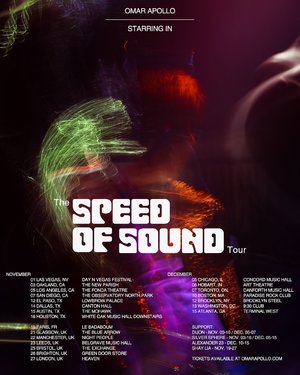
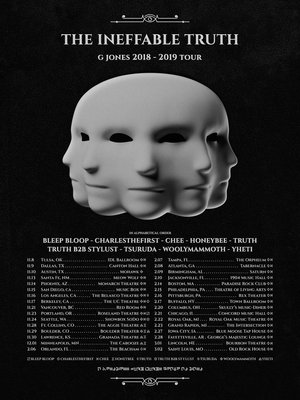
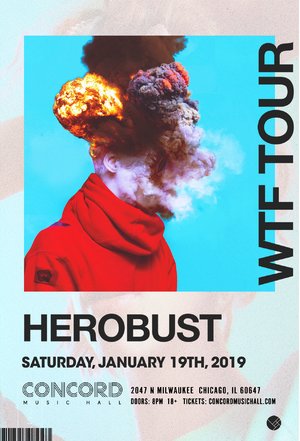
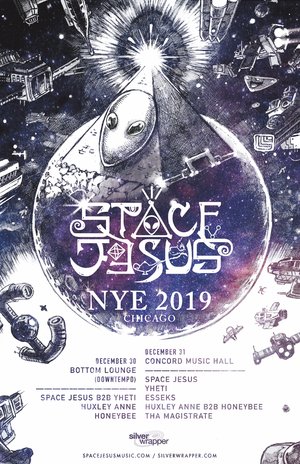
Concord Music Hall is a mid-size Chicago concert venue with a deliberately broad booking policy. Its calendar regularly moves between touring rock and punk bands, metal, hip-hop, indie, pop, reggae, Latin music, jam bands, electronic acts, bass music, house, techno and late-night DJ events. The venue also hosts festival aftershows, tribute performances, special one-off events and occasional wrestling or private productions.
The room is particularly associated with electronic programming, including house, techno, dubstep, drum and bass, bass music and 360-degree DJ sets. Recent listings have also included alternative and heavy music, from Converge, Thrice, The Amity Affliction, Four Year Strong, Silverstein, Loathe and Atreyu to newer touring acts such as Magnolia Park and Castle Rat. Hip-hop, R&B and international pop are part of the mix too, with recent examples including Mario, Quevedo and Olivia Dean.
Programming from 2021 through 2025 shows a consistent pattern rather than a single house genre: early-evening all-ages band shows, 17-and-over rock and metal bills, and late-night 18-and-over electronic events. The venue’s calendar has included Riot Fest presentations, Auris Presents dance nights, aftershows connected with major Chicago festivals, and multi-act tours with support bands.
The published 2026 calendar continues that model. It includes all-ages concerts, 17-and-over alternative and metal shows, late-night electronic bookings, 360-degree sets, festival aftershows and special events extending through the end of the year. The announced mix includes artists such as Melanie C, The Beths, Motion City Soundtrack, Virtual Riot, Uncle Acid & the Deadbeats, Arch Enemy, Jai Wolf, Juelz, Peyton Parrish, ØTTA, OMNOM and Face to Face.
Ticket prices vary considerably by artist and production. Recent published examples range from about $10 for a specialty club night and $17.50–$25 for some electronic events to approximately $27.50–$40 for many touring rock, punk and metal shows. Larger or higher-profile bookings have reached around $49–$60, while festival-style or all-day experiences can cost substantially more. These are indicative price bands before fees, not a guarantee for every show.
Tickets and Booking
Buy tickets through the event listing linked from the venue’s official calendar or through the authorized online checkout associated with that listing. The venue warns that it is not responsible for fraudulent, lost or stolen tickets purchased elsewhere. The on-site box office is generally open during show hours only, so do not assume that it operates as a full daytime box office.
For popular shows, the safest approach is to buy during the first public sale or an announced presale rather than waiting for the door. Concord commonly uses general admission pricing tiers, so later purchases may cost more even when the room remains the same. Check the event’s age limit, door time, ticket type and any balcony or VIP language before completing the order.
Many standard concerts are general admission, with the main floor standing. Some events may sell balcony access or premium areas separately, but the arrangement changes by show. A ticket described as general admission does not necessarily mean every part of the room will be open; production, artist requirements and crowd management can affect which balcony areas are available.
About Concord Music Hall
Concord Music Hall opened in the fall of 2013 at 2047 N. Milwaukee Avenue, in the Logan Square area near Wicker Park and Bucktown. The building previously housed a Latin nightclub, and early coverage described the new venue as a roughly 20,000-square-foot replacement for some of the larger bookings displaced by problems at the Congress Theater nearby. Its launch lineup included Gogol Bordello, AlunaGeorge, Capital Cities, The Disco Biscuits, Jimmy Cliff, Lotus, Netsky, Laidback Luke, Jason Isbell, The Misfits and other nationally touring acts.
The venue was created through a partnership involving Chicago promoters associated with Riot Fest, Silver Wrapper and React Presents. That background helps explain its eclectic identity: Concord was designed to bridge the city’s rock, punk, electronic, jam, hip-hop and festival communities rather than serve one narrowly defined audience. The venue’s name refers to agreement or harmony, an apt description of its cross-genre booking strategy.
Capacity is flexible. The venue has advertised configurations ranging from approximately 700 people to 1,490, while early reporting described a maximum of about 1,600 depending on whether balcony areas were open. For current event planning, the venue’s own rental information identifies 1,490 as the maximum scalable capacity.
Seating and Layout
Concord is primarily a standing-room concert hall rather than a seated theater. The main floor is broad and open, with a raised stage at the front. The venue promotes two balcony suites overlooking the main hall; these can include bars and DJ booths and may offer a calmer vantage point than the floor. Balcony availability, seating and access vary by event.
For maximum crowd energy, the front-center floor is the obvious choice. For a broader view of stage lighting and the audience, the rear center near the sound position is often a useful compromise. The balconies are better for visitors who prefer elevation, more personal space or a view across the full stage. Arrive early if you want the front rail, a balcony rail position or one of the limited elevated viewing spots.
The stage is advertised as 25 by 43 feet on the venue’s rental page. The technical pack gives more detailed working dimensions: approximately 3 feet 10 inches high, 20 feet 5 inches deep and 44 feet wide including the wings. The stage ceiling has acoustic paneling arranged in a checkerboard pattern, while the hall includes structural columns and multiple elevated areas that contribute to the venue’s warehouse-like character.
Acoustically, visitor experiences are mixed. Many recent reviews praise the venue’s clarity, lighting and ability to keep the stage visible from several locations. Other concertgoers report excessive bass, echoes or inconsistent sound depending on the act, mix position and where they stand. The practical lesson is to move toward the middle or rear-center if the sound is overwhelming at the front, and to bring hearing protection for loud shows.
Technical Production and Design
Concord’s production infrastructure is more substantial than its club-like exterior suggests. Its technical documentation lists a d&b audiotechnik PA with main line arrays, subwoofer stacks, delay speakers, balcony coverage and front fills. The published system includes d&b Vi-series loudspeakers, B2 subwoofers, Y-series delays and Q-series balcony speakers, with a Soundcraft Vi5000 front-of-house console and dedicated stage and local racks.
The current technical pack lists a GrandMA3 Light lighting console and a mixed lighting rig including Chauvet Rogue R2 Wash units, Elation Fuze-SFX fixtures, Elation Paladin-Hybrid fixtures, Chauvet Maverick MK2 Wash fixtures, LED pars and Atomic fixtures. The venue also lists a modular LED video wall made from 500-by-500-millimeter panels with a 3.9-millimeter pixel pitch and a Novastar processor.
Power and backstage facilities are built for touring productions rather than only local club nights. The technical materials identify dedicated audio, backline, front-of-house and lighting circuits, a 400-amp three-phase connection, touring production office space, green rooms, Wi-Fi and a headliner room with a shower and private bathroom. The venue has also added acoustic panels, reclaimed wood, improved sightlines, upgraded draft-beer systems and a prominent Milwaukee Avenue marquee since opening.
Getting There and Parking
Concord Music Hall is at 2047 N. Milwaukee Avenue, between Campbell Avenue and Maplewood Avenue. The entrance is on the Milwaukee Avenue corridor in Logan Square, close to the Wicker Park and Bucktown areas.
The easiest public-transit option is the CTA Blue Line to Western. From the Western station, allow roughly 10 minutes to walk toward Milwaukee Avenue and the venue. The CTA 56 Milwaukee bus serves the corridor and stops near the hall. Bike racks are available on Milwaukee Avenue.
Parking is the main logistical weakness. The venue confirms that surrounding street parking is limited. Paid lots and privately operated spaces appear in the surrounding blocks, but availability, enforcement and prices change. A nearby lot has been reported at different times as charging approximately $25–$40 on show nights, so treat any lot price as event-specific rather than guaranteed. Do not leave valuables visible in a parked car, and read every posted restriction carefully.
Rideshare drop-off is simplest on Milwaukee Avenue, but congestion increases before doors and immediately after late shows. For late-night events, arranging a pickup point a short walk from the entrance can be faster than waiting directly in front of the venue.
Inside the Venue
Expect a club-style entry process with an ID check, security screening and a standing-room environment. The venue requires a current government-issued photo ID for admission and may refuse entry if the document is unclear or unacceptable. The event listing controls the age restriction: early concerts are often all ages, while later shows are commonly 18 and over. Alcohol service is restricted to guests 21 and older who have shown valid identification and received the venue’s wristband.
Concord has four full bars, including bars associated with the main room and balcony suites. The venue’s official materials emphasize draft beer systems, while visitor reports commonly mention convenient bar access and relatively short waits compared with some larger halls. Food offerings are not a fixed feature of every event, so eat before arriving unless the specific show listing says otherwise.
Coat check is available at events and is listed at $4 per item, payable by cash or card. Backpacks and larger bags may be required to be checked at security’s discretion. Smoking is prohibited indoors, and Concord does not allow re-entry once you have entered. Professional photography, video and recording equipment require permission; ordinary phone photography is generally allowed.
Bathrooms, bars and merchandise locations can change slightly with the production layout. Reviews describe the restrooms as relatively spacious, but the room can become hot during crowded summer or late-night events. Wear comfortable shoes, use hearing protection and bring a light layer if you plan to spend time in the balcony or near an exterior entrance.
Accessibility and Inclusive Facilities
The venue states that it accommodates patrons with disabilities and other special needs, including last-minute requests. Guests can ask for a manager at the box office upon arrival. Advance notice is recommended because the practical arrangements may depend on the event, crowd layout and the type of assistance required.
Publicly available accessibility information is less detailed than the venue’s technical information. A crowdsourced accessibility report says an elevator reaches the second-floor main show level but not the third-floor balcony, where merchandise is often placed. It also reports stairs to the balcony, accessible restroom stalls and no clearly marked, permanent accessible viewing platform on the general-admission floor. Because that report identifies itself as potentially outdated, visitors who require step-free routes, a stable viewing area or balcony access should confirm the arrangement before purchasing.
The venue’s policy does not describe a fixed seating plan, reserved ADA platform or event-independent accessible viewing zone. That makes advance coordination particularly important for sold-out standing shows. Ear protection is also worth planning for children and guests sensitive to loud sound, since the room is designed for amplified concerts and dance events.
Nearby Amenities
Milwaukee Avenue provides a useful pre-show corridor of restaurants, bars, coffee shops and neighborhood businesses. Nearby dining examples include Ramen Wasabi and Irazu, while the wider Logan Square and Wicker Park areas offer considerably more choice within a short rideshare or transit trip. The surrounding neighborhood is known for independent restaurants, cocktail bars, shops and additional music venues.
Nearby lodging includes Ray’s Bucktown Bed and Breakfast, The Robey, The Hotel at Midtown and hotels around Wicker Park. The closest options are not all directly beside the hall, so check the late-night return route before booking. For an early show, arriving 45–60 minutes before doors gives time for food, security and coat check; for a high-demand late show, arrive earlier if you want a preferred floor position.
What Makes This Venue Special
Concord’s defining quality is its scale. It is large enough for nationally touring artists and serious production, but small enough to retain the immediacy of a club. The open floor, side balconies, exposed structural elements, reclaimed wood and prominent marquee create a flexible room that can feel like a rock hall, dance club or festival aftershow depending on the night.
Its history is tied to a transitional moment in Chicago’s live-music scene. The venue opened near the troubled Congress Theater and absorbed bookings that needed a dependable mid-size room. Its founding partnership connected independent promoters from punk, alternative and electronic music, giving Concord a programming identity broader than many single-genre clubs.
The venue also contributes to the cultural life of Logan Square by bringing touring audiences to Milwaukee Avenue and by hosting neighborhood-oriented activities, including community meetings and charitable drives. A venue-specific economic impact study was not located, so claims about spending or job creation should be treated cautiously. Its visible role is cultural: it supports touring circuits, local hospitality businesses and Chicago’s network of independent promoters and music spaces.
Visitor Tips and Information
Check the event’s age limit, door time and ticket type before leaving home.
Bring a valid government-issued photo ID even for an all-ages show.
Do not count on re-entry; Concord’s policy does not allow it.
Use the Blue Line or bus if possible because nearby parking is limited.
Arrive early for the front floor, balcony rail or merchandise.
Wear comfortable shoes and expect to stand for most concerts.
Bring earplugs, especially for metal, bass, techno and late-night dance events.
Use only a phone or small point-and-shoot camera unless professional media access has been approved.
Contact the venue in advance if you need step-free access, assistance or a stable viewing position.
Plan a post-show ride before the concert ends, particularly for events finishing late.
Frequently Asked Questions
Where is Concord Music Hall located?
Concord Music Hall is located at 2047 N. Milwaukee Avenue in Chicago, Illinois, in the Logan Square area near Wicker Park and Bucktown. The building sits between Campbell Avenue and Maplewood Avenue. Milwaukee Avenue is busy before and after shows, so allow extra time if you are meeting friends, arranging a rideshare or collecting tickets at the entrance.
Is Concord Music Hall mostly standing room?
Yes. The main floor is generally general admission and standing, with a raised stage at the front. Some events open balcony areas or provide limited seating, but there is no permanent theater-style seating layout for ordinary concerts. If you need to sit, require a stable viewing position or cannot stand for long periods, contact the venue before the event and ask what that show’s configuration will be.
Does Concord Music Hall have a balcony?
Yes. The venue has two balcony suites overlooking the main hall, and each may include a bar and DJ booth. Balcony availability and access can vary by event, and not every ticket automatically includes entry. The balcony is useful for a higher sightline and less crowded view, but visitors should confirm whether it will be open and whether any seating is provided for their particular show.
What is the capacity of Concord Music Hall?
The venue describes its room as scalable from approximately 700 people to a maximum of 1,490. Older opening coverage cited a possible capacity of about 1,600 when balcony areas were included, but the current rental information uses 1,490 as the maximum planning figure. Actual attendance depends on stage size, production equipment, balcony access and the event’s crowd plan.
What is the best place to stand at Concord Music Hall?
For the strongest crowd atmosphere, choose the front-center floor. For a more balanced view and potentially more consistent sound, try the middle or rear-center near the sound position. The balcony rail offers elevation and a full-stage perspective. Reviews suggest that sound varies by show and location, so move if the front feels too bass-heavy or crowded rather than assuming the entire room sounds the same.
How early should I arrive?
Arrive 45–60 minutes before doors for a normal concert if you want time for security, coat check, drinks and merchandise. Arrive earlier for a sold-out show, a popular electronic act or a front-row position. Late-night events may have long lines close to showtime, while early all-ages concerts often move more quickly. Parking searches can add substantial time, so public transit is usually simpler.
What age do you have to be to enter?
There is no single age rule for every event. Early shows are often all ages, while late events commonly require guests to be 18 or older. The specific event listing controls admission, and every guest must meet that requirement. Children may attend all-ages shows, but the venue advises parents to consider crowd density, attention span and exposure to loud amplified sound.
What identification is accepted?
Concord requires valid government-issued photo identification for entry and age verification. Accepted examples include a current driver’s license, state identification card, military identification or passport. The venue may refuse entry if an ID is expired, unclear or appears misrepresented. Bring the physical document rather than relying on a photograph of it on your phone.
Does Concord Music Hall allow re-entry?
No. The venue’s published policy says it does not allow re-entry. Plan to stay inside once you have passed through security, particularly if you need medication, a warmer layer, food or a smoking break. Because smoking is prohibited indoors and re-entry is not allowed, check the event’s procedures before entering if you have special requirements.
Can you smoke or vape inside Concord Music Hall?
Smoking is prohibited inside the venue under Chicago’s indoor-air rules. The published venue policy does not promise an indoor smoking or vaping area. Since re-entry is not allowed, do not assume you can leave temporarily and return. Follow security instructions and check the specific event’s rules if you use a permitted nicotine alternative or have questions about medical devices.
Does Concord Music Hall have coat check?
Yes. Coat check is available at events and is listed at $4 per item, with cash and card accepted. Security may also require backpacks or large bags to be checked. Because the venue can become warm during crowded shows, dress in layers and avoid bringing unnecessary items. Keep medication, identification and essential personal items with you unless staff provide specific instructions.
Can I bring a camera?
Phone and small point-and-shoot photography are generally permitted. Professional cameras, recording equipment and professional video are not allowed without permission. Rules can be stricter for particular artists, so avoid bringing detachable lenses, large camera bags, tripods or audio-recording equipment unless you have written media approval. Security makes the final decision at the door.
Is Concord Music Hall wheelchair accessible?
The venue says it accommodates patrons with disabilities and recommends advance notice, although it can handle some last-minute requests. A crowdsourced accessibility report says an elevator reaches the main show floor and an accessible restroom stall is available, but the elevator may not reach the balcony and there may be no permanent ADA viewing platform. Confirm the current event layout before buying.
What public transportation goes to Concord Music Hall?
The CTA Blue Line’s Western station is the nearest rail connection, approximately a 10-minute walk from the venue. The CTA 56 Milwaukee bus serves the street directly near the hall. Public transit is often preferable to driving because the venue confirms that surrounding street parking is limited and event-night lots may fill or change price.
Is there parking at Concord Music Hall?
The venue confirms limited street parking in the surrounding area but does not guarantee a dedicated public lot for every event. Nearby private lots and spaces may operate on show nights, with prices reported at different times around $25–$40. Treat those rates as temporary and verify signage when you arrive. Public transit or a reserved nearby space is safer than relying on last-minute street parking.
Does Concord Music Hall serve food?
The venue has multiple bars, including full bars associated with the main room and balcony areas. Food availability is not presented as a consistent feature for every concert, so visitors should not assume that a meal will be available inside. Milwaukee Avenue and nearby Logan Square have restaurants within walking distance, making an early meal before doors the more dependable plan.
What kind of sound system does Concord Music Hall use?
The published technical information lists a d&b audiotechnik system with main line arrays, subwoofers, delay speakers, balcony coverage and front fills. It also lists a Soundcraft Vi5000 front-of-house console. Visitor reports are mixed: many praise the clarity and production, while others report bass or echo issues in certain positions. Earplugs and moving toward the center are sensible precautions.
Can Concord Music Hall host private events?
Yes. The venue advertises public and private, ticketed and non-ticketed events. Its rental materials describe a scalable room, a 25-by-43-foot stage, four full bars, two balcony suites, DJ booths, production facilities and state-of-the-art sound and lighting. The flexible layout can support concerts, corporate events, celebrations and other productions, subject to availability and event requirements.