Events and Programming
Milton St Substation is a flexible Sydenham event venue rather than a conventional theatre or permanently programmed concert hall. Its public calendar is a mixture of promoter-led music nights, university balls, themed parties, markets, charity events, private celebrations, weddings, corporate functions, exhibitions, photo shoots and product launches. The venue’s own positioning centres on weddings and corporate events, but its adaptable floor plan has also supported dance music, live bands, performance-led dinners and community gatherings.
Publicly documented programming from 2021 to 2026 shows how broad the booking mix can be. In 2021, the venue hosted weddings and creative production work, including a collaboration that recorded music videos for 10 local acts. A university ball is also documented from that year, while wedding suppliers described the venue as a regular working location during the 2021 season.
The Garden City Mākete brought a large artisan market to the building for the Matariki public holiday in June 2022. The event combined local makers, food, drinks and creative activity, and attracted queues that reportedly lasted more than two hours. That use is significant because it shows the Substation functioning as a public-facing cultural venue, not only as a private hire space.
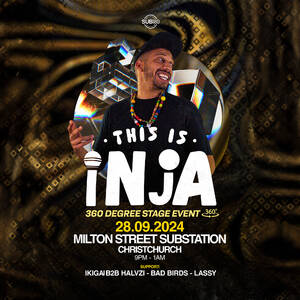
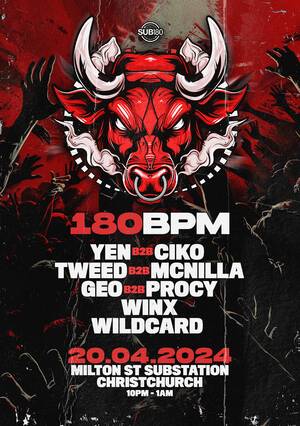
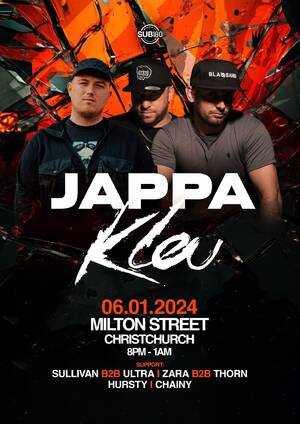
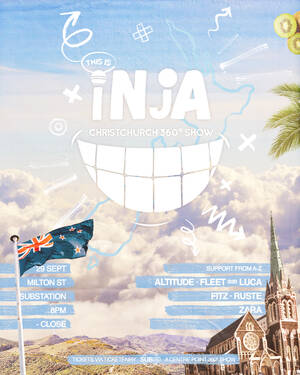
Music programming became more visible in 2023 and 2024. The venue hosted the Christchurch stop of This Is Inja , a 360-degree drum-and-bass event featuring UK artist Inja and local support acts. The event was promoted as an 18-plus, late-night experience and its ticket releases sold out. A second Inja event followed in September 2024, alongside listings for artists and events including Mungo’s Hi Fi, Formula and Jappa. ticketfairy.com
Other public examples include Wild Hearts Christchurch, a wedding fair held in 2023; a 2024 music event licensed for approximately 110 people; themed performance and dinner programming in 2025; and a charity pub-rock show by The Muppets in 2026, supported by Vertigo. These bookings suggest a venue comfortable with costumes, dancing, live acts, amplified music, formal dinners and mixed indoor-outdoor formats.
Confirmed 2026 examples include the ENSOC x BCD Ball in July, the Women in Engineering Wine and Cheese event in August, Plant Party #10 in September and Wild Wild West: Boots, Bands & BBQs in November. The 2026 programme demonstrates the venue’s continuing appeal for student societies, themed social events, live music, costume-led parties and food-focused gatherings. No substantial public programme beyond the announced 2026 events was located, so future bookings should be treated as event-by-event announcements rather than a fixed season.
Typical ticket prices vary because each event is produced by its own organiser. Recent documented examples range from approximately NZ$35–45 for university social events, NZ$60–70 for a student ball, and NZ$100 for a themed dinner with buffet food. Music, club and charity events may use early-bird, general-admission or door-sale tiers. The Inja event used multiple release stages, with every listed allocation eventually selling out.
Tickets and Booking
There is no single venue-wide ticket price or standard box office. Tickets are normally issued by the individual promoter, university society, charity or event host. Read the event description carefully for age limits, inclusions, transport, food, bar arrangements, dress codes and accessibility, because these conditions are not identical from one booking to the next.
For popular music and student events, buying during the first release is the safest approach. The Inja event used several ticket tiers and sold out, while the ENSOC x BCD Ball and Women in Engineering event both announced specific release times and discounted member pricing. Some events include food, drink tokens or return buses, so the headline ticket price may represent better value than a standard entry-only ticket. ticketfairy.com
Private venue hire is handled separately from public ticket sales. The Substation offers tours, event proposals, furniture options, beverage packages and flexible room layouts. An older published hire listing quoted NZ$2,250 from Sunday to Thursday and NZ$3,990 on Friday and Saturday, inclusive of GST, but those figures should be treated as historical guidance rather than a current quotation.
For a private booking, ask for the current capacity plan, included furniture, catering rules, beverage conditions, access times, cleaning arrangements, security requirements and any restrictions on external suppliers. The venue permits considerable customisation, including BYO and self-catering options for suitable private events, but public ticketed events may operate under a different bar and licensing arrangement.
About Milton St Substation
Milton St Substation is a restored former electricity substation at 259 Milton Street, Sydenham, Christchurch. The building was constructed in 1928 by Christchurch’s Municipal Electricity Department and is recognised in the Christchurch District Plan as a significant heritage place. It is one of the largest remaining ornamental substations associated with the city’s early electricity network.
The original building was larger than many comparable substations because it needed to accommodate a travelling crane for lifting heavy transformers. Its exterior combines industrial brick construction with a deliberately formal façade: a tall parapet, classical pilasters, projecting cornice, decorative torchère motifs and a wide steel-framed upper window. The architectural treatment helped make a large technical building more acceptable in a residential neighbourhood.
The substation became redundant after a smaller replacement facility was built nearby in the second half of the twentieth century. It was decommissioned and sold to private buyers in the 1990s, then used as a building-material salvage yard and later for furniture manufacturing and a furniture showroom. Earthquake damage left the building unused after 2011 until property developer Clark Mauger purchased it in 2017.
Restoration involved approximately three years of renovation, heritage work and earthquake strengthening. The Heritage EQUIP project included structural steel bracing, strengthening of the street-facing parapet and tying of the brick masonry infill walls. A building-consent record describes the alterations and change of use as targeting an overall seismic capacity of 67 percent of the New Building Standard.
The restoration received a Christchurch Civic Trust commendation for retaining, restoring and adapting a Sydenham heritage building. The result is unusual: a former electrical utility has become a working hospitality and events space without losing its exposed brickwork, industrial scale or visible structural character.
Seating and Layout
The venue can accommodate up to 290 guests, although the usable number depends on the event format and how much space is required for catering, dancing, staging, bars, furniture and circulation. Published venue information gives capacity of up to 200 for a sit-down dinner and around 150 for a relaxed party or function. A separate event-hire specification lists up to 110 seated on the mezzanine, while another arrangement describes dinner seating for approximately 120 guests.
There is no fixed theatre seating plan. The main elements are a large entrance foyer, a ground-floor entertainment or dance-floor area, an upper mezzanine, a north-facing balcony, a rear courtyard and a rear service yard. These areas can be assigned different purposes: registration and drinks in the foyer, a ceremony or stage downstairs, dining upstairs, dancing on the ground floor and informal conversation outdoors.
For standing music events, the best view is usually on the ground floor near the stage or DJ position. The mezzanine can provide an elevated perspective and a quieter place to watch, although sightlines will depend on the promoter’s staging. For seated dinners, the mezzanine offers a brighter, more open setting, while the ground floor is better suited to dancing and performances. There are no permanent VIP sections advertised.
The venue’s industrial surfaces and multiple levels create atmosphere but also mean that sound can vary between locations. A listener close to the stage will receive the most direct sound, while the balcony and courtyard may be more suitable for conversation. For amplified concerts, check whether the event uses the venue’s supplied system or a hired production package.
Detailed room dimensions and full floor plans are not publicly published. The venue states that measurements and floor plans are available as part of the enquiry process, so exact layouts should be requested before planning a large production or accessibility-sensitive event.
Inside the Venue
Expect a compact, characterful entrance leading into a much larger interior. The building retains warm exposed brick, high ceilings, timber ceiling elements and black stainless-steel staircases. The double-height foyer and upper mezzanine allow one event to feel like several connected rooms rather than a single hall. A courtyard and balcony add outdoor relief, particularly during weddings, markets and summer parties.
The venue provides indoor and outdoor bathroom amenities, five stocked bathroom facilities, sinks in the lobby and mezzanine, heating on both main levels, high-speed Wi-Fi and a mezzanine data point intended for live streaming. Private hire also includes a commercial dishwasher, water supply, three-phase power, wine-barrel tables and outdoor umbrellas.
Production directories describe the venue as having access to a stage, sound system, lighting, projector, bar and Wi-Fi. The venue’s furniture catalogue also lists mobile foldable stages with padded surfaces for acoustic dampening, available for ground-floor use. Public material does not identify specific speaker models, mixing consoles, microphones, lighting fixtures, rigging capacities or house patch lists, so touring performers should request a current technical specification rather than assume a full concert-production package.
Food and drink arrangements depend on the booking. Private events can choose catering and beverage packages, work with external suppliers and, in suitable circumstances, use BYO or self-catering options. Public events have used cash bars, drink tokens, buffet meals, food trucks, barbecue service and catered dinners. Do not assume that every ticket includes food or that every event permits outside alcohol.
Merchandise, coat check, photography rules and bag checks are organiser-specific. One 2025 event offered a paid coat check and required guests to respect privacy and consent around photography; other events may set different rules. Arrive with your ticket ready on your phone, valid identification where required and clothing suitable for moving between heated interiors and the courtyard.
Getting There and Parking
The address is 259 Milton Street, Sydenham, Christchurch 8023. The building is on the southern side of the central city, close to Colombo Street, Sydenham shops and the Port Hills. It is convenient by car or rideshare, but event listings warn that the venue has limited on-site parking and that nearby residential street parking can fill quickly.
Parking should be treated as limited rather than guaranteed. The rear service yard is included in some private-hire arrangements, but that does not mean every public event provides general visitor parking there. Follow posted restrictions, avoid bus stops, driveways, loading areas and broken yellow lines, and allow extra time if attending a sold-out event. Christchurch parking infringements can be substantial for overstaying, unpaid parking, bus-stop parking or parking on footpaths.
Metro buses serve the Sydenham corridor. Current route information shows the 44 travelling through Colombo Street, Drummond Street and Milton Street between Shirley and Westmorland, while routes serving Sydenham Shops connect the area with the Bus Interchange and other Christchurch suburbs. Stops around Milton Street and the Colombo Street shopping strip are the most practical public-transport targets; check live departure information on the day because stop locations and evening frequencies can change.
Rideshare and taxis are the simplest late-night option, especially when alcohol is being served or when an event finishes after regular bus frequency has reduced. Ask the event organiser where they want vehicles to collect guests, as the small entrance and residential street can become congested after a large function.
Nearby Amenities
The Colombo shopping and hospitality precinct on Colombo Street is the nearest cluster of food and daytime amenities. It includes cafés, casual dining and retailers, with Little Vietnam offering Vietnamese food at the Sydenham shopping centre. The Colombo is generally a daytime destination, so guests attending evening events should check closing times rather than assume that nearby food outlets will remain open after a late show.
For a daytime coffee or early meal, Sydenham has several cafés along Colombo Street and nearby side streets. Catnap Café is another local option, although its hours and entry arrangements make it more suitable for a planned visit than a spontaneous late-night stop. For accommodation, Colombo Lodge is in Sydenham, while the central city has a wider selection of hotels and apartments within a short taxi ride.
For ticketed evening events, arriving 30–60 minutes before the advertised start is sensible. That allows time for street parking, identification checks, ticket scanning, cloakroom arrangements and finding the correct floor. Markets may operate more continuously, while concerts, balls and themed events usually have a clearer entry window.
What Makes This Venue Special
Milton St Substation matters because it combines heritage retention with an active contemporary use. Christchurch lost many older buildings through earthquake damage and redevelopment, so preserving a large 1928 electrical substation and returning it to public use gives Sydenham a distinctive landmark. The building’s original purpose is still legible in its scale, masonry, crane-related design and formal street façade, even though its current life is social rather than industrial.
Its strongest feature is the contrast between the small green entrance and the expansive interior beyond it. Inside, raw brick, steel stairs, timber surfaces, mezzanine levels, a balcony and a courtyard create a sequence of spaces that can change character from one event to the next. Wedding suppliers have used it for ceremonies, dinners and dancing; artists have used it for filming; promoters have used it for music and late-night events.
The venue also supports a network of local suppliers: caterers, bar staff, stylists, florists, hire companies, musicians, DJs, security staff and event producers. That role is not measured publicly in a dedicated economic-impact report, but the documented pattern of weddings, corporate functions, markets, music nights and creative production indicates a practical contribution to Christchurch’s hospitality and events economy. This is an inference from the venue’s recorded programming and supplier relationships.
Visitor Tips and Information
Check the individual event rules before travelling. Age restrictions, dress codes, photography limits, alcohol arrangements, security requirements and transport may be set by the promoter rather than by the building. Recent examples include 18-plus entry, themed dress, consent-based photography, security staff and restrictions on intoxication. A public event’s conditions can therefore be stricter than the flexible arrangements available for a private booking.
The ground-floor areas, lobby and courtyard are the most practical spaces for guests with mobility needs. The mezzanine is reached by stairs, and an event-specific accessibility notice confirmed that its bathrooms were on the ground floor. A venue directory describes a step-free entrance, but detailed information about accessible toilet dimensions, companion seating, hearing assistance and evacuation procedures is not consistently published. Contact the event organiser before buying if you need a step-free route or reserved space.
Wear comfortable shoes for events involving stairs, dancing or movement between the courtyard and indoor rooms. Bring a warm layer for outdoor areas, even when the main building is heated. Do not rely on finding a parking space directly outside. For music events, earplugs are sensible, especially near amplified stages. For private functions, ask in advance about food allergens, late-night transport, photography and whether the bar accepts cash, electronic payment or event tokens.
Frequently Asked Questions
Where is Milton St Substation located?
Milton St Substation is at 259 Milton Street in Sydenham, Christchurch, Canterbury, New Zealand. It is south of the central city, close to Colombo Street and the Sydenham shopping area. The building is easy to identify by its heritage façade and green entrance doors. Use the full street address when arranging a taxi or rideshare, as the surrounding streets contain several industrial and residential properties.
Is Milton St Substation a concert venue?
It can host concerts, DJ events and live performances, but it is primarily a multipurpose function venue. Its regular work includes weddings, corporate events, balls, markets, exhibitions and celebrations. Promoters bring in different production arrangements for music events, so the atmosphere and technical setup can vary substantially between bookings. It is better understood as an adaptable event building than as a permanent music club.
What is the maximum capacity?
The largest published capacity is up to 290 guests, although the safe number depends on the layout, event type and licensing plan. Published arrangements include approximately 200 seated for dinner, 150 for a relaxed party and up to 110 seated on the mezzanine. Outdoor spaces may increase usable capacity for some private functions, but the organiser should confirm the approved plan for each event.
Does Milton St Substation have fixed seating?
No permanent theatre-style seating plan is advertised. Furniture is arranged for each event, with options including dining tables, cocktail layouts, standing audiences, dance floors and ceremony seating. For music events, the ground floor is generally the principal performance area. For dinners and ceremonies, the mezzanine may be used. Ask the organiser whether the event is seated, general admission or mixed-format before purchasing.
Are there upstairs and downstairs areas?
Yes. The venue includes a ground-floor entrance and entertainment area, an upper mezzanine, a balcony, a courtyard and a rear service yard. The different levels are one of the building’s defining characteristics. They allow organisers to separate arrival, dining, dancing, bars, quiet conversation and outdoor activities. The upstairs level is reached by stairs, so it is not suitable for every guest.
Is the mezzanine wheelchair accessible?
Event information confirms that the mezzanine is accessed by stairs. The ground-floor rooms, lobby and courtyard are therefore the more practical areas for guests who cannot use stairs. A step-free entrance is described in a venue directory, but detailed access arrangements can differ according to the event layout. Contact the event organiser before booking if you require step-free seating or an accessible evacuation plan.
Is there parking at the venue?
Parking is limited. Some private-hire information includes use of the rear service yard, but public event guests should not assume that it functions as general parking. Street parking is available in the surrounding area where legally permitted, although residential spaces can fill quickly. Avoid bus stops, driveways, loading areas and restricted sections of Milton Street. Rideshare or taxi travel is often the least stressful choice for late events.
Which buses go near Milton St Substation?
Metro route 44 travels through the Milton Street and Sydenham corridor, linking the area with the central city and other suburbs. Other routes serve Sydenham Shops and nearby Colombo Street connections. Because Christchurch bus timetables and stop arrangements can change, use the live journey-planning information on the day of travel. Plan a rideshare or taxi alternative if your event ends late.
How early should I arrive?
For a concert, ball or themed evening, arriving 30–60 minutes before the advertised start gives time for parking, ticket scanning, identification checks and finding the correct room. Arriving earlier is particularly useful when tickets are sold in limited releases or when the event has a popular general-admission floor. Markets may allow more flexible arrival, depending on their published opening hours.
Does the venue have a bar?
Yes, the venue provides bar services for suitable events and has operated licensed bars at public functions. Private bookings can select beverage packages or arrange other approved options. Public events may use cash bars, drink tokens or included beverages. Do not assume that outside alcohol is permitted, as the rules depend on the event’s licence and organiser. Check the event conditions before arrival.
Can guests bring their own food?
Private bookings have considerable flexibility and may use BYO or self-catering arrangements where approved. Public ticketed events follow the organiser’s catering plan and may provide buffet food, barbecue service, food trucks or no food at all. Because the building is not a standard restaurant, guests should not expect an everyday café or dining menu. Check whether food is included in the ticket before travelling.
Are food and drinks included in the ticket?
Sometimes. The 2026 ENSOC x BCD Ball included food all night, drink tokens, a band and a DJ, while the Women in Engineering Wine and Cheese event included complimentary drinks and food-related offerings. Other events have charged separately for bar purchases or meals. Ticket inclusions are controlled by the promoter, so read the event description rather than relying on the venue name alone.
What ticket prices are typical?
Recent public examples range from about NZ$35–45 for student social events, NZ$60–70 for a university ball and NZ$100 for a themed dinner with buffet food. Music and club events may use staged releases, with early-bird tickets cheaper than later allocations. Private venue hire is priced separately and is not comparable with a public admission ticket. Prices can change between editions of recurring events.
Are events usually all ages?
Not necessarily. Weddings, markets and corporate functions may be suitable for broad age groups, but music and nightlife events can be 18-plus. The 2023 Inja event and the 2025 themed dinner both used adult-entry conditions, while student balls may apply society-specific identification or membership rules. Check the individual event listing for age restrictions, acceptable identification and any rules for accompanying younger guests. ticketfairy.com
Can I take photographs inside?
Photography rules vary by event. Ordinary private functions may encourage photographs, but some themed or performance events impose privacy and consent requirements. A 2025 event specifically instructed guests not to photograph people without consent and treated the venue as a safe space. Do not photograph performers, guests or private activities without permission, and follow any no-camera instruction from staff or the promoter.
Does the venue offer coat check?
Coat check is not advertised as a universal venue service. One 2025 themed dinner offered it for a separate fee, showing that organisers may add the service for particular events. If you are attending during winter or plan to use the courtyard, ask whether a staffed coat check will operate. Otherwise, bring only what you can keep with you comfortably.
What technical facilities are available?
Public venue information identifies Wi-Fi, a mezzanine data point, three-phase power, heating, a projector, lighting, a sound system, a bar and mobile ground-floor stages. Detailed equipment models, rigging limits, microphone inventories and console specifications are not published. Touring acts, DJs and production companies should request the current technical pack and confirm what must be hired separately.
Why is the building historically important?
It was built in 1928 for Christchurch’s Municipal Electricity Department as a large district substation. Its size, ornamental classical façade, transformer-handling crane and connection with the city’s early reticulated electricity network make it significant. After being decommissioned and damaged in the earthquakes, it was strengthened and restored for a new public use. It is recognised as a significant heritage place in the Christchurch District Plan.
Is Milton St Substation suitable for weddings?
Weddings are one of the venue’s main uses. The building supports indoor ceremonies, mezzanine dining, ground-floor dancing, balcony drinks, courtyard gatherings and flexible catering. Published wedding information describes capacity of up to 290 guests, with different arrangements for formal dinners and relaxed celebrations. Couples can generally choose suppliers and styling options, subject to the current venue agreement and event requirements.