Events and Programming
Space Academy is a grassroots music venue, pizzeria, bar and community space at 371 St Asaph Street in central Ōtautahi Christchurch. Its published programme usually runs from Wednesday to Sunday, with live gigs and events commonly beginning around 7pm or 8pm and continuing into the evening. The venue says its stage can host as many as seven events in a week, making it one of Christchurch’s more active small-scale performance rooms.
The programming is broad but consistently independent in character. Recent and recurring formats include alternative rock, indie, punk, hardcore, metal, pop, folk, country, jazz, hip-hop, R&B, electronic music, experimental sound, poetry, film-related events, talks, workshops, debates and community gatherings. Regular 03 Sessions nights focus on original and improvised music from Ōtautahi and beyond, while Brazilian jam sessions and other culturally specific music events add a world-music dimension.
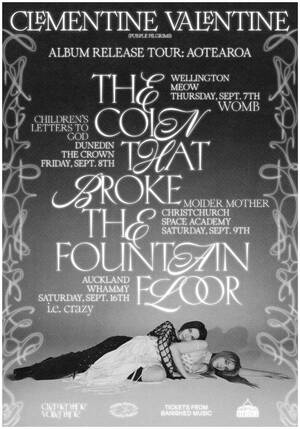
The verified 2021–2026 event record shows how widely Space Academy books. In 2021, the room hosted a large Christchurch jazz nonet and a neo-soul, future-jazz and R&B bill featuring 10:32, VÏKÆ and MARY. In 2022, the programme included 03 Sessions and The Eastern’s community-minded Barlands tour, which combined local performers with a food-bank collection.
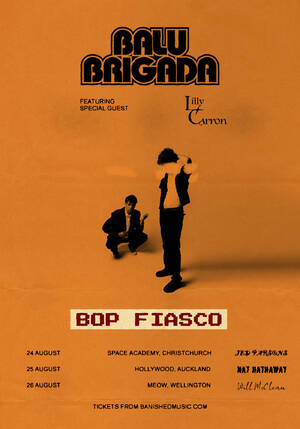
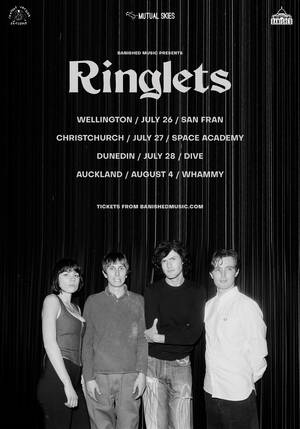
In 2023 and 2024, listings and reviews documented indie-pop and surf-pop shows, Brazilian samba and world music, album-release tours, art-rock, jazz, noise, deep listening and experimental sound. A 2023 review of Beachware and Haven described a small room with an intimate crowd, strong atmosphere, good food and a large, well-mixed sound. A 2024 review of Luke Buda’s performance similarly praised the sound and lighting.
The 2025 programme continued to mix local development opportunities with touring artists. It included the Australian punk-rock band C.O.F.F.I.N, dream-pop group Phoebe Rings, experimental project vegetable.machine.animal, album releases, political and community events, fundraisers and local multi-band bills. The venue also presented an all-ages matinee and an R18 evening performance for the touring American band The Schizophonics, showing how the same space can serve different audiences on one day.
In 2026, the published calendar includes improvised jazz, alt-pop, indie-folk, post-punk, hardcore, electronic music, album-release shows, community events and variety programming. The current announced listings extend into February 2027, with further mixed bills and touring acts already appearing in the calendar. Because individual shows can move or sell out, treat the live listing beside this guide as the final word on what is available.
Tickets and Booking
Space Academy does not publish one standard ticket price. Verified listings show that many local and touring shows fall between about NZ$15 and NZ$30, with presale prices commonly lower than door prices. Examples include NZ$15–20 for smaller touring or local bills, NZ$20–25 for some album-release and touring shows, and NZ$20–30 for 03 Sessions jazz events. Fundraisers, special line-ups and larger one-off performances can cost more, while community events may be free or koha entry.
Buy tickets through the individual event listing when advance sales are offered. Some events also advertise door sales, sometimes by cash or EFTPOS, but door availability is never guaranteed. For popular weekend bills, all-ages shows, touring acts and special fundraisers, advance purchase is the safer option. Arriving early is sensible because the room is small and sold-out performances can feel full quickly.
There is no evidence of a permanent conventional box-office window. Admission is generally handled at the entrance by the event organiser or venue staff, with ticket checking, door payment and age verification taking place there. Prices, door times, presales, student concessions and refund arrangements belong to the individual event rather than to a single venue-wide scheme.
About Space Academy
Space Academy occupies a converted industrial warehouse and has been based at 371 St Asaph Street since 2014. The project was founded by Hamish Campbell, Megan Barnacle and Richard Barnacle after the group spotted the building while out at the nearby Darkroom. Preparing the venue took roughly a year of work, with friends and whānau contributing labour, ideas and materials. The name came from people joking that the founders were “Space Cadets” when they described the project.
The building originally operated as a layered creative and hospitality project. Doki hair salon occupied the small street-facing front room, while Kadett Cafe operated during the day before eventually closing in 2019. Space Academy developed as the evening venue and bar. During the Covid period, the team worked with the creators of Alligator Pizza to introduce the Pizza Trap kitchen, adding a new food-based reason to visit as well as an additional income stream for the venue.
There is no single authoritative public capacity plan or room-dimension sheet. Published venue references place the standing capacity at approximately 150, while another account refers to a 120-person show capacity. The most responsible practical assumption is that Space Academy is a roughly 120–150-person venue, depending on stage setup, furniture, audience layout and event conditions. It should be treated as an intimate club rather than a theatre or arena.
Seating and Layout
The main room is flexible rather than arranged around a permanent seating chart. Most gigs use an open standing floor in front of the stage, with some stools, benches, high tables or edge seating available depending on the event. There are no published balcony, tiered seating or VIP sections. The best position for close-up energy is near the front, while the back and side areas are more suitable for conversation, easier movement or a less intense view of louder shows.
Event format makes a noticeable difference. Rock, punk and hardcore nights can become active dance-floor or mosh-pit shows, while jazz, poetry, talks and fundraiser programmes may use more chairs. A 2026 variety fundraiser was advertised as mainly seated, demonstrating that the room can be reconfigured when the performance needs a listening audience.
The low-scale room puts audiences close to performers, but proximity also means sound levels can be strong at the front. Reviews have praised the venue’s sound mixing, while the 2026 variety-show fundraiser explained that the existing speakers had become tired and that replacement speakers were being sought. Exact speaker brands, console models, lighting inventory, stage dimensions and acoustic-treatment specifications are not publicly documented.
Getting There and Parking
Space Academy is at 371 St Asaph Street, Christchurch Central City, near the Montreal Street end of St Asaph Street. It sits within the compact St Asaph Street creative and nightlife precinct, opposite the Darkroom and close to other bars, eateries and independent businesses. From the central city, walking is usually straightforward; the Bus Interchange is the main public-transport hub for reaching the area.
Metro Christchurch buses serve the central city through the Bus Interchange and the surrounding St Asaph, Tuam, Moorhouse and Manchester Street corridors. Routes listed in the wider network include services such as 3, 7, 60 and 80, although stop locations and timetables can change. For an evening event, check the current Metro journey information and allow extra time for the walk from the nearest stop.
There is no venue-owned mobility parking. The venue confirms that its driveway can be used for unloading, but not as dedicated mobility parking. Nearby paid options include the Central Park facility at 255 St Asaph Street, which lists a rate of NZ$4.90 per hour and NZ$10 overnight parking from 9pm to 8.30am. Another St Asaph Street car park lists casual rates from NZ$3.50 per half-hour, with separate evening and weekend pricing. Christchurch City Council on-street metered parking is listed at NZ$5 per hour; restrictions and private-car-park charges can change.
For rideshare or taxi drop-off, use the St Asaph Street frontage rather than blocking the driveway. On busy gig nights, arrange the pickup point away from the entrance and be prepared to walk a short distance so arriving and departing vehicles do not obstruct pedestrians or other guests.
Inside the Venue
Space Academy combines a bar, performance room, dining area and courtyard atmosphere rather than operating like a formal concert hall. Pizza Trap serves neo-Neapolitan pizzas on house-made, hand-thrown sourdough bases from Wednesday to Sunday, with kitchen hours listed as 5pm to 9pm. The venue says bookings are not taken for groups smaller than eight, so smaller parties should plan to arrive with time to find a table.
The courtyard is one of the venue’s recognisable features. It was developed from part of the former car-park area and has gradually become a plant-filled outdoor space with beer-hall-style tables. Inside, expect a casual, handmade setting rather than polished corporate interiors: reclaimed timber, bright decoration, flexible furniture, a small stage, a bar and a close relationship between audience, artists and staff.
Specific policies on bags, photography, coat check, Wi-Fi, re-entry and professional recording are not clearly published in authoritative venue material, so they should not be assumed. The rules that are consistently visible in event information are the age rating, door time and ticket conditions for the particular show. Keep valuables secure, follow staff instructions and bring photo identification if you intend to purchase alcohol or attend an R18 event.
Nearby Amenities
The immediate St Asaph Street block works well for a pre-show meal or drink. Scoundrel at 375 St Asaph Street serves tacos, coffee, wine and beer in another converted warehouse. The Lotus-Heart at 363 St Asaph Street provides vegetarian and vegan food, with evening service on Fridays and Saturdays. Tap Room and the Darkroom are also close by, while the wider central city offers more restaurants, bars and late-night options within walking distance.
Pizza Trap is the simplest option if you want to eat without leaving the venue. Arrive 45–60 minutes before the advertised music time if you plan to dine, collect tickets, find parking and settle into a good viewing position. For late-night travel, check the final bus departure before the show; rideshare, taxi or a pre-arranged lift may be more practical after the last performance.
What Makes This Venue Special
Space Academy’s importance comes from its combination of functions. It is not only a bar presenting established touring acts: it is also a first-stage venue for emerging musicians, a place for experimental performance, a home for community events and a room where under-18 audiences can sometimes attend properly produced shows. The venue’s all-ages work has received Christchurch Creative Communities support, including a NZ$1,000 grant for “All Ages Gigs” in the 2024–25 funding round.
The venue forms part of a post-earthquake creative cluster on St Asaph Street. Alongside Darkroom and other independent spaces, it helped rebuild a local live-music ecosystem after Christchurch lost many venues and gathering places. National coverage has described Space Academy, Darkroom and Flux as small rooms where artists and DJs can develop their work, while the venue’s owners have argued for a city where residential growth and nightlife can coexist rather than displace one another.
The design carries the history of that community. The interior draws on Japanese, Scandinavian and local influences; some shelving came from a red-zoned Christchurch house reused through the Whole House Re-use project, and artist and furniture maker Tim McGurk built the stage, stools and high tables from rescued materials. The plant-filled courtyard, handmade furniture and evolving décor make the space feel assembled by a community rather than delivered as a finished commercial fit-out.
Its wider cultural impact is real but not expressed through a published economic-impact study. The strongest evidence is qualitative: frequent programming, artist development, all-ages access, community fundraisers, national venue advocacy and the continuing role of the St Asaph Street precinct in Christchurch’s independent music scene. Space Academy co-owner Richard Barnacle is also listed as a governing representative of Independent Music Venues Aotearoa, a collective addressing the pressures faced by small grassroots venues.
Visitor Tips and Information
The venue, toilet and dining area are wheelchair accessible, according to Space Academy’s own accessibility information. There is no mobility parking at the venue, although the driveway can be used for unloading. Because the room layout changes by event, visitors who need a particular position, clear route or seating arrangement should check directly before buying a ticket. No separate ADA certification or detailed accessible-seating plan is publicly listed; New Zealand accessibility terminology and requirements apply instead.
Check the age rating before purchasing. Space Academy presents both all-ages and R18 events, and some touring acts have used an early all-ages show followed by a separate evening performance for adults. Dress is informal and practical. Wear comfortable footwear for standing shows, consider ear protection for amplified rock or hardcore, and arrive early for sold-out or high-demand gigs.
The venue’s character is relaxed, but the room is compact and events vary considerably. A quiet jazz night, a seated variety fundraiser and a loud punk show will not feel like the same venue. Read the individual listing carefully for start time, age limit, ticket tier, door sales, seating information and any special instructions.
Frequently Asked Questions
Where is Space Academy in Christchurch?
Space Academy is at 371 St Asaph Street in Christchurch Central City, near the Montreal Street end of the road. It is part of the St Asaph Street creative precinct and sits close to the Darkroom, restaurants, bars and other independent businesses. The venue is within walking distance of the central city and the Bus Interchange, although late-night visitors should check their return transport.
What kind of venue is Space Academy?
Space Academy is a grassroots live-music venue, bar, pizzeria and multi-use community space. It presents concerts, jazz, punk, electronic music, experimental sound, poetry, talks, workshops, fundraisers and other creative events. Its warehouse setting is intentionally informal, with food, drinks and performance activity sharing the same overall space rather than being separated into a conventional theatre and foyer.
What is the capacity of Space Academy?
No official public capacity sheet or fixed seating plan has been located. Published venue references place the capacity at approximately 150, while another account refers to a 120-person show capacity. A practical visitor guide is therefore around 120–150 people, depending on furniture, stage equipment and whether the event is standing or seated. Popular shows can feel full well before the advertised start.
Does Space Academy have seated or standing concerts?
Both formats are possible. Most rock, punk, electronic and touring shows use an open standing floor close to the stage, with limited edge seating. Jazz, poetry, talks and special fundraisers may add chairs or use a mainly seated arrangement. There are no published reserved-seat maps, balconies or VIP sections, so seating and sightlines depend on the individual event setup and arrival time.
How much do Space Academy tickets cost?
Prices vary by promoter and event. Recent listings show many local and touring gigs priced around NZ$15–30, with presales often cheaper than door sales. Smaller shows can cost less, while fundraisers, special line-ups and larger touring performances can exceed that range. Community events may be free or koha entry. Always check the individual listing for the current price and concessions.
Can I buy tickets at the door?
Some events advertise door sales, often using cash or EFTPOS, but this depends on the promoter and whether tickets remain. A sold-out show will not necessarily keep a door allocation. For popular weekend gigs, all-ages performances and special fundraisers, advance purchase is safer. If you plan to buy at the door, arrive early enough to allow for a queue and possible capacity limits.
Are Space Academy events all ages?
Some are, but not all. The programme includes all-ages concerts, early matinees and family-friendly community events, as well as R18 performances. Age restrictions are set for each show and should be treated as definitive. An artist may appear at the venue in both an all-ages afternoon format and an R18 evening format, so check the specific session rather than relying on the venue name alone.
Does Space Academy serve food?
Yes. Pizza Trap operates inside Space Academy and serves neo-Neapolitan pizzas made with quality ingredients on house-made hand-thrown sourdough bases. The published kitchen hours are Wednesday to Sunday, 5pm to 9pm. Smaller groups generally do not need or receive table bookings. If you want dinner before a gig, arrive early because the kitchen schedule and event crowd can make the room busy.
Is Pizza Trap suitable for vegetarian or vegan visitors?
Pizza Trap’s published descriptions focus on quality ingredients and its sourdough pizza offering, while visitor and food listings document vegetarian and vegan choices. Menus can change, so guests with allergies or strict dietary requirements should confirm the available options before ordering. The surrounding St Asaph Street area also includes a dedicated vegetarian and vegan restaurant, providing an alternative before the show.
Is Space Academy wheelchair accessible?
Space Academy states that the venue, toilet and dining area are wheelchair accessible. It also states that there is no mobility parking at the venue, although the driveway can be used for unloading. Because the room is reconfigured for different events, visitors needing a particular route, position or amount of space should confirm arrangements before attending rather than assuming every show will have the same layout.
Does Space Academy have mobility parking?
No dedicated mobility parking is listed by the venue. The venue says its driveway can be used for unloading, which may help passengers who need a close drop-off. Nearby central-city parking is paid and may not provide the same access conditions. A driver should unload the passenger first, then move the vehicle to a legal parking space without blocking the venue entrance or driveway.
Where can I park for Space Academy?
There is no venue-owned car park. Options include metered street parking and nearby private facilities on or near St Asaph Street. One nearby car park lists NZ$4.90 per hour and NZ$10 overnight parking from 9pm to 8.30am; another lists casual rates from NZ$3.50 per half-hour. Rates, restrictions and closing arrangements can change, so allow extra time on busy nights.
Can I take a bus to Space Academy?
Yes. Metro Christchurch buses serve the central city, with the Bus Interchange acting as the main connection point. Several city and suburban routes use corridors around St Asaph, Tuam, Manchester and Moorhouse Streets. The nearest stop and best route depend on where you are travelling from and the current timetable. Plan the final walk in daylight if you are unfamiliar with the area.
Is Space Academy near other Christchurch music venues?
Yes. Space Academy is part of the St Asaph Street music and hospitality cluster, with the Darkroom directly nearby and other bars, eateries and creative businesses within a short walk. This concentration is part of the area’s cultural identity: audiences can often move between different independent venues in one evening, although doors, ticketing and age restrictions remain separate for each event.
Does Space Academy have a courtyard?
Yes. The venue has developed a plant-filled courtyard from part of its former car-park area. It includes outdoor beer-hall-style tables and provides a more relaxed place to eat, drink or talk when the event setup permits. The courtyard is not a substitute for the performance room, and access or availability may change during busy concerts, private functions or weather-sensitive periods.
Does Space Academy have professional sound and lighting?
The venue has permanent sound equipment and event reviews have praised the quality of the mixing and lighting. However, Space Academy does not publish a full technical rider with equipment brands, console models, fixture lists, stage dimensions or acoustic specifications. In 2026, a fundraiser stated that the venue was seeking replacement speakers, so production capability may evolve as equipment is upgraded.
Should I arrive early?
Arriving 30–60 minutes before the advertised performance is sensible for a popular show. It gives you time to find parking, collect or verify tickets, order food, choose a viewing position and understand the room layout. Early arrival is particularly useful for all-ages matinees, sold-out local bills, seated performances and events where Pizza Trap is serving before the music begins.
What should I bring to a Space Academy gig?
Bring your ticket details, photo identification if the event is R18 or you intend to buy alcohol, and a payment method accepted by the event. Comfortable shoes are useful for standing shows, while ear protection is sensible for loud amplified music. Avoid assuming that large bags, professional cameras, outside food or re-entry are permitted; check the event instructions and follow staff directions.
Why is Space Academy important to Christchurch’s music scene?
Space Academy provides a small, flexible stage where emerging local artists, touring acts, experimental performers and younger audiences can meet. Its post-earthquake history, reclaimed-material interior, all-ages programming, community events and position within the St Asaph Street venue cluster give it importance beyond its size. It functions as both a performance room and a social infrastructure for independent Ōtautahi culture.