About Agustín Melgar Olympic Velodrome
The Agustín Melgar Olympic Velodrome is an iconic open-air cycling arena in Mexico City’s Ciudad Deportiva (Magdalena Mixhuca Sports City) (mapcarta.com). Built for the 1968 Summer Olympics, it opened in September 1968 under President Díaz Ordaz and quickly became a top-tier track – nicknamed the “Cycling Cathedral” of world record attempts. Its long 333.33-meter oval track (7 m wide, with a steep 39° banking) was purpose-built for speed (www.wikicity.com). With a fan seating capacity of about 6,800 (www.wikicity.com) (mexicocity.cdmx.gob.mx), the velodrome also contains an infield grass turf (used for soccer and other sports) that can host stages or general admission space (en.wikipedia-on-ipfs.org). It is named after Agustín Melgar (one of Mexico’s “Niños Héroes” from 1847) (mexicocity.cdmx.gob.mx), and lies 140 m north of the Velódromo metro station (Line 9) that bears its name (mapcarta.com). Over the decades, legendary cyclists have raced here – for example, Eddy Merckx set the famous world hour record at this venue in 1972 (mexicocity.cdmx.gob.mx) – cementing its status in cycling history. Today it stands as one of Mexico’s premier historic sports sites, celebrated for Olympic heritage and high-altitude records (roughly 2,350 m above sea level).
Events and Programming
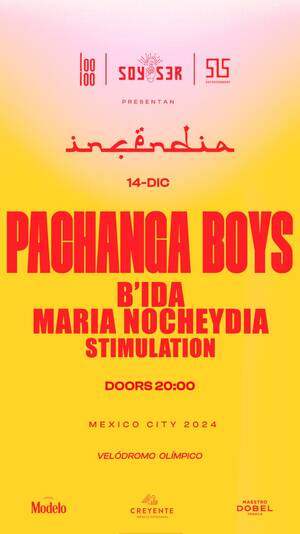
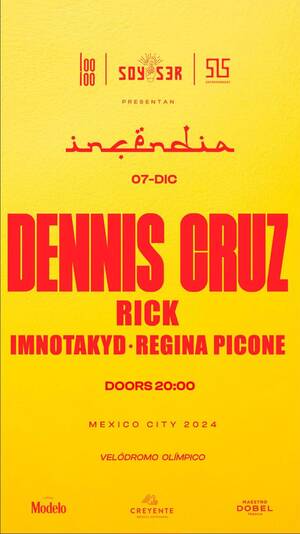
Originally dedicated to track cycling (Olympic events, national championships, open training sessions, etc.), the velodrome still hosts amateur and professional cycling events throughout the year (mexicocity.cdmx.gob.mx). Past specialties include the 1968 Olympic races, the 1975 Pan American Games and youth world championships, and it remains a hub for racing and “open track” days. However, in recent years the venue has also become a multi-purpose event center. The oval shape and large field allow it to run concerts, festivals, and special performances. In particular, 2024–2025 saw a surge of music acts announced at the Velódromo. For example, rock and alternative artists such as Maldita Vecindad (Sept. 20, 2025), La Femme (Oct. 5), an 80s/90s music fest (“We Missed Ourselves”) on Oct. 25, the electronic Anjunadeep Festival (Oct. 31), an EDM “Mad House” night (Nov. 1), and Finnish rock band The Rasmus (Dec. 13) were all slated to perform (www.infobae.com). These are large-scale concerts with elaborate production. The programming now regularly mixes sporting events with cultural and musical events. The venue’s own Facebook page and official announcements keep a running calendar of track meet schedules and new shows. (It’s also sometimes used by community groups; for example, cycling advocacy events or flag football and soccer clinics on the infield.) Overall, visitors can expect a mix of mid-sized professional events – anything from national cycling races to popular music concerts and festivals – roughly several events per month in a busy season.
Tickets and Booking
Tickets for official events are sold through the Velódromo’s authorized outlets and box office. Typically, concerts and major races announce ticket sales months in advance and use official ticketing channels or promo partners (e.g. concert promoters). For example, a 2023 concert notice mentioned tickets were available through the approved vendor on its website (www.infobae.com). In general, buyers should look for sales via official retail outlets or dedicated box-office windows at assigned times (without depending on generic online markets). Popular shows often offer presales (fan clubs, radio contests, or credit card deals) before general sale, so subscribing to artist/venue newsletters or following local promoters (plus the Velódromo’s own social media) is wise.
Ticket prices vary by event and seating level. For a recent rock festival held at the Velódromo, stand seats were about MXN 460 and general admission standing was roughly MXN 575 (www.infobae.com). In general, low-tier (upper bleacher) seats can be in the low hundreds of pesos, while front-row or pit tickets may exceed MXN 1000 for the biggest shows. Expect a range similar to other mid-size Mexico City venues. Always check the event’s announcement for the exact fare and point of sale. Tickets are usually non-refundable and tied to either digital/mobile formats or metal-print box-office pick-up (depending on the promoter). If attending, secure tickets early and keep hard copies or screenshots handy.
Seating and Layout
The Velódromo’s layout is typical of an oval cycling stadium. A banked track circles the field, with continuous concrete bleachers built into the sides. Spectator seats form a large bowl of tiered rows around the entire circuit. (The track itself is now concrete or cement, after the original wooden surface was removed in 1997.) The stands are on all four sides, with the entire arena fitting about 6,800 people (mexicocity.cdmx.gob.mx). There are no obstructed areas since the track’s center is open.
For concert events, the infield (formerly covered in synthetic turf) is typically repurposed for the stage and general admission. The stage might be set up at one end of the field, with floor standing areas in front of it. In that case, the permanent seating on the sides and far ends provides the fixed seating (bleacher) zones. The bleachers closest to the stage offer the best views of the performance. For racing events, any temporary barriers (e.g. start gates) do not block spectator sightlines, so most seats see the full loop.
Overall, the best seats depend on the event: for concerts, center-block stands facing the stage (or near the start line for races) give good sightlines. If the stage is centered, any front rows of adjacent stands are ideal. Because the structure is open-air, acoustic sound carries broadly; large PA systems are used during shows. Fans should note that seats under the afternoon sun can be hot (minimal shade), and sound may echo in corners – high-tech lighting and HD screens are used for big shows to boost visibility (www.infobae.com). Avoid areas immediately behind the stage or speakers for clarity. The venue also has a small VIP or press section near the main stands (usually roped-off), though general-concert tickets do not include special lounges unless specifically sold.
Getting There and Parking
Location: The Velódromo sits at Radamés Treviño S/N, Jardín Balbuena, in the Venustiano Carranza borough (mapcarta.com). This is on the northeast side of Mexico City, just west of the Tortugas (AICM) airport area. It lies adjacent to the Autódromo Hermanos Rodríguez and Foro Sol complexes, making it part of a large sports/cultural district. In mapping apps, search “Velódromo Olímpico Agustín Melgar, CDMX” or use the provided address above.
Metro: The venue is extremely transit-friendly. The Mexico City Metro’s Line 9 (the olive-colored line) stops at “Velódromo” station, which is only about 140 meters south of the velodrome (mapcarta.com). The station is named for the track; it is a short, mostly level walk up Radamés Treviño to the east entrance. Line 9 connects to lines 1, 7, and A elsewhere, and runs east-west across the city (from Tacubaya to Pantitlán), making it convenient from many areas.
Buses and Other Transit: Several city bus and RTP routes pass along nearby avenues (Viaducto Río de la Piedad, Circuito Interior, and Canal de San Juan). For example, buses that run along Viaducto and the outer loop can drop riders near Agua Caliente/Radamés Treviño. There is also a large bus terminal at or near Autobuses del Norte (north of the city), but for typical fans the Metro is easiest. Rideshares and taxis can be summoned to the plaza or along Radamés Treviño; there is a designated drop-off just outside the main entrance.
Parking: On-site parking is limited. Originally the Velódromo had room for about 860 cars, but much of that was taken over by city use in recent decades (www.wikicity.com). A vehicle storage yard and government offices now occupy much of the old lot. As a result, public parking is scarce and often crowded on event days. Limited parking may exist at the very west end, but most visitors drive elsewhere. Guests often park on nearby side streets (during events with tailgating etiquette), or use paid lots around Palacio de los Deportes or Aeropuerto sites (if any). In practice, using the Metro or a taxi/ride service is recommended. If driving, anticipate searching for a space at least a mile away – for example near Circuito Interior – and walking in.
Walking/Ride Details: The Velódromo is roughly 6–7 km from the city’s main airport (AIFA or CDMX airport), making it a short drive. From downtown CDMX, it’s about 9–10 km northeast (roughly 30–40 minutes by car, depending on traffic). Plan accordingly on busy days. The area has no dedicated subway direct links beyond Line 9, but bus lines handle cross-city routes. Evening concerts can end after Metro hours (last trains often stop by midnight), so fans should consider prepaid rideshare or buses for the return trip.
Inside the Venue
Upon entering the Velódromo grounds, visitors pass through standard security checks. Ticket-holders show their valid tickets (printed or mobile) at the turnstiles. Bags are inspected; large backpacks or prohibited items (see policies below) are denied. Once inside, the atmosphere is large and stadium-like. The stands are concrete benches or simple seating; there is no luxury box concession (VIP boxes exist but are usually only used for officials). The setting feels like an Olympic sports arena rather than a modern theater – the exposed metal rafters and long sightlines give it a historic feel.
Facilities: Basic visitor amenities are present. Restrooms can be found under the stands or at the ends of the bowl – most seating sections have a restroom nearby. These are concrete-and-tile facilities; on event days they are often busy so plan a pre-show restroom visit. There is no formal coat/check room, but some events may offer limited cloakroom service (staff announcements will indicate if available).
Food and Drink: On the concourse levels around the arena, you’ll find concession stands serving typical event fare. Expect beer, bottled water, soft drinks, and simple snacks (hot dogs, nachos/quesadillas, popcorn, etc.). Prices are similar to other stadiums in Mexico City (roughly MXN 30–70 for a soft drink, around MXN 100+ for a cocktail or hot meal). Alcohol is usually sold (beer and wine) for concert crowds. If you want a meal before entering, you might eat outside (see “Nearby” section), but you can also bring bottled water and small snacks in your bag (subject to any event rules). Food options inside are limited, so fans on a budget should bring something light or eat in advance.
Technology and Connections: The Velódromo does not openly advertise public Wi-Fi, so assume you’ll rely on cellular data. There is good 4G/5G signal in the area, but no special app is needed. Large concert productions bring their own professional sound and lighting gear – the venue’s own electrical and rigging are designed for big shows. Infobae notes that recent remodeling included “new lighting and HD video screens” for international acts (www.infobae.com), so in-house AV is up-to-date. Expect large video boards on each end and powerful concert-grade PA. In between events, a few wall outlets and small power feeds exist near the technical area, but normal visitors don’t need to worry about charging stations (most devices can run out or rely on mobile battery packs).
Merchandise and Services: For concerts, official merch booths are usually set up on the concourse or near the stage entrance. For cycling events, there may be vendor tables for bike gear, but nothing permanent. A small first-aid post is typically present at a visible point (ask staff if needed). Cell signal works throughout, and restrooms include hand-wash stations. Overall, it’s a utilitarian venue – bring sunscreen, a hat or rain poncho (if storms are forecast), and comfortable clothing suited to an outdoor arena.
Nearby Amenities
Restaurants and Bars: The surrounding neighborhood (Jardín Balbuena) is primarily residential/business, so on-site dining is sparse. Immediately outside, you might find a few street vendors or taco stands, but no full-service restaurants under the complex. For a meal, many visitors head east or west along Viaducto or Eje 3, where small cantinas and casual eateries line the streets. Common nearby spots include budget Mexican grill joints and a bakery at Circuito x Canal de San Juan. (Fans often stop at the neighboring Pemex station snack shop on Viaducto for soft drinks or quick sandwiches before entry.) If you want table service, consider the malls and restaurants near Palacio de los Deportes (for example, the food court at Foro Sol) about 1 km north.
Hotels: Lodging near the Velódromo is not as plentiful as in tourist districts, but a few mid-range hotels are within walking distance. A major chain option is the Fiesta Americana Viaducto Aeropuerto (less than 1 km away, near the airport overpass), which caters to business travelers (es.trip.com). Other nearby stays include small boutique inns or business hotels in Iztacalco (Aristos Express, Hotel Rossell Plaza, etc.), typically 0.7–1.5 km away. These are practical mid-tier properties, not luxury resorts. For a wider range, the Centro histórico is 15–20 minutes away, but if you want to stay close it’s safe and convenient to book one of the few accommodations in Col. Jardín Balbuena or next-door Colonia Moctezuma.
Pre-Show Timing: The venue has few internal lounges or entertainment areas, so most fans arrive close to show time. If planning a pre-event meetup, consider arriving 45–60 minutes early to handle parking or transit connections. The Velódromo grounds open roughly an hour before the event (concert or race) unless a festival has multiple stages. For big concerts, lines at concessions and bathrooms begin early, so arrive well in advance.
Late-Night Travel: Leaving a sold-out event late at night can be time-consuming, even with the nearby Metro, if hundreds of fans walk to Velódromo station simultaneously. Mexico City’s Line 9 operates until roughly midnight or shortly after (check Metro CDMX schedules on the day). After trains stop, rideshare/taxis become the main option. There is no official late-night shuttle, so plan accordingly: maybe arrange a pickup spot in advance or stay with a group. The immediate area has few 24-hour restaurants or amenities, so most visitors depart right away.
What Makes This Venue Special
The Agustín Melgar Velodrome stands out for its unique blend of sports heritage and modern versatility. Unlike most stadiums, it was built for Olympic cycling and still retains that classic long-track design (www.wikicity.com). Its historical significance is immense: 30 world track records had been set here by 2000, earning it the reputation of “Catedral de los Récords” (www.wikicity.com). Local cycling historians even call it the “Cycling Cathedral” of Mexico (editorialrestauro.org.mx). The open-air oval, steep concrete banks, and surrounding grassy field give it a distinctive profile in the cityscape (an aerial photo captures the elegant oval surrounded by straight city blocks). In fact, its fame is such that Mexico City Metro named a station after it (mapcarta.com) – a rare honor.
Culturally, the Velódromo is treasured as part of the 1968 Olympic legacy. When the city debated tearing it down for the (ultimately relocated) Ciudad Deportiva football stadium, cycling fans and residents vehemently opposed it (editorialrestauro.org.mx). Their preservation campaign highlighted its communal and historical value. Today this spirit carries into concerts and sports alike: the same concrete stands cheers on elite racers or dance-along crowds. It is one of the only large venues in CDMX dedicated to cycling, symbolizing the city’s love for the sport. Architecturally, it was designed by the Escalante y Legarreta firm, and even the track wood was a special African hard timber called Doussie Afzeiba for durability (www.wikicity.com). This careful design (still intact despite track surface changes) makes it a landmark of mid-20th-century engineering.
As a multi-use site, it has recently become a bridge between sports and music cultures. Hosting big-name acts (including the emerging K-pop trend) in a former Olympic venue adds a sense of novelty and pride. Many local Mexicans who grew up hearing about “records being broken” at this Velódromo are now seeing their favorite bands on the same asphalt grounds. This cross-over is unique in CDMX. And because it was relatively underused for years, many of those attending events feel like part of its revival story. In sum, what makes the Velódromo special is its historic Olympic pedigree, the memory of countless record-setting races, and its rebirth as a gathering place for diverse crowds.
Visitor Tips and Information
Access for All: The Velódromo is generally wheelchair-accessible. Ramps lead up to the stands, and handrails (“pasamanos”) are installed in the seating areas (www.lugaresaccesibles.com). Service animals are permitted (the facility is rated guide-dog friendly) (www.lugaresaccesibles.com). A web listing even notes the site has wide, flat entryways and accessible restrooms. If you have special needs, you can contact the venue phone line (55-2612-0082) for assistance.
What to Bring: Always carry your ticket and a valid ID. Bring a battery powerbank or flashlight if you have a late show. Since it is outdoor, pack sunscreen, sunglasses, or a hat for daytime events – and an umbrella or raincoat in case of showers. Ear plugs are a good idea for loud concerts or if you’re accompanied by young children. You may bring a small camera or smartphone, but as a rule, large professional cameras (with detachable lenses) and bulky tripods are not allowed without event press credentials. Check any event rules in advance.
Security Policies: Expect airport-style checks. Prohibited items typically include weapons of any kind (knives, firearms), fireworks or sparklers, and outside alcohol or illegal drugs. Bags may be inspected. Most personal-use items like water bottles (sealed), small snacks, and wallets are fine. Flash photography is discouraged during performances. Always follow instructions from security staff and watch for signs about bag size limits or umbrella rules (unopened umbrellas are usually fine; open ones may block rows).
Age and Rules: There is no formal dress code, but patrons typically wear casual clothing and comfortable shoes (the seating is bench-style). For concerts, it’s wise to dress for crowded conditions. Entry ages depend on each event: children are usually allowed in daytime cycling events (spectators of all ages are common at races), but some late-night concerts may be 18+ (with ID) if they serve alcohol. Check age limits on your ticket. Smoking is only permitted in designated outdoor sections (not in seating or concourse), as per CDMX law.
Stay Connected: On event day, follow official announcements via the Velódromo’s Facebook page or the promoter’s updates for any last-minute changes (schedule adjustments, rain delays, etc.) (mexicocity.cdmx.gob.mx). Concessions and restroom locations might change if they’re setting up a concert stage, so brief orientation on the way in is helpful. If you get separated from companions, agree on a landmark (e.g. near the big central scoreboard or a particular entrance).
Insider Tip: For cycling fans, bring your own bike if allowed: some “open track” days let amateur cyclists train on the Velódromo (contact the city sports institute). For concertgoers, arrive early enough to grab a front-row spot in the general-admission pit (if you have that ticket). Also check weather: occasional gusty winds can affect outdoor shows, though the venue is relatively sheltered. Finally, remember that cell service is good here, so arranging meetups or split payments via apps works well.
What is the seating capacity of the Velódromo Olímpico Agustín Melgar?
The Velódromo holds approximately 6,800 spectators (www.wikicity.com) (mexicocity.cdmx.gob.mx). Its bowl-shaped concrete stands wrap around the cycling oval to accommodate that many fans.
How do I get to the Velódromo by public transit?
Take Metro Line 9 (the olive line) to the Velódromo station, which is just ~150 m from the venue (mapcarta.com). Simply exit the station and walk north on Radamés Treviño to reach the stadium entrance. Several city bus routes also stop on nearby avenues (Viaducto Río de la Piedad and Canal de San Juan), but the Metro is usually fastest.
Is parking available at the Velódromo?
On-site parking is very limited. Originally there was space for around 860 cars, but most of that lot has been repurposed (www.wikicity.com). Very few free spaces remain, so it’s recommended to use public transit or park offsite. Nearby paid lots (e.g. those serving Palacio de los Deportes or Foro Sol) are an option, or street parking in surrounding neighborhoods if permitted.
What kinds of events take place at this velodrome?
It was built for track cycling and still hosts bicycle races and training sessions (Olympic/classic cycling events, amateur competitions, open training). In addition, it now presents concerts, festivals and other shows. Recent shows have included rock concerts (Maldita Vecindad, The Rasmus, etc.), electronic music festivals (Anjunadeep), and more (www.infobae.com). Basically, expect both cycling sports and mid-sized live music events.
How much do tickets usually cost?
Ticket prices vary by event. For example, a recent multi-band show sold seating for around MXN 460 (bleacher stands) up to MXN 575 (general admission floor) (www.infobae.com). Concerts often range from a few hundred pesos (for bleachers) to over a thousand for premium zones. Sports events (cycling races) typically have lower admission fees or are even free for amateur practice days. Always check the specific event announcement for the price tiers.
Where can I buy tickets for events at the Velódromo Olímpico?
Tickets are sold through the venue’s official box office or authorized ticket outlets. Large concerts are often sold via promoter-affiliated outlets and official ticketing websites. For some events you can also buy at designated convenience stores or by phone. It’s best to buy tickets only from reputable or official sellers to avoid scams. If available, online key-in authority or box office will be listed by the promoter (avoid generic resale sites). In short, look for statements like “on sale at authorized outlets” (www.infobae.com).
What is the track length and surface made of?
The cycling track is 333.33 meters long and 7 meters wide, with banked curves of about 39° (www.wikicity.com). The original track surface was made of a special African hardwood (“Doussie Afzeiba”) for durability (www.wikicity.com), though today it has been replaced by a weatherproof concrete surface. The center field inside the track is grass (once used for hockey and now for soccer or stages) (www.wikicity.com) (en.wikipedia-on-ipfs.org).
Are there food and drink options inside the venue?
Yes. The Velódromo has concession stands along the concourse. Expect typical stadium fare such as beer, soda, bottled water, hot dogs or tacos and snacks. During music events, vendors may also sell sandwiches, candy, or light meals; prices are standard for stadium events. Bring cash or card to purchase on-site. If you want a full meal, it’s best to eat beforehand offsite. Note that outside food/drink is generally not allowed inside the stands.
Is the Velódromo accessible for people with disabilities?
Yes, the Venue provides accessibility accommodations. It has ramps and handrails in seating areas, and allows service animals (www.lugaresaccesibles.com). Wheelchair users can access designated viewing areas in the stands. Accessible restrooms are available under the seating sections. Staff are generally prepared to assist those with mobility needs, and a guide-dog friendly policy is in place (www.lugaresaccesibles.com). You can call ahead for specific assistance if needed.
What items are prohibited inside the Velódromo?
Standard event security rules apply. Generally, weapons (knives, guns, etc.), fireworks, laser pointers, and outside alcoholic beverages are banned. Illegal drugs and any flammable materials are prohibited. Large professional cameras (with detachable lenses) usually require press credentials to bring inside. You may carry personal items like a small purse, sealed water bottle, or camera phone. Security will check bags at entry, so avoid large backpacks and items on the forbidden list. Always check the specific event’s notice for any unique restrictions.
Is smoking allowed in the venue?
Smoking is not allowed in the seating areas or inside concourses. There may be designated outdoor smoking zones outside the stadium after passing security, but inside the arena (even on the bleachers) it is prohibited by city law. As always in Mexico City, follow posted no-smoking signs inside the venue.
Are the concerts held here open-air or covered?
The Velódromo is essentially open-air. Its track and infield have no overhead roof (it is not climate-controlled like an indoor arena). Some events may set up a partial roof or canopy over the stage, but most of the seating is exposed. If rain is in the forecast, bring a poncho or raincoat – especially for afternoon shows. (Show producers do prepare for weather, but umbrellas are typically not allowed in seating.)
Does the Velódromo have an official website or social media?
The Velódromo itself is managed by Mexico City’s sports authorities. Its official updates and schedules are often posted on its Facebook page (search for “Velódromo CDMX” or similar). For concerts, promoters will usually use their own sites or social media. The Mexico City tourism site confirms basic information (mexicocity.cdmx.gob.mx). If you need details, check these official channels rather than general event sites.
What is the exact address of the Velódromo?
The street address is Radamés Treviño S/N, Colonia Jardín Balbuena, Alcaldía Venustiano Carranza, CDMX 15900 (mapcarta.com). “S/N” means there is no number. In practice, it’s right at Viaducto Río de la Piedad and Boulevard Puerto Aéreo. This address will get you to the Ciudad Deportiva sports complex area.
Who was Agustín Melgar, and why is the velodrome named after him?
Agustín Melgar was a Mexican military cadet hero (one of the six “Niños Héroes” at Chapultepec) who died in the Battle of Chapultepec in 1847 during the Mexican-American War (mexicocity.cdmx.gob.mx). The velodrome honors his memory. It has no direct relation to cycling aside from the dedication; naming Olympic venues after national heroes was a common practice to celebrate Mexican history.