Events and Programming
Antiguo Hotel Reforma is best understood as a flexible, intermittently activated cultural venue rather than a theater with a fixed weekly calendar. Independent promoters use its former hotel rooms, halls and public areas for electronic concerts, DJ sets, immersive exhibitions, queer nightlife, fashion and design events, private performances, corporate productions and long-form festivals. The strongest recurring identity is electronic music, particularly house, techno, disco, deep house, melodic house and Latin-leaning club sounds, although the building has also hosted hip-hop, R&B, cumbia, reggaetón, ambient music, digital art and multidisciplinary installations. ticketfairy.com
Publicly documented programming from 2021 through 2026 shows a venue that books concentrated bursts of activity rather than a conventional season. Little substantial, venue-specific public programming from 2021 could be reliably confirmed. In 2022, the building became widely visible again through the first edition of MUFO, an immersive museum combining digital installations, projection, sound, lighting, food and mixology. Night programming connected with that project included electronic parties and DJ-led events such as DeCulto x MUFO, while French house producer Klingande was booked for a dedicated concert.
The 2023 calendar demonstrated the venue’s range. MUFO returned with interactive rooms, workshops and conferences, while music bookings included Goldie, Dillom, BUNT., AQUIHAYAQUIHAY and a sold-out Jungle DJ set. Pride Together brought disco, house, techno, pop and reggaetón across four stages, with local and international performers. The year ended with Baile Eterno, a 12-hour New Year’s celebration featuring Sonido Gallo Negro, Pahua, Sonido La Changa, Alejandro Paz, La Perla, Mickey Pérez and more than 20 DJs across four stages.
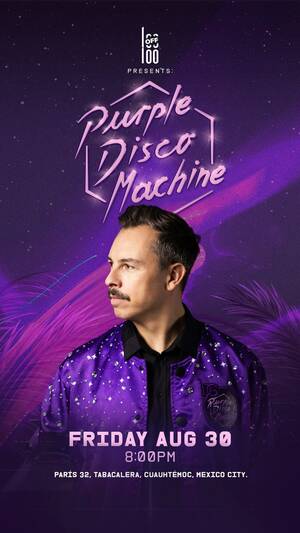
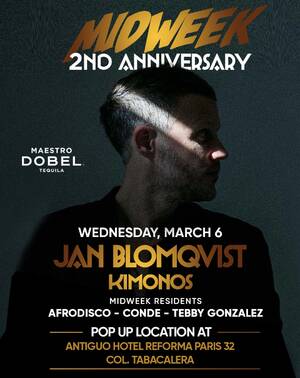
In 2024, the venue continued to favor producer-led electronic programming. Documented bookings included Octave One’s Mexico City debut, TÄNDRAH with Jimi Jules and Argia, the Midweek second-anniversary party with Jon Blomqvist, Darius with Duñe and a Purple Disco Machine-related event. These bookings suggest that promoters value the building for immersive club environments and unusual presentation formats rather than for conventional seated concerts.
Documented 2025 activity included Horse Meat Disco, The Overview Effect during Art Week, Pervert’s eighth-anniversary inclusive rave, Pride Together, a private Chet Faker and CLUBZ performance, Cecile Believe and other electronic or multidisciplinary events. The Overview Effect combined ambient performance, visual art, design, food and installations. Pride Together returned with three floors, four stages, queer art, immersive areas, information modules and food and drink proposals. The year closed with Deseo Futuro, a New Year’s event using five stages, six alcoholic and nonalcoholic bars, live acts and DJs.
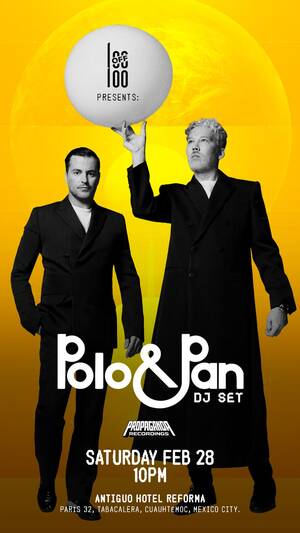
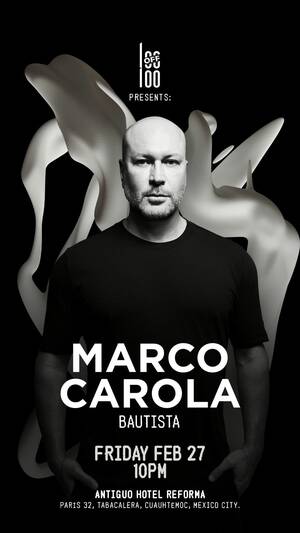
Through March 2026, publicly documented events included Marco Carola, a Polo & Pan DJ set and the Euforia anniversary micro-festival. Euforia used two stages for open-format and reggaetón on one side and hard techno, dubstep and psytrance on the other, with Sickick listed as the international guest. As of August 29, 2026, no reliable later-2026 or 2027 public program had been identified. Because the property operates mainly through individual rentals and promoter announcements, future dates may appear separately rather than as a complete season.
Published admission prices have varied by event and sales phase. Examples include MXN 300 for Pervert’s anniversary rave, MXN 350 for Euforia’s first phase, MXN 450 for Baile Eterno and Deseo Futuro’s early release, MXN 500 for AQUIHAYAQUIHAY general admission, MXN 750–850 for Jungle, MXN 1,200 for The Overview Effect and approximately MXN 1,575–1,800 for Polo & Pan. A practical expectation is roughly MXN 300–900 for many parties and concerts, with major international bookings, VIP access and premium packages reaching MXN 1,000–1,800 or more. Fees and tables are often additional.
Tickets and Booking
Tickets are normally released by the individual promoter through its selected authorized sales channel. There is no reliably documented permanent public box office with regular daytime hours, so visitors should not assume that tickets can be purchased at the building outside an announced event. Door sales may be offered when a show is not sold out, but availability, price and payment method are controlled by the promoter.
Early phases are usually the least expensive. Later phases can rise significantly, particularly after an international headliner is announced or an event approaches capacity. Jungle’s 2023 DJ set was reported as selling out within minutes, while other events promoted limited capacity or strict entry windows. Some nightlife tickets are valid only until a specified time; one 2024 event stated that tickets would become invalid after 1:00 a.m. without a refund. Read the exact event conditions before buying.
VIP does not have one standard meaning at this venue. Depending on the production, it may indicate a table, lounge area, bottle-service package, faster entry or a reserved zone rather than a raised seat or unobstructed view. Since promoters can alter the floor plan for every event, use the event-specific map and check whether the ticket is standing admission, a table reservation or a separate hospitality package.
About Antiguo Hotel Reforma
Antiguo Hotel Reforma occupies the historic building at París 32 in Colonia Tabacalera, beside Paseo de la Reforma in Cuauhtémoc. It is no longer a conventional overnight hotel. Its present role is as an event, exhibition and cultural venue, although the former hotel identity remains central to its character. The property is managed and marketed as part of a group of restored or adapted spaces used for concerts, art events, celebrations, film shoots, private functions and cultural programming.
The Hotel Reforma opened on December 23, 1936, with approximately 250 rooms. It was commissioned by engineer and public official Alberto J. Pani as part of a wider effort to modernize Mexico City’s tourism infrastructure. The young architect Mario Pani completed the project after Carlos Obregón Santacilia had worked on the original scheme and foundations. Their disagreement over authorship became one of the better-known professional disputes in the history of Mexican modernism.
When it opened, the 12-story hotel represented a new type of urban luxury. Rooms had private bathrooms, and the complex included a central garden court, a roof garden, shops, a presidential suite and the Ciro’s cabaret. Period accounts also associate the hotel with prominent visitors including Pedro Infante and Frank Sinatra. The building’s banquet spaces were associated with work by Diego Rivera, although the original Rivera panels should not be treated as a current public attraction without event-specific confirmation.
Architecturally, the building combines early modern planning with Art Deco-inflected monumentality, curved forms, strong vertical emphasis and local materials including dark red tezontle. Newer hotels gradually reduced its commercial importance, and the 1985 earthquake accelerated a long period of decline and near-abandonment. Later conservation and restoration efforts returned portions of the property to active use, first through cultural and immersive projects and then through concerts, parties and private events.
Seating and Layout
The venue does not have one permanent public seating chart. The operator publishes three standard private-event configurations: 400 people in auditorium seating, 700 for a standing cocktail reception and 250 for a banquet. Large promoters have separately advertised configurations for as many as 2,500 attendees across three floors and four stages. The larger figure describes a multi-floor festival footprint, not the capacity of one room or one stage.
Most concerts, DJ sets and raves are general-admission standing events. Chairs may be added for talks, exhibitions, presentations or private functions, while banquets use tables. At a single-stage show, a central position several rows behind the front crowd generally offers a better balance of sound, visuals and personal space than standing directly beside a speaker stack. At multi-stage events, upper rooms and side areas may feel calmer, but sightlines, sound balance and access vary with the production.
No reliable public schedule of room dimensions, ceiling heights, stage sizes, rigging limits or permanent floor plans is available. Visitors should therefore treat the published layout for their specific event as authoritative. Arriving early is especially useful at festivals because corridors, stairs, bars and transitions between floors can become congested once several stages are active.
Sound, Lighting and Production
Antiguo Hotel Reforma does not publish a permanent production rider identifying a house PA, mixing console, lighting inventory, stage dimensions, rigging capacity or electrical distribution. The technical package appears to be built around each event. This allows the building to shift between an intimate DJ show, a live-band concert, an immersive exhibition, a fashion production or a multi-stage rave, but it also means sound and lighting quality can vary between promoters and rooms.
The building has supported technically ambitious productions. MUFO used room-scale projection, lasers, strobes, responsive sound and interactive lighting, while later projects incorporated algorithms, bio-signals, water, color and real-time audiovisual elements. Nightlife events have operated multiple independent stages in different parts of the property. Expect club-level volume, haze, flashing lights and occasional strobe or laser effects unless the event description says otherwise. Hearing protection is sensible for electronic shows. ticketfairy.com
Getting There and Parking
The practical address is París 32, Colonia Tabacalera, Alcaldía Cuauhtémoc, Ciudad de México, 06030. The closest named public-transit stop is París on Metrobús Line 7, which runs along Paseo de la Reforma. The Reforma stop on Metrobús Line 1 is another useful option within the surrounding Reforma corridor. Metro Revolución on Line 2 is farther away but provides a practical connection to central Mexico City.
From Metro Revolución, use the southern exit toward Tabacalera and continue toward Paseo de la Reforma before turning onto París. The area is walkable, but crowds, demonstrations, road closures and major public events on Reforma can alter the most convenient route. The Metro station lists ramps, tactile guidance, Braille plates and elevators, although the final route from the station to the venue should be checked for current street conditions.
Rideshare and taxi drivers can use París 32 as the destination, but the vehicle may need to stop a short distance away if Reforma or the entrance is congested. For events ending after Metro or Metrobús service, arrange a pickup in advance, use an authorized taxi or move to a well-lit pickup point away from the dispersing crowd.
No dependable public information confirms dedicated on-site event parking. Paid garages and hotel parking facilities operate around Reforma, the Monumento a la Revolución and nearby business hotels, but rates, closing times and overnight policies vary. Driving is often less convenient during demonstrations, cycle events, Pride programming and New Year’s Eve. Public transportation or a prearranged ride is usually the safer planning choice. ticketfairy.com
Inside the Venue
Entry normally involves digital-ticket scanning, an identification check and security screening. Doors may open well before the headline performance, but the advertised event time does not necessarily equal the entry time. Arrive 45–60 minutes early for a normal show and earlier for a sold-out international booking, a festival using several floors or an event with an entry cutoff.
Food, drinks, bars, lounge areas and merchandise are production-dependent. Pride Together has included large bars, food proposals, information stands and immersive art, while Deseo Futuro advertised six alcoholic and nonalcoholic bars plus a food court. A permanent restaurant, coat check, merchandise counter or public Wi-Fi service should not be assumed. Restrooms are available according to visitor listings, but locations and queues can vary during crowded events. ticketfairy.com
Recent visitor feedback is mixed and highly event-specific. Positive comments emphasize the historic atmosphere, central location, immersive exhibitions and, at some events, strong sound. Recurring complaints concern crowded rooms, long drink lines, confusing movement between floors, dark circulation areas and disputed card-service charges. Check the amount on the payment terminal, request a receipt and report discrepancies immediately rather than waiting until after leaving.
Nearby Amenities
For pre-event dining, options in and around Tabacalera and Reforma include Sonora Grill Reforma for a casual steakhouse meal, Cantaritos el Compa de Jalisco for late food and drinks on selected nights, and Zesta Punta for a more formal Spanish-Mexican setting. Opening hours change, so allow time for a backup plan if your event begins late or falls during a public holiday.
Nearby accommodation includes Barceló México Reforma, Fiesta Americana Reforma, Sevilla Palace, Hotel Casa Blanca and Hotel Plaza Revolución. These are functioning hotels; Antiguo Hotel Reforma itself does not offer ordinary guest rooms. Staying nearby is particularly practical for events that end at dawn, including New Year’s Eve parties, Pride celebrations and extended electronic-music programs. ticketfairy.com
What Makes This Venue Special
Antiguo Hotel Reforma’s defining feature is the collision between historic modernist architecture and temporary contemporary production. Audiences may pass through spaces designed for 1930s luxury tourism before entering rooms filled with projection screens, lasers, DJ booths, immersive sound and dancing. A purpose-built nightclub offers more predictable infrastructure; this building offers a stronger sense of discovery and historical contrast.
Its reuse also matters culturally. A prominent building that spent years in decline has become a platform for international electronic artists, Mexican DJs, queer collectives, digital artists, designers, food vendors and experimental producers. Art Week activations, immersive museums, Pride programming and all-night parties have connected the property to different creative communities rather than limiting it to a single genre.
No independent study was found that quantifies the venue’s economic impact. It is reasonable, however, to identify direct activity for artists, technicians, production crews, security personnel, caterers, transport providers and nearby hospitality businesses whenever a large event takes place. Its most measurable cultural contribution is the adaptive reuse of a historically important building for contemporary public programming. ticketfairy.com
Visitor Tips and Information
Wear comfortable shoes suitable for standing, dancing and moving between floors. Bring valid government-issued photo identification, a charged phone, hearing protection and only the essentials. There is no dependable venue-wide policy publicly covering bag size, cameras, outside food, umbrellas or professional recording equipment, so assume that the individual event’s rules control.
Most nighttime events are for guests aged 18 and older, while some productions have used a 21-plus restriction. AQUIHAYAQUIHAY’s concert admitted guests from age 16, and daytime immersive exhibitions have used broader age policies. Nightclub dress codes are normally casual-to-trendy, but at least one event specifically required proper nightclub attire. There is no single permanent dress code.
Visitors with mobility, sensory or medical requirements should seek event-specific confirmation before purchasing. Some MUFO and nightlife listings advertised wheelchair access, and visitor listings report an accessible entrance and restroom, but no current venue-wide step-free map, accessibility audit or evacuation plan is publicly available. Ask whether the desired stage, restroom, elevator, drop-off point and viewing area are accessible for that production.
Frequently Asked Questions
Is Antiguo Hotel Reforma a working hotel?
No. The building retains the name and former hotel character, but its present use is as an event, exhibition and cultural venue rather than conventional overnight accommodation. Visitors attending a concert or party should book elsewhere in Tabacalera, Reforma or near the Monumento a la Revolución. The historic rooms and public areas are used as adaptable event spaces, not as ordinary hotel rooms. ticketfairy.com
Where is Antiguo Hotel Reforma located?
The venue is at París 32, Colonia Tabacalera, in Alcaldía Cuauhtémoc, Mexico City, postal code 06030. It is close to Paseo de la Reforma and the Monumento a la Revolución. Event listings may shorten the name to Hotel Reforma, so check that the address matches París 32 before travelling, particularly when several venues in Mexico City use “Reforma” in their names.
What types of events are most common there?
Electronic music is the most consistent category, including techno, house, disco, melodic house, deep house and DJ-led performances. The building also hosts immersive art, Art Week installations, Pride celebrations, fashion and design projects, private brand events, food experiences and extended New Year’s parties. The programming changes with each promoter, so a quieter art exhibition can feel very different from a crowded overnight rave.
What is the venue’s official capacity?
For private events, the published figures are 400 people in auditorium seating, 700 for a cocktail reception and 250 for a banquet. Larger promoters have advertised up to 2,500 attendees when three floors and four stages are used. These numbers describe different configurations and should not be treated as interchangeable. The capacity and layout printed for your specific event should always take priority.
Does Antiguo Hotel Reforma have seated concerts?
Most public concerts, DJ sets and club events are standing, general-admission experiences. Chairs may be installed for talks, presentations, exhibitions or private functions, and banquets use tables. Some events sell VIP tables or lounges, but those packages do not automatically provide the best view. Before purchasing, check whether the event is standing, seated, mixed-format or divided between several rooms and stages.
Are room dimensions and floor plans published?
No reliable public schedule of room dimensions, ceiling heights, stage sizes or permanent floor plans was found. The building is reconfigured for each production, which is why one event may use a single room while another spreads across three floors. If you need exact clearances, accessible routes, table dimensions or technical measurements for a private booking, those details must be confirmed directly during event planning.
How early should I arrive?
Plan to arrive 45–60 minutes before the advertised start for a standard event. Allow more time for a sold-out international DJ, Pride programming, New Year’s Eve or any event using several floors. Early arrival reduces exposure to exterior lines, makes identification and security faster, and lets you locate stages, restrooms, exits and quieter areas before the corridors become congested.
Can I buy tickets at the door?
Possibly, but door sales are not guaranteed. A promoter may close sales when an event reaches capacity, operate only with advance digital tickets or charge more at the entrance than during early phases. Popular bookings have sold out in advance. Do not travel to París 32 relying on door availability unless the event organizer has specifically confirmed that tickets will be sold on site.
What identification should international visitors bring?
Nighttime events commonly require valid government-issued photo identification, and some expressly require official identification for entry. International visitors should carry the document accepted by the individual promoter, normally a passport or another valid official ID. A photograph, photocopy or expired document may not be accepted. Age checks and name-matching rules vary, so read the event conditions before leaving your hotel.
Are Antiguo Hotel Reforma events all ages?
No single age rule applies to the building. Many electronic parties are 18-plus, some events have used a 21-plus restriction, and at least one concert admitted guests from age 16. Daytime immersive exhibitions may allow children or strollers. The age restriction belongs to the event rather than the venue generally, so check the exact listing before buying tickets or bringing a younger guest.
Is the venue wheelchair accessible?
Some individual events have advertised wheelchair access, and visitor listings report an accessible entrance and restroom. However, no current venue-wide step-free map or complete accessibility audit is publicly available. A multi-floor event may place stages or facilities in areas with different access conditions. Confirm elevator operation, accessible toilets, companion admission, drop-off arrangements, viewing areas and emergency assistance before purchasing.
What is the closest public transportation?
The most convenient named stop is París on Metrobús Line 7 along Paseo de la Reforma. Metrobús Reforma on Line 1 is another option in the surrounding corridor. Metro Revolución on Line 2 provides a useful connection but requires a longer walk. Check service hours before attending an overnight event, because many parties finish after regular Metro or Metrobús operations have ended.
Is there parking at Antiguo Hotel Reforma?
No dependable public information confirms dedicated event parking inside the building. Paid garages and hotel parking facilities operate nearby, but their rates, closing times and overnight rules vary. Parking becomes less convenient during demonstrations, cycle events and major Reforma celebrations. If you must drive, identify a paid facility before arrival and confirm that it remains open through the event’s expected finish.
Does the venue have food and drinks?
Food and drinks depend on the production rather than on a permanent venue menu. Large events have included bars, nonalcoholic options, food courts, catering proposals and pop-up culinary areas. Smaller concerts may offer a more limited bar service. Do not assume that a particular restaurant, payment method or menu will be available unless it is listed in the event information.
Is there a coat check?
A permanent coat check has not been reliably confirmed. Some individual productions may provide a paid cloakroom or temporary storage, while others may not offer one. Bring as little as possible and avoid arriving with bulky luggage, large umbrellas or unnecessary valuables. If you are attending during Mexico City’s cooler months, check the event-specific instructions before relying on coat storage.
Can I take photos or record video?
There is no single venue-wide photography rule publicly covering every event. Phone photography is common at many parties, but professional cameras, detachable lenses, flashes, tripods and recording equipment may require authorization. Immersive exhibitions can impose additional restrictions to protect installations. Follow security instructions and obtain consent before filming other attendees, especially in queer nightlife and sensitive community spaces.
What should I wear to an event?
For concerts and club nights, comfortable shoes are more practical than formal footwear because most events involve standing, dancing and movement between floors. The general atmosphere ranges from casual to fashionable clubwear. There is no permanent formal dress code, but at least one nightlife event required proper nightclub attire. Check the individual event notice if you are attending a VIP, brand or private production.
What are the main visitor complaints?
Recent visitor reports praise the architecture, immersive exhibitions, location and sound at selected events. The most repeated criticisms concern crowded rooms, long drink lines, confusing movement between floors, dark circulation areas and unexpected card-service charges. These comments relate to individual productions rather than a universal condition. Arrive early, keep receipts, monitor card payments and identify exits before the headline performance.
Are events announced for late 2026 or 2027?
As of August 29, 2026, publicly documented 2026 events at the venue included Marco Carola, Polo & Pan and Euforia through March. No reliable later-2026 or 2027 program was identified in the available public listings. That reflects the venue’s rental-based booking pattern, not a published long-term calendar. New events may be announced individually and often close to their performance dates.