Events and Programming
Foro Pedregal is an event space in the south of Mexico City whose publicly documented programming is currently led by electronic music, house, tech house, progressive sounds and late-night club events. Recent listings also show live podcast entertainment, football fan-zone programming and performances by Mexican DJs. The room is being used for events that need more production than a conventional bar but less scale than a major arena.
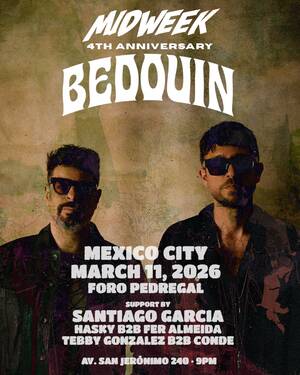
The strongest confirmed run of programming is in 2026. Bedouin was listed for March 11, followed by House Society Vol. 2 on March 21, a house-focused bill featuring Oliver Dollar, Gama, Minow, Chile and Bautista. The event was presented as a community-oriented house and tech-house experience with an underground identity and festival-style production.
On June 19, British DJ Hot Since 82 played an extended house set presented as a limited-capacity, journey-focused night. The event was promoted around sustained musical development, careful sound and a more intimate atmosphere rather than a short festival-style appearance. The listed ticket price was MX$690, and the event was restricted to people 18 and older.
For the 2026 FIFA World Cup period, Foro Pedregal hosted Latin House México , a fan-zone format running from June 11 through July 19. Its program combined match screenings with food, hospitality, brand activations, games, invited guests and concerts. Mexican electronic duo Tom and Collins performed there on June 12 after a United States–Paraguay match, giving the venue a broader event role during the tournament season.
On August 28, the venue hosted URGE , a Ministry of Sound-linked electronic event headlined by Dennis Ferrer, with Gorge, Mayro, Minow, Dani Soul and local back-to-back sets by Boltron and Gama. The advertised schedule ran from approximately 9:00 p.m. until the early morning, and the event was listed for adults 18 and older.
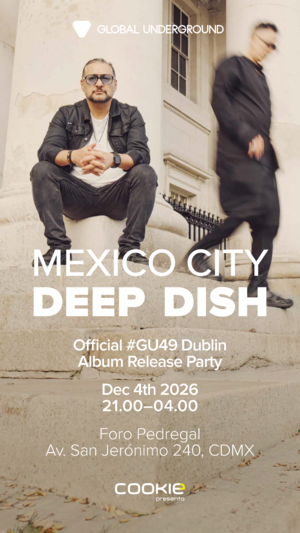
The next clearly documented major booking is Deep Dish on December 4, 2026, for an official Global Underground and GU49 Dublin album-party event. The bill is centered on the Iranian-American duo and is being promoted as its first Mexico City appearance in this specific format. Publicly listed prices have included early-bird and general tiers around MX$737–MX$792, with VIP and backstage options reaching approximately MX$1,650–MX$2,750, depending on the release tier.
The only clearly indexed 2025 event found under the Foro Pedregal name was a December 12 live episode of the podcast El Búnker . Its listed price bands were MX$550, MX$650 and MX$850 plus service charges, with a VIP and meet-and-greet option. The event rules stated that cellphone use during the performance was prohibited.
No reliable public event listings were found for Foro Pedregal under that name between 2021 and 2024. That does not establish that the space hosted no events during those years; it means that available indexed records do not provide a dependable calendar for that period. The current evidence suggests a venue identity that became visible in public event listings during late 2025 and 2026.
Tickets and Booking
Foro Pedregal tickets are normally sold on an event-by-event basis rather than through a permanent venue box-office schedule. The booking organization, promoter or artist announcement determines the sale date, price tiers, age restriction, refund terms, seating arrangement and whether the event is seated or standing.
Observed public prices range from about MX$250 plus charges for the Latin House fan-zone format to roughly MX$690 for the Hot Since 82 event, MX$550–MX$850 for the live podcast show, and MX$737–MX$2,750 for different Deep Dish ticket categories. These figures are useful as a guide to the venue’s current market, but they should not be treated as a fixed Foro Pedregal price list.
Popular electronic bookings may use staged releases. The Hot Since 82 event announced its sale date almost two months before the performance, while the Deep Dish listing showed that some early-bird, VIP and backstage tiers had already sold out while later tiers remained available. For high-demand shows, buying during the first release is the most reliable way to access the lowest price category.
There is no confirmed general Foro Pedregal box-office schedule or standing policy for door sales. Some events may release last-minute tickets, tables or upgrades, while others may be fully digital and capacity-controlled. Check the individual event information before traveling, particularly for late-night shows.
About Foro Pedregal
Foro Pedregal is a flexible entertainment venue at Avenida San Jerónimo 240 in the La Otra Banda area of Coyoacán, in the southern part of Mexico City. Current event records identify this address consistently, although some third-party pages have confused the venue with other Pedregal entertainment properties. For ticketed events, the address shown in the event-specific confirmation should take precedence.
The most specific public capacity figure found for an event at the venue is a maximum of 1,080 people, published for the August 2026 URGE event. A separate commercial venue listing describes “Foro Pedregal 1” as holding up to 550 people. These figures may reflect different operating layouts, rooms or event limits, so there is not enough evidence to present one universal capacity.
The site itself has a longer entertainment history than the current Foro Pedregal name. Public records place other nightlife and hospitality operations at or around Avenida San Jerónimo 240, including Mauna Loa in older records, Casino Palace in a 2015 tourism inventory and Bar27 in the 2020–2024 period. Those businesses should be understood as previous uses of the address, not automatically as earlier names for Foro Pedregal.
The venue matters to the local scene because it adds a southern Mexico City destination for internationally touring DJs and independent electronic promoters. That reduces the need for every club-scale booking to concentrate in Roma, Condesa, Juárez or central venues. The cultural impact is best described as emerging rather than historically established: public evidence shows growing participation in the electronic circuit, but no published economic-impact study or official attendance report was found.
Seating and Layout
Foro Pedregal does not appear to use one permanent seating chart. Event listings show a combination of standing dance-floor formats, limited-capacity club layouts, VIP or backstage categories and at least one seated or tiered arrangement for live entertainment. The exact layout depends on the promoter, production design and ticket type.
Electronic events are generally promoted as standing experiences, so the central floor is likely to provide the most direct connection to the DJ and the strongest sense of crowd energy. VIP and backstage categories may provide better proximity, dedicated areas or additional services, but public listings do not define a universal VIP location or guarantee a particular sightline.
For a live podcast or spoken-word event, a seated or partially seated arrangement is more likely to be used. The El Búnker listing separated VIP, Preferente A and Preferente B rather than publishing a permanent section map. Buyers should therefore treat every event’s seating diagram as temporary and specific to that performance.
A commercial venue description reports a 400-square-meter room with an adaptable layout, allowing the space to change between concert, club, banquet and event configurations. It also describes a stage, a central DJ booth and installed production equipment. These details are useful for understanding the room’s flexibility, but they are not presented as a permanent public seating plan.
Getting There and Parking
The confirmed address used by recent event listings is Avenida San Jerónimo 240, La Otra Banda, Coyoacán, Ciudad de México, postal code 04519. The venue sits in the Pedregal–San Ángel area, close to the southern entertainment and residential corridor around San Jerónimo.
The most clearly identified public-transit reference is Doctor Gálvez on Line 1 of the Metrobús. A city venue listing describes it as the closest mass-transit reference and recommends completing the trip by taxi. There is no directly adjacent Metro station documented for the venue, so visitors relying on public transit should allow time for a final taxi or rideshare connection.
For drivers, access is primarily by the San Jerónimo road network, with traffic becoming heavier around major nighttime events and on weekends. A 2026 event FAQ states that the venue has parking but warns that spaces are limited. An older nightlife listing for the same address also documents valet parking, although valet availability and pricing may not carry over to Foro Pedregal events. No current general parking rate was verified.
Rideshare users should use the exact event pin and confirm the entrance with security or event staff. Because Avenida San Jerónimo can be busy late at night, arranging a pickup slightly away from the main crowd may be more practical than requesting a car directly at the door. No permanent rideshare drop-off zone was publicly confirmed.
Inside the Venue
Expect event-specific access procedures rather than a single universal Foro Pedregal routine. Recent nightlife listings at the address describe identification checks, capacity controls and strict door filtering. For 18-plus electronic events, bring an original government-issued photo ID and expect the age requirement to be enforced at entry.
The atmosphere depends heavily on the booking. A DJ event may run from the evening into the early morning with a standing dance floor, while a podcast or special presentation may use assigned ticket categories and a more performance-focused setup. The venue’s current identity is closer to a flexible club and live-event room than to a conventional theater.
Public information confirms food and beverage service for the Latin House fan-zone, where food and drinks were sold separately from the MX$250 admission. Other event listings refer to tables, VIP areas or hospitality, but they do not establish a permanent restaurant, bar menu or fixed concessions policy inside the venue.
A commercial technical listing describes installed line-array speakers with subwoofer reinforcement, a central DJ booth with dedicated monitoring, stage lighting and ambient lighting. It also describes acoustic treatment, a stage suitable for shows and an adaptable 400-square-meter floor with a roof height of approximately five to seven meters. The listing does not identify equipment brands, console models, decibel limits or a fixed lighting inventory.
No verified public information was found for coat check, permanent merchandise counters, Wi-Fi, phone charging, restroom locations or general cloakroom services. These should be treated as event-dependent rather than assumed amenities.
Nearby Amenities
The venue is in a mixed southern Mexico City area with restaurants, bars, shopping and hospitality options within the broader San Ángel, Tizapán and Pedregal corridor. A public city listing identifies Casa de la Literatura Gabriel García Márquez, Mercado Batallón San Patricio and Pueblo Tizapán among nearby points of interest.
For a ticketed event, arriving 60 to 90 minutes before the advertised start is sensible if you need parking, an ID check, a ticket scan or a drink before the performance. For late-night club events, arriving earlier can also reduce exposure to the longest entry lines, which have been reported for nightlife operations at the same address.
Late-night public transit is less convenient than daytime service in this part of the city. Plan the return journey before entering, especially for events ending after 2:00 a.m. A prearranged rideshare, authorized taxi or designated driver is more dependable than assuming a nearby rail connection will remain convenient after the event.
What Makes This Venue Special
Foro Pedregal’s distinctive feature is its combination of a southern location, flexible room size and programming linked to the international electronic circuit. The 2026 calendar places globally recognized names such as Bedouin, Hot Since 82, Dennis Ferrer and Deep Dish alongside Mexican and regional DJs. That combination gives the space a role as both a touring-artist stop and a platform for local promoters.
The venue is also notable for operating in a former nightlife environment with a complicated address history. Avenida San Jerónimo 240 has hosted entertainment businesses for decades, so the current space inherits an established night-economy location even though the public record does not provide a complete architectural or ownership history for Foro Pedregal itself.
Its most compelling cultural contribution is still developing. The evidence points to a venue that can host a DJ-led club night one week, a branded fan-zone or concert experience during a major sports tournament, and a comedy or podcast event in another format. That versatility is more clearly documented than any claim that the venue is an architectural landmark.
Visitor Tips and Information
Bring the same government-issued identification used for the ticket purchase, especially for 18-plus events. Keep your ticket readily available on your phone, but do not rely on a screenshot unless the event instructions allow it. Some performances may use live ticket validation, names or QR codes.
Do not assume that every event permits the same bags, cameras, professional recording equipment or outside food and drinks. No universal public bag policy was verified. The El Búnker event specifically prohibited cellphone use during the performance, while club events may apply different rules for photography and recording.
Indoor smoking restrictions apply under Mexico City regulations, and event-specific listings describe smoking as generally prohibited inside. Follow staff instructions regarding designated outdoor areas rather than assuming smoking or vaping is allowed in the audience zone. ticketfairy.com
No venue-specific accessibility statement was found confirming step-free entry, accessible seating, accessible restrooms, captioning, sign-language interpretation, hearing assistance or a disability parking process. This is not evidence that those services are unavailable; it means they are not publicly documented. Visitors who need an accommodation should confirm the arrangement with the event organizer before buying.
There is no verified general dress code. For electronic events, comfortable shoes and light clothing are practical because many shows involve prolonged standing and dancing. For live spoken-word or hospitality events, the expected dress may be more polished. Check the individual invitation or event notice if appearance requirements matter.
Frequently Asked Questions
Where is Foro Pedregal located?
Foro Pedregal is listed at Avenida San Jerónimo 240 in La Otra Banda, Coyoacán, Mexico City, postal code 04519. The address is in the southern Pedregal–San Ángel area. Because some third-party listings have confused the venue with other Pedregal properties, use the address shown on your event confirmation and verify the entrance when you arrive.
What kind of events are held at Foro Pedregal?
The current program is concentrated in electronic music, house, tech house, progressive sounds and late-night DJ events. The venue has also hosted a live podcast format and a World Cup fan-zone with match screenings, food, activities and concerts. The mix suggests a flexible club and live-event room rather than a conventional theater with a permanent season.
What is the capacity of Foro Pedregal?
A public listing for the August 2026 URGE event gives a maximum capacity of 1,080 people. Another commercial listing describes a room called Foro Pedregal 1 with capacity for up to 550. These numbers may represent different layouts, rooms or event limits, so there is no independently confirmed single capacity for every performance. Always follow the capacity and ticket categories published for your event.
Does Foro Pedregal have assigned seating?
Not always. Electronic events are promoted primarily as standing dance-floor experiences, while live entertainment may use temporary seated or tiered sections. The El Búnker listing used VIP, Preferente A and Preferente B categories without publishing a permanent venue seating map. Treat each event’s seating chart as temporary and specific to that performance rather than assuming the same arrangement for every visit.
How much do Foro Pedregal tickets cost?
Recent public prices have ranged from approximately MX$250 plus charges for the Latin House fan-zone to MX$690 for Hot Since 82 and MX$550–MX$850 for El Búnker. Deep Dish listings have shown standard prices near MX$737–MX$792 and premium categories up to about MX$2,750. Prices vary by event, release tier, fees and VIP benefits.
Are Foro Pedregal events usually for people 18 and older?
Many recent electronic events at the venue have been listed as 18-plus, including Hot Since 82, URGE and Deep Dish. This is not necessarily a universal rule for every booking. Age restrictions are set by the organizer and may differ for daytime fan-zones, cultural programming or live entertainment. Bring an original government-issued photo ID whenever the event is age restricted.
Is parking available at Foro Pedregal?
A 2026 event FAQ states that the venue has parking but that spaces are limited. An older listing for the same address also documented valet parking. Availability, price and whether parking is included can change by event, so do not assume that a parking space or valet service is guaranteed. Arrive early if you plan to drive, particularly for high-demand weekend events.
What is the closest public transportation to Foro Pedregal?
Doctor Gálvez on Line 1 of the Metrobús is the clearest public-transit reference identified for the address. The final portion of the trip is generally completed by taxi or rideshare rather than by walking from a directly adjacent station. Public transit becomes less convenient late at night, so arrange your return journey before the event ends.
Is Foro Pedregal close to a Metro station?
No directly adjacent Metro station has been confirmed in the venue information reviewed. The most consistently cited transit reference is Doctor Gálvez on the Metrobús. Depending on your starting point, you may need to combine Metro or Metrobús with a taxi or rideshare for the final connection. Use the event-specific map pin because the southern road network can be confusing after dark.
Does Foro Pedregal have a permanent box office?
No public general box-office schedule has been verified. Tickets appear to be managed separately by each promoter or event organizer, with different sale dates, price tiers and refund conditions. Some events may offer later releases, tables or upgrades, but visitors should not rely on door sales. Buy or reserve through the official instructions attached to the specific event announcement.
What sound system does Foro Pedregal use?
A commercial venue listing describes a left-and-right flown line-array system with subwoofer reinforcement, a central DJ booth with dedicated monitoring, installed stage lighting and ambient lighting. It also mentions acoustic treatment and a stage prepared for live productions. The public information does not identify equipment brands, models, console types or a fixed technical rider, so production may vary by event.
Is Foro Pedregal indoors or outdoors?
Recent event information describes the venue as a covered or enclosed space, and a 2026 event FAQ states that an event would continue normally in rain because it was being held indoors. The Latin House fan-zone was also promoted as a roofed space. Outdoor queues or smoking areas may still be used, so dress for changing weather during arrival and departure.
Can I smoke inside Foro Pedregal?
Indoor smoking is generally prohibited under Mexico City regulations, and public event information identifies smoking inside as disallowed. Follow the venue’s instructions about any designated outdoor area. Do not assume that vaping is treated differently. Rules may be applied more strictly during crowded late-night events, when staff are also managing capacity, identification and security checks. ticketfairy.com
Does Foro Pedregal offer accessible seating and restrooms?
No venue-specific public statement was found confirming step-free entrances, accessible seating, accessible restrooms, assistive listening, captions or sign-language interpretation. That does not prove the facilities are absent, but the information is not documented well enough to promise them. Visitors who require accommodations should confirm the exact arrangement with the event organizer before purchasing a ticket.
Can I bring a professional camera?
No universal Foro Pedregal camera policy was verified. Rules may differ between a DJ event, a live podcast, a branded fan-zone and a concert. Professional cameras, detachable lenses, tripods and recording equipment are more likely to be restricted than ordinary phones, but visitors should follow the individual event instructions. The El Búnker event went further by prohibiting cellphone use during the performance.
What time should I arrive?
Arriving 60 to 90 minutes before the advertised start is a practical choice if you need parking, ticket scanning, identification checks or refreshments. For a late-night club event, earlier arrival can help avoid the longest lines and gives you more choice on the dance floor. If your ticket has an assigned seat or timed entry, follow the event’s stated door time instead.
Does Foro Pedregal sell food and drinks?
Food and beverage service was documented for the Latin House World Cup fan-zone, where they were charged separately from admission. Other event listings mention hospitality, tables or premium categories, but they do not establish a permanent menu or concession arrangement. Expect refreshments at major branded or club events, but check the specific event details rather than assuming the same service every time.
What is the history of the Foro Pedregal site?
The address has hosted entertainment and nightlife businesses before the Foro Pedregal name appeared in recent event listings. Public records reference Mauna Loa, Casino Palace and Bar27 at or around Avenida San Jerónimo 240. However, no authoritative source establishes a continuous ownership or architectural history connecting those businesses directly to the present venue, so they should be treated as prior site uses rather than confirmed former names.
What events are announced after August 2026?
The clearest confirmed future booking found is Deep Dish on December 4, 2026, for a Global Underground and GU49 Dublin album-party event. No reliable public listings were found for Foro Pedregal beyond that date. Because promoters can add, move or cancel events, future listings should be checked individually for the current date, address, ticket tier, age rule and door time.