About OceanAir and Al Khayma Camp
“OceanAir” in Dubai is primarily a tour operator rather than the formal name of a conventional concert hall. The venue most visitors mean is Al Khayma Camp , OceanAir’s desert camp in the Al Awir area, where safari groups gather for dining, cultural activities, live entertainment and overnight stays. It remains open and trading in 2026, with current OceanAir itineraries continuing to include the camp.
OceanAir dates its Dubai operations to 2010. A specialist venue listing also records Al Khayma as built in 2010 and renovated in 2020, although a detailed architectural chronology has not been published. The camp gained international attention when its premium red-dunes, camel and barbecue experience was ranked the world’s leading tourism experience in the 2020 Travellers’ Choice awards.
This is an outdoor desert hospitality venue, not a fixed-seat theatre. Its character comes from Bedouin-inspired tents, majlis-style gathering areas, patterned textiles, low seating, lantern-like evening illumination and an open central area used for performances. Modern additions include air-conditioned overnight tents, Wi-Fi, showers, dining infrastructure and a high-powered telescope. The operator describes the camp as eco-friendly, but no independently verified environmental certification or detailed energy report has been published.
Published capacity information should be treated as configuration-dependent. One event-industry listing gives a maximum seated or theatre-style capacity of 400, while also listing approximately 100 for a standing reception and much smaller figures for cabaret, classroom and boardroom layouts. No reliable public dimensions, permanent seat count or architectural floor plan are available.
Events and Programming
Al Khayma does not generally book touring singers, bands or theatrical productions. Its programme is a recurring desert-hospitality show presented alongside afternoon, evening and overnight safari packages. Current performances include a large fire act, traditional Yola dance, an Arabian horse display, a Bedouin camel show and falconry encounters. Some packages also use Tanoura or Khaliji-style dance, while exact combinations can vary by session, season and religious observance.
There is no complete public event archive for 2021–2026 because programming is sold as a repeating experience rather than as separately ticketed shows. Visitor accounts from 2022 describe Tanoura, Khaliji and fire performances; 2023 and 2024 reports mention dance, horse, camel and fire entertainment; and the published 2025–2026 programme expanded the emphasis on the “Mega Fire Show”, Yola, horse and camel displays, falconry and guided stargazing.
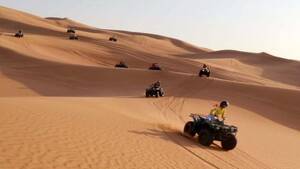
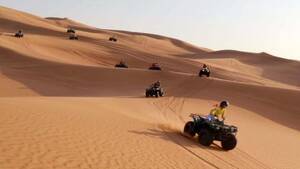
Most evening visits combine around two to three hours at the camp with dune bashing, sandboarding, sunset photography and transfers. A camp-focused dining experience lasts roughly four to five hours including transport, while full safari programmes commonly run around seven hours. Overnight packages add an air-conditioned private tent, breakfast and a sunrise camel trek, taking the complete experience to approximately 16–17 hours.
As of 14 August 2026, no named concert artists, one-off festival season or dated 2027 Al Khayma performance calendar has been announced. OceanAir’s wider desert portfolio is expanding through Al Marmoom Domes and the developing Al Badya Village, the latter conceived with luxury tents, dining, retail and a performance stage. Those are separate destinations and should not be confused with Al Khayma Camp’s regular programme.
Tickets and Booking
Admission is normally purchased as part of a pre-booked experience rather than at a traditional box office. Options range from a camp-only dinner and cultural evening to premium safaris, camel or horse programmes, dune-buggy packages and overnight stays. Typical adult prices currently fall between roughly AED 200 and AED 700 , depending on transport, driving activities and accommodation. Seasonal demand, private vehicles, taxes and optional quad-bike upgrades can increase the total.
Popular sunset departures sell most quickly during Dubai’s cooler months, particularly from November through March. Booking several days ahead is sensible, with more notice recommended for weekends, private vehicles, larger families and overnight tents. Many standard experiences allow cancellation for a full refund until 24 hours before departure, but the conditions displayed on the individual booking voucher are authoritative.
Door sales should not be relied upon. The camp is remote, visitor numbers are coordinated with vehicle capacity, and most guests arrive in assigned safari groups. Confirmation is generally issued digitally. Bring an accepted copy of your passport or Emirates ID, and ensure the booking contains the correct passenger names and a reachable local telephone number.
Seating and Layout
There is no numbered seating chart. Guests are usually placed at dining tables or in majlis-inspired seating arranged around the central entertainment area. Allocation can depend on group size and the package purchased. Overnight guests may receive a reserved private dining table, while private-event layouts can be adapted for dinners, presentations, weddings, product launches and corporate gatherings.
For the clearest view of dance, animal and fire performances, arrive at the seating area before the show begins and choose an unobstructed position facing the performance space. Front positions feel more immersive but can be louder and closer to the fire act. Seats farther back provide a broader view and may suit families with young children or guests sensitive to amplified music.
Because the venue is outdoors, sightlines are generally less restricted than in an indoor theatre. Temporary décor, other diners and service routes can nevertheless affect the view. Visitors primarily interested in conversation may prefer the outer tables, while photography enthusiasts usually favour a position with the central arena and open desert sky in the same direction.
Getting There and Parking
Al Khayma Camp is in the Al Awir desert area, close to Nazwa Road and the Dubai–Sharjah boundary. Mapping services place it near coordinates 25.1755, 55.6268 , sometimes described as Sector 9, Al Awir. The drive from central Dubai is advertised at around 45 minutes in light traffic, although evening congestion and multiple hotel pickups can make the journey considerably longer.
There is no practical Dubai Metro or scheduled public-bus connection to the camp. Hotel pickup and return transport in an air-conditioned four-wheel-drive vehicle is therefore the standard and most convenient option. Pickup coverage commonly includes hotels and residences in Dubai, with selected services also collecting from Sharjah, Ajman and Dubai cruise terminals. Remote resorts may require a supplement or an alternative meeting location.
On-site parking is listed, but independent self-driving should be arranged in advance because desert approach roads, access procedures and the precise entrance can be unfamiliar after dark. A normal saloon car should not be driven onto dunes. Rideshare vehicles may reach the mapped road entrance, but availability for the return journey is uncertain; pre-arranged round-trip transport is safer.
Inside the Venue
Visitors are welcomed with Arabic coffee, dates or luqaimat before moving between camel activities, falcon encounters, henna, traditional dress photography, shisha areas and dining. Evening programmes usually conclude with entertainment and stargazing. The atmosphere is informal and sociable, with service taking place around an open-air camp rather than through a theatre foyer.
Dinner is a major part of the experience. Current programmes advertise Emirati, Moroccan and wider Arabian dishes, vegetarian and non-vegetarian choices, barbecue stations and live bread making. The associated Al Khayma Heritage Restaurant holds a Michelin Bib Gourmand—an award for good-quality, good-value cooking, not a Michelin star—and received the 2025 Michelin Guide Dubai Service Award.
Water and soft drinks are generally included. Shisha is available only in its designated area, and alcoholic drinks are not included or routinely served. Overnight facilities include private air-conditioned tents, Wi-Fi, shared showers, toiletries and toilets. Reviews frequently praise the cleanliness, although one overnight visitor noted that the bathroom facilities were some distance from the sleeping tents.
No verified dedicated coat check or permanent merchandise shop is advertised. Leave large luggage at the hotel and bring only essentials. Mobile reception can vary in the desert, although camp Wi-Fi is offered. Photography is encouraged during most activities, but follow staff directions around animals and fire performers and ask permission before photographing other guests.
Production and Technical Capabilities
The regular programme clearly uses amplified music, microphones, performance lighting and a defined presentation area capable of supporting dance, animal displays and a choreographed fire act. However, no verified technical rider identifies speaker manufacturers, console models, power distribution, rigging limits, stage dimensions, lighting inventory or maximum sound levels. Private-event organisers should obtain a current site plan and equipment schedule before contracting performers.
The open-air environment affects production planning. Wind, sand, heat, generator placement, fire safety, animal welfare, cable protection and noise management all require more attention than at an indoor venue. The best-supported uses are dining programmes, cultural demonstrations, corporate functions, brand activations and private celebrations rather than technically complex arena concerts.
Nearby Amenities
Al Khayma is a destination venue with no useful cluster of walkable restaurants, bars, shops or hotels. Dinner and refreshments are normally included, so pre-show dining is unnecessary. Visitors with dietary requirements should declare them when booking rather than expecting to buy an alternative meal nearby.
Stay in the part of Dubai that best suits the remainder of your trip and use the included transfer. Central Dubai is roughly 36 kilometres away by road, while Sharjah International Airport is approximately 25 kilometres from the camp. Allow extra time when travelling from Dubai Marina, Palm Jumeirah, Jebel Ali or other western districts.
Late-night public transport is not available at the camp. Confirm that return transport is included and do not dismiss your driver or rideshare without a firm collection plan. Overnight guests should bring personal medication, chargers and anything needed until the following morning, as there is no convenient late-night pharmacy or supermarket.
What Makes This Venue Special
Al Khayma’s distinction lies in combining desert adventure with a carefully staged introduction to Emirati and regional hospitality. Coffee preparation, falconry, camels, traditional clothing, food, dance and stargazing are presented in one setting, allowing visitors with limited time in Dubai to experience several aspects of desert culture in a single evening.
The camp also helped turn OceanAir’s safari operation into one of Dubai’s most visible visitor experiences. OceanAir reports more than 20,000 monthly bookings across its wider business, while the premium Al Khayma safari alone has accumulated tens of thousands of reviews. No audited study isolates the camp’s economic contribution, but its scale supports guides, drivers, performers, cooks, animal handlers and hospitality staff while directing visitor spending beyond Dubai’s urban centre.
Its cultural value should be understood as interpretation rather than an untouched historic settlement. The design and programme draw on Bedouin hospitality and Emirati traditions while using modern tourism infrastructure. That balance—heritage imagery, comfortable facilities and polished nightly entertainment—is central to its popularity.
Visitor Tips and Information
Wear lightweight, modest clothing in warmer months, closed shoes suitable for sand and a hat or sunglasses before sunset. From November to February, bring a jacket because desert temperatures fall quickly after dark. Avoid a heavy meal immediately before dune bashing; guests prone to motion sickness may prefer direct transport to camp or a private, gentler itinerary.
Current standard safari products are not wheelchair accessible and may exclude guests with mobility impairments. The Americans with Disabilities Act is United States legislation and does not apply in the UAE. OceanAir has previously indicated that private arrangements may sometimes bypass dune bashing, but this does not guarantee step-free camp access, an accessible vehicle or adapted toilets. Confirm every requirement before payment.
Pregnant guests and people with back, neck, heart or significant mobility conditions are generally advised not to join dune-bashing itineraries. Children under three are excluded from several safari products, and separate age or weight limits apply to camels, horses, quad bikes and dune buggies. Participation instructions differ between packages, so read the conditions attached to the exact experience.
During Ramadan and certain religious occasions, parts of the entertainment programme can be restricted or modified. Fire and Tanoura-style performances may continue while some female dance presentations are reduced. Weather, animal behaviour and operational needs can also change the sequence without turning the evening into a cancelled event.
Frequently Asked Questions
Is OceanAir the venue’s actual name?
OceanAir is the Dubai-based tour and experience operator. The desert venue associated with its best-known safari packages is called Al Khayma Camp. Some event listings and search results shorten the destination to “OceanAir”, but tickets, maps and itineraries may instead display Al Khayma Camp, Al Khayma Desert Camp or Al Khayma Elite Camping and Dining Experience.
Is Al Khayma Camp open in 2026?
Yes. Al Khayma Camp is operating in 2026, with current afternoon, evening and overnight products available and visitor reviews posted through July 2026. It is not a seasonal pop-up, although summer pickup times and outdoor activities may be adjusted around extreme heat. Individual sessions can still change because of weather, maintenance or private functions.
Is OceanAir’s Al Khayma Camp a concert venue?
Not in the usual sense. Al Khayma is an outdoor dining and cultural-entertainment camp rather than a venue for touring bands or ticketed international artists. Its regular programme centres on Yola or Tanoura-style dance, fire performance, Arabian horses, camels, falconry and stargazing. Private celebrations and corporate events can also be hosted with customised layouts.
What is the capacity of Al Khayma Camp?
The largest published figure is approximately 400 people in a seated or theatre-style layout. The same venue listing gives around 100 for a standing reception, suggesting that capacities depend heavily on dining tables, performance clearances and the section being used. No official public floor plan confirms a single universal capacity, so private-event planners should request written figures.
How much does an OceanAir desert experience cost?
Expect roughly AED 200–700 per adult for most Al Khayma experiences. The lower end generally covers camp dining and transfers, while premium safari, camel, horse, buggy or overnight options cost more. Private vehicles, optional quad biking and peak-season demand can raise the price. Check whether the displayed total includes the UAE’s five per cent VAT.
Can tickets be purchased at the camp?
Advance booking is strongly recommended because admission is usually tied to a scheduled tour, meal allocation and assigned transport. Al Khayma does not operate like a city theatre with a dependable walk-up box office. Turning up without confirmation may leave you without entry or return transport, particularly during cooler months when sunset departures and overnight tents are in high demand.
Are hotel pickup and drop-off included?
They are included in most mainstream safari and camp packages, but coverage depends on the selected option. Dubai hotels and residences are commonly served, with some departures also covering Sharjah, Ajman and cruise terminals. Remote resorts can attract an extra charge or require a meeting point. Pickup may occur within a window rather than at one exact minute.
Can I reach Al Khayma Camp by Metro?
No practical Metro connection reaches the camp. It is in the desert east of central Dubai, far beyond the urban rail network. Using the included four-wheel-drive transfer is the simplest option. Combining the Metro with a taxi still leaves a substantial road journey, and arranging an unplanned late-night return from the camp can be difficult.
Is parking available at Al Khayma Camp?
On-site self-parking is listed, but visitors should confirm the entrance and vehicle requirements before driving independently. The mapped approach is in the Al Awir desert area, and ordinary road cars must not be taken onto dunes. Most guests avoid parking concerns entirely by using their package’s hotel transfer, which also removes the need to navigate after dark.
Is Al Khayma Camp wheelchair accessible?
Standard OceanAir safari products currently state that they are not suitable for wheelchair users or people with mobility impairments. Sand, vehicle steps and activity surfaces create significant barriers. A private itinerary may sometimes avoid dune bashing, but visitors should not assume that this provides an accessible vehicle, continuous hard-surface route or adapted toilet. Obtain written confirmation before booking.
Are children allowed at the camp?
Families are welcome, but activity restrictions apply. Several dune-bashing packages exclude children under three, while young children may need to share a camel with an adult or avoid particular rides. Quad bikes, buggies and horses carry separate age, height or weight rules. Families wanting only dinner and entertainment should choose a gentler camp-transfer option rather than an adventure-heavy itinerary.
What food is served at Al Khayma Camp?
Evening programmes generally serve buffet dishes from Emirati, Moroccan and broader Arabian cooking, alongside grilled meats, mezze, rice, salads, bread and desserts. Vegetarian dishes are available, and some packages advertise vegan or gluten-free menus. Declare allergies and dietary needs before arrival, as the camp is remote and cannot depend on nearby restaurants for last-minute alternatives.
Does Al Khayma Camp serve alcohol?
Alcohol is not part of the standard camp offering. Packages provide water, soft drinks, Arabic coffee and tea, with shisha available in a designated area. Visitors should not assume that bringing their own alcohol is permitted. The camp’s focus is family-oriented cultural hospitality, and rules may be especially strict during Ramadan and other religious occasions.
What should I wear for an evening desert safari?
Choose breathable, modest clothing and secure shoes that can handle sand. Loose trousers or long shorts are generally more practical than tight clothing or heels. Bring sun protection for the afternoon and a light jacket during the cooler season. Horse or adventure activities may require additional safety clothing, including helmets and closed footwear.
Can I bring a large bag or suitcase?
Large bags and luggage are not permitted on the main safari and overnight products, partly because shared four-wheel-drive vehicles have limited storage. Bring a small personal bag containing identification, medication, sun protection, a charger and a warmer layer. Overnight bedding, towels and basic toiletries are supplied, so a large suitcase is unnecessary.
Are cameras and phones allowed?
Personal photography is a central part of the experience, especially during sunset, camel rides, falcon encounters and traditional-dress sessions. Keep equipment protected from sand and use straps around animals or moving vehicles. Professional shoots, drones, tripods or extensive lighting may require prior approval. Avoid photographing performers or other visitors at close range without consent.
What happens to the shows during Ramadan?
The programme can be modified to respect UAE rules and religious observance. Published guidance has indicated that Tanoura and fire performances may continue while some Khaliji or female dance presentations are restricted. Music volume, show timing and food service may also differ. Guests should book for the desert atmosphere and hospitality rather than relying on one specific performance.
What is the overnight experience like?
Overnight guests stay in a private, air-conditioned Bedouin-style tent after dinner, shows and stargazing. The package normally includes Wi-Fi, shared showers, toiletries, towels, breakfast and a sunrise camel trek. Reviews describe the tents as comfortable but fairly simple, and the toilets may be a short walk away. Bring medication, chargers and a winter layer when needed.