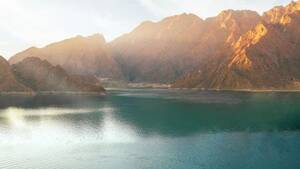
About Hatta Desert
“Hatta Desert” is not the official name of a single, permanently configured venue. It describes the wider outdoor landscape around Hatta, a mountainous exclave of Dubai near the Oman border. Events advertised under this location may actually take place at Hatta Wadi Hub, Leem Lake, Hatta Dam, Hatta Heritage Village, Hatta Hall or another temporary site. Visitors should therefore confirm the precise location shown on their event confirmation rather than navigating only to “Hatta Desert”.
For contemporary events, Hatta Wadi Hub is the closest equivalent to a year-round outdoor venue. Established in 2018, it combines adventure activities, trails, food outlets, camping and flexible event areas. It welcomed more than 300,000 visitors from over 120 nationalities during its first two years, and its businesses are now owned and operated by founders from the local Hatta community. The hub remains operational year-round, although individual activities and accommodation have seasonal schedules.
Hatta’s cultural importance predates its modern festivals. In 1982 and 1983, pioneering Emirati artist Hassan Sharif used the Hatta desert for experimental works including Walking No. 1, Jumping No. 2 and Digging and Standing. These minimally staged actions became foundational moments in the development of contemporary performance art in the UAE. Hatta Heritage Village was restored and opened as a public cultural attraction in 2001, while the first Hatta Cultural Nights programme followed in the 2019–2020 winter season.
Events and Programming
Hatta’s programme is predominantly seasonal, family-orientated and outdoors. It combines Emirati folklore, poetry, oud and rababa music, live acoustic sets, DJs, wellness sessions, television recordings, children’s entertainment, agricultural markets, fireworks, light installations and endurance sport. It is not a conventional touring-concert stop, and large international arena acts are not its normal booking pattern.
The most technically ambitious performance staged in the area was the UAE’s 50th National Day celebration at Hatta Dam in December 2021. A temporary floating theatre carried a 19-metre rotating disc, water projections, 228 water jets, drone-launched fireworks, orchestral music, poetry and a purpose-built 5.1 surround-sound system. The official broadcast was followed by public performances from 4 to 12 December. This was a one-off national production rather than a permanent venue installation.
Hatta Cultural Nights returned to Hatta Heritage Village in December 2022 with Al Harbiya and rababa performances, Emirati poetry, handicrafts, local food and work by People of Determination. In January 2023, Hatta Wadi Hub hosted the first COREUNITY camping, movement and music festival, combining yoga, breathwork, hiking, cycling, acoustic performers and nightly DJ sets. The inaugural Hatta Festival then occupied Leem Lake and Wadi Hub in December 2023 with traditional music, artistic entertainment, sport, food pop-ups and mountain projections.
Programming expanded in 2024. COREUNITY returned to Wadi Hub in February with a main stage, live music, DJs, circus, theatre, fire performance, wellness zones and camping. The first Hatta Farming Festival was held at Hatta Hall, while the 2024–2025 Hatta Winter season brought five linked festivals to Leem Lake, Hatta Heritage Village and other sites. Its programme included live music, cultural performances, weekend fireworks, fitness, mountain light shows, more than 140 workshops and activities for children.
The December 2025 to February 2026 season grew to six festivals: Hatta Festival, Hatta Cultural Nights, Hatta Honey Festival, Hatta Farming Festival, Hatta Wadi Hub Festival and Hatta Unites Us. The Leem Lake main stage presented more than 100 family, cultural and television shows to an audience area with a stated capacity of approximately 500. Heritage programming included Al Harbiya, rababa and oud sessions, while other sites hosted workshops, local businesses, adventure experiences and community sport. The final agricultural event ran until 1 February 2026.
As of 13 August 2026, no detailed public programme for the late-2026 or 2027 Hatta winter season could be verified. The previous season’s success makes further winter programming plausible, but dates, performers and venues should not be treated as confirmed until formally announced. The established pattern suggests heritage festivals, family entertainment, outdoor sport, wellness and locally focused markets rather than a fixed concert calendar.
Tickets and Booking
Many government-organised Hatta festivals have offered free general admission, including the farming and honey events. Workshops, rides, kayaking, camping, premium experiences and selected performances may be separately charged or require advance registration. Past ticketed wellness festivals used multi-day passes around AED499, with basic camping options previously advertised from approximately AED149, but those historical prices should not be used as a forecast for future editions.
There is no permanent Hatta Desert box office. Admission arrangements are set by each organiser, and activity bookings at Wadi Hub may be handled separately from festival entry. For a popular winter weekend, secure any required reservation before travelling and retain the event confirmation offline, as mobile reception can fluctuate. Door sales, re-entry, refunds and presales are event-specific rather than venue-wide policies.
Seating, Layout and Production
There is no standard seating chart or published overall capacity for Hatta Desert. Leem Lake’s 2025 festival used a temporary 500-person main-stage audience area, while Wadi Hub festivals have divided the landscape into main-stage, wellness, arts, children’s, food and camping zones. Hatta Heritage Village uses courtyards and restored buildings for intimate cultural presentations. Layouts can change completely between seasons.
Most events use temporary seating or informal standing areas. Front positions suit visitors who want a close view of performers, while positions farther back provide a broader view of lake, lighting and mountain projections. Guests with limited mobility should favour level areas near established paths and exits rather than rocky edges. Arrive early if a free event does not issue reserved seats.
No permanent concert-grade sound or lighting specification is published for Wadi Hub or Leem Lake. Event organisers may need to supply their own stage, seating, electricity, public-address system, lighting, toilets and other infrastructure. The spectacular technology used for the 2021 National Day production—including approximately 1,000 lighting fixtures and bespoke surround sound—was temporary and should not be interpreted as installed venue equipment.
Getting There and Parking
Hatta Wadi Hub is off the Dubai–Hatta Road, approximately three kilometres from the main Hatta Fort roundabout. Driving typically takes about 90 minutes from central Dubai and roughly two and a half hours from Abu Dhabi, depending on traffic. Hatta’s event sites are spread out, so allow additional time after reaching the town.
The H02 express coach links Dubai Mall Bus Station with Hatta Bus Station. Published information lists an approximately 90-minute journey, an AED25 fare and departures at two-hour intervals. Within Hatta, route H04 connects the bus station with Wadi Hub, Hatta Hill Park, Hatta Dam and Heritage Village; its published fare is AED2 per stop. Timetables and route details can change seasonally.
Wadi Hub provides free, outdoor, unshaded parking, including motorcycle spaces and larger designated spaces for People of Determination. Major festivals introduce separate traffic plans: the 2024–2025 winter programme used more than 1,100 parking spaces and 17 internal shuttle buses, while later arrangements added parking around Leem Lake and Wadi Hub. Follow temporary signs rather than assuming the normal entrance will be in use.
Inside the Event Areas
Permanent facilities at Wadi Hub include washrooms, changing areas, food trucks and free Wi-Fi, although connection speeds can vary because of the mountain setting. Restaurants are available within a short drive in Hatta village. Festival sites commonly add cafés, retail stalls, prayer rooms, children’s areas, first-aid provision and temporary toilets. Merchandise is occasional rather than guaranteed; recent winter festivals operated a store selling Hatta-inspired work by Emirati artists.
Wadi Hub does not permit alcohol. Pets may be allowed only in designated exterior areas and are not accepted inside the resort accommodation. Security screening, bag limits, professional-camera rules and re-entry conditions vary by event, as there is no universal venue policy. Large productions may enforce stricter controls than ordinary daytime visits.
Accessibility and Inclusive Facilities
The US term “ADA compliance” does not apply in the UAE. Local information instead refers to accessibility for People of Determination. Wadi Hub is described as wheelchair accessible, and buggy assistance can be arranged for resort accommodation on rocky terrain. The car park has larger designated spaces, while Hatta Bus Station has received accessibility upgrades including tactile guidance, Braille and mobility support.
Accessibility can still vary substantially between event zones because Hatta is a natural mountain environment. Temporary grass, gravel, slopes and crowd barriers may affect independent movement. Visitors needing step-free seating, an accessible toilet near the performance area or mobility assistance should confirm the specific event provision in advance. Hatta’s newer 610-metre dam access route was designed with suitable gradients, six rest areas and People of Determination in mind.
Nearby Amenities and Accommodation
Hatta Resorts, beside Wadi Hub, offers seasonal mountain accommodation including lodges, domes, caravans and campers. Hatta also has a full-service resort hotel and independent holiday properties. Staying locally is the easiest option after a late event, particularly when public transport frequency is limited. Resort accommodation may close or reduce services during the hottest months even when some Wadi Hub activities remain open.
On-site food is generally casual—food trucks, coffee, snacks and festival pop-ups—while Hatta village has additional restaurants about five minutes from Wadi Hub by car. Do not plan on a conventional nightlife district or a choice of nearby bars. For a winter evening event, dine early or use the festival outlets, as kitchens and transport options may finish before a large city concert would.
What Makes Hatta Special
Hatta’s strongest feature is that the landscape is part of the production. Stages sit against mountain ridges, performances unfold beside lakes and heritage shows take place among restored stone, mud and palm-frond buildings. Even the most sophisticated temporary production remains visually connected to the Hajar Mountains rather than enclosed within a conventional auditorium.
The events also generate measurable local impact. Hatta Winter attracted more than 870,000 visits in 2024–2025 and two million in 2025–2026. Programmes have provided trading space for Hatta farmers, beekeepers, artisans, productive families and dozens of locally founded businesses. This combination of tourism, cultural preservation and entrepreneurship makes Hatta’s festivals economically important to the community rather than simply seasonal entertainment.
Visitor Tips and Recent Experiences
Recent visitors consistently praise the mountain scenery, kayaking, tranquillity and contrast with central Dubai. The most common cautions concern holiday crowds, remote parking, shuttle waits and intense daytime sun. On busy winter dates, some visitors have reported spending more than 30 minutes travelling from outer parking areas to Hatta Dam. Arriving in the morning or before the late-afternoon rush usually provides a calmer experience.
Wear closed, supportive shoes and bring water, sun protection and a light layer for cooler evenings. Download or screenshot tickets and maps before leaving Dubai. Avoid scheduling too many separate Hatta attractions around a fixed performance time: Wadi Hub, Leem Lake, Heritage Village and the dam are distinct locations, and winter traffic can turn short transfers into lengthy journeys.
Frequently Asked Questions
Is Hatta Desert a single concert venue?
No. “Hatta Desert” is a broad location label, not a managed auditorium with one entrance or seating plan. Events may use Hatta Wadi Hub, Leem Lake, Hatta Dam, Hatta Heritage Village or Hatta Hall. The precise site matters because these locations have different car parks, facilities, accessibility conditions and transport stops.
Is Hatta Desert still open?
The landscape itself is a public destination rather than a venue that opens or closes under that name. Hatta Wadi Hub continues to operate year-round, but resorts, individual activities and temporary festivals can be seasonal. Summer schedules are usually reduced or shifted towards early morning and evening because of outdoor conditions.
Do I need a ticket simply to visit?
Ordinary access to parts of Hatta, including public viewpoints and many festival grounds, may be free. Tickets or paid registration are usually required for kayaking, adventure rides, camping, workshops with limited capacity and selected performances. Never assume that a general destination entry includes activities operated by a separate provider.
What is the capacity of Hatta Desert?
There is no overall capacity because Hatta Desert is not one enclosed venue. Capacity depends on the temporary event plan and safety approval. The principal stage at the 2025 Hatta Festival beside Leem Lake was reported as accommodating approximately 500 people, but that figure does not apply to Wadi Hub, the dam or future layouts.
Are Hatta events seated or standing?
Both arrangements are possible. Cultural and television-stage presentations may provide temporary chairs, while music, wellness and adventure festivals often combine standing, activity and informal seating zones. Reserved seat numbers should appear on the event confirmation when applicable. For free programming, seating is commonly first come, first served and can fill quickly on winter weekends.
How early should I arrive for an event?
Allow at least 60 minutes before a small performance and 90 minutes or more for a major winter festival. Extra time may be needed to reach overflow parking, board a shuttle and walk to the correct zone. Earlier arrival also gives you more choice of unreserved seating and reduces the risk of missing a performance because of Hatta traffic.
Can I reach Hatta by public transport?
Yes. The H02 express service connects Dubai Mall Bus Station with Hatta Bus Station, with a published fare of AED25. The H04 local route links the bus station with major attractions including Wadi Hub, Heritage Village and Hatta Dam. Because evening frequency may be limited, check that the final connection suits the event’s finishing time.
Is parking free at Hatta Wadi Hub?
Normal Wadi Hub parking is free and includes spaces for cars, motorcycles and People of Determination. The car park is outdoors and unshaded. Festival parking may be relocated or supplemented by temporary lots and shuttle buses, so follow event signs on arrival rather than relying exclusively on a previously saved parking location.
Is Hatta suitable for wheelchair users?
Wadi Hub has wheelchair access, designated parking and washroom facilities, but the surrounding rocky terrain can create challenges. Resort guests may need buggy assistance. Temporary festival surfaces and viewing arrangements vary, so visitors requiring a level route, nearby accessible toilet or companion seating should confirm those details for the particular event.
Are food and drinks available?
Wadi Hub normally has food trucks and café-style options, while major festivals add restaurants, pop-ups and local-product stalls. Hatta village has further dining within a short drive. Choice can narrow late at night, and queues build during headline activities, so families may prefer to eat before peak evening attendance. Outside-food rules depend on the individual event.
Is alcohol available at Hatta events?
Alcohol is prohibited at Hatta Wadi Hub, and most public Hatta festivals are family and community events without alcohol service. Do not bring alcoholic drinks to the event area. Policies at separately licensed hotels are independent, but visitors should not expect the festival environment to operate like a city concert venue with licensed bars.
Can I bring a bag or professional camera?
There is no universal Hatta Desert bag policy. Small personal bags are generally more practical, but individual productions may impose size limits or security searches. Personal photography is common at public festivals; professional cameras, tripods, commercial filming and drones may require approval. Follow the conditions attached to your event rather than assuming ordinary tourist rules apply.
Are children allowed at Hatta events?
Most festivals are deliberately family-friendly and include games, workshops and children’s entertainment. However, individual adventure activities apply minimum age, height, weight or fitness requirements; many begin around age six, while more demanding experiences may be restricted to older teenagers. Children should remain supervised near water, trails, temporary equipment and crowded performance zones.
What should I wear?
Choose modest, comfortable outdoor clothing and supportive closed shoes. Bring sun protection during the day and a light jacket for winter evenings, when the mountain setting can feel cooler than central Dubai. Sandals and formal footwear are unsuitable for gravel, slopes and long walks between zones. Activity operators may require sportswear or additional protective equipment.
Are there toilets, prayer rooms and Wi-Fi?
Wadi Hub has toilets, changing facilities and free Wi-Fi, although internet speed can vary. Major winter festivals have also provided prayer rooms and additional temporary amenities. Facilities may be farther apart than in an indoor arena, so locate them on arrival, particularly when visiting with children, older relatives or anyone who cannot walk long distances.
Can I camp after an event?
Camping is allowed only in designated grounds or as part of an approved festival or accommodation booking. Do not pitch a tent beside a stage, in a car park or on an unmarked patch of desert. Designated camping areas offer closer access to toilets and showers, while some festivals have previously provided pre-pitched tents and separate family or quiet zones.
What happens if there is bad weather?
Hatta events are exposed to heat, wind and occasional heavy rain, and organisers may delay, relocate or cancel activities for safety. Water sports, mountain trails and temporary stages can follow different decisions. Keep your event confirmation available, avoid entering closed trails or flooded wadis, and allow flexibility in your itinerary when unsettled weather is forecast.
What events are confirmed beyond 2026?
No detailed late-2026 or 2027 Hatta festival programme had been publicly verified by 13 August 2026. The most recent confirmed season concluded with the Hatta Farming Festival on 1 February 2026. Future editions are likely to follow Hatta’s winter pattern, but specific dates, stages and performers should be considered unconfirmed until an official announcement is issued.